Holistic Ayurvedic Treatment: Healing the Body, Mind, and Spirit

In today’s world, health challenges are becoming increasingly complex. Chronic diseases, lifestyle disorders, stress-related illnesses, and mental health concerns often coexist, making symptom-based treatment insufficient. This is where Holistic Ayurvedic Treatment stands apart—offering a comprehensive, individualized, and root-cause–oriented approach to healing.

At Ayurveda Initiative for Global Health, we advocate Ayurveda not merely as a medical system, but as a complete science of life that restores harmony between the body, mind, and environment.

In today’s world, health challenges are becoming increasingly complex. Chronic diseases, lifestyle disorders, stress-related illnesses, and mental health concerns often coexist, making symptom-based treatment insufficient. This is where Holistic Ayurvedic Treatment stands apart—offering a comprehensive, individualized, and root-cause–oriented approach to healing.  At Ayurveda Initiative for Global Health, we advocate Ayurveda not merely as a medical system, but as a complete science of life that restores harmony between the body, mind, and environment.  Image  Image  What Is Holistic Ayurvedic Treatment? Holistic Ayurvedic treatment is an integrative healthcare approach that considers the whole person, not just the disease. Ayurveda recognizes that physical health, mental well-being, emotional balance, digestion, lifestyle, and environmental factors are deeply interconnected.  Instead of asking “What disease do you have?”, Ayurveda asks “Why did this imbalance occur in your body?”  By addressing the root cause, holistic Ayurveda promotes sustainable healing rather than temporary relief.  Core Principles of Holistic Ayurveda Ayurveda is built on timeless principles that guide holistic healing:  Tridosha Theory: Balance of Vata, Pitta, and Kapha  Prakriti & Vikriti: Individual constitution and current imbalance  Agni: Digestive and metabolic strength  Ama: Accumulated toxins causing disease  Ojas: Vital energy responsible for immunity and vitality  Holistic treatment aims to correct these foundational aspects to restore natural health.  Personalized Treatment: The Heart of Holistic Care One of the defining strengths of Ayurveda is personalization. Two individuals with the same diagnosis may receive completely different treatments based on their constitution, digestion, lifestyle, and mental state.  Holistic Ayurvedic treatment may include:  Customized herbal formulations  Therapeutic diets and nutrition guidance  Lifestyle correction and daily routines (Dinacharya)  Seasonal health practices (Ritucharya)  Detoxification and rejuvenation therapies  This individualized approach ensures deeper, safer, and long-lasting healing.  Panchakarma: Holistic Detox and Rejuvenation A cornerstone of holistic Ayurveda is Panchakarma therapy—a structured system of detoxification and rejuvenation. Panchakarma eliminates deep-seated toxins, restores digestive fire, and rebalances the doshas at a cellular level.  When administered correctly, Panchakarma:  Enhances immunity and metabolism  Improves chronic disease outcomes  Reduces stress and mental fatigue  Rejuvenates tissues and organs  Supports preventive healthcare  Holistic Ayurveda views Panchakarma not only as a treatment, but as a powerful tool for long-term wellness and disease prevention.  Mind–Body Integration in Ayurvedic Healing Ayurveda understands that unresolved stress, emotional imbalance, and mental strain can directly manifest as physical disease. Therefore, holistic Ayurvedic treatment integrates mind–body practices such as:  Meditation and mindfulness  Yoga and gentle movement  Pranayama (breathing techniques)  Sleep and stress management guidance  This integration ensures healing at both physical and psychological levels.  Holistic Ayurveda for Modern Lifestyle Disorders Many modern diseases—diabetes, hypertension, obesity, digestive disorders, skin diseases, hormonal imbalance, anxiety, and insomnia—are lifestyle-driven. Holistic Ayurveda addresses these conditions by correcting the cause, not suppressing symptoms.  Through natural medicines, detox therapies, diet regulation, and lifestyle awareness, Ayurveda helps patients regain balance without dependency or harmful side effects.  Why Holistic Ayurvedic Treatment Is the Future of Healthcare As global healthcare shifts toward prevention, sustainability, and patient-centered care, Ayurveda’s holistic model is gaining worldwide relevance. Its emphasis on personalization, natural healing, and self-awareness aligns perfectly with modern wellness needs.  Holistic Ayurveda empowers individuals to become active participants in their own health journey.  Ayurveda Initiative’s Vision for Holistic Health At Ayurveda Initiative for Global Health, our mission is to promote authentic, evidence-informed Ayurvedic knowledge globally. We aim to educate, guide, and inspire individuals to embrace holistic Ayurvedic treatment for lifelong health, balance, and well-being.  Frequently Asked Questions (FAQs) 1. What does holistic Ayurvedic treatment mean? Holistic Ayurvedic treatment focuses on healing the entire person—body, mind, and lifestyle—by addressing the root cause of disease rather than only symptoms.  2. How is holistic Ayurveda different from conventional treatment? Conventional treatment often targets symptoms, while holistic Ayurveda corrects underlying imbalances in digestion, metabolism, lifestyle, and mental health for long-term healing.  3. Is holistic Ayurvedic treatment personalized? Yes. Ayurveda customizes treatment based on individual constitution (Prakriti), current imbalance (Vikriti), digestion, lifestyle, and emotional health.  4. What conditions can holistic Ayurveda treat? Holistic Ayurveda is effective for chronic diseases, lifestyle disorders, digestive issues, joint pain, skin problems, hormonal imbalance, stress, anxiety, and preventive healthcare.  5. Is Panchakarma necessary for holistic treatment? Not always. Panchakarma is recommended when deep detoxification is required. Many conditions can be managed through diet, herbs, and lifestyle correction alone.  6. Is holistic Ayurvedic treatment safe? When practiced by qualified Ayurvedic physicians, holistic treatment is safe, natural, and designed to work with the body’s healing mechanisms.  7. How long does holistic Ayurvedic treatment take? Treatment duration depends on the condition, chronicity, and individual response. Ayurveda focuses on gradual, sustainable healing rather than instant results.  8. Can holistic Ayurveda be used alongside modern medicine? Yes, in many cases Ayurveda can complement modern medicine. However, treatment integration should always be guided by qualified professionals.  9. Does holistic Ayurveda help in disease prevention? Absolutely. Ayurveda strongly emphasizes prevention through diet, lifestyle routines, seasonal care, and detoxification.  10. Who should choose holistic Ayurvedic treatment? Anyone seeking natural healing, long-term wellness, prevention of disease, or balance in body and mind can benefit from holistic Ayurvedic treatment.

In today’s world, health challenges are becoming increasingly complex. Chronic diseases, lifestyle disorders, stress-related illnesses, and mental health concerns often coexist, making symptom-based treatment insufficient. This is where Holistic Ayurvedic Treatment stands apart—offering a comprehensive, individualized, and root-cause–oriented approach to healing.  At Ayurveda Initiative for Global Health, we advocate Ayurveda not merely as a medical system, but as a complete science of life that restores harmony between the body, mind, and environment.  Image  Image  What Is Holistic Ayurvedic Treatment? Holistic Ayurvedic treatment is an integrative healthcare approach that considers the whole person, not just the disease. Ayurveda recognizes that physical health, mental well-being, emotional balance, digestion, lifestyle, and environmental factors are deeply interconnected.  Instead of asking “What disease do you have?”, Ayurveda asks “Why did this imbalance occur in your body?”  By addressing the root cause, holistic Ayurveda promotes sustainable healing rather than temporary relief.  Core Principles of Holistic Ayurveda Ayurveda is built on timeless principles that guide holistic healing:  Tridosha Theory: Balance of Vata, Pitta, and Kapha  Prakriti & Vikriti: Individual constitution and current imbalance  Agni: Digestive and metabolic strength  Ama: Accumulated toxins causing disease  Ojas: Vital energy responsible for immunity and vitality  Holistic treatment aims to correct these foundational aspects to restore natural health.  Personalized Treatment: The Heart of Holistic Care One of the defining strengths of Ayurveda is personalization. Two individuals with the same diagnosis may receive completely different treatments based on their constitution, digestion, lifestyle, and mental state.  Holistic Ayurvedic treatment may include:  Customized herbal formulations  Therapeutic diets and nutrition guidance  Lifestyle correction and daily routines (Dinacharya)  Seasonal health practices (Ritucharya)  Detoxification and rejuvenation therapies  This individualized approach ensures deeper, safer, and long-lasting healing.  Panchakarma: Holistic Detox and Rejuvenation A cornerstone of holistic Ayurveda is Panchakarma therapy—a structured system of detoxification and rejuvenation. Panchakarma eliminates deep-seated toxins, restores digestive fire, and rebalances the doshas at a cellular level.  When administered correctly, Panchakarma:  Enhances immunity and metabolism  Improves chronic disease outcomes  Reduces stress and mental fatigue  Rejuvenates tissues and organs  Supports preventive healthcare  Holistic Ayurveda views Panchakarma not only as a treatment, but as a powerful tool for long-term wellness and disease prevention.  Mind–Body Integration in Ayurvedic Healing Ayurveda understands that unresolved stress, emotional imbalance, and mental strain can directly manifest as physical disease. Therefore, holistic Ayurvedic treatment integrates mind–body practices such as:  Meditation and mindfulness  Yoga and gentle movement  Pranayama (breathing techniques)  Sleep and stress management guidance  This integration ensures healing at both physical and psychological levels.  Holistic Ayurveda for Modern Lifestyle Disorders Many modern diseases—diabetes, hypertension, obesity, digestive disorders, skin diseases, hormonal imbalance, anxiety, and insomnia—are lifestyle-driven. Holistic Ayurveda addresses these conditions by correcting the cause, not suppressing symptoms.  Through natural medicines, detox therapies, diet regulation, and lifestyle awareness, Ayurveda helps patients regain balance without dependency or harmful side effects.  Why Holistic Ayurvedic Treatment Is the Future of Healthcare As global healthcare shifts toward prevention, sustainability, and patient-centered care, Ayurveda’s holistic model is gaining worldwide relevance. Its emphasis on personalization, natural healing, and self-awareness aligns perfectly with modern wellness needs.  Holistic Ayurveda empowers individuals to become active participants in their own health journey.  Ayurveda Initiative’s Vision for Holistic Health At Ayurveda Initiative for Global Health, our mission is to promote authentic, evidence-informed Ayurvedic knowledge globally. We aim to educate, guide, and inspire individuals to embrace holistic Ayurvedic treatment for lifelong health, balance, and well-being.  Frequently Asked Questions (FAQs) 1. What does holistic Ayurvedic treatment mean? Holistic Ayurvedic treatment focuses on healing the entire person—body, mind, and lifestyle—by addressing the root cause of disease rather than only symptoms.  2. How is holistic Ayurveda different from conventional treatment? Conventional treatment often targets symptoms, while holistic Ayurveda corrects underlying imbalances in digestion, metabolism, lifestyle, and mental health for long-term healing.  3. Is holistic Ayurvedic treatment personalized? Yes. Ayurveda customizes treatment based on individual constitution (Prakriti), current imbalance (Vikriti), digestion, lifestyle, and emotional health.  4. What conditions can holistic Ayurveda treat? Holistic Ayurveda is effective for chronic diseases, lifestyle disorders, digestive issues, joint pain, skin problems, hormonal imbalance, stress, anxiety, and preventive healthcare.  5. Is Panchakarma necessary for holistic treatment? Not always. Panchakarma is recommended when deep detoxification is required. Many conditions can be managed through diet, herbs, and lifestyle correction alone.  6. Is holistic Ayurvedic treatment safe? When practiced by qualified Ayurvedic physicians, holistic treatment is safe, natural, and designed to work with the body’s healing mechanisms.  7. How long does holistic Ayurvedic treatment take? Treatment duration depends on the condition, chronicity, and individual response. Ayurveda focuses on gradual, sustainable healing rather than instant results.  8. Can holistic Ayurveda be used alongside modern medicine? Yes, in many cases Ayurveda can complement modern medicine. However, treatment integration should always be guided by qualified professionals.  9. Does holistic Ayurveda help in disease prevention? Absolutely. Ayurveda strongly emphasizes prevention through diet, lifestyle routines, seasonal care, and detoxification.  10. Who should choose holistic Ayurvedic treatment? Anyone seeking natural healing, long-term wellness, prevention of disease, or balance in body and mind can benefit from holistic Ayurvedic treatment.

What Is Holistic Ayurvedic Treatment?

Holistic Ayurvedic treatment is an integrative healthcare approach that considers the whole person, not just the disease. Ayurveda recognizes that physical health, mental well-being, emotional balance, digestion, lifestyle, and environmental factors are deeply interconnected.

Instead of asking “What disease do you have?”, Ayurveda asks “Why did this imbalance occur in your body?”

By addressing the root cause, holistic Ayurveda promotes sustainable healing rather than temporary relief.

Core Principles of Holistic Ayurveda

Ayurveda is built on timeless principles that guide holistic healing:

  • Tridosha Theory: Balance of Vata, Pitta, and Kapha

  • Prakriti & Vikriti: Individual constitution and current imbalance

  • Agni: Digestive and metabolic strength

  • Ama: Accumulated toxins causing disease

  • Ojas: Vital energy responsible for immunity and vitality

Holistic treatment aims to correct these foundational aspects to restore natural health.

Personalized Treatment: The Heart of Holistic Care

One of the defining strengths of Ayurveda is personalization. Two individuals with the same diagnosis may receive completely different treatments based on their constitution, digestion, lifestyle, and mental state.

Holistic Ayurvedic treatment may include:

  • Customized herbal formulations

  • Therapeutic diets and nutrition guidance

  • Lifestyle correction and daily routines (Dinacharya)

  • Seasonal health practices (Ritucharya)

  • Detoxification and rejuvenation therapies

This individualized approach ensures deeper, safer, and long-lasting healing.

Panchakarma: Holistic Detox and Rejuvenation

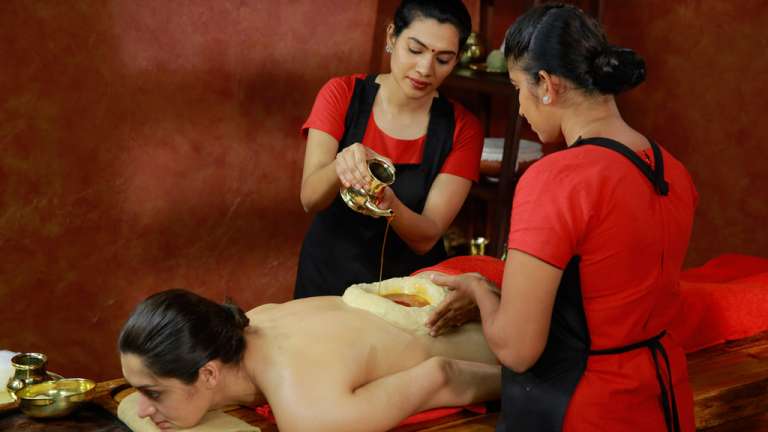
A cornerstone of holistic Ayurveda is Panchakarma therapy—a structured system of detoxification and rejuvenation. Panchakarma eliminates deep-seated toxins, restores digestive fire, and rebalances the doshas at a cellular level.

When administered correctly, Panchakarma:

  • Enhances immunity and metabolism

  • Improves chronic disease outcomes

  • Reduces stress and mental fatigue

  • Rejuvenates tissues and organs

  • Supports preventive healthcare

Holistic Ayurveda views Panchakarma not only as a treatment, but as a powerful tool for long-term wellness and disease prevention.

Mind–Body Integration in Ayurvedic Healing

Ayurveda understands that unresolved stress, emotional imbalance, and mental strain can directly manifest as physical disease. Therefore, holistic Ayurvedic treatment integrates mind–body practices such as:

  • Meditation and mindfulness

  • Yoga and gentle movement

  • Pranayama (breathing techniques)

  • Sleep and stress management guidance

This integration ensures healing at both physical and psychological levels.

Holistic Ayurveda for Modern Lifestyle Disorders

Many modern diseases—diabetes, hypertension, obesity, digestive disorders, skin diseases, hormonal imbalance, anxiety, and insomnia—are lifestyle-driven. Holistic Ayurveda addresses these conditions by correcting the cause, not suppressing symptoms.

Through natural medicines, detox therapies, diet regulation, and lifestyle awareness, Ayurveda helps patients regain balance without dependency or harmful side effects.

Why Holistic Ayurvedic Treatment Is the Future of Healthcare

As global healthcare shifts toward prevention, sustainability, and patient-centered care, Ayurveda’s holistic model is gaining worldwide relevance. Its emphasis on personalization, natural healing, and self-awareness aligns perfectly with modern wellness needs.

Holistic Ayurveda empowers individuals to become active participants in their own health journey.

Ayurveda Initiative’s Vision for Holistic Health

At Ayurveda Initiative for Global Health, our mission is to promote authentic, evidence-informed Ayurvedic knowledge globally. We aim to educate, guide, and inspire individuals to embrace holistic Ayurvedic treatment for lifelong health, balance, and well-being.

Frequently Asked Questions (FAQs)

1. What does holistic Ayurvedic treatment mean?

Holistic Ayurvedic treatment focuses on healing the entire person—body, mind, and lifestyle—by addressing the root cause of disease rather than only symptoms.

2. How is holistic Ayurveda different from conventional treatment?

Conventional treatment often targets symptoms, while holistic Ayurveda corrects underlying imbalances in digestion, metabolism, lifestyle, and mental health for long-term healing.

3. Is holistic Ayurvedic treatment personalized?

Yes. Ayurveda customizes treatment based on individual constitution (Prakriti), current imbalance (Vikriti), digestion, lifestyle, and emotional health.

4. What conditions can holistic Ayurveda treat?

Holistic Ayurveda is effective for chronic diseases, lifestyle disorders, digestive issues, joint pain, skin problems, hormonal imbalance, stress, anxiety, and preventive healthcare.

5. Is Panchakarma necessary for holistic treatment?

Not always. Panchakarma is recommended when deep detoxification is required. Many conditions can be managed through diet, herbs, and lifestyle correction alone.

6. Is holistic Ayurvedic treatment safe?

When practiced by qualified Ayurvedic physicians, holistic treatment is safe, natural, and designed to work with the body’s healing mechanisms.

7. How long does holistic Ayurvedic treatment take?

Treatment duration depends on the condition, chronicity, and individual response. Ayurveda focuses on gradual, sustainable healing rather than instant results.

8. Can holistic Ayurveda be used alongside modern medicine?

Yes, in many cases Ayurveda can complement modern medicine. However, treatment integration should always be guided by qualified professionals.

9. Does holistic Ayurveda help in disease prevention?

Absolutely. Ayurveda strongly emphasizes prevention through diet, lifestyle routines, seasonal care, and detoxification.

10. Who should choose holistic Ayurvedic treatment?

Anyone seeking natural healing, long-term wellness, prevention of disease, or balance in body and mind can benefit from holistic Ayurvedic treatment.


In today’s world, health challenges are becoming increasingly complex. Chronic diseases, lifestyle disorders, stress-related illnesses, and mental health concerns often coexist, making symptom-based treatment insufficient. This is where Holistic Ayurvedic Treatment stands apart—offering a comprehensive, individualized, and root-cause–oriented approach to healing.  At Ayurveda Initiative for Global Health, we advocate Ayurveda not merely as a medical system, but as a complete science of life that restores harmony between the body, mind, and environment.  In today’s world, health challenges are becoming increasingly complex. Chronic diseases, lifestyle disorders, stress-related illnesses, and mental health concerns often coexist, making symptom-based treatment insufficient. This is where Holistic Ayurvedic Treatment stands apart—offering a comprehensive, individualized, and root-cause–oriented approach to healing.  At Ayurveda Initiative for Global Health, we advocate Ayurveda not merely as a medical system, but as a complete science of life that restores harmony between the body, mind, and environment.  Image  Image  What Is Holistic Ayurvedic Treatment? Holistic Ayurvedic treatment is an integrative healthcare approach that considers the whole person, not just the disease. Ayurveda recognizes that physical health, mental well-being, emotional balance, digestion, lifestyle, and environmental factors are deeply interconnected.  Instead of asking “What disease do you have?”, Ayurveda asks “Why did this imbalance occur in your body?”  By addressing the root cause, holistic Ayurveda promotes sustainable healing rather than temporary relief.  Core Principles of Holistic Ayurveda Ayurveda is built on timeless principles that guide holistic healing:  Tridosha Theory: Balance of Vata, Pitta, and Kapha  Prakriti & Vikriti: Individual constitution and current imbalance  Agni: Digestive and metabolic strength  Ama: Accumulated toxins causing disease  Ojas: Vital energy responsible for immunity and vitality  Holistic treatment aims to correct these foundational aspects to restore natural health.  Personalized Treatment: The Heart of Holistic Care One of the defining strengths of Ayurveda is personalization. Two individuals with the same diagnosis may receive completely different treatments based on their constitution, digestion, lifestyle, and mental state.  Holistic Ayurvedic treatment may include:  Customized herbal formulations  Therapeutic diets and nutrition guidance  Lifestyle correction and daily routines (Dinacharya)  Seasonal health practices (Ritucharya)  Detoxification and rejuvenation therapies  This individualized approach ensures deeper, safer, and long-lasting healing.  Panchakarma: Holistic Detox and Rejuvenation A cornerstone of holistic Ayurveda is Panchakarma therapy—a structured system of detoxification and rejuvenation. Panchakarma eliminates deep-seated toxins, restores digestive fire, and rebalances the doshas at a cellular level.  When administered correctly, Panchakarma:  Enhances immunity and metabolism  Improves chronic disease outcomes  Reduces stress and mental fatigue  Rejuvenates tissues and organs  Supports preventive healthcare  Holistic Ayurveda views Panchakarma not only as a treatment, but as a powerful tool for long-term wellness and disease prevention.  Mind–Body Integration in Ayurvedic Healing Ayurveda understands that unresolved stress, emotional imbalance, and mental strain can directly manifest as physical disease. Therefore, holistic Ayurvedic treatment integrates mind–body practices such as:  Meditation and mindfulness  Yoga and gentle movement  Pranayama (breathing techniques)  Sleep and stress management guidance  This integration ensures healing at both physical and psychological levels.  Holistic Ayurveda for Modern Lifestyle Disorders Many modern diseases—diabetes, hypertension, obesity, digestive disorders, skin diseases, hormonal imbalance, anxiety, and insomnia—are lifestyle-driven. Holistic Ayurveda addresses these conditions by correcting the cause, not suppressing symptoms.  Through natural medicines, detox therapies, diet regulation, and lifestyle awareness, Ayurveda helps patients regain balance without dependency or harmful side effects.  Why Holistic Ayurvedic Treatment Is the Future of Healthcare As global healthcare shifts toward prevention, sustainability, and patient-centered care, Ayurveda’s holistic model is gaining worldwide relevance. Its emphasis on personalization, natural healing, and self-awareness aligns perfectly with modern wellness needs.  Holistic Ayurveda empowers individuals to become active participants in their own health journey.  Ayurveda Initiative’s Vision for Holistic Health At Ayurveda Initiative for Global Health, our mission is to promote authentic, evidence-informed Ayurvedic knowledge globally. We aim to educate, guide, and inspire individuals to embrace holistic Ayurvedic treatment for lifelong health, balance, and well-being.  Frequently Asked Questions (FAQs) 1. What does holistic Ayurvedic treatment mean? Holistic Ayurvedic treatment focuses on healing the entire person—body, mind, and lifestyle—by addressing the root cause of disease rather than only symptoms.  2. How is holistic Ayurveda different from conventional treatment? Conventional treatment often targets symptoms, while holistic Ayurveda corrects underlying imbalances in digestion, metabolism, lifestyle, and mental health for long-term healing.  3. Is holistic Ayurvedic treatment personalized? Yes. Ayurveda customizes treatment based on individual constitution (Prakriti), current imbalance (Vikriti), digestion, lifestyle, and emotional health.  4. What conditions can holistic Ayurveda treat? Holistic Ayurveda is effective for chronic diseases, lifestyle disorders, digestive issues, joint pain, skin problems, hormonal imbalance, stress, anxiety, and preventive healthcare.  5. Is Panchakarma necessary for holistic treatment? Not always. Panchakarma is recommended when deep detoxification is required. Many conditions can be managed through diet, herbs, and lifestyle correction alone.  6. Is holistic Ayurvedic treatment safe? When practiced by qualified Ayurvedic physicians, holistic treatment is safe, natural, and designed to work with the body’s healing mechanisms.  7. How long does holistic Ayurvedic treatment take? Treatment duration depends on the condition, chronicity, and individual response. Ayurveda focuses on gradual, sustainable healing rather than instant results.  8. Can holistic Ayurveda be used alongside modern medicine? Yes, in many cases Ayurveda can complement modern medicine. However, treatment integration should always be guided by qualified professionals.  9. Does holistic Ayurveda help in disease prevention? Absolutely. Ayurveda strongly emphasizes prevention through diet, lifestyle routines, seasonal care, and detoxification.  10. Who should choose holistic Ayurvedic treatment? Anyone seeking natural healing, long-term wellness, prevention of disease, or balance in body and mind can benefit from holistic Ayurvedic treatment.  In today’s world, health challenges are becoming increasingly complex. Chronic diseases, lifestyle disorders, stress-related illnesses, and mental health concerns often coexist, making symptom-based treatment insufficient. This is where Holistic Ayurvedic Treatment stands apart—offering a comprehensive, individualized, and root-cause–oriented approach to healing.  At Ayurveda Initiative for Global Health, we advocate Ayurveda not merely as a medical system, but as a complete science of life that restores harmony between the body, mind, and environment.  Image  Image  What Is Holistic Ayurvedic Treatment? Holistic Ayurvedic treatment is an integrative healthcare approach that considers the whole person, not just the disease. Ayurveda recognizes that physical health, mental well-being, emotional balance, digestion, lifestyle, and environmental factors are deeply interconnected.  Instead of asking “What disease do you have?”, Ayurveda asks “Why did this imbalance occur in your body?”  By addressing the root cause, holistic Ayurveda promotes sustainable healing rather than temporary relief.  Core Principles of Holistic Ayurveda Ayurveda is built on timeless principles that guide holistic healing:  Tridosha Theory: Balance of Vata, Pitta, and Kapha  Prakriti & Vikriti: Individual constitution and current imbalance  Agni: Digestive and metabolic strength  Ama: Accumulated toxins causing disease  Ojas: Vital energy responsible for immunity and vitality  Holistic treatment aims to correct these foundational aspects to restore natural health.  Personalized Treatment: The Heart of Holistic Care One of the defining strengths of Ayurveda is personalization. Two individuals with the same diagnosis may receive completely different treatments based on their constitution, digestion, lifestyle, and mental state.  Holistic Ayurvedic treatment may include:  Customized herbal formulations  Therapeutic diets and nutrition guidance  Lifestyle correction and daily routines (Dinacharya)  Seasonal health practices (Ritucharya)  Detoxification and rejuvenation therapies  This individualized approach ensures deeper, safer, and long-lasting healing.  Panchakarma: Holistic Detox and Rejuvenation A cornerstone of holistic Ayurveda is Panchakarma therapy—a structured system of detoxification and rejuvenation. Panchakarma eliminates deep-seated toxins, restores digestive fire, and rebalances the doshas at a cellular level.  When administered correctly, Panchakarma:  Enhances immunity and metabolism  Improves chronic disease outcomes  Reduces stress and mental fatigue  Rejuvenates tissues and organs  Supports preventive healthcare  Holistic Ayurveda views Panchakarma not only as a treatment, but as a powerful tool for long-term wellness and disease prevention.  Mind–Body Integration in Ayurvedic Healing Ayurveda understands that unresolved stress, emotional imbalance, and mental strain can directly manifest as physical disease. Therefore, holistic Ayurvedic treatment integrates mind–body practices such as:  Meditation and mindfulness  Yoga and gentle movement  Pranayama (breathing techniques)  Sleep and stress management guidance  This integration ensures healing at both physical and psychological levels.  Holistic Ayurveda for Modern Lifestyle Disorders Many modern diseases—diabetes, hypertension, obesity, digestive disorders, skin diseases, hormonal imbalance, anxiety, and insomnia—are lifestyle-driven. Holistic Ayurveda addresses these conditions by correcting the cause, not suppressing symptoms.  Through natural medicines, detox therapies, diet regulation, and lifestyle awareness, Ayurveda helps patients regain balance without dependency or harmful side effects.  Why Holistic Ayurvedic Treatment Is the Future of Healthcare As global healthcare shifts toward prevention, sustainability, and patient-centered care, Ayurveda’s holistic model is gaining worldwide relevance. Its emphasis on personalization, natural healing, and self-awareness aligns perfectly with modern wellness needs.  Holistic Ayurveda empowers individuals to become active participants in their own health journey.  Ayurveda Initiative’s Vision for Holistic Health At Ayurveda Initiative for Global Health, our mission is to promote authentic, evidence-informed Ayurvedic knowledge globally. We aim to educate, guide, and inspire individuals to embrace holistic Ayurvedic treatment for lifelong health, balance, and well-being.  Frequently Asked Questions (FAQs) 1. What does holistic Ayurvedic treatment mean? Holistic Ayurvedic treatment focuses on healing the entire person—body, mind, and lifestyle—by addressing the root cause of disease rather than only symptoms.  2. How is holistic Ayurveda different from conventional treatment? Conventional treatment often targets symptoms, while holistic Ayurveda corrects underlying imbalances in digestion, metabolism, lifestyle, and mental health for long-term healing.  3. Is holistic Ayurvedic treatment personalized? Yes. Ayurveda customizes treatment based on individual constitution (Prakriti), current imbalance (Vikriti), digestion, lifestyle, and emotional health.  4. What conditions can holistic Ayurveda treat? Holistic Ayurveda is effective for chronic diseases, lifestyle disorders, digestive issues, joint pain, skin problems, hormonal imbalance, stress, anxiety, and preventive healthcare.  5. Is Panchakarma necessary for holistic treatment? Not always. Panchakarma is recommended when deep detoxification is required. Many conditions can be managed through diet, herbs, and lifestyle correction alone.  6. Is holistic Ayurvedic treatment safe? When practiced by qualified Ayurvedic physicians, holistic treatment is safe, natural, and designed to work with the body’s healing mechanisms.  7. How long does holistic Ayurvedic treatment take? Treatment duration depends on the condition, chronicity, and individual response. Ayurveda focuses on gradual, sustainable healing rather than instant results.  8. Can holistic Ayurveda be used alongside modern medicine? Yes, in many cases Ayurveda can complement modern medicine. However, treatment integration should always be guided by qualified professionals.  9. Does holistic Ayurveda help in disease prevention? Absolutely. Ayurveda strongly emphasizes prevention through diet, lifestyle routines, seasonal care, and detoxification.  10. Who should choose holistic Ayurvedic treatment? Anyone seeking natural healing, long-term wellness, prevention of disease, or balance in body and mind can benefit from holistic Ayurvedic treatment.  What Is Holistic Ayurvedic Treatment? Holistic Ayurvedic treatment is an integrative healthcare approach that considers the whole person, not just the disease. Ayurveda recognizes that physical health, mental well-being, emotional balance, digestion, lifestyle, and environmental factors are deeply interconnected.  Instead of asking “What disease do you have?”, Ayurveda asks “Why did this imbalance occur in your body?”  By addressing the root cause, holistic Ayurveda promotes sustainable healing rather than temporary relief.  Core Principles of Holistic Ayurveda Ayurveda is built on timeless principles that guide holistic healing:  Tridosha Theory: Balance of Vata, Pitta, and Kapha  Prakriti & Vikriti: Individual constitution and current imbalance  Agni: Digestive and metabolic strength  Ama: Accumulated toxins causing disease  Ojas: Vital energy responsible for immunity and vitality  Holistic treatment aims to correct these foundational aspects to restore natural health.  Personalized Treatment: The Heart of Holistic Care One of the defining strengths of Ayurveda is personalization. Two individuals with the same diagnosis may receive completely different treatments based on their constitution, digestion, lifestyle, and mental state.  Holistic Ayurvedic treatment may include:  Customized herbal formulations  Therapeutic diets and nutrition guidance  Lifestyle correction and daily routines (Dinacharya)  Seasonal health practices (Ritucharya)  Detoxification and rejuvenation therapies  This individualized approach ensures deeper, safer, and long-lasting healing.  Panchakarma: Holistic Detox and Rejuvenation A cornerstone of holistic Ayurveda is Panchakarma therapy—a structured system of detoxification and rejuvenation. Panchakarma eliminates deep-seated toxins, restores digestive fire, and rebalances the doshas at a cellular level.  When administered correctly, Panchakarma:  Enhances immunity and metabolism  Improves chronic disease outcomes  Reduces stress and mental fatigue  Rejuvenates tissues and organs  Supports preventive healthcare  Holistic Ayurveda views Panchakarma not only as a treatment, but as a powerful tool for long-term wellness and disease prevention.  Mind–Body Integration in Ayurvedic Healing Ayurveda understands that unresolved stress, emotional imbalance, and mental strain can directly manifest as physical disease. Therefore, holistic Ayurvedic treatment integrates mind–body practices such as:  Meditation and mindfulness  Yoga and gentle movement  Pranayama (breathing techniques)  Sleep and stress management guidance  This integration ensures healing at both physical and psychological levels.  Holistic Ayurveda for Modern Lifestyle Disorders Many modern diseases—diabetes, hypertension, obesity, digestive disorders, skin diseases, hormonal imbalance, anxiety, and insomnia—are lifestyle-driven. Holistic Ayurveda addresses these conditions by correcting the cause, not suppressing symptoms.  Through natural medicines, detox therapies, diet regulation, and lifestyle awareness, Ayurveda helps patients regain balance without dependency or harmful side effects.  Why Holistic Ayurvedic Treatment Is the Future of Healthcare As global healthcare shifts toward prevention, sustainability, and patient-centered care, Ayurveda’s holistic model is gaining worldwide relevance. Its emphasis on personalization, natural healing, and self-awareness aligns perfectly with modern wellness needs.  Holistic Ayurveda empowers individuals to become active participants in their own health journey.  Ayurveda Initiative’s Vision for Holistic Health At Ayurveda Initiative for Global Health, our mission is to promote authentic, evidence-informed Ayurvedic knowledge globally. We aim to educate, guide, and inspire individuals to embrace holistic Ayurvedic treatment for lifelong health, balance, and well-being.  Frequently Asked Questions (FAQs) 1. What does holistic Ayurvedic treatment mean? Holistic Ayurvedic treatment focuses on healing the entire person—body, mind, and lifestyle—by addressing the root cause of disease rather than only symptoms.  2. How is holistic Ayurveda different from conventional treatment? Conventional treatment often targets symptoms, while holistic Ayurveda corrects underlying imbalances in digestion, metabolism, lifestyle, and mental health for long-term healing.  3. Is holistic Ayurvedic treatment personalized? Yes. Ayurveda customizes treatment based on individual constitution (Prakriti), current imbalance (Vikriti), digestion, lifestyle, and emotional health.  4. What conditions can holistic Ayurveda treat? Holistic Ayurveda is effective for chronic diseases, lifestyle disorders, digestive issues, joint pain, skin problems, hormonal imbalance, stress, anxiety, and preventive healthcare.  5. Is Panchakarma necessary for holistic treatment? Not always. Panchakarma is recommended when deep detoxification is required. Many conditions can be managed through diet, herbs, and lifestyle correction alone.  6. Is holistic Ayurvedic treatment safe? When practiced by qualified Ayurvedic physicians, holistic treatment is safe, natural, and designed to work with the body’s healing mechanisms.  7. How long does holistic Ayurvedic treatment take? Treatment duration depends on the condition, chronicity, and individual response. Ayurveda focuses on gradual, sustainable healing rather than instant results.  8. Can holistic Ayurveda be used alongside modern medicine? Yes, in many cases Ayurveda can complement modern medicine. However, treatment integration should always be guided by qualified professionals.  9. Does holistic Ayurveda help in disease prevention? Absolutely. Ayurveda strongly emphasizes prevention through diet, lifestyle routines, seasonal care, and detoxification.  10. Who should choose holistic Ayurvedic treatment? Anyone seeking natural healing, long-term wellness, prevention of disease, or balance in body and mind can benefit from holistic Ayurvedic treatment.       Dr. Sagar Narkhede Ayurvedic Physician & Panchakarma Specialist is a dedicated and experienced Ayurvedic doctor known for his holistic approach to health and disease management. With a strong foundation in classical Ayurveda and modern clinical understanding, he focuses on treating the root cause of illness rather than just suppressing symptoms.  Dr. Narkhede specializes in managing chronic lifestyle disorders, digestive issues, joint and spine problems, stress-related conditions, hormonal imbalances, and skin diseases through authentic Ayurvedic therapies and personalized Panchakarma treatments.  Areas of Expertise Chronic lifestyle disorders (Diabetes, Hypertension, Obesity) Joint pain, Arthritis & Spine-related disorders Digestive disorders & metabolic imbalance Stress, anxiety & sleep disorders Panchakarma detox & rejuvenation therapies Preventive & holistic health care Treatment Philosophy Dr. Sagar Narkhede believes in individualized treatment plans based on Prakriti (body constitution), lifestyle, and disease stage. His goal is to restore balance between body, mind, and metabolism for long-term wellness and sustainable healing.  Visit Clinic Website


Dr. Sagar Narkhede

Ayurvedic Physician & Panchakarma Specialist

is a dedicated and experienced Ayurvedic doctor known for his holistic approach to health and disease management. With a strong foundation in classical Ayurveda and modern clinical understanding, he focuses on treating the root cause of illness rather than just suppressing symptoms.

Dr. Narkhede specializes in managing chronic lifestyle disorders, digestive issues, joint and spine problems, stress-related conditions, hormonal imbalances, and skin diseases through authentic Ayurvedic therapies and personalized Panchakarma treatments.

Areas of Expertise

  • Chronic lifestyle disorders (Diabetes, Hypertension, Obesity)
  • Joint pain, Arthritis & Spine-related disorders
  • Digestive disorders & metabolic imbalance
  • Stress, anxiety & sleep disorders
  • Panchakarma detox & rejuvenation therapies
  • Preventive & holistic health care

Treatment Philosophy

Dr. Sagar Narkhede believes in individualized treatment plans based on Prakriti (body constitution), lifestyle, and disease stage. His goal is to restore balance between body, mind, and metabolism for long-term wellness and sustainable healing.

No comments:

Post a Comment

Share This Article
Link copied! Ready to paste on Instagram.

Featured Post

Holistic Ayurvedic Treatment: Healing the Body, Mind, and Spirit

In today’s world, health challenges are becoming increasingly complex. Chronic diseases, lifestyle disorders, stress-related illnesses, and ...

Popular Posts

Search This Blog

🌿 AYURVEDA INTELLIGENCE

Ayurveda Global Insights & Research

Analyzing latest trends...

Join the Initiative

Get weekly Ayurvedic research in your inbox.

Total Pageviews