



Herbs and Spa
Ayurveda for Global Health
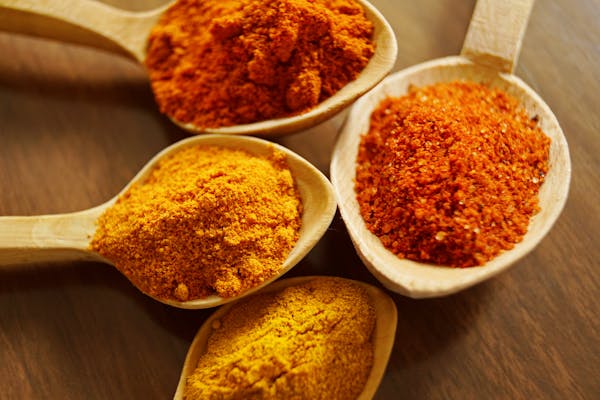
Ayurvedic Spices
Ayurveda for Global Health
Oils and Aromatherapy
Ayurveda for Global Health
Yoga Pose
Ayurveda for Global Health
Green Herbs Tea
Ayurveda for Global Health
Zen Stones
Ayurveda for Global Health
Herbs and Spa
Ayurveda for Global Health
Ayurvedic Spices
Ayurveda for Global Health
Oils and Aromatherapy
Ayurveda for Global Health
Yoga Pose
Ayurveda for Global Health
Green Herbs Tea
Ayurveda for Global Health
Zen Stones
Ayurveda for Global Health

Authentic Ayurvedic Treatment: Trusted Care for Holistic Health.

In a world filled with fast solutions and short-term symptom control, people are increasingly seeking healthcare that is authentic, reliable, and rooted in wisdom. Ayurveda stands apart as a time-tested medical science that offers not only treatment, but understanding, balance, and sustainable well-being. When practiced correctly, authentic Ayurvedic treatment provides trusted care that heals deeply and prevents recurrence.

At Ayurveda Initiative for Global Health, our mission is to promote genuine Ayurvedic knowledge and responsible healthcare choices grounded in tradition, clinical understanding, and patient safety.

In a world filled with fast solutions and short-term symptom control, people are increasingly seeking healthcare that is authentic, reliable, and rooted in wisdom. Ayurveda stands apart as a time-tested medical science that offers not only treatment, but understanding, balance, and sustainable well-being. When practiced correctly, authentic Ayurvedic treatment provides trusted care that heals deeply and prevents recurrence.  At Ayurveda Initiative for Global Health, our mission is to promote genuine Ayurvedic knowledge and responsible healthcare choices grounded in tradition, clinical understanding, and patient safety.  Image    Image  Image  What Does “Authentic” Ayurvedic Treatment Mean? Authentic Ayurvedic treatment is not defined merely by the use of herbs or classical terminology. It is defined by correct diagnosis, individualized planning, ethical practice, and clinical experience.  True Ayurvedic care includes:  Detailed assessment of body constitution (Prakriti)  Understanding of current imbalance (Vikriti)  Evaluation of digestion (Agni) and toxin load (Ama)  Consideration of lifestyle, diet, mental health, and environment  Authenticity lies in treating the person, not just the disease.  Trusted Care Through Root-Cause Healing One of the strongest reasons Ayurveda earns trust is its root-cause approach. Instead of suppressing symptoms, Ayurveda investigates why imbalance occurred in the first place.  Authentic Ayurvedic treatment focuses on:  Correcting digestion and metabolism  Eliminating toxins naturally  Restoring doshic balance  Strengthening immunity and vitality  This approach leads to long-term relief and reduced dependency, building trust through results rather than promises.  Personalized Treatment: A Hallmark of Authentic Ayurveda Ayurveda recognizes that every individual is unique. Two people with the same condition may receive completely different treatments based on their constitution, age, strength, and lifestyle.  Personalized care may include:  Customized herbal formulations  Individualized dietary guidance  Lifestyle and routine correction (Dinacharya)  Seasonal care (Ritucharya)  Therapeutic procedures when required  This personalization is essential for safe, effective, and trusted care.  Panchakarma: Authentic Detox Under Expert Guidance Panchakarma is one of Ayurveda’s most powerful therapies—but it must be practiced authentically to be safe and effective. When guided by qualified Ayurvedic doctors, Panchakarma helps remove deep-seated toxins and rejuvenate the body at a cellular level.  Benefits of authentic Panchakarma include:  Improved digestion and metabolism  Enhanced immunity  Support in chronic disorders  Mental clarity and rejuvenation  Unsupervised or incorrect Panchakarma can be harmful, which is why trusted medical guidance is essential.  Authentic Ayurveda for Chronic and Lifestyle Disorders Many modern health problems—such as diabetes, hypertension, digestive disorders, joint pain, skin diseases, hormonal imbalance, stress, anxiety, and sleep disorders—are rooted in lifestyle and long-term imbalance.  Authentic Ayurvedic treatment addresses these through:  Natural medicines  Dietary and lifestyle correction  Detoxification when indicated  Mental and emotional balance  This holistic approach supports sustainable healing rather than temporary control.  Ethics, Experience, and Patient Trust Trust in Ayurveda grows when treatment is:  Ethically prescribed  Properly explained to patients  Gradually adjusted based on response  Focused on safety and long-term health  Authentic Ayurveda does not promise miracles—it offers honest guidance, steady improvement, and informed care.  Ayurveda as Preventive and Life-Enhancing Care Beyond disease treatment, authentic Ayurveda teaches how to live in harmony with nature. Daily routines, mindful eating, seasonal awareness, and stress management form the foundation of lifelong health.  This preventive focus makes Ayurveda a trusted system not only for healing, but for maintaining wellness.  Always Consult a Qualified Ayurvedic Doctor Ayurveda is a personalized medical science. Always consult a qualified Ayurvedic doctor for proper diagnosis, treatment selection, dosage, and therapy planning. Self-medication and generalized advice can compromise safety and effectiveness.  Frequently Asked Questions (FAQs) 1. What is authentic Ayurvedic treatment? Authentic Ayurvedic treatment is individualized, root-cause–based care guided by classical principles and qualified practitioners.  2. How can I identify trusted Ayurvedic care? Trusted care involves detailed consultation, personalized treatment, ethical guidance, and realistic expectations.  3. Is authentic Ayurveda safe? Yes, when practiced by qualified Ayurvedic doctors with proper diagnosis and monitoring.  4. Does authentic Ayurveda treat chronic diseases? Ayurveda is especially effective in managing chronic and lifestyle disorders through long-term balance restoration.  5. Is Panchakarma necessary for everyone? No. Panchakarma is advised only when clinically indicated by an Ayurvedic doctor.  6. Are Ayurvedic medicines natural? Most Ayurvedic medicines are derived from natural sources and aim to support the body’s healing processes.  7. How long does Ayurvedic treatment take? Duration depends on the condition, chronicity, and individual response. Ayurveda prioritizes lasting improvement.  8. Can Ayurveda prevent disease? Yes. Prevention through diet, lifestyle, and seasonal routines is a core principle of Ayurveda.  9. Is Ayurveda suitable for all age groups? Yes, with appropriate dosage and professional supervision.  10. Can Ayurveda help with mental health? Ayurveda addresses stress, anxiety, sleep disorders, and emotional imbalance holistically.  11. Can Ayurveda be combined with other treatments? In many cases, Ayurveda can complement other systems, but integration should be professionally guided.  12. Why is consulting an Ayurvedic doctor important? Because Ayurveda is highly individualized, professional consultation ensures safety, accuracy, and effectiveness.  Authentic Ayurvedic treatment builds trust through knowledge, ethics, and results. Always consult a qualified Ayurvedic doctor for personalized guidance and safe, effective care.    Dr. Sagar Narkhede Ayurvedic Physician & Panchakarma Specialist is a dedicated and experienced Ayurvedic doctor known for his holistic approach to health and disease management. With a strong foundation in classical Ayurveda and modern clinical understanding, he focuses on treating the root cause of illness rather than just suppressing symptoms.  Dr. Narkhede specializes in managing chronic lifestyle disorders, digestive issues, joint and spine problems, stress-related conditions, hormonal imbalances, and skin diseases through authentic Ayurvedic therapies and personalized Panchakarma treatments.  Areas of Expertise Chronic lifestyle disorders (Diabetes, Hypertension, Obesity) Joint pain, Arthritis & Spine-related disorders Digestive disorders & metabolic imbalance Stress, anxiety & sleep disorders Panchakarma detox & rejuvenation therapies Preventive & holistic health care Treatment Philosophy Dr. Sagar Narkhede believes in individualized treatment plans based on Prakriti (body constitution), lifestyle, and disease stage. His goal is to restore balance between body, mind, and metabolism for long-term wellness and sustainable healing.  Visit Clinic Website


In a world filled with fast solutions and short-term symptom control, people are increasingly seeking healthcare that is authentic, reliable, and rooted in wisdom. Ayurveda stands apart as a time-tested medical science that offers not only treatment, but understanding, balance, and sustainable well-being. When practiced correctly, authentic Ayurvedic treatment provides trusted care that heals deeply and prevents recurrence.  At Ayurveda Initiative for Global Health, our mission is to promote genuine Ayurvedic knowledge and responsible healthcare choices grounded in tradition, clinical understanding, and patient safety.  Image    Image  Image  What Does “Authentic” Ayurvedic Treatment Mean? Authentic Ayurvedic treatment is not defined merely by the use of herbs or classical terminology. It is defined by correct diagnosis, individualized planning, ethical practice, and clinical experience.  True Ayurvedic care includes:  Detailed assessment of body constitution (Prakriti)  Understanding of current imbalance (Vikriti)  Evaluation of digestion (Agni) and toxin load (Ama)  Consideration of lifestyle, diet, mental health, and environment  Authenticity lies in treating the person, not just the disease.  Trusted Care Through Root-Cause Healing One of the strongest reasons Ayurveda earns trust is its root-cause approach. Instead of suppressing symptoms, Ayurveda investigates why imbalance occurred in the first place.  Authentic Ayurvedic treatment focuses on:  Correcting digestion and metabolism  Eliminating toxins naturally  Restoring doshic balance  Strengthening immunity and vitality  This approach leads to long-term relief and reduced dependency, building trust through results rather than promises.  Personalized Treatment: A Hallmark of Authentic Ayurveda Ayurveda recognizes that every individual is unique. Two people with the same condition may receive completely different treatments based on their constitution, age, strength, and lifestyle.  Personalized care may include:  Customized herbal formulations  Individualized dietary guidance  Lifestyle and routine correction (Dinacharya)  Seasonal care (Ritucharya)  Therapeutic procedures when required  This personalization is essential for safe, effective, and trusted care.  Panchakarma: Authentic Detox Under Expert Guidance Panchakarma is one of Ayurveda’s most powerful therapies—but it must be practiced authentically to be safe and effective. When guided by qualified Ayurvedic doctors, Panchakarma helps remove deep-seated toxins and rejuvenate the body at a cellular level.  Benefits of authentic Panchakarma include:  Improved digestion and metabolism  Enhanced immunity  Support in chronic disorders  Mental clarity and rejuvenation  Unsupervised or incorrect Panchakarma can be harmful, which is why trusted medical guidance is essential.  Authentic Ayurveda for Chronic and Lifestyle Disorders Many modern health problems—such as diabetes, hypertension, digestive disorders, joint pain, skin diseases, hormonal imbalance, stress, anxiety, and sleep disorders—are rooted in lifestyle and long-term imbalance.  Authentic Ayurvedic treatment addresses these through:  Natural medicines  Dietary and lifestyle correction  Detoxification when indicated  Mental and emotional balance  This holistic approach supports sustainable healing rather than temporary control.  Ethics, Experience, and Patient Trust Trust in Ayurveda grows when treatment is:  Ethically prescribed  Properly explained to patients  Gradually adjusted based on response  Focused on safety and long-term health  Authentic Ayurveda does not promise miracles—it offers honest guidance, steady improvement, and informed care.  Ayurveda as Preventive and Life-Enhancing Care Beyond disease treatment, authentic Ayurveda teaches how to live in harmony with nature. Daily routines, mindful eating, seasonal awareness, and stress management form the foundation of lifelong health.  This preventive focus makes Ayurveda a trusted system not only for healing, but for maintaining wellness.  Always Consult a Qualified Ayurvedic Doctor Ayurveda is a personalized medical science. Always consult a qualified Ayurvedic doctor for proper diagnosis, treatment selection, dosage, and therapy planning. Self-medication and generalized advice can compromise safety and effectiveness.  Frequently Asked Questions (FAQs) 1. What is authentic Ayurvedic treatment? Authentic Ayurvedic treatment is individualized, root-cause–based care guided by classical principles and qualified practitioners.  2. How can I identify trusted Ayurvedic care? Trusted care involves detailed consultation, personalized treatment, ethical guidance, and realistic expectations.  3. Is authentic Ayurveda safe? Yes, when practiced by qualified Ayurvedic doctors with proper diagnosis and monitoring.  4. Does authentic Ayurveda treat chronic diseases? Ayurveda is especially effective in managing chronic and lifestyle disorders through long-term balance restoration.  5. Is Panchakarma necessary for everyone? No. Panchakarma is advised only when clinically indicated by an Ayurvedic doctor.  6. Are Ayurvedic medicines natural? Most Ayurvedic medicines are derived from natural sources and aim to support the body’s healing processes.  7. How long does Ayurvedic treatment take? Duration depends on the condition, chronicity, and individual response. Ayurveda prioritizes lasting improvement.  8. Can Ayurveda prevent disease? Yes. Prevention through diet, lifestyle, and seasonal routines is a core principle of Ayurveda.  9. Is Ayurveda suitable for all age groups? Yes, with appropriate dosage and professional supervision.  10. Can Ayurveda help with mental health? Ayurveda addresses stress, anxiety, sleep disorders, and emotional imbalance holistically.  11. Can Ayurveda be combined with other treatments? In many cases, Ayurveda can complement other systems, but integration should be professionally guided.  12. Why is consulting an Ayurvedic doctor important? Because Ayurveda is highly individualized, professional consultation ensures safety, accuracy, and effectiveness.  Authentic Ayurvedic treatment builds trust through knowledge, ethics, and results. Always consult a qualified Ayurvedic doctor for personalized guidance and safe, effective care.    Dr. Sagar Narkhede Ayurvedic Physician & Panchakarma Specialist is a dedicated and experienced Ayurvedic doctor known for his holistic approach to health and disease management. With a strong foundation in classical Ayurveda and modern clinical understanding, he focuses on treating the root cause of illness rather than just suppressing symptoms.  Dr. Narkhede specializes in managing chronic lifestyle disorders, digestive issues, joint and spine problems, stress-related conditions, hormonal imbalances, and skin diseases through authentic Ayurvedic therapies and personalized Panchakarma treatments.  Areas of Expertise Chronic lifestyle disorders (Diabetes, Hypertension, Obesity) Joint pain, Arthritis & Spine-related disorders Digestive disorders & metabolic imbalance Stress, anxiety & sleep disorders Panchakarma detox & rejuvenation therapies Preventive & holistic health care Treatment Philosophy Dr. Sagar Narkhede believes in individualized treatment plans based on Prakriti (body constitution), lifestyle, and disease stage. His goal is to restore balance between body, mind, and metabolism for long-term wellness and sustainable healing.  Visit Clinic Website

In a world filled with fast solutions and short-term symptom control, people are increasingly seeking healthcare that is authentic, reliable, and rooted in wisdom. Ayurveda stands apart as a time-tested medical science that offers not only treatment, but understanding, balance, and sustainable well-being. When practiced correctly, authentic Ayurvedic treatment provides trusted care that heals deeply and prevents recurrence.  At Ayurveda Initiative for Global Health, our mission is to promote genuine Ayurvedic knowledge and responsible healthcare choices grounded in tradition, clinical understanding, and patient safety.  Image    Image  Image  What Does “Authentic” Ayurvedic Treatment Mean? Authentic Ayurvedic treatment is not defined merely by the use of herbs or classical terminology. It is defined by correct diagnosis, individualized planning, ethical practice, and clinical experience.  True Ayurvedic care includes:  Detailed assessment of body constitution (Prakriti)  Understanding of current imbalance (Vikriti)  Evaluation of digestion (Agni) and toxin load (Ama)  Consideration of lifestyle, diet, mental health, and environment  Authenticity lies in treating the person, not just the disease.  Trusted Care Through Root-Cause Healing One of the strongest reasons Ayurveda earns trust is its root-cause approach. Instead of suppressing symptoms, Ayurveda investigates why imbalance occurred in the first place.  Authentic Ayurvedic treatment focuses on:  Correcting digestion and metabolism  Eliminating toxins naturally  Restoring doshic balance  Strengthening immunity and vitality  This approach leads to long-term relief and reduced dependency, building trust through results rather than promises.  Personalized Treatment: A Hallmark of Authentic Ayurveda Ayurveda recognizes that every individual is unique. Two people with the same condition may receive completely different treatments based on their constitution, age, strength, and lifestyle.  Personalized care may include:  Customized herbal formulations  Individualized dietary guidance  Lifestyle and routine correction (Dinacharya)  Seasonal care (Ritucharya)  Therapeutic procedures when required  This personalization is essential for safe, effective, and trusted care.  Panchakarma: Authentic Detox Under Expert Guidance Panchakarma is one of Ayurveda’s most powerful therapies—but it must be practiced authentically to be safe and effective. When guided by qualified Ayurvedic doctors, Panchakarma helps remove deep-seated toxins and rejuvenate the body at a cellular level.  Benefits of authentic Panchakarma include:  Improved digestion and metabolism  Enhanced immunity  Support in chronic disorders  Mental clarity and rejuvenation  Unsupervised or incorrect Panchakarma can be harmful, which is why trusted medical guidance is essential.  Authentic Ayurveda for Chronic and Lifestyle Disorders Many modern health problems—such as diabetes, hypertension, digestive disorders, joint pain, skin diseases, hormonal imbalance, stress, anxiety, and sleep disorders—are rooted in lifestyle and long-term imbalance.  Authentic Ayurvedic treatment addresses these through:  Natural medicines  Dietary and lifestyle correction  Detoxification when indicated  Mental and emotional balance  This holistic approach supports sustainable healing rather than temporary control.  Ethics, Experience, and Patient Trust Trust in Ayurveda grows when treatment is:  Ethically prescribed  Properly explained to patients  Gradually adjusted based on response  Focused on safety and long-term health  Authentic Ayurveda does not promise miracles—it offers honest guidance, steady improvement, and informed care.  Ayurveda as Preventive and Life-Enhancing Care Beyond disease treatment, authentic Ayurveda teaches how to live in harmony with nature. Daily routines, mindful eating, seasonal awareness, and stress management form the foundation of lifelong health.  This preventive focus makes Ayurveda a trusted system not only for healing, but for maintaining wellness.  Always Consult a Qualified Ayurvedic Doctor Ayurveda is a personalized medical science. Always consult a qualified Ayurvedic doctor for proper diagnosis, treatment selection, dosage, and therapy planning. Self-medication and generalized advice can compromise safety and effectiveness.  Frequently Asked Questions (FAQs) 1. What is authentic Ayurvedic treatment? Authentic Ayurvedic treatment is individualized, root-cause–based care guided by classical principles and qualified practitioners.  2. How can I identify trusted Ayurvedic care? Trusted care involves detailed consultation, personalized treatment, ethical guidance, and realistic expectations.  3. Is authentic Ayurveda safe? Yes, when practiced by qualified Ayurvedic doctors with proper diagnosis and monitoring.  4. Does authentic Ayurveda treat chronic diseases? Ayurveda is especially effective in managing chronic and lifestyle disorders through long-term balance restoration.  5. Is Panchakarma necessary for everyone? No. Panchakarma is advised only when clinically indicated by an Ayurvedic doctor.  6. Are Ayurvedic medicines natural? Most Ayurvedic medicines are derived from natural sources and aim to support the body’s healing processes.  7. How long does Ayurvedic treatment take? Duration depends on the condition, chronicity, and individual response. Ayurveda prioritizes lasting improvement.  8. Can Ayurveda prevent disease? Yes. Prevention through diet, lifestyle, and seasonal routines is a core principle of Ayurveda.  9. Is Ayurveda suitable for all age groups? Yes, with appropriate dosage and professional supervision.  10. Can Ayurveda help with mental health? Ayurveda addresses stress, anxiety, sleep disorders, and emotional imbalance holistically.  11. Can Ayurveda be combined with other treatments? In many cases, Ayurveda can complement other systems, but integration should be professionally guided.  12. Why is consulting an Ayurvedic doctor important? Because Ayurveda is highly individualized, professional consultation ensures safety, accuracy, and effectiveness.  Authentic Ayurvedic treatment builds trust through knowledge, ethics, and results. Always consult a qualified Ayurvedic doctor for personalized guidance and safe, effective care.    Dr. Sagar Narkhede Ayurvedic Physician & Panchakarma Specialist is a dedicated and experienced Ayurvedic doctor known for his holistic approach to health and disease management. With a strong foundation in classical Ayurveda and modern clinical understanding, he focuses on treating the root cause of illness rather than just suppressing symptoms.  Dr. Narkhede specializes in managing chronic lifestyle disorders, digestive issues, joint and spine problems, stress-related conditions, hormonal imbalances, and skin diseases through authentic Ayurvedic therapies and personalized Panchakarma treatments.  Areas of Expertise Chronic lifestyle disorders (Diabetes, Hypertension, Obesity) Joint pain, Arthritis & Spine-related disorders Digestive disorders & metabolic imbalance Stress, anxiety & sleep disorders Panchakarma detox & rejuvenation therapies Preventive & holistic health care Treatment Philosophy Dr. Sagar Narkhede believes in individualized treatment plans based on Prakriti (body constitution), lifestyle, and disease stage. His goal is to restore balance between body, mind, and metabolism for long-term wellness and sustainable healing.  Visit Clinic Website

What Does “Authentic” Ayurvedic Treatment Mean?

Authentic Ayurvedic treatment is not defined merely by the use of herbs or classical terminology. It is defined by correct diagnosis, individualized planning, ethical practice, and clinical experience.

True Ayurvedic care includes:

  • Detailed assessment of body constitution (Prakriti)

  • Understanding of current imbalance (Vikriti)

  • Evaluation of digestion (Agni) and toxin load (Ama)

  • Consideration of lifestyle, diet, mental health, and environment

Authenticity lies in treating the person, not just the disease.

Trusted Care Through Root-Cause Healing

One of the strongest reasons Ayurveda earns trust is its root-cause approach. Instead of suppressing symptoms, Ayurveda investigates why imbalance occurred in the first place.

Authentic Ayurvedic treatment focuses on:

  • Correcting digestion and metabolism

  • Eliminating toxins naturally

  • Restoring doshic balance

  • Strengthening immunity and vitality

This approach leads to long-term relief and reduced dependency, building trust through results rather than promises.

Personalized Treatment: A Hallmark of Authentic Ayurveda

Ayurveda recognizes that every individual is unique. Two people with the same condition may receive completely different treatments based on their constitution, age, strength, and lifestyle.

Personalized care may include:

  • Customized herbal formulations

  • Individualized dietary guidance

  • Lifestyle and routine correction (Dinacharya)

  • Seasonal care (Ritucharya)

  • Therapeutic procedures when required

This personalization is essential for safe, effective, and trusted care.

Panchakarma: Authentic Detox Under Expert Guidance

Panchakarma is one of Ayurveda’s most powerful therapies—but it must be practiced authentically to be safe and effective. When guided by qualified Ayurvedic doctors, Panchakarma helps remove deep-seated toxins and rejuvenate the body at a cellular level.

Benefits of authentic Panchakarma include:

  • Improved digestion and metabolism

  • Enhanced immunity

  • Support in chronic disorders

  • Mental clarity and rejuvenation

Unsupervised or incorrect Panchakarma can be harmful, which is why trusted medical guidance is essential.

Authentic Ayurveda for Chronic and Lifestyle Disorders

Many modern health problems—such as diabetes, hypertension, digestive disorders, joint pain, skin diseases, hormonal imbalance, stress, anxiety, and sleep disorders—are rooted in lifestyle and long-term imbalance.

Authentic Ayurvedic treatment addresses these through:

  • Natural medicines

  • Dietary and lifestyle correction

  • Detoxification when indicated

  • Mental and emotional balance

This holistic approach supports sustainable healing rather than temporary control.

Ethics, Experience, and Patient Trust

Trust in Ayurveda grows when treatment is:

  • Ethically prescribed

  • Properly explained to patients

  • Gradually adjusted based on response

  • Focused on safety and long-term health

Authentic Ayurveda does not promise miracles—it offers honest guidance, steady improvement, and informed care.

Ayurveda as Preventive and Life-Enhancing Care

Beyond disease treatment, authentic Ayurveda teaches how to live in harmony with nature. Daily routines, mindful eating, seasonal awareness, and stress management form the foundation of lifelong health.

This preventive focus makes Ayurveda a trusted system not only for healing, but for maintaining wellness.

Always Consult a Qualified Ayurvedic Doctor

Ayurveda is a personalized medical science. Always consult a qualified Ayurvedic doctor for proper diagnosis, treatment selection, dosage, and therapy planning. Self-medication and generalized advice can compromise safety and effectiveness.

Frequently Asked Questions (FAQs)

1. What is authentic Ayurvedic treatment?

Authentic Ayurvedic treatment is individualized, root-cause–based care guided by classical principles and qualified practitioners.

2. How can I identify trusted Ayurvedic care?

Trusted care involves detailed consultation, personalized treatment, ethical guidance, and realistic expectations.

3. Is authentic Ayurveda safe?

Yes, when practiced by qualified Ayurvedic doctors with proper diagnosis and monitoring.

4. Does authentic Ayurveda treat chronic diseases?

Ayurveda is especially effective in managing chronic and lifestyle disorders through long-term balance restoration.

5. Is Panchakarma necessary for everyone?

No. Panchakarma is advised only when clinically indicated by an Ayurvedic doctor.

6. Are Ayurvedic medicines natural?

Most Ayurvedic medicines are derived from natural sources and aim to support the body’s healing processes.

7. How long does Ayurvedic treatment take?

Duration depends on the condition, chronicity, and individual response. Ayurveda prioritizes lasting improvement.

8. Can Ayurveda prevent disease?

Yes. Prevention through diet, lifestyle, and seasonal routines is a core principle of Ayurveda.

9. Is Ayurveda suitable for all age groups?

Yes, with appropriate dosage and professional supervision.

10. Can Ayurveda help with mental health?

Ayurveda addresses stress, anxiety, sleep disorders, and emotional imbalance holistically.

11. Can Ayurveda be combined with other treatments?

In many cases, Ayurveda can complement other systems, but integration should be professionally guided.

12. Why is consulting an Ayurvedic doctor important?

Because Ayurveda is highly individualized, professional consultation ensures safety, accuracy, and effectiveness.

Authentic Ayurvedic treatment builds trust through knowledge, ethics, and results.
Always consult a qualified Ayurvedic doctor for personalized guidance and safe, effective care.


In a world filled with fast solutions and short-term symptom control, people are increasingly seeking healthcare that is authentic, reliable, and rooted in wisdom. Ayurveda stands apart as a time-tested medical science that offers not only treatment, but understanding, balance, and sustainable well-being. When practiced correctly, authentic Ayurvedic treatment provides trusted care that heals deeply and prevents recurrence.  At Ayurveda Initiative for Global Health, our mission is to promote genuine Ayurvedic knowledge and responsible healthcare choices grounded in tradition, clinical understanding, and patient safety.  Image    Image  Image  What Does “Authentic” Ayurvedic Treatment Mean? Authentic Ayurvedic treatment is not defined merely by the use of herbs or classical terminology. It is defined by correct diagnosis, individualized planning, ethical practice, and clinical experience.  True Ayurvedic care includes:  Detailed assessment of body constitution (Prakriti)  Understanding of current imbalance (Vikriti)  Evaluation of digestion (Agni) and toxin load (Ama)  Consideration of lifestyle, diet, mental health, and environment  Authenticity lies in treating the person, not just the disease.  Trusted Care Through Root-Cause Healing One of the strongest reasons Ayurveda earns trust is its root-cause approach. Instead of suppressing symptoms, Ayurveda investigates why imbalance occurred in the first place.  Authentic Ayurvedic treatment focuses on:  Correcting digestion and metabolism  Eliminating toxins naturally  Restoring doshic balance  Strengthening immunity and vitality  This approach leads to long-term relief and reduced dependency, building trust through results rather than promises.  Personalized Treatment: A Hallmark of Authentic Ayurveda Ayurveda recognizes that every individual is unique. Two people with the same condition may receive completely different treatments based on their constitution, age, strength, and lifestyle.  Personalized care may include:  Customized herbal formulations  Individualized dietary guidance  Lifestyle and routine correction (Dinacharya)  Seasonal care (Ritucharya)  Therapeutic procedures when required  This personalization is essential for safe, effective, and trusted care.  Panchakarma: Authentic Detox Under Expert Guidance Panchakarma is one of Ayurveda’s most powerful therapies—but it must be practiced authentically to be safe and effective. When guided by qualified Ayurvedic doctors, Panchakarma helps remove deep-seated toxins and rejuvenate the body at a cellular level.  Benefits of authentic Panchakarma include:  Improved digestion and metabolism  Enhanced immunity  Support in chronic disorders  Mental clarity and rejuvenation  Unsupervised or incorrect Panchakarma can be harmful, which is why trusted medical guidance is essential.  Authentic Ayurveda for Chronic and Lifestyle Disorders Many modern health problems—such as diabetes, hypertension, digestive disorders, joint pain, skin diseases, hormonal imbalance, stress, anxiety, and sleep disorders—are rooted in lifestyle and long-term imbalance.  Authentic Ayurvedic treatment addresses these through:  Natural medicines  Dietary and lifestyle correction  Detoxification when indicated  Mental and emotional balance  This holistic approach supports sustainable healing rather than temporary control.  Ethics, Experience, and Patient Trust Trust in Ayurveda grows when treatment is:  Ethically prescribed  Properly explained to patients  Gradually adjusted based on response  Focused on safety and long-term health  Authentic Ayurveda does not promise miracles—it offers honest guidance, steady improvement, and informed care.  Ayurveda as Preventive and Life-Enhancing Care Beyond disease treatment, authentic Ayurveda teaches how to live in harmony with nature. Daily routines, mindful eating, seasonal awareness, and stress management form the foundation of lifelong health.  This preventive focus makes Ayurveda a trusted system not only for healing, but for maintaining wellness.  Always Consult a Qualified Ayurvedic Doctor Ayurveda is a personalized medical science. Always consult a qualified Ayurvedic doctor for proper diagnosis, treatment selection, dosage, and therapy planning. Self-medication and generalized advice can compromise safety and effectiveness.  Frequently Asked Questions (FAQs) 1. What is authentic Ayurvedic treatment? Authentic Ayurvedic treatment is individualized, root-cause–based care guided by classical principles and qualified practitioners.  2. How can I identify trusted Ayurvedic care? Trusted care involves detailed consultation, personalized treatment, ethical guidance, and realistic expectations.  3. Is authentic Ayurveda safe? Yes, when practiced by qualified Ayurvedic doctors with proper diagnosis and monitoring.  4. Does authentic Ayurveda treat chronic diseases? Ayurveda is especially effective in managing chronic and lifestyle disorders through long-term balance restoration.  5. Is Panchakarma necessary for everyone? No. Panchakarma is advised only when clinically indicated by an Ayurvedic doctor.  6. Are Ayurvedic medicines natural? Most Ayurvedic medicines are derived from natural sources and aim to support the body’s healing processes.  7. How long does Ayurvedic treatment take? Duration depends on the condition, chronicity, and individual response. Ayurveda prioritizes lasting improvement.  8. Can Ayurveda prevent disease? Yes. Prevention through diet, lifestyle, and seasonal routines is a core principle of Ayurveda.  9. Is Ayurveda suitable for all age groups? Yes, with appropriate dosage and professional supervision.  10. Can Ayurveda help with mental health? Ayurveda addresses stress, anxiety, sleep disorders, and emotional imbalance holistically.  11. Can Ayurveda be combined with other treatments? In many cases, Ayurveda can complement other systems, but integration should be professionally guided.  12. Why is consulting an Ayurvedic doctor important? Because Ayurveda is highly individualized, professional consultation ensures safety, accuracy, and effectiveness.  Authentic Ayurvedic treatment builds trust through knowledge, ethics, and results. Always consult a qualified Ayurvedic doctor for personalized guidance and safe, effective care.    Dr. Sagar Narkhede Ayurvedic Physician & Panchakarma Specialist is a dedicated and experienced Ayurvedic doctor known for his holistic approach to health and disease management. With a strong foundation in classical Ayurveda and modern clinical understanding, he focuses on treating the root cause of illness rather than just suppressing symptoms.  Dr. Narkhede specializes in managing chronic lifestyle disorders, digestive issues, joint and spine problems, stress-related conditions, hormonal imbalances, and skin diseases through authentic Ayurvedic therapies and personalized Panchakarma treatments.  Areas of Expertise Chronic lifestyle disorders (Diabetes, Hypertension, Obesity) Joint pain, Arthritis & Spine-related disorders Digestive disorders & metabolic imbalance Stress, anxiety & sleep disorders Panchakarma detox & rejuvenation therapies Preventive & holistic health care Treatment Philosophy Dr. Sagar Narkhede believes in individualized treatment plans based on Prakriti (body constitution), lifestyle, and disease stage. His goal is to restore balance between body, mind, and metabolism for long-term wellness and sustainable healing.  Visit Clinic Website


Dr. Sagar Narkhede

Ayurvedic Physician & Panchakarma Specialist

is a dedicated and experienced Ayurvedic doctor known for his holistic approach to health and disease management. With a strong foundation in classical Ayurveda and modern clinical understanding, he focuses on treating the root cause of illness rather than just suppressing symptoms.

Dr. Narkhede specializes in managing chronic lifestyle disorders, digestive issues, joint and spine problems, stress-related conditions, hormonal imbalances, and skin diseases through authentic Ayurvedic therapies and personalized Panchakarma treatments.

Areas of Expertise

  • Chronic lifestyle disorders (Diabetes, Hypertension, Obesity)
  • Joint pain, Arthritis & Spine-related disorders
  • Digestive disorders & metabolic imbalance
  • Stress, anxiety & sleep disorders
  • Panchakarma detox & rejuvenation therapies
  • Preventive & holistic health care

Treatment Philosophy

Dr. Sagar Narkhede believes in individualized treatment plans based on Prakriti (body constitution), lifestyle, and disease stage. His goal is to restore balance between body, mind, and metabolism for long-term wellness and sustainable healing.

Why Choose Ayurvedic Treatment?

In a time when healthcare often focuses on managing symptoms rather than restoring health, many people across the world are turning toward Ayurveda for a more meaningful and sustainable healing experience. Ayurvedic treatment is not just about curing disease—it is about understanding the individual, restoring balance, and promoting long-term well-being.

At Ayurveda Initiative for Global Health, our mission is to educate and empower individuals to make informed health choices through authentic, evidence-aware Ayurvedic knowledge.

In a time when healthcare often focuses on managing symptoms rather than restoring health, many people across the world are turning toward Ayurveda for a more meaningful and sustainable healing experience. Ayurvedic treatment is not just about curing disease—it is about understanding the individual, restoring balance, and promoting long-term well-being.  At Ayurveda Initiative for Global Health, our mission is to educate and empower individuals to make informed health choices through authentic, evidence-aware Ayurvedic knowledge.  Image  Ayurveda: A Science of Life, Not Just Medicine Ayurveda, meaning “the science of life,” is a holistic medical system that originated in India over 5,000 years ago. Unlike disease-centric approaches, Ayurveda focuses on maintaining harmony between the body, mind, and environment.  Health in Ayurveda is defined as a balanced state of:  Doshas (Vata, Pitta, Kapha)  Agni (digestive and metabolic fire)  Dhatus (body tissues)  Malas (waste elimination)  Mind and senses  This comprehensive view makes Ayurveda uniquely suited for both healing and prevention.  1. Treats the Root Cause, Not Just Symptoms One of the primary reasons to choose Ayurvedic treatment is its root-cause approach. Instead of suppressing symptoms, Ayurveda investigates why a disease developed—whether due to digestion, lifestyle, stress, environment, or emotional imbalance.  By correcting the underlying cause, Ayurvedic treatment offers long-term relief and reduced recurrence.  2. Personalized Treatment for Every Individual Ayurveda recognizes that no two individuals are the same. Treatment is personalized based on:  Body constitution (Prakriti)  Current imbalance (Vikriti)  Digestive strength  Mental and emotional state  Age, environment, and lifestyle  This individualized approach ensures safer, more effective, and sustainable healing.  3. Natural and Holistic Healing Ayurvedic treatment primarily uses natural methods such as:  Herbal formulations  Therapeutic diets  Lifestyle and routine correction  Detoxification and rejuvenation therapies  These methods work with the body, not against it, supporting natural healing processes rather than forcing biochemical changes.  4. Effective for Chronic and Lifestyle Disorders Many modern health problems—such as diabetes, hypertension, digestive disorders, joint pain, skin diseases, hormonal imbalance, stress, anxiety, and sleep disorders—are lifestyle-related.  Ayurveda addresses these conditions holistically by:  Improving digestion and metabolism  Reducing toxin accumulation  Correcting daily habits  Restoring mind-body balance  This makes Ayurveda particularly valuable for chronic and long-standing conditions.  5. Strong Focus on Prevention Prevention is a cornerstone of Ayurveda. Through daily routines (Dinacharya), seasonal care (Ritucharya), diet awareness, and periodic detoxification, Ayurveda helps individuals maintain health and prevent disease before it begins.  6. Panchakarma: Deep Detox and Rejuvenation Ayurveda offers a unique detoxification system called Panchakarma, which removes deep-seated toxins and rejuvenates the body at a cellular level.  When advised appropriately, Panchakarma:  Improves immunity  Enhances vitality  Supports chronic disease management  Promotes mental clarity  It is both a therapeutic and preventive tool.  7. Mind–Body Integration Ayurveda understands that mental stress and emotional imbalance directly affect physical health. Therefore, treatment often integrates:  Stress management  Yoga and breathing practices  Sleep regulation  Mental well-being guidance  This mind–body integration leads to deeper and more complete healing.  8. Long-Term Health Without Dependency Ayurvedic treatment aims to strengthen the body’s natural intelligence so that health can be maintained independently over time. The goal is not lifelong dependence, but self-regulation and resilience.  9. Globally Relevant, Time-Tested Wisdom As global healthcare shifts toward sustainability, prevention, and patient-centric care, Ayurveda’s holistic model is gaining worldwide relevance. Its principles are timeless and adaptable to modern life when practiced responsibly.  Always Consult a Qualified Ayurvedic Doctor Ayurveda is a personalized medical science. Always consult a qualified Ayurvedic doctor for proper diagnosis, treatment planning, dosage, and therapy selection. Self-medication or generalized advice should be avoided.  Frequently Asked Questions (FAQs) 1. Why should I choose Ayurvedic treatment? Ayurveda treats the root cause of disease, offers personalized care, and focuses on long-term health rather than temporary relief.  2. Is Ayurvedic treatment safe? Yes, when prescribed by a qualified Ayurvedic doctor, treatments are safe and tailored to individual needs.  3. Does Ayurveda work for chronic diseases? Ayurveda is especially effective for chronic and lifestyle disorders by correcting internal imbalances and habits.  4. How is Ayurveda different from modern medicine? Ayurveda focuses on holistic balance and prevention, while modern medicine excels in acute care and emergencies.  5. Is Ayurvedic treatment slow? Ayurveda works gradually but deeply, aiming for lasting results rather than quick symptom suppression.  6. Are Ayurvedic medicines natural? Most Ayurvedic medicines are derived from natural sources and designed to support the body’s healing mechanisms.  7. Can Ayurveda prevent diseases? Yes. Prevention through diet, routine, seasonal care, and detoxification is a core principle of Ayurveda.  8. Is Panchakarma necessary for everyone? No. Panchakarma is recommended only when indicated by an Ayurvedic doctor.  9. Can Ayurveda help with stress and mental health? Yes. Ayurveda addresses stress, anxiety, sleep disorders, and emotional imbalance holistically.  10. Can Ayurveda be combined with other treatments? In many cases, Ayurveda can complement other treatments, but integration must be professionally guided.  11. Who should consult an Ayurvedic doctor? Anyone seeking natural healing, long-term relief, prevention, or holistic well-being should consult a qualified Ayurvedic doctor.  Choosing Ayurvedic treatment is choosing balance, prevention, and a deeper understanding of health. Always consult an Ayurvedic doctor for personalized guidance and safe, effective care.       Dr. Sagar Narkhede Ayurvedic Physician & Panchakarma Specialist is a dedicated and experienced Ayurvedic doctor known for his holistic approach to health and disease management. With a strong foundation in classical Ayurveda and modern clinical understanding, he focuses on treating the root cause of illness rather than just suppressing symptoms.  Dr. Narkhede specializes in managing chronic lifestyle disorders, digestive issues, joint and spine problems, stress-related conditions, hormonal imbalances, and skin diseases through authentic Ayurvedic therapies and personalized Panchakarma treatments.  Areas of Expertise Chronic lifestyle disorders (Diabetes, Hypertension, Obesity) Joint pain, Arthritis & Spine-related disorders Digestive disorders & metabolic imbalance Stress, anxiety & sleep disorders Panchakarma detox & rejuvenation therapies Preventive & holistic health care Treatment Philosophy Dr. Sagar Narkhede believes in individualized treatment plans based on Prakriti (body constitution), lifestyle, and disease stage. His goal is to restore balance between body, mind, and metabolism for long-term wellness and sustainable healing.  Visit Clinic Website

Ayurveda: A Science of Life, Not Just Medicine

Ayurveda, meaning “the science of life,” is a holistic medical system that originated in India over 5,000 years ago. Unlike disease-centric approaches, Ayurveda focuses on maintaining harmony between the body, mind, and environment.

Health in Ayurveda is defined as a balanced state of:

  • Doshas (Vata, Pitta, Kapha)

  • Agni (digestive and metabolic fire)

  • Dhatus (body tissues)

  • Malas (waste elimination)

  • Mind and senses

This comprehensive view makes Ayurveda uniquely suited for both healing and prevention.

1. Treats the Root Cause, Not Just Symptoms

One of the primary reasons to choose Ayurvedic treatment is its root-cause approach. Instead of suppressing symptoms, Ayurveda investigates why a disease developed—whether due to digestion, lifestyle, stress, environment, or emotional imbalance.

By correcting the underlying cause, Ayurvedic treatment offers long-term relief and reduced recurrence.

2. Personalized Treatment for Every Individual

Ayurveda recognizes that no two individuals are the same. Treatment is personalized based on:

  • Body constitution (Prakriti)

  • Current imbalance (Vikriti)

  • Digestive strength

  • Mental and emotional state

  • Age, environment, and lifestyle

This individualized approach ensures safer, more effective, and sustainable healing.

3. Natural and Holistic Healing

Ayurvedic treatment primarily uses natural methods such as:

  • Herbal formulations

  • Therapeutic diets

  • Lifestyle and routine correction

  • Detoxification and rejuvenation therapies

These methods work with the body, not against it, supporting natural healing processes rather than forcing biochemical changes.

4. Effective for Chronic and Lifestyle Disorders

Many modern health problems—such as diabetes, hypertension, digestive disorders, joint pain, skin diseases, hormonal imbalance, stress, anxiety, and sleep disorders—are lifestyle-related.

Ayurveda addresses these conditions holistically by:

  • Improving digestion and metabolism

  • Reducing toxin accumulation

  • Correcting daily habits

  • Restoring mind-body balance

This makes Ayurveda particularly valuable for chronic and long-standing conditions.

5. Strong Focus on Prevention

Prevention is a cornerstone of Ayurveda. Through daily routines (Dinacharya), seasonal care (Ritucharya), diet awareness, and periodic detoxification, Ayurveda helps individuals maintain health and prevent disease before it begins.

6. Panchakarma: Deep Detox and Rejuvenation

Ayurveda offers a unique detoxification system called Panchakarma, which removes deep-seated toxins and rejuvenates the body at a cellular level.

When advised appropriately, Panchakarma:

  • Improves immunity

  • Enhances vitality

  • Supports chronic disease management

  • Promotes mental clarity

It is both a therapeutic and preventive tool.

7. Mind–Body Integration

Ayurveda understands that mental stress and emotional imbalance directly affect physical health. Therefore, treatment often integrates:

  • Stress management

  • Yoga and breathing practices

  • Sleep regulation

  • Mental well-being guidance

This mind–body integration leads to deeper and more complete healing.

8. Long-Term Health Without Dependency

Ayurvedic treatment aims to strengthen the body’s natural intelligence so that health can be maintained independently over time. The goal is not lifelong dependence, but self-regulation and resilience.

9. Globally Relevant, Time-Tested Wisdom

As global healthcare shifts toward sustainability, prevention, and patient-centric care, Ayurveda’s holistic model is gaining worldwide relevance. Its principles are timeless and adaptable to modern life when practiced responsibly.

Always Consult a Qualified Ayurvedic Doctor

Ayurveda is a personalized medical science. Always consult a qualified Ayurvedic doctor for proper diagnosis, treatment planning, dosage, and therapy selection. Self-medication or generalized advice should be avoided.

Frequently Asked Questions (FAQs)

1. Why should I choose Ayurvedic treatment?

Ayurveda treats the root cause of disease, offers personalized care, and focuses on long-term health rather than temporary relief.

2. Is Ayurvedic treatment safe?

Yes, when prescribed by a qualified Ayurvedic doctor, treatments are safe and tailored to individual needs.

3. Does Ayurveda work for chronic diseases?

Ayurveda is especially effective for chronic and lifestyle disorders by correcting internal imbalances and habits.

4. How is Ayurveda different from modern medicine?

Ayurveda focuses on holistic balance and prevention, while modern medicine excels in acute care and emergencies.

5. Is Ayurvedic treatment slow?

Ayurveda works gradually but deeply, aiming for lasting results rather than quick symptom suppression.

6. Are Ayurvedic medicines natural?

Most Ayurvedic medicines are derived from natural sources and designed to support the body’s healing mechanisms.

7. Can Ayurveda prevent diseases?

Yes. Prevention through diet, routine, seasonal care, and detoxification is a core principle of Ayurveda.

8. Is Panchakarma necessary for everyone?

No. Panchakarma is recommended only when indicated by an Ayurvedic doctor.

9. Can Ayurveda help with stress and mental health?

Yes. Ayurveda addresses stress, anxiety, sleep disorders, and emotional imbalance holistically.

10. Can Ayurveda be combined with other treatments?

In many cases, Ayurveda can complement other treatments, but integration must be professionally guided.

11. Who should consult an Ayurvedic doctor?

Anyone seeking natural healing, long-term relief, prevention, or holistic well-being should consult a qualified Ayurvedic doctor.

Choosing Ayurvedic treatment is choosing balance, prevention, and a deeper understanding of health.
Always consult an Ayurvedic doctor for personalized guidance and safe, effective care.


In a time when healthcare often focuses on managing symptoms rather than restoring health, many people across the world are turning toward Ayurveda for a more meaningful and sustainable healing experience. Ayurvedic treatment is not just about curing disease—it is about understanding the individual, restoring balance, and promoting long-term well-being.  At Ayurveda Initiative for Global Health, our mission is to educate and empower individuals to make informed health choices through authentic, evidence-aware Ayurvedic knowledge.  Image  Ayurveda: A Science of Life, Not Just Medicine Ayurveda, meaning “the science of life,” is a holistic medical system that originated in India over 5,000 years ago. Unlike disease-centric approaches, Ayurveda focuses on maintaining harmony between the body, mind, and environment.  Health in Ayurveda is defined as a balanced state of:  Doshas (Vata, Pitta, Kapha)  Agni (digestive and metabolic fire)  Dhatus (body tissues)  Malas (waste elimination)  Mind and senses  This comprehensive view makes Ayurveda uniquely suited for both healing and prevention.  1. Treats the Root Cause, Not Just Symptoms One of the primary reasons to choose Ayurvedic treatment is its root-cause approach. Instead of suppressing symptoms, Ayurveda investigates why a disease developed—whether due to digestion, lifestyle, stress, environment, or emotional imbalance.  By correcting the underlying cause, Ayurvedic treatment offers long-term relief and reduced recurrence.  2. Personalized Treatment for Every Individual Ayurveda recognizes that no two individuals are the same. Treatment is personalized based on:  Body constitution (Prakriti)  Current imbalance (Vikriti)  Digestive strength  Mental and emotional state  Age, environment, and lifestyle  This individualized approach ensures safer, more effective, and sustainable healing.  3. Natural and Holistic Healing Ayurvedic treatment primarily uses natural methods such as:  Herbal formulations  Therapeutic diets  Lifestyle and routine correction  Detoxification and rejuvenation therapies  These methods work with the body, not against it, supporting natural healing processes rather than forcing biochemical changes.  4. Effective for Chronic and Lifestyle Disorders Many modern health problems—such as diabetes, hypertension, digestive disorders, joint pain, skin diseases, hormonal imbalance, stress, anxiety, and sleep disorders—are lifestyle-related.  Ayurveda addresses these conditions holistically by:  Improving digestion and metabolism  Reducing toxin accumulation  Correcting daily habits  Restoring mind-body balance  This makes Ayurveda particularly valuable for chronic and long-standing conditions.  5. Strong Focus on Prevention Prevention is a cornerstone of Ayurveda. Through daily routines (Dinacharya), seasonal care (Ritucharya), diet awareness, and periodic detoxification, Ayurveda helps individuals maintain health and prevent disease before it begins.  6. Panchakarma: Deep Detox and Rejuvenation Ayurveda offers a unique detoxification system called Panchakarma, which removes deep-seated toxins and rejuvenates the body at a cellular level.  When advised appropriately, Panchakarma:  Improves immunity  Enhances vitality  Supports chronic disease management  Promotes mental clarity  It is both a therapeutic and preventive tool.  7. Mind–Body Integration Ayurveda understands that mental stress and emotional imbalance directly affect physical health. Therefore, treatment often integrates:  Stress management  Yoga and breathing practices  Sleep regulation  Mental well-being guidance  This mind–body integration leads to deeper and more complete healing.  8. Long-Term Health Without Dependency Ayurvedic treatment aims to strengthen the body’s natural intelligence so that health can be maintained independently over time. The goal is not lifelong dependence, but self-regulation and resilience.  9. Globally Relevant, Time-Tested Wisdom As global healthcare shifts toward sustainability, prevention, and patient-centric care, Ayurveda’s holistic model is gaining worldwide relevance. Its principles are timeless and adaptable to modern life when practiced responsibly.  Always Consult a Qualified Ayurvedic Doctor Ayurveda is a personalized medical science. Always consult a qualified Ayurvedic doctor for proper diagnosis, treatment planning, dosage, and therapy selection. Self-medication or generalized advice should be avoided.  Frequently Asked Questions (FAQs) 1. Why should I choose Ayurvedic treatment? Ayurveda treats the root cause of disease, offers personalized care, and focuses on long-term health rather than temporary relief.  2. Is Ayurvedic treatment safe? Yes, when prescribed by a qualified Ayurvedic doctor, treatments are safe and tailored to individual needs.  3. Does Ayurveda work for chronic diseases? Ayurveda is especially effective for chronic and lifestyle disorders by correcting internal imbalances and habits.  4. How is Ayurveda different from modern medicine? Ayurveda focuses on holistic balance and prevention, while modern medicine excels in acute care and emergencies.  5. Is Ayurvedic treatment slow? Ayurveda works gradually but deeply, aiming for lasting results rather than quick symptom suppression.  6. Are Ayurvedic medicines natural? Most Ayurvedic medicines are derived from natural sources and designed to support the body’s healing mechanisms.  7. Can Ayurveda prevent diseases? Yes. Prevention through diet, routine, seasonal care, and detoxification is a core principle of Ayurveda.  8. Is Panchakarma necessary for everyone? No. Panchakarma is recommended only when indicated by an Ayurvedic doctor.  9. Can Ayurveda help with stress and mental health? Yes. Ayurveda addresses stress, anxiety, sleep disorders, and emotional imbalance holistically.  10. Can Ayurveda be combined with other treatments? In many cases, Ayurveda can complement other treatments, but integration must be professionally guided.  11. Who should consult an Ayurvedic doctor? Anyone seeking natural healing, long-term relief, prevention, or holistic well-being should consult a qualified Ayurvedic doctor.  Choosing Ayurvedic treatment is choosing balance, prevention, and a deeper understanding of health. Always consult an Ayurvedic doctor for personalized guidance and safe, effective care.       Dr. Sagar Narkhede Ayurvedic Physician & Panchakarma Specialist is a dedicated and experienced Ayurvedic doctor known for his holistic approach to health and disease management. With a strong foundation in classical Ayurveda and modern clinical understanding, he focuses on treating the root cause of illness rather than just suppressing symptoms.  Dr. Narkhede specializes in managing chronic lifestyle disorders, digestive issues, joint and spine problems, stress-related conditions, hormonal imbalances, and skin diseases through authentic Ayurvedic therapies and personalized Panchakarma treatments.  Areas of Expertise Chronic lifestyle disorders (Diabetes, Hypertension, Obesity) Joint pain, Arthritis & Spine-related disorders Digestive disorders & metabolic imbalance Stress, anxiety & sleep disorders Panchakarma detox & rejuvenation therapies Preventive & holistic health care Treatment Philosophy Dr. Sagar Narkhede believes in individualized treatment plans based on Prakriti (body constitution), lifestyle, and disease stage. His goal is to restore balance between body, mind, and metabolism for long-term wellness and sustainable healing.  Visit Clinic Website


Dr. Sagar Narkhede

Ayurvedic Physician & Panchakarma Specialist

is a dedicated and experienced Ayurvedic doctor known for his holistic approach to health and disease management. With a strong foundation in classical Ayurveda and modern clinical understanding, he focuses on treating the root cause of illness rather than just suppressing symptoms.

Dr. Narkhede specializes in managing chronic lifestyle disorders, digestive issues, joint and spine problems, stress-related conditions, hormonal imbalances, and skin diseases through authentic Ayurvedic therapies and personalized Panchakarma treatments.

Areas of Expertise

  • Chronic lifestyle disorders (Diabetes, Hypertension, Obesity)
  • Joint pain, Arthritis & Spine-related disorders
  • Digestive disorders & metabolic imbalance
  • Stress, anxiety & sleep disorders
  • Panchakarma detox & rejuvenation therapies
  • Preventive & holistic health care

Treatment Philosophy

Dr. Sagar Narkhede believes in individualized treatment plans based on Prakriti (body constitution), lifestyle, and disease stage. His goal is to restore balance between body, mind, and metabolism for long-term wellness and sustainable healing.

Ayurveda vs Allopathy: Understanding Two Distinct Approaches to Healing.

Healthcare today offers multiple systems of medicine, each with its own philosophy, strengths, and limitations. Among them, Ayurveda and Allopathy are two of the most widely practiced and discussed approaches. While both aim to relieve suffering and improve health, they differ fundamentally in how they understand disease, treatment, and long-term well-being.

At Ayurveda Initiative for Global Health, our goal is to promote informed, evidence-aware understanding of healthcare systems so individuals can make responsible and conscious health decisions.

Healthcare today offers multiple systems of medicine, each with its own philosophy, strengths, and limitations. Among them, Ayurveda and Allopathy are two of the most widely practiced and discussed approaches. While both aim to relieve suffering and improve health, they differ fundamentally in how they understand disease, treatment, and long-term well-being.  At Ayurveda Initiative for Global Health, our goal is to promote informed, evidence-aware understanding of healthcare systems so individuals can make responsible and conscious health decisions.    Image  Image  Image  What Is Ayurveda? Ayurveda is an ancient system of medicine originating in India more than 5,000 years ago. The word Ayurveda means “the science of life.” It focuses on maintaining health by balancing the body, mind, and environment.  Ayurveda is based on:  Individual constitution (Prakriti)  Balance of Vata, Pitta, and Kapha  Digestive strength (Agni)  Toxin accumulation (Ama)  Vital energy (Ojas)  Ayurveda emphasizes prevention, personalization, and root-cause healing rather than symptom suppression.  What Is Allopathy? Allopathy, also known as modern or conventional medicine, is the dominant medical system worldwide. It is grounded in biomedical science, diagnostics, pharmacology, and surgical interventions.  Allopathy focuses on:  Identifying disease through tests and imaging  Treating symptoms and pathology  Rapid relief in acute and emergency conditions  Evidence from clinical trials and protocols  It is especially effective for emergencies, infections, trauma, and surgical care.  Core Difference: Philosophy of Healing Ayurveda Ayurveda views health as a dynamic balance of biological, psychological, and environmental factors. Disease arises when this balance is disturbed.  Allopathy Allopathy views disease primarily as a malfunction of organs, cells, or biochemical processes that must be corrected or controlled.  This philosophical difference shapes every aspect of diagnosis, treatment, and follow-up.  Approach to Diagnosis Ayurvedic diagnosis includes detailed patient history, pulse examination, digestion assessment, lifestyle evaluation, and mental health observation.  Allopathic diagnosis relies heavily on laboratory tests, scans, imaging, and measurable parameters.  Both approaches offer value, but Ayurveda emphasizes understanding the person, while Allopathy emphasizes identifying the disease.  Treatment Strategy: Root Cause vs Symptom Control Ayurveda aims to:  Correct digestion and metabolism  Remove toxins naturally  Restore doshic balance  Prevent recurrence  Allopathy aims to:  Control or eliminate symptoms  Kill pathogens or suppress disease mechanisms  Provide immediate relief  Ayurveda focuses on long-term balance, while Allopathy excels in short-term control and acute care.  Medicines: Natural vs Synthetic Ayurvedic medicines are primarily derived from herbs, minerals, and natural formulations designed to support the body’s healing mechanisms.  Allopathic medicines are chemically synthesized or biologically engineered to act directly on disease pathways.  When prescribed appropriately, both systems can be effective—but they operate through fundamentally different mechanisms.  Chronic Diseases and Lifestyle Disorders Conditions such as diabetes, hypertension, digestive disorders, joint problems, skin diseases, stress, anxiety, and hormonal imbalance often require long-term management.  Ayurveda addresses these through:  Diet and lifestyle correction  Herbal support  Detoxification and rejuvenation  Mental and emotional balance  Allopathy often manages these conditions through continuous medication and monitoring.  Prevention and Long-Term Health One of Ayurveda’s strongest advantages is its emphasis on preventive healthcare. Daily routines (Dinacharya), seasonal regimens (Ritucharya), and personalized diets help maintain health and prevent disease.  Allopathy traditionally focuses more on treatment than prevention, though preventive medicine is increasingly emphasized in modern healthcare.  Can Ayurveda and Allopathy Work Together? In many cases, integrative care—where Ayurveda and Allopathy complement each other—can offer the best outcomes. Acute conditions may benefit from allopathic intervention, while Ayurveda supports recovery, prevention, and long-term balance.  However, integration should always be guided by qualified professionals to ensure safety and effectiveness.  Making an Informed Choice Choosing between Ayurveda and Allopathy is not about superiority—it is about appropriateness. The right system depends on:  Nature of the condition  Acute vs chronic stage  Individual constitution and needs  Long-term health goals  Informed patients empowered with knowledge make better health decisions.  The Role of Ayurveda Initiative for Global Health At Ayurveda Initiative for Global Health, we aim to bridge traditional wisdom and modern understanding. Our mission is to educate, inform, and promote responsible use of Ayurveda while respecting the role of modern medicine in global healthcare.  Frequently Asked Questions (FAQs) 1. Is Ayurveda better than Allopathy? Neither system is universally better. Ayurveda excels in prevention and chronic care, while Allopathy is critical for emergencies and acute conditions.  2. Which system is safer? Both are safe when practiced correctly by qualified professionals. Misuse in either system can cause harm.  3. Can Ayurveda cure chronic diseases? Ayurveda helps manage and often improve chronic conditions by correcting root causes and lifestyle factors.  4. Does Allopathy only treat symptoms? Allopathy primarily focuses on symptom control and disease management, though it also addresses causes in many conditions.  5. Is Ayurvedic treatment slow? Ayurveda works gradually but deeply, aiming for lasting balance rather than instant relief.  6. Can I stop allopathic medicines if I start Ayurveda? Never stop medications without professional guidance. Any transition must be supervised.  7. Are Ayurvedic medicines scientifically proven? Many Ayurvedic principles and herbs are supported by growing scientific research, though methodologies differ from modern trials.  8. Which system is better for lifestyle disorders? Ayurveda is particularly effective for lifestyle-related conditions through diet, routine, and detoxification.  9. Is Allopathy necessary for emergencies? Yes. Allopathy is essential for trauma, infections, surgeries, and life-threatening conditions.  10. Can Ayurveda prevent disease? Yes. Prevention is a core strength of Ayurveda.  11. Are Ayurvedic medicines natural? Most are derived from natural sources, though they must still be used responsibly.  12. Is Ayurveda suitable for children and elderly? Yes, with proper dosage and expert supervision.  13. Can Ayurveda help with mental health? Ayurveda addresses stress, anxiety, sleep disorders, and emotional balance holistically.  14. Does Ayurveda focus on diet? Diet is central to Ayurvedic treatment and prevention.  15. How should patients choose between Ayurveda and Allopathy? Patients should consider the condition, stage of disease, and long-term goals, ideally with professional guidance.


Healthcare today offers multiple systems of medicine, each with its own philosophy, strengths, and limitations. Among them, Ayurveda and Allopathy are two of the most widely practiced and discussed approaches. While both aim to relieve suffering and improve health, they differ fundamentally in how they understand disease, treatment, and long-term well-being.  At Ayurveda Initiative for Global Health, our goal is to promote informed, evidence-aware understanding of healthcare systems so individuals can make responsible and conscious health decisions.    Image  Image  Image  What Is Ayurveda? Ayurveda is an ancient system of medicine originating in India more than 5,000 years ago. The word Ayurveda means “the science of life.” It focuses on maintaining health by balancing the body, mind, and environment.  Ayurveda is based on:  Individual constitution (Prakriti)  Balance of Vata, Pitta, and Kapha  Digestive strength (Agni)  Toxin accumulation (Ama)  Vital energy (Ojas)  Ayurveda emphasizes prevention, personalization, and root-cause healing rather than symptom suppression.  What Is Allopathy? Allopathy, also known as modern or conventional medicine, is the dominant medical system worldwide. It is grounded in biomedical science, diagnostics, pharmacology, and surgical interventions.  Allopathy focuses on:  Identifying disease through tests and imaging  Treating symptoms and pathology  Rapid relief in acute and emergency conditions  Evidence from clinical trials and protocols  It is especially effective for emergencies, infections, trauma, and surgical care.  Core Difference: Philosophy of Healing Ayurveda Ayurveda views health as a dynamic balance of biological, psychological, and environmental factors. Disease arises when this balance is disturbed.  Allopathy Allopathy views disease primarily as a malfunction of organs, cells, or biochemical processes that must be corrected or controlled.  This philosophical difference shapes every aspect of diagnosis, treatment, and follow-up.  Approach to Diagnosis Ayurvedic diagnosis includes detailed patient history, pulse examination, digestion assessment, lifestyle evaluation, and mental health observation.  Allopathic diagnosis relies heavily on laboratory tests, scans, imaging, and measurable parameters.  Both approaches offer value, but Ayurveda emphasizes understanding the person, while Allopathy emphasizes identifying the disease.  Treatment Strategy: Root Cause vs Symptom Control Ayurveda aims to:  Correct digestion and metabolism  Remove toxins naturally  Restore doshic balance  Prevent recurrence  Allopathy aims to:  Control or eliminate symptoms  Kill pathogens or suppress disease mechanisms  Provide immediate relief  Ayurveda focuses on long-term balance, while Allopathy excels in short-term control and acute care.  Medicines: Natural vs Synthetic Ayurvedic medicines are primarily derived from herbs, minerals, and natural formulations designed to support the body’s healing mechanisms.  Allopathic medicines are chemically synthesized or biologically engineered to act directly on disease pathways.  When prescribed appropriately, both systems can be effective—but they operate through fundamentally different mechanisms.  Chronic Diseases and Lifestyle Disorders Conditions such as diabetes, hypertension, digestive disorders, joint problems, skin diseases, stress, anxiety, and hormonal imbalance often require long-term management.  Ayurveda addresses these through:  Diet and lifestyle correction  Herbal support  Detoxification and rejuvenation  Mental and emotional balance  Allopathy often manages these conditions through continuous medication and monitoring.  Prevention and Long-Term Health One of Ayurveda’s strongest advantages is its emphasis on preventive healthcare. Daily routines (Dinacharya), seasonal regimens (Ritucharya), and personalized diets help maintain health and prevent disease.  Allopathy traditionally focuses more on treatment than prevention, though preventive medicine is increasingly emphasized in modern healthcare.  Can Ayurveda and Allopathy Work Together? In many cases, integrative care—where Ayurveda and Allopathy complement each other—can offer the best outcomes. Acute conditions may benefit from allopathic intervention, while Ayurveda supports recovery, prevention, and long-term balance.  However, integration should always be guided by qualified professionals to ensure safety and effectiveness.  Making an Informed Choice Choosing between Ayurveda and Allopathy is not about superiority—it is about appropriateness. The right system depends on:  Nature of the condition  Acute vs chronic stage  Individual constitution and needs  Long-term health goals  Informed patients empowered with knowledge make better health decisions.  The Role of Ayurveda Initiative for Global Health At Ayurveda Initiative for Global Health, we aim to bridge traditional wisdom and modern understanding. Our mission is to educate, inform, and promote responsible use of Ayurveda while respecting the role of modern medicine in global healthcare.  Frequently Asked Questions (FAQs) 1. Is Ayurveda better than Allopathy? Neither system is universally better. Ayurveda excels in prevention and chronic care, while Allopathy is critical for emergencies and acute conditions.  2. Which system is safer? Both are safe when practiced correctly by qualified professionals. Misuse in either system can cause harm.  3. Can Ayurveda cure chronic diseases? Ayurveda helps manage and often improve chronic conditions by correcting root causes and lifestyle factors.  4. Does Allopathy only treat symptoms? Allopathy primarily focuses on symptom control and disease management, though it also addresses causes in many conditions.  5. Is Ayurvedic treatment slow? Ayurveda works gradually but deeply, aiming for lasting balance rather than instant relief.  6. Can I stop allopathic medicines if I start Ayurveda? Never stop medications without professional guidance. Any transition must be supervised.  7. Are Ayurvedic medicines scientifically proven? Many Ayurvedic principles and herbs are supported by growing scientific research, though methodologies differ from modern trials.  8. Which system is better for lifestyle disorders? Ayurveda is particularly effective for lifestyle-related conditions through diet, routine, and detoxification.  9. Is Allopathy necessary for emergencies? Yes. Allopathy is essential for trauma, infections, surgeries, and life-threatening conditions.  10. Can Ayurveda prevent disease? Yes. Prevention is a core strength of Ayurveda.  11. Are Ayurvedic medicines natural? Most are derived from natural sources, though they must still be used responsibly.  12. Is Ayurveda suitable for children and elderly? Yes, with proper dosage and expert supervision.  13. Can Ayurveda help with mental health? Ayurveda addresses stress, anxiety, sleep disorders, and emotional balance holistically.  14. Does Ayurveda focus on diet? Diet is central to Ayurvedic treatment and prevention.  15. How should patients choose between Ayurveda and Allopathy? Patients should consider the condition, stage of disease, and long-term goals, ideally with professional guidance.

What Is Ayurveda?

Ayurveda is an ancient system of medicine originating in India more than 5,000 years ago. The word Ayurveda means “the science of life.” It focuses on maintaining health by balancing the body, mind, and environment.

Ayurveda is based on:

  • Individual constitution (Prakriti)

  • Balance of Vata, Pitta, and Kapha

  • Digestive strength (Agni)

  • Toxin accumulation (Ama)

  • Vital energy (Ojas)

Ayurveda emphasizes prevention, personalization, and root-cause healing rather than symptom suppression.

What Is Allopathy?

Allopathy, also known as modern or conventional medicine, is the dominant medical system worldwide. It is grounded in biomedical science, diagnostics, pharmacology, and surgical interventions.

Allopathy focuses on:

  • Identifying disease through tests and imaging

  • Treating symptoms and pathology

  • Rapid relief in acute and emergency conditions

  • Evidence from clinical trials and protocols

It is especially effective for emergencies, infections, trauma, and surgical care.

Core Difference: Philosophy of Healing

Ayurveda

Ayurveda views health as a dynamic balance of biological, psychological, and environmental factors. Disease arises when this balance is disturbed.

Allopathy

Allopathy views disease primarily as a malfunction of organs, cells, or biochemical processes that must be corrected or controlled.

This philosophical difference shapes every aspect of diagnosis, treatment, and follow-up.

Approach to Diagnosis

Ayurvedic diagnosis includes detailed patient history, pulse examination, digestion assessment, lifestyle evaluation, and mental health observation.

Allopathic diagnosis relies heavily on laboratory tests, scans, imaging, and measurable parameters.

Both approaches offer value, but Ayurveda emphasizes understanding the person, while Allopathy emphasizes identifying the disease.

Treatment Strategy: Root Cause vs Symptom Control

Ayurveda aims to:

  • Correct digestion and metabolism

  • Remove toxins naturally

  • Restore doshic balance

  • Prevent recurrence

Allopathy aims to:

  • Control or eliminate symptoms

  • Kill pathogens or suppress disease mechanisms

  • Provide immediate relief

Ayurveda focuses on long-term balance, while Allopathy excels in short-term control and acute care.

Medicines: Natural vs Synthetic

Ayurvedic medicines are primarily derived from herbs, minerals, and natural formulations designed to support the body’s healing mechanisms.

Allopathic medicines are chemically synthesized or biologically engineered to act directly on disease pathways.

When prescribed appropriately, both systems can be effective—but they operate through fundamentally different mechanisms.

Chronic Diseases and Lifestyle Disorders

Conditions such as diabetes, hypertension, digestive disorders, joint problems, skin diseases, stress, anxiety, and hormonal imbalance often require long-term management.

Ayurveda addresses these through:

  • Diet and lifestyle correction

  • Herbal support

  • Detoxification and rejuvenation

  • Mental and emotional balance

Allopathy often manages these conditions through continuous medication and monitoring.

Prevention and Long-Term Health

One of Ayurveda’s strongest advantages is its emphasis on preventive healthcare. Daily routines (Dinacharya), seasonal regimens (Ritucharya), and personalized diets help maintain health and prevent disease.

Allopathy traditionally focuses more on treatment than prevention, though preventive medicine is increasingly emphasized in modern healthcare.

Can Ayurveda and Allopathy Work Together?

In many cases, integrative care—where Ayurveda and Allopathy complement each other—can offer the best outcomes. Acute conditions may benefit from allopathic intervention, while Ayurveda supports recovery, prevention, and long-term balance.

However, integration should always be guided by qualified professionals to ensure safety and effectiveness.

Making an Informed Choice

Choosing between Ayurveda and Allopathy is not about superiority—it is about appropriateness. The right system depends on:

  • Nature of the condition

  • Acute vs chronic stage

  • Individual constitution and needs

  • Long-term health goals

Informed patients empowered with knowledge make better health decisions.

The Role of Ayurveda Initiative for Global Health

At Ayurveda Initiative for Global Health, we aim to bridge traditional wisdom and modern understanding. Our mission is to educate, inform, and promote responsible use of Ayurveda while respecting the role of modern medicine in global healthcare.

Frequently Asked Questions (FAQs)

1. Is Ayurveda better than Allopathy?

Neither system is universally better. Ayurveda excels in prevention and chronic care, while Allopathy is critical for emergencies and acute conditions.

2. Which system is safer?

Both are safe when practiced correctly by qualified professionals. Misuse in either system can cause harm.

3. Can Ayurveda cure chronic diseases?

Ayurveda helps manage and often improve chronic conditions by correcting root causes and lifestyle factors.

4. Does Allopathy only treat symptoms?

Allopathy primarily focuses on symptom control and disease management, though it also addresses causes in many conditions.

5. Is Ayurvedic treatment slow?

Ayurveda works gradually but deeply, aiming for lasting balance rather than instant relief.

6. Can I stop allopathic medicines if I start Ayurveda?

Never stop medications without professional guidance. Any transition must be supervised.

7. Are Ayurvedic medicines scientifically proven?

Many Ayurvedic principles and herbs are supported by growing scientific research, though methodologies differ from modern trials.

8. Which system is better for lifestyle disorders?

Ayurveda is particularly effective for lifestyle-related conditions through diet, routine, and detoxification.

9. Is Allopathy necessary for emergencies?

Yes. Allopathy is essential for trauma, infections, surgeries, and life-threatening conditions.

10. Can Ayurveda prevent disease?

Yes. Prevention is a core strength of Ayurveda.

11. Are Ayurvedic medicines natural?

Most are derived from natural sources, though they must still be used responsibly.

12. Is Ayurveda suitable for children and elderly?

Yes, with proper dosage and expert supervision.

13. Can Ayurveda help with mental health?

Ayurveda addresses stress, anxiety, sleep disorders, and emotional balance holistically.

14. Does Ayurveda focus on diet?

Diet is central to Ayurvedic treatment and prevention.

15. How should patients choose between Ayurveda and Allopathy?

Patients should consider the condition, stage of disease, and long-term goals, ideally with professional guidance.

Healthcare today offers multiple systems of medicine, each with its own philosophy, strengths, and limitations. Among them, Ayurveda and Allopathy are two of the most widely practiced and discussed approaches. While both aim to relieve suffering and improve health, they differ fundamentally in how they understand disease, treatment, and long-term well-being.  At Ayurveda Initiative for Global Health, our goal is to promote informed, evidence-aware understanding of healthcare systems so individuals can make responsible and conscious health decisions.  Healthcare today offers multiple systems of medicine, each with its own philosophy, strengths, and limitations. Among them, Ayurveda and Allopathy are two of the most widely practiced and discussed approaches. While both aim to relieve suffering and improve health, they differ fundamentally in how they understand disease, treatment, and long-term well-being.  At Ayurveda Initiative for Global Health, our goal is to promote informed, evidence-aware understanding of healthcare systems so individuals can make responsible and conscious health decisions.    Image  Image  Image  What Is Ayurveda? Ayurveda is an ancient system of medicine originating in India more than 5,000 years ago. The word Ayurveda means “the science of life.” It focuses on maintaining health by balancing the body, mind, and environment.  Ayurveda is based on:  Individual constitution (Prakriti)  Balance of Vata, Pitta, and Kapha  Digestive strength (Agni)  Toxin accumulation (Ama)  Vital energy (Ojas)  Ayurveda emphasizes prevention, personalization, and root-cause healing rather than symptom suppression.  What Is Allopathy? Allopathy, also known as modern or conventional medicine, is the dominant medical system worldwide. It is grounded in biomedical science, diagnostics, pharmacology, and surgical interventions.  Allopathy focuses on:  Identifying disease through tests and imaging  Treating symptoms and pathology  Rapid relief in acute and emergency conditions  Evidence from clinical trials and protocols  It is especially effective for emergencies, infections, trauma, and surgical care.  Core Difference: Philosophy of Healing Ayurveda Ayurveda views health as a dynamic balance of biological, psychological, and environmental factors. Disease arises when this balance is disturbed.  Allopathy Allopathy views disease primarily as a malfunction of organs, cells, or biochemical processes that must be corrected or controlled.  This philosophical difference shapes every aspect of diagnosis, treatment, and follow-up.  Approach to Diagnosis Ayurvedic diagnosis includes detailed patient history, pulse examination, digestion assessment, lifestyle evaluation, and mental health observation.  Allopathic diagnosis relies heavily on laboratory tests, scans, imaging, and measurable parameters.  Both approaches offer value, but Ayurveda emphasizes understanding the person, while Allopathy emphasizes identifying the disease.  Treatment Strategy: Root Cause vs Symptom Control Ayurveda aims to:  Correct digestion and metabolism  Remove toxins naturally  Restore doshic balance  Prevent recurrence  Allopathy aims to:  Control or eliminate symptoms  Kill pathogens or suppress disease mechanisms  Provide immediate relief  Ayurveda focuses on long-term balance, while Allopathy excels in short-term control and acute care.  Medicines: Natural vs Synthetic Ayurvedic medicines are primarily derived from herbs, minerals, and natural formulations designed to support the body’s healing mechanisms.  Allopathic medicines are chemically synthesized or biologically engineered to act directly on disease pathways.  When prescribed appropriately, both systems can be effective—but they operate through fundamentally different mechanisms.  Chronic Diseases and Lifestyle Disorders Conditions such as diabetes, hypertension, digestive disorders, joint problems, skin diseases, stress, anxiety, and hormonal imbalance often require long-term management.  Ayurveda addresses these through:  Diet and lifestyle correction  Herbal support  Detoxification and rejuvenation  Mental and emotional balance  Allopathy often manages these conditions through continuous medication and monitoring.  Prevention and Long-Term Health One of Ayurveda’s strongest advantages is its emphasis on preventive healthcare. Daily routines (Dinacharya), seasonal regimens (Ritucharya), and personalized diets help maintain health and prevent disease.  Allopathy traditionally focuses more on treatment than prevention, though preventive medicine is increasingly emphasized in modern healthcare.  Can Ayurveda and Allopathy Work Together? In many cases, integrative care—where Ayurveda and Allopathy complement each other—can offer the best outcomes. Acute conditions may benefit from allopathic intervention, while Ayurveda supports recovery, prevention, and long-term balance.  However, integration should always be guided by qualified professionals to ensure safety and effectiveness.  Making an Informed Choice Choosing between Ayurveda and Allopathy is not about superiority—it is about appropriateness. The right system depends on:  Nature of the condition  Acute vs chronic stage  Individual constitution and needs  Long-term health goals  Informed patients empowered with knowledge make better health decisions.  The Role of Ayurveda Initiative for Global Health At Ayurveda Initiative for Global Health, we aim to bridge traditional wisdom and modern understanding. Our mission is to educate, inform, and promote responsible use of Ayurveda while respecting the role of modern medicine in global healthcare.  Frequently Asked Questions (FAQs) 1. Is Ayurveda better than Allopathy? Neither system is universally better. Ayurveda excels in prevention and chronic care, while Allopathy is critical for emergencies and acute conditions.  2. Which system is safer? Both are safe when practiced correctly by qualified professionals. Misuse in either system can cause harm.  3. Can Ayurveda cure chronic diseases? Ayurveda helps manage and often improve chronic conditions by correcting root causes and lifestyle factors.  4. Does Allopathy only treat symptoms? Allopathy primarily focuses on symptom control and disease management, though it also addresses causes in many conditions.  5. Is Ayurvedic treatment slow? Ayurveda works gradually but deeply, aiming for lasting balance rather than instant relief.  6. Can I stop allopathic medicines if I start Ayurveda? Never stop medications without professional guidance. Any transition must be supervised.  7. Are Ayurvedic medicines scientifically proven? Many Ayurvedic principles and herbs are supported by growing scientific research, though methodologies differ from modern trials.  8. Which system is better for lifestyle disorders? Ayurveda is particularly effective for lifestyle-related conditions through diet, routine, and detoxification.  9. Is Allopathy necessary for emergencies? Yes. Allopathy is essential for trauma, infections, surgeries, and life-threatening conditions.  10. Can Ayurveda prevent disease? Yes. Prevention is a core strength of Ayurveda.  11. Are Ayurvedic medicines natural? Most are derived from natural sources, though they must still be used responsibly.  12. Is Ayurveda suitable for children and elderly? Yes, with proper dosage and expert supervision.  13. Can Ayurveda help with mental health? Ayurveda addresses stress, anxiety, sleep disorders, and emotional balance holistically.  14. Does Ayurveda focus on diet? Diet is central to Ayurvedic treatment and prevention.  15. How should patients choose between Ayurveda and Allopathy? Patients should consider the condition, stage of disease, and long-term goals, ideally with professional guidance.    Healthcare today offers multiple systems of medicine, each with its own philosophy, strengths, and limitations. Among them, Ayurveda and Allopathy are two of the most widely practiced and discussed approaches. While both aim to relieve suffering and improve health, they differ fundamentally in how they understand disease, treatment, and long-term well-being.  At Ayurveda Initiative for Global Health, our goal is to promote informed, evidence-aware understanding of healthcare systems so individuals can make responsible and conscious health decisions.    Image  Image  Image  What Is Ayurveda? Ayurveda is an ancient system of medicine originating in India more than 5,000 years ago. The word Ayurveda means “the science of life.” It focuses on maintaining health by balancing the body, mind, and environment.  Ayurveda is based on:  Individual constitution (Prakriti)  Balance of Vata, Pitta, and Kapha  Digestive strength (Agni)  Toxin accumulation (Ama)  Vital energy (Ojas)  Ayurveda emphasizes prevention, personalization, and root-cause healing rather than symptom suppression.  What Is Allopathy? Allopathy, also known as modern or conventional medicine, is the dominant medical system worldwide. It is grounded in biomedical science, diagnostics, pharmacology, and surgical interventions.  Allopathy focuses on:  Identifying disease through tests and imaging  Treating symptoms and pathology  Rapid relief in acute and emergency conditions  Evidence from clinical trials and protocols  It is especially effective for emergencies, infections, trauma, and surgical care.  Core Difference: Philosophy of Healing Ayurveda Ayurveda views health as a dynamic balance of biological, psychological, and environmental factors. Disease arises when this balance is disturbed.  Allopathy Allopathy views disease primarily as a malfunction of organs, cells, or biochemical processes that must be corrected or controlled.  This philosophical difference shapes every aspect of diagnosis, treatment, and follow-up.  Approach to Diagnosis Ayurvedic diagnosis includes detailed patient history, pulse examination, digestion assessment, lifestyle evaluation, and mental health observation.  Allopathic diagnosis relies heavily on laboratory tests, scans, imaging, and measurable parameters.  Both approaches offer value, but Ayurveda emphasizes understanding the person, while Allopathy emphasizes identifying the disease.  Treatment Strategy: Root Cause vs Symptom Control Ayurveda aims to:  Correct digestion and metabolism  Remove toxins naturally  Restore doshic balance  Prevent recurrence  Allopathy aims to:  Control or eliminate symptoms  Kill pathogens or suppress disease mechanisms  Provide immediate relief  Ayurveda focuses on long-term balance, while Allopathy excels in short-term control and acute care.  Medicines: Natural vs Synthetic Ayurvedic medicines are primarily derived from herbs, minerals, and natural formulations designed to support the body’s healing mechanisms.  Allopathic medicines are chemically synthesized or biologically engineered to act directly on disease pathways.  When prescribed appropriately, both systems can be effective—but they operate through fundamentally different mechanisms.  Chronic Diseases and Lifestyle Disorders Conditions such as diabetes, hypertension, digestive disorders, joint problems, skin diseases, stress, anxiety, and hormonal imbalance often require long-term management.  Ayurveda addresses these through:  Diet and lifestyle correction  Herbal support  Detoxification and rejuvenation  Mental and emotional balance  Allopathy often manages these conditions through continuous medication and monitoring.  Prevention and Long-Term Health One of Ayurveda’s strongest advantages is its emphasis on preventive healthcare. Daily routines (Dinacharya), seasonal regimens (Ritucharya), and personalized diets help maintain health and prevent disease.  Allopathy traditionally focuses more on treatment than prevention, though preventive medicine is increasingly emphasized in modern healthcare.  Can Ayurveda and Allopathy Work Together? In many cases, integrative care—where Ayurveda and Allopathy complement each other—can offer the best outcomes. Acute conditions may benefit from allopathic intervention, while Ayurveda supports recovery, prevention, and long-term balance.  However, integration should always be guided by qualified professionals to ensure safety and effectiveness.  Making an Informed Choice Choosing between Ayurveda and Allopathy is not about superiority—it is about appropriateness. The right system depends on:  Nature of the condition  Acute vs chronic stage  Individual constitution and needs  Long-term health goals  Informed patients empowered with knowledge make better health decisions.  The Role of Ayurveda Initiative for Global Health At Ayurveda Initiative for Global Health, we aim to bridge traditional wisdom and modern understanding. Our mission is to educate, inform, and promote responsible use of Ayurveda while respecting the role of modern medicine in global healthcare.  Frequently Asked Questions (FAQs) 1. Is Ayurveda better than Allopathy? Neither system is universally better. Ayurveda excels in prevention and chronic care, while Allopathy is critical for emergencies and acute conditions.  2. Which system is safer? Both are safe when practiced correctly by qualified professionals. Misuse in either system can cause harm.  3. Can Ayurveda cure chronic diseases? Ayurveda helps manage and often improve chronic conditions by correcting root causes and lifestyle factors.  4. Does Allopathy only treat symptoms? Allopathy primarily focuses on symptom control and disease management, though it also addresses causes in many conditions.  5. Is Ayurvedic treatment slow? Ayurveda works gradually but deeply, aiming for lasting balance rather than instant relief.  6. Can I stop allopathic medicines if I start Ayurveda? Never stop medications without professional guidance. Any transition must be supervised.  7. Are Ayurvedic medicines scientifically proven? Many Ayurvedic principles and herbs are supported by growing scientific research, though methodologies differ from modern trials.  8. Which system is better for lifestyle disorders? Ayurveda is particularly effective for lifestyle-related conditions through diet, routine, and detoxification.  9. Is Allopathy necessary for emergencies? Yes. Allopathy is essential for trauma, infections, surgeries, and life-threatening conditions.  10. Can Ayurveda prevent disease? Yes. Prevention is a core strength of Ayurveda.  11. Are Ayurvedic medicines natural? Most are derived from natural sources, though they must still be used responsibly.  12. Is Ayurveda suitable for children and elderly? Yes, with proper dosage and expert supervision.  13. Can Ayurveda help with mental health? Ayurveda addresses stress, anxiety, sleep disorders, and emotional balance holistically.  14. Does Ayurveda focus on diet? Diet is central to Ayurvedic treatment and prevention.  15. How should patients choose between Ayurveda and Allopathy? Patients should consider the condition, stage of disease, and long-term goals, ideally with professional guidance.  What Is Ayurveda? Ayurveda is an ancient system of medicine originating in India more than 5,000 years ago. The word Ayurveda means “the science of life.” It focuses on maintaining health by balancing the body, mind, and environment.  Ayurveda is based on:  Individual constitution (Prakriti)  Balance of Vata, Pitta, and Kapha  Digestive strength (Agni)  Toxin accumulation (Ama)  Vital energy (Ojas)  Ayurveda emphasizes prevention, personalization, and root-cause healing rather than symptom suppression.  What Is Allopathy? Allopathy, also known as modern or conventional medicine, is the dominant medical system worldwide. It is grounded in biomedical science, diagnostics, pharmacology, and surgical interventions.  Allopathy focuses on:  Identifying disease through tests and imaging  Treating symptoms and pathology  Rapid relief in acute and emergency conditions  Evidence from clinical trials and protocols  It is especially effective for emergencies, infections, trauma, and surgical care.  Core Difference: Philosophy of Healing Ayurveda Ayurveda views health as a dynamic balance of biological, psychological, and environmental factors. Disease arises when this balance is disturbed.  Allopathy Allopathy views disease primarily as a malfunction of organs, cells, or biochemical processes that must be corrected or controlled.  This philosophical difference shapes every aspect of diagnosis, treatment, and follow-up.  Approach to Diagnosis Ayurvedic diagnosis includes detailed patient history, pulse examination, digestion assessment, lifestyle evaluation, and mental health observation.  Allopathic diagnosis relies heavily on laboratory tests, scans, imaging, and measurable parameters.  Both approaches offer value, but Ayurveda emphasizes understanding the person, while Allopathy emphasizes identifying the disease.  Treatment Strategy: Root Cause vs Symptom Control Ayurveda aims to:  Correct digestion and metabolism  Remove toxins naturally  Restore doshic balance  Prevent recurrence  Allopathy aims to:  Control or eliminate symptoms  Kill pathogens or suppress disease mechanisms  Provide immediate relief  Ayurveda focuses on long-term balance, while Allopathy excels in short-term control and acute care.  Medicines: Natural vs Synthetic Ayurvedic medicines are primarily derived from herbs, minerals, and natural formulations designed to support the body’s healing mechanisms.  Allopathic medicines are chemically synthesized or biologically engineered to act directly on disease pathways.  When prescribed appropriately, both systems can be effective—but they operate through fundamentally different mechanisms.  Chronic Diseases and Lifestyle Disorders Conditions such as diabetes, hypertension, digestive disorders, joint problems, skin diseases, stress, anxiety, and hormonal imbalance often require long-term management.  Ayurveda addresses these through:  Diet and lifestyle correction  Herbal support  Detoxification and rejuvenation  Mental and emotional balance  Allopathy often manages these conditions through continuous medication and monitoring.  Prevention and Long-Term Health One of Ayurveda’s strongest advantages is its emphasis on preventive healthcare. Daily routines (Dinacharya), seasonal regimens (Ritucharya), and personalized diets help maintain health and prevent disease.  Allopathy traditionally focuses more on treatment than prevention, though preventive medicine is increasingly emphasized in modern healthcare.  Can Ayurveda and Allopathy Work Together? In many cases, integrative care—where Ayurveda and Allopathy complement each other—can offer the best outcomes. Acute conditions may benefit from allopathic intervention, while Ayurveda supports recovery, prevention, and long-term balance.  However, integration should always be guided by qualified professionals to ensure safety and effectiveness.  Making an Informed Choice Choosing between Ayurveda and Allopathy is not about superiority—it is about appropriateness. The right system depends on:  Nature of the condition  Acute vs chronic stage  Individual constitution and needs  Long-term health goals  Informed patients empowered with knowledge make better health decisions.  The Role of Ayurveda Initiative for Global Health At Ayurveda Initiative for Global Health, we aim to bridge traditional wisdom and modern understanding. Our mission is to educate, inform, and promote responsible use of Ayurveda while respecting the role of modern medicine in global healthcare.  Frequently Asked Questions (FAQs) 1. Is Ayurveda better than Allopathy? Neither system is universally better. Ayurveda excels in prevention and chronic care, while Allopathy is critical for emergencies and acute conditions.  2. Which system is safer? Both are safe when practiced correctly by qualified professionals. Misuse in either system can cause harm.  3. Can Ayurveda cure chronic diseases? Ayurveda helps manage and often improve chronic conditions by correcting root causes and lifestyle factors.  4. Does Allopathy only treat symptoms? Allopathy primarily focuses on symptom control and disease management, though it also addresses causes in many conditions.  5. Is Ayurvedic treatment slow? Ayurveda works gradually but deeply, aiming for lasting balance rather than instant relief.  6. Can I stop allopathic medicines if I start Ayurveda? Never stop medications without professional guidance. Any transition must be supervised.  7. Are Ayurvedic medicines scientifically proven? Many Ayurvedic principles and herbs are supported by growing scientific research, though methodologies differ from modern trials.  8. Which system is better for lifestyle disorders? Ayurveda is particularly effective for lifestyle-related conditions through diet, routine, and detoxification.  9. Is Allopathy necessary for emergencies? Yes. Allopathy is essential for trauma, infections, surgeries, and life-threatening conditions.  10. Can Ayurveda prevent disease? Yes. Prevention is a core strength of Ayurveda.  11. Are Ayurvedic medicines natural? Most are derived from natural sources, though they must still be used responsibly.  12. Is Ayurveda suitable for children and elderly? Yes, with proper dosage and expert supervision.  13. Can Ayurveda help with mental health? Ayurveda addresses stress, anxiety, sleep disorders, and emotional balance holistically.  14. Does Ayurveda focus on diet? Diet is central to Ayurvedic treatment and prevention.  15. How should patients choose between Ayurveda and Allopathy? Patients should consider the condition, stage of disease, and long-term goals, ideally with professional guidance.     Dr. Sagar Narkhede Ayurvedic Physician & Panchakarma Specialist is a dedicated and experienced Ayurvedic doctor known for his holistic approach to health and disease management. With a strong foundation in classical Ayurveda and modern clinical understanding, he focuses on treating the root cause of illness rather than just suppressing symptoms.  Dr. Narkhede specializes in managing chronic lifestyle disorders, digestive issues, joint and spine problems, stress-related conditions, hormonal imbalances, and skin diseases through authentic Ayurvedic therapies and personalized Panchakarma treatments.  Areas of Expertise Chronic lifestyle disorders (Diabetes, Hypertension, Obesity) Joint pain, Arthritis & Spine-related disorders Digestive disorders & metabolic imbalance Stress, anxiety & sleep disorders Panchakarma detox & rejuvenation therapies Preventive & holistic health care Treatment Philosophy Dr. Sagar Narkhede believes in individualized treatment plans based on Prakriti (body constitution), lifestyle, and disease stage. His goal is to restore balance between body, mind, and metabolism for long-term wellness and sustainable healing.  Visit Clinic Website


Dr. Sagar Narkhede

Ayurvedic Physician & Panchakarma Specialist

is a dedicated and experienced Ayurvedic doctor known for his holistic approach to health and disease management. With a strong foundation in classical Ayurveda and modern clinical understanding, he focuses on treating the root cause of illness rather than just suppressing symptoms.

Dr. Narkhede specializes in managing chronic lifestyle disorders, digestive issues, joint and spine problems, stress-related conditions, hormonal imbalances, and skin diseases through authentic Ayurvedic therapies and personalized Panchakarma treatments.

Areas of Expertise

  • Chronic lifestyle disorders (Diabetes, Hypertension, Obesity)
  • Joint pain, Arthritis & Spine-related disorders
  • Digestive disorders & metabolic imbalance
  • Stress, anxiety & sleep disorders
  • Panchakarma detox & rejuvenation therapies
  • Preventive & holistic health care

Treatment Philosophy

Dr. Sagar Narkhede believes in individualized treatment plans based on Prakriti (body constitution), lifestyle, and disease stage. His goal is to restore balance between body, mind, and metabolism for long-term wellness and sustainable healing.

Share This Article
Link copied! Ready to paste on Instagram.

Featured Post

Authentic Ayurvedic Treatment: Trusted Care for Holistic Health.

In a world filled with fast solutions and short-term symptom control, people are increasingly seeking healthcare that is authentic, reliable...

Popular Posts

Search This Blog

🌿 AYURVEDA INTELLIGENCE

Ayurveda Global Insights & Research

Analyzing latest trends...

Join the Initiative

Get weekly Ayurvedic research in your inbox.

Blog Archive

Total Pageviews