


Meditation: The Ultimate Mobile Device for a Happier, Healthier You.

Meditation: The Ultimate Mobile Device for a Happier, Healthier You.


In today's fast-paced world, we're constantly connected to our mobile devices. But what if you had a device that could help you stay calm, focused, and present, no matter where you are or what you're doing? Enter meditation, the ultimate mobile device.


 The Benefits of Meditation

Meditation is a powerful tool that offers a wide range of benefits, including:

1 Reduced stress and anxiety
2 Improved focus and concentration
3 Enhanced creativity and productivity
4 Better sleep quality
5 Increased self-awareness and self-acceptance

How to Meditate

Meditation is a simple yet profound practice that can be done anywhere, anytime. Here's a step-by-step guide to get you started:

1. Find a quiet and comfortable spot to sit or lie down.
2. Close your eyes and take a few deep breaths.
3. Focus on your breath, a mantra, or a physical sensation in your body.
4. When your mind wanders, gently bring it back to your chosen focus.
5. Start with short sessions (5-10 minutes) and gradually increase as you become more comfortable with the practice.

Tips for Incorporating Meditation into Your Daily Routine


To make meditation a sustainable part of your daily routine, try the following tips:

1  Start small: Begin with short sessions and gradually increase as you become more comfortable with the practice.

2 Make it a habit: Incorporate meditation into your daily routine, such as right after waking up or before bed.

3 Find a meditation buddy: Share your meditation goals with a friend or family member and encourage each other to stay on track.

4 Use meditation apps: Utilize apps like Headspace, Calm, or Insight Timer that offer guided meditations and tracking features.

Overcoming Common Meditation Challenges

Don't let common meditation challenges hold you back from experiencing the transformative power of meditation. Here are some tips to overcome common obstacles:

1 Difficulty quieting the mind: Start with guided meditations or use a mantra to help focus your mind.

2 Physical discomfort: Experiment with different sitting or lying down positions to find what works best for you.

3 Lack of motivation: Share your meditation goals with a friend or family member and encourage each other to stay on track.

 Conclusion

Meditation is a powerful tool that can help you stay calm, focused, and present, no matter where you are or what you're doing. By incorporating meditation into your daily routine, you can experience reduced stress and anxiety, improved focus and concentration, and enhanced creativity and productivity.

Frequently Asked Questions and Answers:

Q: What is meditation?
A: Meditation is a practice that involves training your mind to focus, relax, and become more aware of your thoughts, feelings, and bodily sensations.

Q: How do I start meditating?
A: Start by finding a quiet and comfortable spot to sit or lie down, closing your eyes, and focusing on your breath or a mantra.

Q: What are the benefits of meditation?
A: Meditation can help reduce stress and anxiety, improve focus and concentration, enhance creativity and productivity, and promote better sleep quality.

Lower your blood pressure naturally with Ayurveda.

Lowering Blood Pressure with Ayurveda: A Natural Approach to Heart Health.


High blood pressure is a growing health concern worldwide, increasing the risk of heart disease, stroke, and kidney disease. While conventional medicine offers various treatments, Ayurveda provides a natural and holistic approach to regulating blood pressure. In this blog, we'll explore how regular Ayurvedic practice can help lower blood pressure and reduce the risks of heart disease.

sarpagandha 

Sarpagandha

Understanding Blood Pressure and Ayurveda.


Ayurveda views high blood pressure as an imbalance of the three doshas: Vata, Pitta, and Kapha. This imbalance can lead to increased blood pressure, which can be managed through Ayurvedic practices such as diet, lifestyle, and herbal remedies.

Ayurvedic Practices for Lowering Blood Pressure.

Regular Ayurvedic practice can help regulate blood pressure and reduce the risks of heart disease. Some effective Ayurvedic practices for lowering blood pressure include:

1 Yoga and Meditation: Regular yoga and meditation practice can help reduce stress and anxiety, which are major contributors to high blood pressure.

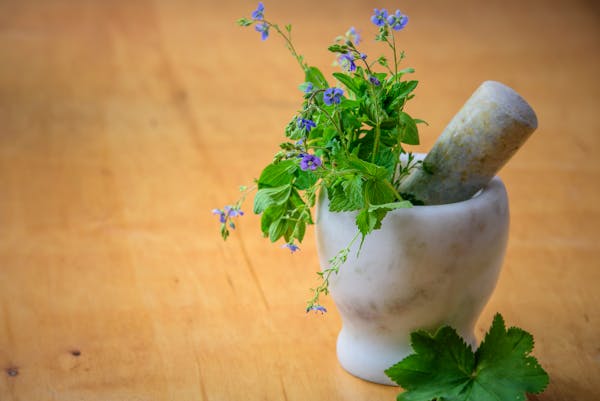
2 Herbal Remedies: Ayurvedic herbs such as .
Sarpagandha , Garlic and 

1. Ashwagandha (Withania somnifera)
Ashwagandha is an adaptogenic herb that helps reduce stress and anxiety, which are major contributors to high blood pressure.

2. Turmeric (Curcuma longa)
Turmeric contains curcumin, a compound that has anti-inflammatory and antioxidant properties, which can help lower blood pressure.

3. Ginger (Zingiber officinale)
Ginger has natural anti-inflammatory properties that can help reduce blood pressure by improving blood vessel function.

4. Triphala (Amalaki, Haritaki, and Bibhitaki)
Triphala is a combination of three herbs that can help lower blood pressure by reducing inflammation and improving cardiovascular health.

5. Arjuna (Terminalia arjuna)
Arjuna is a herb that has been traditionally used to treat heart conditions, including high blood pressure. It has antioxidant and anti-inflammatory properties that can help improve cardiovascular health.

6. Coleus (Coleus forskohlii)
Coleus contains forskolin, a compound that can help lower blood pressure by relaxing blood vessels and improving cardiovascular function.

7. Hawthorn (Crataegus monogyna)
Hawthorn is a herb that has been traditionally used to treat heart conditions, including high blood pressure. It has antioxidant and anti-inflammatory properties that can help improve cardiovascular health.

8. Guggulu (Commiphora mukul)
Guggulu is a herb that has been traditionally used to treat high blood pressure. It has anti-inflammatory and antioxidant properties that can help improve cardiovascular health.

9. Shankhpushpi (Convolvulus pluricaulis)
Shankhpushpi is a herb that has been traditionally used to treat high blood pressure. It has anti-inflammatory and antioxidant properties that can help improve cardiovascular health.

10. Yashtimadhu (Glycyrrhiza glabra)
Yashtimadhu is a herb that has been traditionally used to treat high blood pressure. It has anti-inflammatory and antioxidant properties that can help improve cardiovascular health.

Diet and Lifestyle: A balanced diet and lifestyle, including regular exercise and stress management, can help regulate blood pressure.

Ayurvedic Diet for Lowering Blood Pressure.


A balanced Ayurvedic diet can play a crucial role in regulating blood pressure. Some recommended foods for lowering blood pressure include:

1 Fresh Fruits and Vegetables: Fresh fruits and vegetables are rich in antioxidants and fiber, which can help lower blood pressure.

2 Whole grains : Whole grains such as brown rice, quinoa, and whole wheat bread can help regulate blood pressure.

3 Herbal Teas: Herbal teas such as peppermint, chamomile, and hibiscus can help reduce stress and anxiety.

Lifestyle Changes for Lowering Blood Pressure.


In addition to diet and herbal remedies, lifestyle changes can also play a crucial role in regulating blood pressure. Some recommended lifestyle changes include:

1 Regular Exercise: Regular exercise such as walking, yoga, and swimming can help lower blood pressure.

2 Stress Management: Stress management techniques such as meditation, deep breathing, and yoga can help reduce stress and anxiety.

3 Getting Enough Sleep: Getting enough sleep is essential for regulating blood pressure.

Conclusion.

Regular Ayurvedic practice can help regulate blood pressure and reduce the risks of heart disease. By incorporating Ayurvedic practices such as yoga, meditation, herbal remedies, and lifestyle changes into your daily routine, you can help lower your blood pressure and promote overall heart health.

Frequently Asked Questions and Answers:


Q: What are the causes of high blood pressure?
A: High blood pressure can be caused by a variety of factors, including genetics, diet, lifestyle, and stress.

Q: How can Ayurveda help lower blood pressure?
A: Ayurveda offers a natural and holistic approach to regulating blood pressure through diet, lifestyle, and herbal remedies.

Q: What are some recommended Ayurvedic practices for lowering blood pressure?
A: Recommended Ayurvedic practices for lowering blood pressure include yoga, meditation, herbal remedies, and lifestyle changes.

Reduce inflammation naturally with Ayurveda.

Reducing Inflammation with Ayurveda: A Natural Approach to Pain Relief.


Inflammation is a natural response of the body's immune system, but chronic inflammation can lead to debilitating pain and discomfort. Ayurveda, the ancient Indian system of medicine, offers a natural approach to reducing inflammation and alleviating chronic pain. In this blog, we'll explore the Ayurvedic treatments and herbs that can help reduce inflammation and promote overall well-being.

Understanding Inflammation

Inflammation is a complex process that involves the immune system's response to injury or infection. While acute inflammation is a necessary response to injury, chronic inflammation can lead to a range of health problems, including arthritis, diabetes, and heart disease. Ayurveda recognizes that inflammation is often caused by an imbalance of the three doshas: Vata, Pitta, and Kapha.

Ayurvedic Treatments for Reducing Inflammation

Ayurveda offers a range of treatments for reducing inflammation, including:

1 Panchakarma: A detoxification program that involves massage, herbal remedies, and other treatments to remove toxins from the body.

2 Abhyanga: A massage therapy that involves the use of herbal oils to nourish and moisturize the skin.

3 Swedana: A steam therapy that involves the use of herbal steam to open up the pores and remove toxins from the body.

Ayurvedic Herbs for Reducing Inflammation.

Ayurveda recognizes the importance of herbs in reducing inflammation and promoting overall well-being. Some of the most effective Ayurvedic herbs for reducing inflammation include:

1 Turmeric: A natural anti-inflammatory that contains curcumin, a compound that has potent anti-inflammatory and antioxidant properties.


2 Ginger: A natural anti-inflammatory that has been shown to reduce pain and inflammation in the body.

3 Ashwagandha: An adaptogenic herb that helps to reduce stress and anxiety, which can contribute to inflammation.

 Diet and Lifestyle Recommendations

Ayurveda recognizes the importance of diet and lifestyle in reducing inflammation and promoting overall well-being. Some of the most effective diet and lifestyle recommendations for reducing inflammation include:

1 Eating an anti-inflammatory diet: A diet that is rich in fruits, vegetables, whole grains, and lean proteins.


2 Avoiding pro-inflammatory foods: Foods that are high in sugar, salt, and unhealthy fats.


3 Getting regular exercise: Exercise can help to reduce inflammation and promote overall well-being.

4 Getting enough sleep: Sleep is essential for reducing inflammation and promoting overall well-being.

Conclusion

Ayurveda offers a natural approach to reducing inflammation and alleviating chronic pain. By incorporating Ayurvedic treatments, herbs, and diet and lifestyle recommendations into your daily routine, you can help to reduce inflammation and promote overall well-being.

Frequently Asked Questions and Answers:

Q: What are the causes of inflammation?
A: Inflammation can be caused by a range of factors, including injury, infection, and chronic diseases such as arthritis and diabetes.

Q: How can Ayurveda help to reduce inflammation?
A: Ayurveda offers a range of treatments, herbs, and diet and lifestyle recommendations that can help to reduce inflammation and promote overall well-being.

Q: What are some of the most effective Ayurvedic herbs for reducing inflammation?
A: Some of the most effective Ayurvedic herbs for reducing inflammation include turmeric, ginger, and ashwagandha.

Boost your immunity naturally with Ayurveda.

The Power of Ayurveda: Boosting Immunity Naturally.


In today's world, where diseases and infections are on the rise, having a strong immune system is crucial for maintaining overall health and well-being. Ayurveda, the ancient Indian system of medicine, offers a holistic approach to boosting immunity naturally. In this blog, we'll explore the ways in which Ayurvedic herbs and practices can enhance the body's natural defense system.

Understanding the Immune System.


Before we dive into the world of Ayurveda, let's take a brief look at how the immune system works. The immune system is a complex network of cells, tissues, and organs that work together to defend the body against foreign invaders, such as bacteria, viruses, and other pathogens. When the immune system is functioning properly, it can effectively fight off infections and diseases.

Ayurvedic Herbs for Boosting Immunity.


Ayurveda offers a wealth of herbs that can help boost immunity naturally. Some of the most effective Ayurvedic herbs for immunity include:

1 Tulsi (Holy Basil): Known for its adaptogenic properties, tulsi helps to reduce stress and boost immunity.

2 Ashwagandha: This powerful herb helps to reduce stress and anxiety, while also boosting immunity and energy levels.

3 Ginger: With its anti-inflammatory properties, ginger helps to reduce inflammation and boost immunity.

4 Turmeric: Curcumin, a compound found in turmeric, has potent anti-inflammatory and antioxidant properties that help to boost immunity.

 Ayurvedic Practices for Boosting Immunity.


In addition to herbs, Ayurveda offers a range of practices that can help boost immunity naturally. Some of the most effective Ayurvedic practices for immunity include:

1 Yoga:Regular yoga practice helps to reduce stress and boost immunity by stimulating the lymphatic system and promoting the production of antibodies.

2 Meditation: Meditation helps to reduce stress and boost immunity by promoting relaxation and reducing inflammation.

3 Panchakarma: This Ayurvedic detoxification program helps to remove toxins from the body, which can help to boost immunity.

 Diet and Lifestyle Tips for Boosting Immunity.


Ayurveda also offers a range of diet and lifestyle tips that can help boost immunity naturally. Some of the most effective tips include:

1 Eating a balanced diet: Focus on eating a diet that is rich in fruits, vegetables, whole grains, and lean proteins.

2 Staying hydrated: Drink plenty of water throughout the day to help flush out toxins and keep the immune system functioning properly.

3 Getting enough sleep: Aim for 7-8 hours of sleep per night to help the immune system function properly.

 Conclusion.


Ayurveda offers a wealth of herbs, practices, and diet and lifestyle tips that can help boost immunity naturally. By incorporating these tips into your daily routine, you can help to keep your immune system functioning properly and reduce your risk of illness and disease.

Frequently Asked Questions and Answers:


Q: What are some of the most effective Ayurvedic herbs for boosting immunity?
A: Some of the most effective Ayurvedic herbs for immunity include tulsi, ashwagandha, ginger, and turmeric.

Q: How can yoga and meditation help to boost immunity?
A: Yoga and meditation can help to reduce stress and boost immunity by stimulating the lymphatic system and promoting the production of antibodies.

Q: What are some diet and lifestyle tips that can help to boost immunity?
A: Some effective diet and lifestyle tips for boosting immunity include eating a balanced diet, staying hydrated, and getting enough sleep.

The secrets of Ayurvedic digestive health and discover a happier, healthier you.

The Secrets of Ayurvedic Digestive Health.


Ayurveda, the ancient Indian system of medicine, offers a holistic approach to health and wellness. One of the key areas of focus in Ayurveda is digestive health. In this blog, we'll explore how Ayurveda helps regulate digestion and prevents digestive disorders.

The Importance of Digestion in Ayurveda


In Ayurveda, digestion is considered the foundation of overall health. The digestive system is responsible for breaking down food into nutrients that can be absorbed by the body. When digestion is impaired, it can lead to a range of health problems, including digestive disorders, fatigue, and even mental health issues.

Ayurvedic Principles of Digestive Health.


Ayurveda offers a unique perspective on digestive health, based on the concept of the three doshas: Vata, Pitta, and Kapha. Each dosha has its own characteristics and tendencies, and understanding your individual dosha can help you tailor your diet and lifestyle to support optimal digestive health.

1 Vata: Vata types tend to have irregular digestion, with symptoms such as bloating, gas, and constipation. Ayurvedic recommendations for Vata types include eating warm, nourishing foods, and 

avoiding cold, dry foods.
2 Pitta: Pitta types tend to have sharp digestion, with symptoms such as heartburn, acid reflux, and diarrhea. Ayurvedic recommendations for Pitta types include eating cooling, soothing foods, and avoiding hot, spicy foods.
3 Kapha: Kapha types tend to have slow digestion, with symptoms such as weight gain, lethargy, and sluggishness. Ayurvedic recommendations for Kapha types include eating light, easy-to-digest foods, and avoiding heavy, rich foods.

Ayurvedic Remedies for Digestive Disorders.


Ayurveda offers a range of remedies for digestive disorders, including herbs, spices, and dietary changes. Some of the most effective Ayurvedic remedies for digestive disorders include:

1 Triphala: A blend of three herbs, triphala is a powerful digestive tonic that helps to regulate bowel movements and prevent digestive disorders.
2 Ginger: Ginger is a natural anti-inflammatory that helps to soothe the digestive tract and prevent nausea and vomiting.
3 Cumin: Cumin is a natural digestive aid that helps to stimulate digestive enzymes and prevent bloating and gas.

Ayurvedic Diet and Lifestyle Recommendations.


In addition to herbal remedies, Ayurveda offers a range of diet and lifestyle recommendations to support digestive health. Some of the most effective Ayurvedic diet and lifestyle recommendations include:

1 Eating according to your dosha: Understanding your individual dosha can help you tailor your diet to support optimal digestive health.
2 Eating seasonal foods: Eating foods that are in season can help to support digestive health and prevent digestive disorders.
3 Avoiding processed foods: Processed foods can be difficult to digest and can lead to a range of digestive disorders.

 Conclusion.


Ayurveda offers a holistic approach to digestive health, taking into account the individual's unique constitution, diet, and lifestyle. By understanding your individual dosha and following Ayurvedic diet and lifestyle recommendations, you can help to regulate digestion and prevent digestive disorders.

Frequently Asked Questions and Answers:


Q: What is the best way to support digestive health according to Ayurveda?
A: The best way to support digestive health according to Ayurveda is to eat according to your individual dosha, avoid processed foods, and incorporate herbal remedies such as triphala and ginger into your diet.

Q: How can I determine my individual dosha?
A: You can determine your individual dosha by taking an online quiz or consulting with an Ayurvedic practitioner.

Q: What are some common digestive disorders that can be treated with Ayurveda?
A: Some common digestive disorders that can be treated with Ayurveda include irritable bowel syndrome (IBS), acid reflux, and constipation.

Meditate and express the infinite possibilities within you.

Human Potential: How Meditation Can Help Us Express Infinity.

As human beings, we are blessed with a unique gift – the ability to express infinity through our finite bodies. This concept may seem paradoxical, but it holds the key to unlocking our true potential. In this blog, we'll explore how meditation can help us tap into this potential and express the infinite possibilities that lie within us.


The Paradox of Finite and Infinite.


Our bodies are finite, subject to the limitations of space and time. However, our minds are capable of conceiving infinite possibilities, ideas, and emotions. This paradox is at the heart of human existence, and meditation offers a powerful tool for bridging the gap between our finite bodies and infinite minds.

How Meditation Can Help Us Express Infinity.


Meditation is a practice that allows us to tap into our inner selves, quieting the mind and accessing deeper states of consciousness. Through regular meditation practice, we can:

1 Expand our awareness and perception
2 Tap into our creative potential
3 Develop a greater sense of empathy and compassion
4 Cultivate a deeper understanding of ourselves and the world around us

The Benefits of Meditation.


The benefits of meditation for unlocking human potential are numerous:

1 Increased creativity and innovation
2 Improved problem-solving and critical thinking
3 Enhanced emotional intelligence and empathy
4 Greater sense of purpose and fulfillment
5 Improved physical and mental well-being

How to Start a Meditation Practice for Unlocking Human Potential.


Starting a meditation practice for unlocking human potential is easy:

1 Find a quiet and comfortable space to meditate
2 Start with short sessions, 5-10 minutes a day
3 Focus on your breath, a mantra, or a physical sensation in your body
4 Be patient and gentle with yourself, and remember that it's okay if your mind wanders
5 Make meditation a regular part of your daily routine, ideally at the same time each day

Tips for Deepening Your Meditation Practice


Here are some tips for deepening your meditation practice:

1 Start small and be consistent
2 Find a meditation buddy or join a meditation group
3 Use guided meditation apps or videos to get started
4 Incorporate meditation into your daily routine, such as right after waking up or before bed
5 Be patient and gentle with yourself, and remember that meditation is a journey

Conclusion:


Living in a finite body and expressing infinity is the possibility of human life. Meditation offers a powerful tool for unlocking this potential, allowing us to tap into our infinite minds and express our deepest creativity, empathy, and understanding. By incorporating meditation into our daily lives, we can unlock our true potential and live a life of purpose, fulfillment, and joy.

Frequently Asked Questions and Answers:


Q: How can I start a meditation practice for unlocking human potential?
A: Start by finding a quiet and comfortable space to meditate, and begin with short sessions, 5-10 minutes a day. Focus on your breath, a mantra, or a physical sensation in your body.

Q: What are the benefits of meditation for unlocking human potential?
A: The benefits of meditation for unlocking human potential include increased creativity and innovation, improved problem-solving and critical thinking, enhanced emotional intelligence and empathy, and greater sense of purpose and fulfillment.

Q: How can I deepen my meditation practice?
A: Start small and be consistent, find a meditation buddy or join a meditation group, use guided meditation apps or videos to get started, incorporate meditation into your daily routine, and be patient and gentle with yourself.

ह्लद्य रोग

 आहारातून मिळणाऱ्या उष्माकांपैकी १० टक्के किंवा त्याहीपेक्षा कमी उष्मांक स्निग्ध पदार्थामधून आलेले असावेत. कोलेस्टेरॉल आणि कोलेस्टेरॉलयुक्त पदार्थ वज्र्य करावेत. रोजच्या आहारातून ५ मिलिग्रॅम कोलेस्टेरॉल खायला हरकत नाही, अगदी स्निग्धांशविरहित दुधातही (Skimmed Milk) मध्ये थोडेसे कोलेस्टेरॉल असते. संपृक्त स्निग्धांश (Saturated Fats) जवळजवळ वज्र्य करावेत. कोलेस्टेरॉलची पातळी कमी करण्याच्या दृष्टीनं उपयुक्त असलेले पदार्थ कांदा, लसूण, गाजर, वांगे, सोयाबीन, स्कीम मिल्क, दुधाचं दही, सफरचंद इतर नेहमी आहारात ठेवावे.

2. मांसाहार टाळावा. मटण, चिकन टाळावे. अंडय़ातील पिवळा भाग टाळावा. दुधाचे पदार्थ- मलई, तूप, लोणी, चीज, पनीर, मिठाई शक्यतो टाळावे. मिताहारी असावे. (Have a gentle hunger always)

3. सफरचंद नियमित सेवन केल्याने हृदयासाठी व रक्तवाहिन्यासाठी उपयुक्त ठरते. हे फायबर हृदय रोग टाळण्यासाठी मदत करते. 

4. किमान पाच बदाम आणि चार अक्रोड नियमित खाल्ल्यामुळेही शरीराला पुरेसे फॅट, व्हिटॅमिन ई आणि कॅल्शियम मिळते. बदाम खाल्ल्याने हृदयरोग किमान २० टक्क्यांइतका दूर ठेवता येतो. अक्रोडात व्हिटॅमिन-ई भरपूर असते. हृदयाच्या रक्षणासाठी ते खाणे फारच चांगले.

5. धान्य योग्य प्रकारचे असले तरीही हृदयविकार लांब ठेवता येतो. त्यामुळे धान्य चांगल्या प्रतीचे असायला हवे. गव्हासारख्या काही धान्यांमध्ये फायबरचे प्रमाण जास्त असते. हृदयाच्या मजबुतीसाठी ते योग्यच आहेत.

6. ओट्स शरीरातील जादा कोलेस्ट्रोल घालवण्याचं काम नैसर्गिकरीत्या करतात. ओट्समुळे हृदयाचे कामही चांगल्या रीतीने चालते. 

7. संपूर्ण शाकाहार हा आरोग्यदायी आहे.

8. चायनीज पदार्थ, तळलेले पदार्थ, पिझ्झासारखे पदार्थ, मैद्याचा अतिरेक टाळावा.

9. आहारात तंतुमय पदार्थाचे म्हणजेच (Fibre) प्रमाण पुष्कळ असावे.

10. मीठ आणि साखर आहारात कमी प्रमाणात वापरणे आरोग्याच्या दृष्टीने योग्य असते

11. भरपूर व्यायाम करावा. भराभरा चालणे, धावणे, पोहणे, सायकल चालवणे यांसारखे व्यायाम जितके वेळ सहज होईल तोपर्यंत करावा. ज्यांना हृदयविकार आहे, त्यांनी व्यायामाचा वेळ आणि प्रकार डॉक्टरांच्या सल्ल्यानुसार करावा. शरीरांतर्गत ऊर्जा दीर्घ काळासाठी, पण प्रमाणशीरपणे आणि योग्य गतीने वापरली जाते त्याला एरोबिक व्यायाम असे म्हणतात. असा व्यायाम हृदयविकार टाळण्यास मदत करतो. योगासने करावीत.


 डॉ. श्री .नितिन जाधव .संजीवन चिकित्सक .डोंबिवली. 9892306092.

Pause, Breathe, and Reconnect: Meditation for a Busy Life.

Finding Serenity in the Midst of Chaos: The Importance of Meditation in a Busy Life.


In today's fast-paced world, it's easy to get caught up in the hustle and bustle of daily life. With increasingly demanding schedules and responsibilities, it's common to feel overwhelmed, stressed, and disconnected from our inner selves. However, it's precisely in these moments that meditation can be a powerful tool for finding serenity, clarity, and inner peace.


The Importance of Meditation in a Busy Life:


Meditation is not just a luxury for those with ample free time; it's a necessity for anyone looking to cultivate a sense of calm, focus, and well-being in the midst of chaos. 
By incorporating meditation into your daily routine, you can:

1 Reduce stress and anxiety: Meditation has been shown to decrease the production of stress hormones like cortisol, leading to a sense of calm and relaxation.

2 Improve focus and concentration: Regular meditation practice can improve attention and focus, helping you stay on top of your busy schedule.

3 Enhance self-awareness and emotional regulation: Meditation helps you develop a greater understanding of yourself and your emotions, allowing you to navigate challenging situations with greater ease.

4 Boost mood and overall well-being: Meditation has been linked to increased happiness, life satisfaction, and overall well-being.

Health Benefits of Meditation:


Regular meditation practice has been shown to have numerous physical and mental health benefits, including:

1 Lower blood pressure: Meditation has been shown to lower blood pressure and reduce the risk of heart disease.

2 Improved sleep: Regular meditation practice can help improve sleep quality and duration.

3 Boosted immune system: Meditation has been linked to increased antibody production and a stronger immune system.

4 Reduced chronic pain: Meditation can help reduce chronic pain by increasing the brain's pain tolerance and decreasing emotional reactivity.

Frequently Asked Questions and Answers:


Q: How can I incorporate meditation into my busy schedule?
A: Start small by setting aside just a few minutes each day to practice meditation. You can also try incorporating meditation into your daily activities, such as during your morning commute or while waiting in line.

Q: What are the benefits of meditation for mental health?
A: Meditation has been shown to reduce stress and anxiety, improve mood, and enhance self-awareness and emotional regulation.

Q: Can anyone practice meditation, regardless of age or background?
A: Yes, anyone can practice meditation, regardless of age, background, or beliefs. Meditation is a universal practice that can benefit everyone.

Q: How long does it take to see the benefits of meditation?
A: The benefits of meditation can be experienced immediately, and regular practice can lead to long-term positive changes in both physical and mental health.

Conclusion:


In today's fast-paced world, it's more important than ever to prioritize meditation as a tool for finding serenity, clarity, and inner peace. By incorporating meditation into your daily routine, you can reduce stress and anxiety, improve focus and concentration, and enhance your overall well-being. So why not take a few minutes each day to pause, breathe, and reconnect with your inner self?

Transform Your Destiny: The Power of Meditation.

Dive Within, Rise Above: Unlock Your True Potential.


Meditation is a powerful tool that can transform your life from the inside out. By diving deep within and connecting with your inner self, you can unlock your true potential and change your destiny. In this blog, we'll explore the transformative power of meditation and its numerous health benefits.


The Transformative Power of Meditation:


Meditation is not just a practice; it's a journey of self-discovery and transformation. 
When you meditate, you:

1 Connect with your inner self: Meditation helps you tune into your inner voice, intuition, and emotions, allowing you to develop a deeper understanding of yourself.

2 Let go of limitations: By releasing negative thoughts, emotions, and patterns, you can break free from limitations and unlock your true potential.

3 Cultivate inner peace and calm: Meditation brings a sense of inner peace and calm, helping you navigate life's challenges with greater ease and clarity.

Health Benefits of Meditation:


Regular meditation practice has been shown to have numerous physical and mental health benefits, including:

1 Reduced stress and anxiety: Meditation has been shown to decrease the production of stress hormones like cortisol, leading to a sense of calm and relaxation.

2 Improved sleep: Regular meditation practice can help improve sleep quality and duration.

3 Boosted immune system: Meditation has been linked to increased antibody production and a stronger immune system.

4 Increased gray matter: Meditation has been shown to increase gray matter in areas of the brain associated with attention, emotion regulation, and memory.

Frequently Asked Questions and Answers:


Q: How can meditation change my destiny?
A: Meditation helps you connect with your inner self, letting go of limitations and
 unlocking your true potential. This can lead to positive changes in your life and
 a greater sense of purpose and direction.

Q: What are the benefits of meditation for mental health?
A: Meditation has been shown to reduce stress and anxiety, improve mood, and enhance emotional regulation and resilience.

Q: Can anyone practice meditation, regardless of age or background?
A: Yes, anyone can practice meditation, regardless of age, background, or beliefs. Meditation is a universal practice that can benefit everyone.

Q: How long does it take to see the benefits of meditation?
A: The benefits of meditation can be experienced immediately, and regular practice can lead to long-term positive changes in both physical and mental health.

Conclusion:


Meditation is a powerful tool that can transform your life from the inside out. By connecting with your inner self, letting go of limitations, and cultivating inner peace and calm, you can unlock your true potential and change your destiny. So why not start your meditation journey today and discover the transformative power of meditation for yourself.

Sow Good Thoughts, Reap a Heavenly Reward.

The Power of Positive Thoughts: How Meditation Can Help You Cultivate a Heavenly Mindset.


Our thoughts have the power to shape our reality and determine our destiny. The mental diary we keep, filled with our thoughts, words, and actions, is a reflection of our inner self. By cultivating positive thoughts and behaviors, we can create a passport to heaven, where love, peace, and joy reign supreme. Meditation is a powerful tool that can help us achieve this heavenly mindset.

Remember, your mental diary is a reflection of your inner self. By filling it with positive thoughts and behaviors, you can create a passport to heaven. Meditation is a powerful tool that can help you cultivate a heavenly mindset. So, take a few minutes each day to sit, breathe, and sow good thoughts.


Meditation is a practice that can help us:


1 Cultivate positive thoughts: By focusing on positive affirmations and visualizations, we can rewire our brain to think positively and cultivate a heavenly mindset.

2 Let go of negative thoughts: Meditation helps us become more aware of our thoughts and emotions, allowing us to release negative patterns and habits that hold us back.

3 Develop empathy and compassion: By practicing loving-kindness meditation, we can cultivate empathy and compassion for others, recognizing that our actions have a ripple effect on those around us.

4 Create a positive impact: Meditation helps us become more mindful of our actions and their consequences, inspiring us to make choices that promote harmony and well-being for all.

Frequently Asked Questions and Answers:


Q: How can meditation help me cultivate a heavenly mindset?
A: Meditation can help you cultivate positive thoughts, let go of negative thoughts, develop empathy and compassion, and create a positive impact.

Q: What type of meditation is best for cultivating positive thoughts?
A: Loving-kindness meditation, guided meditation, and transcendental meditation can be particularly helpful for cultivating positive thoughts.

Q: How often should I meditate to see results?
A: Consistency is key. Aim to meditate at least 10-15 minutes daily, ideally at the same time each day.

Q: Can meditation really help me create a positive impact on others?
A: Yes, meditation can help you become more mindful of your actions and their consequences, inspiring you to make choices that promote harmony and well-being for all.

Conclusion:


Remember, your mental diary is a reflection of your inner self. By filling it with positive thoughts and behaviors, you can create a passport to heaven. Meditation is a powerful tool that can help you cultivate a heavenly mindset. So, take a few minutes each day to sit, breathe, and sow good thoughts.

You Are Enough, Just As You Are.

Redefining Worth: How Meditation Can Help You Embrace Your True Value.


In today's fast-paced world, it's easy to get caught up in the idea that our worth is tied to our productivity. We often find ourselves measuring our value by our accomplishments, our busyness, and our ability to get things done. But what if I told you that this way of thinking is not only flawed but also damaging to our mental and emotional well-being? Meditation can help us redefine our worth and understand that we are enough, just as we are.


Meditation is a powerful tool that can help us cultivate a deeper understanding of ourselves 
and our worth. By incorporating meditation into our daily routine, we can:


1 Let go of societal expectations: Meditation helps us tune into our own inner voice and values, rather than trying to meet the expectations of others.

2 Cultivate self-compassion: Through meditation, we can develop a kinder and more compassionate relationship with ourselves, recognizing that we are enough, just as we are.

3 Focus on the present moment: Meditation helps us stay grounded in the present, rather than getting caught up in worries about the past or future.

4 Develop a growth mindset: By embracing challenges and setbacks as opportunities for growth, we can develop a more positive and resilient mindset.

Frequently Asked Questions and Answers:


Q: How can meditation help me reframe my worth?
A: Meditation can help you let go of societal expectations, cultivate self-compassion, focus on the present moment, and develop a growth mindset.

Q: What type of meditation is best for cultivating self-compassion?
A: Loving-kindness meditation, self-compassion meditation, and guided meditation can be particularly helpful for cultivating self-compassion.

Q: How often should I meditate to see results?
A: Consistency is key. Aim to meditate at least 10-15 minutes daily, ideally at the same time each day.

Q: Can meditation really help me understand that I am enough, just as I am?
A: Yes, meditation can help you cultivate a deeper understanding of your worth and value, recognizing that you are enough, just as you are.

Conclusion:


Remember, your worth is not defined by your productivity or accomplishments. You are enough, 
just as you are. Meditation can help you cultivate this understanding and develop a more 
compassionate and positive relationship with yourself. So, take a few minutes each day to sit, breathe, and remember that you are enough.

Rise Above, Restart, and Reclaim Your Power.

A New Dawn, A New Chance: How Meditation Can Empower You to Transform Your Life.


We've all had those days when everything seems to go wrong, and we feel overwhelmed by our circumstances. But here's the thing: every day is a new opportunity to start anew, to make positive changes, and to rise above our challenges. And the truth is, you have the strength and capability to do just that. Meditation can be a powerful tool to help you tap into your inner resilience and transform your life.


Meditation is a practice that can help you cultivate a deeper understanding of yourself and your circumstances. By incorporating meditation into your daily routine, you can:


1 Reduce stress and anxiety: Meditation can help calm your mind and body, reducing feelings of overwhelm and anxiety.

2 Increase self-awareness: Through meditation, you'll gain a better understanding of your thoughts, emotions, and behaviors, allowing you to make more informed decisions.

3 Boost mood and motivation: Meditation can help increase the production of neurotransmitters like serotonin and dopamine, which can improve your mood and motivation.

4 Enhance resilience and coping skills: By practicing meditation, you'll develop greater emotional resilience, enabling you to cope with challenges more effectively.

Frequently Asked Questions and Answers:


Q: How can meditation help me transform my life?
A: Meditation can help reduce stress and anxiety, increase self-awareness, boost mood and motivation, and enhance resilience and coping skills.

Q: What type of meditation is best for beginners?
A: Guided meditation, body scan meditation, and loving-kindness meditation are great for beginners.

Q: How often should I meditate to see results?
A: Consistency is key. Aim to meditate at least 10-15 minutes daily, ideally at the same time each day.

Q: Can meditation really help me develop the strength and capability to transform my life?
A: Yes, meditation can help you tap into your inner resilience and capability, empowering you to make positive changes and transform your life.

Conclusion:


Remember, every day is a new chance to start anew and make positive changes in your life. Meditation can be a powerful tool to help you tap into your inner strength and resilience. So, take a few minutes each day to sit, breathe, and reclaim your power.

Cultivate Courage, Conquer Doubt.

Faith Over Fear: How Meditation Can Help You Trust the Journey.


Life's journey can be unpredictable, and it's natural to experience doubts and fears along the way. However, when we let these emotions dominate our minds, we risk losing sight of our goals and aspirations. Meditation offers a powerful solution to overcome doubts and fears by cultivating faith and trust in the journey.


Meditation is a potent tool that can help you develop a deeper understanding of yourself 
and the world around you. Regular meditation practice can:


1 Calm the mind: Meditation helps quiet the mind, reducing worries and anxieties that fuel doubts and fears.

2 Increase self-awareness: Through meditation, you'll gain a better understanding of your thoughts, emotions, and behaviors, allowing you to make more informed decisions.

3 Foster resilience: Meditation helps develop emotional resilience, enabling you to cope with challenges and setbacks more effectively.

4 Cultivate faith and trust: By connecting with your inner self through meditation, you'll develop a stronger sense of faith and trust in the journey, helping you navigate life's uncertainties with confidence.

Frequently Asked Questions and Answers:


Q: How can meditation help me overcome doubts and fears?
A: Meditation calms the mind, increases self-awareness, fosters resilience, and cultivates faith and trust in the journey.

Q: What type of meditation is best for building faith and trust?
A: Loving-kindness meditation, transcendental meditation, and guided meditation can be particularly effective in cultivating faith and trust.

Q: How often should I meditate to see results?
A: Consistency is key. Aim to meditate at least 10-15 minutes daily, ideally at the same time each day.

Q: Can meditation really help me develop faith and trust in the journey?
A: Yes, meditation can help you cultivate a deeper sense of faith and trust by connecting you with your inner self and fostering a more positive mindset.

Conclusion:


Remember, faith and trust are like muscles that need to be exercised regularly. Meditation offers a powerful way to cultivate these qualities, helping you navigate life's challenges with confidence and courage. So, take a few minutes each day to sit, breathe, and trust the journey.

Nourish Your Body, Balance Your Life

Conquering Obesity with Ayurveda: A Holistic Approach to Weight Management.


Obesity is a growing concern worldwide, affecting millions of people. It's a complex issue that requires a comprehensive approach, beyond just dieting and exercise. Ayurveda, the ancient Indian system of medicine, offers a holistic solution to obesity. By understanding the root causes of obesity and adopting an Ayurvedic lifestyle, individuals can achieve sustainable weight loss and overall well-being.

Ayurveda views obesity as an imbalance of the three doshas (Vata, Pitta, and Kapha) and the seven dhatus (tissues). When the doshas are out of balance, it can lead to excessive weight gain. Ayurvedic practitioners use various methods to diagnose the underlying causes of obesity, including:


1. Body type analysis : Understanding an individual's unique body type (Prakriti) to determine their susceptibility to obesity.
2. Dietary analysis: Examining an individual's eating habits and food choices to identify patterns that contribute to obesity.
3. Lifestyle analysis: Assessing an individual's daily routine, stress levels, and sleep patterns to identify areas for improvement.

Based on the diagnosis, Ayurvedic practitioners recommend personalized lifestyle changes, including:


1. Dietary modifications: Tailoring an individual's diet to balance their doshas and nourish their tissues.
2. Herbal remedies: Prescribing herbs and spices that aid in weight loss, improve digestion, and balance the doshas.
3. Yoga and exercise: Recommending physical activities that suit an individual's body type and promote weight loss.
4. Stress management: Teaching stress-reducing techniques, such as meditation and deep breathing, to manage emotional eating and promote relaxation.

Frequently Asked Questions and Answers:


Q: How does Ayurveda approach weight loss?
A: Ayurveda views weight loss as a holistic process that involves balancing the doshas, nourishing the tissues, and adopting a healthy lifestyle.

Q: What are the benefits of an Ayurvedic diet for weight loss?
A: An Ayurvedic diet helps balance the doshas, improves digestion, and nourishes the tissues, leading to sustainable weight loss.

Q: Can Ayurvedic herbal remedies help with weight loss?
A: Yes, Ayurvedic herbal remedies, such as Triphala and Guggulu, can aid in weight loss by improving digestion, reducing inflammation, and balancing the doshas.

Q: How does stress affect weight loss, and how can Ayurveda help?
A: Stress can lead to emotional eating and weight gain. Ayurveda offers stress-reducing techniques, such as meditation and yoga, to manage stress and promote relaxation.

Conclusion:


Ayurveda offers a comprehensive approach to obesity, addressing the root causes of weight gain and promoting sustainable weight loss. By adopting an Ayurvedic lifestyle, individuals can achieve a balanced and healthy weight, improve their overall well-being, and enhance their quality of life.


Dr. Varma K. Sreeviraj.

    - Qualifications: B.A.M.S., D.Y.M.S.
Dombivli .
Contact No.
 9820472331/9930644683.
Online Consultation:-
Mob No : 9619695666

Popular Posts

Blog Archive

Total Pageviews