Natural Way to Improve Heart Health Using Ayurveda | Panchakarma Therapy

 Image

Image

Image

Image

How Panchakarma Therapy Improves Blood Circulation and Supports Heart Health Naturally

In modern life many people suffer from poor blood circulation and silent strain on the heart. Long working hours stress improper diet and lack of movement slowly disturb the natural rhythm of the body. Ayurveda teaches that when the channels of the body become blocked vitality reduces and disease begins to grow. Panchakarma is a powerful traditional therapy that gently cleanses the body restores balance and improves the flow of blood. It is not just a treatment but a journey of renewal for the body mind and heart.

Sudhir was forty five years old living in Thane. He had a stable job and a loving family but inside he felt tired all the time. His body felt heavy his sleep was disturbed and sometimes he noticed a mild discomfort in his chest. Doctors advised lifestyle changes but Sudhir found it hard to break his routine.

One evening while sitting quietly he realized that his body was asking for help. A friend suggested Panchakarma therapy. With hesitation and hope Sudhir decided to begin.

The first day felt unfamiliar. Warm herbal oils touched his skin during Abhyanga massage. Slowly his body began to relax. Over the next few days therapies like Swedana gentle sweating and Shirodhara calmed his mind. He felt emotions rising and then melting away.

By the second week Sudhir noticed a deep change. His breathing became lighter his body felt open and his mind was peaceful. The heaviness he had carried for years started to disappear. He felt warmth in his hands and feet which he had not noticed before. His circulation improved and his energy returned.

More than physical healing Sudhir experienced inner clarity. He understood that health is not only about removing disease but about reconnecting with oneself. Panchakarma gave him a new beginning where his heart felt not only stronger but also lighter.

Panchakarma Therapy
Panchakarma includes five main cleansing processes that remove toxins and improve blood flow
Abhyanga improves circulation nourishes tissues and reduces stress
Swedana opens body channels and enhances detoxification
Virechana cleanses the digestive system and supports liver health
Basti balances Vata and improves overall circulation
Nasya clears the head region and supports oxygen flow

Benefits include better blood circulation improved oxygen supply reduced stress balanced cholesterol and stronger heart function

Ayurvedic herbs 
Arjuna supports heart strength and improves blood circulation
Ashwagandha reduces stress and supports healthy blood pressure
Brahmi calms the mind and improves nervous system function
Guggulu helps reduce cholesterol and cleanses blood channels
Tulsi improves immunity and supports respiratory health

Ayurvedic Medicine
Arjunarishta supports heart muscles and improves circulation
Ashwagandha churna strengthens body and reduces stress
Triphala helps detoxification and improves digestion
Dashmool supports inflammation control and circulation

Ayurvedic Tailam
Dhanwantharam Tailam improves circulation and strengthens nerves
Ksheerabala Tailam nourishes tissues and calms the nervous system
Mahanarayana Tailam reduces stiffness and improves blood flow
Bala Ashwagandha Tailam supports muscle strength and relaxation

Diet
Warm freshly cooked food supports digestion and circulation
Green leafy vegetables improve blood quality
Fruits like pomegranate support heart health
Whole grains provide sustained energy
Avoid processed food excessive salt and cold foods

Yoga
Anulom Vilom improves oxygen flow and calms the mind
Surya Namaskar enhances circulation and energizes the body
Bhujangasana opens the chest and supports heart health
Shavasana reduces stress and promotes relaxation

About Ayurveda.
Ayurveda is an ancient system of healing that focuses on balance of body mind and spirit. It believes that proper circulation and clear body channels are essential for health. Panchakarma is one of its most powerful tools for cleansing and rejuvenation.

Ayurvedic lifestyle.
Wake up early and follow a daily routine
Practice self massage with warm oil
Eat according to your body constitution
Manage stress through meditation
Sleep on time and maintain mental calmness

FAQ

What is Panchakarma therapy
It is a detoxification process in Ayurveda that removes toxins and restores balance

How does it improve blood circulation
It clears blocked channels and enhances natural blood flow

Is Panchakarma safe for heart health
Yes when done under expert guidance it supports heart function

How long does the therapy take
It usually lasts from seven to twenty one days depending on the condition

Panchakarma is more than a therapy it is a path to rediscover balance and vitality. By improving blood circulation and supporting heart health it brings deep transformation. Like Sudhir many people find not only physical healing but also emotional peace through this ancient wisdom.

Consult Ayurvedic Doctor.
For best results always consult a qualified Ayurvedic doctor before starting Panchakarma. Personalized treatment ensures safe and effective healing based on your body type and health condition

This content is for educational purposes only. It is not a substitute for professional medical advice diagnosis or treatment. Always consult a qualified healthcare provider for any health concerns

Heal your heart naturally restore your life through Panchakarma

Panchakarma Therapy for Heart Health Natural Healing That Works - Panchakarma Therapy

Panchakarma for Heart Health Natural Ayurvedic Detox for Strong Heart and Balanced Life

Panchakarma for Heart Health Natural Ayurvedic Detox for Strong Heart and Balanced Life        In today’s fast life, heart health is silently affected by stress, poor diet, and unhealthy habits. Ayurveda teaches us that the heart is not just a physical organ but the seat of emotions and consciousness. Panchakarma therapy is a powerful Ayurvedic detox process that cleanses the body, balances doshas, and supports a healthy heart. It works at the root level to improve blood circulation, regulate cholesterol, and stabilize blood pressure naturally.  Ramesh was a hardworking man who lived for his family. Every day he rushed from one responsibility to another, ignoring his own health. One day, his body gave him a warning. He felt heaviness in his chest and constant fatigue. Doctors advised him to slow down, but he did not know how.  A friend suggested Panchakarma therapy. At first, he was unsure. But something inside him said it was time to listen to his body.  During the therapy, Ramesh experienced something new. Warm herbal oils touched his skin, calming his restless mind. Gentle detox therapies helped remove toxins that had built up over years. Slowly, his breath became deeper, his sleep improved, and his mind felt lighter.  One day, while sitting quietly after therapy, he realized something powerful. His heart was not just tired physically. It was tired emotionally. Years of stress, worry, and neglect had weighed it down.  Panchakarma did not just heal his body. It taught him to pause, to listen, and to care for himself. His blood pressure stabilized, his energy returned, and most importantly, he felt peace within.  Ramesh learned that true health is not about running faster. It is about living with balance.  Panchakarma Therapy with Benefits Abhyanga A full body oil massage that improves blood circulation and nourishes the heart. It reduces stress which is a major cause of heart disease.  Swedana Herbal steam therapy that opens channels and removes toxins. It helps in improving circulation and reducing stiffness in the body.  Virechana A detox therapy that cleanses the liver and blood. It helps in balancing cholesterol levels and supports heart health.  Basti Medicated enema therapy that balances Vata dosha. It strengthens the nervous system and supports proper heart function.  Shirodhara A calming therapy where warm oil is poured on the forehead. It reduces anxiety and stress, helping to stabilize blood pressure.  Ayurvedic Herbs with Benefits Arjuna One of the best herbs for heart health. It strengthens heart muscles and improves circulation.  Ashwagandha Reduces stress and supports overall cardiovascular health.  Brahmi Calms the mind and helps reduce mental stress that affects the heart.  Garlic Helps reduce cholesterol and improves blood flow.  Tulsi Supports immunity and helps maintain healthy blood pressure.  Ayurvedic Medicine  Arjunarishta Supports heart function and improves circulation  Ashwagandha Churna Helps reduce stress and strengthen the body  Sarpagandha Supports healthy blood pressure levels  Diet with Benefits Include fresh fruits like pomegranate and apples which support heart health  Eat green vegetables that help detoxify the body  Use healthy fats like ghee in moderation to nourish tissues  Avoid processed foods and excess salt  Drink warm herbal water to improve digestion and circulation  This type of diet helps maintain cholesterol balance and improves overall heart function  Yoga with Benefits Anulom Vilom Improves oxygen supply and balances the nervous system  Pranayama Reduces stress and strengthens heart function  Bhujangasana Improves blood circulation and opens the chest  Shavasana Promotes deep relaxation and reduces heart strain  Regular practice of yoga helps in maintaining emotional and physical balance  About Ayurveda Ayurveda is an ancient science of life that focuses on balance between body, mind, and soul. It believes that diseases occur due to imbalance in doshas and accumulation of toxins. Panchakarma is one of its most powerful therapies that detoxifies the body and restores natural balance. Ayurveda promotes prevention and natural healing rather than just treating symptoms.  Ayurvedic Lifestyle Guidance Wake up early and follow a daily routine  Practice meditation to calm the mind  Eat fresh and seasonal food  Avoid stress and overwork  Take time to relax and connect with yourself  Maintain proper sleep patterns  These simple habits can protect your heart and improve your overall well being  Panchakarma is not just a detox therapy. It is a journey towards inner balance and true health. By removing toxins, calming the mind, and restoring harmony, it supports heart health naturally. In a world full of stress, Panchakarma reminds us to slow down, breathe deeply, and take care of our most important organ our heart.  Before starting Panchakarma therapy, always consult a qualified Ayurvedic doctor. Each person has a unique body constitution, and treatments should be personalized for the best results and safety.

In today’s fast life, heart health is silently affected by stress, poor diet, and unhealthy habits. Ayurveda teaches us that the heart is not just a physical organ but the seat of emotions and consciousness. Panchakarma therapy is a powerful Ayurvedic detox process that cleanses the body, balances doshas, and supports a healthy heart. It works at the root level to improve blood circulation, regulate cholesterol, and stabilize blood pressure naturally.

Ramesh was a hardworking man who lived for his family. Every day he rushed from one responsibility to another, ignoring his own health. One day, his body gave him a warning. He felt heaviness in his chest and constant fatigue. Doctors advised him to slow down, but he did not know how.

A friend suggested Panchakarma therapy. At first, he was unsure. But something inside him said it was time to listen to his body.

During the therapy, Ramesh experienced something new. Warm herbal oils touched his skin, calming his restless mind. Gentle detox therapies helped remove toxins that had built up over years. Slowly, his breath became deeper, his sleep improved, and his mind felt lighter.

One day, while sitting quietly after therapy, he realized something powerful. His heart was not just tired physically. It was tired emotionally. Years of stress, worry, and neglect had weighed it down.

Panchakarma did not just heal his body. It taught him to pause, to listen, and to care for himself. His blood pressure stabilized, his energy returned, and most importantly, he felt peace within.

Ramesh learned that true health is not about running faster. It is about living with balance.

Panchakarma Therapy with Benefits

Abhyanga
A full body oil massage that improves blood circulation and nourishes the heart. It reduces stress which is a major cause of heart disease.

Swedana
Herbal steam therapy that opens channels and removes toxins. It helps in improving circulation and reducing stiffness in the body.

Virechana
A detox therapy that cleanses the liver and blood. It helps in balancing cholesterol levels and supports heart health.

Basti
Medicated enema therapy that balances Vata dosha. It strengthens the nervous system and supports proper heart function.

Shirodhara
A calming therapy where warm oil is poured on the forehead. It reduces anxiety and stress, helping to stabilize blood pressure.

Ayurvedic Herbs with Benefits

Arjuna
One of the best herbs for heart health. It strengthens heart muscles and improves circulation.

Ashwagandha
Reduces stress and supports overall cardiovascular health.

Brahmi
Calms the mind and helps reduce mental stress that affects the heart.

Garlic
Helps reduce cholesterol and improves blood flow.

Tulsi
Supports immunity and helps maintain healthy blood pressure.

Ayurvedic Medicine

Arjunarishta
Supports heart function and improves circulation

Ashwagandha Churna
Helps reduce stress and strengthen the body

Sarpagandha
Supports healthy blood pressure levels

Diet with Benefits

Include fresh fruits like pomegranate and apples which support heart health

Eat green vegetables that help detoxify the body

Use healthy fats like ghee in moderation to nourish tissues

Avoid processed foods and excess salt

Drink warm herbal water to improve digestion and circulation

This type of diet helps maintain cholesterol balance and improves overall heart function

Yoga with Benefits

Anulom Vilom
Improves oxygen supply and balances the nervous system

Pranayama
Reduces stress and strengthens heart function

Bhujangasana
Improves blood circulation and opens the chest

Shavasana
Promotes deep relaxation and reduces heart strain

Regular practice of yoga helps in maintaining emotional and physical balance

About Ayurveda

Ayurveda is an ancient science of life that focuses on balance between body, mind, and soul. It believes that diseases occur due to imbalance in doshas and accumulation of toxins. Panchakarma is one of its most powerful therapies that detoxifies the body and restores natural balance. Ayurveda promotes prevention and natural healing rather than just treating symptoms.

Ayurvedic Lifestyle Guidance

Wake up early and follow a daily routine

Practice meditation to calm the mind

Eat fresh and seasonal food

Avoid stress and overwork

Take time to relax and connect with yourself

Maintain proper sleep patterns

These simple habits can protect your heart and improve your overall well being

Panchakarma is not just a detox therapy. It is a journey towards inner balance and true health. By removing toxins, calming the mind, and restoring harmony, it supports heart health naturally. In a world full of stress, Panchakarma reminds us to slow down, breathe deeply, and take care of our most important organ our heart.

Before starting Panchakarma therapy, always consult a qualified Ayurvedic doctor. Each person has a unique body constitution, and treatments should be personalized for the best results and safety.

CHOLESTOWIN JUICE – Natural Ayurvedic Solution for Healthy Cholesterol

Support Your Heart Naturally with Ayurveda

Struggling with high cholesterol or worried about heart health? Cholestowin Juice is a powerful Ayurvedic formulation crafted with time-tested herbs that help maintain healthy lipid levels, improve circulation, and support overall cardiovascular wellness—naturally and safely.

Support Your Heart Naturally with Ayurveda  Struggling with high cholesterol or worried about heart health? Cholestowin Juice is a powerful Ayurvedic formulation crafted with time-tested herbs that help maintain healthy lipid levels, improve circulation, and support overall cardiovascular wellness—naturally and safely.  CHOLESTOWIN JUICE – Natural Ayurvedic Solution for Healthy Cholesterol    Why Choose Cholestowin Juice?  Helps maintain healthy cholesterol levels Supports heart function & blood circulation Assists in reducing LDL (bad cholesterol) Improves digestion & metabolism (Agni) Helps reduce Ama (toxins) Supports weight management Made with 10+ powerful Ayurvedic herbs  Powerful Ayurvedic Ingredients Arjun (Terminalia arjuna) – Strengthens heart muscles  Garlic (Allium sativum) – Helps reduce cholesterol  Guduchi (Tinospora cordifolia) – Immunity & detox support  Haridra (Turmeric) – Anti-inflammatory & antioxidant  Dalchini (Cinnamon) – Supports metabolism  Sarpagandha – Helps regulate blood pressure  Triphala & Trikatu – Improve digestion & absorption  Vrikshamla & Amlavetasa – Aid fat metabolism  Pushkarmool – Supports heart health  How to Use 👉 Take 30 ml twice daily 👉 Mix with 30 ml lukewarm water 👉 Morning empty stomach & after dinner 👉 Shake well before use  How It Works Detoxifies Ama (toxins)  Improves Agni (digestion)  Supports fat metabolism  Enhances blood circulation  Strengthens heart (Hridaya)  Frequently Asked Questions 1. What is Cholestowin Juice used for? Cholestowin Juice is an Ayurvedic formulation used to support heart health, maintain healthy cholesterol levels, and improve metabolism.  2. How long does it take to see results? Results may vary, but generally 4–8 weeks of regular use along with a healthy lifestyle may show noticeable improvements.  3. Can it be taken with allopathic medicines? Yes, but it is recommended to consult an Ayurvedic doctor before combining with other medications.  4. Is Cholestowin Juice safe for long-term use? It is generally safe when taken under medical supervision for the recommended duration.  5. Who should avoid this product? Pregnant or breastfeeding women and individuals with low blood pressure or serious medical conditions should consult a doctor before use.  6. How should Cholestowin Juice be taken? Take 30 ml with 30 ml lukewarm water twice daily—morning empty stomach and after dinner.  Disclaimer Use under guidance of a qualified Ayurvedic doctor. Not a substitute for medical treatment. Consult your doctor if you are on medication or have health conditions.  📞 Order Directly / Contact Jamna Herbal Research Ltd. 📍 Jamna House, E-3/270, Arera Colony, Bhopal, MP – 462016  📞 Call: +91-7554271431 / 7415273180 📱 WhatsApp: +91-7415273180 📧 Email: jamna151@gmail.com 🌐 Website: https://www.jamnaherbal.com


Why Choose Cholestowin Juice?

 Helps maintain healthy cholesterol levels
Supports heart function & blood circulation
Assists in reducing LDL (bad cholesterol)
Improves digestion & metabolism (Agni)
Helps reduce Ama (toxins)
Supports weight management
Made with 10+ powerful Ayurvedic herbs

Powerful Ayurvedic Ingredients

  • Arjun (Terminalia arjuna) – Strengthens heart muscles

  • Garlic (Allium sativum) – Helps reduce cholesterol

  • Guduchi (Tinospora cordifolia) – Immunity & detox support

  • Haridra (Turmeric) – Anti-inflammatory & antioxidant

  • Dalchini (Cinnamon) – Supports metabolism

  • Sarpagandha – Helps regulate blood pressure

  • Triphala & Trikatu – Improve digestion & absorption

  • Vrikshamla & Amlavetasa – Aid fat metabolism

  • Pushkarmool – Supports heart health

How to Use

1 Take 30 ml twice daily
2 Mix with 30 ml lukewarm water
3 Morning empty stomach & after dinner
4 Shake well before use

How It Works

  • Detoxifies Ama (toxins)

  • Improves Agni (digestion)

  • Supports fat metabolism

  • Enhances blood circulation

  • Strengthens heart (Hridaya)

Frequently Asked Questions

1. What is Cholestowin Juice used for?
Cholestowin Juice is an Ayurvedic formulation used to support heart health, maintain healthy cholesterol levels, and improve metabolism.

2. How long does it take to see results?
Results may vary, but generally 4–8 weeks of regular use along with a healthy lifestyle may show noticeable improvements.

3. Can it be taken with allopathic medicines?
Yes, but it is recommended to consult an Ayurvedic doctor before combining with other medications.

4. Is Cholestowin Juice safe for long-term use?
It is generally safe when taken under medical supervision for the recommended duration.

5. Who should avoid this product?
Pregnant or breastfeeding women and individuals with low blood pressure or serious medical conditions should consult a doctor before use.

6. How should Cholestowin Juice be taken?
Take 30 ml with 30 ml lukewarm water twice daily—morning empty stomach and after dinner.

Disclaimer

Use under guidance of a qualified Ayurvedic doctor. Not a substitute for medical treatment. Consult your doctor if you are on medication or have health conditions.

📞 Order Directly / Contact

Jamna Herbal Research Ltd.
📍 Jamna House, E-3/270, Arera Colony, Bhopal, MP – 462016

📞 Call: +91-7554271431 / 7415273180
📱 WhatsApp: +91-7415273180
📧 Email: jamna151@gmail.com
🌐 Website: https://www.jamnaherbal.com

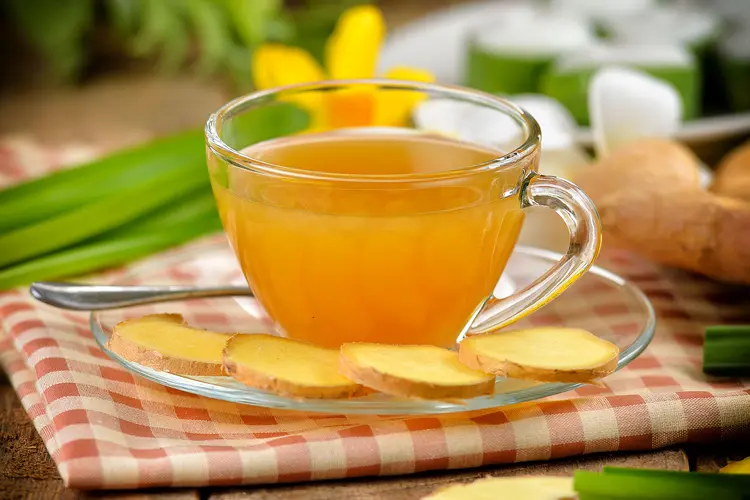
आले – हृदय निरोगी ठेवणारे नैसर्गिक अमृत! | Ayurvedic Wellness Guide.

आले (Ginger) – हृदयासाठी लाभदायक नैसर्गिक औषध

आले (Ginger) – हृदयासाठी लाभदायक नैसर्गिक औषध Image  Image  Image  Image  🌱 परिचय आले (Zingiber officinale) हे आयुर्वेदातील अत्यंत प्रभावी आणि सर्वसामान्य औषधी द्रव्य आहे। हे केवळ स्वयंपाकात चव वाढवण्यासाठीच नव्हे तर हृदयाचे आरोग्य, पचन सुधारणा आणि रक्ताभिसरण सुधारण्यासाठी अत्यंत उपयुक्त आहे।  🧪 Nutritional Value (पोषणमूल्य) आल्यामध्ये आढळणारे महत्त्वाचे घटक:  जिंजरोल (Gingerol)  अँटीऑक्सिडंट्स  व्हिटॅमिन B6  मॅग्नेशियम  पोटॅशियम  👉 हे घटक शरीराला दाहशामक, हृदयसंरक्षक आणि रोगप्रतिकारक गुण देतात।  💚 Health Benefits (आरोग्य फायदे) ❤️ 1. कोलेस्टेरॉल नियंत्रण आले वाईट कोलेस्टेरॉल कमी करून हृदयाचे संरक्षण करते।  🩸 2. रक्ताभिसरण सुधारते रक्तप्रवाह सुरळीत ठेवून शरीरात ऑक्सिजन पुरवठा सुधारते।  💓 3. हृदय मजबूत करते हृदयाच्या स्नायूंना बळकटी देऊन हृदयविकाराचा धोका कमी करते।  ⚖️ 4. रक्तदाब नियंत्रण उच्च रक्तदाब कमी करण्यास मदत करते।  🧬 5. रक्त गोठणे कमी करते रक्त जास्त प्रमाणात गोठू न देता हृदयविकार टाळते।  🔥 6. दाहशामक गुणधर्म शरीरातील सूज व दाह कमी करते।  🌿 Uses (उपयोग) 🍵 आल्याचा चहा – हृदय व पचनासाठी  🥗 आहारात वापर – रोजच्या जेवणात  🍯 आले + मध – रोगप्रतिकारशक्ती वाढवण्यासाठी  🧃 आल्याचा रस – रक्ताभिसरण सुधारण्यासाठी  📜 Ayurveda Reference (आयुर्वेद संदर्भ) आयुर्वेदात आलेला “विश्वभेषज” म्हणजे सर्व रोगांवर उपयोगी औषध मानले जाते।  दीपन (अग्नि वाढवणारे)  पाचन सुधारक  कफ-वात शमन करणारे  👉 हृदय आणि पचन यांच्यातील संतुलन राखण्यासाठी आले अत्यंत उपयुक्त आहे।   Consult Doctor for Detailed Advice अधिक माहितीसाठी आणि वैयक्तिक उपचारासाठी भेट द्या 👉 www.ayurvedainitiative.com  योग्य प्रमाण आणि वापरासाठी तज्ज्ञांचा सल्ला घ्या।  ❓ FAQ (वारंवार विचारले जाणारे प्रश्न) 1. आले रोज खाऊ शकतो का होय, मर्यादित प्रमाणात रोज सेवन सुरक्षित आहे।  2. आले हृदयासाठी कसे उपयुक्त आहे ते कोलेस्टेरॉल कमी करून रक्ताभिसरण सुधारते।  3. आले रक्तदाब कमी करते का होय, नियमित सेवनाने मदत होते।  4. आले रक्त गोठणे कमी करते का होय, त्यामुळे हृदयविकाराचा धोका कमी होतो।  आले – हृदय निरोगी ठेवणारे नैसर्गिक अमृत!

Image आले (Ginger) – हृदयासाठी लाभदायक नैसर्गिक औषध Image  Image  Image  Image  🌱 परिचय आले (Zingiber officinale) हे आयुर्वेदातील अत्यंत प्रभावी आणि सर्वसामान्य औषधी द्रव्य आहे। हे केवळ स्वयंपाकात चव वाढवण्यासाठीच नव्हे तर हृदयाचे आरोग्य, पचन सुधारणा आणि रक्ताभिसरण सुधारण्यासाठी अत्यंत उपयुक्त आहे।  🧪 Nutritional Value (पोषणमूल्य) आल्यामध्ये आढळणारे महत्त्वाचे घटक:  जिंजरोल (Gingerol)  अँटीऑक्सिडंट्स  व्हिटॅमिन B6  मॅग्नेशियम  पोटॅशियम  👉 हे घटक शरीराला दाहशामक, हृदयसंरक्षक आणि रोगप्रतिकारक गुण देतात।  💚 Health Benefits (आरोग्य फायदे) ❤️ 1. कोलेस्टेरॉल नियंत्रण आले वाईट कोलेस्टेरॉल कमी करून हृदयाचे संरक्षण करते।  🩸 2. रक्ताभिसरण सुधारते रक्तप्रवाह सुरळीत ठेवून शरीरात ऑक्सिजन पुरवठा सुधारते।  💓 3. हृदय मजबूत करते हृदयाच्या स्नायूंना बळकटी देऊन हृदयविकाराचा धोका कमी करते।  ⚖️ 4. रक्तदाब नियंत्रण उच्च रक्तदाब कमी करण्यास मदत करते।  🧬 5. रक्त गोठणे कमी करते रक्त जास्त प्रमाणात गोठू न देता हृदयविकार टाळते।  🔥 6. दाहशामक गुणधर्म शरीरातील सूज व दाह कमी करते।  🌿 Uses (उपयोग) 🍵 आल्याचा चहा – हृदय व पचनासाठी  🥗 आहारात वापर – रोजच्या जेवणात  🍯 आले + मध – रोगप्रतिकारशक्ती वाढवण्यासाठी  🧃 आल्याचा रस – रक्ताभिसरण सुधारण्यासाठी  📜 Ayurveda Reference (आयुर्वेद संदर्भ) आयुर्वेदात आलेला “विश्वभेषज” म्हणजे सर्व रोगांवर उपयोगी औषध मानले जाते।  दीपन (अग्नि वाढवणारे)  पाचन सुधारक  कफ-वात शमन करणारे  👉 हृदय आणि पचन यांच्यातील संतुलन राखण्यासाठी आले अत्यंत उपयुक्त आहे।   Consult Doctor for Detailed Advice अधिक माहितीसाठी आणि वैयक्तिक उपचारासाठी भेट द्या 👉 www.ayurvedainitiative.com  योग्य प्रमाण आणि वापरासाठी तज्ज्ञांचा सल्ला घ्या।  ❓ FAQ (वारंवार विचारले जाणारे प्रश्न) 1. आले रोज खाऊ शकतो का होय, मर्यादित प्रमाणात रोज सेवन सुरक्षित आहे।  2. आले हृदयासाठी कसे उपयुक्त आहे ते कोलेस्टेरॉल कमी करून रक्ताभिसरण सुधारते।  3. आले रक्तदाब कमी करते का होय, नियमित सेवनाने मदत होते।  4. आले रक्त गोठणे कमी करते का होय, त्यामुळे हृदयविकाराचा धोका कमी होतो।  आले – हृदय निरोगी ठेवणारे नैसर्गिक अमृत!


Image आले (Ginger) – हृदयासाठी लाभदायक नैसर्गिक औषध Image  Image  Image  Image  🌱 परिचय आले (Zingiber officinale) हे आयुर्वेदातील अत्यंत प्रभावी आणि सर्वसामान्य औषधी द्रव्य आहे। हे केवळ स्वयंपाकात चव वाढवण्यासाठीच नव्हे तर हृदयाचे आरोग्य, पचन सुधारणा आणि रक्ताभिसरण सुधारण्यासाठी अत्यंत उपयुक्त आहे।  🧪 Nutritional Value (पोषणमूल्य) आल्यामध्ये आढळणारे महत्त्वाचे घटक:  जिंजरोल (Gingerol)  अँटीऑक्सिडंट्स  व्हिटॅमिन B6  मॅग्नेशियम  पोटॅशियम  👉 हे घटक शरीराला दाहशामक, हृदयसंरक्षक आणि रोगप्रतिकारक गुण देतात।  💚 Health Benefits (आरोग्य फायदे) ❤️ 1. कोलेस्टेरॉल नियंत्रण आले वाईट कोलेस्टेरॉल कमी करून हृदयाचे संरक्षण करते।  🩸 2. रक्ताभिसरण सुधारते रक्तप्रवाह सुरळीत ठेवून शरीरात ऑक्सिजन पुरवठा सुधारते।  💓 3. हृदय मजबूत करते हृदयाच्या स्नायूंना बळकटी देऊन हृदयविकाराचा धोका कमी करते।  ⚖️ 4. रक्तदाब नियंत्रण उच्च रक्तदाब कमी करण्यास मदत करते।  🧬 5. रक्त गोठणे कमी करते रक्त जास्त प्रमाणात गोठू न देता हृदयविकार टाळते।  🔥 6. दाहशामक गुणधर्म शरीरातील सूज व दाह कमी करते।  🌿 Uses (उपयोग) 🍵 आल्याचा चहा – हृदय व पचनासाठी  🥗 आहारात वापर – रोजच्या जेवणात  🍯 आले + मध – रोगप्रतिकारशक्ती वाढवण्यासाठी  🧃 आल्याचा रस – रक्ताभिसरण सुधारण्यासाठी  📜 Ayurveda Reference (आयुर्वेद संदर्भ) आयुर्वेदात आलेला “विश्वभेषज” म्हणजे सर्व रोगांवर उपयोगी औषध मानले जाते।  दीपन (अग्नि वाढवणारे)  पाचन सुधारक  कफ-वात शमन करणारे  👉 हृदय आणि पचन यांच्यातील संतुलन राखण्यासाठी आले अत्यंत उपयुक्त आहे।   Consult Doctor for Detailed Advice अधिक माहितीसाठी आणि वैयक्तिक उपचारासाठी भेट द्या 👉 www.ayurvedainitiative.com  योग्य प्रमाण आणि वापरासाठी तज्ज्ञांचा सल्ला घ्या।  ❓ FAQ (वारंवार विचारले जाणारे प्रश्न) 1. आले रोज खाऊ शकतो का होय, मर्यादित प्रमाणात रोज सेवन सुरक्षित आहे।  2. आले हृदयासाठी कसे उपयुक्त आहे ते कोलेस्टेरॉल कमी करून रक्ताभिसरण सुधारते।  3. आले रक्तदाब कमी करते का होय, नियमित सेवनाने मदत होते।  4. आले रक्त गोठणे कमी करते का होय, त्यामुळे हृदयविकाराचा धोका कमी होतो।  आले – हृदय निरोगी ठेवणारे नैसर्गिक अमृत!

🌱 परिचय

आले (Zingiber officinale) हे आयुर्वेदातील अत्यंत प्रभावी आणि सर्वसामान्य औषधी द्रव्य आहे।
हे केवळ स्वयंपाकात चव वाढवण्यासाठीच नव्हे तर हृदयाचे आरोग्य, पचन सुधारणा आणि रक्ताभिसरण सुधारण्यासाठी अत्यंत उपयुक्त आहे।

🧪 Nutritional Value (पोषणमूल्य)

आल्यामध्ये आढळणारे महत्त्वाचे घटक:

  • जिंजरोल (Gingerol)

  • अँटीऑक्सिडंट्स

  • व्हिटॅमिन B6

  • मॅग्नेशियम

  • पोटॅशियम

👉 हे घटक शरीराला दाहशामक, हृदयसंरक्षक आणि रोगप्रतिकारक गुण देतात।

💚 Health Benefits (आरोग्य फायदे)

❤️ 1. कोलेस्टेरॉल नियंत्रण

आले वाईट कोलेस्टेरॉल कमी करून हृदयाचे संरक्षण करते।

🩸 2. रक्ताभिसरण सुधारते

रक्तप्रवाह सुरळीत ठेवून शरीरात ऑक्सिजन पुरवठा सुधारते।

💓 3. हृदय मजबूत करते

हृदयाच्या स्नायूंना बळकटी देऊन हृदयविकाराचा धोका कमी करते।

⚖️ 4. रक्तदाब नियंत्रण

उच्च रक्तदाब कमी करण्यास मदत करते।

🧬 5. रक्त गोठणे कमी करते

रक्त जास्त प्रमाणात गोठू न देता हृदयविकार टाळते।

🔥 6. दाहशामक गुणधर्म

शरीरातील सूज व दाह कमी करते।

🌿 Uses (उपयोग)

  • 🍵 आल्याचा चहा – हृदय व पचनासाठी

  • 🥗 आहारात वापर – रोजच्या जेवणात

  • 🍯 आले + मध – रोगप्रतिकारशक्ती वाढवण्यासाठी

  • 🧃 आल्याचा रस – रक्ताभिसरण सुधारण्यासाठी

📜 Ayurveda Reference (आयुर्वेद संदर्भ)

आयुर्वेदात आलेला “विश्वभेषज” म्हणजे सर्व रोगांवर उपयोगी औषध मानले जाते।

  • दीपन (अग्नि वाढवणारे)

  • पाचन सुधारक

  • कफ-वात शमन करणारे

👉 हृदय आणि पचन यांच्यातील संतुलन राखण्यासाठी आले अत्यंत उपयुक्त आहे।

 Consult Doctor for Detailed Advice

अधिक माहितीसाठी आणि वैयक्तिक उपचारासाठी भेट द्या
👉 www.ayurvedainitiative.com

योग्य प्रमाण आणि वापरासाठी तज्ज्ञांचा सल्ला घ्या।

❓ FAQ (वारंवार विचारले जाणारे प्रश्न)

1. आले रोज खाऊ शकतो का

होय, मर्यादित प्रमाणात रोज सेवन सुरक्षित आहे।

2. आले हृदयासाठी कसे उपयुक्त आहे

ते कोलेस्टेरॉल कमी करून रक्ताभिसरण सुधारते।

3. आले रक्तदाब कमी करते का

होय, नियमित सेवनाने मदत होते।

4. आले रक्त गोठणे कमी करते का

होय, त्यामुळे हृदयविकाराचा धोका कमी होतो।

आले – हृदय निरोगी ठेवणारे नैसर्गिक अमृत!

Balance Your Cholesterol Naturally: The Ayurvedic Path to a Healthier Heart.

Ayurvedic Treatment for High Cholesterol: A Holistic, Root-Cause Approach to Heart Health


High cholesterol has become one of the most silent yet serious health concerns in today’s fast-paced world. Many individuals remain unaware of their elevated lipid levels until complications such as heart disease, hypertension, or stroke begin to surface. Sedentary lifestyles, processed diets, stress, and metabolic imbalances contribute significantly to this condition.

From an Ayurvedic perspective, high cholesterol is not merely a number on a report—it reflects a deeper imbalance in the body's internal systems. Ayurveda views this condition as a result of disturbed Agni (digestive fire), accumulation of Ama (toxins), and imbalance in Kapha dosha, leading to obstruction in the channels (Srotorodha).

As a senior Ayurvedic practitioner with over 13 years of clinical experience, I have observed that sustainable management of cholesterol is possible through personalized Ayurvedic interventions. Rather than suppressing symptoms, Ayurveda focuses on correcting the root cause, restoring balance, and strengthening the body's natural intelligence.

Understanding High Cholesterol (Modern View)

What is High Cholesterol?

Cholesterol is a fatty substance essential for hormone production and cell structure. However, excess levels—especially LDL (bad cholesterol)—can accumulate in arteries.

Causes

  • Poor diet (high saturated fats, processed foods)

  • Sedentary lifestyle

  • Obesity

  • Smoking and alcohol consumption

  • Genetic predisposition

  • Diabetes and metabolic syndrome

Symptoms

High cholesterol is often asymptomatic but may present as:

  • Fatigue

  • Chest discomfort

  • Breathlessness (in advanced cases)

  • Xanthomas (fat deposits under skin)

Risk Factors

  • Age (above 40)

  • Family history

  • Hypertension

  • Stress

  • Poor sleep patterns

Ayurvedic Perspective

In Ayurveda, high cholesterol correlates with conditions like Medoroga (fat metabolism disorder).

Dosha Involvement

  • Predominantly Kapha Dosha

  • Associated Vata obstruction (due to channel blockage)

Agni (Digestive Fire)

  • Mandagni (low digestive fire) leads to improper digestion

Ama (Toxins)

  • Undigested food transforms into Ama

  • Ama mixes with Meda Dhatu (fat tissue) causing accumulation

Dhatu Involvement

  • Primarily Meda Dhatu

  • Secondary involvement of Rasa and Rakta Dhatu

Classical Insight

Texts like Charaka Samhita describe improper metabolism and channel obstruction as key factors in disease progression.

Root Cause Analysis According to Ayurveda

The root causes include:

  • Weak digestion (Mandagni)

  • Accumulation of Ama

  • Excessive intake of Guru (heavy), Snigdha (oily) foods

  • Lack of physical activity

  • Emotional stress and irregular routines

Ayurveda identifies these as the starting points for lipid imbalance rather than just elevated cholesterol numbers.

Ayurvedic Treatment Principles

1. Shodhana (Detoxification)

  • Virechana (therapeutic purgation) to eliminate excess Pitta and Ama

  • Basti (medicated enema) to balance Vata and remove deep toxins

2. Shamana (Pacification Therapy)

  • Use of herbal formulations to balance doshas

  • Improve metabolism and lipid processing

3. Rasayana (Rejuvenation)

  • Strengthens tissues

  • Prevents recurrence

  • Enhances cardiovascular resilience

4. Diet Correction

  • Light, warm, easily digestible foods

  • Avoid heavy, oily, processed items

5. Lifestyle Modification

  • Regular exercise

  • Stress management

  • Proper sleep cycle

Important Ayurvedic Herbs & Therapies

1. Guggulu (Commiphora mukul)

  • Reduces lipid accumulation

  • Scrapes excess fat (Lekhana property)

  • Improves metabolism

  • Must be used under supervision

2. Arjuna (Terminalia arjuna)

  • Strengthens heart muscles

  • Supports healthy cholesterol levels

  • Improves circulation

3. Triphala

  • Detoxifies digestive tract

  • Enhances Agni

  • Reduces Ama accumulation

4. Garlic (Lashuna)

  • Improves lipid metabolism

  • Reduces LDL levels

  • Enhances circulation

5. Musta (Cyperus rotundus)

  • Improves digestion

  • Reduces Ama

  • Balances Kapha and Pitta

6. Punarnava

  • Reduces fluid retention

  • Supports metabolism

  • Improves kidney and liver function

7. Panchakarma Therapies

  • Virechana

  • Basti

  • Udvartana (herbal powder massage for fat reduction)

⚠️ Note: All therapies should be performed under qualified Ayurvedic supervision.

Diet & Lifestyle Recommendations

Pathya (Recommended)

  • Warm, freshly cooked meals

  • Barley, millets, green gram

  • Bitter vegetables (karela, neem leaves)

  • Garlic, ginger, turmeric

  • Warm water and herbal teas

Apathya (To Avoid)

  • Fried and processed foods

  • Excess dairy and sweets

  • Red meat

  • Cold, refrigerated foods

  • Daytime sleeping

  • Sedentary lifestyle

Yoga, Pranayama & Daily Routine

Yoga Asanas

  • Surya Namaskar

  • Bhujangasana

  • Trikonasana

  • Ardha Matsyendrasana

Pranayama

  • Anulom Vilom

  • Kapalbhati (under guidance)

  • Bhramari

Daily Routine (Dinacharya)

  • Early waking (Brahma Muhurta)

  • Regular meals

  • Daily physical activity

  • Oil pulling and Abhyanga

Clinical Outcomes & Long-Term Benefits

With consistent Ayurvedic treatment:

  • Improved lipid profile

  • Better digestion and metabolism

  • Reduced risk of heart disease

  • Sustainable weight management

  • Enhanced energy levels

  • Prevention of recurrence

Ayurveda offers gradual but stable improvement without dependency.


High cholesterol is not just a metabolic issue—it is a signal from the body indicating deeper imbalance. Ayurveda provides a comprehensive framework to address this condition by correcting digestion, eliminating toxins, and restoring doshic harmony.

Rather than quick fixes, Ayurvedic treatment for high cholesterol emphasizes long-term wellness, prevention, and personalized care.

If you are seeking a natural and holistic approach, consult a qualified Ayurvedic doctor to begin your healing journey safely and effectively.

Frequently Asked Questions (FAQs)

1. Can Ayurveda completely cure high cholesterol?

Ayurveda focuses on managing and reversing the root causes rather than labeling conditions as “cured.” With proper diet, lifestyle, and treatment, cholesterol levels can significantly improve under supervision.

2. How long does Ayurvedic treatment take?

It varies depending on severity, age, and lifestyle. Typically, noticeable improvement may take 6–12 weeks with consistent adherence.

3. Is Panchakarma necessary for all patients?

Not always. Panchakarma is recommended in moderate to severe cases or when Ama accumulation is high. Mild cases may respond to diet and herbal therapy.

4. Are Ayurvedic medicines safe?

Yes, when prescribed by a qualified Ayurvedic doctor. Self-medication is not advised.

5. Can I continue allopathic medicines?

Yes, but only under medical guidance. Integrated care is often beneficial.

6. Which dosha causes high cholesterol?

Primarily Kapha dosha imbalance, along with impaired Agni and Ama formation.

7. Does stress affect cholesterol levels?

Yes, stress disrupts metabolism and increases risk factors indirectly.

8. Can diet alone manage cholesterol?

Diet plays a major role but works best when combined with lifestyle and herbal support.

9. Is exercise important in Ayurveda?

Absolutely. Daily movement is essential for balancing Kapha and improving metabolism.

10. Can thin people have high cholesterol?

Yes. Metabolic imbalance is not always linked to body weight.

11. What foods should I avoid strictly?

Fried foods, processed snacks, excess sugar, and heavy dairy products.

12. Is ghee allowed in Ayurveda?

In moderation and only when digestion is strong. Quality matters.

13. Can fasting help?

Light fasting or controlled eating may help improve Agni but should be guided.

14. Are there side effects of herbs like Guggulu?

Improper use may cause digestive issues. Always take under supervision.

15. How often should I check cholesterol?

Every 3–6 months during treatment or as advised by your doctor.

High cholesterol is a growing lifestyle disorder, but Ayurveda offers a powerful, natural solution. By correcting digestion, eliminating toxins, and balancing doshas, Ayurvedic treatment for high cholesterol addresses the root cause rather than symptoms. This holistic approach combines herbal medicines like Guggulu and Arjuna, detox therapies such as Panchakarma, and personalized diet and lifestyle guidance. Unlike temporary fixes, Ayurveda focuses on long-term cardiovascular wellness, improved metabolism, and prevention of complications. Discover how ancient wisdom can support modern heart health safely and effectively under expert supervision.


Ayurvedic Treatment for High Cholesterol: A Holistic, Root-Cause Approach to Heart Health   High cholesterol has become one of the most silent yet serious health concerns in today’s fast-paced world. Many individuals remain unaware of their elevated lipid levels until complications such as heart disease, hypertension, or stroke begin to surface. Sedentary lifestyles, processed diets, stress, and metabolic imbalances contribute significantly to this condition.  From an Ayurvedic perspective, high cholesterol is not merely a number on a report—it reflects a deeper imbalance in the body's internal systems. Ayurveda views this condition as a result of disturbed Agni (digestive fire), accumulation of Ama (toxins), and imbalance in Kapha dosha, leading to obstruction in the channels (Srotorodha).  As a senior Ayurvedic practitioner with over 13 years of clinical experience, I have observed that sustainable management of cholesterol is possible through personalized Ayurvedic interventions. Rather than suppressing symptoms, Ayurveda focuses on correcting the root cause, restoring balance, and strengthening the body's natural intelligence.  Understanding High Cholesterol (Modern View) What is High Cholesterol? Cholesterol is a fatty substance essential for hormone production and cell structure. However, excess levels—especially LDL (bad cholesterol)—can accumulate in arteries.  Causes Poor diet (high saturated fats, processed foods)  Sedentary lifestyle  Obesity  Smoking and alcohol consumption  Genetic predisposition  Diabetes and metabolic syndrome  Symptoms High cholesterol is often asymptomatic but may present as:  Fatigue  Chest discomfort  Breathlessness (in advanced cases)  Xanthomas (fat deposits under skin)  Risk Factors Age (above 40)  Family history  Hypertension  Stress  Poor sleep patterns  Ayurvedic Perspective In Ayurveda, high cholesterol correlates with conditions like Medoroga (fat metabolism disorder).  Dosha Involvement Predominantly Kapha Dosha  Associated Vata obstruction (due to channel blockage)  Agni (Digestive Fire) Mandagni (low digestive fire) leads to improper digestion  Ama (Toxins) Undigested food transforms into Ama  Ama mixes with Meda Dhatu (fat tissue) causing accumulation  Dhatu Involvement Primarily Meda Dhatu  Secondary involvement of Rasa and Rakta Dhatu  Classical Insight Texts like Charaka Samhita describe improper metabolism and channel obstruction as key factors in disease progression.  Root Cause Analysis According to Ayurveda The root causes include:  Weak digestion (Mandagni)  Accumulation of Ama  Excessive intake of Guru (heavy), Snigdha (oily) foods  Lack of physical activity  Emotional stress and irregular routines  Ayurveda identifies these as the starting points for lipid imbalance rather than just elevated cholesterol numbers.  Ayurvedic Treatment Principles 1. Shodhana (Detoxification) Virechana (therapeutic purgation) to eliminate excess Pitta and Ama  Basti (medicated enema) to balance Vata and remove deep toxins  2. Shamana (Pacification Therapy) Use of herbal formulations to balance doshas  Improve metabolism and lipid processing  3. Rasayana (Rejuvenation) Strengthens tissues  Prevents recurrence  Enhances cardiovascular resilience  4. Diet Correction Light, warm, easily digestible foods  Avoid heavy, oily, processed items  5. Lifestyle Modification Regular exercise  Stress management  Proper sleep cycle  Important Ayurvedic Herbs & Therapies 1. Guggulu (Commiphora mukul) Reduces lipid accumulation  Scrapes excess fat (Lekhana property)  Improves metabolism  Must be used under supervision  2. Arjuna (Terminalia arjuna) Strengthens heart muscles  Supports healthy cholesterol levels  Improves circulation  3. Triphala Detoxifies digestive tract  Enhances Agni  Reduces Ama accumulation  4. Garlic (Lashuna) Improves lipid metabolism  Reduces LDL levels  Enhances circulation  5. Musta (Cyperus rotundus) Improves digestion  Reduces Ama  Balances Kapha and Pitta  6. Punarnava Reduces fluid retention  Supports metabolism  Improves kidney and liver function  7. Panchakarma Therapies Virechana  Basti  Udvartana (herbal powder massage for fat reduction)  ⚠️ Note: All therapies should be performed under qualified Ayurvedic supervision.  Diet & Lifestyle Recommendations Pathya (Recommended) Warm, freshly cooked meals  Barley, millets, green gram  Bitter vegetables (karela, neem leaves)  Garlic, ginger, turmeric  Warm water and herbal teas  Apathya (To Avoid) Fried and processed foods  Excess dairy and sweets  Red meat  Cold, refrigerated foods  Daytime sleeping  Sedentary lifestyle  Yoga, Pranayama & Daily Routine Yoga Asanas Surya Namaskar  Bhujangasana  Trikonasana  Ardha Matsyendrasana  Pranayama Anulom Vilom  Kapalbhati (under guidance)  Bhramari  Daily Routine (Dinacharya) Early waking (Brahma Muhurta)  Regular meals  Daily physical activity  Oil pulling and Abhyanga  Clinical Outcomes & Long-Term Benefits With consistent Ayurvedic treatment:  Improved lipid profile  Better digestion and metabolism  Reduced risk of heart disease  Sustainable weight management  Enhanced energy levels  Prevention of recurrence  Ayurveda offers gradual but stable improvement without dependency.   High cholesterol is not just a metabolic issue—it is a signal from the body indicating deeper imbalance. Ayurveda provides a comprehensive framework to address this condition by correcting digestion, eliminating toxins, and restoring doshic harmony.  Rather than quick fixes, Ayurvedic treatment for high cholesterol emphasizes long-term wellness, prevention, and personalized care.  If you are seeking a natural and holistic approach, consult a qualified Ayurvedic doctor to begin your healing journey safely and effectively.  Frequently Asked Questions (FAQs) 1. Can Ayurveda completely cure high cholesterol? Ayurveda focuses on managing and reversing the root causes rather than labeling conditions as “cured.” With proper diet, lifestyle, and treatment, cholesterol levels can significantly improve under supervision.  2. How long does Ayurvedic treatment take? It varies depending on severity, age, and lifestyle. Typically, noticeable improvement may take 6–12 weeks with consistent adherence.  3. Is Panchakarma necessary for all patients? Not always. Panchakarma is recommended in moderate to severe cases or when Ama accumulation is high. Mild cases may respond to diet and herbal therapy.  4. Are Ayurvedic medicines safe? Yes, when prescribed by a qualified Ayurvedic doctor. Self-medication is not advised.  5. Can I continue allopathic medicines? Yes, but only under medical guidance. Integrated care is often beneficial.  6. Which dosha causes high cholesterol? Primarily Kapha dosha imbalance, along with impaired Agni and Ama formation.  7. Does stress affect cholesterol levels? Yes, stress disrupts metabolism and increases risk factors indirectly.  8. Can diet alone manage cholesterol? Diet plays a major role but works best when combined with lifestyle and herbal support.  9. Is exercise important in Ayurveda? Absolutely. Daily movement is essential for balancing Kapha and improving metabolism.  10. Can thin people have high cholesterol? Yes. Metabolic imbalance is not always linked to body weight.  11. What foods should I avoid strictly? Fried foods, processed snacks, excess sugar, and heavy dairy products.  12. Is ghee allowed in Ayurveda? In moderation and only when digestion is strong. Quality matters.  13. Can fasting help? Light fasting or controlled eating may help improve Agni but should be guided.  14. Are there side effects of herbs like Guggulu? Improper use may cause digestive issues. Always take under supervision.  15. How often should I check cholesterol? Every 3–6 months during treatment or as advised by your doctor.  High cholesterol is a growing lifestyle disorder, but Ayurveda offers a powerful, natural solution. By correcting digestion, eliminating toxins, and balancing doshas, Ayurvedic treatment for high cholesterol addresses the root cause rather than symptoms. This holistic approach combines herbal medicines like Guggulu and Arjuna, detox therapies such as Panchakarma, and personalized diet and lifestyle guidance. Unlike temporary fixes, Ayurveda focuses on long-term cardiovascular wellness, improved metabolism, and prevention of complications. Discover how ancient wisdom can support modern heart health safely and effectively under expert supervision.     Dr. Sagar Narkhede Ayurvedic Physician & Panchakarma Specialist is a dedicated and experienced Ayurvedic doctor known for his holistic approach to health and disease management. With a strong foundation in classical Ayurveda and modern clinical understanding, he focuses on treating the root cause of illness rather than just suppressing symptoms.  Dr. Narkhede specializes in managing chronic lifestyle disorders, digestive issues, joint and spine problems, stress-related conditions, hormonal imbalances, and skin diseases through authentic Ayurvedic therapies and personalized Panchakarma treatments.  Areas of Expertise Chronic lifestyle disorders (Diabetes, Hypertension, Obesity) Joint pain, Arthritis & Spine-related disorders Digestive disorders & metabolic imbalance Stress, anxiety & sleep disorders Panchakarma detox & rejuvenation therapies Preventive & holistic health care Treatment Philosophy Dr. Sagar Narkhede believes in individualized treatment plans based on Prakriti (body constitution), lifestyle, and disease stage. His goal is to restore balance between body, mind, and metabolism for long-term wellness and sustainable healing.  Visit Clinic Website


Dr. Sagar Narkhede

Ayurvedic Physician & Panchakarma Specialist

is a dedicated and experienced Ayurvedic doctor known for his holistic approach to health and disease management. With a strong foundation in classical Ayurveda and modern clinical understanding, he focuses on treating the root cause of illness rather than just suppressing symptoms.

Dr. Narkhede specializes in managing chronic lifestyle disorders, digestive issues, joint and spine problems, stress-related conditions, hormonal imbalances, and skin diseases through authentic Ayurvedic therapies and personalized Panchakarma treatments.

Areas of Expertise

  • Chronic lifestyle disorders (Diabetes, Hypertension, Obesity)
  • Joint pain, Arthritis & Spine-related disorders
  • Digestive disorders & metabolic imbalance
  • Stress, anxiety & sleep disorders
  • Panchakarma detox & rejuvenation therapies
  • Preventive & holistic health care

Treatment Philosophy

Dr. Sagar Narkhede believes in individualized treatment plans based on Prakriti (body constitution), lifestyle, and disease stage. His goal is to restore balance between body, mind, and metabolism for long-term wellness and sustainable healing.

Lower your blood pressure naturally with Ayurveda.

Lowering Blood Pressure with Ayurveda: A Natural Approach to Heart Health.


High blood pressure is a growing health concern worldwide, increasing the risk of heart disease, stroke, and kidney disease. While conventional medicine offers various treatments, Ayurveda provides a natural and holistic approach to regulating blood pressure. In this blog, we'll explore how regular Ayurvedic practice can help lower blood pressure and reduce the risks of heart disease.

sarpagandha 

Sarpagandha

Understanding Blood Pressure and Ayurveda.


Ayurveda views high blood pressure as an imbalance of the three doshas: Vata, Pitta, and Kapha. This imbalance can lead to increased blood pressure, which can be managed through Ayurvedic practices such as diet, lifestyle, and herbal remedies.

Ayurvedic Practices for Lowering Blood Pressure.

Regular Ayurvedic practice can help regulate blood pressure and reduce the risks of heart disease. Some effective Ayurvedic practices for lowering blood pressure include:

1 Yoga and Meditation: Regular yoga and meditation practice can help reduce stress and anxiety, which are major contributors to high blood pressure.

2 Herbal Remedies: Ayurvedic herbs such as .
Sarpagandha , Garlic and 

1. Ashwagandha (Withania somnifera)
Ashwagandha is an adaptogenic herb that helps reduce stress and anxiety, which are major contributors to high blood pressure.

2. Turmeric (Curcuma longa)
Turmeric contains curcumin, a compound that has anti-inflammatory and antioxidant properties, which can help lower blood pressure.

3. Ginger (Zingiber officinale)
Ginger has natural anti-inflammatory properties that can help reduce blood pressure by improving blood vessel function.

4. Triphala (Amalaki, Haritaki, and Bibhitaki)
Triphala is a combination of three herbs that can help lower blood pressure by reducing inflammation and improving cardiovascular health.

5. Arjuna (Terminalia arjuna)
Arjuna is a herb that has been traditionally used to treat heart conditions, including high blood pressure. It has antioxidant and anti-inflammatory properties that can help improve cardiovascular health.

6. Coleus (Coleus forskohlii)
Coleus contains forskolin, a compound that can help lower blood pressure by relaxing blood vessels and improving cardiovascular function.

7. Hawthorn (Crataegus monogyna)
Hawthorn is a herb that has been traditionally used to treat heart conditions, including high blood pressure. It has antioxidant and anti-inflammatory properties that can help improve cardiovascular health.

8. Guggulu (Commiphora mukul)
Guggulu is a herb that has been traditionally used to treat high blood pressure. It has anti-inflammatory and antioxidant properties that can help improve cardiovascular health.

9. Shankhpushpi (Convolvulus pluricaulis)
Shankhpushpi is a herb that has been traditionally used to treat high blood pressure. It has anti-inflammatory and antioxidant properties that can help improve cardiovascular health.

10. Yashtimadhu (Glycyrrhiza glabra)
Yashtimadhu is a herb that has been traditionally used to treat high blood pressure. It has anti-inflammatory and antioxidant properties that can help improve cardiovascular health.

Diet and Lifestyle: A balanced diet and lifestyle, including regular exercise and stress management, can help regulate blood pressure.

Ayurvedic Diet for Lowering Blood Pressure.


A balanced Ayurvedic diet can play a crucial role in regulating blood pressure. Some recommended foods for lowering blood pressure include:

1 Fresh Fruits and Vegetables: Fresh fruits and vegetables are rich in antioxidants and fiber, which can help lower blood pressure.

2 Whole grains : Whole grains such as brown rice, quinoa, and whole wheat bread can help regulate blood pressure.

3 Herbal Teas: Herbal teas such as peppermint, chamomile, and hibiscus can help reduce stress and anxiety.

Lifestyle Changes for Lowering Blood Pressure.


In addition to diet and herbal remedies, lifestyle changes can also play a crucial role in regulating blood pressure. Some recommended lifestyle changes include:

1 Regular Exercise: Regular exercise such as walking, yoga, and swimming can help lower blood pressure.

2 Stress Management: Stress management techniques such as meditation, deep breathing, and yoga can help reduce stress and anxiety.

3 Getting Enough Sleep: Getting enough sleep is essential for regulating blood pressure.

Conclusion.

Regular Ayurvedic practice can help regulate blood pressure and reduce the risks of heart disease. By incorporating Ayurvedic practices such as yoga, meditation, herbal remedies, and lifestyle changes into your daily routine, you can help lower your blood pressure and promote overall heart health.

Frequently Asked Questions and Answers:


Q: What are the causes of high blood pressure?
A: High blood pressure can be caused by a variety of factors, including genetics, diet, lifestyle, and stress.

Q: How can Ayurveda help lower blood pressure?
A: Ayurveda offers a natural and holistic approach to regulating blood pressure through diet, lifestyle, and herbal remedies.

Q: What are some recommended Ayurvedic practices for lowering blood pressure?
A: Recommended Ayurvedic practices for lowering blood pressure include yoga, meditation, herbal remedies, and lifestyle changes.

Soaked Almonds for Weight Management

When it comes to maintaining a healthy weight, the foods we choose to eat play a crucial role. Among the many nutritious options available, soaked almonds stand out as a simple yet powerful addition to your diet. Not only are they packed with essential nutrients, but they also offer specific benefits that can aid in weight management. Let’s dive into why soaked almonds are a great choice for those looking to stay fit and healthy.

Soaked Almonds for Weight Management


Why Soaked Almonds?


Soaking almonds overnight is a traditional practice that enhances their nutritional profile. The process softens the nuts, making them easier to digest and allowing your body to absorb their nutrients more effectively. But what makes soaked almonds particularly beneficial for weight management?

1 Rich in Fiber

Soaked almonds are an excellent source of dietary fiber. Fiber is known for its ability to keep you feeling full for longer periods. When you feel satiated, you’re less likely to reach for unhealthy snacks or overeat during meals. This natural appetite control can be a game-changer for anyone trying to manage their weight.

 2. Promotes Healthy Metabolism

Almonds are packed with essential nutrients like vitamin E, magnesium, and healthy fats, all of which contribute to a healthy metabolism. A well-functioning metabolism ensures that your body efficiently converts food into energy, rather than storing it as fat. This can help you maintain or even lose weight over time.

 3. Low in Calories, High in Nutrients

Despite being nutrient-dense, soaked almonds are relatively low in calories compared to many other snacks. This makes them a perfect choice for those who want to enjoy a satisfying snack without worrying about excessive calorie intake. Plus, the nutrients in almonds support overall health, which is essential for sustained weight management.

4. Reduces Cravings

The combination of healthy fats, protein, and fiber in soaked almonds helps stabilize blood sugar levels. When your blood sugar is stable, you’re less likely to experience sudden cravings for sugary or high-calorie foods. This can be particularly helpful for those trying to cut down on unhealthy eating habits.

 How to use Soaked Almonds into Your Diet


Adding soaked almonds to your daily routine is easy and versatile. 
Here are a few simple ways to enjoy them:

1 Morning Boost: Start your day with a handful of soaked almonds. They make for a quick and nutritious breakfast option.

2 Snack Time: Keep a small container of soaked almonds with you for a healthy snack on the go.

3 Smoothies:  Blend soaked almonds into your morning smoothie for an extra dose of fiber and nutrients.

4 Salads: Chop soaked almonds and sprinkle them over your salads for added crunch and nutrition.

Conclusion


Soaked almonds are more than just a tasty snack—they’re a powerhouse of nutrients that can support your weight management goals. By keeping you fuller for longer, promoting a healthy metabolism, and reducing cravings, they can be a valuable addition to a balanced diet. So, the next time you’re looking for a healthy snack, reach for a handful of soaked almonds and enjoy the benefits they bring to your overall health and well-being.

Remember, while soaked almonds can be a helpful tool in weight management, they work best as part of a balanced diet and healthy lifestyle. Pair them with regular exercise and mindful eating for the best results!

Question and Answers on the benefits of soaked almonds for weight management


Q: What are the benefits of soaked almonds for weight management?
A: Soaked almonds are rich in fiber, which helps keep you feeling fuller for longer, reducing the chances of overeating.

Q: How do soaked almonds promote a healthy metabolism?
A: Soaked almonds contain healthy fats, protein, and fiber, which help boost metabolism and support weight loss.

Q: Can soaked almonds help reduce cravings for unhealthy snacks?
A: Yes, the fiber and healthy fats in soaked almonds can help reduce cravings for unhealthy snacks and keep you feeling satisfied.

Q: How many soaked almonds should I eat per day for weight management?
A: A serving size of 1 ounce (about 23 almonds) per day is recommended for weight management.

Q: Can soaked almonds be part of a weight loss diet?
A: Yes, soaked almonds can be a nutritious and healthy addition to a weight loss diet, providing sustained energy and supporting overall health.

Q: Are there any other benefits of soaked almonds besides weight management?
A: Yes, soaked almonds also support heart health, digestive health, and provide essential vitamins and minerals.

Nuts for Breakfast, Vitality All Day!.

The Best Time to Eat Nuts for Maximum Health Benefits


Nuts are a nutritious and versatile snack that can provide a range of health benefits, from supporting heart health to aiding in weight management. However, the timing of when you eat nuts can impact their effectiveness and your overall health.  See the ideal time to eat nuts and how they can be use into your diet for maximum health benefits.

The Benefits of Eating Nuts in the Morning


Nuts for Breakfast, Vitality All Day!.


Eating nuts in the morning or mid-morning can provide sustained energy and help satisfy hunger, making them a great way to start the day. Here are some benefits of eating nuts during this time:

1. Boosts Energy: Nuts are a rich source of healthy fats and protein, which can provide a natural energy boost to help you tackle your day.
2. Supports Weight Management: Eating nuts in the morning can help keep you full and satisfied, reducing the likelihood of overeating or making unhealthy snack choices later in the day.
3. Improves Heart Health: Many nuts, such as almonds and walnuts, are rich in monounsaturated and polyunsaturated fats, which can help lower cholesterol levels and reduce the risk of heart disease.

Why Avoid Eating Nuts Close to Bedtime?

While nuts can be a healthy snack, eating them close to bedtime can cause digestive discomfort for some people. Here are some reasons why it's best to avoid eating nuts before bed:

1. Digestive Discomfort: Nuts are high in fiber and healthy fats, which can take time to digest. Eating them close to bedtime can lead to discomfort, bloating, and indigestion.
2. Disrupts Sleep: The protein and healthy fats in nuts can provide a natural energy boost, which can make it difficult to fall asleep if consumed too close to bedtime.
3. Can Cause Acid Reflux: Some nuts, such as almonds and cashews, can trigger acid reflux in some individuals, especially when eaten in large quantities or too close to bedtime.

Using nuts into your diet can provide a range of health benefits, but timing is everything. Eating nuts in the morning or mid-morning can provide sustained energy, support weight management, and improve heart health. By choosing the right time to eat nuts, you can maximize their health benefits and enjoy a nutritious and balanced diet.

Frequently Asked Questions (FAQs) about the ideal time to eat nuts:


Q1: What is the best time to eat nuts?
A1: The ideal time to eat nuts is in the morning or mid-morning, as they provide sustained energy and help satisfy hunger.

Q2: Why should I avoid eating nuts close to bedtime?
A2: Eating nuts close to bedtime can cause digestive discomfort for some people, as they are high in fiber and healthy fats that can take time to digest.

Q3: Will eating nuts in the morning help with weight management?
A3: Yes, eating nuts in the morning can help with weight management by keeping you full and satisfied, reducing the likelihood of overeating or making unhealthy snack choices later in the day.

Q4: Can eating nuts improve heart health?
A4: Yes, many nuts, such as almonds and walnuts, are rich in monounsaturated and polyunsaturated fats, which can help lower cholesterol levels and reduce the risk of heart disease.

Q5: How many nuts should I eat in a day?
A5: The recommended daily intake of nuts varies depending on the type and individual nutritional needs. Generally, a handful (about 1 ounce) of nuts per day is considered a healthy amount.

Q6: Can I eat nuts if I have digestive issues?
A6: If you have digestive issues, it's best to consult with a healthcare professional or registered dietitian before adding nuts to your diet. Some nuts may exacerbate digestive issues, while others may be beneficial.

Q7: Can nuts be part of a healthy breakfast?
A7: Yes, nuts can be a nutritious addition to a healthy breakfast, providing sustained energy and supporting overall health and well-being.

"Healthy Habits for a Wealthy Life"
Daily Health Tips Series No 169.

Rock Salt: The Natural Way to Balance Your Doshas

Benefits of Rock Salt: The Power of Nature's Gift


Rock Salt, also known as Sendha Namak, is a natural and unrefined salt that has been used for centuries in Ayurvedic medicine. This miraculous salt is good for the heart, helps in digestion and appetite, calms the 3 doshas, and is light to digest.

The Benefits of Rock Salt for Heart Health


Rock Salt is beneficial for heart health as it:

1 Lowers Blood Pressure: Rock Salt helps to lower blood pressure by reducing the sodium levels in the body.
2 Reduces Inflammation: Rock Salt has anti-inflammatory properties that help to reduce inflammation in the body, which can lead to heart disease.

Benefits of Rock Salt: The Power of Nature's Gift


The Digestive Benefits of Rock Salt


Rock Salt is excellent for digestion as it:

1  Increases Digestive Juices: Rock Salt increases the digestive juices in the stomach, which helps to break down food and absorb nutrients.
2 Stimulates Appetite: Rock Salt stimulates appetite and helps to improve digestion, making it an excellent remedy for digestive problems.

The Calming Effects of Rock Salt on the 3 Doshas


Rock Salt has a calming effect on the 3 doshas (Vata, Pitta, and Kapha) as it:

1 Balances Vata: Rock Salt helps to balance Vata dosha, which can lead to anxiety, stress, and insomnia.
2 Soothes Pitta: Rock Salt soothes Pitta dosha, which can lead to inflammation, anger, and digestive problems.
3 Calms Kapha: Rock Salt calms Kapha dosha, which can lead to lethargy, weight gain, and respiratory problems.

Breaking the Cycle of Sea Salt


Sea salt is often refined and processed, which can lead to an imbalance of the doshas. Rock Salt, on the other hand, is made by nature and is a natural and unrefined salt that can help to balance the doshas.


Rock Salt is a miraculous salt that has been used for centuries in Ayurvedic medicine. It is good for the heart, helps in digestion and appetite, calms the 3 doshas, and is light to digest. By using Rock Salt into your diet, you can experience the numerous benefits of this natural and unrefined salt.

"Use Rock  salt and experience the Health  benefits of Rock Salt"

Frequently Asked Questions about  Rock Salt.

Q: What are the benefits of Rock Salt for heart health?
A: Rock Salt helps to lower blood pressure and reduce inflammation in the body, which can lead to heart disease. It also helps to improve blood circulation and reduce the risk of heart attacks.

Q: How does Rock Salt help with digestion?
A: Rock Salt increases the digestive juices in the stomach, which helps to break down food and absorb nutrients. It also helps to stimulate appetite and improve digestion, making it an excellent remedy for digestive problems.

Q: Can Rock Salt help with appetite?
A: Yes, Rock Salt stimulates appetite and helps to improve digestion. It is especially beneficial for people who have a low appetite or experience digestive problems.

Q: What are the 3 doshas, and how does Rock Salt calm them?
A: The 3 doshas are Vata, Pitta, and Kapha. Rock Salt balances Vata dosha, soothes Pitta dosha, and calms Kapha dosha, which can lead to anxiety, stress, inflammation, anger, digestive problems, lethargy, weight gain, and respiratory problems.

Q: Why is Rock Salt considered light to digest?
A: Rock Salt is considered light to digest because it is easily absorbed by the body and does not cause any digestive discomfort. It is especially beneficial for people who experience digestive problems or have a sensitive stomach.

Q: What is the difference between Rock Salt and sea salt?
A: Rock Salt is a natural and unrefined salt that is made by nature, whereas sea salt is often refined and processed, which can lead to an imbalance of the doshas. Rock Salt is also richer in minerals and has a coarser texture than sea salt.

Q: Can I use Rock Salt as a substitute for regular salt?
A: Yes, you can use Rock Salt as a substitute for regular salt. However, it is recommended to consult with a doctor or a healthcare professional before making any changes to your diet.

Q: Are there any precautions I should take when using Rock Salt?
A: Yes, it is recommended to use Rock Salt in moderation and as part of a balanced diet. Excessive consumption of Rock Salt can lead to an imbalance of the doshas and cause digestive problems.

For personalized advice on using Rock Salt, consult with a doctor or a healthcare professional. They can provide guidance on the best ways to use Rock Salt into your diet and address any health concerns you may have.
Link copied!
Ayurveda • Panchakarma • Healing

Panchakarma Therapy Articles

Explore authentic Panchakarma therapy articles, Ayurvedic detox wisdom, holistic healing techniques, rejuvenation therapies, wellness guidance, and traditional Ayurvedic knowledge from Ayurveda Initiative.
Ayurveda • Herbs • Wellness • Panchakarma

Ayurveda Initiative Complete Directory

Explore the complete Ayurveda Initiative wellness ecosystem — Panchakarma therapies, Ayurvedic herbs, natural healing, detox therapies, holistic wellness, medicinal plants, traditional remedies, and authentic Ayurveda wisdom.
Initializing Ayurveda wellness directory...
Loading wellness map...

Jamna Pharmaceutical · April 2026

JAMNA

— Condition Finder — Tip of the Day — Brand Card
2
Condition → Medicine Finder
Intelligent Medicine Finder

Find Medicine
by Condition

Tap a health condition to see matching Ayurvedic medicines

Tap a condition to explore medicines

JAMNA Pharmaceuticals · ISO 9001-2015 · GMP Certified · Since 1982

3
Ayurvedic Tip of the Day
Daily Wisdom · W.E.F. April 2026

Ayurvedic Tip
of the Day

Ancient wisdom for modern living — Jamna Pharmaceuticals

🌿 HerbCategory
Loading tip…
JAMNA Pharmaceuticals · Bhopal, MP 1 / 20
For informational use only. Consult a qualified Ayurvedic practitioner before use.
Tip copied to clipboard!
4
Brand Trust & Contact Card
JAMNA Pharmaceuticals
Healing Rooted in Tradition · Bhopal, Madhya Pradesh
✦ Since 1982 ISO 9001-2015 GMP Certified AYUSH Approved
0+
Years of
Excellence
0+
Ayurvedic
Medicines
0+
Product
Categories
0%
Shastrokt
Compliant
🏭 About Us

Jamna Pharmaceuticals has been a trusted name in Ayurvedic medicine manufacturing since 1982. Operating from Bhopal, MP, we produce 300+ classical and patent formulations — combining Shastrokt wisdom with modern GMP standards and ISO 9001-2015 certification.

Our Product Range
🏺 Asav · Arishta ⚗️ Bhasma · Pishti 🌿 Churna 🫙 Kwath · Kadha 🍯 Awaleh · Pak 🔮 Guggulu ✨ Rasayog · Ras 💧 Taila · Oil 💊 Vati · Gutika 🟢 Capsules ⬜ Tablets 🍶 Syrups
📞 Get in Touch
📞
0755-4271431
Mon–Sat, 10am–6pm
🌐
www.jamnaherbal.com
Product catalogue & information
🌿
www.ayurvedainitiative.com
Ayurveda Initiative platform
JAMNA Pharmaceuticals

ISO 9001-2015 & GMP Certified · Since 1982 · Bhopal, MP

W.E.F. April 2026. For informational use only. Consult a qualified Ayurvedic practitioner before use. Powered by Ayurveda Initiative.