Natural Relief from Acidity Through Ayurveda and Panchakarma | Panchakarma Therapy

How Panchakarma Therapy Helped to Find Relief from Chronic Acidity and Rediscover Health Naturally

Acidity has become one of the most common lifestyle disorders in modern life. Long working hours, irregular meals, stress, and lack of proper rest disturb the digestive fire known as Agni in Ayurveda. When Agni becomes weak, toxins known as Ama begin to accumulate in the body, leading to various digestive disorders.

This is the inspirational story of Ravi Naik, a 40-year-old civil engineer from Goa, who struggled with chronic acidity for years and finally found relief through Panchakarma Therapy and Ayurvedic lifestyle practices.

How Panchakarma Therapy Helped to Find Relief from Chronic Acidity and Rediscover Health Naturally  Acidity has become one of the most common lifestyle disorders in modern life. Long working hours, irregular meals, stress, and lack of proper rest disturb the digestive fire known as Agni in Ayurveda. When Agni becomes weak, toxins known as Ama begin to accumulate in the body, leading to various digestive disorders.  This is the inspirational story of Ravi Naik, a 40-year-old civil engineer from Goa, who struggled with chronic acidity for years and finally found relief through Panchakarma Therapy and Ayurvedic lifestyle practices.  Image  A Busy Life Filled with Stress Ravi Naik worked as a civil engineer managing large construction projects across Goa. Deadlines, meetings, site visits, and constant pressure became part of his daily routine.  Initially, he ignored occasional acidity and heartburn. However, over time the symptoms became severe. He experienced burning sensations in the chest, sour belching, bloating, disturbed sleep, irritability, and fatigue.  Despite taking temporary medicines, the problem kept returning.  The Turning Point One evening after a long day at work, Ravi experienced intense acidity that disturbed his sleep throughout the night. He realized that suppressing symptoms was not solving the root cause.  A friend suggested consulting an Ayurvedic doctor.  During the Ayurvedic consultation, it was found that Ravi had aggravated Pitta Dosha, impaired digestive fire, accumulated Ama, and stress-related digestive imbalance.  The doctor recommended a personalized Panchakarma Therapy program.  Understanding the Root Cause Through Ayurveda According to Ayurveda, health depends on the balance of Doshas, Agni, Dhatus, and proper elimination of waste products.  In Ravi's case:  Pitta Dosha was aggravated  Digestive fire was irregular  Ama toxins had accumulated  Mental stress increased internal heat  The treatment focused on removing toxins, balancing Pitta, improving digestion, and calming the mind.  Panchakarma Therapy Experience Deepana and Pachana Initially, herbal medicines were given to improve digestion and prepare the body for detoxification.  Snehana Medicinal oils were used for internal and external oleation, helping loosen accumulated toxins.  Swedana Herbal steam therapy promoted sweating and facilitated toxin movement toward the digestive tract.  Virechana A carefully planned therapeutic purgation helped eliminate excess Pitta and toxins from the body.  Rejuvenation Phase After detoxification, Ravi followed a special diet, herbal medicines, yoga, meditation, and lifestyle corrections.  The Transformation Within a few weeks:  Acidity reduced significantly  Digestion improved  Sleep became peaceful  Energy levels increased  Mental calmness returned  Work productivity improved  More importantly, Ravi learned how to maintain balance through Ayurvedic living rather than depending on temporary solutions.  Panchakarma Therapy  Virechana Benefits  Removes excess Pitta  Supports digestive health  Helps acidity and hyperacidity  Improves skin health  Abhyanga Benefits  Improves circulation  Relaxes muscles  Reduces stress  Promotes overall wellness  Swedana Benefits  Removes toxins  Relieves stiffness  Improves metabolism  Shirodhara Benefits  Calms the nervous system  Reduces anxiety  Improves sleep quality  Ayurvedic Herbs  Amla Supports digestion  Natural cooling effect  Rich in antioxidants  Yashtimadhu Soothes stomach lining  Helps acidity management  Guduchi Enhances immunity  Balances Pitta  Shatavari Cooling and nourishing  Supports digestive comfort  Coriander Promotes digestion  Reduces excess heat  Ayurvedic Medicines Always take under Ayurvedic supervision.  Avipattikar Churna Traditionally used for acidity and Pitta imbalance  Kamdudha Ras Supports Pitta balance  Sutshekhar Ras Traditionally recommended for digestive discomfort  Amla Preparations Promote digestive wellness  Ayurvedic Tailam Dhanwantharam Tailam Supports rejuvenation  Ksheerabala Tailam Calms the nervous system  Pinda Tailam Cooling and soothing for aggravated Pitta  Brahmi Tailam Supports mental relaxation  Diet Morning Warm water  Soaked raisins  Fresh fruits  Breakfast Rice porridge  Vegetable soup  Lunch Rice  Moong dal  Cooked vegetables  Small amount of ghee  Evening Coconut water  Herbal tea  Dinner Light khichadi  Steamed vegetables  Benefits  Supports digestion  Reduces acidity  Improves nutrient absorption  Balances Pitta Dosha  Daily 30 Minute Exercise Routine at Home 5 Minutes Gentle warm up and stretching  10 Minutes Brisk walking  5 Minutes Joint mobility exercises  5 Minutes Light strengthening exercises  5 Minutes Relaxation and cooling stretches  Benefits  Improves circulation  Enhances digestion  Reduces stress  Daily Pranayama Anulom Vilom 10 minutes  Sheetali Pranayama 5 minutes  Bhramari Pranayama 5 minutes  Benefits  Balances nervous system  Reduces stress  Helps control excess Pitta  Yoga Vajrasana Supports digestion  Pawanmuktasana Helps reduce bloating  Bhujangasana Improves circulation  Marjariasana Enhances flexibility  Shavasana Deep relaxation  Daily Meditation Practice meditation for 15 to 20 minutes daily.  Benefits  Reduces mental stress  Improves emotional balance  Enhances concentration  Supports digestive health through stress reduction  About Ayurveda What is Ayurveda Ayurveda is one of the world's oldest holistic healing systems. It focuses on balancing body, mind, and spirit through personalized diet, lifestyle, herbal therapies, Panchakarma procedures, yoga, meditation, and preventive healthcare.  The primary objective of Ayurveda is to maintain health and prevent disease by balancing the Doshas known as Vata, Pitta, and Kapha.  Ayurvedic Tips Eat meals on time  Avoid excessive spicy foods  Drink warm water regularly  Sleep before 10 PM  Practice mindfulness  Avoid overeating  Include seasonal foods  Ayurvedic Lifestyle Guidance Dinacharya Follow a healthy daily routine.  Proper Sleep Maintain regular sleep timing.  Stress Management Practice yoga, pranayama, and meditation.  Mindful Eating Eat calmly without distractions.  Seasonal Living Adjust diet and lifestyle according to seasons.  FAQ Can Panchakarma help acidity? Panchakarma may help manage acidity by addressing underlying Dosha imbalance and removing accumulated toxins under professional supervision.  How many days does Panchakarma take? The duration varies depending on individual health conditions and treatment plans.  Is Panchakarma safe? When performed under qualified Ayurvedic supervision, Panchakarma is generally considered safe.  Can stress worsen acidity? Yes. Ayurveda recognizes mental stress as a major factor affecting digestion and aggravating Pitta Dosha.  Can Ayurveda help improve digestion naturally? Ayurveda focuses on restoring digestive balance through herbs, diet, lifestyle changes, and Panchakarma therapies.  Ravi Naik's journey demonstrates that true healing begins when the root cause is addressed. Through Panchakarma Therapy, Ayurvedic medicines, proper diet, yoga, pranayama, meditation, and disciplined lifestyle practices, he regained digestive balance and improved quality of life.  His story reminds us that Ayurveda is not merely a treatment system. It is a way of living that promotes harmony between body, mind, and nature.  Consult Ayurvedic Doctor If you are experiencing chronic acidity, indigestion, bloating, heartburn, stress-related digestive issues, or other lifestyle disorders, consult a qualified Ayurvedic doctor for a personalized assessment and treatment plan. Proper guidance can help identify the root cause and support long-term wellness naturally.  Disclaimer The names, locations, and images used in this article are changed for educational and awareness purposes only. Any resemblance to real persons, living or deceased, is purely coincidental unless specifically mentioned.  This article is written only for educational purposes and to spread awareness about Ayurveda as a holistic healing tradition. The information shared here is based on traditional Ayurvedic principles and general wellness guidance.  Results may vary from person to person depending on individual body constitution, health condition, lifestyle, and other factors.  Always consult a qualified Ayurvedic doctor or healthcare professional before starting any Panchakarma Therapy, Ayurvedic medicine, herbal remedy, diet plan, yoga practice, or lifestyle change.  Heal the Digestive Fire, Purify the Body, Calm the Mind, and Rediscover Life Through Ayurveda

A Busy Life Filled with Stress

Ravi Naik worked as a civil engineer managing large construction projects across Goa. Deadlines, meetings, site visits, and constant pressure became part of his daily routine.

Initially, he ignored occasional acidity and heartburn. However, over time the symptoms became severe. He experienced burning sensations in the chest, sour belching, bloating, disturbed sleep, irritability, and fatigue.

Despite taking temporary medicines, the problem kept returning.

The Turning Point

One evening after a long day at work, Ravi experienced intense acidity that disturbed his sleep throughout the night. He realized that suppressing symptoms was not solving the root cause.

A friend suggested consulting an Ayurvedic doctor.

During the Ayurvedic consultation, it was found that Ravi had aggravated Pitta Dosha, impaired digestive fire, accumulated Ama, and stress-related digestive imbalance.

The doctor recommended a personalized Panchakarma Therapy program.

Understanding the Root Cause Through Ayurveda

According to Ayurveda, health depends on the balance of Doshas, Agni, Dhatus, and proper elimination of waste products.

In Ravi's case:

Pitta Dosha was aggravated

Digestive fire was irregular

Ama toxins had accumulated

Mental stress increased internal heat

The treatment focused on removing toxins, balancing Pitta, improving digestion, and calming the mind.

Panchakarma Therapy Experience

Deepana and Pachana

Initially, herbal medicines were given to improve digestion and prepare the body for detoxification.

Snehana

Medicinal oils were used for internal and external oleation, helping loosen accumulated toxins.

Swedana

Herbal steam therapy promoted sweating and facilitated toxin movement toward the digestive tract.

Virechana

A carefully planned therapeutic purgation helped eliminate excess Pitta and toxins from the body.

Rejuvenation Phase

After detoxification, Ravi followed a special diet, herbal medicines, yoga, meditation, and lifestyle corrections.

The Transformation

Within a few weeks:

Acidity reduced significantly

Digestion improved

Sleep became peaceful

Energy levels increased

Mental calmness returned

Work productivity improved

More importantly, Ravi learned how to maintain balance through Ayurvedic living rather than depending on temporary solutions.

Panchakarma Therapy 

Virechana

Benefits

  • Removes excess Pitta

  • Supports digestive health

  • Helps acidity and hyperacidity

  • Improves skin health

Abhyanga

Benefits

  • Improves circulation

  • Relaxes muscles

  • Reduces stress

  • Promotes overall wellness

Swedana

Benefits

  • Removes toxins

  • Relieves stiffness

  • Improves metabolism

Shirodhara

Benefits

  • Calms the nervous system

  • Reduces anxiety

  • Improves sleep quality

Ayurvedic Herbs 

Amla

  • Supports digestion

  • Natural cooling effect

  • Rich in antioxidants

Yashtimadhu

  • Soothes stomach lining

  • Helps acidity management

Guduchi

  • Enhances immunity

  • Balances Pitta

Shatavari

  • Cooling and nourishing

  • Supports digestive comfort

Coriander

  • Promotes digestion

  • Reduces excess heat

Ayurvedic Medicines

Always take under Ayurvedic supervision.

Avipattikar Churna

  • Traditionally used for acidity and Pitta imbalance

Kamdudha Ras

  • Supports Pitta balance

Sutshekhar Ras

  • Traditionally recommended for digestive discomfort

Amla Preparations

  • Promote digestive wellness

Ayurvedic Tailam

Dhanwantharam Tailam

  • Supports rejuvenation

Ksheerabala Tailam

  • Calms the nervous system

Pinda Tailam

  • Cooling and soothing for aggravated Pitta

Brahmi Tailam

  • Supports mental relaxation

Diet

Morning

  • Warm water

  • Soaked raisins

  • Fresh fruits

Breakfast

  • Rice porridge

  • Vegetable soup

Lunch

  • Rice

  • Moong dal

  • Cooked vegetables

  • Small amount of ghee

Evening

  • Coconut water

  • Herbal tea

Dinner

  • Light khichadi

  • Steamed vegetables

Benefits

  • Supports digestion

  • Reduces acidity

  • Improves nutrient absorption

  • Balances Pitta Dosha

Daily 30 Minute Exercise Routine at Home

5 Minutes

Gentle warm up and stretching

10 Minutes

Brisk walking

5 Minutes

Joint mobility exercises

5 Minutes

Light strengthening exercises

5 Minutes

Relaxation and cooling stretches

Benefits

  • Improves circulation

  • Enhances digestion

  • Reduces stress

Daily Pranayama

Anulom Vilom

10 minutes

Sheetali Pranayama

5 minutes

Bhramari Pranayama

5 minutes

Benefits

  • Balances nervous system

  • Reduces stress

  • Helps control excess Pitta

Yoga

Vajrasana

  • Supports digestion

Pawanmuktasana

  • Helps reduce bloating

Bhujangasana

  • Improves circulation

Marjariasana

  • Enhances flexibility

Shavasana

  • Deep relaxation

Daily Meditation

Practice meditation for 15 to 20 minutes daily.

Benefits

  • Reduces mental stress

  • Improves emotional balance

  • Enhances concentration

  • Supports digestive health through stress reduction

About Ayurveda

What is Ayurveda

Ayurveda is one of the world's oldest holistic healing systems. It focuses on balancing body, mind, and spirit through personalized diet, lifestyle, herbal therapies, Panchakarma procedures, yoga, meditation, and preventive healthcare.

The primary objective of Ayurveda is to maintain health and prevent disease by balancing the Doshas known as Vata, Pitta, and Kapha.

Ayurvedic Tips

  • Eat meals on time

  • Avoid excessive spicy foods

  • Drink warm water regularly

  • Sleep before 10 PM

  • Practice mindfulness

  • Avoid overeating

  • Include seasonal foods

Ayurvedic Lifestyle Guidance

Dinacharya

Follow a healthy daily routine.

Proper Sleep

Maintain regular sleep timing.

Stress Management

Practice yoga, pranayama, and meditation.

Mindful Eating

Eat calmly without distractions.

Seasonal Living

Adjust diet and lifestyle according to seasons.

FAQ

Can Panchakarma help acidity?

Panchakarma may help manage acidity by addressing underlying Dosha imbalance and removing accumulated toxins under professional supervision.

How many days does Panchakarma take?

The duration varies depending on individual health conditions and treatment plans.

Is Panchakarma safe?

When performed under qualified Ayurvedic supervision, Panchakarma is generally considered safe.

Can stress worsen acidity?

Yes. Ayurveda recognizes mental stress as a major factor affecting digestion and aggravating Pitta Dosha.

Can Ayurveda help improve digestion naturally?

Ayurveda focuses on restoring digestive balance through herbs, diet, lifestyle changes, and Panchakarma therapies.

Ravi Naik's journey demonstrates that true healing begins when the root cause is addressed. Through Panchakarma Therapy, Ayurvedic medicines, proper diet, yoga, pranayama, meditation, and disciplined lifestyle practices, he regained digestive balance and improved quality of life.

His story reminds us that Ayurveda is not merely a treatment system. It is a way of living that promotes harmony between body, mind, and nature.

Consult Ayurvedic Doctor

If you are experiencing chronic acidity, indigestion, bloating, heartburn, stress-related digestive issues, or other lifestyle disorders, consult a qualified Ayurvedic doctor for a personalized assessment and treatment plan. Proper guidance can help identify the root cause and support long-term wellness naturally.

Disclaimer

The names, locations, and images used in this article are changed for educational and awareness purposes only. Any resemblance to real persons, living or deceased, is purely coincidental unless specifically mentioned.

This article is written only for educational purposes and to spread awareness about Ayurveda as a holistic healing tradition. The information shared here is based on traditional Ayurvedic principles and general wellness guidance.

Results may vary from person to person depending on individual body constitution, health condition, lifestyle, and other factors.

Always consult a qualified Ayurvedic doctor or healthcare professional before starting any Panchakarma Therapy, Ayurvedic medicine, herbal remedy, diet plan, yoga practice, or lifestyle change.

Heal the Digestive Fire, Purify the Body, Calm the Mind, and Rediscover Life Through Ayurveda

Why Panchakarma is Becoming Popular for Holistic Healing | Panchakarma Therapy

How Panchakarma Works to Remove Ama and Improve Health Naturally Through Ayurveda

Image

Image


Image

Image


In today’s fast moving world, many people silently carry stress, emotional pain, unhealthy eating habits, and exhaustion inside their bodies. Ayurveda explains that when digestion becomes weak, toxins known as Ama start collecting in the body. Ama slowly blocks the natural flow of energy and creates disease, tiredness, pain, and emotional heaviness.

Panchakarma Therapy is one of the most powerful healing systems in Ayurveda. It helps remove Ama from the body, restores digestion, balances Doshas, improves immunity, and brings peace to the mind.

This meaningful story of Vaidahi from Thane shows how Panchakarma transformed her life after retirement and helped her rediscover health, happiness, and inner balance naturally.

Vaidahi was sixty six years old and had recently retired from a private company in Thane.

For more than thirty years, she worked hard every single day. She managed office deadlines, family responsibilities, emotional struggles, and sleepless nights. After retirement, everyone around her expected her to finally relax and enjoy life.

But deep inside, she felt empty.

Her body had become heavy. She woke up tired every morning. Her joints felt stiff. Digestion was weak. She suffered from bloating, constipation, headaches, and poor sleep. Her skin lost its natural glow. Most painful of all, her mind constantly felt anxious and restless.

She visited many places searching for relief, but nothing gave her true healing.

One day, her old friend suggested Panchakarma Therapy.

At first, Vaidahi thought it was just another massage treatment. But when she met an experienced Ayurvedic doctor, she learned something life changing.

The doctor explained that her body was filled with Ama, the toxic waste formed because of poor digestion, stress, emotional suppression, and unhealthy routines over many years.

According to Ayurveda, Ama blocks the channels of the body and disturbs Vata, Pitta, and Kapha Doshas. This imbalance slowly weakens physical health and emotional wellbeing.

The doctor gently told her,

Your body is not your enemy. It is simply asking for cleansing and care.

Those words touched her heart deeply.

Her Panchakarma journey began slowly.

First came Deepana and Pachana therapies to improve digestion and prepare the body. Warm herbal medicines and light food helped kindle her digestive fire called Agni.

Then she experienced Abhyanga with warm medicated oils. As the oils entered her skin, years of stress seemed to melt away. Her body finally felt cared for.

After that came Swedana therapy. Herbal steam opened the channels of her body and helped loosen toxins stored deeply inside tissues.

The most emotional experience came during Virechana therapy. The cleansing process removed accumulated Pitta toxins from her system. For the first time in many years, Vaidahi felt mentally light and emotionally calm.

During treatment days, she spent quiet mornings listening to birds, drinking herbal water, practicing gentle breathing exercises, and reflecting on her life.

She realized that healing was not only physical.

It was emotional.

It was spiritual.

It was learning to forgive herself.

Weeks later, her face started glowing naturally. Her digestion improved. Sleep became peaceful. Joint pain reduced. Her mind became calmer and happier.

But the greatest transformation was inside her heart.

One evening, while watching the sunset from her balcony in Thane, Vaidahi smiled softly and whispered,

I spent my whole life working for everyone else. Panchakarma taught me how to heal myself with love.

That moment became the beginning of a new life.

Panchakarma Therapy

Abhyanga Therapy

Benefits

Improves blood circulation
Reduces stress and anxiety
Nourishes muscles and joints
Balances Vata Dosha
Promotes deep relaxation

Swedana Therapy

Benefits

Helps remove toxins
Reduces stiffness and body pain
Improves circulation
Supports detoxification

Virechana Therapy

Benefits

Removes excess Pitta toxins
Improves liver health
Enhances digestion
Purifies blood naturally

Basti Therapy

Benefits

Best therapy for Vata imbalance
Improves constipation
Supports joint health
Strengthens the nervous system

Nasya Therapy

Benefits

Clears sinus congestion
Improves mental clarity
Supports brain health
Reduces stress and headaches

 Ayurvedic Herbs 

Ashwagandha

Benefits

Reduces stress
Improves strength and energy
Supports healthy sleep

Guduchi

Benefits

Boosts immunity
Removes toxins naturally
Improves digestion

Triphala

Benefits

Supports bowel cleansing
Improves gut health
Enhances detoxification

Brahmi

Benefits

Improves memory and concentration
Calms the nervous system
Supports emotional wellbeing

Turmeric

Benefits

Natural anti inflammatory herb
Purifies blood
Supports immunity and skin health

Ayurvedic Medicine

Triphala

Chyawanprash

Ashwagandha Churna

Guduchi Satva

Ayurvedic Tailam

Dhanwantharam Tailam

Supports joint strength and nervous system health

Ksheerabala Tailam

Helpful for stress, weakness, and Vata imbalance

Mahanarayana Tailam

Useful for muscle pain and stiffness

Brahmi Tailam

Calms the mind and improves sleep quality

Diet 

Warm freshly cooked food is highly recommended during Panchakarma.

Recommended Foods

Moong dal khichdi
Warm vegetable soups
Steamed vegetables
Herbal tea
Cow ghee in moderation
Seasonal fruits

Benefits

Improves digestion
Supports toxin removal
Strengthens immunity
Balances Doshas naturally

Avoid processed food, cold drinks, excessive sugar, fried items, and overeating.

Daily 30 Minutes Exercise Routine at Home

Morning Walking

10 minutes of gentle walking improves circulation and energy.

Stretching

5 minutes of light stretching reduces stiffness.

Joint Rotation Exercises

5 minutes for neck, shoulders, knees, and ankles.

Chair Yoga

5 minutes for flexibility and relaxation.

Relaxation

5 minutes deep breathing and body relaxation.

Daily Pranayam

Anulom Vilom

Balances mind and body

Bhramari

Reduces anxiety and mental stress

Deep Breathing

Improves oxygen supply and calmness

Practice daily for 15 to 20 minutes.

Yoga

Vrikshasana

Improves balance and concentration

Bhujangasana

Supports spine flexibility and digestion

Vajrasana

Improves digestion after meals

Shavasana

Promotes deep relaxation and stress relief

Daily Meditation 

Meditate daily for at least 15 minutes in a quiet place.

Benefits

Calms the mind
Improves emotional balance
Supports better sleep
Reduces anxiety and negative thinking

About Ayurveda

Ayurveda is an ancient science of natural healing that focuses on balancing body, mind, and spirit. Ayurveda believes that health depends on balanced Doshas, strong digestion, proper lifestyle, emotional peace, and harmony with nature.

Panchakarma is considered one of the most important purification therapies in Ayurveda for removing Ama and restoring health naturally.

Ayurvedic Tips

Drink warm water throughout the day

Eat meals on time

Sleep before 10 pm

Avoid excessive stress and negative emotions

Use herbal oils for self massage

Practice gratitude daily

Ayurvedic Lifestyle Guidance

Wake up early in the morning

Follow a consistent daily routine

Spend time in nature

Eat according to seasons

Avoid overeating

Maintain emotional balance through meditation and yoga

FAQ

What is Ama in Ayurveda

Ama is toxic waste formed because of poor digestion and unhealthy lifestyle habits.

How does Panchakarma remove toxins

Panchakarma removes accumulated toxins through cleansing therapies that improve digestion and detoxification.

Is Panchakarma useful for senior citizens

Yes. Under expert supervision, Panchakarma can support joint health, digestion, sleep, and emotional wellbeing in older adults.

How long does Panchakarma treatment take

It may vary from a few days to several weeks depending on the individual condition.

Can Panchakarma improve mental health

Yes. Panchakarma helps calm the nervous system and reduce stress naturally.

Panchakarma is not simply a detox therapy.

It is a journey of self healing, emotional release, and inner transformation.

Vaidahi’s story reminds us that true health is not only freedom from disease. Real wellness comes when the body becomes lighter, the mind becomes peaceful, and the heart becomes happy again.

Ayurveda teaches us that healing begins when we reconnect with nature, balance our lifestyle, and listen to the wisdom of our own body.

Consult Ayurvedic Doctor 

For safe and effective Panchakarma Therapy, always consult a qualified Ayurvedic doctor before starting any treatment or herbal medicine.

Professional guidance helps identify your Dosha imbalance, digestive condition, and the most suitable detoxification plan for long term wellness.

This article is for educational and awareness purposes only. Ayurvedic therapies, medicines, herbs, and Panchakarma treatments should be taken only under the supervision of a qualified Ayurvedic doctor. Individual results may vary depending on body constitution and health condition.


Panchakarma cleanses the body, heals the mind, and awakens the soul naturally through Ayurveda.

Panchakarma Therapy for Healthy Aging and Digestion | Panchakarma Therapy

How Panchakarma Works to Cleanse the Digestive System Deeply and Restore Inner Balance

Image

Image

Image

Image

Image

Image

Modern life slowly weakens the digestive system through stress, irregular eating, processed foods, lack of sleep, and emotional burden. Ayurveda explains that when digestion becomes weak, toxins known as Ama begin to collect inside the body. These toxins disturb the balance of Vata, Pitta, and Kapha doshas and gradually create disease.

Panchakarma Therapy is one of the deepest cleansing therapies in Ayurveda. It removes accumulated toxins from the digestive tract, liver, intestines, blood channels, and tissues. Panchakarma not only cleanses the body but also restores emotional peace and spiritual clarity.

For elderly people especially, digestive weakness can silently affect energy, sleep, immunity, joint health, and mental calmness. Through Ayurvedic purification therapies, the digestive fire known as Agni is rekindled naturally.

Govind was sixty eight years old and had spent most of his life serving the Indian Railways. He lived in Dombivli with his wife in a quiet apartment filled with memories of hard work, responsibility, and sacrifice.

For forty years he woke up before sunrise, handled railway duties with discipline, and ignored his own health. Meals were irregular. Tea became his energy. Stress became his silent companion.

After retirement, Govind expected peace.

But life felt different.

His stomach constantly felt heavy. He suffered from bloating, constipation, acidity, and loss of appetite. Sleep became disturbed. His body felt tired even after resting. He slowly stopped meeting friends because he felt uncomfortable after eating outside food.

More than physical pain, Govind carried emotional exhaustion.

One evening his grandson asked him softly,

Grandfather why do you never smile anymore

Those words touched his heart deeply.

A close friend suggested Panchakarma Therapy at a traditional Ayurvedic center. At first Govind hesitated. He believed weakness was simply a part of aging.

But Ayurveda teaches a different truth.

Aging becomes painful only when toxins accumulate and digestion loses balance.

Govind finally began his Panchakarma journey.

During the first consultation, the Ayurvedic doctor explained that his digestive fire Agni had become weak and toxins Ama had entered deeper tissues. His Vata dosha had increased due to stress, irregular lifestyle, and old age.

The treatment started gently.

Warm herbal oils were applied through Abhyanga massage. Govind felt relaxation in his body after many years. Steam therapy helped open channels and loosen toxins.

Soon internal cleansing therapies began.

Medicinal ghee was given carefully to lubricate the digestive system. Herbal preparations improved digestion slowly. Controlled detoxification therapies removed deep seated toxins from the intestines and colon.

During therapy Govind experienced emotional release. Old memories surfaced. Years of pressure, responsibility, and loneliness slowly melted away.

One morning after therapy, Govind sat quietly outside the treatment room watching the sunrise. For the first time in many years, he felt lightness inside his stomach and peace inside his mind.

Tears rolled down his cheeks.

Not from sadness.

But from relief.

He realized that healing was not only about the body. It was also about letting go of emotional toxins carried silently for decades.

Weeks later Govind returned home transformed.

His digestion improved naturally. His appetite returned. Constipation disappeared. Sleep became peaceful. His face looked brighter. He started walking daily, laughing with his grandson, and enjoying simple homemade food again.

Most importantly, Govind rediscovered joy.

Panchakarma had not simply cleansed his digestive system. It had cleansed his life.

Panchakarma Therapy for Deep Digestive Cleansing

Vamana Therapy

Therapeutic cleansing that removes excess Kapha toxins from the upper digestive system.

Benefits

  • Improves digestion

  • Reduces heaviness

  • Clears mucus accumulation

  • Enhances breathing and metabolism

Virechana Therapy

Controlled purgation therapy that removes excess Pitta toxins from the liver and intestines.

Benefits

  • Detoxifies digestive organs

  • Relieves acidity and skin issues

  • Improves liver function

  • Enhances appetite naturally

Basti Therapy

Medicated enema therapy considered highly effective for Vata disorders.

Benefits

  • Relieves constipation

  • Nourishes colon health

  • Improves nutrient absorption

  • Supports healthy aging

Swedana Therapy

Herbal steam therapy that helps open body channels.

Benefits

  • Removes toxins through sweat

  • Relaxes muscles

  • Improves circulation

  • Enhances Panchakarma effectiveness

Ayurvedic Herbs 

Triphala

One of the best Ayurvedic digestive cleansers.

Benefits include

  • Gentle bowel cleansing

  • Improves digestion

  • Removes toxins naturally

  • Supports eye and liver health

Haritaki

Benefits include

  • Relieves constipation

  • Balances Vata dosha

  • Improves colon cleansing

  • Enhances longevity

Ginger

Benefits include

  • Improves digestive fire

  • Reduces bloating

  • Enhances metabolism

  • Supports immunity

Guduchi

Benefits include

  • Detoxifies blood

  • Improves immunity

  • Reduces inflammation

  • Supports liver healthAyurvedic Medicines

Ayurvedic Medicine

Avipattikar Churna

Helpful for acidity, indigestion, and burning sensation.

Hingvastak Churna

Supports digestion and reduces gas formation.

Triphala Churna

Useful for bowel cleansing and toxin removal.

Dashamoola Kashayam

Supports Vata balance and body rejuvenation.

Always take Ayurvedic medicines under guidance of a qualified Ayurvedic doctor.

Ayurvedic Tailam

Dhanwantharam Tailam

Helpful for Vata balance and elderly wellness.

Kottamchukkadi Tailam

Useful for stiffness, poor circulation, and heaviness.

Bala Ashwagandha Tailam

Supports strength, calmness, and nervous system health.

Diet

Warm Cooked Foods

Easy to digest and supports Agni.

Moong Dal Khichdi

Light detoxifying food used during Panchakarma.

Herbal Warm Water

Helps flush toxins gently.

Seasonal Fruits

Provide natural nourishment and antioxidants.

Avoid

  • Cold foods

  • Processed foods

  • Excess tea and coffee

  • Fried food

  • Heavy late night meals

 Yoga 

Pawanmuktasana

Helps release digestive gas and improves bowel movement.

Vajrasana

Improves digestion after meals.

Bhujangasana

Stimulates abdominal organs and improves circulation.

Ardha Matsyendrasana

Supports liver and intestinal detoxification.

Daily Meditation

Daily meditation calms the nervous system and supports emotional cleansing during Panchakarma.

Benefits

  • Reduces stress

  • Improves mental clarity

  • Enhances emotional balance

  • Supports digestive healing

Simple deep breathing for fifteen minutes every morning can create profound inner peace.

About Ayurveda

Ayurveda is an ancient healing science focused on balancing body, mind, and spirit naturally.

Ayurveda believes that true health begins with strong digestion and balanced doshas. Panchakarma is considered one of the most powerful purification methods for preventing disease and restoring vitality.

Ayurvedic Tips for Better Digestion

  • Eat meals on time

  • Drink warm water

  • Avoid overeating

  • Sleep before ten at night

  • Practice mindful eating

  • Walk slowly after meals

  • Reduce emotional stress

Ayurvedic Lifestyle

A healthy lifestyle is the foundation of digestive health.

Daily Guidance

  • Wake up early

  • Follow regular meal timings

  • Use fresh seasonal foods

  • Practice yoga daily

  • Maintain emotional positivity

  • Avoid suppressing natural urges

  • Spend time in nature

FAQ

What is Panchakarma Therapy

Panchakarma is a traditional Ayurvedic detoxification therapy that removes toxins and restores body balance.

Is Panchakarma good for digestion

Yes. Panchakarma improves digestive fire, removes toxins, and supports healthy bowel function.

Can elderly people take Panchakarma

Yes. Under proper Ayurvedic supervision, Panchakarma can greatly help elderly individuals.

How long does Panchakarma take

Treatment duration depends on individual body condition and health goals.

Is Panchakarma only physical cleansing

No. Panchakarma also supports emotional and mental cleansing.

The digestive system is not only connected to physical health but also emotional wellbeing.

Govind’s journey teaches us that healing is possible at any age when the body is cleansed with care, discipline, and natural wisdom.

Panchakarma Therapy is more than detoxification.

It is a journey back to inner balance, peace, strength, and joy.

When digestion becomes pure, life itself begins to feel lighter.

Consult Ayurvedic Doctor

For safe and personalized Panchakarma Therapy, always consult a qualified Ayurvedic doctor.

Professional guidance helps identify your dosha imbalance and creates a treatment plan suitable for your body condition, age, and digestive health.

This article is for educational and awareness purposes only. Panchakarma therapies and Ayurvedic medicines should always be taken under supervision of a qualified Ayurvedic practitioner.

Cleanse the gut
Calm the mind
Rediscover the light within


Panchakarma Secrets for Deep Digestive Cleansing | Panchakarma Therapy

How Panchakarma Works to Cleanse the Digestive System Deeply and Restore Inner Balance

Panchakarma is not just a detox therapy it is a deep purification process that heals the digestive system at its root

In Ayurveda the digestive fire called Agni is considered the foundation of health. When digestion becomes weak toxins known as Ama begin to accumulate in the body. This leads to fatigue bloating heaviness and chronic disorders. Panchakarma gently removes these toxins and restores balance to the body mind and spirit.

Image

Image

Image

Image

Varshatai a 69 year old woman from Mumbai had slowly lost her natural energy

She often felt heaviness after meals her appetite had reduced and her sleep was disturbed. Years of irregular eating emotional stress and suppressed digestion had weakened her Agni. Medicines gave temporary relief but the discomfort always returned.

One day her son brought her to an Ayurvedic center. The doctor gently explained

When digestion is weak toxins accumulate and block the natural intelligence of the body

Varshatai began her Panchakarma journey with Snehan which is internal and external oleation using warm medicated oils. This softened deep seated toxins. Then came Swedana herbal steam therapy which opened her channels.

Slowly her body started releasing stored impurities. Through Virechana a controlled therapeutic purgation her digestive system was deeply cleansed.

During the process she felt emotional releases too. Old fears worries and suppressed feelings seemed to dissolve. Ayurveda believes

Mind and digestion are deeply connected and healing one heals the other

After completing Panchakarma Varshatai felt lighter calmer and more alive. Her hunger returned naturally her sleep improved and her mind became peaceful.

She smiled and said

I did not just cleanse my stomach I cleansed my life

Panchakarma Therapy with Benefits

Virechana therapy cleanses the digestive tract and liver removing excess Pitta toxins
Basti therapy nourishes and balances Vata improving absorption and gut health
Abhyanga improves circulation and supports toxin mobilization
Swedana opens body channels and enhances detoxification

Ayurvedic Herbs with Benefits

Triphala improves digestion and gently detoxifies the intestines
Ginger enhances digestive fire and reduces Ama formation
Haritaki supports bowel regularity and colon cleansing
Amla rejuvenates tissues and strengthens immunity

Ayurvedic Medicine

Avipattikar Churna supports digestion and relieves acidity
Hingwashtak Churna improves metabolism and reduces gas
Triphala Churna detoxifies and strengthens gut function

Ayurvedic Tailam

Dhanwantharam Tailam strengthens body tissues and supports nervous system
Kshirabala Tailam calms Vata and nourishes the digestive system
Mahanarayan Tailam improves circulation and relieves stiffness

Diet with Benefits

Warm freshly cooked meals enhance digestion and reduce toxin formation
Moong dal khichdi is light easy to digest and ideal during detox
Avoid cold heavy and processed foods to protect digestive fire
Herbal teas like ginger and cumin improve metabolism

Yoga with Benefits

Pavanmuktasana helps release gas and improves digestion
Vajrasana supports proper digestion after meals
Bhujangasana stimulates abdominal organs
Deep breathing reduces stress and enhances gut function

About Ayurveda

Ayurveda teaches that health begins with proper digestion and balanced doshas

It is not only about treating disease but about creating harmony between body mind and nature. Panchakarma is one of its most powerful healing tools.

 Ayurvedic Tips

Eat only when hungry to protect digestive fire
Avoid overeating and irregular meal timings
Drink warm water throughout the day
Chew food slowly and mindfully

Ayurvedic Lifestyle Guidance

Wake up early and follow a daily routine aligned with nature
Practice meditation to calm the mind and support digestion
Take regular oil massage to maintain balance
Sleep on time to allow proper healing

FAQ

What is Panchakarma
It is a detoxification therapy in Ayurveda that removes toxins and restores balance

Is Panchakarma safe for elderly people
Yes when done under expert supervision it is safe and highly beneficial

How long does Panchakarma take
It usually takes 7 to 21 days depending on the condition

Can Panchakarma improve digestion permanently
Yes it strengthens digestive fire and prevents toxin accumulation

Panchakarma is not just cleansing it is a rebirth of the digestive system and inner vitality

Varshatai journey reminds us that healing is possible at any age when we return to natural wisdom. When digestion is balanced life becomes lighter clearer and more joyful.

Consult Ayurvedic Doctor 

For personalized Panchakarma therapy always consult a qualified Ayurvedic doctor

Proper diagnosis and guidance ensure safe and effective healing based on your body constitution.

This content is for educational purposes only and not a substitute for professional medical advice

Cleanse the gut calm the mind and rediscover the natural rhythm of life

Why Avoid White Bread Breakfast? Healthy Alternatives for Energy & Digestion | Ayurveda Guide

Start your day right — fuel your body with real nutrition, not empty calories. Avoid White Bread Breakfast & Choose Better Nutrition

Start your day right — fuel your body with real nutrition, not empty calories. Avoid White Bread Breakfast & Choose Better Nutrition Image  Image  Image  Image  At Ayurveda Initiative, we emphasize that your first meal of the day sets the tone for your health. While white bread with butter and jam may taste appealing, it provides very little real nutrition.  Made from refined flour, sugar, and fat, this combination gives only short-term fullness and lacks essential nutrients your body truly needs.   Nutritional Reality of White Bread Breakfast White bread with butter and jam contains:  Refined flour (maida) – low in fibre  Added sugar – causes energy spikes  Unhealthy fats – limited nutritional value   Almost no fibre  Poor satiety Minimal vitamins and minerals  This leads to quick hunger and low energy levels.   Health Effects of Poor Breakfast Choices 1. Short-Term Energy, Quick Crash Refined carbs cause:  Sudden spike in blood sugar  Rapid drop in energy  Mid-morning fatigue   2. Poor Digestion & Gut Health Low fibre intake leads to:  Sluggish digestion  Increased bloating  Reduced gut health   3. Increased Hunger & Cravings Because it lacks nutrition:  You feel hungry जल्दी  Cravings for unhealthy snacks increase  Overeating becomes common   4. May Contribute to Weight Imbalance Frequent intake of refined foods can:  Slow metabolism  Increase fat accumulation  Reduce overall vitality  Healthy Breakfast Alternatives (Uses) Replace white bread with nutrient-rich options:  🥣 Oats with fruits and nuts  🍎 Fresh fruits with soaked nuts  🥗 Vegetable poha or upma  🥛 Smoothies with natural ingredients  🌾 Whole grain or millet-based meals  These options provide:  Sustained energy  Better digestion  Long-lasting fullness  Ayurvedic Perspective In Ayurveda, breakfast should be light, nourishing, and balanced to support Agni (digestive fire).  Refined and processed foods reduce Prana (life energy), while fresh, natural foods:  Increase vitality  Support mental clarity  Promote emotional balance  A mindful breakfast helps you begin the day with clarity, energy, and positivity.   Pro Tips Avoid refined foods in the morning  Choose fibre-rich, natural meals  Eat mindfully and chew properly  Maintain a consistent meal routine   Consult Doctor for Detailed Advice If you experience fatigue, poor digestion, or weight concerns, consult an expert for personalized guidance.   Visit www.ayurvedainitiative.com for customized diet plans, Ayurvedic treatments, and holistic wellness solutions tailored to your body constitution.  Frequently Asked Questions (FAQ) 1. Is white bread bad for breakfast? Yes, it lacks fibre and essential nutrients, leading to quick hunger and energy crashes.  2. Why do I feel hungry soon after eating bread? Because refined flour digests quickly and does not provide lasting satiety.  3. What is the best Ayurvedic breakfast? Fresh, warm, and fibre-rich foods like fruits, oats, or light cooked meals are ideal.  4. Can I eat bread occasionally? Yes, but prefer whole grain options and avoid making refined bread a daily habit.   White bread with butter and jam may satisfy taste, but it does not nourish your body. Choosing a nutrient-rich breakfast supports digestion, energy, and long-term health.  ✨ Start your day with real nourishment—because true health begins with the right choices.

Start your day right — fuel your body with real nutrition, not empty calories. Avoid White Bread Breakfast & Choose Better Nutrition Image  Image  Image  Image  At Ayurveda Initiative, we emphasize that your first meal of the day sets the tone for your health. While white bread with butter and jam may taste appealing, it provides very little real nutrition.  Made from refined flour, sugar, and fat, this combination gives only short-term fullness and lacks essential nutrients your body truly needs.   Nutritional Reality of White Bread Breakfast White bread with butter and jam contains:  Refined flour (maida) – low in fibre  Added sugar – causes energy spikes  Unhealthy fats – limited nutritional value   Almost no fibre  Poor satiety Minimal vitamins and minerals  This leads to quick hunger and low energy levels.   Health Effects of Poor Breakfast Choices 1. Short-Term Energy, Quick Crash Refined carbs cause:  Sudden spike in blood sugar  Rapid drop in energy  Mid-morning fatigue   2. Poor Digestion & Gut Health Low fibre intake leads to:  Sluggish digestion  Increased bloating  Reduced gut health   3. Increased Hunger & Cravings Because it lacks nutrition:  You feel hungry जल्दी  Cravings for unhealthy snacks increase  Overeating becomes common   4. May Contribute to Weight Imbalance Frequent intake of refined foods can:  Slow metabolism  Increase fat accumulation  Reduce overall vitality  Healthy Breakfast Alternatives (Uses) Replace white bread with nutrient-rich options:  🥣 Oats with fruits and nuts  🍎 Fresh fruits with soaked nuts  🥗 Vegetable poha or upma  🥛 Smoothies with natural ingredients  🌾 Whole grain or millet-based meals  These options provide:  Sustained energy  Better digestion  Long-lasting fullness  Ayurvedic Perspective In Ayurveda, breakfast should be light, nourishing, and balanced to support Agni (digestive fire).  Refined and processed foods reduce Prana (life energy), while fresh, natural foods:  Increase vitality  Support mental clarity  Promote emotional balance  A mindful breakfast helps you begin the day with clarity, energy, and positivity.   Pro Tips Avoid refined foods in the morning  Choose fibre-rich, natural meals  Eat mindfully and chew properly  Maintain a consistent meal routine   Consult Doctor for Detailed Advice If you experience fatigue, poor digestion, or weight concerns, consult an expert for personalized guidance.   Visit www.ayurvedainitiative.com for customized diet plans, Ayurvedic treatments, and holistic wellness solutions tailored to your body constitution.  Frequently Asked Questions (FAQ) 1. Is white bread bad for breakfast? Yes, it lacks fibre and essential nutrients, leading to quick hunger and energy crashes.  2. Why do I feel hungry soon after eating bread? Because refined flour digests quickly and does not provide lasting satiety.  3. What is the best Ayurvedic breakfast? Fresh, warm, and fibre-rich foods like fruits, oats, or light cooked meals are ideal.  4. Can I eat bread occasionally? Yes, but prefer whole grain options and avoid making refined bread a daily habit.   White bread with butter and jam may satisfy taste, but it does not nourish your body. Choosing a nutrient-rich breakfast supports digestion, energy, and long-term health.  ✨ Start your day with real nourishment—because true health begins with the right choices.

Start your day right — fuel your body with real nutrition, not empty calories. Avoid White Bread Breakfast & Choose Better Nutrition Image  Image  Image  Image  At Ayurveda Initiative, we emphasize that your first meal of the day sets the tone for your health. While white bread with butter and jam may taste appealing, it provides very little real nutrition.  Made from refined flour, sugar, and fat, this combination gives only short-term fullness and lacks essential nutrients your body truly needs.   Nutritional Reality of White Bread Breakfast White bread with butter and jam contains:  Refined flour (maida) – low in fibre  Added sugar – causes energy spikes  Unhealthy fats – limited nutritional value   Almost no fibre  Poor satiety Minimal vitamins and minerals  This leads to quick hunger and low energy levels.   Health Effects of Poor Breakfast Choices 1. Short-Term Energy, Quick Crash Refined carbs cause:  Sudden spike in blood sugar  Rapid drop in energy  Mid-morning fatigue   2. Poor Digestion & Gut Health Low fibre intake leads to:  Sluggish digestion  Increased bloating  Reduced gut health   3. Increased Hunger & Cravings Because it lacks nutrition:  You feel hungry जल्दी  Cravings for unhealthy snacks increase  Overeating becomes common   4. May Contribute to Weight Imbalance Frequent intake of refined foods can:  Slow metabolism  Increase fat accumulation  Reduce overall vitality  Healthy Breakfast Alternatives (Uses) Replace white bread with nutrient-rich options:  🥣 Oats with fruits and nuts  🍎 Fresh fruits with soaked nuts  🥗 Vegetable poha or upma  🥛 Smoothies with natural ingredients  🌾 Whole grain or millet-based meals  These options provide:  Sustained energy  Better digestion  Long-lasting fullness  Ayurvedic Perspective In Ayurveda, breakfast should be light, nourishing, and balanced to support Agni (digestive fire).  Refined and processed foods reduce Prana (life energy), while fresh, natural foods:  Increase vitality  Support mental clarity  Promote emotional balance  A mindful breakfast helps you begin the day with clarity, energy, and positivity.   Pro Tips Avoid refined foods in the morning  Choose fibre-rich, natural meals  Eat mindfully and chew properly  Maintain a consistent meal routine   Consult Doctor for Detailed Advice If you experience fatigue, poor digestion, or weight concerns, consult an expert for personalized guidance.   Visit www.ayurvedainitiative.com for customized diet plans, Ayurvedic treatments, and holistic wellness solutions tailored to your body constitution.  Frequently Asked Questions (FAQ) 1. Is white bread bad for breakfast? Yes, it lacks fibre and essential nutrients, leading to quick hunger and energy crashes.  2. Why do I feel hungry soon after eating bread? Because refined flour digests quickly and does not provide lasting satiety.  3. What is the best Ayurvedic breakfast? Fresh, warm, and fibre-rich foods like fruits, oats, or light cooked meals are ideal.  4. Can I eat bread occasionally? Yes, but prefer whole grain options and avoid making refined bread a daily habit.   White bread with butter and jam may satisfy taste, but it does not nourish your body. Choosing a nutrient-rich breakfast supports digestion, energy, and long-term health.  ✨ Start your day with real nourishment—because true health begins with the right choices.

Start your day right — fuel your body with real nutrition, not empty calories. Avoid White Bread Breakfast & Choose Better Nutrition Image  Image  Image  Image  At Ayurveda Initiative, we emphasize that your first meal of the day sets the tone for your health. While white bread with butter and jam may taste appealing, it provides very little real nutrition.  Made from refined flour, sugar, and fat, this combination gives only short-term fullness and lacks essential nutrients your body truly needs.   Nutritional Reality of White Bread Breakfast White bread with butter and jam contains:  Refined flour (maida) – low in fibre  Added sugar – causes energy spikes  Unhealthy fats – limited nutritional value   Almost no fibre  Poor satiety Minimal vitamins and minerals  This leads to quick hunger and low energy levels.   Health Effects of Poor Breakfast Choices 1. Short-Term Energy, Quick Crash Refined carbs cause:  Sudden spike in blood sugar  Rapid drop in energy  Mid-morning fatigue   2. Poor Digestion & Gut Health Low fibre intake leads to:  Sluggish digestion  Increased bloating  Reduced gut health   3. Increased Hunger & Cravings Because it lacks nutrition:  You feel hungry जल्दी  Cravings for unhealthy snacks increase  Overeating becomes common   4. May Contribute to Weight Imbalance Frequent intake of refined foods can:  Slow metabolism  Increase fat accumulation  Reduce overall vitality  Healthy Breakfast Alternatives (Uses) Replace white bread with nutrient-rich options:  🥣 Oats with fruits and nuts  🍎 Fresh fruits with soaked nuts  🥗 Vegetable poha or upma  🥛 Smoothies with natural ingredients  🌾 Whole grain or millet-based meals  These options provide:  Sustained energy  Better digestion  Long-lasting fullness  Ayurvedic Perspective In Ayurveda, breakfast should be light, nourishing, and balanced to support Agni (digestive fire).  Refined and processed foods reduce Prana (life energy), while fresh, natural foods:  Increase vitality  Support mental clarity  Promote emotional balance  A mindful breakfast helps you begin the day with clarity, energy, and positivity.   Pro Tips Avoid refined foods in the morning  Choose fibre-rich, natural meals  Eat mindfully and chew properly  Maintain a consistent meal routine   Consult Doctor for Detailed Advice If you experience fatigue, poor digestion, or weight concerns, consult an expert for personalized guidance.   Visit www.ayurvedainitiative.com for customized diet plans, Ayurvedic treatments, and holistic wellness solutions tailored to your body constitution.  Frequently Asked Questions (FAQ) 1. Is white bread bad for breakfast? Yes, it lacks fibre and essential nutrients, leading to quick hunger and energy crashes.  2. Why do I feel hungry soon after eating bread? Because refined flour digests quickly and does not provide lasting satiety.  3. What is the best Ayurvedic breakfast? Fresh, warm, and fibre-rich foods like fruits, oats, or light cooked meals are ideal.  4. Can I eat bread occasionally? Yes, but prefer whole grain options and avoid making refined bread a daily habit.   White bread with butter and jam may satisfy taste, but it does not nourish your body. Choosing a nutrient-rich breakfast supports digestion, energy, and long-term health.  ✨ Start your day with real nourishment—because true health begins with the right choices.

At Ayurveda Initiative, we emphasize that your first meal of the day sets the tone for your health. While white bread with butter and jam may taste appealing, it provides very little real nutrition.

Made from refined flour, sugar, and fat, this combination gives only short-term fullness and lacks essential nutrients your body truly needs.

 Nutritional Reality of White Bread Breakfast

White bread with butter and jam contains:

  • Refined flour (maida) – low in fibre

  • Added sugar – causes energy spikes

  • Unhealthy fats – limited nutritional value

 Almost no fibre
 Poor satiety
Minimal vitamins and minerals

This leads to quick hunger and low energy levels.

 Health Effects of Poor Breakfast Choices

1. Short-Term Energy, Quick Crash

Refined carbs cause:

  • Sudden spike in blood sugar

  • Rapid drop in energy

  • Mid-morning fatigue

 2. Poor Digestion & Gut Health

Low fibre intake leads to:

  • Sluggish digestion

  • Increased bloating

  • Reduced gut health

 3. Increased Hunger & Cravings

Because it lacks nutrition:

  • You feel hungry जल्दी

  • Cravings for unhealthy snacks increase

  • Overeating becomes common

 4. May Contribute to Weight Imbalance

Frequent intake of refined foods can:

  • Slow metabolism

  • Increase fat accumulation

  • Reduce overall vitality

Healthy Breakfast Alternatives (Uses)

Replace white bread with nutrient-rich options:

  • Oats with fruits and nuts

  • Fresh fruits with soaked nuts

  • Vegetable poha or upma

  • Smoothies with natural ingredients

  • Whole grain or millet-based meals

These options provide:

  • Sustained energy

  • Better digestion

  • Long-lasting fullness

Ayurvedic Perspective

In Ayurveda, breakfast should be light, nourishing, and balanced to support Agni (digestive fire).

Refined and processed foods reduce Prana (life energy), while fresh, natural foods:

  • Increase vitality

  • Support mental clarity

  • Promote emotional balance

A mindful breakfast helps you begin the day with clarity, energy, and positivity.

 Pro Tips

  • Avoid refined foods in the morning

  • Choose fibre-rich, natural meals

  • Eat mindfully and chew properly

  • Maintain a consistent meal routine

 Consult Doctor for Detailed Advice

If you experience fatigue, poor digestion, or weight concerns, consult an expert for personalized guidance.

 Visit www.ayurvedainitiative.com for customized diet plans, Ayurvedic treatments, and holistic wellness solutions tailored to your body constitution.

Frequently Asked Questions (FAQ)

1. Is white bread bad for breakfast?

Yes, it lacks fibre and essential nutrients, leading to quick hunger and energy crashes.

2. Why do I feel hungry soon after eating bread?

Because refined flour digests quickly and does not provide lasting satiety.

3. What is the best Ayurvedic breakfast?

Fresh, warm, and fibre-rich foods like fruits, oats, or light cooked meals are ideal.

4. Can I eat bread occasionally?

Yes, but prefer whole grain options and avoid making refined bread a daily habit.


White bread with butter and jam may satisfy taste, but it does not nourish your body. Choosing a nutrient-rich breakfast supports digestion, energy, and long-term health.

Start your day with real nourishment—because true health begins with the right choices.

Include Raw Vegetables Daily for Better Digestion, Detox & Wellness | Ayurveda Guide

Simple habits, powerful healing — nourish your body naturally every day. Include a Bowl of Raw Vegetables Every Day

Image

Image

Image

We believe that daily food choices shape long-term health. One of the simplest yet most effective habits is to include a bowl of fresh raw vegetables every day.

Raw vegetables are low in calories but rich in fibre, water, vitamins, and essential nutrients—making them ideal for digestion, detoxification, and overall wellness.

Nutritional Value of Raw Vegetables

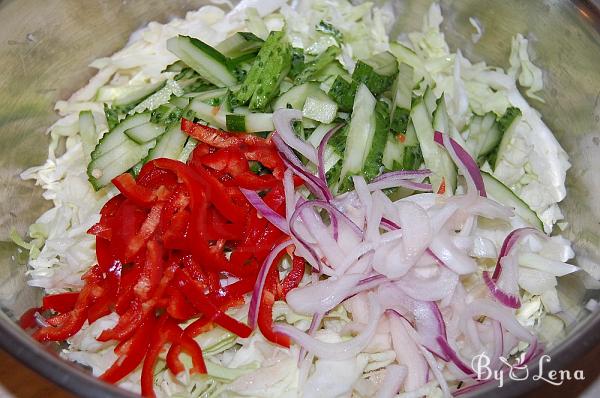
A bowl of raw vegetables like cucumber, carrot, beetroot, and cabbage provides:

  • Dietary fibre – supports gut health

  • High water content – improves hydration

  • Vitamins (A, C, K) – boost immunity

  • Antioxidants – protect against cellular damage

  • Minerals – support body functions

This combination helps nourish the body without adding excess calories.

Health Benefits of Raw Vegetables

 1. Improves Digestion Naturally

Raw vegetables are rich in fibre, which helps:

  • Promote smooth bowel movements

  • Support healthy gut bacteria

  • Reduce constipation and heaviness

 2. Reduces Bloating & Water Retention

Many times, bloating is mistaken for fat. Raw vegetables help:

  • Flush out excess water

  • Reduce inflammation

  • Improve abdominal comfort

 3. Supports Natural Detoxification

High water and fibre content help:

  • Eliminate toxins from the body

  • Cleanse the digestive system

  • Improve skin clarity

 4. Helps in Weight Management

Low-calorie and nutrient-dense foods help:

  • Control appetite

  • Prevent overeating

  • Support healthy weight balance

 5. Enhances Skin & Energy Levels

With regular intake, raw vegetables:

  • Improve skin glow

  • Increase natural energy

  • Support overall vitality

Uses: How to Include Raw Vegetables Daily

  • Eat a bowl of salad before meals

  • Combine cucumber, carrot, beetroot, and cabbage

  • Add lemon and a pinch of rock salt for taste

  • Include seasonal vegetables for maximum benefit

Ayurvedic Perspective

In Ayurveda, fresh raw foods are considered “Prana-rich” (life ऊर्जा). They help:

  • Increase natural vitality

  • Cleanse the body and mind

  • Promote lightness and clarity

A clean digestive system supports a calm mind and balanced emotions, which are essential for spiritual growth.

 Pro Tips

  • Wash vegetables properly before consumption

  • Avoid excessive intake if digestion is weak

  • Best consumed during daytime or lunch

  • Chew thoroughly for better digestion

Consult Doctor for Detailed Advice

If you experience chronic bloating, digestive issues, or nutritional concerns, it is important to seek personalized guidance.

 Consult Ayurvedic experts at www.ayurvedainitiative.com for customized diet plans, detox therapies, and holistic treatments based on your body constitution (Prakriti).

Including a bowl of raw vegetables daily is a simple yet powerful habit that supports digestion, reduces bloating, and enhances overall health.

Nourish your body with natural foods—because true health begins with what you eat.

Ayurvedic Treatment for Fatty Liver: A Holistic Path to Liver Health and Metabolic Balance


Image   Image Fatty liver disease, increasingly common in today’s fast-paced lifestyle, is often silent yet progressive. It develops when excess fat accumulates in liver cells, impairing its vital functions such as detoxification, metabolism, and digestion. Whether linked to alcohol consumption or metabolic conditions like obesity and diabetes, fatty liver demands timely attention.  From an Ayurvedic perspective, fatty liver is not merely a structural disorder but a systemic imbalance involving Agni (digestive fire), Ama (toxins), and Doshas, particularly Kapha and Pitta. Ayurveda views the liver (Yakrit) as a crucial organ in Rakta (blood) and Pitta metabolism, making its care essential for overall vitality.  As a senior Ayurvedic physician, I emphasize that Ayurvedic Treatment for Fatty Liver focuses on root-cause correction, detoxification, and restoring metabolic intelligence—offering a sustainable and patient-centric healing approach.  Understanding the Condition (Modern View) Causes Excess calorie intake and unhealthy diet  Obesity and sedentary lifestyle  Insulin resistance and Type 2 Diabetes  Alcohol consumption  High cholesterol and triglycerides  Symptoms Often asymptomatic in early stages  Fatigue and weakness  Mild abdominal discomfort  Indigestion or bloating  Elevated liver enzymes  Risk Factors Central obesity  Poor dietary habits (processed, fried foods)  Hormonal imbalance  Stress and poor sleep  Genetic predisposition  Ayurvedic Perspective In Ayurveda, fatty liver can be correlated with Yakrit Vikara, primarily involving:  Dosha Imbalance:  Kapha → Fat accumulation  Pitta → Liver inflammation  Mandagni (Low Digestive Fire) → Improper metabolism  Ama Formation → Toxic buildup in liver channels  Dhatu Involvement:  Rasa (plasma)  Rakta (blood)  Meda (fat tissue)  Classical texts like Charaka Samhita highlight that impaired digestion and accumulation of Ama lead to metabolic disorders affecting organs like the liver.  Root Cause Analysis According to Ayurveda The root cause lies in:  Chronic Agni imbalance  Excessive intake of Guru (heavy), Snigdha (oily), and Madhura (sweet) foods  Sedentary lifestyle  Emotional stress affecting digestion  Improper daily routine (Dinacharya disruption)  This leads to Ama accumulation, blocking liver channels (Srotas), causing fat deposition and functional impairment.  Ayurvedic Treatment Principles 1. Shodhana (Detoxification) Virechana (Therapeutic Purgation) – Primary therapy for liver disorders  Removes excess Pitta and toxins  2. Shamana (Pacification) Herbal formulations to balance Doshas  Improve liver metabolism  3. Rasayana (Rejuvenation) Strengthens liver cells  Enhances regeneration and immunity  4. Diet Correction Light, digestible, Pitta-Kapha balancing foods  5. Lifestyle Modification Regular exercise  Stress management  Proper sleep  Important Ayurvedic Herbs / Therapies 1. Bhumyamalaki (Phyllanthus niruri) Potent liver protector  Reduces Pitta and detoxifies liver  Enhances bile secretion  2. Kalmegh (Andrographis paniculata) Tikta (bitter) herb  Improves liver enzymes  Clears Ama effectively  3. Kutki (Picrorhiza kurroa) Strong hepatoprotective herb  Enhances Agni  Reduces fat accumulation  4. Triphala Mild detoxifier  Regulates digestion and metabolism  Supports bowel health  5. Punarnava (Boerhavia diffusa) Reduces inflammation and swelling  Improves liver and kidney function  6. Panchakarma Therapy Especially Virechana & Basti  Deep detoxification and metabolic reset  ⚠️ Note: All therapies should be undertaken under qualified Ayurvedic supervision.  Diet & Lifestyle Recommendations Pathya (Recommended) Warm, freshly cooked meals  Green leafy vegetables  Bitter foods (karela, neem)  Whole grains (millets, barley)  Herbal teas  Apathya (To Avoid) Fried and oily foods  Processed and packaged foods  Excess sugar and dairy  Alcohol  Late-night eating  Yoga / Pranayama / Daily Routine Support Yoga Asanas:  Bhujangasana  Dhanurasana  Ardha Matsyendrasana  Pranayama:  Kapalbhati  Anulom Vilom  Daily Routine:  Early waking  Regular meal timings  Digital detox before sleep  Clinical Outcomes & Long-Term Benefits With consistent Ayurvedic Treatment for Fatty Liver:  Improved liver enzyme levels  Reduced fat accumulation  Better digestion and metabolism  Weight management  Enhanced energy levels  Prevention of complications like cirrhosis   Fatty liver is a reversible condition when addressed early with the right approach. Ayurveda offers a deeply personalized, root-cause-based healing system that not only improves liver health but restores overall metabolic harmony.  Rather than focusing only on symptom suppression, Ayurvedic Treatment for Fatty Liver emphasizes detoxification, rejuvenation, and sustainable lifestyle correction.  Always consult a qualified Ayurvedic Doctor before starting treatment.  FAQs on Ayurvedic Treatment for Fatty Liver 1. Can fatty liver be completely cured with Ayurveda? Ayurveda focuses on reversing early-stage fatty liver by correcting metabolism and detoxifying the liver. With proper treatment and lifestyle changes, significant improvement is possible. However, outcomes depend on severity and patient compliance.  2. How long does Ayurvedic treatment take? Treatment duration varies from 3 to 6 months or longer depending on the stage of fatty liver. Chronic cases may require extended care and follow-up.  3. Is Panchakarma necessary for fatty liver? Not always. Panchakarma is recommended in moderate to severe cases or when Ama accumulation is high. Mild cases can be managed with medicines and diet.  4. Which is the best herb for fatty liver? Herbs like Bhumyamalaki, Kutki, and Kalmegh are highly effective. Selection depends on individual constitution and Dosha imbalance.  5. Can Ayurveda reduce liver fat naturally? Yes, by improving Agni, reducing Ama, and balancing Doshas, Ayurveda helps in gradual reduction of liver fat.  6. Is fatty liver dangerous? If untreated, it can progress to inflammation, fibrosis, or cirrhosis. Early intervention is important.  7. Can diet alone cure fatty liver? Diet plays a major role but should be combined with herbal treatment and lifestyle changes for best results.  8. Is alcohol completely prohibited? Yes, especially in fatty liver conditions, alcohol should be strictly avoided.  9. Can I take Ayurvedic medicines with allopathy? In many cases yes, but always consult both doctors to avoid interactions.  10. Does weight loss help fatty liver? Yes, gradual and healthy weight loss significantly improves liver condition.  11. Are there side effects of Ayurvedic treatment? When taken under supervision, Ayurvedic medicines are generally safe and well-tolerated.  12. Can fatty liver recur? Yes, if lifestyle and diet are not maintained. Long-term discipline is essential.  13. Is exercise necessary? Yes, regular physical activity improves metabolism and liver function.  14. Can stress affect liver health? Yes, stress weakens digestion and contributes to metabolic imbalance.  15. When should I consult an Ayurvedic doctor? As soon as fatty liver is diagnosed or symptoms appear, early consultation ensures better outcomes.   Fatty liver is becoming a silent epidemic due to modern lifestyle habits, but Ayurveda offers a powerful and natural solution. This article explores Ayurvedic Treatment for Fatty Liver through detoxification, herbal medicine, Panchakarma therapy, and personalized diet plans. Learn how correcting Agni, removing Ama, and balancing Doshas can restore liver health and prevent long-term complications. Discover practical tips, effective herbs like Bhumyamalaki and Kutki, and lifestyle changes that support sustainable healing. A must-read guide for anyone seeking holistic liver care.  Ayurvedic Treatment for Fatty Liver: A Holistic Path to Liver Health and Metabolic Balance   Dr. Sagar Narkhede Ayurvedic Physician & Panchakarma Specialist is a dedicated and experienced Ayurvedic doctor known for his holistic approach to health and disease management. With a strong foundation in classical Ayurveda and modern clinical understanding, he focuses on treating the root cause of illness rather than just suppressing symptoms.  Dr. Narkhede specializes in managing chronic lifestyle disorders, digestive issues, joint and spine problems, stress-related conditions, hormonal imbalances, and skin diseases through authentic Ayurvedic therapies and personalized Panchakarma treatments.  Areas of Expertise Chronic lifestyle disorders (Diabetes, Hypertension, Obesity) Joint pain, Arthritis & Spine-related disorders Digestive disorders & metabolic imbalance Stress, anxiety & sleep disorders Panchakarma detox & rejuvenation therapies Preventive & holistic health care Treatment Philosophy Dr. Sagar Narkhede believes in individualized treatment plans based on Prakriti (body constitution), lifestyle, and disease stage. His goal is to restore balance between body, mind, and metabolism for long-term wellness and sustainable healing.  Visit Clinic Website


Image   Image Fatty liver disease, increasingly common in today’s fast-paced lifestyle, is often silent yet progressive. It develops when excess fat accumulates in liver cells, impairing its vital functions such as detoxification, metabolism, and digestion. Whether linked to alcohol consumption or metabolic conditions like obesity and diabetes, fatty liver demands timely attention.  From an Ayurvedic perspective, fatty liver is not merely a structural disorder but a systemic imbalance involving Agni (digestive fire), Ama (toxins), and Doshas, particularly Kapha and Pitta. Ayurveda views the liver (Yakrit) as a crucial organ in Rakta (blood) and Pitta metabolism, making its care essential for overall vitality.  As a senior Ayurvedic physician, I emphasize that Ayurvedic Treatment for Fatty Liver focuses on root-cause correction, detoxification, and restoring metabolic intelligence—offering a sustainable and patient-centric healing approach.  Understanding the Condition (Modern View) Causes Excess calorie intake and unhealthy diet  Obesity and sedentary lifestyle  Insulin resistance and Type 2 Diabetes  Alcohol consumption  High cholesterol and triglycerides  Symptoms Often asymptomatic in early stages  Fatigue and weakness  Mild abdominal discomfort  Indigestion or bloating  Elevated liver enzymes  Risk Factors Central obesity  Poor dietary habits (processed, fried foods)  Hormonal imbalance  Stress and poor sleep  Genetic predisposition  Ayurvedic Perspective In Ayurveda, fatty liver can be correlated with Yakrit Vikara, primarily involving:  Dosha Imbalance:  Kapha → Fat accumulation  Pitta → Liver inflammation  Mandagni (Low Digestive Fire) → Improper metabolism  Ama Formation → Toxic buildup in liver channels  Dhatu Involvement:  Rasa (plasma)  Rakta (blood)  Meda (fat tissue)  Classical texts like Charaka Samhita highlight that impaired digestion and accumulation of Ama lead to metabolic disorders affecting organs like the liver.  Root Cause Analysis According to Ayurveda The root cause lies in:  Chronic Agni imbalance  Excessive intake of Guru (heavy), Snigdha (oily), and Madhura (sweet) foods  Sedentary lifestyle  Emotional stress affecting digestion  Improper daily routine (Dinacharya disruption)  This leads to Ama accumulation, blocking liver channels (Srotas), causing fat deposition and functional impairment.  Ayurvedic Treatment Principles 1. Shodhana (Detoxification) Virechana (Therapeutic Purgation) – Primary therapy for liver disorders  Removes excess Pitta and toxins  2. Shamana (Pacification) Herbal formulations to balance Doshas  Improve liver metabolism  3. Rasayana (Rejuvenation) Strengthens liver cells  Enhances regeneration and immunity  4. Diet Correction Light, digestible, Pitta-Kapha balancing foods  5. Lifestyle Modification Regular exercise  Stress management  Proper sleep  Important Ayurvedic Herbs / Therapies 1. Bhumyamalaki (Phyllanthus niruri) Potent liver protector  Reduces Pitta and detoxifies liver  Enhances bile secretion  2. Kalmegh (Andrographis paniculata) Tikta (bitter) herb  Improves liver enzymes  Clears Ama effectively  3. Kutki (Picrorhiza kurroa) Strong hepatoprotective herb  Enhances Agni  Reduces fat accumulation  4. Triphala Mild detoxifier  Regulates digestion and metabolism  Supports bowel health  5. Punarnava (Boerhavia diffusa) Reduces inflammation and swelling  Improves liver and kidney function  6. Panchakarma Therapy Especially Virechana & Basti  Deep detoxification and metabolic reset  ⚠️ Note: All therapies should be undertaken under qualified Ayurvedic supervision.  Diet & Lifestyle Recommendations Pathya (Recommended) Warm, freshly cooked meals  Green leafy vegetables  Bitter foods (karela, neem)  Whole grains (millets, barley)  Herbal teas  Apathya (To Avoid) Fried and oily foods  Processed and packaged foods  Excess sugar and dairy  Alcohol  Late-night eating  Yoga / Pranayama / Daily Routine Support Yoga Asanas:  Bhujangasana  Dhanurasana  Ardha Matsyendrasana  Pranayama:  Kapalbhati  Anulom Vilom  Daily Routine:  Early waking  Regular meal timings  Digital detox before sleep  Clinical Outcomes & Long-Term Benefits With consistent Ayurvedic Treatment for Fatty Liver:  Improved liver enzyme levels  Reduced fat accumulation  Better digestion and metabolism  Weight management  Enhanced energy levels  Prevention of complications like cirrhosis   Fatty liver is a reversible condition when addressed early with the right approach. Ayurveda offers a deeply personalized, root-cause-based healing system that not only improves liver health but restores overall metabolic harmony.  Rather than focusing only on symptom suppression, Ayurvedic Treatment for Fatty Liver emphasizes detoxification, rejuvenation, and sustainable lifestyle correction.  Always consult a qualified Ayurvedic Doctor before starting treatment.  FAQs on Ayurvedic Treatment for Fatty Liver 1. Can fatty liver be completely cured with Ayurveda? Ayurveda focuses on reversing early-stage fatty liver by correcting metabolism and detoxifying the liver. With proper treatment and lifestyle changes, significant improvement is possible. However, outcomes depend on severity and patient compliance.  2. How long does Ayurvedic treatment take? Treatment duration varies from 3 to 6 months or longer depending on the stage of fatty liver. Chronic cases may require extended care and follow-up.  3. Is Panchakarma necessary for fatty liver? Not always. Panchakarma is recommended in moderate to severe cases or when Ama accumulation is high. Mild cases can be managed with medicines and diet.  4. Which is the best herb for fatty liver? Herbs like Bhumyamalaki, Kutki, and Kalmegh are highly effective. Selection depends on individual constitution and Dosha imbalance.  5. Can Ayurveda reduce liver fat naturally? Yes, by improving Agni, reducing Ama, and balancing Doshas, Ayurveda helps in gradual reduction of liver fat.  6. Is fatty liver dangerous? If untreated, it can progress to inflammation, fibrosis, or cirrhosis. Early intervention is important.  7. Can diet alone cure fatty liver? Diet plays a major role but should be combined with herbal treatment and lifestyle changes for best results.  8. Is alcohol completely prohibited? Yes, especially in fatty liver conditions, alcohol should be strictly avoided.  9. Can I take Ayurvedic medicines with allopathy? In many cases yes, but always consult both doctors to avoid interactions.  10. Does weight loss help fatty liver? Yes, gradual and healthy weight loss significantly improves liver condition.  11. Are there side effects of Ayurvedic treatment? When taken under supervision, Ayurvedic medicines are generally safe and well-tolerated.  12. Can fatty liver recur? Yes, if lifestyle and diet are not maintained. Long-term discipline is essential.  13. Is exercise necessary? Yes, regular physical activity improves metabolism and liver function.  14. Can stress affect liver health? Yes, stress weakens digestion and contributes to metabolic imbalance.  15. When should I consult an Ayurvedic doctor? As soon as fatty liver is diagnosed or symptoms appear, early consultation ensures better outcomes.   Fatty liver is becoming a silent epidemic due to modern lifestyle habits, but Ayurveda offers a powerful and natural solution. This article explores Ayurvedic Treatment for Fatty Liver through detoxification, herbal medicine, Panchakarma therapy, and personalized diet plans. Learn how correcting Agni, removing Ama, and balancing Doshas can restore liver health and prevent long-term complications. Discover practical tips, effective herbs like Bhumyamalaki and Kutki, and lifestyle changes that support sustainable healing. A must-read guide for anyone seeking holistic liver care.  Ayurvedic Treatment for Fatty Liver: A Holistic Path to Liver Health and Metabolic Balance   Dr. Sagar Narkhede Ayurvedic Physician & Panchakarma Specialist is a dedicated and experienced Ayurvedic doctor known for his holistic approach to health and disease management. With a strong foundation in classical Ayurveda and modern clinical understanding, he focuses on treating the root cause of illness rather than just suppressing symptoms.  Dr. Narkhede specializes in managing chronic lifestyle disorders, digestive issues, joint and spine problems, stress-related conditions, hormonal imbalances, and skin diseases through authentic Ayurvedic therapies and personalized Panchakarma treatments.  Areas of Expertise Chronic lifestyle disorders (Diabetes, Hypertension, Obesity) Joint pain, Arthritis & Spine-related disorders Digestive disorders & metabolic imbalance Stress, anxiety & sleep disorders Panchakarma detox & rejuvenation therapies Preventive & holistic health care Treatment Philosophy Dr. Sagar Narkhede believes in individualized treatment plans based on Prakriti (body constitution), lifestyle, and disease stage. His goal is to restore balance between body, mind, and metabolism for long-term wellness and sustainable healing.  Visit Clinic Website

Fatty liver disease, increasingly common in today’s fast-paced lifestyle, is often silent yet progressive. It develops when excess fat accumulates in liver cells, impairing its vital functions such as detoxification, metabolism, and digestion. Whether linked to alcohol consumption or metabolic conditions like obesity and diabetes, fatty liver demands timely attention.

From an Ayurvedic perspective, fatty liver is not merely a structural disorder but a systemic imbalance involving Agni (digestive fire), Ama (toxins), and Doshas, particularly Kapha and Pitta. Ayurveda views the liver (Yakrit) as a crucial organ in Rakta (blood) and Pitta metabolism, making its care essential for overall vitality.

As a senior Ayurvedic physician, I emphasize that Ayurvedic Treatment for Fatty Liver focuses on root-cause correction, detoxification, and restoring metabolic intelligence—offering a sustainable and patient-centric healing approach.

Understanding the Condition (Modern View)

Causes

  • Excess calorie intake and unhealthy diet

  • Obesity and sedentary lifestyle

  • Insulin resistance and Type 2 Diabetes

  • Alcohol consumption

  • High cholesterol and triglycerides

Symptoms

  • Often asymptomatic in early stages

  • Fatigue and weakness

  • Mild abdominal discomfort

  • Indigestion or bloating

  • Elevated liver enzymes

Risk Factors

  • Central obesity

  • Poor dietary habits (processed, fried foods)

  • Hormonal imbalance

  • Stress and poor sleep

  • Genetic predisposition

Ayurvedic Perspective

In Ayurveda, fatty liver can be correlated with Yakrit Vikara, primarily involving:

  • Dosha Imbalance:

    • Kapha → Fat accumulation

    • Pitta → Liver inflammation

  • Mandagni (Low Digestive Fire) → Improper metabolism

  • Ama Formation → Toxic buildup in liver channels

  • Dhatu Involvement:

    • Rasa (plasma)

    • Rakta (blood)

    • Meda (fat tissue)

Classical texts like Charaka Samhita highlight that impaired digestion and accumulation of Ama lead to metabolic disorders affecting organs like the liver.

Root Cause Analysis According to Ayurveda

The root cause lies in:

  • Chronic Agni imbalance

  • Excessive intake of Guru (heavy), Snigdha (oily), and Madhura (sweet) foods

  • Sedentary lifestyle

  • Emotional stress affecting digestion

  • Improper daily routine (Dinacharya disruption)

This leads to Ama accumulation, blocking liver channels (Srotas), causing fat deposition and functional impairment.

Ayurvedic Treatment Principles

1. Shodhana (Detoxification)

  • Virechana (Therapeutic Purgation) – Primary therapy for liver disorders

  • Removes excess Pitta and toxins

2. Shamana (Pacification)

  • Herbal formulations to balance Doshas

  • Improve liver metabolism

3. Rasayana (Rejuvenation)

  • Strengthens liver cells

  • Enhances regeneration and immunity

4. Diet Correction

  • Light, digestible, Pitta-Kapha balancing foods

5. Lifestyle Modification

  • Regular exercise

  • Stress management

  • Proper sleep

Important Ayurvedic Herbs / Therapies

1. Bhumyamalaki (Phyllanthus niruri)

  • Potent liver protector

  • Reduces Pitta and detoxifies liver

  • Enhances bile secretion

2. Kalmegh (Andrographis paniculata)

  • Tikta (bitter) herb

  • Improves liver enzymes

  • Clears Ama effectively

3. Kutki (Picrorhiza kurroa)

  • Strong hepatoprotective herb

  • Enhances Agni

  • Reduces fat accumulation

4. Triphala

  • Mild detoxifier

  • Regulates digestion and metabolism

  • Supports bowel health

5. Punarnava (Boerhavia diffusa)

  • Reduces inflammation and swelling

  • Improves liver and kidney function

6. Panchakarma Therapy

  • Especially Virechana & Basti

  • Deep detoxification and metabolic reset

⚠️ Note: All therapies should be undertaken under qualified Ayurvedic supervision.

Diet & Lifestyle Recommendations

Pathya (Recommended)

  • Warm, freshly cooked meals

  • Green leafy vegetables

  • Bitter foods (karela, neem)

  • Whole grains (millets, barley)

  • Herbal teas

Apathya (To Avoid)

  • Fried and oily foods

  • Processed and packaged foods

  • Excess sugar and dairy

  • Alcohol

  • Late-night eating

Yoga / Pranayama / Daily Routine Support

  • Yoga Asanas:

    • Bhujangasana

    • Dhanurasana

    • Ardha Matsyendrasana

  • Pranayama:

    • Kapalbhati

    • Anulom Vilom

  • Daily Routine:

    • Early waking

    • Regular meal timings

    • Digital detox before sleep

Clinical Outcomes & Long-Term Benefits

With consistent Ayurvedic Treatment for Fatty Liver:

  • Improved liver enzyme levels

  • Reduced fat accumulation

  • Better digestion and metabolism

  • Weight management

  • Enhanced energy levels

  • Prevention of complications like cirrhosis


Fatty liver is a reversible condition when addressed early with the right approach. Ayurveda offers a deeply personalized, root-cause-based healing system that not only improves liver health but restores overall metabolic harmony.

Rather than focusing only on symptom suppression, Ayurvedic Treatment for Fatty Liver emphasizes detoxification, rejuvenation, and sustainable lifestyle correction.

Always consult a qualified Ayurvedic Doctor before starting treatment.

FAQs on Ayurvedic Treatment for Fatty Liver

1. Can fatty liver be completely cured with Ayurveda?

Ayurveda focuses on reversing early-stage fatty liver by correcting metabolism and detoxifying the liver. With proper treatment and lifestyle changes, significant improvement is possible. However, outcomes depend on severity and patient compliance.

2. How long does Ayurvedic treatment take?

Treatment duration varies from 3 to 6 months or longer depending on the stage of fatty liver. Chronic cases may require extended care and follow-up.

3. Is Panchakarma necessary for fatty liver?

Not always. Panchakarma is recommended in moderate to severe cases or when Ama accumulation is high. Mild cases can be managed with medicines and diet.

4. Which is the best herb for fatty liver?

Herbs like Bhumyamalaki, Kutki, and Kalmegh are highly effective. Selection depends on individual constitution and Dosha imbalance.

5. Can Ayurveda reduce liver fat naturally?

Yes, by improving Agni, reducing Ama, and balancing Doshas, Ayurveda helps in gradual reduction of liver fat.

6. Is fatty liver dangerous?

If untreated, it can progress to inflammation, fibrosis, or cirrhosis. Early intervention is important.

7. Can diet alone cure fatty liver?

Diet plays a major role but should be combined with herbal treatment and lifestyle changes for best results.

8. Is alcohol completely prohibited?

Yes, especially in fatty liver conditions, alcohol should be strictly avoided.

9. Can I take Ayurvedic medicines with allopathy?

In many cases yes, but always consult both doctors to avoid interactions.

10. Does weight loss help fatty liver?

Yes, gradual and healthy weight loss significantly improves liver condition.

11. Are there side effects of Ayurvedic treatment?

When taken under supervision, Ayurvedic medicines are generally safe and well-tolerated.

12. Can fatty liver recur?

Yes, if lifestyle and diet are not maintained. Long-term discipline is essential.

13. Is exercise necessary?

Yes, regular physical activity improves metabolism and liver function.

14. Can stress affect liver health?

Yes, stress weakens digestion and contributes to metabolic imbalance.

15. When should I consult an Ayurvedic doctor?

As soon as fatty liver is diagnosed or symptoms appear, early consultation ensures better outcomes.


Fatty liver is becoming a silent epidemic due to modern lifestyle habits, but Ayurveda offers a powerful and natural solution. This article explores Ayurvedic Treatment for Fatty Liver through detoxification, herbal medicine, Panchakarma therapy, and personalized diet plans. Learn how correcting Agni, removing Ama, and balancing Doshas can restore liver health and prevent long-term complications. Discover practical tips, effective herbs like Bhumyamalaki and Kutki, and lifestyle changes that support sustainable healing. A must-read guide for anyone seeking holistic liver care.

Image   Image Fatty liver disease, increasingly common in today’s fast-paced lifestyle, is often silent yet progressive. It develops when excess fat accumulates in liver cells, impairing its vital functions such as detoxification, metabolism, and digestion. Whether linked to alcohol consumption or metabolic conditions like obesity and diabetes, fatty liver demands timely attention.  From an Ayurvedic perspective, fatty liver is not merely a structural disorder but a systemic imbalance involving Agni (digestive fire), Ama (toxins), and Doshas, particularly Kapha and Pitta. Ayurveda views the liver (Yakrit) as a crucial organ in Rakta (blood) and Pitta metabolism, making its care essential for overall vitality.  As a senior Ayurvedic physician, I emphasize that Ayurvedic Treatment for Fatty Liver focuses on root-cause correction, detoxification, and restoring metabolic intelligence—offering a sustainable and patient-centric healing approach.  Understanding the Condition (Modern View) Causes Excess calorie intake and unhealthy diet  Obesity and sedentary lifestyle  Insulin resistance and Type 2 Diabetes  Alcohol consumption  High cholesterol and triglycerides  Symptoms Often asymptomatic in early stages  Fatigue and weakness  Mild abdominal discomfort  Indigestion or bloating  Elevated liver enzymes  Risk Factors Central obesity  Poor dietary habits (processed, fried foods)  Hormonal imbalance  Stress and poor sleep  Genetic predisposition  Ayurvedic Perspective In Ayurveda, fatty liver can be correlated with Yakrit Vikara, primarily involving:  Dosha Imbalance:  Kapha → Fat accumulation  Pitta → Liver inflammation  Mandagni (Low Digestive Fire) → Improper metabolism  Ama Formation → Toxic buildup in liver channels  Dhatu Involvement:  Rasa (plasma)  Rakta (blood)  Meda (fat tissue)  Classical texts like Charaka Samhita highlight that impaired digestion and accumulation of Ama lead to metabolic disorders affecting organs like the liver.  Root Cause Analysis According to Ayurveda The root cause lies in:  Chronic Agni imbalance  Excessive intake of Guru (heavy), Snigdha (oily), and Madhura (sweet) foods  Sedentary lifestyle  Emotional stress affecting digestion  Improper daily routine (Dinacharya disruption)  This leads to Ama accumulation, blocking liver channels (Srotas), causing fat deposition and functional impairment.  Ayurvedic Treatment Principles 1. Shodhana (Detoxification) Virechana (Therapeutic Purgation) – Primary therapy for liver disorders  Removes excess Pitta and toxins  2. Shamana (Pacification) Herbal formulations to balance Doshas  Improve liver metabolism  3. Rasayana (Rejuvenation) Strengthens liver cells  Enhances regeneration and immunity  4. Diet Correction Light, digestible, Pitta-Kapha balancing foods  5. Lifestyle Modification Regular exercise  Stress management  Proper sleep  Important Ayurvedic Herbs / Therapies 1. Bhumyamalaki (Phyllanthus niruri) Potent liver protector  Reduces Pitta and detoxifies liver  Enhances bile secretion  2. Kalmegh (Andrographis paniculata) Tikta (bitter) herb  Improves liver enzymes  Clears Ama effectively  3. Kutki (Picrorhiza kurroa) Strong hepatoprotective herb  Enhances Agni  Reduces fat accumulation  4. Triphala Mild detoxifier  Regulates digestion and metabolism  Supports bowel health  5. Punarnava (Boerhavia diffusa) Reduces inflammation and swelling  Improves liver and kidney function  6. Panchakarma Therapy Especially Virechana & Basti  Deep detoxification and metabolic reset  ⚠️ Note: All therapies should be undertaken under qualified Ayurvedic supervision.  Diet & Lifestyle Recommendations Pathya (Recommended) Warm, freshly cooked meals  Green leafy vegetables  Bitter foods (karela, neem)  Whole grains (millets, barley)  Herbal teas  Apathya (To Avoid) Fried and oily foods  Processed and packaged foods  Excess sugar and dairy  Alcohol  Late-night eating  Yoga / Pranayama / Daily Routine Support Yoga Asanas:  Bhujangasana  Dhanurasana  Ardha Matsyendrasana  Pranayama:  Kapalbhati  Anulom Vilom  Daily Routine:  Early waking  Regular meal timings  Digital detox before sleep  Clinical Outcomes & Long-Term Benefits With consistent Ayurvedic Treatment for Fatty Liver:  Improved liver enzyme levels  Reduced fat accumulation  Better digestion and metabolism  Weight management  Enhanced energy levels  Prevention of complications like cirrhosis   Fatty liver is a reversible condition when addressed early with the right approach. Ayurveda offers a deeply personalized, root-cause-based healing system that not only improves liver health but restores overall metabolic harmony.  Rather than focusing only on symptom suppression, Ayurvedic Treatment for Fatty Liver emphasizes detoxification, rejuvenation, and sustainable lifestyle correction.  Always consult a qualified Ayurvedic Doctor before starting treatment.  FAQs on Ayurvedic Treatment for Fatty Liver 1. Can fatty liver be completely cured with Ayurveda? Ayurveda focuses on reversing early-stage fatty liver by correcting metabolism and detoxifying the liver. With proper treatment and lifestyle changes, significant improvement is possible. However, outcomes depend on severity and patient compliance.  2. How long does Ayurvedic treatment take? Treatment duration varies from 3 to 6 months or longer depending on the stage of fatty liver. Chronic cases may require extended care and follow-up.  3. Is Panchakarma necessary for fatty liver? Not always. Panchakarma is recommended in moderate to severe cases or when Ama accumulation is high. Mild cases can be managed with medicines and diet.  4. Which is the best herb for fatty liver? Herbs like Bhumyamalaki, Kutki, and Kalmegh are highly effective. Selection depends on individual constitution and Dosha imbalance.  5. Can Ayurveda reduce liver fat naturally? Yes, by improving Agni, reducing Ama, and balancing Doshas, Ayurveda helps in gradual reduction of liver fat.  6. Is fatty liver dangerous? If untreated, it can progress to inflammation, fibrosis, or cirrhosis. Early intervention is important.  7. Can diet alone cure fatty liver? Diet plays a major role but should be combined with herbal treatment and lifestyle changes for best results.  8. Is alcohol completely prohibited? Yes, especially in fatty liver conditions, alcohol should be strictly avoided.  9. Can I take Ayurvedic medicines with allopathy? In many cases yes, but always consult both doctors to avoid interactions.  10. Does weight loss help fatty liver? Yes, gradual and healthy weight loss significantly improves liver condition.  11. Are there side effects of Ayurvedic treatment? When taken under supervision, Ayurvedic medicines are generally safe and well-tolerated.  12. Can fatty liver recur? Yes, if lifestyle and diet are not maintained. Long-term discipline is essential.  13. Is exercise necessary? Yes, regular physical activity improves metabolism and liver function.  14. Can stress affect liver health? Yes, stress weakens digestion and contributes to metabolic imbalance.  15. When should I consult an Ayurvedic doctor? As soon as fatty liver is diagnosed or symptoms appear, early consultation ensures better outcomes.   Fatty liver is becoming a silent epidemic due to modern lifestyle habits, but Ayurveda offers a powerful and natural solution. This article explores Ayurvedic Treatment for Fatty Liver through detoxification, herbal medicine, Panchakarma therapy, and personalized diet plans. Learn how correcting Agni, removing Ama, and balancing Doshas can restore liver health and prevent long-term complications. Discover practical tips, effective herbs like Bhumyamalaki and Kutki, and lifestyle changes that support sustainable healing. A must-read guide for anyone seeking holistic liver care.  Ayurvedic Treatment for Fatty Liver: A Holistic Path to Liver Health and Metabolic Balance   Dr. Sagar Narkhede Ayurvedic Physician & Panchakarma Specialist is a dedicated and experienced Ayurvedic doctor known for his holistic approach to health and disease management. With a strong foundation in classical Ayurveda and modern clinical understanding, he focuses on treating the root cause of illness rather than just suppressing symptoms.  Dr. Narkhede specializes in managing chronic lifestyle disorders, digestive issues, joint and spine problems, stress-related conditions, hormonal imbalances, and skin diseases through authentic Ayurvedic therapies and personalized Panchakarma treatments.  Areas of Expertise Chronic lifestyle disorders (Diabetes, Hypertension, Obesity) Joint pain, Arthritis & Spine-related disorders Digestive disorders & metabolic imbalance Stress, anxiety & sleep disorders Panchakarma detox & rejuvenation therapies Preventive & holistic health care Treatment Philosophy Dr. Sagar Narkhede believes in individualized treatment plans based on Prakriti (body constitution), lifestyle, and disease stage. His goal is to restore balance between body, mind, and metabolism for long-term wellness and sustainable healing.  Visit Clinic Website


Dr. Sagar Narkhede

Ayurvedic Physician & Panchakarma Specialist

is a dedicated and experienced Ayurvedic doctor known for his holistic approach to health and disease management. With a strong foundation in classical Ayurveda and modern clinical understanding, he focuses on treating the root cause of illness rather than just suppressing symptoms.

Dr. Narkhede specializes in managing chronic lifestyle disorders, digestive issues, joint and spine problems, stress-related conditions, hormonal imbalances, and skin diseases through authentic Ayurvedic therapies and personalized Panchakarma treatments.

Areas of Expertise

  • Chronic lifestyle disorders (Diabetes, Hypertension, Obesity)
  • Joint pain, Arthritis & Spine-related disorders
  • Digestive disorders & metabolic imbalance
  • Stress, anxiety & sleep disorders
  • Panchakarma detox & rejuvenation therapies
  • Preventive & holistic health care

Treatment Philosophy

Dr. Sagar Narkhede believes in individualized treatment plans based on Prakriti (body constitution), lifestyle, and disease stage. His goal is to restore balance between body, mind, and metabolism for long-term wellness and sustainable healing.

Link copied!
Ayurveda • Panchakarma • Healing

Panchakarma Therapy Articles

Explore authentic Panchakarma therapy articles, Ayurvedic detox wisdom, holistic healing techniques, rejuvenation therapies, wellness guidance, and traditional Ayurvedic knowledge from Ayurveda Initiative.
Ayurveda • Herbs • Wellness • Panchakarma

Ayurveda Initiative Complete Directory

Explore the complete Ayurveda Initiative wellness ecosystem — Panchakarma therapies, Ayurvedic herbs, natural healing, detox therapies, holistic wellness, medicinal plants, traditional remedies, and authentic Ayurveda wisdom.
Initializing Ayurveda wellness directory...
Loading wellness map...

Jamna Pharmaceutical · April 2026

JAMNA

— Condition Finder — Tip of the Day — Brand Card
2
Condition → Medicine Finder
Intelligent Medicine Finder

Find Medicine
by Condition

Tap a health condition to see matching Ayurvedic medicines

Tap a condition to explore medicines

JAMNA Pharmaceuticals · ISO 9001-2015 · GMP Certified · Since 1982

3
Ayurvedic Tip of the Day
Daily Wisdom · W.E.F. April 2026

Ayurvedic Tip
of the Day

Ancient wisdom for modern living — Jamna Pharmaceuticals

🌿 HerbCategory
Loading tip…
JAMNA Pharmaceuticals · Bhopal, MP 1 / 20
For informational use only. Consult a qualified Ayurvedic practitioner before use.
Tip copied to clipboard!
4
Brand Trust & Contact Card
JAMNA Pharmaceuticals
Healing Rooted in Tradition · Bhopal, Madhya Pradesh
✦ Since 1982 ISO 9001-2015 GMP Certified AYUSH Approved
0+
Years of
Excellence
0+
Ayurvedic
Medicines
0+
Product
Categories
0%
Shastrokt
Compliant
🏭 About Us

Jamna Pharmaceuticals has been a trusted name in Ayurvedic medicine manufacturing since 1982. Operating from Bhopal, MP, we produce 300+ classical and patent formulations — combining Shastrokt wisdom with modern GMP standards and ISO 9001-2015 certification.

Our Product Range
🏺 Asav · Arishta ⚗️ Bhasma · Pishti 🌿 Churna 🫙 Kwath · Kadha 🍯 Awaleh · Pak 🔮 Guggulu ✨ Rasayog · Ras 💧 Taila · Oil 💊 Vati · Gutika 🟢 Capsules ⬜ Tablets 🍶 Syrups
📞 Get in Touch
📞
0755-4271431
Mon–Sat, 10am–6pm
🌐
www.jamnaherbal.com
Product catalogue & information
🌿
www.ayurvedainitiative.com
Ayurveda Initiative platform
JAMNA Pharmaceuticals

ISO 9001-2015 & GMP Certified · Since 1982 · Bhopal, MP

W.E.F. April 2026. For informational use only. Consult a qualified Ayurvedic practitioner before use. Powered by Ayurveda Initiative.