Salvadora Persica (Miswak): Benefits, Uses, and Medicinal Properties.


Salvadora persica, commonly known as Miswak or the toothbrush tree, is a medicinal plant found along coastal regions like Kihim and Alibag in Maharashtra.

Description
Botanical name: Salvadora persica L.
Family: Salvadoraceae
Habitat: Grows in coastal, arid, and semi-arid environments
Parts used: Leaves, bark, fruits, and roots are used medicinally

Medicinal Properties
Oral health: Miswak twigs are used as natural toothbrushes. They help clean teeth and have antibacterial properties that prevent plaque and gingivitis.

Digestive aid: A decoction of the leaves helps improve digestion and relieves gastric issues.

Anti-inflammatory: The plant contains alkaloids and flavonoids that provide antioxidant and anti-inflammatory benefits.

Skin treatment: Bark paste is applied to skin ulcers or infections to support healing.

Dental caries prevention: Regular use helps reduce oral microbial load and strengthens the gums.

Uses
Miswak chewing stick: A fresh twig is chewed and used to clean teeth while naturally freshening breath.

Herbal decoction: Leaves can be boiled to prepare a herbal drink for digestive relief.

Disclaimer
This information is for educational purposes only. Consult a qualified healthcare professional or Ayurvedic expert before using any part of the plant for medicinal purposes. Ensure proper identification and quality of the plant material.

Heal Diabetes from the Roots: Panchakarma’s Timeless Path to Metabolic Balance.

Panchakarma for Diabetes Management: A Root-Cause Ayurvedic Approach to Glycemic Balance

Diabetes is no longer a condition limited to age or heredity—it has become a global lifestyle disorder affecting millions across all age groups. In clinical practice, I increasingly observe patients struggling not only with fluctuating blood sugar levels but also with fatigue, poor digestion, stress, and long-term complications. While modern medicine focuses on controlling glucose levels, Ayurveda offers a deeper, root-cause-based approach.

Panchakarma for Diabetes Management: A Root-Cause Ayurvedic Approach to Glycemic Balance Diabetes is no longer a condition limited to age or heredity—it has become a global lifestyle disorder affecting millions across all age groups. In clinical practice, I increasingly observe patients struggling not only with fluctuating blood sugar levels but also with fatigue, poor digestion, stress, and long-term complications. While modern medicine focuses on controlling glucose levels, Ayurveda offers a deeper, root-cause-based approach.      Panchakarma for Diabetes Management is one of the most profound Ayurvedic detoxification therapies aimed at restoring metabolic balance. Rooted in classical texts like Charaka Samhita and Ashtanga Hridaya, Panchakarma is not merely a cleansing procedure—it is a systematic rejuvenation process.  From an Ayurvedic standpoint, diabetes correlates with Madhumeha, a subtype of Prameha, involving deranged metabolism, impaired digestion (Agni), and accumulation of toxins (Ama). Panchakarma helps eliminate these toxins, balance doshas, and improve insulin sensitivity naturally.  This article provides a comprehensive, clinically grounded understanding of how Panchakarma supports diabetes management safely and effectively under expert supervision.  Understanding Diabetes (Modern View) Causes Insulin resistance  Genetic predisposition  Sedentary lifestyle  Poor dietary habits (high sugar, processed foods)  Chronic stress  Symptoms Frequent urination  Excessive thirst  Fatigue  Blurred vision  Slow wound healing  Risk Factors Obesity  Hypertension  Family history  Poor sleep  Stress and hormonal imbalance  Ayurvedic Perspective of Diabetes (Madhumeha) In Ayurveda, diabetes is classified under Prameha, particularly Madhumeha, characterized by sweet urine and metabolic dysfunction.  Dosha Involvement Predominantly Kapha Dosha imbalance  Secondary involvement of Vata Dosha in chronic stages  Agni (Digestive Fire) Impaired Jatharagni leads to improper metabolism  Ama (Toxins) Accumulation of metabolic toxins blocks channels (Srotas)  Dhatu Involvement Meda (fat tissue)  Mamsa (muscle tissue)  Rasa (plasma)  Classical Insight Charaka Samhita describes Prameha as a disorder arising from sedentary habits, excessive intake of sweet and unctuous foods, leading to derangement of Kapha and Meda.  Root Cause Analysis According to Ayurveda Ayurveda identifies diabetes not just as a sugar disorder but as a systemic metabolic imbalance caused by:  Weak digestion (Mandagni)  Toxin accumulation (Ama)  Sedentary lifestyle  Overnourishment (Santarpana)  Genetic predisposition (Beeja Dosha)  Thus, management requires detoxification, metabolic correction, and rejuvenation.  Ayurvedic Treatment Principles 1. Shodhana (Detoxification) Core of Panchakarma for Diabetes Management  Removes deep-rooted toxins  Clears metabolic pathways  2. Shamana (Pacification) Herbal medicines to balance doshas  3. Rasayana (Rejuvenation) Enhances tissue strength and immunity  4. Diet Correction Light, digestible, low glycemic foods  5. Lifestyle Modification Regular exercise  Stress reduction  Important Panchakarma Therapies & Herbs 1. Vamana (Therapeutic Emesis) Eliminates excess Kapha  Useful in early-stage diabetes  Improves metabolism  2. Virechana (Purgation Therapy) Clears Pitta and toxins from liver  Enhances insulin sensitivity  3. Basti (Medicated Enema) Best for chronic diabetes with Vata involvement  Nourishes tissues and regulates metabolism  4. Udvartana (Dry Powder Massage) Reduces obesity and Kapha  Improves circulation  5. Abhyanga (Oil Massage) Enhances circulation  Reduces stress  6. Swedana (Sudation Therapy) Opens channels (Srotas)  Facilitates toxin removal  Important Ayurvedic Herbs 1. Gudmar (Gymnema sylvestre) Known as “sugar destroyer”  Reduces sugar absorption  2. Karela (Bitter Gourd) Improves glucose utilization  3. Neem (Azadirachta indica) Detoxifying and blood purifying  4. Amalaki (Indian Gooseberry) Rich in antioxidants  Supports pancreas  5. Turmeric (Curcuma longa) Anti-inflammatory  Enhances insulin sensitivity  6. Vijaysar (Pterocarpus marsupium) Traditionally used for diabetes control  ⚠️ All therapies and herbs must be taken under qualified Ayurvedic supervision.  Diet & Lifestyle Recommendations Pathya (Recommended) Barley (Yava)  Green gram (Moong dal)  Bitter vegetables  Warm water  Buttermilk  Apathya (To Avoid) Sugar and refined carbs  Fried foods  Dairy excess  Daytime sleep  Alcohol  Yoga & Pranayama Support Surya Namaskar – improves metabolism  Pranayama (Anulom Vilom) – reduces stress  Kapalbhati – supports pancreatic function  Meditation – balances hormones  Clinical Outcomes & Long-Term Benefits With proper implementation of Panchakarma for Diabetes Management, patients may experience:  Improved blood sugar control  Better digestion and metabolism  Weight reduction  Reduced dependency (in some cases under supervision)  Enhanced energy levels  Prevention of complications   Panchakarma for Diabetes Management offers a powerful, holistic pathway that goes beyond symptom control. By addressing the root causes—Ama, Agni imbalance, and dosha vitiation—it restores systemic harmony.  However, Panchakarma is a specialized medical procedure and should always be performed under expert Ayurvedic guidance. With the right approach, patients can achieve sustainable metabolic balance and improved quality of life.  FAQs  1. What is Panchakarma in diabetes? Panchakarma is a detoxification therapy that removes toxins and balances doshas, supporting metabolic health in diabetes.  2. Is Panchakarma safe for diabetic patients? Yes, when performed under a qualified Ayurvedic doctor with proper assessment and monitoring.  3. How long does Panchakarma treatment take? Typically 7–21 days depending on patient condition and treatment plan.  4. Can Panchakarma cure diabetes? It helps manage and improve the condition but does not guarantee a cure.  5. Which therapy is best for diabetes? Basti and Virechana are commonly used, depending on dosha imbalance.  6. Can insulin be stopped after Panchakarma? Only under medical supervision; never stop medications abruptly.  7. Are there side effects? Minimal when properly administered; improper use may cause complications.  8. Is Panchakarma suitable for elderly patients? Yes, with modified protocols and careful monitoring.  9. What diet should be followed? Low glycemic, light, and easily digestible foods are recommended.  10. How often should Panchakarma be done? Usually once or twice a year based on condition.  11. Can it help in diabetic complications? Yes, it may support management of neuropathy and fatigue.  12. Is hospitalization required? Often yes, especially for intensive therapies.  13. Can Type 1 diabetes patients undergo Panchakarma? Yes, but with strict supervision and individualized care.  14. Does Panchakarma help weight loss? Yes, especially in obesity-related diabetes.  15. When should I consult an Ayurvedic doctor? At diagnosis or when seeking holistic management.  Panchakarma for Diabetes Management helps detoxify the body, balance doshas, and improve metabolism naturally under expert Ayurvedic care.Panchakarma for Diabetes Management offers a natural, root-cause-based approach to controlling blood sugar and improving overall metabolic health. Unlike conventional treatments that focus only on glucose levels, Ayurveda addresses digestion, toxin accumulation, and dosha imbalance. Through therapies like Virechana, Basti, and herbal support, Panchakarma helps restore internal balance. Combined with proper diet and lifestyle, it supports long-term wellness. Discover how this ancient Ayurvedic detox method can complement modern diabetes care safely under expert supervision.


Panchakarma for Diabetes Management is one of the most profound Ayurvedic detoxification therapies aimed at restoring metabolic balance. Rooted in classical texts like Charaka Samhita and Ashtanga Hridaya, Panchakarma is not merely a cleansing procedure—it is a systematic rejuvenation process.

From an Ayurvedic standpoint, diabetes correlates with Madhumeha, a subtype of Prameha, involving deranged metabolism, impaired digestion (Agni), and accumulation of toxins (Ama). Panchakarma helps eliminate these toxins, balance doshas, and improve insulin sensitivity naturally.

This article provides a comprehensive, clinically grounded understanding of how Panchakarma supports diabetes management safely and effectively under expert supervision.

Understanding Diabetes (Modern View)

Causes

  • Insulin resistance

  • Genetic predisposition

  • Sedentary lifestyle

  • Poor dietary habits (high sugar, processed foods)

  • Chronic stress

Symptoms

  • Frequent urination

  • Excessive thirst

  • Fatigue

  • Blurred vision

  • Slow wound healing

Risk Factors

  • Obesity

  • Hypertension

  • Family history

  • Poor sleep

  • Stress and hormonal imbalance

Ayurvedic Perspective of Diabetes (Madhumeha)

In Ayurveda, diabetes is classified under Prameha, particularly Madhumeha, characterized by sweet urine and metabolic dysfunction.

Dosha Involvement

  • Predominantly Kapha Dosha imbalance

  • Secondary involvement of Vata Dosha in chronic stages

Agni (Digestive Fire)

  • Impaired Jatharagni leads to improper metabolism

Ama (Toxins)

  • Accumulation of metabolic toxins blocks channels (Srotas)

Dhatu Involvement

  • Meda (fat tissue)

  • Mamsa (muscle tissue)

  • Rasa (plasma)

Classical Insight

Charaka Samhita describes Prameha as a disorder arising from sedentary habits, excessive intake of sweet and unctuous foods, leading to derangement of Kapha and Meda.

Root Cause Analysis According to Ayurveda

Ayurveda identifies diabetes not just as a sugar disorder but as a systemic metabolic imbalance caused by:

  • Weak digestion (Mandagni)

  • Toxin accumulation (Ama)

  • Sedentary lifestyle

  • Overnourishment (Santarpana)

  • Genetic predisposition (Beeja Dosha)

Thus, management requires detoxification, metabolic correction, and rejuvenation.

Ayurvedic Treatment Principles

1. Shodhana (Detoxification)

  • Core of Panchakarma for Diabetes Management

  • Removes deep-rooted toxins

  • Clears metabolic pathways

2. Shamana (Pacification)

  • Herbal medicines to balance doshas

3. Rasayana (Rejuvenation)

  • Enhances tissue strength and immunity

4. Diet Correction

  • Light, digestible, low glycemic foods

5. Lifestyle Modification

  • Regular exercise

  • Stress reduction

Important Panchakarma Therapies & Herbs

1. Vamana (Therapeutic Emesis)

  • Eliminates excess Kapha

  • Useful in early-stage diabetes

  • Improves metabolism

2. Virechana (Purgation Therapy)

  • Clears Pitta and toxins from liver

  • Enhances insulin sensitivity

3. Basti (Medicated Enema)

  • Best for chronic diabetes with Vata involvement

  • Nourishes tissues and regulates metabolism

4. Udvartana (Dry Powder Massage)

  • Reduces obesity and Kapha

  • Improves circulation

5. Abhyanga (Oil Massage)

  • Enhances circulation

  • Reduces stress

6. Swedana (Sudation Therapy)

  • Opens channels (Srotas)

  • Facilitates toxin removal

Important Ayurvedic Herbs

1. Gudmar (Gymnema sylvestre)

  • Known as “sugar destroyer”

  • Reduces sugar absorption

2. Karela (Bitter Gourd)

  • Improves glucose utilization

3. Neem (Azadirachta indica)

  • Detoxifying and blood purifying

4. Amalaki (Indian Gooseberry)

  • Rich in antioxidants

  • Supports pancreas

5. Turmeric (Curcuma longa)

  • Anti-inflammatory

  • Enhances insulin sensitivity

6. Vijaysar (Pterocarpus marsupium)

  • Traditionally used for diabetes control

⚠️ All therapies and herbs must be taken under qualified Ayurvedic supervision.

Diet & Lifestyle Recommendations

Pathya (Recommended)

  • Barley (Yava)

  • Green gram (Moong dal)

  • Bitter vegetables

  • Warm water

  • Buttermilk

Apathya (To Avoid)

  • Sugar and refined carbs

  • Fried foods

  • Dairy excess

  • Daytime sleep

  • Alcohol

Yoga & Pranayama Support

  • Surya Namaskar – improves metabolism

  • Pranayama (Anulom Vilom) – reduces stress

  • Kapalbhati – supports pancreatic function

  • Meditation – balances hormones

Clinical Outcomes & Long-Term Benefits

With proper implementation of Panchakarma for Diabetes Management, patients may experience:

  • Improved blood sugar control

  • Better digestion and metabolism

  • Weight reduction

  • Reduced dependency (in some cases under supervision)

  • Enhanced energy levels

  • Prevention of complications


Panchakarma for Diabetes Management offers a powerful, holistic pathway that goes beyond symptom control. By addressing the root causes—Ama, Agni imbalance, and dosha vitiation—it restores systemic harmony.

However, Panchakarma is a specialized medical procedure and should always be performed under expert Ayurvedic guidance. With the right approach, patients can achieve sustainable metabolic balance and improved quality of life.

FAQs 

1. What is Panchakarma in diabetes?

Panchakarma is a detoxification therapy that removes toxins and balances doshas, supporting metabolic health in diabetes.

2. Is Panchakarma safe for diabetic patients?

Yes, when performed under a qualified Ayurvedic doctor with proper assessment and monitoring.

3. How long does Panchakarma treatment take?

Typically 7–21 days depending on patient condition and treatment plan.

4. Can Panchakarma cure diabetes?

It helps manage and improve the condition but does not guarantee a cure.

5. Which therapy is best for diabetes?

Basti and Virechana are commonly used, depending on dosha imbalance.

6. Can insulin be stopped after Panchakarma?

Only under medical supervision; never stop medications abruptly.

7. Are there side effects?

Minimal when properly administered; improper use may cause complications.

8. Is Panchakarma suitable for elderly patients?

Yes, with modified protocols and careful monitoring.

9. What diet should be followed?

Low glycemic, light, and easily digestible foods are recommended.

10. How often should Panchakarma be done?

Usually once or twice a year based on condition.

11. Can it help in diabetic complications?

Yes, it may support management of neuropathy and fatigue.

12. Is hospitalization required?

Often yes, especially for intensive therapies.

13. Can Type 1 diabetes patients undergo Panchakarma?

Yes, but with strict supervision and individualized care.

14. Does Panchakarma help weight loss?

Yes, especially in obesity-related diabetes.

15. When should I consult an Ayurvedic doctor?

At diagnosis or when seeking holistic management.

Panchakarma for Diabetes Management helps detoxify the body, balance doshas, and improve metabolism naturally under expert Ayurvedic care.Panchakarma for Diabetes Management offers a natural, root-cause-based approach to controlling blood sugar and improving overall metabolic health. Unlike conventional treatments that focus only on glucose levels, Ayurveda addresses digestion, toxin accumulation, and dosha imbalance. Through therapies like Virechana, Basti, and herbal support, Panchakarma helps restore internal balance. Combined with proper diet and lifestyle, it supports long-term wellness. Discover how this ancient Ayurvedic detox method can complement modern diabetes care safely under expert supervision.


Panchakarma for Diabetes Management: A Root-Cause Ayurvedic Approach to Glycemic Balance Diabetes is no longer a condition limited to age or heredity—it has become a global lifestyle disorder affecting millions across all age groups. In clinical practice, I increasingly observe patients struggling not only with fluctuating blood sugar levels but also with fatigue, poor digestion, stress, and long-term complications. While modern medicine focuses on controlling glucose levels, Ayurveda offers a deeper, root-cause-based approach.  Panchakarma for Diabetes Management: A Root-Cause Ayurvedic Approach to Glycemic Balance Diabetes is no longer a condition limited to age or heredity—it has become a global lifestyle disorder affecting millions across all age groups. In clinical practice, I increasingly observe patients struggling not only with fluctuating blood sugar levels but also with fatigue, poor digestion, stress, and long-term complications. While modern medicine focuses on controlling glucose levels, Ayurveda offers a deeper, root-cause-based approach.      Panchakarma for Diabetes Management is one of the most profound Ayurvedic detoxification therapies aimed at restoring metabolic balance. Rooted in classical texts like Charaka Samhita and Ashtanga Hridaya, Panchakarma is not merely a cleansing procedure—it is a systematic rejuvenation process.  From an Ayurvedic standpoint, diabetes correlates with Madhumeha, a subtype of Prameha, involving deranged metabolism, impaired digestion (Agni), and accumulation of toxins (Ama). Panchakarma helps eliminate these toxins, balance doshas, and improve insulin sensitivity naturally.  This article provides a comprehensive, clinically grounded understanding of how Panchakarma supports diabetes management safely and effectively under expert supervision.  Understanding Diabetes (Modern View) Causes Insulin resistance  Genetic predisposition  Sedentary lifestyle  Poor dietary habits (high sugar, processed foods)  Chronic stress  Symptoms Frequent urination  Excessive thirst  Fatigue  Blurred vision  Slow wound healing  Risk Factors Obesity  Hypertension  Family history  Poor sleep  Stress and hormonal imbalance  Ayurvedic Perspective of Diabetes (Madhumeha) In Ayurveda, diabetes is classified under Prameha, particularly Madhumeha, characterized by sweet urine and metabolic dysfunction.  Dosha Involvement Predominantly Kapha Dosha imbalance  Secondary involvement of Vata Dosha in chronic stages  Agni (Digestive Fire) Impaired Jatharagni leads to improper metabolism  Ama (Toxins) Accumulation of metabolic toxins blocks channels (Srotas)  Dhatu Involvement Meda (fat tissue)  Mamsa (muscle tissue)  Rasa (plasma)  Classical Insight Charaka Samhita describes Prameha as a disorder arising from sedentary habits, excessive intake of sweet and unctuous foods, leading to derangement of Kapha and Meda.  Root Cause Analysis According to Ayurveda Ayurveda identifies diabetes not just as a sugar disorder but as a systemic metabolic imbalance caused by:  Weak digestion (Mandagni)  Toxin accumulation (Ama)  Sedentary lifestyle  Overnourishment (Santarpana)  Genetic predisposition (Beeja Dosha)  Thus, management requires detoxification, metabolic correction, and rejuvenation.  Ayurvedic Treatment Principles 1. Shodhana (Detoxification) Core of Panchakarma for Diabetes Management  Removes deep-rooted toxins  Clears metabolic pathways  2. Shamana (Pacification) Herbal medicines to balance doshas  3. Rasayana (Rejuvenation) Enhances tissue strength and immunity  4. Diet Correction Light, digestible, low glycemic foods  5. Lifestyle Modification Regular exercise  Stress reduction  Important Panchakarma Therapies & Herbs 1. Vamana (Therapeutic Emesis) Eliminates excess Kapha  Useful in early-stage diabetes  Improves metabolism  2. Virechana (Purgation Therapy) Clears Pitta and toxins from liver  Enhances insulin sensitivity  3. Basti (Medicated Enema) Best for chronic diabetes with Vata involvement  Nourishes tissues and regulates metabolism  4. Udvartana (Dry Powder Massage) Reduces obesity and Kapha  Improves circulation  5. Abhyanga (Oil Massage) Enhances circulation  Reduces stress  6. Swedana (Sudation Therapy) Opens channels (Srotas)  Facilitates toxin removal  Important Ayurvedic Herbs 1. Gudmar (Gymnema sylvestre) Known as “sugar destroyer”  Reduces sugar absorption  2. Karela (Bitter Gourd) Improves glucose utilization  3. Neem (Azadirachta indica) Detoxifying and blood purifying  4. Amalaki (Indian Gooseberry) Rich in antioxidants  Supports pancreas  5. Turmeric (Curcuma longa) Anti-inflammatory  Enhances insulin sensitivity  6. Vijaysar (Pterocarpus marsupium) Traditionally used for diabetes control  ⚠️ All therapies and herbs must be taken under qualified Ayurvedic supervision.  Diet & Lifestyle Recommendations Pathya (Recommended) Barley (Yava)  Green gram (Moong dal)  Bitter vegetables  Warm water  Buttermilk  Apathya (To Avoid) Sugar and refined carbs  Fried foods  Dairy excess  Daytime sleep  Alcohol  Yoga & Pranayama Support Surya Namaskar – improves metabolism  Pranayama (Anulom Vilom) – reduces stress  Kapalbhati – supports pancreatic function  Meditation – balances hormones  Clinical Outcomes & Long-Term Benefits With proper implementation of Panchakarma for Diabetes Management, patients may experience:  Improved blood sugar control  Better digestion and metabolism  Weight reduction  Reduced dependency (in some cases under supervision)  Enhanced energy levels  Prevention of complications   Panchakarma for Diabetes Management offers a powerful, holistic pathway that goes beyond symptom control. By addressing the root causes—Ama, Agni imbalance, and dosha vitiation—it restores systemic harmony.  However, Panchakarma is a specialized medical procedure and should always be performed under expert Ayurvedic guidance. With the right approach, patients can achieve sustainable metabolic balance and improved quality of life.  FAQs  1. What is Panchakarma in diabetes? Panchakarma is a detoxification therapy that removes toxins and balances doshas, supporting metabolic health in diabetes.  2. Is Panchakarma safe for diabetic patients? Yes, when performed under a qualified Ayurvedic doctor with proper assessment and monitoring.  3. How long does Panchakarma treatment take? Typically 7–21 days depending on patient condition and treatment plan.  4. Can Panchakarma cure diabetes? It helps manage and improve the condition but does not guarantee a cure.  5. Which therapy is best for diabetes? Basti and Virechana are commonly used, depending on dosha imbalance.  6. Can insulin be stopped after Panchakarma? Only under medical supervision; never stop medications abruptly.  7. Are there side effects? Minimal when properly administered; improper use may cause complications.  8. Is Panchakarma suitable for elderly patients? Yes, with modified protocols and careful monitoring.  9. What diet should be followed? Low glycemic, light, and easily digestible foods are recommended.  10. How often should Panchakarma be done? Usually once or twice a year based on condition.  11. Can it help in diabetic complications? Yes, it may support management of neuropathy and fatigue.  12. Is hospitalization required? Often yes, especially for intensive therapies.  13. Can Type 1 diabetes patients undergo Panchakarma? Yes, but with strict supervision and individualized care.  14. Does Panchakarma help weight loss? Yes, especially in obesity-related diabetes.  15. When should I consult an Ayurvedic doctor? At diagnosis or when seeking holistic management.  Panchakarma for Diabetes Management helps detoxify the body, balance doshas, and improve metabolism naturally under expert Ayurvedic care.Panchakarma for Diabetes Management offers a natural, root-cause-based approach to controlling blood sugar and improving overall metabolic health. Unlike conventional treatments that focus only on glucose levels, Ayurveda addresses digestion, toxin accumulation, and dosha imbalance. Through therapies like Virechana, Basti, and herbal support, Panchakarma helps restore internal balance. Combined with proper diet and lifestyle, it supports long-term wellness. Discover how this ancient Ayurvedic detox method can complement modern diabetes care safely under expert supervision.    Panchakarma for Diabetes Management is one of the most profound Ayurvedic detoxification therapies aimed at restoring metabolic balance. Rooted in classical texts like Charaka Samhita and Ashtanga Hridaya, Panchakarma is not merely a cleansing procedure—it is a systematic rejuvenation process.  From an Ayurvedic standpoint, diabetes correlates with Madhumeha, a subtype of Prameha, involving deranged metabolism, impaired digestion (Agni), and accumulation of toxins (Ama). Panchakarma helps eliminate these toxins, balance doshas, and improve insulin sensitivity naturally.  This article provides a comprehensive, clinically grounded understanding of how Panchakarma supports diabetes management safely and effectively under expert supervision.  Understanding Diabetes (Modern View) Causes Insulin resistance  Genetic predisposition  Sedentary lifestyle  Poor dietary habits (high sugar, processed foods)  Chronic stress  Symptoms Frequent urination  Excessive thirst  Fatigue  Blurred vision  Slow wound healing  Risk Factors Obesity  Hypertension  Family history  Poor sleep  Stress and hormonal imbalance  Ayurvedic Perspective of Diabetes (Madhumeha) In Ayurveda, diabetes is classified under Prameha, particularly Madhumeha, characterized by sweet urine and metabolic dysfunction.  Dosha Involvement Predominantly Kapha Dosha imbalance  Secondary involvement of Vata Dosha in chronic stages  Agni (Digestive Fire) Impaired Jatharagni leads to improper metabolism  Ama (Toxins) Accumulation of metabolic toxins blocks channels (Srotas)  Dhatu Involvement Meda (fat tissue)  Mamsa (muscle tissue)  Rasa (plasma)  Classical Insight Charaka Samhita describes Prameha as a disorder arising from sedentary habits, excessive intake of sweet and unctuous foods, leading to derangement of Kapha and Meda.  Root Cause Analysis According to Ayurveda Ayurveda identifies diabetes not just as a sugar disorder but as a systemic metabolic imbalance caused by:  Weak digestion (Mandagni)  Toxin accumulation (Ama)  Sedentary lifestyle  Overnourishment (Santarpana)  Genetic predisposition (Beeja Dosha)  Thus, management requires detoxification, metabolic correction, and rejuvenation.  Ayurvedic Treatment Principles 1. Shodhana (Detoxification) Core of Panchakarma for Diabetes Management  Removes deep-rooted toxins  Clears metabolic pathways  2. Shamana (Pacification) Herbal medicines to balance doshas  3. Rasayana (Rejuvenation) Enhances tissue strength and immunity  4. Diet Correction Light, digestible, low glycemic foods  5. Lifestyle Modification Regular exercise  Stress reduction  Important Panchakarma Therapies & Herbs 1. Vamana (Therapeutic Emesis) Eliminates excess Kapha  Useful in early-stage diabetes  Improves metabolism  2. Virechana (Purgation Therapy) Clears Pitta and toxins from liver  Enhances insulin sensitivity  3. Basti (Medicated Enema) Best for chronic diabetes with Vata involvement  Nourishes tissues and regulates metabolism  4. Udvartana (Dry Powder Massage) Reduces obesity and Kapha  Improves circulation  5. Abhyanga (Oil Massage) Enhances circulation  Reduces stress  6. Swedana (Sudation Therapy) Opens channels (Srotas)  Facilitates toxin removal  Important Ayurvedic Herbs 1. Gudmar (Gymnema sylvestre) Known as “sugar destroyer”  Reduces sugar absorption  2. Karela (Bitter Gourd) Improves glucose utilization  3. Neem (Azadirachta indica) Detoxifying and blood purifying  4. Amalaki (Indian Gooseberry) Rich in antioxidants  Supports pancreas  5. Turmeric (Curcuma longa) Anti-inflammatory  Enhances insulin sensitivity  6. Vijaysar (Pterocarpus marsupium) Traditionally used for diabetes control  ⚠️ All therapies and herbs must be taken under qualified Ayurvedic supervision.  Diet & Lifestyle Recommendations Pathya (Recommended) Barley (Yava)  Green gram (Moong dal)  Bitter vegetables  Warm water  Buttermilk  Apathya (To Avoid) Sugar and refined carbs  Fried foods  Dairy excess  Daytime sleep  Alcohol  Yoga & Pranayama Support Surya Namaskar – improves metabolism  Pranayama (Anulom Vilom) – reduces stress  Kapalbhati – supports pancreatic function  Meditation – balances hormones  Clinical Outcomes & Long-Term Benefits With proper implementation of Panchakarma for Diabetes Management, patients may experience:  Improved blood sugar control  Better digestion and metabolism  Weight reduction  Reduced dependency (in some cases under supervision)  Enhanced energy levels  Prevention of complications   Panchakarma for Diabetes Management offers a powerful, holistic pathway that goes beyond symptom control. By addressing the root causes—Ama, Agni imbalance, and dosha vitiation—it restores systemic harmony.  However, Panchakarma is a specialized medical procedure and should always be performed under expert Ayurvedic guidance. With the right approach, patients can achieve sustainable metabolic balance and improved quality of life.  FAQs  1. What is Panchakarma in diabetes? Panchakarma is a detoxification therapy that removes toxins and balances doshas, supporting metabolic health in diabetes.  2. Is Panchakarma safe for diabetic patients? Yes, when performed under a qualified Ayurvedic doctor with proper assessment and monitoring.  3. How long does Panchakarma treatment take? Typically 7–21 days depending on patient condition and treatment plan.  4. Can Panchakarma cure diabetes? It helps manage and improve the condition but does not guarantee a cure.  5. Which therapy is best for diabetes? Basti and Virechana are commonly used, depending on dosha imbalance.  6. Can insulin be stopped after Panchakarma? Only under medical supervision; never stop medications abruptly.  7. Are there side effects? Minimal when properly administered; improper use may cause complications.  8. Is Panchakarma suitable for elderly patients? Yes, with modified protocols and careful monitoring.  9. What diet should be followed? Low glycemic, light, and easily digestible foods are recommended.  10. How often should Panchakarma be done? Usually once or twice a year based on condition.  11. Can it help in diabetic complications? Yes, it may support management of neuropathy and fatigue.  12. Is hospitalization required? Often yes, especially for intensive therapies.  13. Can Type 1 diabetes patients undergo Panchakarma? Yes, but with strict supervision and individualized care.  14. Does Panchakarma help weight loss? Yes, especially in obesity-related diabetes.  15. When should I consult an Ayurvedic doctor? At diagnosis or when seeking holistic management.  Panchakarma for Diabetes Management helps detoxify the body, balance doshas, and improve metabolism naturally under expert Ayurvedic care.Panchakarma for Diabetes Management offers a natural, root-cause-based approach to controlling blood sugar and improving overall metabolic health. Unlike conventional treatments that focus only on glucose levels, Ayurveda addresses digestion, toxin accumulation, and dosha imbalance. Through therapies like Virechana, Basti, and herbal support, Panchakarma helps restore internal balance. Combined with proper diet and lifestyle, it supports long-term wellness. Discover how this ancient Ayurvedic detox method can complement modern diabetes care safely under expert supervision.     Dr. Sagar Narkhede Ayurvedic Physician & Panchakarma Specialist is a dedicated and experienced Ayurvedic doctor known for his holistic approach to health and disease management. With a strong foundation in classical Ayurveda and modern clinical understanding, he focuses on treating the root cause of illness rather than just suppressing symptoms.  Dr. Narkhede specializes in managing chronic lifestyle disorders, digestive issues, joint and spine problems, stress-related conditions, hormonal imbalances, and skin diseases through authentic Ayurvedic therapies and personalized Panchakarma treatments.  Areas of Expertise Chronic lifestyle disorders (Diabetes, Hypertension, Obesity) Joint pain, Arthritis & Spine-related disorders Digestive disorders & metabolic imbalance Stress, anxiety & sleep disorders Panchakarma detox & rejuvenation therapies Preventive & holistic health care Treatment Philosophy Dr. Sagar Narkhede believes in individualized treatment plans based on Prakriti (body constitution), lifestyle, and disease stage. His goal is to restore balance between body, mind, and metabolism for long-term wellness and sustainable healing.  Visit Clinic Website


Dr. Sagar Narkhede

Ayurvedic Physician & Panchakarma Specialist

is a dedicated and experienced Ayurvedic doctor known for his holistic approach to health and disease management. With a strong foundation in classical Ayurveda and modern clinical understanding, he focuses on treating the root cause of illness rather than just suppressing symptoms.

Dr. Narkhede specializes in managing chronic lifestyle disorders, digestive issues, joint and spine problems, stress-related conditions, hormonal imbalances, and skin diseases through authentic Ayurvedic therapies and personalized Panchakarma treatments.

Areas of Expertise

  • Chronic lifestyle disorders (Diabetes, Hypertension, Obesity)
  • Joint pain, Arthritis & Spine-related disorders
  • Digestive disorders & metabolic imbalance
  • Stress, anxiety & sleep disorders
  • Panchakarma detox & rejuvenation therapies
  • Preventive & holistic health care

Treatment Philosophy

Dr. Sagar Narkhede believes in individualized treatment plans based on Prakriti (body constitution), lifestyle, and disease stage. His goal is to restore balance between body, mind, and metabolism for long-term wellness and sustainable healing.

Ayurvedic Treatment for Psoriasis: Natural Root-Cause Healing & Long-Term Relief | Dr Sagar Narkhede

Ayurvedic Treatment for Psoriasis: Root-Cause Healing Approach

Psoriasis is not merely a skin disorder—it is a chronic inflammatory autoimmune condition that deeply impacts physical comfort, emotional well-being, and overall quality of life. As an Ayurvedic doctor, I often remind patients that true healing begins when we address the root cause, not just the visible symptoms.

In this comprehensive guide, we explore how Ayurveda offers a natural, holistic, and sustainable solution for psoriasis, focusing on dosha balance, detoxification, immune regulation, and long-term skin rejuvenation.

Understanding Psoriasis: Modern Medical Perspective

Ayurvedic Treatment for Psoriasis: Root-Cause Healing Approach Psoriasis is not merely a skin disorder—it is a chronic inflammatory autoimmune condition that deeply impacts physical comfort, emotional well-being, and overall quality of life. As an Ayurvedic doctor, I often remind patients that true healing begins when we address the root cause, not just the visible symptoms.  In this comprehensive guide, we explore how Ayurveda offers a natural, holistic, and sustainable solution for psoriasis, focusing on dosha balance, detoxification, immune regulation, and long-term skin rejuvenation.  Understanding Psoriasis: Modern Medical Perspective Image  Image  Image  Psoriasis is a chronic autoimmune inflammatory disease characterized by:  Red, raised patches (plaques)  Silvery-white scales  Itching and burning sensation  Thickened or cracked skin  Nail changes in some cases  Types of Psoriasis Plaque Psoriasis (most common)  Guttate Psoriasis  Inverse Psoriasis  Pustular Psoriasis  Erythrodermic Psoriasis  Modern Causes & Triggers Immune system dysfunction  Genetic predisposition  Stress  Infections  Cold weather  Certain medications  Metabolic disorders  Modern medicine focuses on topical steroids, immunosuppressants, biologics, and phototherapy, which often suppress symptoms but may not address the underlying systemic imbalance.  This is where Ayurveda offers a transformative perspective.  Ayurvedic Perspective on Psoriasis In Ayurveda, psoriasis closely resembles conditions described as:  Ekakushtha  Kitibha Kushtha  Mandala Kushtha  Psoriasis is classified under Kushtha Roga (chronic skin disorders).  1  Dosha Involvement Psoriasis is primarily caused by imbalance of:  Vata Dosha – dryness, scaling  Pitta Dosha – redness, inflammation  Kapha Dosha – thickened plaques  Most cases involve Vata-Pitta or Kapha-Pitta imbalance.  2 Role of Agni (Digestive Fire) Weak or irregular Agni leads to incomplete digestion, resulting in toxin formation.  3  Ama (Toxins) Accumulation Undigested metabolic waste (Ama) accumulates in:  Rasa (plasma)  Rakta (blood)  Twak (skin tissue)  This triggers chronic inflammation and autoimmune responses.  4 Dhatu & Srotas Involvement Rakta Dhatu Dushti (impure blood)  Mamsa Dhatu involvement  Rasa & Rakta Srotas obstruction  Therefore, psoriasis is not just a skin disease—it is a systemic metabolic and immune disorder.  Ayurvedic Treatment Principles for Psoriasis Ayurveda focuses on:  1 Correcting Agni 2 Eliminating Ama 3 Purifying Rakta (blood detox) 4 Balancing Doshas 5 Strengthening immunity 6 Preventing recurrence  6+ Powerful Ayurvedic Herbs & Therapies for Psoriasis  1. Neem (Azadirachta indica) Image  Image  Image  Image  Powerful blood purifier  Anti-inflammatory  Antimicrobial  Reduces itching & scaling  Used internally and externally.   2. Manjistha (Rubia cordifolia) Image  Image  Image  Image  Best herb for Rakta Shodhana  Improves lymphatic drainage  Reduces skin discoloration   3. Khadira (Acacia catechu) Image  Image  Image    Classical herb for Kushtha  Detoxifies blood  Reduces plaque formation   4. Turmeric (Haridra) Image  Image  Image  Image  Potent anti-inflammatory  Immunomodulatory  Supports liver detox   5. Panchatikta Ghrita Medicated ghee prepared with bitter herbs.  Pacifies Pitta & Kapha  Nourishes skin tissues  Promotes internal detox   6. Arogyavardhini Vati Corrects liver metabolism  Improves Agni  Reduces Ama   7. External Therapies ✔ Takradhara ✔ Lepana (Herbal Paste Application) ✔ Abhyanga with medicated oils ✔ Sun exposure (controlled) Panchakarma for Psoriasis Image  Image  Image  Image  Detoxification is crucial in chronic psoriasis.  Recommended Procedures: Virechana (Therapeutic Purgation) – Best for Pitta disorders  Raktamokshana (Bloodletting in indicated cases)  Basti (Medicated Enema) – For Vata imbalance  Abhyanga & Swedana  Panchakarma helps prevent relapse and supports long-term remission.  Ayurvedic Diet for Psoriasis Diet correction is mandatory.  Foods to Include: Warm, freshly cooked meals  Bitter vegetables (karela, methi)  Turmeric milk  Neem preparations  Moong dal  Pomegranate  Old rice & barley  Foods to Avoid: 1 Curd 2 Fish + milk combination 3 Fermented foods 4 Excess sour & salty foods 5 Junk food 6 Red meat 7 Refined sugar  Viruddha Ahara (incompatible food combinations) must be strictly avoided.  Lifestyle Modifications Maintain regular sleep cycle  Reduce stress through meditation  Practice Pranayama  Gentle yoga (avoid overheating)  Avoid excessive sun exposure  Stay hydrated  Maintain bowel regularity  Stress management is crucial, as stress is a major trigger.  Can Ayurveda Cure Psoriasis Permanently? Ayurveda does not promise “instant cure.” However:  It addresses root cause  Reduces severity & frequency of flare-ups  Improves immune balance  Promotes long remission  With proper treatment and disciplined lifestyle, many patients achieve long-term control without dependency on steroids.   Frequently Asked Questions (FAQs) 1. Is psoriasis completely curable in Ayurveda? It can be effectively managed and brought into long remission with proper detox and lifestyle correction.  2. How long does Ayurvedic treatment take? Typically 3–6 months depending on severity and chronicity.  3. Is Panchakarma necessary? In moderate to severe cases, yes, for best results.  4. Can I stop steroids immediately? No. Gradual tapering under medical supervision is recommended.  5. Is psoriasis contagious? No, it is not infectious.  6. Does stress worsen psoriasis? Yes. Stress aggravates Vata and Pitta.  7. Is psoriasis genetic? There may be genetic predisposition, but lifestyle plays a major role.  8. Can diet alone cure psoriasis? Diet is essential but not sufficient alone.  9. Is sun exposure helpful? Controlled exposure may help, but excess aggravates Pitta.  10. Can children take Ayurvedic treatment? Yes, under supervision of a qualified Ayurvedic physician.  11. Are Ayurvedic medicines safe long-term? Yes, when prescribed properly.  12. Does psoriasis affect joints? Yes, some patients develop psoriatic arthritis.  13. Can fasting help? Mild, supervised fasting improves Agni.  14. Is milk allowed? Yes, but avoid combining with fish or sour fruits.  15. Will psoriasis return after stopping treatment? If lifestyle discipline is not maintained, recurrence is possible.   Psoriasis is not merely a skin condition—it is a reflection of internal imbalance. Ayurveda offers a comprehensive, root-cause-based healing system that:  Detoxifies the body  Balances doshas  Purifies blood  Strengthens immunity  Promotes long-term remission  With expert guidance, disciplined diet, Panchakarma, and herbal support, psoriasis can be managed naturally and safely.  True healing begins within.   Ayurvedic Treatment for Psoriasis focuses on root-cause healing through dosha balance, Panchakarma detox, herbal remedies, and diet correction. Discover natural long-term psoriasis management.  Disclaimer  This article is for educational purposes only. Psoriasis treatment should be undertaken under the supervision of a qualified Ayurvedic doctor. Individual constitution (Prakriti), disease stage, and medical history must be assessed before starting any medication or Panchakarma therapy.     Dr. Sagar Narkhede Ayurvedic Physician & Panchakarma Specialist is a dedicated and experienced Ayurvedic doctor known for his holistic approach to health and disease management. With a strong foundation in classical Ayurveda and modern clinical understanding, he focuses on treating the root cause of illness rather than just suppressing symptoms.  Dr. Narkhede specializes in managing chronic lifestyle disorders, digestive issues, joint and spine problems, stress-related conditions, hormonal imbalances, and skin diseases through authentic Ayurvedic therapies and personalized Panchakarma treatments.  Areas of Expertise Chronic lifestyle disorders (Diabetes, Hypertension, Obesity) Joint pain, Arthritis & Spine-related disorders Digestive disorders & metabolic imbalance Stress, anxiety & sleep disorders Panchakarma detox & rejuvenation therapies Preventive & holistic health care Treatment Philosophy Dr. Sagar Narkhede believes in individualized treatment plans based on Prakriti (body constitution), lifestyle, and disease stage. His goal is to restore balance between body, mind, and metabolism for long-term wellness and sustainable healing.  Visit Clinic Website

Ayurvedic Treatment for Psoriasis: Root-Cause Healing Approach Psoriasis is not merely a skin disorder—it is a chronic inflammatory autoimmune condition that deeply impacts physical comfort, emotional well-being, and overall quality of life. As an Ayurvedic doctor, I often remind patients that true healing begins when we address the root cause, not just the visible symptoms.  In this comprehensive guide, we explore how Ayurveda offers a natural, holistic, and sustainable solution for psoriasis, focusing on dosha balance, detoxification, immune regulation, and long-term skin rejuvenation.  Understanding Psoriasis: Modern Medical Perspective Image  Image  Image  Psoriasis is a chronic autoimmune inflammatory disease characterized by:  Red, raised patches (plaques)  Silvery-white scales  Itching and burning sensation  Thickened or cracked skin  Nail changes in some cases  Types of Psoriasis Plaque Psoriasis (most common)  Guttate Psoriasis  Inverse Psoriasis  Pustular Psoriasis  Erythrodermic Psoriasis  Modern Causes & Triggers Immune system dysfunction  Genetic predisposition  Stress  Infections  Cold weather  Certain medications  Metabolic disorders  Modern medicine focuses on topical steroids, immunosuppressants, biologics, and phototherapy, which often suppress symptoms but may not address the underlying systemic imbalance.  This is where Ayurveda offers a transformative perspective.  Ayurvedic Perspective on Psoriasis In Ayurveda, psoriasis closely resembles conditions described as:  Ekakushtha  Kitibha Kushtha  Mandala Kushtha  Psoriasis is classified under Kushtha Roga (chronic skin disorders).  1  Dosha Involvement Psoriasis is primarily caused by imbalance of:  Vata Dosha – dryness, scaling  Pitta Dosha – redness, inflammation  Kapha Dosha – thickened plaques  Most cases involve Vata-Pitta or Kapha-Pitta imbalance.  2 Role of Agni (Digestive Fire) Weak or irregular Agni leads to incomplete digestion, resulting in toxin formation.  3  Ama (Toxins) Accumulation Undigested metabolic waste (Ama) accumulates in:  Rasa (plasma)  Rakta (blood)  Twak (skin tissue)  This triggers chronic inflammation and autoimmune responses.  4 Dhatu & Srotas Involvement Rakta Dhatu Dushti (impure blood)  Mamsa Dhatu involvement  Rasa & Rakta Srotas obstruction  Therefore, psoriasis is not just a skin disease—it is a systemic metabolic and immune disorder.  Ayurvedic Treatment Principles for Psoriasis Ayurveda focuses on:  1 Correcting Agni 2 Eliminating Ama 3 Purifying Rakta (blood detox) 4 Balancing Doshas 5 Strengthening immunity 6 Preventing recurrence  6+ Powerful Ayurvedic Herbs & Therapies for Psoriasis  1. Neem (Azadirachta indica) Image  Image  Image  Image  Powerful blood purifier  Anti-inflammatory  Antimicrobial  Reduces itching & scaling  Used internally and externally.   2. Manjistha (Rubia cordifolia) Image  Image  Image  Image  Best herb for Rakta Shodhana  Improves lymphatic drainage  Reduces skin discoloration   3. Khadira (Acacia catechu) Image  Image  Image    Classical herb for Kushtha  Detoxifies blood  Reduces plaque formation   4. Turmeric (Haridra) Image  Image  Image  Image  Potent anti-inflammatory  Immunomodulatory  Supports liver detox   5. Panchatikta Ghrita Medicated ghee prepared with bitter herbs.  Pacifies Pitta & Kapha  Nourishes skin tissues  Promotes internal detox   6. Arogyavardhini Vati Corrects liver metabolism  Improves Agni  Reduces Ama   7. External Therapies ✔ Takradhara ✔ Lepana (Herbal Paste Application) ✔ Abhyanga with medicated oils ✔ Sun exposure (controlled) Panchakarma for Psoriasis Image  Image  Image  Image  Detoxification is crucial in chronic psoriasis.  Recommended Procedures: Virechana (Therapeutic Purgation) – Best for Pitta disorders  Raktamokshana (Bloodletting in indicated cases)  Basti (Medicated Enema) – For Vata imbalance  Abhyanga & Swedana  Panchakarma helps prevent relapse and supports long-term remission.  Ayurvedic Diet for Psoriasis Diet correction is mandatory.  Foods to Include: Warm, freshly cooked meals  Bitter vegetables (karela, methi)  Turmeric milk  Neem preparations  Moong dal  Pomegranate  Old rice & barley  Foods to Avoid: 1 Curd 2 Fish + milk combination 3 Fermented foods 4 Excess sour & salty foods 5 Junk food 6 Red meat 7 Refined sugar  Viruddha Ahara (incompatible food combinations) must be strictly avoided.  Lifestyle Modifications Maintain regular sleep cycle  Reduce stress through meditation  Practice Pranayama  Gentle yoga (avoid overheating)  Avoid excessive sun exposure  Stay hydrated  Maintain bowel regularity  Stress management is crucial, as stress is a major trigger.  Can Ayurveda Cure Psoriasis Permanently? Ayurveda does not promise “instant cure.” However:  It addresses root cause  Reduces severity & frequency of flare-ups  Improves immune balance  Promotes long remission  With proper treatment and disciplined lifestyle, many patients achieve long-term control without dependency on steroids.   Frequently Asked Questions (FAQs) 1. Is psoriasis completely curable in Ayurveda? It can be effectively managed and brought into long remission with proper detox and lifestyle correction.  2. How long does Ayurvedic treatment take? Typically 3–6 months depending on severity and chronicity.  3. Is Panchakarma necessary? In moderate to severe cases, yes, for best results.  4. Can I stop steroids immediately? No. Gradual tapering under medical supervision is recommended.  5. Is psoriasis contagious? No, it is not infectious.  6. Does stress worsen psoriasis? Yes. Stress aggravates Vata and Pitta.  7. Is psoriasis genetic? There may be genetic predisposition, but lifestyle plays a major role.  8. Can diet alone cure psoriasis? Diet is essential but not sufficient alone.  9. Is sun exposure helpful? Controlled exposure may help, but excess aggravates Pitta.  10. Can children take Ayurvedic treatment? Yes, under supervision of a qualified Ayurvedic physician.  11. Are Ayurvedic medicines safe long-term? Yes, when prescribed properly.  12. Does psoriasis affect joints? Yes, some patients develop psoriatic arthritis.  13. Can fasting help? Mild, supervised fasting improves Agni.  14. Is milk allowed? Yes, but avoid combining with fish or sour fruits.  15. Will psoriasis return after stopping treatment? If lifestyle discipline is not maintained, recurrence is possible.   Psoriasis is not merely a skin condition—it is a reflection of internal imbalance. Ayurveda offers a comprehensive, root-cause-based healing system that:  Detoxifies the body  Balances doshas  Purifies blood  Strengthens immunity  Promotes long-term remission  With expert guidance, disciplined diet, Panchakarma, and herbal support, psoriasis can be managed naturally and safely.  True healing begins within.   Ayurvedic Treatment for Psoriasis focuses on root-cause healing through dosha balance, Panchakarma detox, herbal remedies, and diet correction. Discover natural long-term psoriasis management.  Disclaimer  This article is for educational purposes only. Psoriasis treatment should be undertaken under the supervision of a qualified Ayurvedic doctor. Individual constitution (Prakriti), disease stage, and medical history must be assessed before starting any medication or Panchakarma therapy.     Dr. Sagar Narkhede Ayurvedic Physician & Panchakarma Specialist is a dedicated and experienced Ayurvedic doctor known for his holistic approach to health and disease management. With a strong foundation in classical Ayurveda and modern clinical understanding, he focuses on treating the root cause of illness rather than just suppressing symptoms.  Dr. Narkhede specializes in managing chronic lifestyle disorders, digestive issues, joint and spine problems, stress-related conditions, hormonal imbalances, and skin diseases through authentic Ayurvedic therapies and personalized Panchakarma treatments.  Areas of Expertise Chronic lifestyle disorders (Diabetes, Hypertension, Obesity) Joint pain, Arthritis & Spine-related disorders Digestive disorders & metabolic imbalance Stress, anxiety & sleep disorders Panchakarma detox & rejuvenation therapies Preventive & holistic health care Treatment Philosophy Dr. Sagar Narkhede believes in individualized treatment plans based on Prakriti (body constitution), lifestyle, and disease stage. His goal is to restore balance between body, mind, and metabolism for long-term wellness and sustainable healing.  Visit Clinic Website

Ayurvedic Treatment for Psoriasis: Root-Cause Healing Approach Psoriasis is not merely a skin disorder—it is a chronic inflammatory autoimmune condition that deeply impacts physical comfort, emotional well-being, and overall quality of life. As an Ayurvedic doctor, I often remind patients that true healing begins when we address the root cause, not just the visible symptoms.  In this comprehensive guide, we explore how Ayurveda offers a natural, holistic, and sustainable solution for psoriasis, focusing on dosha balance, detoxification, immune regulation, and long-term skin rejuvenation.  Understanding Psoriasis: Modern Medical Perspective Image  Image  Image  Psoriasis is a chronic autoimmune inflammatory disease characterized by:  Red, raised patches (plaques)  Silvery-white scales  Itching and burning sensation  Thickened or cracked skin  Nail changes in some cases  Types of Psoriasis Plaque Psoriasis (most common)  Guttate Psoriasis  Inverse Psoriasis  Pustular Psoriasis  Erythrodermic Psoriasis  Modern Causes & Triggers Immune system dysfunction  Genetic predisposition  Stress  Infections  Cold weather  Certain medications  Metabolic disorders  Modern medicine focuses on topical steroids, immunosuppressants, biologics, and phototherapy, which often suppress symptoms but may not address the underlying systemic imbalance.  This is where Ayurveda offers a transformative perspective.  Ayurvedic Perspective on Psoriasis In Ayurveda, psoriasis closely resembles conditions described as:  Ekakushtha  Kitibha Kushtha  Mandala Kushtha  Psoriasis is classified under Kushtha Roga (chronic skin disorders).  1  Dosha Involvement Psoriasis is primarily caused by imbalance of:  Vata Dosha – dryness, scaling  Pitta Dosha – redness, inflammation  Kapha Dosha – thickened plaques  Most cases involve Vata-Pitta or Kapha-Pitta imbalance.  2 Role of Agni (Digestive Fire) Weak or irregular Agni leads to incomplete digestion, resulting in toxin formation.  3  Ama (Toxins) Accumulation Undigested metabolic waste (Ama) accumulates in:  Rasa (plasma)  Rakta (blood)  Twak (skin tissue)  This triggers chronic inflammation and autoimmune responses.  4 Dhatu & Srotas Involvement Rakta Dhatu Dushti (impure blood)  Mamsa Dhatu involvement  Rasa & Rakta Srotas obstruction  Therefore, psoriasis is not just a skin disease—it is a systemic metabolic and immune disorder.  Ayurvedic Treatment Principles for Psoriasis Ayurveda focuses on:  1 Correcting Agni 2 Eliminating Ama 3 Purifying Rakta (blood detox) 4 Balancing Doshas 5 Strengthening immunity 6 Preventing recurrence  6+ Powerful Ayurvedic Herbs & Therapies for Psoriasis  1. Neem (Azadirachta indica) Image  Image  Image  Image  Powerful blood purifier  Anti-inflammatory  Antimicrobial  Reduces itching & scaling  Used internally and externally.   2. Manjistha (Rubia cordifolia) Image  Image  Image  Image  Best herb for Rakta Shodhana  Improves lymphatic drainage  Reduces skin discoloration   3. Khadira (Acacia catechu) Image  Image  Image    Classical herb for Kushtha  Detoxifies blood  Reduces plaque formation   4. Turmeric (Haridra) Image  Image  Image  Image  Potent anti-inflammatory  Immunomodulatory  Supports liver detox   5. Panchatikta Ghrita Medicated ghee prepared with bitter herbs.  Pacifies Pitta & Kapha  Nourishes skin tissues  Promotes internal detox   6. Arogyavardhini Vati Corrects liver metabolism  Improves Agni  Reduces Ama   7. External Therapies ✔ Takradhara ✔ Lepana (Herbal Paste Application) ✔ Abhyanga with medicated oils ✔ Sun exposure (controlled) Panchakarma for Psoriasis Image  Image  Image  Image  Detoxification is crucial in chronic psoriasis.  Recommended Procedures: Virechana (Therapeutic Purgation) – Best for Pitta disorders  Raktamokshana (Bloodletting in indicated cases)  Basti (Medicated Enema) – For Vata imbalance  Abhyanga & Swedana  Panchakarma helps prevent relapse and supports long-term remission.  Ayurvedic Diet for Psoriasis Diet correction is mandatory.  Foods to Include: Warm, freshly cooked meals  Bitter vegetables (karela, methi)  Turmeric milk  Neem preparations  Moong dal  Pomegranate  Old rice & barley  Foods to Avoid: 1 Curd 2 Fish + milk combination 3 Fermented foods 4 Excess sour & salty foods 5 Junk food 6 Red meat 7 Refined sugar  Viruddha Ahara (incompatible food combinations) must be strictly avoided.  Lifestyle Modifications Maintain regular sleep cycle  Reduce stress through meditation  Practice Pranayama  Gentle yoga (avoid overheating)  Avoid excessive sun exposure  Stay hydrated  Maintain bowel regularity  Stress management is crucial, as stress is a major trigger.  Can Ayurveda Cure Psoriasis Permanently? Ayurveda does not promise “instant cure.” However:  It addresses root cause  Reduces severity & frequency of flare-ups  Improves immune balance  Promotes long remission  With proper treatment and disciplined lifestyle, many patients achieve long-term control without dependency on steroids.   Frequently Asked Questions (FAQs) 1. Is psoriasis completely curable in Ayurveda? It can be effectively managed and brought into long remission with proper detox and lifestyle correction.  2. How long does Ayurvedic treatment take? Typically 3–6 months depending on severity and chronicity.  3. Is Panchakarma necessary? In moderate to severe cases, yes, for best results.  4. Can I stop steroids immediately? No. Gradual tapering under medical supervision is recommended.  5. Is psoriasis contagious? No, it is not infectious.  6. Does stress worsen psoriasis? Yes. Stress aggravates Vata and Pitta.  7. Is psoriasis genetic? There may be genetic predisposition, but lifestyle plays a major role.  8. Can diet alone cure psoriasis? Diet is essential but not sufficient alone.  9. Is sun exposure helpful? Controlled exposure may help, but excess aggravates Pitta.  10. Can children take Ayurvedic treatment? Yes, under supervision of a qualified Ayurvedic physician.  11. Are Ayurvedic medicines safe long-term? Yes, when prescribed properly.  12. Does psoriasis affect joints? Yes, some patients develop psoriatic arthritis.  13. Can fasting help? Mild, supervised fasting improves Agni.  14. Is milk allowed? Yes, but avoid combining with fish or sour fruits.  15. Will psoriasis return after stopping treatment? If lifestyle discipline is not maintained, recurrence is possible.   Psoriasis is not merely a skin condition—it is a reflection of internal imbalance. Ayurveda offers a comprehensive, root-cause-based healing system that:  Detoxifies the body  Balances doshas  Purifies blood  Strengthens immunity  Promotes long-term remission  With expert guidance, disciplined diet, Panchakarma, and herbal support, psoriasis can be managed naturally and safely.  True healing begins within.   Ayurvedic Treatment for Psoriasis focuses on root-cause healing through dosha balance, Panchakarma detox, herbal remedies, and diet correction. Discover natural long-term psoriasis management.  Disclaimer  This article is for educational purposes only. Psoriasis treatment should be undertaken under the supervision of a qualified Ayurvedic doctor. Individual constitution (Prakriti), disease stage, and medical history must be assessed before starting any medication or Panchakarma therapy.     Dr. Sagar Narkhede Ayurvedic Physician & Panchakarma Specialist is a dedicated and experienced Ayurvedic doctor known for his holistic approach to health and disease management. With a strong foundation in classical Ayurveda and modern clinical understanding, he focuses on treating the root cause of illness rather than just suppressing symptoms.  Dr. Narkhede specializes in managing chronic lifestyle disorders, digestive issues, joint and spine problems, stress-related conditions, hormonal imbalances, and skin diseases through authentic Ayurvedic therapies and personalized Panchakarma treatments.  Areas of Expertise Chronic lifestyle disorders (Diabetes, Hypertension, Obesity) Joint pain, Arthritis & Spine-related disorders Digestive disorders & metabolic imbalance Stress, anxiety & sleep disorders Panchakarma detox & rejuvenation therapies Preventive & holistic health care Treatment Philosophy Dr. Sagar Narkhede believes in individualized treatment plans based on Prakriti (body constitution), lifestyle, and disease stage. His goal is to restore balance between body, mind, and metabolism for long-term wellness and sustainable healing.  Visit Clinic Website

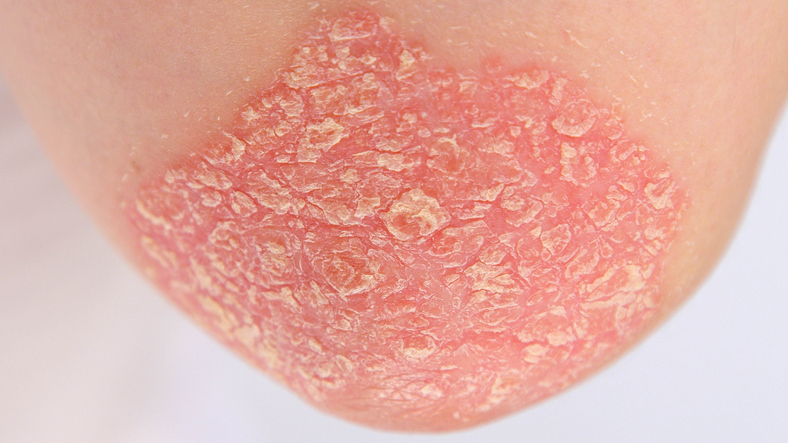
Psoriasis is a chronic autoimmune inflammatory disease characterized by:

  • Red, raised patches (plaques)

  • Silvery-white scales

  • Itching and burning sensation

  • Thickened or cracked skin

  • Nail changes in some cases

Types of Psoriasis

  • Plaque Psoriasis (most common)

  • Guttate Psoriasis

  • Inverse Psoriasis

  • Pustular Psoriasis

  • Erythrodermic Psoriasis

Modern Causes & Triggers

  • Immune system dysfunction

  • Genetic predisposition

  • Stress

  • Infections

  • Cold weather

  • Certain medications

  • Metabolic disorders

Modern medicine focuses on topical steroids, immunosuppressants, biologics, and phototherapy, which often suppress symptoms but may not address the underlying systemic imbalance.

This is where Ayurveda offers a transformative perspective.

Ayurvedic Perspective on Psoriasis

In Ayurveda, psoriasis closely resembles conditions described as:

  • Ekakushtha

  • Kitibha Kushtha

  • Mandala Kushtha

Psoriasis is classified under Kushtha Roga (chronic skin disorders).

1  Dosha Involvement

Psoriasis is primarily caused by imbalance of:

  • Vata Dosha – dryness, scaling

  • Pitta Dosha – redness, inflammation

  • Kapha Dosha – thickened plaques

Most cases involve Vata-Pitta or Kapha-Pitta imbalance.

2 Role of Agni (Digestive Fire)

Weak or irregular Agni leads to incomplete digestion, resulting in toxin formation.

3  Ama (Toxins) Accumulation

Undigested metabolic waste (Ama) accumulates in:

  • Rasa (plasma)

  • Rakta (blood)

  • Twak (skin tissue)

This triggers chronic inflammation and autoimmune responses.

4 Dhatu & Srotas Involvement

  • Rakta Dhatu Dushti (impure blood)

  • Mamsa Dhatu involvement

  • Rasa & Rakta Srotas obstruction

Therefore, psoriasis is not just a skin disease—it is a systemic metabolic and immune disorder.

Ayurvedic Treatment Principles for Psoriasis

Ayurveda focuses on:

1 Correcting Agni
2 Eliminating Ama
3 Purifying Rakta (blood detox)
4 Balancing Doshas
5 Strengthening immunity
6 Preventing recurrence

6+ Powerful Ayurvedic Herbs & Therapies for Psoriasis

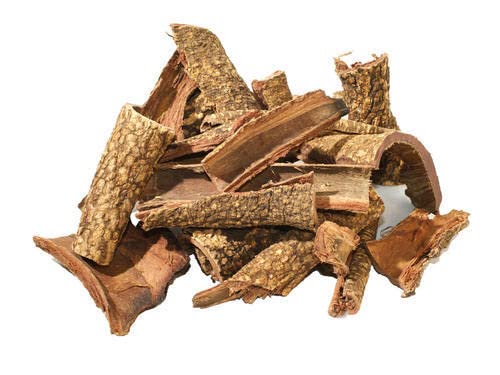
 1. Neem (Azadirachta indica)

Ayurvedic Treatment for Psoriasis: Root-Cause Healing Approach Psoriasis is not merely a skin disorder—it is a chronic inflammatory autoimmune condition that deeply impacts physical comfort, emotional well-being, and overall quality of life. As an Ayurvedic doctor, I often remind patients that true healing begins when we address the root cause, not just the visible symptoms.  In this comprehensive guide, we explore how Ayurveda offers a natural, holistic, and sustainable solution for psoriasis, focusing on dosha balance, detoxification, immune regulation, and long-term skin rejuvenation.  Understanding Psoriasis: Modern Medical Perspective Image  Image  Image  Psoriasis is a chronic autoimmune inflammatory disease characterized by:  Red, raised patches (plaques)  Silvery-white scales  Itching and burning sensation  Thickened or cracked skin  Nail changes in some cases  Types of Psoriasis Plaque Psoriasis (most common)  Guttate Psoriasis  Inverse Psoriasis  Pustular Psoriasis  Erythrodermic Psoriasis  Modern Causes & Triggers Immune system dysfunction  Genetic predisposition  Stress  Infections  Cold weather  Certain medications  Metabolic disorders  Modern medicine focuses on topical steroids, immunosuppressants, biologics, and phototherapy, which often suppress symptoms but may not address the underlying systemic imbalance.  This is where Ayurveda offers a transformative perspective.  Ayurvedic Perspective on Psoriasis In Ayurveda, psoriasis closely resembles conditions described as:  Ekakushtha  Kitibha Kushtha  Mandala Kushtha  Psoriasis is classified under Kushtha Roga (chronic skin disorders).  1  Dosha Involvement Psoriasis is primarily caused by imbalance of:  Vata Dosha – dryness, scaling  Pitta Dosha – redness, inflammation  Kapha Dosha – thickened plaques  Most cases involve Vata-Pitta or Kapha-Pitta imbalance.  2 Role of Agni (Digestive Fire) Weak or irregular Agni leads to incomplete digestion, resulting in toxin formation.  3  Ama (Toxins) Accumulation Undigested metabolic waste (Ama) accumulates in:  Rasa (plasma)  Rakta (blood)  Twak (skin tissue)  This triggers chronic inflammation and autoimmune responses.  4 Dhatu & Srotas Involvement Rakta Dhatu Dushti (impure blood)  Mamsa Dhatu involvement  Rasa & Rakta Srotas obstruction  Therefore, psoriasis is not just a skin disease—it is a systemic metabolic and immune disorder.  Ayurvedic Treatment Principles for Psoriasis Ayurveda focuses on:  1 Correcting Agni 2 Eliminating Ama 3 Purifying Rakta (blood detox) 4 Balancing Doshas 5 Strengthening immunity 6 Preventing recurrence  6+ Powerful Ayurvedic Herbs & Therapies for Psoriasis  1. Neem (Azadirachta indica) Image  Image  Image  Image  Powerful blood purifier  Anti-inflammatory  Antimicrobial  Reduces itching & scaling  Used internally and externally.   2. Manjistha (Rubia cordifolia) Image  Image  Image  Image  Best herb for Rakta Shodhana  Improves lymphatic drainage  Reduces skin discoloration   3. Khadira (Acacia catechu) Image  Image  Image    Classical herb for Kushtha  Detoxifies blood  Reduces plaque formation   4. Turmeric (Haridra) Image  Image  Image  Image  Potent anti-inflammatory  Immunomodulatory  Supports liver detox   5. Panchatikta Ghrita Medicated ghee prepared with bitter herbs.  Pacifies Pitta & Kapha  Nourishes skin tissues  Promotes internal detox   6. Arogyavardhini Vati Corrects liver metabolism  Improves Agni  Reduces Ama   7. External Therapies ✔ Takradhara ✔ Lepana (Herbal Paste Application) ✔ Abhyanga with medicated oils ✔ Sun exposure (controlled) Panchakarma for Psoriasis Image  Image  Image  Image  Detoxification is crucial in chronic psoriasis.  Recommended Procedures: Virechana (Therapeutic Purgation) – Best for Pitta disorders  Raktamokshana (Bloodletting in indicated cases)  Basti (Medicated Enema) – For Vata imbalance  Abhyanga & Swedana  Panchakarma helps prevent relapse and supports long-term remission.  Ayurvedic Diet for Psoriasis Diet correction is mandatory.  Foods to Include: Warm, freshly cooked meals  Bitter vegetables (karela, methi)  Turmeric milk  Neem preparations  Moong dal  Pomegranate  Old rice & barley  Foods to Avoid: 1 Curd 2 Fish + milk combination 3 Fermented foods 4 Excess sour & salty foods 5 Junk food 6 Red meat 7 Refined sugar  Viruddha Ahara (incompatible food combinations) must be strictly avoided.  Lifestyle Modifications Maintain regular sleep cycle  Reduce stress through meditation  Practice Pranayama  Gentle yoga (avoid overheating)  Avoid excessive sun exposure  Stay hydrated  Maintain bowel regularity  Stress management is crucial, as stress is a major trigger.  Can Ayurveda Cure Psoriasis Permanently? Ayurveda does not promise “instant cure.” However:  It addresses root cause  Reduces severity & frequency of flare-ups  Improves immune balance  Promotes long remission  With proper treatment and disciplined lifestyle, many patients achieve long-term control without dependency on steroids.   Frequently Asked Questions (FAQs) 1. Is psoriasis completely curable in Ayurveda? It can be effectively managed and brought into long remission with proper detox and lifestyle correction.  2. How long does Ayurvedic treatment take? Typically 3–6 months depending on severity and chronicity.  3. Is Panchakarma necessary? In moderate to severe cases, yes, for best results.  4. Can I stop steroids immediately? No. Gradual tapering under medical supervision is recommended.  5. Is psoriasis contagious? No, it is not infectious.  6. Does stress worsen psoriasis? Yes. Stress aggravates Vata and Pitta.  7. Is psoriasis genetic? There may be genetic predisposition, but lifestyle plays a major role.  8. Can diet alone cure psoriasis? Diet is essential but not sufficient alone.  9. Is sun exposure helpful? Controlled exposure may help, but excess aggravates Pitta.  10. Can children take Ayurvedic treatment? Yes, under supervision of a qualified Ayurvedic physician.  11. Are Ayurvedic medicines safe long-term? Yes, when prescribed properly.  12. Does psoriasis affect joints? Yes, some patients develop psoriatic arthritis.  13. Can fasting help? Mild, supervised fasting improves Agni.  14. Is milk allowed? Yes, but avoid combining with fish or sour fruits.  15. Will psoriasis return after stopping treatment? If lifestyle discipline is not maintained, recurrence is possible.   Psoriasis is not merely a skin condition—it is a reflection of internal imbalance. Ayurveda offers a comprehensive, root-cause-based healing system that:  Detoxifies the body  Balances doshas  Purifies blood  Strengthens immunity  Promotes long-term remission  With expert guidance, disciplined diet, Panchakarma, and herbal support, psoriasis can be managed naturally and safely.  True healing begins within.   Ayurvedic Treatment for Psoriasis focuses on root-cause healing through dosha balance, Panchakarma detox, herbal remedies, and diet correction. Discover natural long-term psoriasis management.  Disclaimer  This article is for educational purposes only. Psoriasis treatment should be undertaken under the supervision of a qualified Ayurvedic doctor. Individual constitution (Prakriti), disease stage, and medical history must be assessed before starting any medication or Panchakarma therapy.     Dr. Sagar Narkhede Ayurvedic Physician & Panchakarma Specialist is a dedicated and experienced Ayurvedic doctor known for his holistic approach to health and disease management. With a strong foundation in classical Ayurveda and modern clinical understanding, he focuses on treating the root cause of illness rather than just suppressing symptoms.  Dr. Narkhede specializes in managing chronic lifestyle disorders, digestive issues, joint and spine problems, stress-related conditions, hormonal imbalances, and skin diseases through authentic Ayurvedic therapies and personalized Panchakarma treatments.  Areas of Expertise Chronic lifestyle disorders (Diabetes, Hypertension, Obesity) Joint pain, Arthritis & Spine-related disorders Digestive disorders & metabolic imbalance Stress, anxiety & sleep disorders Panchakarma detox & rejuvenation therapies Preventive & holistic health care Treatment Philosophy Dr. Sagar Narkhede believes in individualized treatment plans based on Prakriti (body constitution), lifestyle, and disease stage. His goal is to restore balance between body, mind, and metabolism for long-term wellness and sustainable healing.  Visit Clinic Website

Ayurvedic Treatment for Psoriasis: Root-Cause Healing Approach Psoriasis is not merely a skin disorder—it is a chronic inflammatory autoimmune condition that deeply impacts physical comfort, emotional well-being, and overall quality of life. As an Ayurvedic doctor, I often remind patients that true healing begins when we address the root cause, not just the visible symptoms.  In this comprehensive guide, we explore how Ayurveda offers a natural, holistic, and sustainable solution for psoriasis, focusing on dosha balance, detoxification, immune regulation, and long-term skin rejuvenation.  Understanding Psoriasis: Modern Medical Perspective Image  Image  Image  Psoriasis is a chronic autoimmune inflammatory disease characterized by:  Red, raised patches (plaques)  Silvery-white scales  Itching and burning sensation  Thickened or cracked skin  Nail changes in some cases  Types of Psoriasis Plaque Psoriasis (most common)  Guttate Psoriasis  Inverse Psoriasis  Pustular Psoriasis  Erythrodermic Psoriasis  Modern Causes & Triggers Immune system dysfunction  Genetic predisposition  Stress  Infections  Cold weather  Certain medications  Metabolic disorders  Modern medicine focuses on topical steroids, immunosuppressants, biologics, and phototherapy, which often suppress symptoms but may not address the underlying systemic imbalance.  This is where Ayurveda offers a transformative perspective.  Ayurvedic Perspective on Psoriasis In Ayurveda, psoriasis closely resembles conditions described as:  Ekakushtha  Kitibha Kushtha  Mandala Kushtha  Psoriasis is classified under Kushtha Roga (chronic skin disorders).  1  Dosha Involvement Psoriasis is primarily caused by imbalance of:  Vata Dosha – dryness, scaling  Pitta Dosha – redness, inflammation  Kapha Dosha – thickened plaques  Most cases involve Vata-Pitta or Kapha-Pitta imbalance.  2 Role of Agni (Digestive Fire) Weak or irregular Agni leads to incomplete digestion, resulting in toxin formation.  3  Ama (Toxins) Accumulation Undigested metabolic waste (Ama) accumulates in:  Rasa (plasma)  Rakta (blood)  Twak (skin tissue)  This triggers chronic inflammation and autoimmune responses.  4 Dhatu & Srotas Involvement Rakta Dhatu Dushti (impure blood)  Mamsa Dhatu involvement  Rasa & Rakta Srotas obstruction  Therefore, psoriasis is not just a skin disease—it is a systemic metabolic and immune disorder.  Ayurvedic Treatment Principles for Psoriasis Ayurveda focuses on:  1 Correcting Agni 2 Eliminating Ama 3 Purifying Rakta (blood detox) 4 Balancing Doshas 5 Strengthening immunity 6 Preventing recurrence  6+ Powerful Ayurvedic Herbs & Therapies for Psoriasis  1. Neem (Azadirachta indica) Image  Image  Image  Image  Powerful blood purifier  Anti-inflammatory  Antimicrobial  Reduces itching & scaling  Used internally and externally.   2. Manjistha (Rubia cordifolia) Image  Image  Image  Image  Best herb for Rakta Shodhana  Improves lymphatic drainage  Reduces skin discoloration   3. Khadira (Acacia catechu) Image  Image  Image    Classical herb for Kushtha  Detoxifies blood  Reduces plaque formation   4. Turmeric (Haridra) Image  Image  Image  Image  Potent anti-inflammatory  Immunomodulatory  Supports liver detox   5. Panchatikta Ghrita Medicated ghee prepared with bitter herbs.  Pacifies Pitta & Kapha  Nourishes skin tissues  Promotes internal detox   6. Arogyavardhini Vati Corrects liver metabolism  Improves Agni  Reduces Ama   7. External Therapies ✔ Takradhara ✔ Lepana (Herbal Paste Application) ✔ Abhyanga with medicated oils ✔ Sun exposure (controlled) Panchakarma for Psoriasis Image  Image  Image  Image  Detoxification is crucial in chronic psoriasis.  Recommended Procedures: Virechana (Therapeutic Purgation) – Best for Pitta disorders  Raktamokshana (Bloodletting in indicated cases)  Basti (Medicated Enema) – For Vata imbalance  Abhyanga & Swedana  Panchakarma helps prevent relapse and supports long-term remission.  Ayurvedic Diet for Psoriasis Diet correction is mandatory.  Foods to Include: Warm, freshly cooked meals  Bitter vegetables (karela, methi)  Turmeric milk  Neem preparations  Moong dal  Pomegranate  Old rice & barley  Foods to Avoid: 1 Curd 2 Fish + milk combination 3 Fermented foods 4 Excess sour & salty foods 5 Junk food 6 Red meat 7 Refined sugar  Viruddha Ahara (incompatible food combinations) must be strictly avoided.  Lifestyle Modifications Maintain regular sleep cycle  Reduce stress through meditation  Practice Pranayama  Gentle yoga (avoid overheating)  Avoid excessive sun exposure  Stay hydrated  Maintain bowel regularity  Stress management is crucial, as stress is a major trigger.  Can Ayurveda Cure Psoriasis Permanently? Ayurveda does not promise “instant cure.” However:  It addresses root cause  Reduces severity & frequency of flare-ups  Improves immune balance  Promotes long remission  With proper treatment and disciplined lifestyle, many patients achieve long-term control without dependency on steroids.   Frequently Asked Questions (FAQs) 1. Is psoriasis completely curable in Ayurveda? It can be effectively managed and brought into long remission with proper detox and lifestyle correction.  2. How long does Ayurvedic treatment take? Typically 3–6 months depending on severity and chronicity.  3. Is Panchakarma necessary? In moderate to severe cases, yes, for best results.  4. Can I stop steroids immediately? No. Gradual tapering under medical supervision is recommended.  5. Is psoriasis contagious? No, it is not infectious.  6. Does stress worsen psoriasis? Yes. Stress aggravates Vata and Pitta.  7. Is psoriasis genetic? There may be genetic predisposition, but lifestyle plays a major role.  8. Can diet alone cure psoriasis? Diet is essential but not sufficient alone.  9. Is sun exposure helpful? Controlled exposure may help, but excess aggravates Pitta.  10. Can children take Ayurvedic treatment? Yes, under supervision of a qualified Ayurvedic physician.  11. Are Ayurvedic medicines safe long-term? Yes, when prescribed properly.  12. Does psoriasis affect joints? Yes, some patients develop psoriatic arthritis.  13. Can fasting help? Mild, supervised fasting improves Agni.  14. Is milk allowed? Yes, but avoid combining with fish or sour fruits.  15. Will psoriasis return after stopping treatment? If lifestyle discipline is not maintained, recurrence is possible.   Psoriasis is not merely a skin condition—it is a reflection of internal imbalance. Ayurveda offers a comprehensive, root-cause-based healing system that:  Detoxifies the body  Balances doshas  Purifies blood  Strengthens immunity  Promotes long-term remission  With expert guidance, disciplined diet, Panchakarma, and herbal support, psoriasis can be managed naturally and safely.  True healing begins within.   Ayurvedic Treatment for Psoriasis focuses on root-cause healing through dosha balance, Panchakarma detox, herbal remedies, and diet correction. Discover natural long-term psoriasis management.  Disclaimer  This article is for educational purposes only. Psoriasis treatment should be undertaken under the supervision of a qualified Ayurvedic doctor. Individual constitution (Prakriti), disease stage, and medical history must be assessed before starting any medication or Panchakarma therapy.     Dr. Sagar Narkhede Ayurvedic Physician & Panchakarma Specialist is a dedicated and experienced Ayurvedic doctor known for his holistic approach to health and disease management. With a strong foundation in classical Ayurveda and modern clinical understanding, he focuses on treating the root cause of illness rather than just suppressing symptoms.  Dr. Narkhede specializes in managing chronic lifestyle disorders, digestive issues, joint and spine problems, stress-related conditions, hormonal imbalances, and skin diseases through authentic Ayurvedic therapies and personalized Panchakarma treatments.  Areas of Expertise Chronic lifestyle disorders (Diabetes, Hypertension, Obesity) Joint pain, Arthritis & Spine-related disorders Digestive disorders & metabolic imbalance Stress, anxiety & sleep disorders Panchakarma detox & rejuvenation therapies Preventive & holistic health care Treatment Philosophy Dr. Sagar Narkhede believes in individualized treatment plans based on Prakriti (body constitution), lifestyle, and disease stage. His goal is to restore balance between body, mind, and metabolism for long-term wellness and sustainable healing.  Visit Clinic Website

Ayurvedic Treatment for Psoriasis: Root-Cause Healing Approach Psoriasis is not merely a skin disorder—it is a chronic inflammatory autoimmune condition that deeply impacts physical comfort, emotional well-being, and overall quality of life. As an Ayurvedic doctor, I often remind patients that true healing begins when we address the root cause, not just the visible symptoms.  In this comprehensive guide, we explore how Ayurveda offers a natural, holistic, and sustainable solution for psoriasis, focusing on dosha balance, detoxification, immune regulation, and long-term skin rejuvenation.  Understanding Psoriasis: Modern Medical Perspective Image  Image  Image  Psoriasis is a chronic autoimmune inflammatory disease characterized by:  Red, raised patches (plaques)  Silvery-white scales  Itching and burning sensation  Thickened or cracked skin  Nail changes in some cases  Types of Psoriasis Plaque Psoriasis (most common)  Guttate Psoriasis  Inverse Psoriasis  Pustular Psoriasis  Erythrodermic Psoriasis  Modern Causes & Triggers Immune system dysfunction  Genetic predisposition  Stress  Infections  Cold weather  Certain medications  Metabolic disorders  Modern medicine focuses on topical steroids, immunosuppressants, biologics, and phototherapy, which often suppress symptoms but may not address the underlying systemic imbalance.  This is where Ayurveda offers a transformative perspective.  Ayurvedic Perspective on Psoriasis In Ayurveda, psoriasis closely resembles conditions described as:  Ekakushtha  Kitibha Kushtha  Mandala Kushtha  Psoriasis is classified under Kushtha Roga (chronic skin disorders).  1  Dosha Involvement Psoriasis is primarily caused by imbalance of:  Vata Dosha – dryness, scaling  Pitta Dosha – redness, inflammation  Kapha Dosha – thickened plaques  Most cases involve Vata-Pitta or Kapha-Pitta imbalance.  2 Role of Agni (Digestive Fire) Weak or irregular Agni leads to incomplete digestion, resulting in toxin formation.  3  Ama (Toxins) Accumulation Undigested metabolic waste (Ama) accumulates in:  Rasa (plasma)  Rakta (blood)  Twak (skin tissue)  This triggers chronic inflammation and autoimmune responses.  4 Dhatu & Srotas Involvement Rakta Dhatu Dushti (impure blood)  Mamsa Dhatu involvement  Rasa & Rakta Srotas obstruction  Therefore, psoriasis is not just a skin disease—it is a systemic metabolic and immune disorder.  Ayurvedic Treatment Principles for Psoriasis Ayurveda focuses on:  1 Correcting Agni 2 Eliminating Ama 3 Purifying Rakta (blood detox) 4 Balancing Doshas 5 Strengthening immunity 6 Preventing recurrence  6+ Powerful Ayurvedic Herbs & Therapies for Psoriasis  1. Neem (Azadirachta indica) Image  Image  Image  Image  Powerful blood purifier  Anti-inflammatory  Antimicrobial  Reduces itching & scaling  Used internally and externally.   2. Manjistha (Rubia cordifolia) Image  Image  Image  Image  Best herb for Rakta Shodhana  Improves lymphatic drainage  Reduces skin discoloration   3. Khadira (Acacia catechu) Image  Image  Image    Classical herb for Kushtha  Detoxifies blood  Reduces plaque formation   4. Turmeric (Haridra) Image  Image  Image  Image  Potent anti-inflammatory  Immunomodulatory  Supports liver detox   5. Panchatikta Ghrita Medicated ghee prepared with bitter herbs.  Pacifies Pitta & Kapha  Nourishes skin tissues  Promotes internal detox   6. Arogyavardhini Vati Corrects liver metabolism  Improves Agni  Reduces Ama   7. External Therapies ✔ Takradhara ✔ Lepana (Herbal Paste Application) ✔ Abhyanga with medicated oils ✔ Sun exposure (controlled) Panchakarma for Psoriasis Image  Image  Image  Image  Detoxification is crucial in chronic psoriasis.  Recommended Procedures: Virechana (Therapeutic Purgation) – Best for Pitta disorders  Raktamokshana (Bloodletting in indicated cases)  Basti (Medicated Enema) – For Vata imbalance  Abhyanga & Swedana  Panchakarma helps prevent relapse and supports long-term remission.  Ayurvedic Diet for Psoriasis Diet correction is mandatory.  Foods to Include: Warm, freshly cooked meals  Bitter vegetables (karela, methi)  Turmeric milk  Neem preparations  Moong dal  Pomegranate  Old rice & barley  Foods to Avoid: 1 Curd 2 Fish + milk combination 3 Fermented foods 4 Excess sour & salty foods 5 Junk food 6 Red meat 7 Refined sugar  Viruddha Ahara (incompatible food combinations) must be strictly avoided.  Lifestyle Modifications Maintain regular sleep cycle  Reduce stress through meditation  Practice Pranayama  Gentle yoga (avoid overheating)  Avoid excessive sun exposure  Stay hydrated  Maintain bowel regularity  Stress management is crucial, as stress is a major trigger.  Can Ayurveda Cure Psoriasis Permanently? Ayurveda does not promise “instant cure.” However:  It addresses root cause  Reduces severity & frequency of flare-ups  Improves immune balance  Promotes long remission  With proper treatment and disciplined lifestyle, many patients achieve long-term control without dependency on steroids.   Frequently Asked Questions (FAQs) 1. Is psoriasis completely curable in Ayurveda? It can be effectively managed and brought into long remission with proper detox and lifestyle correction.  2. How long does Ayurvedic treatment take? Typically 3–6 months depending on severity and chronicity.  3. Is Panchakarma necessary? In moderate to severe cases, yes, for best results.  4. Can I stop steroids immediately? No. Gradual tapering under medical supervision is recommended.  5. Is psoriasis contagious? No, it is not infectious.  6. Does stress worsen psoriasis? Yes. Stress aggravates Vata and Pitta.  7. Is psoriasis genetic? There may be genetic predisposition, but lifestyle plays a major role.  8. Can diet alone cure psoriasis? Diet is essential but not sufficient alone.  9. Is sun exposure helpful? Controlled exposure may help, but excess aggravates Pitta.  10. Can children take Ayurvedic treatment? Yes, under supervision of a qualified Ayurvedic physician.  11. Are Ayurvedic medicines safe long-term? Yes, when prescribed properly.  12. Does psoriasis affect joints? Yes, some patients develop psoriatic arthritis.  13. Can fasting help? Mild, supervised fasting improves Agni.  14. Is milk allowed? Yes, but avoid combining with fish or sour fruits.  15. Will psoriasis return after stopping treatment? If lifestyle discipline is not maintained, recurrence is possible.   Psoriasis is not merely a skin condition—it is a reflection of internal imbalance. Ayurveda offers a comprehensive, root-cause-based healing system that:  Detoxifies the body  Balances doshas  Purifies blood  Strengthens immunity  Promotes long-term remission  With expert guidance, disciplined diet, Panchakarma, and herbal support, psoriasis can be managed naturally and safely.  True healing begins within.   Ayurvedic Treatment for Psoriasis focuses on root-cause healing through dosha balance, Panchakarma detox, herbal remedies, and diet correction. Discover natural long-term psoriasis management.  Disclaimer  This article is for educational purposes only. Psoriasis treatment should be undertaken under the supervision of a qualified Ayurvedic doctor. Individual constitution (Prakriti), disease stage, and medical history must be assessed before starting any medication or Panchakarma therapy.     Dr. Sagar Narkhede Ayurvedic Physician & Panchakarma Specialist is a dedicated and experienced Ayurvedic doctor known for his holistic approach to health and disease management. With a strong foundation in classical Ayurveda and modern clinical understanding, he focuses on treating the root cause of illness rather than just suppressing symptoms.  Dr. Narkhede specializes in managing chronic lifestyle disorders, digestive issues, joint and spine problems, stress-related conditions, hormonal imbalances, and skin diseases through authentic Ayurvedic therapies and personalized Panchakarma treatments.  Areas of Expertise Chronic lifestyle disorders (Diabetes, Hypertension, Obesity) Joint pain, Arthritis & Spine-related disorders Digestive disorders & metabolic imbalance Stress, anxiety & sleep disorders Panchakarma detox & rejuvenation therapies Preventive & holistic health care Treatment Philosophy Dr. Sagar Narkhede believes in individualized treatment plans based on Prakriti (body constitution), lifestyle, and disease stage. His goal is to restore balance between body, mind, and metabolism for long-term wellness and sustainable healing.  Visit Clinic Website

Ayurvedic Treatment for Psoriasis: Root-Cause Healing Approach Psoriasis is not merely a skin disorder—it is a chronic inflammatory autoimmune condition that deeply impacts physical comfort, emotional well-being, and overall quality of life. As an Ayurvedic doctor, I often remind patients that true healing begins when we address the root cause, not just the visible symptoms.  In this comprehensive guide, we explore how Ayurveda offers a natural, holistic, and sustainable solution for psoriasis, focusing on dosha balance, detoxification, immune regulation, and long-term skin rejuvenation.  Understanding Psoriasis: Modern Medical Perspective Image  Image  Image  Psoriasis is a chronic autoimmune inflammatory disease characterized by:  Red, raised patches (plaques)  Silvery-white scales  Itching and burning sensation  Thickened or cracked skin  Nail changes in some cases  Types of Psoriasis Plaque Psoriasis (most common)  Guttate Psoriasis  Inverse Psoriasis  Pustular Psoriasis  Erythrodermic Psoriasis  Modern Causes & Triggers Immune system dysfunction  Genetic predisposition  Stress  Infections  Cold weather  Certain medications  Metabolic disorders  Modern medicine focuses on topical steroids, immunosuppressants, biologics, and phototherapy, which often suppress symptoms but may not address the underlying systemic imbalance.  This is where Ayurveda offers a transformative perspective.  Ayurvedic Perspective on Psoriasis In Ayurveda, psoriasis closely resembles conditions described as:  Ekakushtha  Kitibha Kushtha  Mandala Kushtha  Psoriasis is classified under Kushtha Roga (chronic skin disorders).  1  Dosha Involvement Psoriasis is primarily caused by imbalance of:  Vata Dosha – dryness, scaling  Pitta Dosha – redness, inflammation  Kapha Dosha – thickened plaques  Most cases involve Vata-Pitta or Kapha-Pitta imbalance.  2 Role of Agni (Digestive Fire) Weak or irregular Agni leads to incomplete digestion, resulting in toxin formation.  3  Ama (Toxins) Accumulation Undigested metabolic waste (Ama) accumulates in:  Rasa (plasma)  Rakta (blood)  Twak (skin tissue)  This triggers chronic inflammation and autoimmune responses.  4 Dhatu & Srotas Involvement Rakta Dhatu Dushti (impure blood)  Mamsa Dhatu involvement  Rasa & Rakta Srotas obstruction  Therefore, psoriasis is not just a skin disease—it is a systemic metabolic and immune disorder.  Ayurvedic Treatment Principles for Psoriasis Ayurveda focuses on:  1 Correcting Agni 2 Eliminating Ama 3 Purifying Rakta (blood detox) 4 Balancing Doshas 5 Strengthening immunity 6 Preventing recurrence  6+ Powerful Ayurvedic Herbs & Therapies for Psoriasis  1. Neem (Azadirachta indica) Image  Image  Image  Image  Powerful blood purifier  Anti-inflammatory  Antimicrobial  Reduces itching & scaling  Used internally and externally.   2. Manjistha (Rubia cordifolia) Image  Image  Image  Image  Best herb for Rakta Shodhana  Improves lymphatic drainage  Reduces skin discoloration   3. Khadira (Acacia catechu) Image  Image  Image    Classical herb for Kushtha  Detoxifies blood  Reduces plaque formation   4. Turmeric (Haridra) Image  Image  Image  Image  Potent anti-inflammatory  Immunomodulatory  Supports liver detox   5. Panchatikta Ghrita Medicated ghee prepared with bitter herbs.  Pacifies Pitta & Kapha  Nourishes skin tissues  Promotes internal detox   6. Arogyavardhini Vati Corrects liver metabolism  Improves Agni  Reduces Ama   7. External Therapies ✔ Takradhara ✔ Lepana (Herbal Paste Application) ✔ Abhyanga with medicated oils ✔ Sun exposure (controlled) Panchakarma for Psoriasis Image  Image  Image  Image  Detoxification is crucial in chronic psoriasis.  Recommended Procedures: Virechana (Therapeutic Purgation) – Best for Pitta disorders  Raktamokshana (Bloodletting in indicated cases)  Basti (Medicated Enema) – For Vata imbalance  Abhyanga & Swedana  Panchakarma helps prevent relapse and supports long-term remission.  Ayurvedic Diet for Psoriasis Diet correction is mandatory.  Foods to Include: Warm, freshly cooked meals  Bitter vegetables (karela, methi)  Turmeric milk  Neem preparations  Moong dal  Pomegranate  Old rice & barley  Foods to Avoid: 1 Curd 2 Fish + milk combination 3 Fermented foods 4 Excess sour & salty foods 5 Junk food 6 Red meat 7 Refined sugar  Viruddha Ahara (incompatible food combinations) must be strictly avoided.  Lifestyle Modifications Maintain regular sleep cycle  Reduce stress through meditation  Practice Pranayama  Gentle yoga (avoid overheating)  Avoid excessive sun exposure  Stay hydrated  Maintain bowel regularity  Stress management is crucial, as stress is a major trigger.  Can Ayurveda Cure Psoriasis Permanently? Ayurveda does not promise “instant cure.” However:  It addresses root cause  Reduces severity & frequency of flare-ups  Improves immune balance  Promotes long remission  With proper treatment and disciplined lifestyle, many patients achieve long-term control without dependency on steroids.   Frequently Asked Questions (FAQs) 1. Is psoriasis completely curable in Ayurveda? It can be effectively managed and brought into long remission with proper detox and lifestyle correction.  2. How long does Ayurvedic treatment take? Typically 3–6 months depending on severity and chronicity.  3. Is Panchakarma necessary? In moderate to severe cases, yes, for best results.  4. Can I stop steroids immediately? No. Gradual tapering under medical supervision is recommended.  5. Is psoriasis contagious? No, it is not infectious.  6. Does stress worsen psoriasis? Yes. Stress aggravates Vata and Pitta.  7. Is psoriasis genetic? There may be genetic predisposition, but lifestyle plays a major role.  8. Can diet alone cure psoriasis? Diet is essential but not sufficient alone.  9. Is sun exposure helpful? Controlled exposure may help, but excess aggravates Pitta.  10. Can children take Ayurvedic treatment? Yes, under supervision of a qualified Ayurvedic physician.  11. Are Ayurvedic medicines safe long-term? Yes, when prescribed properly.  12. Does psoriasis affect joints? Yes, some patients develop psoriatic arthritis.  13. Can fasting help? Mild, supervised fasting improves Agni.  14. Is milk allowed? Yes, but avoid combining with fish or sour fruits.  15. Will psoriasis return after stopping treatment? If lifestyle discipline is not maintained, recurrence is possible.   Psoriasis is not merely a skin condition—it is a reflection of internal imbalance. Ayurveda offers a comprehensive, root-cause-based healing system that:  Detoxifies the body  Balances doshas  Purifies blood  Strengthens immunity  Promotes long-term remission  With expert guidance, disciplined diet, Panchakarma, and herbal support, psoriasis can be managed naturally and safely.  True healing begins within.   Ayurvedic Treatment for Psoriasis focuses on root-cause healing through dosha balance, Panchakarma detox, herbal remedies, and diet correction. Discover natural long-term psoriasis management.  Disclaimer  This article is for educational purposes only. Psoriasis treatment should be undertaken under the supervision of a qualified Ayurvedic doctor. Individual constitution (Prakriti), disease stage, and medical history must be assessed before starting any medication or Panchakarma therapy.     Dr. Sagar Narkhede Ayurvedic Physician & Panchakarma Specialist is a dedicated and experienced Ayurvedic doctor known for his holistic approach to health and disease management. With a strong foundation in classical Ayurveda and modern clinical understanding, he focuses on treating the root cause of illness rather than just suppressing symptoms.  Dr. Narkhede specializes in managing chronic lifestyle disorders, digestive issues, joint and spine problems, stress-related conditions, hormonal imbalances, and skin diseases through authentic Ayurvedic therapies and personalized Panchakarma treatments.  Areas of Expertise Chronic lifestyle disorders (Diabetes, Hypertension, Obesity) Joint pain, Arthritis & Spine-related disorders Digestive disorders & metabolic imbalance Stress, anxiety & sleep disorders Panchakarma detox & rejuvenation therapies Preventive & holistic health care Treatment Philosophy Dr. Sagar Narkhede believes in individualized treatment plans based on Prakriti (body constitution), lifestyle, and disease stage. His goal is to restore balance between body, mind, and metabolism for long-term wellness and sustainable healing.  Visit Clinic Website

  • Powerful blood purifier

  • Anti-inflammatory

  • Antimicrobial

  • Reduces itching & scaling

Used internally and externally.

 2. Manjistha (Rubia cordifolia)

Ayurvedic Treatment for Psoriasis: Root-Cause Healing Approach Psoriasis is not merely a skin disorder—it is a chronic inflammatory autoimmune condition that deeply impacts physical comfort, emotional well-being, and overall quality of life. As an Ayurvedic doctor, I often remind patients that true healing begins when we address the root cause, not just the visible symptoms.  In this comprehensive guide, we explore how Ayurveda offers a natural, holistic, and sustainable solution for psoriasis, focusing on dosha balance, detoxification, immune regulation, and long-term skin rejuvenation.  Understanding Psoriasis: Modern Medical Perspective Image  Image  Image  Psoriasis is a chronic autoimmune inflammatory disease characterized by:  Red, raised patches (plaques)  Silvery-white scales  Itching and burning sensation  Thickened or cracked skin  Nail changes in some cases  Types of Psoriasis Plaque Psoriasis (most common)  Guttate Psoriasis  Inverse Psoriasis  Pustular Psoriasis  Erythrodermic Psoriasis  Modern Causes & Triggers Immune system dysfunction  Genetic predisposition  Stress  Infections  Cold weather  Certain medications  Metabolic disorders  Modern medicine focuses on topical steroids, immunosuppressants, biologics, and phototherapy, which often suppress symptoms but may not address the underlying systemic imbalance.  This is where Ayurveda offers a transformative perspective.  Ayurvedic Perspective on Psoriasis In Ayurveda, psoriasis closely resembles conditions described as:  Ekakushtha  Kitibha Kushtha  Mandala Kushtha  Psoriasis is classified under Kushtha Roga (chronic skin disorders).  1  Dosha Involvement Psoriasis is primarily caused by imbalance of:  Vata Dosha – dryness, scaling  Pitta Dosha – redness, inflammation  Kapha Dosha – thickened plaques  Most cases involve Vata-Pitta or Kapha-Pitta imbalance.  2 Role of Agni (Digestive Fire) Weak or irregular Agni leads to incomplete digestion, resulting in toxin formation.  3  Ama (Toxins) Accumulation Undigested metabolic waste (Ama) accumulates in:  Rasa (plasma)  Rakta (blood)  Twak (skin tissue)  This triggers chronic inflammation and autoimmune responses.  4 Dhatu & Srotas Involvement Rakta Dhatu Dushti (impure blood)  Mamsa Dhatu involvement  Rasa & Rakta Srotas obstruction  Therefore, psoriasis is not just a skin disease—it is a systemic metabolic and immune disorder.  Ayurvedic Treatment Principles for Psoriasis Ayurveda focuses on:  1 Correcting Agni 2 Eliminating Ama 3 Purifying Rakta (blood detox) 4 Balancing Doshas 5 Strengthening immunity 6 Preventing recurrence  6+ Powerful Ayurvedic Herbs & Therapies for Psoriasis  1. Neem (Azadirachta indica) Image  Image  Image  Image  Powerful blood purifier  Anti-inflammatory  Antimicrobial  Reduces itching & scaling  Used internally and externally.   2. Manjistha (Rubia cordifolia) Image  Image  Image  Image  Best herb for Rakta Shodhana  Improves lymphatic drainage  Reduces skin discoloration   3. Khadira (Acacia catechu) Image  Image  Image    Classical herb for Kushtha  Detoxifies blood  Reduces plaque formation   4. Turmeric (Haridra) Image  Image  Image  Image  Potent anti-inflammatory  Immunomodulatory  Supports liver detox   5. Panchatikta Ghrita Medicated ghee prepared with bitter herbs.  Pacifies Pitta & Kapha  Nourishes skin tissues  Promotes internal detox   6. Arogyavardhini Vati Corrects liver metabolism  Improves Agni  Reduces Ama   7. External Therapies ✔ Takradhara ✔ Lepana (Herbal Paste Application) ✔ Abhyanga with medicated oils ✔ Sun exposure (controlled) Panchakarma for Psoriasis Image  Image  Image  Image  Detoxification is crucial in chronic psoriasis.  Recommended Procedures: Virechana (Therapeutic Purgation) – Best for Pitta disorders  Raktamokshana (Bloodletting in indicated cases)  Basti (Medicated Enema) – For Vata imbalance  Abhyanga & Swedana  Panchakarma helps prevent relapse and supports long-term remission.  Ayurvedic Diet for Psoriasis Diet correction is mandatory.  Foods to Include: Warm, freshly cooked meals  Bitter vegetables (karela, methi)  Turmeric milk  Neem preparations  Moong dal  Pomegranate  Old rice & barley  Foods to Avoid: 1 Curd 2 Fish + milk combination 3 Fermented foods 4 Excess sour & salty foods 5 Junk food 6 Red meat 7 Refined sugar  Viruddha Ahara (incompatible food combinations) must be strictly avoided.  Lifestyle Modifications Maintain regular sleep cycle  Reduce stress through meditation  Practice Pranayama  Gentle yoga (avoid overheating)  Avoid excessive sun exposure  Stay hydrated  Maintain bowel regularity  Stress management is crucial, as stress is a major trigger.  Can Ayurveda Cure Psoriasis Permanently? Ayurveda does not promise “instant cure.” However:  It addresses root cause  Reduces severity & frequency of flare-ups  Improves immune balance  Promotes long remission  With proper treatment and disciplined lifestyle, many patients achieve long-term control without dependency on steroids.   Frequently Asked Questions (FAQs) 1. Is psoriasis completely curable in Ayurveda? It can be effectively managed and brought into long remission with proper detox and lifestyle correction.  2. How long does Ayurvedic treatment take? Typically 3–6 months depending on severity and chronicity.  3. Is Panchakarma necessary? In moderate to severe cases, yes, for best results.  4. Can I stop steroids immediately? No. Gradual tapering under medical supervision is recommended.  5. Is psoriasis contagious? No, it is not infectious.  6. Does stress worsen psoriasis? Yes. Stress aggravates Vata and Pitta.  7. Is psoriasis genetic? There may be genetic predisposition, but lifestyle plays a major role.  8. Can diet alone cure psoriasis? Diet is essential but not sufficient alone.  9. Is sun exposure helpful? Controlled exposure may help, but excess aggravates Pitta.  10. Can children take Ayurvedic treatment? Yes, under supervision of a qualified Ayurvedic physician.  11. Are Ayurvedic medicines safe long-term? Yes, when prescribed properly.  12. Does psoriasis affect joints? Yes, some patients develop psoriatic arthritis.  13. Can fasting help? Mild, supervised fasting improves Agni.  14. Is milk allowed? Yes, but avoid combining with fish or sour fruits.  15. Will psoriasis return after stopping treatment? If lifestyle discipline is not maintained, recurrence is possible.   Psoriasis is not merely a skin condition—it is a reflection of internal imbalance. Ayurveda offers a comprehensive, root-cause-based healing system that:  Detoxifies the body  Balances doshas  Purifies blood  Strengthens immunity  Promotes long-term remission  With expert guidance, disciplined diet, Panchakarma, and herbal support, psoriasis can be managed naturally and safely.  True healing begins within.   Ayurvedic Treatment for Psoriasis focuses on root-cause healing through dosha balance, Panchakarma detox, herbal remedies, and diet correction. Discover natural long-term psoriasis management.  Disclaimer  This article is for educational purposes only. Psoriasis treatment should be undertaken under the supervision of a qualified Ayurvedic doctor. Individual constitution (Prakriti), disease stage, and medical history must be assessed before starting any medication or Panchakarma therapy.     Dr. Sagar Narkhede Ayurvedic Physician & Panchakarma Specialist is a dedicated and experienced Ayurvedic doctor known for his holistic approach to health and disease management. With a strong foundation in classical Ayurveda and modern clinical understanding, he focuses on treating the root cause of illness rather than just suppressing symptoms.  Dr. Narkhede specializes in managing chronic lifestyle disorders, digestive issues, joint and spine problems, stress-related conditions, hormonal imbalances, and skin diseases through authentic Ayurvedic therapies and personalized Panchakarma treatments.  Areas of Expertise Chronic lifestyle disorders (Diabetes, Hypertension, Obesity) Joint pain, Arthritis & Spine-related disorders Digestive disorders & metabolic imbalance Stress, anxiety & sleep disorders Panchakarma detox & rejuvenation therapies Preventive & holistic health care Treatment Philosophy Dr. Sagar Narkhede believes in individualized treatment plans based on Prakriti (body constitution), lifestyle, and disease stage. His goal is to restore balance between body, mind, and metabolism for long-term wellness and sustainable healing.  Visit Clinic Website

Ayurvedic Treatment for Psoriasis: Root-Cause Healing Approach Psoriasis is not merely a skin disorder—it is a chronic inflammatory autoimmune condition that deeply impacts physical comfort, emotional well-being, and overall quality of life. As an Ayurvedic doctor, I often remind patients that true healing begins when we address the root cause, not just the visible symptoms.  In this comprehensive guide, we explore how Ayurveda offers a natural, holistic, and sustainable solution for psoriasis, focusing on dosha balance, detoxification, immune regulation, and long-term skin rejuvenation.  Understanding Psoriasis: Modern Medical Perspective Image  Image  Image  Psoriasis is a chronic autoimmune inflammatory disease characterized by:  Red, raised patches (plaques)  Silvery-white scales  Itching and burning sensation  Thickened or cracked skin  Nail changes in some cases  Types of Psoriasis Plaque Psoriasis (most common)  Guttate Psoriasis  Inverse Psoriasis  Pustular Psoriasis  Erythrodermic Psoriasis  Modern Causes & Triggers Immune system dysfunction  Genetic predisposition  Stress  Infections  Cold weather  Certain medications  Metabolic disorders  Modern medicine focuses on topical steroids, immunosuppressants, biologics, and phototherapy, which often suppress symptoms but may not address the underlying systemic imbalance.  This is where Ayurveda offers a transformative perspective.  Ayurvedic Perspective on Psoriasis In Ayurveda, psoriasis closely resembles conditions described as:  Ekakushtha  Kitibha Kushtha  Mandala Kushtha  Psoriasis is classified under Kushtha Roga (chronic skin disorders).  1  Dosha Involvement Psoriasis is primarily caused by imbalance of:  Vata Dosha – dryness, scaling  Pitta Dosha – redness, inflammation  Kapha Dosha – thickened plaques  Most cases involve Vata-Pitta or Kapha-Pitta imbalance.  2 Role of Agni (Digestive Fire) Weak or irregular Agni leads to incomplete digestion, resulting in toxin formation.  3  Ama (Toxins) Accumulation Undigested metabolic waste (Ama) accumulates in:  Rasa (plasma)  Rakta (blood)  Twak (skin tissue)  This triggers chronic inflammation and autoimmune responses.  4 Dhatu & Srotas Involvement Rakta Dhatu Dushti (impure blood)  Mamsa Dhatu involvement  Rasa & Rakta Srotas obstruction  Therefore, psoriasis is not just a skin disease—it is a systemic metabolic and immune disorder.  Ayurvedic Treatment Principles for Psoriasis Ayurveda focuses on:  1 Correcting Agni 2 Eliminating Ama 3 Purifying Rakta (blood detox) 4 Balancing Doshas 5 Strengthening immunity 6 Preventing recurrence  6+ Powerful Ayurvedic Herbs & Therapies for Psoriasis  1. Neem (Azadirachta indica) Image  Image  Image  Image  Powerful blood purifier  Anti-inflammatory  Antimicrobial  Reduces itching & scaling  Used internally and externally.   2. Manjistha (Rubia cordifolia) Image  Image  Image  Image  Best herb for Rakta Shodhana  Improves lymphatic drainage  Reduces skin discoloration   3. Khadira (Acacia catechu) Image  Image  Image    Classical herb for Kushtha  Detoxifies blood  Reduces plaque formation   4. Turmeric (Haridra) Image  Image  Image  Image  Potent anti-inflammatory  Immunomodulatory  Supports liver detox   5. Panchatikta Ghrita Medicated ghee prepared with bitter herbs.  Pacifies Pitta & Kapha  Nourishes skin tissues  Promotes internal detox   6. Arogyavardhini Vati Corrects liver metabolism  Improves Agni  Reduces Ama   7. External Therapies ✔ Takradhara ✔ Lepana (Herbal Paste Application) ✔ Abhyanga with medicated oils ✔ Sun exposure (controlled) Panchakarma for Psoriasis Image  Image  Image  Image  Detoxification is crucial in chronic psoriasis.  Recommended Procedures: Virechana (Therapeutic Purgation) – Best for Pitta disorders  Raktamokshana (Bloodletting in indicated cases)  Basti (Medicated Enema) – For Vata imbalance  Abhyanga & Swedana  Panchakarma helps prevent relapse and supports long-term remission.  Ayurvedic Diet for Psoriasis Diet correction is mandatory.  Foods to Include: Warm, freshly cooked meals  Bitter vegetables (karela, methi)  Turmeric milk  Neem preparations  Moong dal  Pomegranate  Old rice & barley  Foods to Avoid: 1 Curd 2 Fish + milk combination 3 Fermented foods 4 Excess sour & salty foods 5 Junk food 6 Red meat 7 Refined sugar  Viruddha Ahara (incompatible food combinations) must be strictly avoided.  Lifestyle Modifications Maintain regular sleep cycle  Reduce stress through meditation  Practice Pranayama  Gentle yoga (avoid overheating)  Avoid excessive sun exposure  Stay hydrated  Maintain bowel regularity  Stress management is crucial, as stress is a major trigger.  Can Ayurveda Cure Psoriasis Permanently? Ayurveda does not promise “instant cure.” However:  It addresses root cause  Reduces severity & frequency of flare-ups  Improves immune balance  Promotes long remission  With proper treatment and disciplined lifestyle, many patients achieve long-term control without dependency on steroids.   Frequently Asked Questions (FAQs) 1. Is psoriasis completely curable in Ayurveda? It can be effectively managed and brought into long remission with proper detox and lifestyle correction.  2. How long does Ayurvedic treatment take? Typically 3–6 months depending on severity and chronicity.  3. Is Panchakarma necessary? In moderate to severe cases, yes, for best results.  4. Can I stop steroids immediately? No. Gradual tapering under medical supervision is recommended.  5. Is psoriasis contagious? No, it is not infectious.  6. Does stress worsen psoriasis? Yes. Stress aggravates Vata and Pitta.  7. Is psoriasis genetic? There may be genetic predisposition, but lifestyle plays a major role.  8. Can diet alone cure psoriasis? Diet is essential but not sufficient alone.  9. Is sun exposure helpful? Controlled exposure may help, but excess aggravates Pitta.  10. Can children take Ayurvedic treatment? Yes, under supervision of a qualified Ayurvedic physician.  11. Are Ayurvedic medicines safe long-term? Yes, when prescribed properly.  12. Does psoriasis affect joints? Yes, some patients develop psoriatic arthritis.  13. Can fasting help? Mild, supervised fasting improves Agni.  14. Is milk allowed? Yes, but avoid combining with fish or sour fruits.  15. Will psoriasis return after stopping treatment? If lifestyle discipline is not maintained, recurrence is possible.   Psoriasis is not merely a skin condition—it is a reflection of internal imbalance. Ayurveda offers a comprehensive, root-cause-based healing system that:  Detoxifies the body  Balances doshas  Purifies blood  Strengthens immunity  Promotes long-term remission  With expert guidance, disciplined diet, Panchakarma, and herbal support, psoriasis can be managed naturally and safely.  True healing begins within.   Ayurvedic Treatment for Psoriasis focuses on root-cause healing through dosha balance, Panchakarma detox, herbal remedies, and diet correction. Discover natural long-term psoriasis management.  Disclaimer  This article is for educational purposes only. Psoriasis treatment should be undertaken under the supervision of a qualified Ayurvedic doctor. Individual constitution (Prakriti), disease stage, and medical history must be assessed before starting any medication or Panchakarma therapy.     Dr. Sagar Narkhede Ayurvedic Physician & Panchakarma Specialist is a dedicated and experienced Ayurvedic doctor known for his holistic approach to health and disease management. With a strong foundation in classical Ayurveda and modern clinical understanding, he focuses on treating the root cause of illness rather than just suppressing symptoms.  Dr. Narkhede specializes in managing chronic lifestyle disorders, digestive issues, joint and spine problems, stress-related conditions, hormonal imbalances, and skin diseases through authentic Ayurvedic therapies and personalized Panchakarma treatments.  Areas of Expertise Chronic lifestyle disorders (Diabetes, Hypertension, Obesity) Joint pain, Arthritis & Spine-related disorders Digestive disorders & metabolic imbalance Stress, anxiety & sleep disorders Panchakarma detox & rejuvenation therapies Preventive & holistic health care Treatment Philosophy Dr. Sagar Narkhede believes in individualized treatment plans based on Prakriti (body constitution), lifestyle, and disease stage. His goal is to restore balance between body, mind, and metabolism for long-term wellness and sustainable healing.  Visit Clinic Website


  • Best herb for Rakta Shodhana

  • Improves lymphatic drainage

  • Reduces skin discoloration

 3. Khadira (Acacia catechu)

Ayurvedic Treatment for Psoriasis: Root-Cause Healing Approach Psoriasis is not merely a skin disorder—it is a chronic inflammatory autoimmune condition that deeply impacts physical comfort, emotional well-being, and overall quality of life. As an Ayurvedic doctor, I often remind patients that true healing begins when we address the root cause, not just the visible symptoms.  In this comprehensive guide, we explore how Ayurveda offers a natural, holistic, and sustainable solution for psoriasis, focusing on dosha balance, detoxification, immune regulation, and long-term skin rejuvenation.  Understanding Psoriasis: Modern Medical Perspective Image  Image  Image  Psoriasis is a chronic autoimmune inflammatory disease characterized by:  Red, raised patches (plaques)  Silvery-white scales  Itching and burning sensation  Thickened or cracked skin  Nail changes in some cases  Types of Psoriasis Plaque Psoriasis (most common)  Guttate Psoriasis  Inverse Psoriasis  Pustular Psoriasis  Erythrodermic Psoriasis  Modern Causes & Triggers Immune system dysfunction  Genetic predisposition  Stress  Infections  Cold weather  Certain medications  Metabolic disorders  Modern medicine focuses on topical steroids, immunosuppressants, biologics, and phototherapy, which often suppress symptoms but may not address the underlying systemic imbalance.  This is where Ayurveda offers a transformative perspective.  Ayurvedic Perspective on Psoriasis In Ayurveda, psoriasis closely resembles conditions described as:  Ekakushtha  Kitibha Kushtha  Mandala Kushtha  Psoriasis is classified under Kushtha Roga (chronic skin disorders).  1  Dosha Involvement Psoriasis is primarily caused by imbalance of:  Vata Dosha – dryness, scaling  Pitta Dosha – redness, inflammation  Kapha Dosha – thickened plaques  Most cases involve Vata-Pitta or Kapha-Pitta imbalance.  2 Role of Agni (Digestive Fire) Weak or irregular Agni leads to incomplete digestion, resulting in toxin formation.  3  Ama (Toxins) Accumulation Undigested metabolic waste (Ama) accumulates in:  Rasa (plasma)  Rakta (blood)  Twak (skin tissue)  This triggers chronic inflammation and autoimmune responses.  4 Dhatu & Srotas Involvement Rakta Dhatu Dushti (impure blood)  Mamsa Dhatu involvement  Rasa & Rakta Srotas obstruction  Therefore, psoriasis is not just a skin disease—it is a systemic metabolic and immune disorder.  Ayurvedic Treatment Principles for Psoriasis Ayurveda focuses on:  1 Correcting Agni 2 Eliminating Ama 3 Purifying Rakta (blood detox) 4 Balancing Doshas 5 Strengthening immunity 6 Preventing recurrence  6+ Powerful Ayurvedic Herbs & Therapies for Psoriasis  1. Neem (Azadirachta indica) Image  Image  Image  Image  Powerful blood purifier  Anti-inflammatory  Antimicrobial  Reduces itching & scaling  Used internally and externally.   2. Manjistha (Rubia cordifolia) Image  Image  Image  Image  Best herb for Rakta Shodhana  Improves lymphatic drainage  Reduces skin discoloration   3. Khadira (Acacia catechu) Image  Image  Image    Classical herb for Kushtha  Detoxifies blood  Reduces plaque formation   4. Turmeric (Haridra) Image  Image  Image  Image  Potent anti-inflammatory  Immunomodulatory  Supports liver detox   5. Panchatikta Ghrita Medicated ghee prepared with bitter herbs.  Pacifies Pitta & Kapha  Nourishes skin tissues  Promotes internal detox   6. Arogyavardhini Vati Corrects liver metabolism  Improves Agni  Reduces Ama   7. External Therapies ✔ Takradhara ✔ Lepana (Herbal Paste Application) ✔ Abhyanga with medicated oils ✔ Sun exposure (controlled) Panchakarma for Psoriasis Image  Image  Image  Image  Detoxification is crucial in chronic psoriasis.  Recommended Procedures: Virechana (Therapeutic Purgation) – Best for Pitta disorders  Raktamokshana (Bloodletting in indicated cases)  Basti (Medicated Enema) – For Vata imbalance  Abhyanga & Swedana  Panchakarma helps prevent relapse and supports long-term remission.  Ayurvedic Diet for Psoriasis Diet correction is mandatory.  Foods to Include: Warm, freshly cooked meals  Bitter vegetables (karela, methi)  Turmeric milk  Neem preparations  Moong dal  Pomegranate  Old rice & barley  Foods to Avoid: 1 Curd 2 Fish + milk combination 3 Fermented foods 4 Excess sour & salty foods 5 Junk food 6 Red meat 7 Refined sugar  Viruddha Ahara (incompatible food combinations) must be strictly avoided.  Lifestyle Modifications Maintain regular sleep cycle  Reduce stress through meditation  Practice Pranayama  Gentle yoga (avoid overheating)  Avoid excessive sun exposure  Stay hydrated  Maintain bowel regularity  Stress management is crucial, as stress is a major trigger.  Can Ayurveda Cure Psoriasis Permanently? Ayurveda does not promise “instant cure.” However:  It addresses root cause  Reduces severity & frequency of flare-ups  Improves immune balance  Promotes long remission  With proper treatment and disciplined lifestyle, many patients achieve long-term control without dependency on steroids.   Frequently Asked Questions (FAQs) 1. Is psoriasis completely curable in Ayurveda? It can be effectively managed and brought into long remission with proper detox and lifestyle correction.  2. How long does Ayurvedic treatment take? Typically 3–6 months depending on severity and chronicity.  3. Is Panchakarma necessary? In moderate to severe cases, yes, for best results.  4. Can I stop steroids immediately? No. Gradual tapering under medical supervision is recommended.  5. Is psoriasis contagious? No, it is not infectious.  6. Does stress worsen psoriasis? Yes. Stress aggravates Vata and Pitta.  7. Is psoriasis genetic? There may be genetic predisposition, but lifestyle plays a major role.  8. Can diet alone cure psoriasis? Diet is essential but not sufficient alone.  9. Is sun exposure helpful? Controlled exposure may help, but excess aggravates Pitta.  10. Can children take Ayurvedic treatment? Yes, under supervision of a qualified Ayurvedic physician.  11. Are Ayurvedic medicines safe long-term? Yes, when prescribed properly.  12. Does psoriasis affect joints? Yes, some patients develop psoriatic arthritis.  13. Can fasting help? Mild, supervised fasting improves Agni.  14. Is milk allowed? Yes, but avoid combining with fish or sour fruits.  15. Will psoriasis return after stopping treatment? If lifestyle discipline is not maintained, recurrence is possible.   Psoriasis is not merely a skin condition—it is a reflection of internal imbalance. Ayurveda offers a comprehensive, root-cause-based healing system that:  Detoxifies the body  Balances doshas  Purifies blood  Strengthens immunity  Promotes long-term remission  With expert guidance, disciplined diet, Panchakarma, and herbal support, psoriasis can be managed naturally and safely.  True healing begins within.   Ayurvedic Treatment for Psoriasis focuses on root-cause healing through dosha balance, Panchakarma detox, herbal remedies, and diet correction. Discover natural long-term psoriasis management.  Disclaimer  This article is for educational purposes only. Psoriasis treatment should be undertaken under the supervision of a qualified Ayurvedic doctor. Individual constitution (Prakriti), disease stage, and medical history must be assessed before starting any medication or Panchakarma therapy.     Dr. Sagar Narkhede Ayurvedic Physician & Panchakarma Specialist is a dedicated and experienced Ayurvedic doctor known for his holistic approach to health and disease management. With a strong foundation in classical Ayurveda and modern clinical understanding, he focuses on treating the root cause of illness rather than just suppressing symptoms.  Dr. Narkhede specializes in managing chronic lifestyle disorders, digestive issues, joint and spine problems, stress-related conditions, hormonal imbalances, and skin diseases through authentic Ayurvedic therapies and personalized Panchakarma treatments.  Areas of Expertise Chronic lifestyle disorders (Diabetes, Hypertension, Obesity) Joint pain, Arthritis & Spine-related disorders Digestive disorders & metabolic imbalance Stress, anxiety & sleep disorders Panchakarma detox & rejuvenation therapies Preventive & holistic health care Treatment Philosophy Dr. Sagar Narkhede believes in individualized treatment plans based on Prakriti (body constitution), lifestyle, and disease stage. His goal is to restore balance between body, mind, and metabolism for long-term wellness and sustainable healing.  Visit Clinic Website

Ayurvedic Treatment for Psoriasis: Root-Cause Healing Approach Psoriasis is not merely a skin disorder—it is a chronic inflammatory autoimmune condition that deeply impacts physical comfort, emotional well-being, and overall quality of life. As an Ayurvedic doctor, I often remind patients that true healing begins when we address the root cause, not just the visible symptoms.  In this comprehensive guide, we explore how Ayurveda offers a natural, holistic, and sustainable solution for psoriasis, focusing on dosha balance, detoxification, immune regulation, and long-term skin rejuvenation.  Understanding Psoriasis: Modern Medical Perspective Image  Image  Image  Psoriasis is a chronic autoimmune inflammatory disease characterized by:  Red, raised patches (plaques)  Silvery-white scales  Itching and burning sensation  Thickened or cracked skin  Nail changes in some cases  Types of Psoriasis Plaque Psoriasis (most common)  Guttate Psoriasis  Inverse Psoriasis  Pustular Psoriasis  Erythrodermic Psoriasis  Modern Causes & Triggers Immune system dysfunction  Genetic predisposition  Stress  Infections  Cold weather  Certain medications  Metabolic disorders  Modern medicine focuses on topical steroids, immunosuppressants, biologics, and phototherapy, which often suppress symptoms but may not address the underlying systemic imbalance.  This is where Ayurveda offers a transformative perspective.  Ayurvedic Perspective on Psoriasis In Ayurveda, psoriasis closely resembles conditions described as:  Ekakushtha  Kitibha Kushtha  Mandala Kushtha  Psoriasis is classified under Kushtha Roga (chronic skin disorders).  1  Dosha Involvement Psoriasis is primarily caused by imbalance of:  Vata Dosha – dryness, scaling  Pitta Dosha – redness, inflammation  Kapha Dosha – thickened plaques  Most cases involve Vata-Pitta or Kapha-Pitta imbalance.  2 Role of Agni (Digestive Fire) Weak or irregular Agni leads to incomplete digestion, resulting in toxin formation.  3  Ama (Toxins) Accumulation Undigested metabolic waste (Ama) accumulates in:  Rasa (plasma)  Rakta (blood)  Twak (skin tissue)  This triggers chronic inflammation and autoimmune responses.  4 Dhatu & Srotas Involvement Rakta Dhatu Dushti (impure blood)  Mamsa Dhatu involvement  Rasa & Rakta Srotas obstruction  Therefore, psoriasis is not just a skin disease—it is a systemic metabolic and immune disorder.  Ayurvedic Treatment Principles for Psoriasis Ayurveda focuses on:  1 Correcting Agni 2 Eliminating Ama 3 Purifying Rakta (blood detox) 4 Balancing Doshas 5 Strengthening immunity 6 Preventing recurrence  6+ Powerful Ayurvedic Herbs & Therapies for Psoriasis  1. Neem (Azadirachta indica) Image  Image  Image  Image  Powerful blood purifier  Anti-inflammatory  Antimicrobial  Reduces itching & scaling  Used internally and externally.   2. Manjistha (Rubia cordifolia) Image  Image  Image  Image  Best herb for Rakta Shodhana  Improves lymphatic drainage  Reduces skin discoloration   3. Khadira (Acacia catechu) Image  Image  Image    Classical herb for Kushtha  Detoxifies blood  Reduces plaque formation   4. Turmeric (Haridra) Image  Image  Image  Image  Potent anti-inflammatory  Immunomodulatory  Supports liver detox   5. Panchatikta Ghrita Medicated ghee prepared with bitter herbs.  Pacifies Pitta & Kapha  Nourishes skin tissues  Promotes internal detox   6. Arogyavardhini Vati Corrects liver metabolism  Improves Agni  Reduces Ama   7. External Therapies ✔ Takradhara ✔ Lepana (Herbal Paste Application) ✔ Abhyanga with medicated oils ✔ Sun exposure (controlled) Panchakarma for Psoriasis Image  Image  Image  Image  Detoxification is crucial in chronic psoriasis.  Recommended Procedures: Virechana (Therapeutic Purgation) – Best for Pitta disorders  Raktamokshana (Bloodletting in indicated cases)  Basti (Medicated Enema) – For Vata imbalance  Abhyanga & Swedana  Panchakarma helps prevent relapse and supports long-term remission.  Ayurvedic Diet for Psoriasis Diet correction is mandatory.  Foods to Include: Warm, freshly cooked meals  Bitter vegetables (karela, methi)  Turmeric milk  Neem preparations  Moong dal  Pomegranate  Old rice & barley  Foods to Avoid: 1 Curd 2 Fish + milk combination 3 Fermented foods 4 Excess sour & salty foods 5 Junk food 6 Red meat 7 Refined sugar  Viruddha Ahara (incompatible food combinations) must be strictly avoided.  Lifestyle Modifications Maintain regular sleep cycle  Reduce stress through meditation  Practice Pranayama  Gentle yoga (avoid overheating)  Avoid excessive sun exposure  Stay hydrated  Maintain bowel regularity  Stress management is crucial, as stress is a major trigger.  Can Ayurveda Cure Psoriasis Permanently? Ayurveda does not promise “instant cure.” However:  It addresses root cause  Reduces severity & frequency of flare-ups  Improves immune balance  Promotes long remission  With proper treatment and disciplined lifestyle, many patients achieve long-term control without dependency on steroids.   Frequently Asked Questions (FAQs) 1. Is psoriasis completely curable in Ayurveda? It can be effectively managed and brought into long remission with proper detox and lifestyle correction.  2. How long does Ayurvedic treatment take? Typically 3–6 months depending on severity and chronicity.  3. Is Panchakarma necessary? In moderate to severe cases, yes, for best results.  4. Can I stop steroids immediately? No. Gradual tapering under medical supervision is recommended.  5. Is psoriasis contagious? No, it is not infectious.  6. Does stress worsen psoriasis? Yes. Stress aggravates Vata and Pitta.  7. Is psoriasis genetic? There may be genetic predisposition, but lifestyle plays a major role.  8. Can diet alone cure psoriasis? Diet is essential but not sufficient alone.  9. Is sun exposure helpful? Controlled exposure may help, but excess aggravates Pitta.  10. Can children take Ayurvedic treatment? Yes, under supervision of a qualified Ayurvedic physician.  11. Are Ayurvedic medicines safe long-term? Yes, when prescribed properly.  12. Does psoriasis affect joints? Yes, some patients develop psoriatic arthritis.  13. Can fasting help? Mild, supervised fasting improves Agni.  14. Is milk allowed? Yes, but avoid combining with fish or sour fruits.  15. Will psoriasis return after stopping treatment? If lifestyle discipline is not maintained, recurrence is possible.   Psoriasis is not merely a skin condition—it is a reflection of internal imbalance. Ayurveda offers a comprehensive, root-cause-based healing system that:  Detoxifies the body  Balances doshas  Purifies blood  Strengthens immunity  Promotes long-term remission  With expert guidance, disciplined diet, Panchakarma, and herbal support, psoriasis can be managed naturally and safely.  True healing begins within.   Ayurvedic Treatment for Psoriasis focuses on root-cause healing through dosha balance, Panchakarma detox, herbal remedies, and diet correction. Discover natural long-term psoriasis management.  Disclaimer  This article is for educational purposes only. Psoriasis treatment should be undertaken under the supervision of a qualified Ayurvedic doctor. Individual constitution (Prakriti), disease stage, and medical history must be assessed before starting any medication or Panchakarma therapy.     Dr. Sagar Narkhede Ayurvedic Physician & Panchakarma Specialist is a dedicated and experienced Ayurvedic doctor known for his holistic approach to health and disease management. With a strong foundation in classical Ayurveda and modern clinical understanding, he focuses on treating the root cause of illness rather than just suppressing symptoms.  Dr. Narkhede specializes in managing chronic lifestyle disorders, digestive issues, joint and spine problems, stress-related conditions, hormonal imbalances, and skin diseases through authentic Ayurvedic therapies and personalized Panchakarma treatments.  Areas of Expertise Chronic lifestyle disorders (Diabetes, Hypertension, Obesity) Joint pain, Arthritis & Spine-related disorders Digestive disorders & metabolic imbalance Stress, anxiety & sleep disorders Panchakarma detox & rejuvenation therapies Preventive & holistic health care Treatment Philosophy Dr. Sagar Narkhede believes in individualized treatment plans based on Prakriti (body constitution), lifestyle, and disease stage. His goal is to restore balance between body, mind, and metabolism for long-term wellness and sustainable healing.  Visit Clinic Website

Ayurvedic Treatment for Psoriasis: Root-Cause Healing Approach Psoriasis is not merely a skin disorder—it is a chronic inflammatory autoimmune condition that deeply impacts physical comfort, emotional well-being, and overall quality of life. As an Ayurvedic doctor, I often remind patients that true healing begins when we address the root cause, not just the visible symptoms.  In this comprehensive guide, we explore how Ayurveda offers a natural, holistic, and sustainable solution for psoriasis, focusing on dosha balance, detoxification, immune regulation, and long-term skin rejuvenation.  Understanding Psoriasis: Modern Medical Perspective Image  Image  Image  Psoriasis is a chronic autoimmune inflammatory disease characterized by:  Red, raised patches (plaques)  Silvery-white scales  Itching and burning sensation  Thickened or cracked skin  Nail changes in some cases  Types of Psoriasis Plaque Psoriasis (most common)  Guttate Psoriasis  Inverse Psoriasis  Pustular Psoriasis  Erythrodermic Psoriasis  Modern Causes & Triggers Immune system dysfunction  Genetic predisposition  Stress  Infections  Cold weather  Certain medications  Metabolic disorders  Modern medicine focuses on topical steroids, immunosuppressants, biologics, and phototherapy, which often suppress symptoms but may not address the underlying systemic imbalance.  This is where Ayurveda offers a transformative perspective.  Ayurvedic Perspective on Psoriasis In Ayurveda, psoriasis closely resembles conditions described as:  Ekakushtha  Kitibha Kushtha  Mandala Kushtha  Psoriasis is classified under Kushtha Roga (chronic skin disorders).  1  Dosha Involvement Psoriasis is primarily caused by imbalance of:  Vata Dosha – dryness, scaling  Pitta Dosha – redness, inflammation  Kapha Dosha – thickened plaques  Most cases involve Vata-Pitta or Kapha-Pitta imbalance.  2 Role of Agni (Digestive Fire) Weak or irregular Agni leads to incomplete digestion, resulting in toxin formation.  3  Ama (Toxins) Accumulation Undigested metabolic waste (Ama) accumulates in:  Rasa (plasma)  Rakta (blood)  Twak (skin tissue)  This triggers chronic inflammation and autoimmune responses.  4 Dhatu & Srotas Involvement Rakta Dhatu Dushti (impure blood)  Mamsa Dhatu involvement  Rasa & Rakta Srotas obstruction  Therefore, psoriasis is not just a skin disease—it is a systemic metabolic and immune disorder.  Ayurvedic Treatment Principles for Psoriasis Ayurveda focuses on:  1 Correcting Agni 2 Eliminating Ama 3 Purifying Rakta (blood detox) 4 Balancing Doshas 5 Strengthening immunity 6 Preventing recurrence  6+ Powerful Ayurvedic Herbs & Therapies for Psoriasis  1. Neem (Azadirachta indica) Image  Image  Image  Image  Powerful blood purifier  Anti-inflammatory  Antimicrobial  Reduces itching & scaling  Used internally and externally.   2. Manjistha (Rubia cordifolia) Image  Image  Image  Image  Best herb for Rakta Shodhana  Improves lymphatic drainage  Reduces skin discoloration   3. Khadira (Acacia catechu) Image  Image  Image    Classical herb for Kushtha  Detoxifies blood  Reduces plaque formation   4. Turmeric (Haridra) Image  Image  Image  Image  Potent anti-inflammatory  Immunomodulatory  Supports liver detox   5. Panchatikta Ghrita Medicated ghee prepared with bitter herbs.  Pacifies Pitta & Kapha  Nourishes skin tissues  Promotes internal detox   6. Arogyavardhini Vati Corrects liver metabolism  Improves Agni  Reduces Ama   7. External Therapies ✔ Takradhara ✔ Lepana (Herbal Paste Application) ✔ Abhyanga with medicated oils ✔ Sun exposure (controlled) Panchakarma for Psoriasis Image  Image  Image  Image  Detoxification is crucial in chronic psoriasis.  Recommended Procedures: Virechana (Therapeutic Purgation) – Best for Pitta disorders  Raktamokshana (Bloodletting in indicated cases)  Basti (Medicated Enema) – For Vata imbalance  Abhyanga & Swedana  Panchakarma helps prevent relapse and supports long-term remission.  Ayurvedic Diet for Psoriasis Diet correction is mandatory.  Foods to Include: Warm, freshly cooked meals  Bitter vegetables (karela, methi)  Turmeric milk  Neem preparations  Moong dal  Pomegranate  Old rice & barley  Foods to Avoid: 1 Curd 2 Fish + milk combination 3 Fermented foods 4 Excess sour & salty foods 5 Junk food 6 Red meat 7 Refined sugar  Viruddha Ahara (incompatible food combinations) must be strictly avoided.  Lifestyle Modifications Maintain regular sleep cycle  Reduce stress through meditation  Practice Pranayama  Gentle yoga (avoid overheating)  Avoid excessive sun exposure  Stay hydrated  Maintain bowel regularity  Stress management is crucial, as stress is a major trigger.  Can Ayurveda Cure Psoriasis Permanently? Ayurveda does not promise “instant cure.” However:  It addresses root cause  Reduces severity & frequency of flare-ups  Improves immune balance  Promotes long remission  With proper treatment and disciplined lifestyle, many patients achieve long-term control without dependency on steroids.   Frequently Asked Questions (FAQs) 1. Is psoriasis completely curable in Ayurveda? It can be effectively managed and brought into long remission with proper detox and lifestyle correction.  2. How long does Ayurvedic treatment take? Typically 3–6 months depending on severity and chronicity.  3. Is Panchakarma necessary? In moderate to severe cases, yes, for best results.  4. Can I stop steroids immediately? No. Gradual tapering under medical supervision is recommended.  5. Is psoriasis contagious? No, it is not infectious.  6. Does stress worsen psoriasis? Yes. Stress aggravates Vata and Pitta.  7. Is psoriasis genetic? There may be genetic predisposition, but lifestyle plays a major role.  8. Can diet alone cure psoriasis? Diet is essential but not sufficient alone.  9. Is sun exposure helpful? Controlled exposure may help, but excess aggravates Pitta.  10. Can children take Ayurvedic treatment? Yes, under supervision of a qualified Ayurvedic physician.  11. Are Ayurvedic medicines safe long-term? Yes, when prescribed properly.  12. Does psoriasis affect joints? Yes, some patients develop psoriatic arthritis.  13. Can fasting help? Mild, supervised fasting improves Agni.  14. Is milk allowed? Yes, but avoid combining with fish or sour fruits.  15. Will psoriasis return after stopping treatment? If lifestyle discipline is not maintained, recurrence is possible.   Psoriasis is not merely a skin condition—it is a reflection of internal imbalance. Ayurveda offers a comprehensive, root-cause-based healing system that:  Detoxifies the body  Balances doshas  Purifies blood  Strengthens immunity  Promotes long-term remission  With expert guidance, disciplined diet, Panchakarma, and herbal support, psoriasis can be managed naturally and safely.  True healing begins within.   Ayurvedic Treatment for Psoriasis focuses on root-cause healing through dosha balance, Panchakarma detox, herbal remedies, and diet correction. Discover natural long-term psoriasis management.  Disclaimer  This article is for educational purposes only. Psoriasis treatment should be undertaken under the supervision of a qualified Ayurvedic doctor. Individual constitution (Prakriti), disease stage, and medical history must be assessed before starting any medication or Panchakarma therapy.     Dr. Sagar Narkhede Ayurvedic Physician & Panchakarma Specialist is a dedicated and experienced Ayurvedic doctor known for his holistic approach to health and disease management. With a strong foundation in classical Ayurveda and modern clinical understanding, he focuses on treating the root cause of illness rather than just suppressing symptoms.  Dr. Narkhede specializes in managing chronic lifestyle disorders, digestive issues, joint and spine problems, stress-related conditions, hormonal imbalances, and skin diseases through authentic Ayurvedic therapies and personalized Panchakarma treatments.  Areas of Expertise Chronic lifestyle disorders (Diabetes, Hypertension, Obesity) Joint pain, Arthritis & Spine-related disorders Digestive disorders & metabolic imbalance Stress, anxiety & sleep disorders Panchakarma detox & rejuvenation therapies Preventive & holistic health care Treatment Philosophy Dr. Sagar Narkhede believes in individualized treatment plans based on Prakriti (body constitution), lifestyle, and disease stage. His goal is to restore balance between body, mind, and metabolism for long-term wellness and sustainable healing.  Visit Clinic Website


  • Classical herb for Kushtha

  • Detoxifies blood

  • Reduces plaque formation

 4. Turmeric (Haridra)

Ayurvedic Treatment for Psoriasis: Root-Cause Healing Approach Psoriasis is not merely a skin disorder—it is a chronic inflammatory autoimmune condition that deeply impacts physical comfort, emotional well-being, and overall quality of life. As an Ayurvedic doctor, I often remind patients that true healing begins when we address the root cause, not just the visible symptoms.  In this comprehensive guide, we explore how Ayurveda offers a natural, holistic, and sustainable solution for psoriasis, focusing on dosha balance, detoxification, immune regulation, and long-term skin rejuvenation.  Understanding Psoriasis: Modern Medical Perspective Image  Image  Image  Psoriasis is a chronic autoimmune inflammatory disease characterized by:  Red, raised patches (plaques)  Silvery-white scales  Itching and burning sensation  Thickened or cracked skin  Nail changes in some cases  Types of Psoriasis Plaque Psoriasis (most common)  Guttate Psoriasis  Inverse Psoriasis  Pustular Psoriasis  Erythrodermic Psoriasis  Modern Causes & Triggers Immune system dysfunction  Genetic predisposition  Stress  Infections  Cold weather  Certain medications  Metabolic disorders  Modern medicine focuses on topical steroids, immunosuppressants, biologics, and phototherapy, which often suppress symptoms but may not address the underlying systemic imbalance.  This is where Ayurveda offers a transformative perspective.  Ayurvedic Perspective on Psoriasis In Ayurveda, psoriasis closely resembles conditions described as:  Ekakushtha  Kitibha Kushtha  Mandala Kushtha  Psoriasis is classified under Kushtha Roga (chronic skin disorders).  1  Dosha Involvement Psoriasis is primarily caused by imbalance of:  Vata Dosha – dryness, scaling  Pitta Dosha – redness, inflammation  Kapha Dosha – thickened plaques  Most cases involve Vata-Pitta or Kapha-Pitta imbalance.  2 Role of Agni (Digestive Fire) Weak or irregular Agni leads to incomplete digestion, resulting in toxin formation.  3  Ama (Toxins) Accumulation Undigested metabolic waste (Ama) accumulates in:  Rasa (plasma)  Rakta (blood)  Twak (skin tissue)  This triggers chronic inflammation and autoimmune responses.  4 Dhatu & Srotas Involvement Rakta Dhatu Dushti (impure blood)  Mamsa Dhatu involvement  Rasa & Rakta Srotas obstruction  Therefore, psoriasis is not just a skin disease—it is a systemic metabolic and immune disorder.  Ayurvedic Treatment Principles for Psoriasis Ayurveda focuses on:  1 Correcting Agni 2 Eliminating Ama 3 Purifying Rakta (blood detox) 4 Balancing Doshas 5 Strengthening immunity 6 Preventing recurrence  6+ Powerful Ayurvedic Herbs & Therapies for Psoriasis  1. Neem (Azadirachta indica) Image  Image  Image  Image  Powerful blood purifier  Anti-inflammatory  Antimicrobial  Reduces itching & scaling  Used internally and externally.   2. Manjistha (Rubia cordifolia) Image  Image  Image  Image  Best herb for Rakta Shodhana  Improves lymphatic drainage  Reduces skin discoloration   3. Khadira (Acacia catechu) Image  Image  Image    Classical herb for Kushtha  Detoxifies blood  Reduces plaque formation   4. Turmeric (Haridra) Image  Image  Image  Image  Potent anti-inflammatory  Immunomodulatory  Supports liver detox   5. Panchatikta Ghrita Medicated ghee prepared with bitter herbs.  Pacifies Pitta & Kapha  Nourishes skin tissues  Promotes internal detox   6. Arogyavardhini Vati Corrects liver metabolism  Improves Agni  Reduces Ama   7. External Therapies ✔ Takradhara ✔ Lepana (Herbal Paste Application) ✔ Abhyanga with medicated oils ✔ Sun exposure (controlled) Panchakarma for Psoriasis Image  Image  Image  Image  Detoxification is crucial in chronic psoriasis.  Recommended Procedures: Virechana (Therapeutic Purgation) – Best for Pitta disorders  Raktamokshana (Bloodletting in indicated cases)  Basti (Medicated Enema) – For Vata imbalance  Abhyanga & Swedana  Panchakarma helps prevent relapse and supports long-term remission.  Ayurvedic Diet for Psoriasis Diet correction is mandatory.  Foods to Include: Warm, freshly cooked meals  Bitter vegetables (karela, methi)  Turmeric milk  Neem preparations  Moong dal  Pomegranate  Old rice & barley  Foods to Avoid: 1 Curd 2 Fish + milk combination 3 Fermented foods 4 Excess sour & salty foods 5 Junk food 6 Red meat 7 Refined sugar  Viruddha Ahara (incompatible food combinations) must be strictly avoided.  Lifestyle Modifications Maintain regular sleep cycle  Reduce stress through meditation  Practice Pranayama  Gentle yoga (avoid overheating)  Avoid excessive sun exposure  Stay hydrated  Maintain bowel regularity  Stress management is crucial, as stress is a major trigger.  Can Ayurveda Cure Psoriasis Permanently? Ayurveda does not promise “instant cure.” However:  It addresses root cause  Reduces severity & frequency of flare-ups  Improves immune balance  Promotes long remission  With proper treatment and disciplined lifestyle, many patients achieve long-term control without dependency on steroids.   Frequently Asked Questions (FAQs) 1. Is psoriasis completely curable in Ayurveda? It can be effectively managed and brought into long remission with proper detox and lifestyle correction.  2. How long does Ayurvedic treatment take? Typically 3–6 months depending on severity and chronicity.  3. Is Panchakarma necessary? In moderate to severe cases, yes, for best results.  4. Can I stop steroids immediately? No. Gradual tapering under medical supervision is recommended.  5. Is psoriasis contagious? No, it is not infectious.  6. Does stress worsen psoriasis? Yes. Stress aggravates Vata and Pitta.  7. Is psoriasis genetic? There may be genetic predisposition, but lifestyle plays a major role.  8. Can diet alone cure psoriasis? Diet is essential but not sufficient alone.  9. Is sun exposure helpful? Controlled exposure may help, but excess aggravates Pitta.  10. Can children take Ayurvedic treatment? Yes, under supervision of a qualified Ayurvedic physician.  11. Are Ayurvedic medicines safe long-term? Yes, when prescribed properly.  12. Does psoriasis affect joints? Yes, some patients develop psoriatic arthritis.  13. Can fasting help? Mild, supervised fasting improves Agni.  14. Is milk allowed? Yes, but avoid combining with fish or sour fruits.  15. Will psoriasis return after stopping treatment? If lifestyle discipline is not maintained, recurrence is possible.   Psoriasis is not merely a skin condition—it is a reflection of internal imbalance. Ayurveda offers a comprehensive, root-cause-based healing system that:  Detoxifies the body  Balances doshas  Purifies blood  Strengthens immunity  Promotes long-term remission  With expert guidance, disciplined diet, Panchakarma, and herbal support, psoriasis can be managed naturally and safely.  True healing begins within.   Ayurvedic Treatment for Psoriasis focuses on root-cause healing through dosha balance, Panchakarma detox, herbal remedies, and diet correction. Discover natural long-term psoriasis management.  Disclaimer  This article is for educational purposes only. Psoriasis treatment should be undertaken under the supervision of a qualified Ayurvedic doctor. Individual constitution (Prakriti), disease stage, and medical history must be assessed before starting any medication or Panchakarma therapy.     Dr. Sagar Narkhede Ayurvedic Physician & Panchakarma Specialist is a dedicated and experienced Ayurvedic doctor known for his holistic approach to health and disease management. With a strong foundation in classical Ayurveda and modern clinical understanding, he focuses on treating the root cause of illness rather than just suppressing symptoms.  Dr. Narkhede specializes in managing chronic lifestyle disorders, digestive issues, joint and spine problems, stress-related conditions, hormonal imbalances, and skin diseases through authentic Ayurvedic therapies and personalized Panchakarma treatments.  Areas of Expertise Chronic lifestyle disorders (Diabetes, Hypertension, Obesity) Joint pain, Arthritis & Spine-related disorders Digestive disorders & metabolic imbalance Stress, anxiety & sleep disorders Panchakarma detox & rejuvenation therapies Preventive & holistic health care Treatment Philosophy Dr. Sagar Narkhede believes in individualized treatment plans based on Prakriti (body constitution), lifestyle, and disease stage. His goal is to restore balance between body, mind, and metabolism for long-term wellness and sustainable healing.  Visit Clinic Website

Ayurvedic Treatment for Psoriasis: Root-Cause Healing Approach Psoriasis is not merely a skin disorder—it is a chronic inflammatory autoimmune condition that deeply impacts physical comfort, emotional well-being, and overall quality of life. As an Ayurvedic doctor, I often remind patients that true healing begins when we address the root cause, not just the visible symptoms.  In this comprehensive guide, we explore how Ayurveda offers a natural, holistic, and sustainable solution for psoriasis, focusing on dosha balance, detoxification, immune regulation, and long-term skin rejuvenation.  Understanding Psoriasis: Modern Medical Perspective Image  Image  Image  Psoriasis is a chronic autoimmune inflammatory disease characterized by:  Red, raised patches (plaques)  Silvery-white scales  Itching and burning sensation  Thickened or cracked skin  Nail changes in some cases  Types of Psoriasis Plaque Psoriasis (most common)  Guttate Psoriasis  Inverse Psoriasis  Pustular Psoriasis  Erythrodermic Psoriasis  Modern Causes & Triggers Immune system dysfunction  Genetic predisposition  Stress  Infections  Cold weather  Certain medications  Metabolic disorders  Modern medicine focuses on topical steroids, immunosuppressants, biologics, and phototherapy, which often suppress symptoms but may not address the underlying systemic imbalance.  This is where Ayurveda offers a transformative perspective.  Ayurvedic Perspective on Psoriasis In Ayurveda, psoriasis closely resembles conditions described as:  Ekakushtha  Kitibha Kushtha  Mandala Kushtha  Psoriasis is classified under Kushtha Roga (chronic skin disorders).  1  Dosha Involvement Psoriasis is primarily caused by imbalance of:  Vata Dosha – dryness, scaling  Pitta Dosha – redness, inflammation  Kapha Dosha – thickened plaques  Most cases involve Vata-Pitta or Kapha-Pitta imbalance.  2 Role of Agni (Digestive Fire) Weak or irregular Agni leads to incomplete digestion, resulting in toxin formation.  3  Ama (Toxins) Accumulation Undigested metabolic waste (Ama) accumulates in:  Rasa (plasma)  Rakta (blood)  Twak (skin tissue)  This triggers chronic inflammation and autoimmune responses.  4 Dhatu & Srotas Involvement Rakta Dhatu Dushti (impure blood)  Mamsa Dhatu involvement  Rasa & Rakta Srotas obstruction  Therefore, psoriasis is not just a skin disease—it is a systemic metabolic and immune disorder.  Ayurvedic Treatment Principles for Psoriasis Ayurveda focuses on:  1 Correcting Agni 2 Eliminating Ama 3 Purifying Rakta (blood detox) 4 Balancing Doshas 5 Strengthening immunity 6 Preventing recurrence  6+ Powerful Ayurvedic Herbs & Therapies for Psoriasis  1. Neem (Azadirachta indica) Image  Image  Image  Image  Powerful blood purifier  Anti-inflammatory  Antimicrobial  Reduces itching & scaling  Used internally and externally.   2. Manjistha (Rubia cordifolia) Image  Image  Image  Image  Best herb for Rakta Shodhana  Improves lymphatic drainage  Reduces skin discoloration   3. Khadira (Acacia catechu) Image  Image  Image    Classical herb for Kushtha  Detoxifies blood  Reduces plaque formation   4. Turmeric (Haridra) Image  Image  Image  Image  Potent anti-inflammatory  Immunomodulatory  Supports liver detox   5. Panchatikta Ghrita Medicated ghee prepared with bitter herbs.  Pacifies Pitta & Kapha  Nourishes skin tissues  Promotes internal detox   6. Arogyavardhini Vati Corrects liver metabolism  Improves Agni  Reduces Ama   7. External Therapies ✔ Takradhara ✔ Lepana (Herbal Paste Application) ✔ Abhyanga with medicated oils ✔ Sun exposure (controlled) Panchakarma for Psoriasis Image  Image  Image  Image  Detoxification is crucial in chronic psoriasis.  Recommended Procedures: Virechana (Therapeutic Purgation) – Best for Pitta disorders  Raktamokshana (Bloodletting in indicated cases)  Basti (Medicated Enema) – For Vata imbalance  Abhyanga & Swedana  Panchakarma helps prevent relapse and supports long-term remission.  Ayurvedic Diet for Psoriasis Diet correction is mandatory.  Foods to Include: Warm, freshly cooked meals  Bitter vegetables (karela, methi)  Turmeric milk  Neem preparations  Moong dal  Pomegranate  Old rice & barley  Foods to Avoid: 1 Curd 2 Fish + milk combination 3 Fermented foods 4 Excess sour & salty foods 5 Junk food 6 Red meat 7 Refined sugar  Viruddha Ahara (incompatible food combinations) must be strictly avoided.  Lifestyle Modifications Maintain regular sleep cycle  Reduce stress through meditation  Practice Pranayama  Gentle yoga (avoid overheating)  Avoid excessive sun exposure  Stay hydrated  Maintain bowel regularity  Stress management is crucial, as stress is a major trigger.  Can Ayurveda Cure Psoriasis Permanently? Ayurveda does not promise “instant cure.” However:  It addresses root cause  Reduces severity & frequency of flare-ups  Improves immune balance  Promotes long remission  With proper treatment and disciplined lifestyle, many patients achieve long-term control without dependency on steroids.   Frequently Asked Questions (FAQs) 1. Is psoriasis completely curable in Ayurveda? It can be effectively managed and brought into long remission with proper detox and lifestyle correction.  2. How long does Ayurvedic treatment take? Typically 3–6 months depending on severity and chronicity.  3. Is Panchakarma necessary? In moderate to severe cases, yes, for best results.  4. Can I stop steroids immediately? No. Gradual tapering under medical supervision is recommended.  5. Is psoriasis contagious? No, it is not infectious.  6. Does stress worsen psoriasis? Yes. Stress aggravates Vata and Pitta.  7. Is psoriasis genetic? There may be genetic predisposition, but lifestyle plays a major role.  8. Can diet alone cure psoriasis? Diet is essential but not sufficient alone.  9. Is sun exposure helpful? Controlled exposure may help, but excess aggravates Pitta.  10. Can children take Ayurvedic treatment? Yes, under supervision of a qualified Ayurvedic physician.  11. Are Ayurvedic medicines safe long-term? Yes, when prescribed properly.  12. Does psoriasis affect joints? Yes, some patients develop psoriatic arthritis.  13. Can fasting help? Mild, supervised fasting improves Agni.  14. Is milk allowed? Yes, but avoid combining with fish or sour fruits.  15. Will psoriasis return after stopping treatment? If lifestyle discipline is not maintained, recurrence is possible.   Psoriasis is not merely a skin condition—it is a reflection of internal imbalance. Ayurveda offers a comprehensive, root-cause-based healing system that:  Detoxifies the body  Balances doshas  Purifies blood  Strengthens immunity  Promotes long-term remission  With expert guidance, disciplined diet, Panchakarma, and herbal support, psoriasis can be managed naturally and safely.  True healing begins within.   Ayurvedic Treatment for Psoriasis focuses on root-cause healing through dosha balance, Panchakarma detox, herbal remedies, and diet correction. Discover natural long-term psoriasis management.  Disclaimer  This article is for educational purposes only. Psoriasis treatment should be undertaken under the supervision of a qualified Ayurvedic doctor. Individual constitution (Prakriti), disease stage, and medical history must be assessed before starting any medication or Panchakarma therapy.     Dr. Sagar Narkhede Ayurvedic Physician & Panchakarma Specialist is a dedicated and experienced Ayurvedic doctor known for his holistic approach to health and disease management. With a strong foundation in classical Ayurveda and modern clinical understanding, he focuses on treating the root cause of illness rather than just suppressing symptoms.  Dr. Narkhede specializes in managing chronic lifestyle disorders, digestive issues, joint and spine problems, stress-related conditions, hormonal imbalances, and skin diseases through authentic Ayurvedic therapies and personalized Panchakarma treatments.  Areas of Expertise Chronic lifestyle disorders (Diabetes, Hypertension, Obesity) Joint pain, Arthritis & Spine-related disorders Digestive disorders & metabolic imbalance Stress, anxiety & sleep disorders Panchakarma detox & rejuvenation therapies Preventive & holistic health care Treatment Philosophy Dr. Sagar Narkhede believes in individualized treatment plans based on Prakriti (body constitution), lifestyle, and disease stage. His goal is to restore balance between body, mind, and metabolism for long-term wellness and sustainable healing.  Visit Clinic Website

Ayurvedic Treatment for Psoriasis: Root-Cause Healing Approach Psoriasis is not merely a skin disorder—it is a chronic inflammatory autoimmune condition that deeply impacts physical comfort, emotional well-being, and overall quality of life. As an Ayurvedic doctor, I often remind patients that true healing begins when we address the root cause, not just the visible symptoms.  In this comprehensive guide, we explore how Ayurveda offers a natural, holistic, and sustainable solution for psoriasis, focusing on dosha balance, detoxification, immune regulation, and long-term skin rejuvenation.  Understanding Psoriasis: Modern Medical Perspective Image  Image  Image  Psoriasis is a chronic autoimmune inflammatory disease characterized by:  Red, raised patches (plaques)  Silvery-white scales  Itching and burning sensation  Thickened or cracked skin  Nail changes in some cases  Types of Psoriasis Plaque Psoriasis (most common)  Guttate Psoriasis  Inverse Psoriasis  Pustular Psoriasis  Erythrodermic Psoriasis  Modern Causes & Triggers Immune system dysfunction  Genetic predisposition  Stress  Infections  Cold weather  Certain medications  Metabolic disorders  Modern medicine focuses on topical steroids, immunosuppressants, biologics, and phototherapy, which often suppress symptoms but may not address the underlying systemic imbalance.  This is where Ayurveda offers a transformative perspective.  Ayurvedic Perspective on Psoriasis In Ayurveda, psoriasis closely resembles conditions described as:  Ekakushtha  Kitibha Kushtha  Mandala Kushtha  Psoriasis is classified under Kushtha Roga (chronic skin disorders).  1  Dosha Involvement Psoriasis is primarily caused by imbalance of:  Vata Dosha – dryness, scaling  Pitta Dosha – redness, inflammation  Kapha Dosha – thickened plaques  Most cases involve Vata-Pitta or Kapha-Pitta imbalance.  2 Role of Agni (Digestive Fire) Weak or irregular Agni leads to incomplete digestion, resulting in toxin formation.  3  Ama (Toxins) Accumulation Undigested metabolic waste (Ama) accumulates in:  Rasa (plasma)  Rakta (blood)  Twak (skin tissue)  This triggers chronic inflammation and autoimmune responses.  4 Dhatu & Srotas Involvement Rakta Dhatu Dushti (impure blood)  Mamsa Dhatu involvement  Rasa & Rakta Srotas obstruction  Therefore, psoriasis is not just a skin disease—it is a systemic metabolic and immune disorder.  Ayurvedic Treatment Principles for Psoriasis Ayurveda focuses on:  1 Correcting Agni 2 Eliminating Ama 3 Purifying Rakta (blood detox) 4 Balancing Doshas 5 Strengthening immunity 6 Preventing recurrence  6+ Powerful Ayurvedic Herbs & Therapies for Psoriasis  1. Neem (Azadirachta indica) Image  Image  Image  Image  Powerful blood purifier  Anti-inflammatory  Antimicrobial  Reduces itching & scaling  Used internally and externally.   2. Manjistha (Rubia cordifolia) Image  Image  Image  Image  Best herb for Rakta Shodhana  Improves lymphatic drainage  Reduces skin discoloration   3. Khadira (Acacia catechu) Image  Image  Image    Classical herb for Kushtha  Detoxifies blood  Reduces plaque formation   4. Turmeric (Haridra) Image  Image  Image  Image  Potent anti-inflammatory  Immunomodulatory  Supports liver detox   5. Panchatikta Ghrita Medicated ghee prepared with bitter herbs.  Pacifies Pitta & Kapha  Nourishes skin tissues  Promotes internal detox   6. Arogyavardhini Vati Corrects liver metabolism  Improves Agni  Reduces Ama   7. External Therapies ✔ Takradhara ✔ Lepana (Herbal Paste Application) ✔ Abhyanga with medicated oils ✔ Sun exposure (controlled) Panchakarma for Psoriasis Image  Image  Image  Image  Detoxification is crucial in chronic psoriasis.  Recommended Procedures: Virechana (Therapeutic Purgation) – Best for Pitta disorders  Raktamokshana (Bloodletting in indicated cases)  Basti (Medicated Enema) – For Vata imbalance  Abhyanga & Swedana  Panchakarma helps prevent relapse and supports long-term remission.  Ayurvedic Diet for Psoriasis Diet correction is mandatory.  Foods to Include: Warm, freshly cooked meals  Bitter vegetables (karela, methi)  Turmeric milk  Neem preparations  Moong dal  Pomegranate  Old rice & barley  Foods to Avoid: 1 Curd 2 Fish + milk combination 3 Fermented foods 4 Excess sour & salty foods 5 Junk food 6 Red meat 7 Refined sugar  Viruddha Ahara (incompatible food combinations) must be strictly avoided.  Lifestyle Modifications Maintain regular sleep cycle  Reduce stress through meditation  Practice Pranayama  Gentle yoga (avoid overheating)  Avoid excessive sun exposure  Stay hydrated  Maintain bowel regularity  Stress management is crucial, as stress is a major trigger.  Can Ayurveda Cure Psoriasis Permanently? Ayurveda does not promise “instant cure.” However:  It addresses root cause  Reduces severity & frequency of flare-ups  Improves immune balance  Promotes long remission  With proper treatment and disciplined lifestyle, many patients achieve long-term control without dependency on steroids.   Frequently Asked Questions (FAQs) 1. Is psoriasis completely curable in Ayurveda? It can be effectively managed and brought into long remission with proper detox and lifestyle correction.  2. How long does Ayurvedic treatment take? Typically 3–6 months depending on severity and chronicity.  3. Is Panchakarma necessary? In moderate to severe cases, yes, for best results.  4. Can I stop steroids immediately? No. Gradual tapering under medical supervision is recommended.  5. Is psoriasis contagious? No, it is not infectious.  6. Does stress worsen psoriasis? Yes. Stress aggravates Vata and Pitta.  7. Is psoriasis genetic? There may be genetic predisposition, but lifestyle plays a major role.  8. Can diet alone cure psoriasis? Diet is essential but not sufficient alone.  9. Is sun exposure helpful? Controlled exposure may help, but excess aggravates Pitta.  10. Can children take Ayurvedic treatment? Yes, under supervision of a qualified Ayurvedic physician.  11. Are Ayurvedic medicines safe long-term? Yes, when prescribed properly.  12. Does psoriasis affect joints? Yes, some patients develop psoriatic arthritis.  13. Can fasting help? Mild, supervised fasting improves Agni.  14. Is milk allowed? Yes, but avoid combining with fish or sour fruits.  15. Will psoriasis return after stopping treatment? If lifestyle discipline is not maintained, recurrence is possible.   Psoriasis is not merely a skin condition—it is a reflection of internal imbalance. Ayurveda offers a comprehensive, root-cause-based healing system that:  Detoxifies the body  Balances doshas  Purifies blood  Strengthens immunity  Promotes long-term remission  With expert guidance, disciplined diet, Panchakarma, and herbal support, psoriasis can be managed naturally and safely.  True healing begins within.   Ayurvedic Treatment for Psoriasis focuses on root-cause healing through dosha balance, Panchakarma detox, herbal remedies, and diet correction. Discover natural long-term psoriasis management.  Disclaimer  This article is for educational purposes only. Psoriasis treatment should be undertaken under the supervision of a qualified Ayurvedic doctor. Individual constitution (Prakriti), disease stage, and medical history must be assessed before starting any medication or Panchakarma therapy.     Dr. Sagar Narkhede Ayurvedic Physician & Panchakarma Specialist is a dedicated and experienced Ayurvedic doctor known for his holistic approach to health and disease management. With a strong foundation in classical Ayurveda and modern clinical understanding, he focuses on treating the root cause of illness rather than just suppressing symptoms.  Dr. Narkhede specializes in managing chronic lifestyle disorders, digestive issues, joint and spine problems, stress-related conditions, hormonal imbalances, and skin diseases through authentic Ayurvedic therapies and personalized Panchakarma treatments.  Areas of Expertise Chronic lifestyle disorders (Diabetes, Hypertension, Obesity) Joint pain, Arthritis & Spine-related disorders Digestive disorders & metabolic imbalance Stress, anxiety & sleep disorders Panchakarma detox & rejuvenation therapies Preventive & holistic health care Treatment Philosophy Dr. Sagar Narkhede believes in individualized treatment plans based on Prakriti (body constitution), lifestyle, and disease stage. His goal is to restore balance between body, mind, and metabolism for long-term wellness and sustainable healing.  Visit Clinic Website

Ayurvedic Treatment for Psoriasis: Natural Root-Cause Healing & Long-Term Relief | Dr Sagar Narkhede

  • Potent anti-inflammatory

  • Immunomodulatory

  • Supports liver detox

 5. Panchatikta Ghrita

Medicated ghee prepared with bitter herbs.

  • Pacifies Pitta & Kapha

  • Nourishes skin tissues

  • Promotes internal detox

 6. Arogyavardhini Vati

  • Corrects liver metabolism

  • Improves Agni

  • Reduces Ama

 7. External Therapies

1 Takradhara

2 Lepana (Herbal Paste Application)

3 Abhyanga with medicated oils

4 Sun exposure (controlled)

Panchakarma for Psoriasis

Ayurvedic Treatment for Psoriasis: Root-Cause Healing Approach Psoriasis is not merely a skin disorder—it is a chronic inflammatory autoimmune condition that deeply impacts physical comfort, emotional well-being, and overall quality of life. As an Ayurvedic doctor, I often remind patients that true healing begins when we address the root cause, not just the visible symptoms.  In this comprehensive guide, we explore how Ayurveda offers a natural, holistic, and sustainable solution for psoriasis, focusing on dosha balance, detoxification, immune regulation, and long-term skin rejuvenation.  Understanding Psoriasis: Modern Medical Perspective Image  Image  Image  Psoriasis is a chronic autoimmune inflammatory disease characterized by:  Red, raised patches (plaques)  Silvery-white scales  Itching and burning sensation  Thickened or cracked skin  Nail changes in some cases  Types of Psoriasis Plaque Psoriasis (most common)  Guttate Psoriasis  Inverse Psoriasis  Pustular Psoriasis  Erythrodermic Psoriasis  Modern Causes & Triggers Immune system dysfunction  Genetic predisposition  Stress  Infections  Cold weather  Certain medications  Metabolic disorders  Modern medicine focuses on topical steroids, immunosuppressants, biologics, and phototherapy, which often suppress symptoms but may not address the underlying systemic imbalance.  This is where Ayurveda offers a transformative perspective.  Ayurvedic Perspective on Psoriasis In Ayurveda, psoriasis closely resembles conditions described as:  Ekakushtha  Kitibha Kushtha  Mandala Kushtha  Psoriasis is classified under Kushtha Roga (chronic skin disorders).  1  Dosha Involvement Psoriasis is primarily caused by imbalance of:  Vata Dosha – dryness, scaling  Pitta Dosha – redness, inflammation  Kapha Dosha – thickened plaques  Most cases involve Vata-Pitta or Kapha-Pitta imbalance.  2 Role of Agni (Digestive Fire) Weak or irregular Agni leads to incomplete digestion, resulting in toxin formation.  3  Ama (Toxins) Accumulation Undigested metabolic waste (Ama) accumulates in:  Rasa (plasma)  Rakta (blood)  Twak (skin tissue)  This triggers chronic inflammation and autoimmune responses.  4 Dhatu & Srotas Involvement Rakta Dhatu Dushti (impure blood)  Mamsa Dhatu involvement  Rasa & Rakta Srotas obstruction  Therefore, psoriasis is not just a skin disease—it is a systemic metabolic and immune disorder.  Ayurvedic Treatment Principles for Psoriasis Ayurveda focuses on:  1 Correcting Agni 2 Eliminating Ama 3 Purifying Rakta (blood detox) 4 Balancing Doshas 5 Strengthening immunity 6 Preventing recurrence  6+ Powerful Ayurvedic Herbs & Therapies for Psoriasis  1. Neem (Azadirachta indica) Image  Image  Image  Image  Powerful blood purifier  Anti-inflammatory  Antimicrobial  Reduces itching & scaling  Used internally and externally.   2. Manjistha (Rubia cordifolia) Image  Image  Image  Image  Best herb for Rakta Shodhana  Improves lymphatic drainage  Reduces skin discoloration   3. Khadira (Acacia catechu) Image  Image  Image    Classical herb for Kushtha  Detoxifies blood  Reduces plaque formation   4. Turmeric (Haridra) Image  Image  Image  Image  Potent anti-inflammatory  Immunomodulatory  Supports liver detox   5. Panchatikta Ghrita Medicated ghee prepared with bitter herbs.  Pacifies Pitta & Kapha  Nourishes skin tissues  Promotes internal detox   6. Arogyavardhini Vati Corrects liver metabolism  Improves Agni  Reduces Ama   7. External Therapies ✔ Takradhara ✔ Lepana (Herbal Paste Application) ✔ Abhyanga with medicated oils ✔ Sun exposure (controlled) Panchakarma for Psoriasis Image  Image  Image  Image  Detoxification is crucial in chronic psoriasis.  Recommended Procedures: Virechana (Therapeutic Purgation) – Best for Pitta disorders  Raktamokshana (Bloodletting in indicated cases)  Basti (Medicated Enema) – For Vata imbalance  Abhyanga & Swedana  Panchakarma helps prevent relapse and supports long-term remission.  Ayurvedic Diet for Psoriasis Diet correction is mandatory.  Foods to Include: Warm, freshly cooked meals  Bitter vegetables (karela, methi)  Turmeric milk  Neem preparations  Moong dal  Pomegranate  Old rice & barley  Foods to Avoid: 1 Curd 2 Fish + milk combination 3 Fermented foods 4 Excess sour & salty foods 5 Junk food 6 Red meat 7 Refined sugar  Viruddha Ahara (incompatible food combinations) must be strictly avoided.  Lifestyle Modifications Maintain regular sleep cycle  Reduce stress through meditation  Practice Pranayama  Gentle yoga (avoid overheating)  Avoid excessive sun exposure  Stay hydrated  Maintain bowel regularity  Stress management is crucial, as stress is a major trigger.  Can Ayurveda Cure Psoriasis Permanently? Ayurveda does not promise “instant cure.” However:  It addresses root cause  Reduces severity & frequency of flare-ups  Improves immune balance  Promotes long remission  With proper treatment and disciplined lifestyle, many patients achieve long-term control without dependency on steroids.   Frequently Asked Questions (FAQs) 1. Is psoriasis completely curable in Ayurveda? It can be effectively managed and brought into long remission with proper detox and lifestyle correction.  2. How long does Ayurvedic treatment take? Typically 3–6 months depending on severity and chronicity.  3. Is Panchakarma necessary? In moderate to severe cases, yes, for best results.  4. Can I stop steroids immediately? No. Gradual tapering under medical supervision is recommended.  5. Is psoriasis contagious? No, it is not infectious.  6. Does stress worsen psoriasis? Yes. Stress aggravates Vata and Pitta.  7. Is psoriasis genetic? There may be genetic predisposition, but lifestyle plays a major role.  8. Can diet alone cure psoriasis? Diet is essential but not sufficient alone.  9. Is sun exposure helpful? Controlled exposure may help, but excess aggravates Pitta.  10. Can children take Ayurvedic treatment? Yes, under supervision of a qualified Ayurvedic physician.  11. Are Ayurvedic medicines safe long-term? Yes, when prescribed properly.  12. Does psoriasis affect joints? Yes, some patients develop psoriatic arthritis.  13. Can fasting help? Mild, supervised fasting improves Agni.  14. Is milk allowed? Yes, but avoid combining with fish or sour fruits.  15. Will psoriasis return after stopping treatment? If lifestyle discipline is not maintained, recurrence is possible.   Psoriasis is not merely a skin condition—it is a reflection of internal imbalance. Ayurveda offers a comprehensive, root-cause-based healing system that:  Detoxifies the body  Balances doshas  Purifies blood  Strengthens immunity  Promotes long-term remission  With expert guidance, disciplined diet, Panchakarma, and herbal support, psoriasis can be managed naturally and safely.  True healing begins within.   Ayurvedic Treatment for Psoriasis focuses on root-cause healing through dosha balance, Panchakarma detox, herbal remedies, and diet correction. Discover natural long-term psoriasis management.  Disclaimer  This article is for educational purposes only. Psoriasis treatment should be undertaken under the supervision of a qualified Ayurvedic doctor. Individual constitution (Prakriti), disease stage, and medical history must be assessed before starting any medication or Panchakarma therapy.     Dr. Sagar Narkhede Ayurvedic Physician & Panchakarma Specialist is a dedicated and experienced Ayurvedic doctor known for his holistic approach to health and disease management. With a strong foundation in classical Ayurveda and modern clinical understanding, he focuses on treating the root cause of illness rather than just suppressing symptoms.  Dr. Narkhede specializes in managing chronic lifestyle disorders, digestive issues, joint and spine problems, stress-related conditions, hormonal imbalances, and skin diseases through authentic Ayurvedic therapies and personalized Panchakarma treatments.  Areas of Expertise Chronic lifestyle disorders (Diabetes, Hypertension, Obesity) Joint pain, Arthritis & Spine-related disorders Digestive disorders & metabolic imbalance Stress, anxiety & sleep disorders Panchakarma detox & rejuvenation therapies Preventive & holistic health care Treatment Philosophy Dr. Sagar Narkhede believes in individualized treatment plans based on Prakriti (body constitution), lifestyle, and disease stage. His goal is to restore balance between body, mind, and metabolism for long-term wellness and sustainable healing.  Visit Clinic Website

Ayurvedic Treatment for Psoriasis: Root-Cause Healing Approach Psoriasis is not merely a skin disorder—it is a chronic inflammatory autoimmune condition that deeply impacts physical comfort, emotional well-being, and overall quality of life. As an Ayurvedic doctor, I often remind patients that true healing begins when we address the root cause, not just the visible symptoms.  In this comprehensive guide, we explore how Ayurveda offers a natural, holistic, and sustainable solution for psoriasis, focusing on dosha balance, detoxification, immune regulation, and long-term skin rejuvenation.  Understanding Psoriasis: Modern Medical Perspective Image  Image  Image  Psoriasis is a chronic autoimmune inflammatory disease characterized by:  Red, raised patches (plaques)  Silvery-white scales  Itching and burning sensation  Thickened or cracked skin  Nail changes in some cases  Types of Psoriasis Plaque Psoriasis (most common)  Guttate Psoriasis  Inverse Psoriasis  Pustular Psoriasis  Erythrodermic Psoriasis  Modern Causes & Triggers Immune system dysfunction  Genetic predisposition  Stress  Infections  Cold weather  Certain medications  Metabolic disorders  Modern medicine focuses on topical steroids, immunosuppressants, biologics, and phototherapy, which often suppress symptoms but may not address the underlying systemic imbalance.  This is where Ayurveda offers a transformative perspective.  Ayurvedic Perspective on Psoriasis In Ayurveda, psoriasis closely resembles conditions described as:  Ekakushtha  Kitibha Kushtha  Mandala Kushtha  Psoriasis is classified under Kushtha Roga (chronic skin disorders).  1  Dosha Involvement Psoriasis is primarily caused by imbalance of:  Vata Dosha – dryness, scaling  Pitta Dosha – redness, inflammation  Kapha Dosha – thickened plaques  Most cases involve Vata-Pitta or Kapha-Pitta imbalance.  2 Role of Agni (Digestive Fire) Weak or irregular Agni leads to incomplete digestion, resulting in toxin formation.  3  Ama (Toxins) Accumulation Undigested metabolic waste (Ama) accumulates in:  Rasa (plasma)  Rakta (blood)  Twak (skin tissue)  This triggers chronic inflammation and autoimmune responses.  4 Dhatu & Srotas Involvement Rakta Dhatu Dushti (impure blood)  Mamsa Dhatu involvement  Rasa & Rakta Srotas obstruction  Therefore, psoriasis is not just a skin disease—it is a systemic metabolic and immune disorder.  Ayurvedic Treatment Principles for Psoriasis Ayurveda focuses on:  1 Correcting Agni 2 Eliminating Ama 3 Purifying Rakta (blood detox) 4 Balancing Doshas 5 Strengthening immunity 6 Preventing recurrence  6+ Powerful Ayurvedic Herbs & Therapies for Psoriasis  1. Neem (Azadirachta indica) Image  Image  Image  Image  Powerful blood purifier  Anti-inflammatory  Antimicrobial  Reduces itching & scaling  Used internally and externally.   2. Manjistha (Rubia cordifolia) Image  Image  Image  Image  Best herb for Rakta Shodhana  Improves lymphatic drainage  Reduces skin discoloration   3. Khadira (Acacia catechu) Image  Image  Image    Classical herb for Kushtha  Detoxifies blood  Reduces plaque formation   4. Turmeric (Haridra) Image  Image  Image  Image  Potent anti-inflammatory  Immunomodulatory  Supports liver detox   5. Panchatikta Ghrita Medicated ghee prepared with bitter herbs.  Pacifies Pitta & Kapha  Nourishes skin tissues  Promotes internal detox   6. Arogyavardhini Vati Corrects liver metabolism  Improves Agni  Reduces Ama   7. External Therapies ✔ Takradhara ✔ Lepana (Herbal Paste Application) ✔ Abhyanga with medicated oils ✔ Sun exposure (controlled) Panchakarma for Psoriasis Image  Image  Image  Image  Detoxification is crucial in chronic psoriasis.  Recommended Procedures: Virechana (Therapeutic Purgation) – Best for Pitta disorders  Raktamokshana (Bloodletting in indicated cases)  Basti (Medicated Enema) – For Vata imbalance  Abhyanga & Swedana  Panchakarma helps prevent relapse and supports long-term remission.  Ayurvedic Diet for Psoriasis Diet correction is mandatory.  Foods to Include: Warm, freshly cooked meals  Bitter vegetables (karela, methi)  Turmeric milk  Neem preparations  Moong dal  Pomegranate  Old rice & barley  Foods to Avoid: 1 Curd 2 Fish + milk combination 3 Fermented foods 4 Excess sour & salty foods 5 Junk food 6 Red meat 7 Refined sugar  Viruddha Ahara (incompatible food combinations) must be strictly avoided.  Lifestyle Modifications Maintain regular sleep cycle  Reduce stress through meditation  Practice Pranayama  Gentle yoga (avoid overheating)  Avoid excessive sun exposure  Stay hydrated  Maintain bowel regularity  Stress management is crucial, as stress is a major trigger.  Can Ayurveda Cure Psoriasis Permanently? Ayurveda does not promise “instant cure.” However:  It addresses root cause  Reduces severity & frequency of flare-ups  Improves immune balance  Promotes long remission  With proper treatment and disciplined lifestyle, many patients achieve long-term control without dependency on steroids.   Frequently Asked Questions (FAQs) 1. Is psoriasis completely curable in Ayurveda? It can be effectively managed and brought into long remission with proper detox and lifestyle correction.  2. How long does Ayurvedic treatment take? Typically 3–6 months depending on severity and chronicity.  3. Is Panchakarma necessary? In moderate to severe cases, yes, for best results.  4. Can I stop steroids immediately? No. Gradual tapering under medical supervision is recommended.  5. Is psoriasis contagious? No, it is not infectious.  6. Does stress worsen psoriasis? Yes. Stress aggravates Vata and Pitta.  7. Is psoriasis genetic? There may be genetic predisposition, but lifestyle plays a major role.  8. Can diet alone cure psoriasis? Diet is essential but not sufficient alone.  9. Is sun exposure helpful? Controlled exposure may help, but excess aggravates Pitta.  10. Can children take Ayurvedic treatment? Yes, under supervision of a qualified Ayurvedic physician.  11. Are Ayurvedic medicines safe long-term? Yes, when prescribed properly.  12. Does psoriasis affect joints? Yes, some patients develop psoriatic arthritis.  13. Can fasting help? Mild, supervised fasting improves Agni.  14. Is milk allowed? Yes, but avoid combining with fish or sour fruits.  15. Will psoriasis return after stopping treatment? If lifestyle discipline is not maintained, recurrence is possible.   Psoriasis is not merely a skin condition—it is a reflection of internal imbalance. Ayurveda offers a comprehensive, root-cause-based healing system that:  Detoxifies the body  Balances doshas  Purifies blood  Strengthens immunity  Promotes long-term remission  With expert guidance, disciplined diet, Panchakarma, and herbal support, psoriasis can be managed naturally and safely.  True healing begins within.   Ayurvedic Treatment for Psoriasis focuses on root-cause healing through dosha balance, Panchakarma detox, herbal remedies, and diet correction. Discover natural long-term psoriasis management.  Disclaimer  This article is for educational purposes only. Psoriasis treatment should be undertaken under the supervision of a qualified Ayurvedic doctor. Individual constitution (Prakriti), disease stage, and medical history must be assessed before starting any medication or Panchakarma therapy.     Dr. Sagar Narkhede Ayurvedic Physician & Panchakarma Specialist is a dedicated and experienced Ayurvedic doctor known for his holistic approach to health and disease management. With a strong foundation in classical Ayurveda and modern clinical understanding, he focuses on treating the root cause of illness rather than just suppressing symptoms.  Dr. Narkhede specializes in managing chronic lifestyle disorders, digestive issues, joint and spine problems, stress-related conditions, hormonal imbalances, and skin diseases through authentic Ayurvedic therapies and personalized Panchakarma treatments.  Areas of Expertise Chronic lifestyle disorders (Diabetes, Hypertension, Obesity) Joint pain, Arthritis & Spine-related disorders Digestive disorders & metabolic imbalance Stress, anxiety & sleep disorders Panchakarma detox & rejuvenation therapies Preventive & holistic health care Treatment Philosophy Dr. Sagar Narkhede believes in individualized treatment plans based on Prakriti (body constitution), lifestyle, and disease stage. His goal is to restore balance between body, mind, and metabolism for long-term wellness and sustainable healing.  Visit Clinic Website

Ayurvedic Treatment for Psoriasis: Root-Cause Healing Approach Psoriasis is not merely a skin disorder—it is a chronic inflammatory autoimmune condition that deeply impacts physical comfort, emotional well-being, and overall quality of life. As an Ayurvedic doctor, I often remind patients that true healing begins when we address the root cause, not just the visible symptoms.  In this comprehensive guide, we explore how Ayurveda offers a natural, holistic, and sustainable solution for psoriasis, focusing on dosha balance, detoxification, immune regulation, and long-term skin rejuvenation.  Understanding Psoriasis: Modern Medical Perspective Image  Image  Image  Psoriasis is a chronic autoimmune inflammatory disease characterized by:  Red, raised patches (plaques)  Silvery-white scales  Itching and burning sensation  Thickened or cracked skin  Nail changes in some cases  Types of Psoriasis Plaque Psoriasis (most common)  Guttate Psoriasis  Inverse Psoriasis  Pustular Psoriasis  Erythrodermic Psoriasis  Modern Causes & Triggers Immune system dysfunction  Genetic predisposition  Stress  Infections  Cold weather  Certain medications  Metabolic disorders  Modern medicine focuses on topical steroids, immunosuppressants, biologics, and phototherapy, which often suppress symptoms but may not address the underlying systemic imbalance.  This is where Ayurveda offers a transformative perspective.  Ayurvedic Perspective on Psoriasis In Ayurveda, psoriasis closely resembles conditions described as:  Ekakushtha  Kitibha Kushtha  Mandala Kushtha  Psoriasis is classified under Kushtha Roga (chronic skin disorders).  1  Dosha Involvement Psoriasis is primarily caused by imbalance of:  Vata Dosha – dryness, scaling  Pitta Dosha – redness, inflammation  Kapha Dosha – thickened plaques  Most cases involve Vata-Pitta or Kapha-Pitta imbalance.  2 Role of Agni (Digestive Fire) Weak or irregular Agni leads to incomplete digestion, resulting in toxin formation.  3  Ama (Toxins) Accumulation Undigested metabolic waste (Ama) accumulates in:  Rasa (plasma)  Rakta (blood)  Twak (skin tissue)  This triggers chronic inflammation and autoimmune responses.  4 Dhatu & Srotas Involvement Rakta Dhatu Dushti (impure blood)  Mamsa Dhatu involvement  Rasa & Rakta Srotas obstruction  Therefore, psoriasis is not just a skin disease—it is a systemic metabolic and immune disorder.  Ayurvedic Treatment Principles for Psoriasis Ayurveda focuses on:  1 Correcting Agni 2 Eliminating Ama 3 Purifying Rakta (blood detox) 4 Balancing Doshas 5 Strengthening immunity 6 Preventing recurrence  6+ Powerful Ayurvedic Herbs & Therapies for Psoriasis  1. Neem (Azadirachta indica) Image  Image  Image  Image  Powerful blood purifier  Anti-inflammatory  Antimicrobial  Reduces itching & scaling  Used internally and externally.   2. Manjistha (Rubia cordifolia) Image  Image  Image  Image  Best herb for Rakta Shodhana  Improves lymphatic drainage  Reduces skin discoloration   3. Khadira (Acacia catechu) Image  Image  Image    Classical herb for Kushtha  Detoxifies blood  Reduces plaque formation   4. Turmeric (Haridra) Image  Image  Image  Image  Potent anti-inflammatory  Immunomodulatory  Supports liver detox   5. Panchatikta Ghrita Medicated ghee prepared with bitter herbs.  Pacifies Pitta & Kapha  Nourishes skin tissues  Promotes internal detox   6. Arogyavardhini Vati Corrects liver metabolism  Improves Agni  Reduces Ama   7. External Therapies ✔ Takradhara ✔ Lepana (Herbal Paste Application) ✔ Abhyanga with medicated oils ✔ Sun exposure (controlled) Panchakarma for Psoriasis Image  Image  Image  Image  Detoxification is crucial in chronic psoriasis.  Recommended Procedures: Virechana (Therapeutic Purgation) – Best for Pitta disorders  Raktamokshana (Bloodletting in indicated cases)  Basti (Medicated Enema) – For Vata imbalance  Abhyanga & Swedana  Panchakarma helps prevent relapse and supports long-term remission.  Ayurvedic Diet for Psoriasis Diet correction is mandatory.  Foods to Include: Warm, freshly cooked meals  Bitter vegetables (karela, methi)  Turmeric milk  Neem preparations  Moong dal  Pomegranate  Old rice & barley  Foods to Avoid: 1 Curd 2 Fish + milk combination 3 Fermented foods 4 Excess sour & salty foods 5 Junk food 6 Red meat 7 Refined sugar  Viruddha Ahara (incompatible food combinations) must be strictly avoided.  Lifestyle Modifications Maintain regular sleep cycle  Reduce stress through meditation  Practice Pranayama  Gentle yoga (avoid overheating)  Avoid excessive sun exposure  Stay hydrated  Maintain bowel regularity  Stress management is crucial, as stress is a major trigger.  Can Ayurveda Cure Psoriasis Permanently? Ayurveda does not promise “instant cure.” However:  It addresses root cause  Reduces severity & frequency of flare-ups  Improves immune balance  Promotes long remission  With proper treatment and disciplined lifestyle, many patients achieve long-term control without dependency on steroids.   Frequently Asked Questions (FAQs) 1. Is psoriasis completely curable in Ayurveda? It can be effectively managed and brought into long remission with proper detox and lifestyle correction.  2. How long does Ayurvedic treatment take? Typically 3–6 months depending on severity and chronicity.  3. Is Panchakarma necessary? In moderate to severe cases, yes, for best results.  4. Can I stop steroids immediately? No. Gradual tapering under medical supervision is recommended.  5. Is psoriasis contagious? No, it is not infectious.  6. Does stress worsen psoriasis? Yes. Stress aggravates Vata and Pitta.  7. Is psoriasis genetic? There may be genetic predisposition, but lifestyle plays a major role.  8. Can diet alone cure psoriasis? Diet is essential but not sufficient alone.  9. Is sun exposure helpful? Controlled exposure may help, but excess aggravates Pitta.  10. Can children take Ayurvedic treatment? Yes, under supervision of a qualified Ayurvedic physician.  11. Are Ayurvedic medicines safe long-term? Yes, when prescribed properly.  12. Does psoriasis affect joints? Yes, some patients develop psoriatic arthritis.  13. Can fasting help? Mild, supervised fasting improves Agni.  14. Is milk allowed? Yes, but avoid combining with fish or sour fruits.  15. Will psoriasis return after stopping treatment? If lifestyle discipline is not maintained, recurrence is possible.   Psoriasis is not merely a skin condition—it is a reflection of internal imbalance. Ayurveda offers a comprehensive, root-cause-based healing system that:  Detoxifies the body  Balances doshas  Purifies blood  Strengthens immunity  Promotes long-term remission  With expert guidance, disciplined diet, Panchakarma, and herbal support, psoriasis can be managed naturally and safely.  True healing begins within.   Ayurvedic Treatment for Psoriasis focuses on root-cause healing through dosha balance, Panchakarma detox, herbal remedies, and diet correction. Discover natural long-term psoriasis management.  Disclaimer  This article is for educational purposes only. Psoriasis treatment should be undertaken under the supervision of a qualified Ayurvedic doctor. Individual constitution (Prakriti), disease stage, and medical history must be assessed before starting any medication or Panchakarma therapy.     Dr. Sagar Narkhede Ayurvedic Physician & Panchakarma Specialist is a dedicated and experienced Ayurvedic doctor known for his holistic approach to health and disease management. With a strong foundation in classical Ayurveda and modern clinical understanding, he focuses on treating the root cause of illness rather than just suppressing symptoms.  Dr. Narkhede specializes in managing chronic lifestyle disorders, digestive issues, joint and spine problems, stress-related conditions, hormonal imbalances, and skin diseases through authentic Ayurvedic therapies and personalized Panchakarma treatments.  Areas of Expertise Chronic lifestyle disorders (Diabetes, Hypertension, Obesity) Joint pain, Arthritis & Spine-related disorders Digestive disorders & metabolic imbalance Stress, anxiety & sleep disorders Panchakarma detox & rejuvenation therapies Preventive & holistic health care Treatment Philosophy Dr. Sagar Narkhede believes in individualized treatment plans based on Prakriti (body constitution), lifestyle, and disease stage. His goal is to restore balance between body, mind, and metabolism for long-term wellness and sustainable healing.  Visit Clinic Website

Ayurvedic Treatment for Psoriasis: Root-Cause Healing Approach Psoriasis is not merely a skin disorder—it is a chronic inflammatory autoimmune condition that deeply impacts physical comfort, emotional well-being, and overall quality of life. As an Ayurvedic doctor, I often remind patients that true healing begins when we address the root cause, not just the visible symptoms.  In this comprehensive guide, we explore how Ayurveda offers a natural, holistic, and sustainable solution for psoriasis, focusing on dosha balance, detoxification, immune regulation, and long-term skin rejuvenation.  Understanding Psoriasis: Modern Medical Perspective Image  Image  Image  Psoriasis is a chronic autoimmune inflammatory disease characterized by:  Red, raised patches (plaques)  Silvery-white scales  Itching and burning sensation  Thickened or cracked skin  Nail changes in some cases  Types of Psoriasis Plaque Psoriasis (most common)  Guttate Psoriasis  Inverse Psoriasis  Pustular Psoriasis  Erythrodermic Psoriasis  Modern Causes & Triggers Immune system dysfunction  Genetic predisposition  Stress  Infections  Cold weather  Certain medications  Metabolic disorders  Modern medicine focuses on topical steroids, immunosuppressants, biologics, and phototherapy, which often suppress symptoms but may not address the underlying systemic imbalance.  This is where Ayurveda offers a transformative perspective.  Ayurvedic Perspective on Psoriasis In Ayurveda, psoriasis closely resembles conditions described as:  Ekakushtha  Kitibha Kushtha  Mandala Kushtha  Psoriasis is classified under Kushtha Roga (chronic skin disorders).  1  Dosha Involvement Psoriasis is primarily caused by imbalance of:  Vata Dosha – dryness, scaling  Pitta Dosha – redness, inflammation  Kapha Dosha – thickened plaques  Most cases involve Vata-Pitta or Kapha-Pitta imbalance.  2 Role of Agni (Digestive Fire) Weak or irregular Agni leads to incomplete digestion, resulting in toxin formation.  3  Ama (Toxins) Accumulation Undigested metabolic waste (Ama) accumulates in:  Rasa (plasma)  Rakta (blood)  Twak (skin tissue)  This triggers chronic inflammation and autoimmune responses.  4 Dhatu & Srotas Involvement Rakta Dhatu Dushti (impure blood)  Mamsa Dhatu involvement  Rasa & Rakta Srotas obstruction  Therefore, psoriasis is not just a skin disease—it is a systemic metabolic and immune disorder.  Ayurvedic Treatment Principles for Psoriasis Ayurveda focuses on:  1 Correcting Agni 2 Eliminating Ama 3 Purifying Rakta (blood detox) 4 Balancing Doshas 5 Strengthening immunity 6 Preventing recurrence  6+ Powerful Ayurvedic Herbs & Therapies for Psoriasis  1. Neem (Azadirachta indica) Image  Image  Image  Image  Powerful blood purifier  Anti-inflammatory  Antimicrobial  Reduces itching & scaling  Used internally and externally.   2. Manjistha (Rubia cordifolia) Image  Image  Image  Image  Best herb for Rakta Shodhana  Improves lymphatic drainage  Reduces skin discoloration   3. Khadira (Acacia catechu) Image  Image  Image    Classical herb for Kushtha  Detoxifies blood  Reduces plaque formation   4. Turmeric (Haridra) Image  Image  Image  Image  Potent anti-inflammatory  Immunomodulatory  Supports liver detox   5. Panchatikta Ghrita Medicated ghee prepared with bitter herbs.  Pacifies Pitta & Kapha  Nourishes skin tissues  Promotes internal detox   6. Arogyavardhini Vati Corrects liver metabolism  Improves Agni  Reduces Ama   7. External Therapies ✔ Takradhara ✔ Lepana (Herbal Paste Application) ✔ Abhyanga with medicated oils ✔ Sun exposure (controlled) Panchakarma for Psoriasis Image  Image  Image  Image  Detoxification is crucial in chronic psoriasis.  Recommended Procedures: Virechana (Therapeutic Purgation) – Best for Pitta disorders  Raktamokshana (Bloodletting in indicated cases)  Basti (Medicated Enema) – For Vata imbalance  Abhyanga & Swedana  Panchakarma helps prevent relapse and supports long-term remission.  Ayurvedic Diet for Psoriasis Diet correction is mandatory.  Foods to Include: Warm, freshly cooked meals  Bitter vegetables (karela, methi)  Turmeric milk  Neem preparations  Moong dal  Pomegranate  Old rice & barley  Foods to Avoid: 1 Curd 2 Fish + milk combination 3 Fermented foods 4 Excess sour & salty foods 5 Junk food 6 Red meat 7 Refined sugar  Viruddha Ahara (incompatible food combinations) must be strictly avoided.  Lifestyle Modifications Maintain regular sleep cycle  Reduce stress through meditation  Practice Pranayama  Gentle yoga (avoid overheating)  Avoid excessive sun exposure  Stay hydrated  Maintain bowel regularity  Stress management is crucial, as stress is a major trigger.  Can Ayurveda Cure Psoriasis Permanently? Ayurveda does not promise “instant cure.” However:  It addresses root cause  Reduces severity & frequency of flare-ups  Improves immune balance  Promotes long remission  With proper treatment and disciplined lifestyle, many patients achieve long-term control without dependency on steroids.   Frequently Asked Questions (FAQs) 1. Is psoriasis completely curable in Ayurveda? It can be effectively managed and brought into long remission with proper detox and lifestyle correction.  2. How long does Ayurvedic treatment take? Typically 3–6 months depending on severity and chronicity.  3. Is Panchakarma necessary? In moderate to severe cases, yes, for best results.  4. Can I stop steroids immediately? No. Gradual tapering under medical supervision is recommended.  5. Is psoriasis contagious? No, it is not infectious.  6. Does stress worsen psoriasis? Yes. Stress aggravates Vata and Pitta.  7. Is psoriasis genetic? There may be genetic predisposition, but lifestyle plays a major role.  8. Can diet alone cure psoriasis? Diet is essential but not sufficient alone.  9. Is sun exposure helpful? Controlled exposure may help, but excess aggravates Pitta.  10. Can children take Ayurvedic treatment? Yes, under supervision of a qualified Ayurvedic physician.  11. Are Ayurvedic medicines safe long-term? Yes, when prescribed properly.  12. Does psoriasis affect joints? Yes, some patients develop psoriatic arthritis.  13. Can fasting help? Mild, supervised fasting improves Agni.  14. Is milk allowed? Yes, but avoid combining with fish or sour fruits.  15. Will psoriasis return after stopping treatment? If lifestyle discipline is not maintained, recurrence is possible.   Psoriasis is not merely a skin condition—it is a reflection of internal imbalance. Ayurveda offers a comprehensive, root-cause-based healing system that:  Detoxifies the body  Balances doshas  Purifies blood  Strengthens immunity  Promotes long-term remission  With expert guidance, disciplined diet, Panchakarma, and herbal support, psoriasis can be managed naturally and safely.  True healing begins within.   Ayurvedic Treatment for Psoriasis focuses on root-cause healing through dosha balance, Panchakarma detox, herbal remedies, and diet correction. Discover natural long-term psoriasis management.  Disclaimer  This article is for educational purposes only. Psoriasis treatment should be undertaken under the supervision of a qualified Ayurvedic doctor. Individual constitution (Prakriti), disease stage, and medical history must be assessed before starting any medication or Panchakarma therapy.     Dr. Sagar Narkhede Ayurvedic Physician & Panchakarma Specialist is a dedicated and experienced Ayurvedic doctor known for his holistic approach to health and disease management. With a strong foundation in classical Ayurveda and modern clinical understanding, he focuses on treating the root cause of illness rather than just suppressing symptoms.  Dr. Narkhede specializes in managing chronic lifestyle disorders, digestive issues, joint and spine problems, stress-related conditions, hormonal imbalances, and skin diseases through authentic Ayurvedic therapies and personalized Panchakarma treatments.  Areas of Expertise Chronic lifestyle disorders (Diabetes, Hypertension, Obesity) Joint pain, Arthritis & Spine-related disorders Digestive disorders & metabolic imbalance Stress, anxiety & sleep disorders Panchakarma detox & rejuvenation therapies Preventive & holistic health care Treatment Philosophy Dr. Sagar Narkhede believes in individualized treatment plans based on Prakriti (body constitution), lifestyle, and disease stage. His goal is to restore balance between body, mind, and metabolism for long-term wellness and sustainable healing.  Visit Clinic Website

Detoxification is crucial in chronic psoriasis.

Recommended Procedures:

  • Virechana (Therapeutic Purgation) – Best for Pitta disorders

  • Raktamokshana (Bloodletting in indicated cases)

  • Basti (Medicated Enema) – For Vata imbalance

  • Abhyanga & Swedana

Panchakarma helps prevent relapse and supports long-term remission.

Ayurvedic Diet for Psoriasis

Diet correction is mandatory.

Foods to Include:

  • Warm, freshly cooked meals

  • Bitter vegetables (karela, methi)

  • Turmeric milk

  • Neem preparations

  • Moong dal

  • Pomegranate

  • Old rice & barley

Foods to Avoid:

1 Curd
2 Fish + milk combination
3 Fermented foods
4 Excess sour & salty foods
5 Junk food
6 Red meat
7 Refined sugar

Viruddha Ahara (incompatible food combinations) must be strictly avoided.

Lifestyle Modifications

  • Maintain regular sleep cycle

  • Reduce stress through meditation

  • Practice Pranayama

  • Gentle yoga (avoid overheating)

  • Avoid excessive sun exposure

  • Stay hydrated

  • Maintain bowel regularity

Stress management is crucial, as stress is a major trigger.

Can Ayurveda Cure Psoriasis Permanently?

Ayurveda does not promise “instant cure.” However:

  • It addresses root cause

  • Reduces severity & frequency of flare-ups

  • Improves immune balance

  • Promotes long remission

With proper treatment and disciplined lifestyle, many patients achieve long-term control without dependency on steroids.

 Frequently Asked Questions (FAQs)

1. Is psoriasis completely curable in Ayurveda?

It can be effectively managed and brought into long remission with proper detox and lifestyle correction.

2. How long does Ayurvedic treatment take?

Typically 3–6 months depending on severity and chronicity.

3. Is Panchakarma necessary?

In moderate to severe cases, yes, for best results.

4. Can I stop steroids immediately?

No. Gradual tapering under medical supervision is recommended.

5. Is psoriasis contagious?

No, it is not infectious.

6. Does stress worsen psoriasis?

Yes. Stress aggravates Vata and Pitta.

7. Is psoriasis genetic?

There may be genetic predisposition, but lifestyle plays a major role.

8. Can diet alone cure psoriasis?

Diet is essential but not sufficient alone.

9. Is sun exposure helpful?

Controlled exposure may help, but excess aggravates Pitta.

10. Can children take Ayurvedic treatment?

Yes, under supervision of a qualified Ayurvedic physician.

11. Are Ayurvedic medicines safe long-term?

Yes, when prescribed properly.

12. Does psoriasis affect joints?

Yes, some patients develop psoriatic arthritis.

13. Can fasting help?

Mild, supervised fasting improves Agni.

14. Is milk allowed?

Yes, but avoid combining with fish or sour fruits.

15. Will psoriasis return after stopping treatment?

If lifestyle discipline is not maintained, recurrence is possible.


Psoriasis is not merely a skin condition—it is a reflection of internal imbalance. Ayurveda offers a comprehensive, root-cause-based healing system that:

  • Detoxifies the body

  • Balances doshas

  • Purifies blood

  • Strengthens immunity

  • Promotes long-term remission

With expert guidance, disciplined diet, Panchakarma, and herbal support, psoriasis can be managed naturally and safely.

True healing begins within.


Ayurvedic Treatment for Psoriasis focuses on root-cause healing through dosha balance, Panchakarma detox, herbal remedies, and diet correction. Discover natural long-term psoriasis management.

Disclaimer

This article is for educational purposes only. Psoriasis treatment should be undertaken under the supervision of a qualified Ayurvedic doctor. Individual constitution (Prakriti), disease stage, and medical history must be assessed before starting any medication or Panchakarma therapy.  

Ayurvedic Treatment for Psoriasis: Natural Root-Cause Healing & Long-Term Relief | Dr Sagar Narkhede


                         Dr. Sagar Narkhede

Ayurvedic Physician & Panchakarma Specialist

is a dedicated and experienced Ayurvedic doctor known for his holistic approach to health and disease management. With a strong foundation in classical Ayurveda and modern clinical understanding, he focuses on treating the root cause of illness rather than just suppressing symptoms.

Dr. Narkhede specializes in managing chronic lifestyle disorders, digestive issues, joint and spine problems, stress-related conditions, hormonal imbalances, and skin diseases through authentic Ayurvedic therapies and personalized Panchakarma treatments.

Areas of Expertise

  • Chronic lifestyle disorders (Diabetes, Hypertension, Obesity)
  • Joint pain, Arthritis & Spine-related disorders
  • Digestive disorders & metabolic imbalance
  • Stress, anxiety & sleep disorders
  • Panchakarma detox & rejuvenation therapies
  • Preventive & holistic health care

Treatment Philosophy

Dr. Sagar Narkhede believes in individualized treatment plans based on Prakriti (body constitution), lifestyle, and disease stage. His goal is to restore balance between body, mind, and metabolism for long-term wellness and sustainable healing.

Link copied!
Ayurveda • Panchakarma • Healing

Panchakarma Therapy Articles

Explore authentic Panchakarma therapy articles, Ayurvedic detox wisdom, holistic healing techniques, rejuvenation therapies, wellness guidance, and traditional Ayurvedic knowledge from Ayurveda Initiative.
Ayurveda • Herbs • Wellness • Panchakarma

Ayurveda Initiative Complete Directory

Explore the complete Ayurveda Initiative wellness ecosystem — Panchakarma therapies, Ayurvedic herbs, natural healing, detox therapies, holistic wellness, medicinal plants, traditional remedies, and authentic Ayurveda wisdom.
Initializing Ayurveda wellness directory...
Loading wellness map...

Jamna Pharmaceutical · April 2026

JAMNA

— Condition Finder — Tip of the Day — Brand Card
2
Condition → Medicine Finder
Intelligent Medicine Finder

Find Medicine
by Condition

Tap a health condition to see matching Ayurvedic medicines

Tap a condition to explore medicines

JAMNA Pharmaceuticals · ISO 9001-2015 · GMP Certified · Since 1982

3
Ayurvedic Tip of the Day
Daily Wisdom · W.E.F. April 2026

Ayurvedic Tip
of the Day

Ancient wisdom for modern living — Jamna Pharmaceuticals

🌿 HerbCategory
Loading tip…
JAMNA Pharmaceuticals · Bhopal, MP 1 / 20
For informational use only. Consult a qualified Ayurvedic practitioner before use.
Tip copied to clipboard!
4
Brand Trust & Contact Card
JAMNA Pharmaceuticals
Healing Rooted in Tradition · Bhopal, Madhya Pradesh
✦ Since 1982 ISO 9001-2015 GMP Certified AYUSH Approved
0+
Years of
Excellence
0+
Ayurvedic
Medicines
0+
Product
Categories
0%
Shastrokt
Compliant
🏭 About Us

Jamna Pharmaceuticals has been a trusted name in Ayurvedic medicine manufacturing since 1982. Operating from Bhopal, MP, we produce 300+ classical and patent formulations — combining Shastrokt wisdom with modern GMP standards and ISO 9001-2015 certification.

Our Product Range
🏺 Asav · Arishta ⚗️ Bhasma · Pishti 🌿 Churna 🫙 Kwath · Kadha 🍯 Awaleh · Pak 🔮 Guggulu ✨ Rasayog · Ras 💧 Taila · Oil 💊 Vati · Gutika 🟢 Capsules ⬜ Tablets 🍶 Syrups
📞 Get in Touch
📞
0755-4271431
Mon–Sat, 10am–6pm
🌐
www.jamnaherbal.com
Product catalogue & information
🌿
www.ayurvedainitiative.com
Ayurveda Initiative platform
JAMNA Pharmaceuticals

ISO 9001-2015 & GMP Certified · Since 1982 · Bhopal, MP

W.E.F. April 2026. For informational use only. Consult a qualified Ayurvedic practitioner before use. Powered by Ayurveda Initiative.