•
• Ayurveda, Ayurvedic Herbs, Dental Health, Dr Sagar Narkhede, Dr Sagar Narkhede Thane, herbal medicine, Herbal Remedies, Medicinal Plants, Miswak, Natural Oral Care, Salvadora Persica,
Salvadora persica, commonly known as Miswak or the toothbrush tree, is a medicinal plant found along coastal regions like Kihim and Alibag in Maharashtra.
Description
Botanical name: Salvadora persica L.
Family: Salvadoraceae
Habitat: Grows in coastal, arid, and semi-arid environments
Parts used: Leaves, bark, fruits, and roots are used medicinally
Medicinal Properties
Oral health: Miswak twigs are used as natural toothbrushes. They help clean teeth and have antibacterial properties that prevent plaque and gingivitis.
Digestive aid: A decoction of the leaves helps improve digestion and relieves gastric issues.
Anti-inflammatory: The plant contains alkaloids and flavonoids that provide antioxidant and anti-inflammatory benefits.
Skin treatment: Bark paste is applied to skin ulcers or infections to support healing.
Dental caries prevention: Regular use helps reduce oral microbial load and strengthens the gums.
Uses
Miswak chewing stick: A fresh twig is chewed and used to clean teeth while naturally freshening breath.
Herbal decoction: Leaves can be boiled to prepare a herbal drink for digestive relief.
Disclaimer
This information is for educational purposes only. Consult a qualified healthcare professional or Ayurvedic expert before using any part of the plant for medicinal purposes. Ensure proper identification and quality of the plant material.
Read Full Article →
•
• Ayurveda, Ayurveda Initiative Global, Ayurvedic Medicine, Ayurvedic Treatment, Dombivli, India, Medicinal Plants, Mumbai, Pure Herbs,
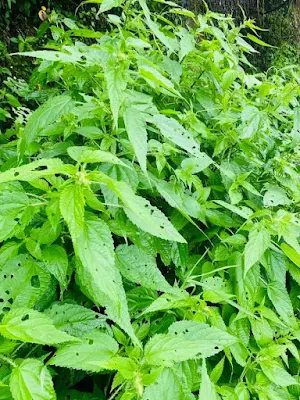
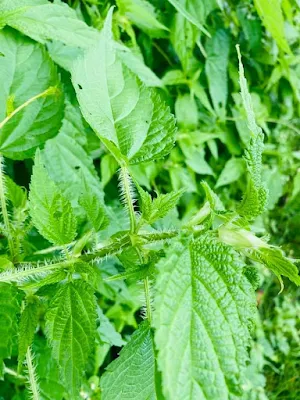
Urtica dioica (Stinging Nettle) – Urticaceae,
an herbaceous perennial monoecious plant spread in temperate and sub-tropical zones. Nettle has a long medicinal history. In medieval Europe, it was used as a diuretic and to treat joint pain. In addition, it has been used for hundreds of years to treat anemia, eczema, arthritis, and gout. Other folk medicine applications are wound healing and treatment of scalp seborrhea. Modern clinical application of nettle is in the management of symptoms of benign prostatic hyperplasia (BPH), cardiovascular symptoms, diabetes, arthritis, and allergic rhinitis.
Reference
Surendra Parihar
Ex.Professor and Head.
Deptt. of Seed , Science and Technology.
Indian Agricultural Research Institute,
Pusa,
New Delhi,
India 110012
•
• Ayurveda, Ayurveda Initiative Global, Ayurvedic Medicine, Ayurvedic Treatment, Dombivli, India, Medicinal Plants, Mumbai, Pure Herbs,
Medicinal_Plants
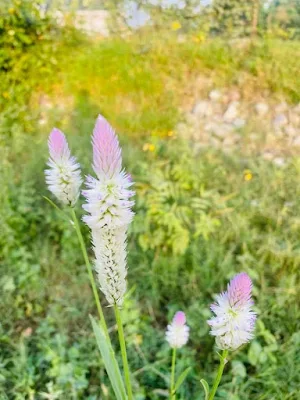
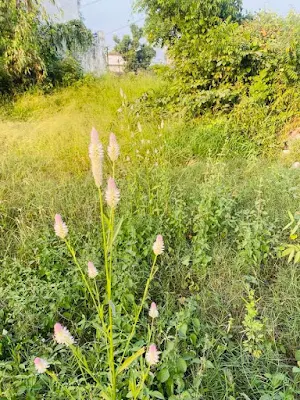
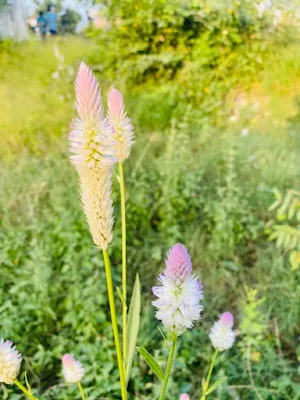
Celosia argentea Syn.: Celosia japonica, Celosia stricta, Celosia plumose (Common name: Silver Cockscomb, White Cockscomb, Flamingo Feathers, Wheat Celosia) – Amaranthaceae,
an erect branching plant with narrow-elliptic or lance-shaped leaves with hundreds of tiny flowers packed in dense spikes of silver-white flowers which usually stand above the foliage. This species also found in the Himalayas and Western Ghats and also used in folk medicine as the seeds are hypotensive and ophthalmic and used in the treatment of diarrhoea, bloodshot eyes, blurring of vision, cataracts and hypertension. The seeds are widely used in India for the treatment of diabetes mellitus).
Reference
Surendra Parihar
Ex.Professor and Head.
Deptt. of Seed , Science and Technology.
Indian Agricultural Research Institute,
Pusa,
New Delhi,
India 110012
•
• Ayurveda, Ayurveda Initiative Global, Ayurvedic Medicine, Ayurvedic Treatment, Dombivli, India, Medicinal Plants, Mumbai, Pure Herbs,
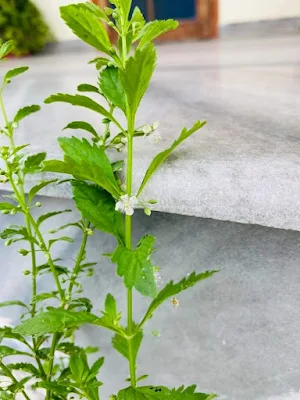
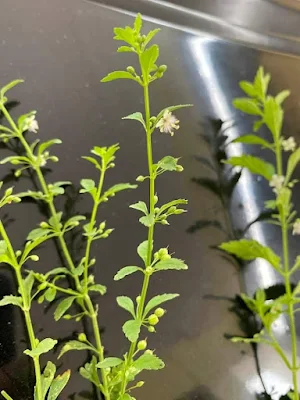
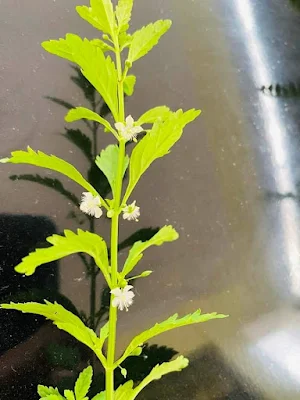
Scoparia dulcis (commonly known as licorice weed, goatweed, scoparia-weed, and sweet-broom) – Plantiginaceae,
a native to the Neotropics but can be found throughout the tropical and subtropical world. Considered a weed, it has been used in traditional medicine for various purposes. For instance, it has been used for diabetes in India and hypertension in Taiwan. In Siddha medicine, it is used for the treatment of kidney stones. Chemicals that have been isolated from Scoparia dulcis include scoparinol and epinephrine.
Reference
Surendra Parihar
Ex.Professor and Head.
Deptt. of Seed , Science and Technology.
Indian Agricultural Research Institute,
Pusa,
New Delhi,
India 110012
•
• Ayurveda, Ayurveda Initiative Global, Ayurvedic Medicine, Ayurvedic Treatment, Dombivli, India, Medicinal Plants, Mumbai, Pure Herbs,
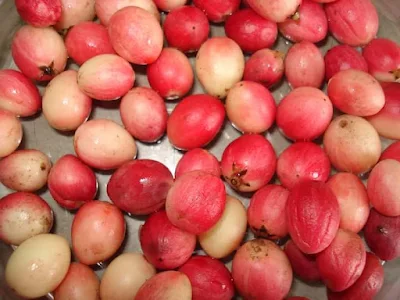
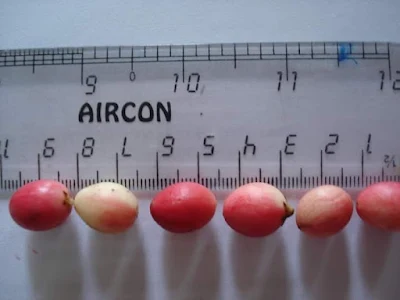
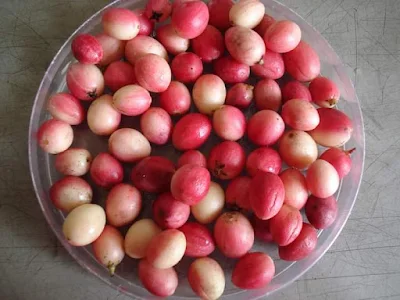
Fruits of Carissa carandas, commonly known as Karonda (Apocynaceae) are available with vegetable vendors during this season for edible uses and we have purchased these for making ‘KarondaPickle’. Fruit Very sour but it is sourishsweet when fully ripe. It can be eaten raw or stewed with sugar.
In India it is mainly used as pickles, however, it can also be made into jam and jellies. Furthermore, the fruit is also used to make beverages, curries and tarts. Karonda fruit are also used in Ayurveda to treat indigestion, fresh and infected wounds, skin diseases, urinary disorders etc.
Reference
Surendra Parihar
Ex.Professor and Head.
Deptt. of Seed , Science and Technology.
Indian Agricultural Research Institute,
Pusa,
New Delhi,
India 110012
•
• Ayurveda, Ayurveda Initiative Global, Ayurvedic Medicine, Ayurvedic Treatment, Dombivli, India, Medicinal Plants, Mumbai, Pure Herbs,
Sacred_trees
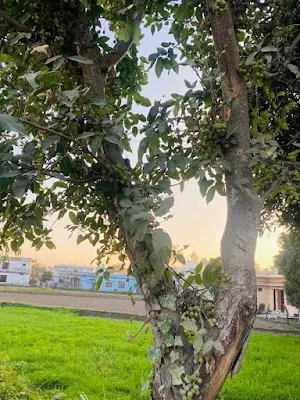
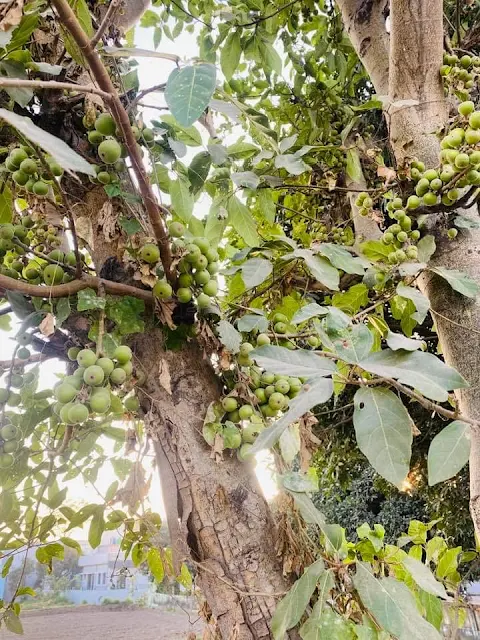
Ficus racemose Syn. F. glomerata (Common names: cluster figs, gular figs, Indian figs, Atti, Buah Loa, Lo fruits etc.) - Moraceae,
an excellent source of fiber to regulate the digestive tract and are high in calcium to strengthen bones. In Ayurveda, Cluster figs are used as an anti-inflammatory, cleansing, and blood purifying ingredient. Cluster figs are best suited for both raw or cooked applications, including stir-frying, boiling, and roasting. The fruits can be consumed fresh can also be pickled. When the fruits are mature, their sweet flesh can be simmered into jams, jellies etc. Cluster fig trees are known as Udumbara in Sanskrit and are sacred trees intertwined with many legends and stories. The tree is associated with the guru Dattatreya, a deity believed to embody Vishnu, Shiva, and Brahma. Dattatreya is also known as one of the lords of yoga, and many different sectors worship the deity in the present-day. Throughout India, Udumbara trees are often planted in temples dedicated to Dattatreya.
Reference
Surendra Parihar
Ex.Professor and Head.
Deptt. of Seed , Science and Technology.
Indian Agricultural Research Institute,
Pusa,
New Delhi,
India 110012
•
• Ayurveda, Ayurveda Initiative Global, Ayurvedic Medicine, Ayurvedic Treatment, Dombivli, India, Medicinal Plants, Mumbai, Pure Herbs,
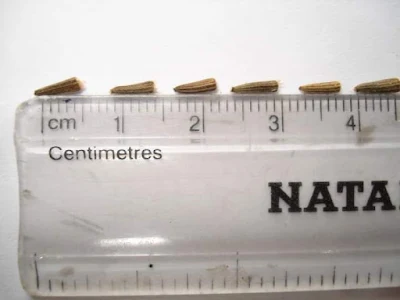
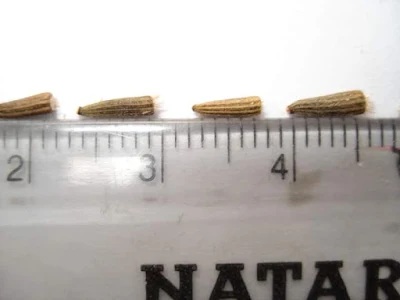
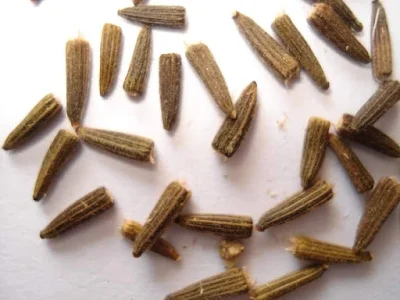
Seeds of Vernonia anthelmintica (Syn. Centratherum anthelminticum) – Asteraceae.
Seeds are available commercially and called Kalijiri. Kalijiri is a vital source of various compounds and is used extensively in the management of cough, fever and diarrhoea. In Ayurveda, Kalijiri seeds play a critical role in managing ulcers, skin disease and leucoderma.The seeds are also used for asthma, kidney troubles and inflammation. Oil (obtained from seeds) is used extensively in Homeopathy and Unani system of medicine.
Reference
Surendra Parihar
Ex.Professor and Head.
Deptt. of Seed , Science and Technology.
Indian Agricultural Research Institute,
Pusa,
New Delhi,
India 110012
•
• Ayurveda, Ayurveda Initiative Global, Ayurvedic Medicine, Ayurvedic Treatment, Dombivli, India, Medicinal Plants, Mumbai, Pure Herbs,
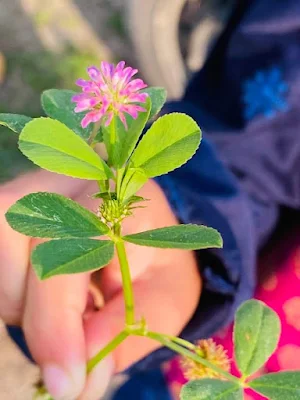
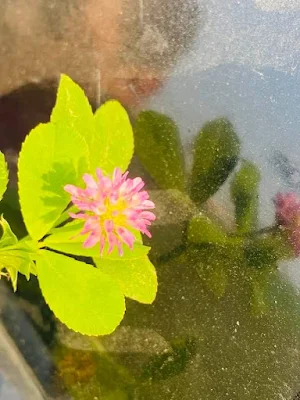
Trifolium pratense (Red clover) – Fabaceae, extensively grown as pasture improvement and forage for livestock and poultry.
The flowers have a wide variety of uses in herbal medicine. The native range of this species is Macaronesia, NW. Africa, Europe to Mongolia and Himalaya and grows primarily in the temperate biome. It is used as animal food, a medicine and invertebrate food, has environmental uses and social uses.
Reference
Surendra Parihar
Ex.Professor and Head.
Deptt. of Seed , Science and Technology.
Indian Agricultural Research Institute,
Pusa,
New Delhi,
India 110012
•
• Ayurveda, Ayurveda Initiative Global, Ayurvedic Medicine, Ayurvedic Treatment, Dombivli, India, Medicinal Plants, Mumbai, Pure Herbs,
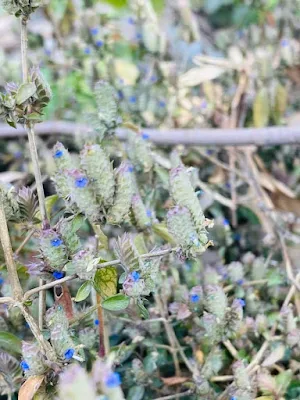
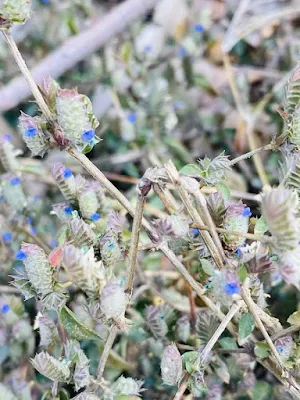
Rungia pectinata Syn. R.parviflora ( Mushroom Plant) – Acanthaceae,
a small annual herb native to Southeast Asia and can be found growing in a variety of habitats as a weed. It is an important traditional Chinese herbal medicine.
Reference
Surendra Parihar
Ex.Professor and Head.
Deptt. of Seed , Science and Technology.
Indian Agricultural Research Institute,
Pusa,
New Delhi,
India 110012
•
• Ayurveda, Ayurveda Initiative Global, Ayurvedic Medicine, Ayurvedic Treatment, Dombivli, India, Medicinal Plants, Mumbai, Pure Herbs,
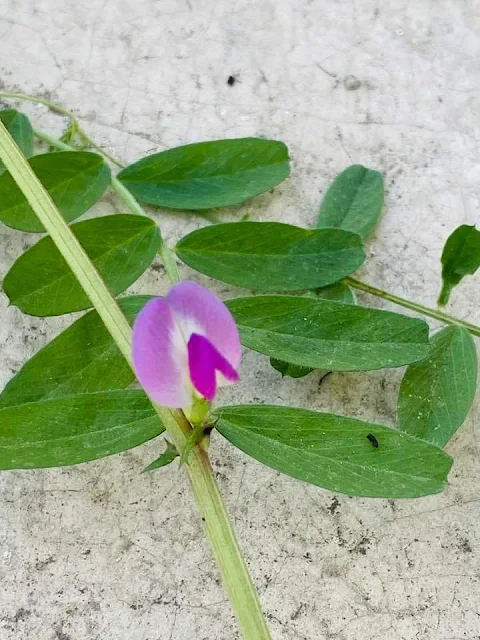
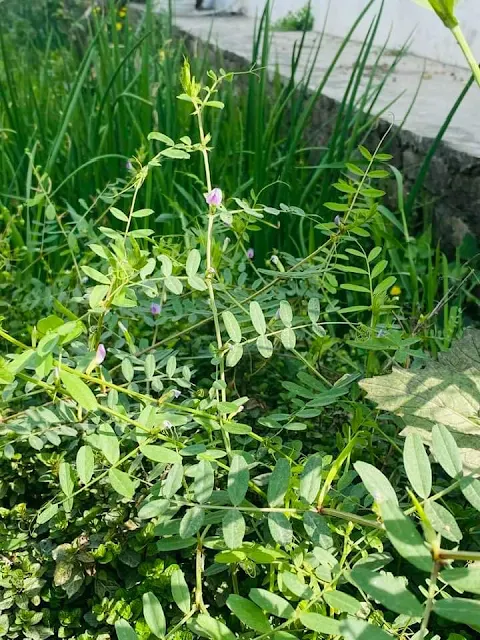
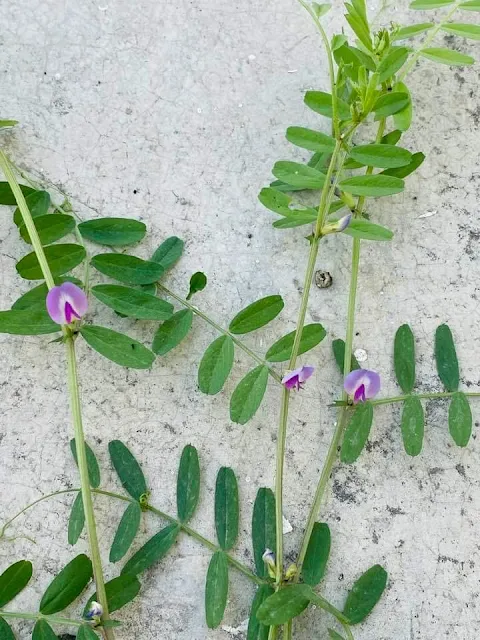
Vicia sativa (known as the common vetch, garden vetch, tare or simply vetch) – Fabaceae,
a common winter weed in north India. It is also cultivated in limited regions due to anti-nutritional compounds in the seed although it is grown in dryland agricultural zones in Australia, China and Ethiopia due to its drought tolerance and very low nutrient requirements compared to other legumes. In these agricultural zones common vetch is grown as a green manure, livestock fodder or rotation crop.
Reference
Surendra Parihar
Ex.Professor and Head.
Deptt. of Seed , Science and Technology.
Indian Agricultural Research Institute,
Pusa,
New Delhi,
India 110012
•
• Ayurveda, Ayurveda Initiative Global, Ayurvedic Medicine, Ayurvedic Treatment, Dombivli, India, Medicinal Plants, Mumbai, Pure Herbs,
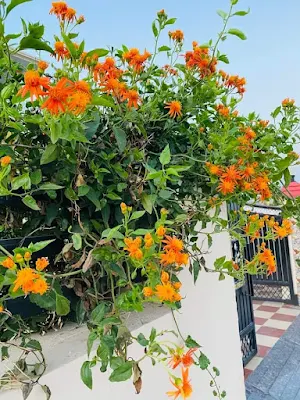
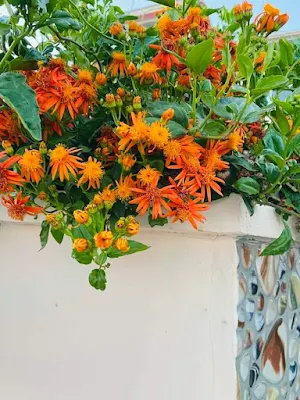
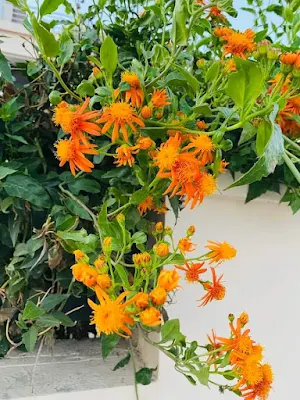
Pseudogynoxys chenopodioides Syn.: Senecio confusus, Senecio chenopodioides (Common name: Mexican Flame Vine, Orange Glow Vine) - Asteraceae,
a woody tropical vine with the enchanting summertime habit of covering itself in brilliant daisy-like flowers. The bright orange blossoms change to almost red as the flower age. The scientific name of this plant Senecio confusus translates to "confused old man" referring, probably, to this vine's rampant habit of growth. If not provided support, Mexican flame vine grows this way and that in a confusion of stems that piles up to eventually form a sprawling shrub.
Reference
Surendra Parihar
Ex.Professor and Head.
Deptt. of Seed , Science and Technology.
Indian Agricultural Research Institute,
Pusa,
New Delhi,
India 110012
•
• Ayurveda, Ayurveda Initiative Global, Ayurvedic Medicine, Ayurvedic Treatment, Dombivli, India, Medicinal Plants, Mumbai, Pure Herbs,
Solanum torvum (Common names: Turkey Berry, susumber, Bhurat, Bhankatiya etc.) - Solanaceae ,
is found throughout the world’s tropical regions, although it is native to Central America. Whole plant is used as sedative, diuretic and stomachic. Fruit decoction is used to cure cough; useful in liver and spleen enlargement. Pounded roots are applied in cracks in the feet.
Reference
Surendra Parihar
Ex.Professor and Head.
Deptt. of Seed , Science and Technology.
Indian Agricultural Research Institute,
Pusa,
New Delhi,
India 110012
•
• Ayurveda, Ayurveda Initiative Global, Ayurvedic Medicine, Ayurvedic Treatment, Dombivli, India, Medicinal Plants, Mumbai, Pure Herbs,
Vallaris solanacea (Bread flower) - Apocynaceae,
a native to India, the smell is close to kewda, used to flavour rice in south East Asian countries.
Reference
Surendra Parihar
Ex.Professor and Head.
Deptt. of Seed , Science and Technology.
Indian Agricultural Research Institute,
Pusa,
New Delhi,
India 110012
•
• Ayurveda, Ayurveda Initiative Global, Ayurvedic Medicine, Ayurvedic Treatment, Dombivli, India, Medicinal Plants, Mumbai, Pure Herbs,
Datura metel (Common names: Devil's Trumpet, Horn of plenty, downy thorn apple, Safed dhatura etc.) - Solanaceae,
an herbaceous perennial with a sprawling, mounded habit, has spectacular double / triple-flowers that are white in color with purplish tinge. Plants from the Datura genus have a long history of use throughout both the Old and New Worlds. In India, the species is considered a holy plant called dutra or dhatura. The Daturas have been used for their narcotic properties in the wines and palm beers of Africa and are still used today in Morocco.
Reference
Surendra Parihar
Ex.Professor and Head.
Deptt. of Seed , Science and Technology.
Indian Agricultural Research Institute,
Pusa,
New Delhi,
India 110012
•
• Ayurveda, Ayurveda Initiative Global, Ayurvedic Medicine, Ayurvedic Treatment, Dombivli, India, Medicinal Plants, Mumbai, Pure Herbs,
Polygonum plebeium Syn.: Polygonum plebejum (Common name: Small Knotweed, chimati saag, Lal buti) - Polygonaceae,
a prostrate, densely branched, annual herb. The species also found in the Himalayas.
Reference
Surendra Parihar
Ex.Professor and Head.
Deptt. of Seed , Science and Technology.
Indian Agricultural Research Institute,
Pusa,
New Delhi,
India 110012