Panchakarma Secrets for Women Health After 40 | Panchakarma Therapy

How Panchakarma Therapy Works for Hormonal Balance Naturally 

Hormonal imbalance is not just a physical condition it is a deep signal from the body asking for restoration balance and care

In the wisdom of Ayurveda the root of hormonal imbalance lies in disturbed doshas especially Vata and Pitta along with toxin accumulation known as Ama.

Panchakarma Therapy is a powerful Ayurvedic detoxification process that removes toxins restores dosha balance and naturally supports hormonal harmony

Image

Image

Image

Image

Image

Uma Age 48 lived a busy life in Mumbai balancing family responsibilities and work. But slowly she began to feel something was not right.

Irregular sleep sudden mood swings fatigue weight gain and emotional heaviness became part of her daily life. Doctors called it hormonal imbalance related to menopause. Medicines gave temporary relief but her inner peace was missing.

One day she visited an Ayurvedic doctor who explained

When the doshas especially Vata and Pitta become imbalanced hormones lose their natural rhythm

She began Panchakarma Therapy

The journey started with Snehana oil massage using warm herbal oils that soothed her nervous system
Followed by Swedana herbal steam which opened her channels
Then gentle detox therapies helped remove deep seated toxins

During Shirodhara she felt something shift within
A deep calmness she had not felt in years

Tears flowed not from pain but from release

Weeks later Uma noticed changes
Her sleep improved
Her mind became stable
Her body felt lighter
Her emotions felt grounded

Ayurveda teaches that true healing happens when body mind and spirit align together

Uma did not just regain hormonal balance
She rediscovered herself

Panchakarma Therapy

Virechana Therapy
Helps remove excess Pitta improves liver function supports hormonal balance

Basti Therapy
Best for balancing Vata regulates reproductive system and hormones

Shirodhara
Calms nervous system reduces stress hormones improves sleep

Abhyanga
Improves circulation nourishes tissues supports endocrine health

Ayurvedic Herbs

Ashwagandha
Balances stress hormones improves energy and mental stability

Shatavari
Powerful herb for female hormonal balance supports reproductive health

Guduchi
Boosts immunity detoxifies blood supports metabolism

Brahmi
Enhances mental clarity reduces anxiety and emotional imbalance

Ayurvedic Medicine

Ashokarishta
Supports uterine health regulates menstrual cycle

Dashmoolarishta
Reduces inflammation strengthens body systems

Chandraprabha Vati
Supports urinary and reproductive system balance

Ayurvedic Tailam

Ksheerabala Tailam
Calms Vata nourishes nervous system

Dhanwantharam Tailam
Strengthens muscles improves circulation

Bala Ashwagandha Tailam
Supports hormonal and nervous system health

Diet

Warm freshly cooked meals improve digestion and reduce toxins

Include
Ghee for nourishment
Whole grains for stability
Fresh vegetables for detox
Herbal teas for calming effect

Avoid
Processed foods
Cold and stale meals
Excess sugar and caffeine

Yoga

Hormonal balance is deeply connected with breath and movement

Pranayama improves oxygen flow reduces stress hormones
Surya Namaskar improves metabolism
Baddha Konasana supports reproductive organs
Shavasana deeply relaxes mind and body

About Ayurveda

Ayurveda is a science of life that focuses on root cause healing rather than symptom suppression

It works through
Balancing doshas
Detoxifying the body
Strengthening digestion
Restoring natural rhythms

Ayurvedic Lifestyle 

Follow daily routine Dinacharya for stability
Sleep early wake early
Practice oil massage regularly
Eat at consistent times
Stay connected with nature

Consistency is the key to long term hormonal balance

FAQ

What is Panchakarma Therapy
It is a detoxification and rejuvenation process in Ayurveda

How long does Panchakarma take
Usually 7 to 21 days depending on condition

Is it safe for hormonal imbalance
Yes when done under expert guidance

When will results appear
Some feel relief within weeks while deeper healing takes time

Hormonal imbalance is not a disease it is a message from your body

Panchakarma Therapy offers a natural path to restore that balance
It heals not just physically but emotionally and spiritually

Uma journey reminds us

Healing begins when we listen to our body with awareness and care

Consult Ayurvedic Doctor

For personalized Panchakarma Therapy and hormonal balance 

Consult a qualified Ayurvedic doctor before starting any therapy

For Mental Wellbeing | Online Sudarshan Kriya, Yoga, Meditation visit
https://ayurvedainitiative-blog.tumblr.com/

This content is for educational purposes only. Always consult a qualified Ayurvedic practitioner before starting any treatment.

Balance your hormones naturally awaken your inner harmony with Ayurveda

How Panchakarma Reduces Migraine Naturally Without Side Effects | Panchakarma Therapy

Panchakarma Therapy for Migraine and Headache Relief A Natural Ayurvedic Healing Journey

In today’s fast moving world, headaches and migraines have become a silent struggle for many. Stress, irregular lifestyle, poor sleep, and emotional burden slowly disturb the balance of the body and mind. Ayurveda, the ancient science of life, offers a gentle yet powerful solution through Panchakarma therapy. It does not just suppress pain but works deeply to cleanse, heal, and restore balance from within.

Panchakarma Therapy for Migraine and Headache Relief A Natural Ayurvedic Healing Journey In today’s fast moving world, headaches and migraines have become a silent struggle for many. Stress, irregular lifestyle, poor sleep, and emotional burden slowly disturb the balance of the body and mind. Ayurveda, the ancient science of life, offers a gentle yet powerful solution through Panchakarma therapy. It does not just suppress pain but works deeply to cleanse, heal, and restore balance from within.  Image  Image  Image  Ananya was always strong. She carried responsibilities quietly, never complaining, never slowing down. But her body had its own language.  It began with mild headaches. Then came intense migraines that made even light unbearable. She tried medicines, quick fixes, and temporary solutions. Nothing truly healed her.  One day, exhausted and emotionally drained, she visited an Ayurvedic center. The doctor listened not only to her symptoms but also to her story. For the first time, she felt understood.  She was advised Panchakarma therapy. At first, she doubted how simple therapies like oil treatments and detox could heal something so intense. But she decided to trust the process.  Days passed slowly. Warm oil flowed over her forehead during Shirodhara. Gentle massages relaxed her tense muscles. Her mind, once restless, began to soften.  With each therapy, something deeper was releasing. Not just toxins from her body, but also years of stress, suppressed emotions, and silent pain.  After a few weeks, something changed. The headaches reduced. The heaviness lifted. But more importantly, Ananya felt peaceful again.  She realized that her migraines were not just physical. They were her body’s way of asking her to pause, to heal, to listen.  Healing did not come from fighting the pain, but from understanding it.  Panchakarma Therapy with Benefits Panchakarma is a detoxification and rejuvenation therapy that removes deep rooted toxins and restores balance.  Shirodhara Warm herbal oil is gently poured on the forehead Calms the nervous system Reduces stress and anxiety Improves sleep and mental clarity Helps in migraine relief  Nasya Therapy Herbal oils are administered through the nose Clears sinus and head channels Reduces headache intensity Improves breathing and mental focus  Abhyanga Full body oil massage Improves blood circulation Relieves muscle tension Promotes relaxation  Basti Therapy Medicated enema therapy Balances Vata dosha which is responsible for headaches Detoxifies the body deeply Strengthens nervous system  Ayurvedic Herbs with Benefits Brahmi Improves brain function Reduces stress and anxiety Supports mental calmness  Ashwagandha Strengthens nervous system Reduces fatigue and stress Improves sleep quality  Shankhpushpi Enhances memory and concentration Calms the mind Helpful in chronic headaches  Jatamansi Natural relaxant for the brain Reduces mental tension Supports emotional balance  Ayurvedic Medicine Brahmi Ghrita Supports brain health Improves memory and reduces migraine frequency  Saraswatarishta Enhances mental strength Reduces anxiety and stress  Pathyadi Kwath Traditionally used for headache relief Helps balance Pitta and Vata  Godanti Bhasma Known for relieving severe headaches and migraines Provides cooling effect to the body  Always consult an Ayurvedic doctor before using any medicine  Diet with Benefits Warm and freshly cooked food supports healing  Include Ghee for nourishing the brain Fresh fruits like apple and pomegranate Vegetables like bottle gourd and pumpkin Herbal teas for relaxation  Avoid Spicy and oily food Processed and packaged food Excess caffeine Irregular eating habits  A balanced diet helps reduce migraine triggers and improves overall health   Ayurvedic Tailam Ksheerabala Tailam Calms the nervous system Reduces headache and stress  Brahmi Tailam Improves mental clarity Helpful in insomnia and migraines  Dhanwantharam Tailam Strengthens body and nerves Reduces Vata imbalance  Regular use in massage enhances relaxation and healing  Yoga with Benefits Shavasana Deep relaxation for body and mind Reduces stress  Anulom Vilom Balances energy channels Improves oxygen flow  Bhramari Pranayama Soothing breathing technique Reduces headache intensity  Balasana Relieves tension in head and neck Promotes calmness  Yoga connects body and mind, supporting long term migraine relief  About Ayurveda Ayurveda is an ancient holistic healing system that focuses on balance between body, mind, and soul. It believes that health is not just absence of disease but a state of complete harmony.  Through natural therapies like Panchakarma, Ayurveda removes toxins, strengthens immunity, and restores inner peace.  Ayurvedic Lifestyle Guidance Wake up early and follow a daily routine Practice meditation to calm the mind Avoid excessive screen time Sleep on time and maintain consistency Stay hydrated and eat mindfully  A disciplined lifestyle prevents recurrence of migraines  Migraine is not just a physical condition. It is often a signal from within. Panchakarma therapy offers a path to listen, heal, and transform.  When the body is cleansed and the mind is calm, pain slowly fades away. True healing begins when we reconnect with ourselves.  Every individual has a unique body constitution. It is important to consult a qualified Ayurvedic doctor to understand your Prakriti and receive personalized Panchakarma therapy.  Professional guidance ensures safe and effective healing.

Panchakarma Therapy for Migraine and Headache Relief A Natural Ayurvedic Healing Journey In today’s fast moving world, headaches and migraines have become a silent struggle for many. Stress, irregular lifestyle, poor sleep, and emotional burden slowly disturb the balance of the body and mind. Ayurveda, the ancient science of life, offers a gentle yet powerful solution through Panchakarma therapy. It does not just suppress pain but works deeply to cleanse, heal, and restore balance from within.  Image  Image  Image  Ananya was always strong. She carried responsibilities quietly, never complaining, never slowing down. But her body had its own language.  It began with mild headaches. Then came intense migraines that made even light unbearable. She tried medicines, quick fixes, and temporary solutions. Nothing truly healed her.  One day, exhausted and emotionally drained, she visited an Ayurvedic center. The doctor listened not only to her symptoms but also to her story. For the first time, she felt understood.  She was advised Panchakarma therapy. At first, she doubted how simple therapies like oil treatments and detox could heal something so intense. But she decided to trust the process.  Days passed slowly. Warm oil flowed over her forehead during Shirodhara. Gentle massages relaxed her tense muscles. Her mind, once restless, began to soften.  With each therapy, something deeper was releasing. Not just toxins from her body, but also years of stress, suppressed emotions, and silent pain.  After a few weeks, something changed. The headaches reduced. The heaviness lifted. But more importantly, Ananya felt peaceful again.  She realized that her migraines were not just physical. They were her body’s way of asking her to pause, to heal, to listen.  Healing did not come from fighting the pain, but from understanding it.  Panchakarma Therapy with Benefits Panchakarma is a detoxification and rejuvenation therapy that removes deep rooted toxins and restores balance.  Shirodhara Warm herbal oil is gently poured on the forehead Calms the nervous system Reduces stress and anxiety Improves sleep and mental clarity Helps in migraine relief  Nasya Therapy Herbal oils are administered through the nose Clears sinus and head channels Reduces headache intensity Improves breathing and mental focus  Abhyanga Full body oil massage Improves blood circulation Relieves muscle tension Promotes relaxation  Basti Therapy Medicated enema therapy Balances Vata dosha which is responsible for headaches Detoxifies the body deeply Strengthens nervous system  Ayurvedic Herbs with Benefits Brahmi Improves brain function Reduces stress and anxiety Supports mental calmness  Ashwagandha Strengthens nervous system Reduces fatigue and stress Improves sleep quality  Shankhpushpi Enhances memory and concentration Calms the mind Helpful in chronic headaches  Jatamansi Natural relaxant for the brain Reduces mental tension Supports emotional balance  Ayurvedic Medicine Brahmi Ghrita Supports brain health Improves memory and reduces migraine frequency  Saraswatarishta Enhances mental strength Reduces anxiety and stress  Pathyadi Kwath Traditionally used for headache relief Helps balance Pitta and Vata  Godanti Bhasma Known for relieving severe headaches and migraines Provides cooling effect to the body  Always consult an Ayurvedic doctor before using any medicine  Diet with Benefits Warm and freshly cooked food supports healing  Include Ghee for nourishing the brain Fresh fruits like apple and pomegranate Vegetables like bottle gourd and pumpkin Herbal teas for relaxation  Avoid Spicy and oily food Processed and packaged food Excess caffeine Irregular eating habits  A balanced diet helps reduce migraine triggers and improves overall health   Ayurvedic Tailam Ksheerabala Tailam Calms the nervous system Reduces headache and stress  Brahmi Tailam Improves mental clarity Helpful in insomnia and migraines  Dhanwantharam Tailam Strengthens body and nerves Reduces Vata imbalance  Regular use in massage enhances relaxation and healing  Yoga with Benefits Shavasana Deep relaxation for body and mind Reduces stress  Anulom Vilom Balances energy channels Improves oxygen flow  Bhramari Pranayama Soothing breathing technique Reduces headache intensity  Balasana Relieves tension in head and neck Promotes calmness  Yoga connects body and mind, supporting long term migraine relief  About Ayurveda Ayurveda is an ancient holistic healing system that focuses on balance between body, mind, and soul. It believes that health is not just absence of disease but a state of complete harmony.  Through natural therapies like Panchakarma, Ayurveda removes toxins, strengthens immunity, and restores inner peace.  Ayurvedic Lifestyle Guidance Wake up early and follow a daily routine Practice meditation to calm the mind Avoid excessive screen time Sleep on time and maintain consistency Stay hydrated and eat mindfully  A disciplined lifestyle prevents recurrence of migraines  Migraine is not just a physical condition. It is often a signal from within. Panchakarma therapy offers a path to listen, heal, and transform.  When the body is cleansed and the mind is calm, pain slowly fades away. True healing begins when we reconnect with ourselves.  Every individual has a unique body constitution. It is important to consult a qualified Ayurvedic doctor to understand your Prakriti and receive personalized Panchakarma therapy.  Professional guidance ensures safe and effective healing.

Panchakarma Therapy for Migraine and Headache Relief A Natural Ayurvedic Healing Journey In today’s fast moving world, headaches and migraines have become a silent struggle for many. Stress, irregular lifestyle, poor sleep, and emotional burden slowly disturb the balance of the body and mind. Ayurveda, the ancient science of life, offers a gentle yet powerful solution through Panchakarma therapy. It does not just suppress pain but works deeply to cleanse, heal, and restore balance from within.  Image  Image  Image  Ananya was always strong. She carried responsibilities quietly, never complaining, never slowing down. But her body had its own language.  It began with mild headaches. Then came intense migraines that made even light unbearable. She tried medicines, quick fixes, and temporary solutions. Nothing truly healed her.  One day, exhausted and emotionally drained, she visited an Ayurvedic center. The doctor listened not only to her symptoms but also to her story. For the first time, she felt understood.  She was advised Panchakarma therapy. At first, she doubted how simple therapies like oil treatments and detox could heal something so intense. But she decided to trust the process.  Days passed slowly. Warm oil flowed over her forehead during Shirodhara. Gentle massages relaxed her tense muscles. Her mind, once restless, began to soften.  With each therapy, something deeper was releasing. Not just toxins from her body, but also years of stress, suppressed emotions, and silent pain.  After a few weeks, something changed. The headaches reduced. The heaviness lifted. But more importantly, Ananya felt peaceful again.  She realized that her migraines were not just physical. They were her body’s way of asking her to pause, to heal, to listen.  Healing did not come from fighting the pain, but from understanding it.  Panchakarma Therapy with Benefits Panchakarma is a detoxification and rejuvenation therapy that removes deep rooted toxins and restores balance.  Shirodhara Warm herbal oil is gently poured on the forehead Calms the nervous system Reduces stress and anxiety Improves sleep and mental clarity Helps in migraine relief  Nasya Therapy Herbal oils are administered through the nose Clears sinus and head channels Reduces headache intensity Improves breathing and mental focus  Abhyanga Full body oil massage Improves blood circulation Relieves muscle tension Promotes relaxation  Basti Therapy Medicated enema therapy Balances Vata dosha which is responsible for headaches Detoxifies the body deeply Strengthens nervous system  Ayurvedic Herbs with Benefits Brahmi Improves brain function Reduces stress and anxiety Supports mental calmness  Ashwagandha Strengthens nervous system Reduces fatigue and stress Improves sleep quality  Shankhpushpi Enhances memory and concentration Calms the mind Helpful in chronic headaches  Jatamansi Natural relaxant for the brain Reduces mental tension Supports emotional balance  Ayurvedic Medicine Brahmi Ghrita Supports brain health Improves memory and reduces migraine frequency  Saraswatarishta Enhances mental strength Reduces anxiety and stress  Pathyadi Kwath Traditionally used for headache relief Helps balance Pitta and Vata  Godanti Bhasma Known for relieving severe headaches and migraines Provides cooling effect to the body  Always consult an Ayurvedic doctor before using any medicine  Diet with Benefits Warm and freshly cooked food supports healing  Include Ghee for nourishing the brain Fresh fruits like apple and pomegranate Vegetables like bottle gourd and pumpkin Herbal teas for relaxation  Avoid Spicy and oily food Processed and packaged food Excess caffeine Irregular eating habits  A balanced diet helps reduce migraine triggers and improves overall health   Ayurvedic Tailam Ksheerabala Tailam Calms the nervous system Reduces headache and stress  Brahmi Tailam Improves mental clarity Helpful in insomnia and migraines  Dhanwantharam Tailam Strengthens body and nerves Reduces Vata imbalance  Regular use in massage enhances relaxation and healing  Yoga with Benefits Shavasana Deep relaxation for body and mind Reduces stress  Anulom Vilom Balances energy channels Improves oxygen flow  Bhramari Pranayama Soothing breathing technique Reduces headache intensity  Balasana Relieves tension in head and neck Promotes calmness  Yoga connects body and mind, supporting long term migraine relief  About Ayurveda Ayurveda is an ancient holistic healing system that focuses on balance between body, mind, and soul. It believes that health is not just absence of disease but a state of complete harmony.  Through natural therapies like Panchakarma, Ayurveda removes toxins, strengthens immunity, and restores inner peace.  Ayurvedic Lifestyle Guidance Wake up early and follow a daily routine Practice meditation to calm the mind Avoid excessive screen time Sleep on time and maintain consistency Stay hydrated and eat mindfully  A disciplined lifestyle prevents recurrence of migraines  Migraine is not just a physical condition. It is often a signal from within. Panchakarma therapy offers a path to listen, heal, and transform.  When the body is cleansed and the mind is calm, pain slowly fades away. True healing begins when we reconnect with ourselves.  Every individual has a unique body constitution. It is important to consult a qualified Ayurvedic doctor to understand your Prakriti and receive personalized Panchakarma therapy.  Professional guidance ensures safe and effective healing.

Ananya was always strong. She carried responsibilities quietly, never complaining, never slowing down. But her body had its own language.

It began with mild headaches. Then came intense migraines that made even light unbearable. She tried medicines, quick fixes, and temporary solutions. Nothing truly healed her.

One day, exhausted and emotionally drained, she visited an Ayurvedic center. The doctor listened not only to her symptoms but also to her story. For the first time, she felt understood.

She was advised Panchakarma therapy. At first, she doubted how simple therapies like oil treatments and detox could heal something so intense. But she decided to trust the process.

Days passed slowly. Warm oil flowed over her forehead during Shirodhara. Gentle massages relaxed her tense muscles. Her mind, once restless, began to soften.

With each therapy, something deeper was releasing. Not just toxins from her body, but also years of stress, suppressed emotions, and silent pain.

After a few weeks, something changed. The headaches reduced. The heaviness lifted. But more importantly, Ananya felt peaceful again.

She realized that her migraines were not just physical. They were her body’s way of asking her to pause, to heal, to listen.

Healing did not come from fighting the pain, but from understanding it.

Panchakarma Therapy with Benefits

Panchakarma is a detoxification and rejuvenation therapy that removes deep rooted toxins and restores balance.

Shirodhara
Warm herbal oil is gently poured on the forehead
Calms the nervous system
Reduces stress and anxiety
Improves sleep and mental clarity
Helps in migraine relief

Nasya Therapy
Herbal oils are administered through the nose
Clears sinus and head channels
Reduces headache intensity
Improves breathing and mental focus

Abhyanga
Full body oil massage
Improves blood circulation
Relieves muscle tension
Promotes relaxation

Basti Therapy
Medicated enema therapy
Balances Vata dosha which is responsible for headaches
Detoxifies the body deeply
Strengthens nervous system

Ayurvedic Herbs with Benefits

Brahmi
Improves brain function
Reduces stress and anxiety
Supports mental calmness

Ashwagandha
Strengthens nervous system
Reduces fatigue and stress
Improves sleep quality

Shankhpushpi
Enhances memory and concentration
Calms the mind
Helpful in chronic headaches

Jatamansi
Natural relaxant for the brain
Reduces mental tension
Supports emotional balance

Ayurvedic Medicine

Brahmi Ghrita
Supports brain health
Improves memory and reduces migraine frequency

Saraswatarishta
Enhances mental strength
Reduces anxiety and stress

Pathyadi Kwath
Traditionally used for headache relief
Helps balance Pitta and Vata

Godanti Bhasma
Known for relieving severe headaches and migraines
Provides cooling effect to the body

Always consult an Ayurvedic doctor before using any medicine

Diet with Benefits

Warm and freshly cooked food supports healing

Include
Ghee for nourishing the brain
Fresh fruits like apple and pomegranate
Vegetables like bottle gourd and pumpkin
Herbal teas for relaxation

Avoid
Spicy and oily food
Processed and packaged food
Excess caffeine
Irregular eating habits

A balanced diet helps reduce migraine triggers and improves overall health

 Ayurvedic Tailam

Ksheerabala Tailam
Calms the nervous system
Reduces headache and stress

Brahmi Tailam
Improves mental clarity
Helpful in insomnia and migraines

Dhanwantharam Tailam
Strengthens body and nerves
Reduces Vata imbalance

Regular use in massage enhances relaxation and healing

Yoga with Benefits

Shavasana
Deep relaxation for body and mind
Reduces stress

Anulom Vilom
Balances energy channels
Improves oxygen flow

Bhramari Pranayama
Soothing breathing technique
Reduces headache intensity

Balasana
Relieves tension in head and neck
Promotes calmness

Yoga connects body and mind, supporting long term migraine relief

About Ayurveda

Ayurveda is an ancient holistic healing system that focuses on balance between body, mind, and soul. It believes that health is not just absence of disease but a state of complete harmony.

Through natural therapies like Panchakarma, Ayurveda removes toxins, strengthens immunity, and restores inner peace.

Ayurvedic Lifestyle Guidance

Wake up early and follow a daily routine
Practice meditation to calm the mind
Avoid excessive screen time
Sleep on time and maintain consistency
Stay hydrated and eat mindfully

A disciplined lifestyle prevents recurrence of migraines

Migraine is not just a physical condition. It is often a signal from within. Panchakarma therapy offers a path to listen, heal, and transform.

When the body is cleansed and the mind is calm, pain slowly fades away. True healing begins when we reconnect with ourselves.

Every individual has a unique body constitution. It is important to consult a qualified Ayurvedic doctor to understand your Prakriti and receive personalized Panchakarma therapy.

Professional guidance ensures safe and effective healing.

Premature Graying: Ayurvedic Causes & Natural Remedies | Dr Sagar Narkhede Thane

 Premature Graying: Ayurvedic Perspective

Understanding Early Hair Whitening Through Root-Cause Healing

Premature graying of hair is becoming increasingly common in adolescents and young adults worldwide. What was once considered a natural sign of aging is now frequently seen in individuals in their 20s and even teenage years.

From an Ayurvedic standpoint, premature graying is not merely a cosmetic issue—it is a signal of internal imbalance.

As an Ayurvedic physician, I emphasize:

Hair color reflects the strength of your digestion, blood quality, stress levels, and dosha balance.

In this detailed guide, we explore the modern understanding and Ayurvedic perspective of premature graying, along with herbs, therapies, diet, and lifestyle solutions for natural hair health.

About Ayurveda

Image

Image

Image

Image

Ayurveda is the ancient Indian system of holistic medicine, practiced for over 5,000 years. The word Ayurveda means:

  • Ayus – Life

  • Veda – Knowledge

It is based on the balance of:

  • Doshas (Vata, Pitta, Kapha)

  • Agni (digestive fire)

  • Ama (toxins)

  • Dhatus (body tissues)

  • Mental and emotional health

Ayurveda does not treat symptoms in isolation. Instead, it addresses the root metabolic and constitutional imbalance causing the issue.

Premature graying is known in Ayurveda as:
Palitya

Modern Explanation of Premature Graying

Image

Image


Hair color is determined by melanin, produced by melanocyte cells in hair follicles.

Premature graying occurs when:

  • Melanin production reduces

  • Oxidative stress damages melanocytes

  • Nutritional deficiencies affect pigment formation

Common Modern Causes:

  • Genetic predisposition

  • Chronic stress

  • Vitamin B12 deficiency

  • Iron deficiency

  • Thyroid disorders

  • Autoimmune conditions

  • Smoking

  • Excess chemical exposure

While hair dyes can temporarily mask the issue, they do not address internal imbalance.

Ayurvedic Perspective on Premature Graying (Palitya)

In Ayurveda, hair is considered a byproduct (Upadhatu) of:

  • Asthi Dhatu (bone tissue)

Premature graying indicates disturbance in:

  • Pitta Dosha (primary cause)

  • Rakta Dhatu (blood tissue)

  • Agni (digestive fire)

  • Mental stress (Rajas aggravation)

1 Dosha Imbalance

 Pitta Dosha (Primary Factor)

Excess Pitta leads to:

  • Heat in scalp

  • Early pigment loss

  • Hair thinning

  • Irritability

  • Acid reflux

High internal heat damages melanocyte function.

 Vata Dosha

  • Dryness

  • Premature aging

  • Brittle hair

  • Stress-induced graying

 Kapha Dosha

Less commonly involved but may cause scalp congestion.

2 Role of Agni (Digestive Fire)

Weak digestion leads to improper nutrient assimilation.

Even if diet is adequate, poor Agni prevents nourishment of:

  • Asthi Dhatu

  • Hair follicles

3 Ama (Toxin Accumulation)

Ama obstructs microchannels (Srotas), reducing:

  • Blood supply to scalp

  • Nutrient delivery

  • Pigment cell health

Thus, premature graying is a systemic issue—not merely a scalp condition.

Ayurvedic Treatment Principles

1 Pacifying Pitta
2 Strengthening digestion
3 Detoxifying Rakta Dhatu
4 Reducing stress
5 Nourishing Asthi Dhatu
6 Supporting melanocyte health

 Powerful Ayurvedic Herbs & Therapies

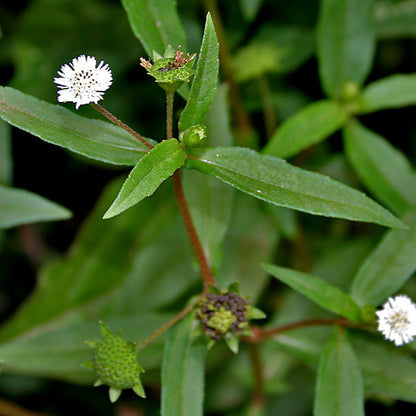
 1. Bhringraj 

Image

Image

  • Promotes hair pigmentation

  • Reduces premature greying

  • Strengthens roots

  • Cools Pitta

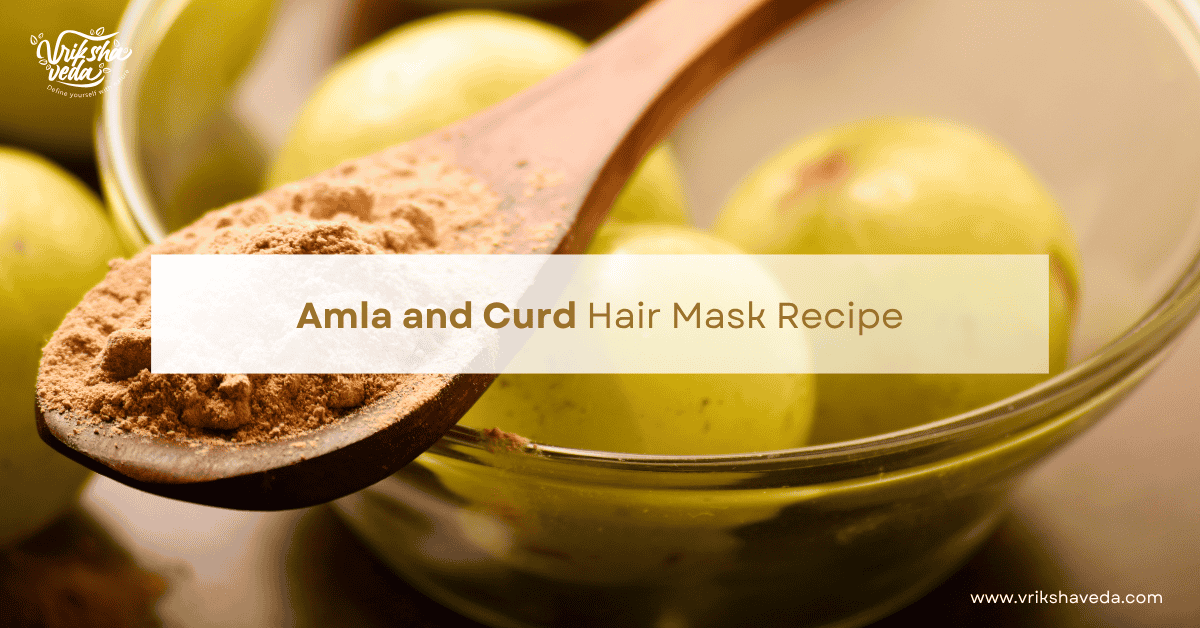
 2. Amla (Emblica officinalis)

Image


  • Rich in antioxidants

  • Supports melanin production

  • Reduces oxidative stress

  • Cools excess heat

 3. Brahmi (Bacopa monnieri)

Image

Image


  • Calms mind

  • Reduces stress

  • Improves scalp health

 4. Ashwagandha (Withania somnifera)

Image

Image


  • Balances cortisol

  • Reduces stress

  • Supports hormonal stability

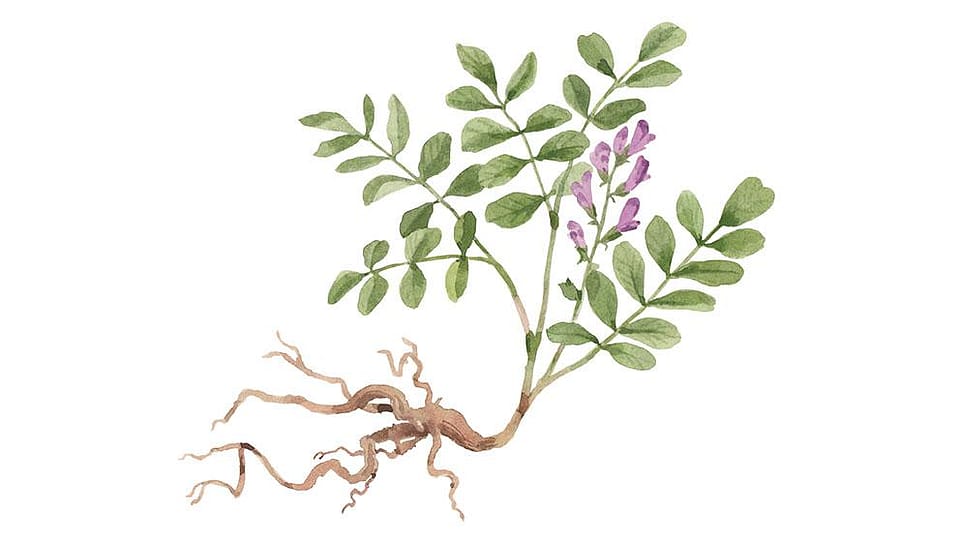
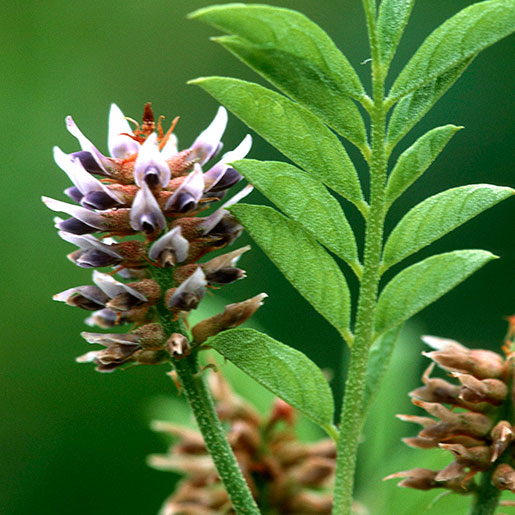
 5. Yashtimadhu (Licorice)

Image


Image

Image

  • Pacifies Pitta

  • Supports scalp health

  • Reduces inflammation

 6. Triphala

Image

Image


  • Detoxifies body

  • Improves digestion

  • Enhances nutrient absorption

 7. Panchakarma Therapies

Image

Image

Image

Image

  • Shirodhara (stress relief)

  • Nasya (scalp nourishment)

  • Abhyanga (oil massage)

  • Virechana (Pitta detox)

These therapies correct internal heat and promote long-term balance.

Ayurvedic Diet for Preventing Premature Graying

Foods to Include:

  • Ghee (moderate)

  • Amla preparations

  • Black sesame seeds

  • Coconut

  • Leafy greens

  • Dates

  • Almonds

  • Milk (if tolerated)

Foods to Avoid:

1 Excess spicy food
2 Sour and fermented foods
4 Excess caffeine
5 Smoking
6 Alcohol
7 Late-night meals

Hydration and cooling foods are important.

Lifestyle Modifications

  • Sleep before 10:30 PM

  • Practice meditation

  • Avoid excessive sun exposure

  • Weekly scalp oil massage

  • Reduce stress

  • Limit chemical hair dyes

Mental peace is essential for pigment preservation.

 Frequently Asked Questions (FAQs)

  1. Can Ayurveda reverse gray hair?
    Early-stage graying may improve; advanced graying can be slowed.

  2. Is premature graying genetic?
    Genetics plays a role, but lifestyle significantly influences it.

  3. How long does treatment take?
    3–6 months for noticeable improvement.

  4. Does stress cause graying?
    Yes, chronic stress increases Pitta.

  5. Can teenagers take Ayurvedic treatment?
    Yes, under medical supervision.

  6. Is oil massage helpful?
    Yes, especially cooling oils.

  7. Does vitamin deficiency cause graying?
    B12 deficiency is commonly associated.

  8. Can diet help?
    Yes, cooling and nourishing diet is essential.

  9. Are chemical dyes harmful?
    Frequent use can damage hair roots.

  10. Is thyroid linked to graying?
    Hormonal imbalance can contribute.

  11. Can meditation help?
    Yes, by reducing stress.

  12. Is Panchakarma necessary?
    In chronic Pitta cases, beneficial.

  13. Can men follow same treatment?
    Yes, individualized approach.

  14. Does smoking worsen graying?
    Yes, significantly.

  15. What is the key root cause?
    Excess Pitta and weakened digestion.

Premature graying is not merely cosmetic—it is a reflection of internal imbalance.

Ayurveda identifies:
  • Pitta aggravation

  • Digestive weakness

  • Toxin accumulation

  • Stress overload

By restoring dosha balance, improving digestion, nourishing tissues, and calming the mind, Ayurveda offers a natural and sustainable approach to preserving hair health.

True beauty reflects internal harmony.


Dr. Sagar Narkhede

Ayurvedic Physician & Panchakarma Specialist

is a dedicated and experienced Ayurvedic doctor known for his holistic approach to health and disease management. With a strong foundation in classical Ayurveda and modern clinical understanding, he focuses on treating the root cause of illness rather than just suppressing symptoms.

Dr. Narkhede specializes in managing chronic lifestyle disorders, digestive issues, joint and spine problems, stress-related conditions, hormonal imbalances, and skin diseases through authentic Ayurvedic therapies and personalized Panchakarma treatments.

Areas of Expertise

  • Chronic lifestyle disorders (Diabetes, Hypertension, Obesity)
  • Joint pain, Arthritis & Spine-related disorders
  • Digestive disorders & metabolic imbalance
  • Stress, anxiety & sleep disorders
  • Panchakarma detox & rejuvenation therapies
  • Preventive & holistic health care

Treatment Philosophy

Dr. Sagar Narkhede believes in individualized treatment plans based on Prakriti (body constitution), lifestyle, and disease stage. His goal is to restore balance between body, mind, and metabolism for long-term wellness and sustainable healing.

Hair Fall Treatment in Ayurveda: Natural Causes & Proven Remedies | Dr Sagar Narkhede

Hair Fall Treatment in Ayurveda: Causes and Remedies

A Root-Cause, Holistic Approach to Natural Hair Regrowth

Hair fall is one of the most common concerns affecting both men and women globally. While losing 50–100 strands daily is considered normal, excessive hair shedding, thinning, receding hairline, or bald patches indicate deeper imbalance.

As an Ayurvedic physician, I emphasize this key principle:

Hair health reflects internal health — especially digestion, hormones, stress levels, and blood quality.

In this comprehensive guide, we explore Ayurvedic hair fall treatment, its causes, classical understanding, powerful herbs, therapies, diet, and long-term preventive strategies.

About Ayurveda

Hair Fall Treatment in Ayurveda: Causes and Remedies A Root-Cause, Holistic Approach to Natural Hair Regrowth  Hair fall is one of the most common concerns affecting both men and women globally. While losing 50–100 strands daily is considered normal, excessive hair shedding, thinning, receding hairline, or bald patches indicate deeper imbalance.  As an Ayurvedic physician, I emphasize this key principle:  Hair health reflects internal health — especially digestion, hormones, stress levels, and blood quality.  In this comprehensive guide, we explore Ayurvedic hair fall treatment, its causes, classical understanding, powerful herbs, therapies, diet, and long-term preventive strategies.  About Ayurveda Image  Image  Image  Image  Ayurveda, the ancient science of life, is a 5,000-year-old holistic medical system originating in India. The word Ayurveda comes from:  Ayus – Life  Veda – Knowledge  It focuses on balancing:  Doshas (Vata, Pitta, Kapha)  Agni (digestive fire)  Ama (toxins)  Dhatus (body tissues)  Mind-body harmony  Rather than treating hair fall as a cosmetic issue, Ayurveda identifies and corrects the root cause of hair thinning and hair loss.  Modern Explanation of Hair Fall Image  Image  Image  Image  Hair grows in three stages:  Anagen (growth phase)  Catagen (transition phase)  Telogen (resting phase)  Excessive hair fall occurs when:  The growth cycle shortens  More hairs enter the resting phase  Hair follicles shrink  Common Modern Causes: Genetic predisposition (androgenetic alopecia)  Hormonal imbalance (PCOS, thyroid disorders)  Nutritional deficiencies (iron, protein, vitamin D, B12)  Stress and anxiety  Post-pregnancy hormonal shifts  Chemical treatments and pollution  Autoimmune conditions  Conventional treatments include:  Minoxidil  Finasteride  Hair transplantation  Nutritional supplements  While helpful, these may not address systemic imbalances.  Ayurvedic Perspective on Hair Fall In Ayurveda, hair (Kesha) is considered a byproduct (Upadhatu) of:  Asthi Dhatu (bone tissue)  Hair fall indicates disturbance in:  Pitta Dosha  Vata Dosha  Rakta Dhatu (blood tissue)  Agni (digestion)  1 Dosha Involvement  Pitta Dosha (Most Common Cause) Premature greying  Hair thinning  Scalp inflammation  Burning sensation  Excess Pitta damages hair roots.   Vata Dosha Dry scalp  Brittle hair  Hair breakage  Stress-induced hair loss   Kapha Dosha Oily scalp  Dandruff  Blocked follicles  Most hair fall cases involve Pitta-Vata imbalance.  2 Role of Agni (Digestive Fire) Weak digestion leads to poor nutrient absorption.  Even if you eat well, weak Agni prevents nourishment of hair follicles.  3 Ama (Toxin Accumulation) Undigested toxins (Ama) block microchannels (Srotas), preventing:  Proper blood circulation  Nutrient supply to scalp  Healthy hair growth  Therefore, hair fall is not just a scalp problem — it is a metabolic issue.  Ayurvedic Treatment Principles 1 Strengthening digestion (Agni Deepana) 2 Eliminating toxins (Ama Pachana) 3 Balancing Pitta & Vata 4 Nourishing Asthi Dhatu 5 Improving scalp circulation 6 Stress management  6 Powerful Ayurvedic Herbs & Therapies for Hair Fall  1. Bhringraj (Eclipta alba) Image    Image  Image  Known as the “King of Hair.”  Promotes hair growth  Prevents premature greying  Strengthens roots  Improves scalp circulation  Used internally and externally as oil.   2. Amla (Emblica officinalis) Image    Image    Rich in Vitamin C  Strengthens follicles  Improves hair thickness  Reduces Pitta   3. Ashwagandha (Withania somnifera) Image  Image  Image    Reduces stress  Balances cortisol  Supports thyroid function  Stress-induced hair fall responds well to Ashwagandha.   4. Brahmi (Bacopa monnieri) Image  Image      Calms mind  Improves scalp health  Reduces stress-related shedding   5. Neem (Azadirachta indica) Image  Image  Image  Image  Treats dandruff  Anti-fungal  Scalp detox   6. Triphala Image  Image      Improves digestion  Detoxifies system  Enhances nutrient absorption   7. Panchakarma Therapies Image  Image  Image  Image  Shirodhara  Abhyanga  Nasya  Virechana  These therapies improve circulation, reduce stress, and eliminate toxins.  Ayurvedic Diet for Hair Growth Foods to Include: Ghee (in moderation)  Black sesame seeds  Almonds  Leafy greens  Dates  Moong dal  Fresh fruits  Amla preparations  Foods to Avoid: 1 Excess spicy food 2 Fried foods 3 Junk food 4 Carbonated drinks 5 Excess caffeine 6 Late-night eating  Proper hydration is essential.  Lifestyle Modifications Sleep before 10:30 PM  Avoid excessive heat exposure  Gentle scalp oil massage weekly  Practice yoga & pranayama  Reduce stress  Avoid chemical hair treatments  Stress control is one of the most powerful hair regrowth strategies.  Frequently Asked Questions (FAQs) Can Ayurveda stop hair fall permanently? It can significantly reduce hair fall by correcting root causes.  How long does treatment take? 3–6 months depending on severity.  Is hair regrowth possible? Yes, if follicles are active.  Can Ayurveda treat genetic hair loss? It can slow progression and improve density.  Is oil massage necessary? Yes, it nourishes roots and calms Vata.  Does stress cause hair fall? Yes, significantly.  Is dandruff linked to hair fall? Yes, scalp inflammation weakens roots.  Can thyroid imbalance cause hair fall? Yes, hormonal evaluation is important.  Are supplements required? Based on deficiency assessment.  Can women use the same treatment? Yes, with individualized approach.  Is Panchakarma helpful? In chronic cases, very effective.  Does diet really matter? Absolutely.  Can teenagers take Ayurvedic medicines? Yes, under supervision.  Are Ayurvedic medicines safe? Yes, when prescribed properly.  What is the most important factor? Correct digestion and stress control.   Hair fall is a signal — not merely a cosmetic problem.  Ayurveda views it as:  Pitta aggravation  Vata imbalance  Weak digestion  Toxin accumulation  Stress overload  By restoring digestive strength, detoxifying the body, balancing doshas, and nourishing tissues, Ayurveda offers natural, sustainable hair regrowth solutions.  True beauty begins from internal harmony.  Disclaimer This article is for educational purposes only. Individual constitution, disease stage, and medical history must be assessed before starting Ayurvedic treatment. Always consult a qualified Ayurvedic physician for personalized guidance.

Hair Fall Treatment in Ayurveda: Causes and Remedies A Root-Cause, Holistic Approach to Natural Hair Regrowth  Hair fall is one of the most common concerns affecting both men and women globally. While losing 50–100 strands daily is considered normal, excessive hair shedding, thinning, receding hairline, or bald patches indicate deeper imbalance.  As an Ayurvedic physician, I emphasize this key principle:  Hair health reflects internal health — especially digestion, hormones, stress levels, and blood quality.  In this comprehensive guide, we explore Ayurvedic hair fall treatment, its causes, classical understanding, powerful herbs, therapies, diet, and long-term preventive strategies.  About Ayurveda Image  Image  Image  Image  Ayurveda, the ancient science of life, is a 5,000-year-old holistic medical system originating in India. The word Ayurveda comes from:  Ayus – Life  Veda – Knowledge  It focuses on balancing:  Doshas (Vata, Pitta, Kapha)  Agni (digestive fire)  Ama (toxins)  Dhatus (body tissues)  Mind-body harmony  Rather than treating hair fall as a cosmetic issue, Ayurveda identifies and corrects the root cause of hair thinning and hair loss.  Modern Explanation of Hair Fall Image  Image  Image  Image  Hair grows in three stages:  Anagen (growth phase)  Catagen (transition phase)  Telogen (resting phase)  Excessive hair fall occurs when:  The growth cycle shortens  More hairs enter the resting phase  Hair follicles shrink  Common Modern Causes: Genetic predisposition (androgenetic alopecia)  Hormonal imbalance (PCOS, thyroid disorders)  Nutritional deficiencies (iron, protein, vitamin D, B12)  Stress and anxiety  Post-pregnancy hormonal shifts  Chemical treatments and pollution  Autoimmune conditions  Conventional treatments include:  Minoxidil  Finasteride  Hair transplantation  Nutritional supplements  While helpful, these may not address systemic imbalances.  Ayurvedic Perspective on Hair Fall In Ayurveda, hair (Kesha) is considered a byproduct (Upadhatu) of:  Asthi Dhatu (bone tissue)  Hair fall indicates disturbance in:  Pitta Dosha  Vata Dosha  Rakta Dhatu (blood tissue)  Agni (digestion)  1 Dosha Involvement  Pitta Dosha (Most Common Cause) Premature greying  Hair thinning  Scalp inflammation  Burning sensation  Excess Pitta damages hair roots.   Vata Dosha Dry scalp  Brittle hair  Hair breakage  Stress-induced hair loss   Kapha Dosha Oily scalp  Dandruff  Blocked follicles  Most hair fall cases involve Pitta-Vata imbalance.  2 Role of Agni (Digestive Fire) Weak digestion leads to poor nutrient absorption.  Even if you eat well, weak Agni prevents nourishment of hair follicles.  3 Ama (Toxin Accumulation) Undigested toxins (Ama) block microchannels (Srotas), preventing:  Proper blood circulation  Nutrient supply to scalp  Healthy hair growth  Therefore, hair fall is not just a scalp problem — it is a metabolic issue.  Ayurvedic Treatment Principles 1 Strengthening digestion (Agni Deepana) 2 Eliminating toxins (Ama Pachana) 3 Balancing Pitta & Vata 4 Nourishing Asthi Dhatu 5 Improving scalp circulation 6 Stress management  6 Powerful Ayurvedic Herbs & Therapies for Hair Fall  1. Bhringraj (Eclipta alba) Image    Image  Image  Known as the “King of Hair.”  Promotes hair growth  Prevents premature greying  Strengthens roots  Improves scalp circulation  Used internally and externally as oil.   2. Amla (Emblica officinalis) Image    Image    Rich in Vitamin C  Strengthens follicles  Improves hair thickness  Reduces Pitta   3. Ashwagandha (Withania somnifera) Image  Image  Image    Reduces stress  Balances cortisol  Supports thyroid function  Stress-induced hair fall responds well to Ashwagandha.   4. Brahmi (Bacopa monnieri) Image  Image      Calms mind  Improves scalp health  Reduces stress-related shedding   5. Neem (Azadirachta indica) Image  Image  Image  Image  Treats dandruff  Anti-fungal  Scalp detox   6. Triphala Image  Image      Improves digestion  Detoxifies system  Enhances nutrient absorption   7. Panchakarma Therapies Image  Image  Image  Image  Shirodhara  Abhyanga  Nasya  Virechana  These therapies improve circulation, reduce stress, and eliminate toxins.  Ayurvedic Diet for Hair Growth Foods to Include: Ghee (in moderation)  Black sesame seeds  Almonds  Leafy greens  Dates  Moong dal  Fresh fruits  Amla preparations  Foods to Avoid: 1 Excess spicy food 2 Fried foods 3 Junk food 4 Carbonated drinks 5 Excess caffeine 6 Late-night eating  Proper hydration is essential.  Lifestyle Modifications Sleep before 10:30 PM  Avoid excessive heat exposure  Gentle scalp oil massage weekly  Practice yoga & pranayama  Reduce stress  Avoid chemical hair treatments  Stress control is one of the most powerful hair regrowth strategies.  Frequently Asked Questions (FAQs) Can Ayurveda stop hair fall permanently? It can significantly reduce hair fall by correcting root causes.  How long does treatment take? 3–6 months depending on severity.  Is hair regrowth possible? Yes, if follicles are active.  Can Ayurveda treat genetic hair loss? It can slow progression and improve density.  Is oil massage necessary? Yes, it nourishes roots and calms Vata.  Does stress cause hair fall? Yes, significantly.  Is dandruff linked to hair fall? Yes, scalp inflammation weakens roots.  Can thyroid imbalance cause hair fall? Yes, hormonal evaluation is important.  Are supplements required? Based on deficiency assessment.  Can women use the same treatment? Yes, with individualized approach.  Is Panchakarma helpful? In chronic cases, very effective.  Does diet really matter? Absolutely.  Can teenagers take Ayurvedic medicines? Yes, under supervision.  Are Ayurvedic medicines safe? Yes, when prescribed properly.  What is the most important factor? Correct digestion and stress control.   Hair fall is a signal — not merely a cosmetic problem.  Ayurveda views it as:  Pitta aggravation  Vata imbalance  Weak digestion  Toxin accumulation  Stress overload  By restoring digestive strength, detoxifying the body, balancing doshas, and nourishing tissues, Ayurveda offers natural, sustainable hair regrowth solutions.  True beauty begins from internal harmony.  Disclaimer This article is for educational purposes only. Individual constitution, disease stage, and medical history must be assessed before starting Ayurvedic treatment. Always consult a qualified Ayurvedic physician for personalized guidance.

Hair Fall Treatment in Ayurveda: Causes and Remedies A Root-Cause, Holistic Approach to Natural Hair Regrowth  Hair fall is one of the most common concerns affecting both men and women globally. While losing 50–100 strands daily is considered normal, excessive hair shedding, thinning, receding hairline, or bald patches indicate deeper imbalance.  As an Ayurvedic physician, I emphasize this key principle:  Hair health reflects internal health — especially digestion, hormones, stress levels, and blood quality.  In this comprehensive guide, we explore Ayurvedic hair fall treatment, its causes, classical understanding, powerful herbs, therapies, diet, and long-term preventive strategies.  About Ayurveda Image  Image  Image  Image  Ayurveda, the ancient science of life, is a 5,000-year-old holistic medical system originating in India. The word Ayurveda comes from:  Ayus – Life  Veda – Knowledge  It focuses on balancing:  Doshas (Vata, Pitta, Kapha)  Agni (digestive fire)  Ama (toxins)  Dhatus (body tissues)  Mind-body harmony  Rather than treating hair fall as a cosmetic issue, Ayurveda identifies and corrects the root cause of hair thinning and hair loss.  Modern Explanation of Hair Fall Image  Image  Image  Image  Hair grows in three stages:  Anagen (growth phase)  Catagen (transition phase)  Telogen (resting phase)  Excessive hair fall occurs when:  The growth cycle shortens  More hairs enter the resting phase  Hair follicles shrink  Common Modern Causes: Genetic predisposition (androgenetic alopecia)  Hormonal imbalance (PCOS, thyroid disorders)  Nutritional deficiencies (iron, protein, vitamin D, B12)  Stress and anxiety  Post-pregnancy hormonal shifts  Chemical treatments and pollution  Autoimmune conditions  Conventional treatments include:  Minoxidil  Finasteride  Hair transplantation  Nutritional supplements  While helpful, these may not address systemic imbalances.  Ayurvedic Perspective on Hair Fall In Ayurveda, hair (Kesha) is considered a byproduct (Upadhatu) of:  Asthi Dhatu (bone tissue)  Hair fall indicates disturbance in:  Pitta Dosha  Vata Dosha  Rakta Dhatu (blood tissue)  Agni (digestion)  1 Dosha Involvement  Pitta Dosha (Most Common Cause) Premature greying  Hair thinning  Scalp inflammation  Burning sensation  Excess Pitta damages hair roots.   Vata Dosha Dry scalp  Brittle hair  Hair breakage  Stress-induced hair loss   Kapha Dosha Oily scalp  Dandruff  Blocked follicles  Most hair fall cases involve Pitta-Vata imbalance.  2 Role of Agni (Digestive Fire) Weak digestion leads to poor nutrient absorption.  Even if you eat well, weak Agni prevents nourishment of hair follicles.  3 Ama (Toxin Accumulation) Undigested toxins (Ama) block microchannels (Srotas), preventing:  Proper blood circulation  Nutrient supply to scalp  Healthy hair growth  Therefore, hair fall is not just a scalp problem — it is a metabolic issue.  Ayurvedic Treatment Principles 1 Strengthening digestion (Agni Deepana) 2 Eliminating toxins (Ama Pachana) 3 Balancing Pitta & Vata 4 Nourishing Asthi Dhatu 5 Improving scalp circulation 6 Stress management  6 Powerful Ayurvedic Herbs & Therapies for Hair Fall  1. Bhringraj (Eclipta alba) Image    Image  Image  Known as the “King of Hair.”  Promotes hair growth  Prevents premature greying  Strengthens roots  Improves scalp circulation  Used internally and externally as oil.   2. Amla (Emblica officinalis) Image    Image    Rich in Vitamin C  Strengthens follicles  Improves hair thickness  Reduces Pitta   3. Ashwagandha (Withania somnifera) Image  Image  Image    Reduces stress  Balances cortisol  Supports thyroid function  Stress-induced hair fall responds well to Ashwagandha.   4. Brahmi (Bacopa monnieri) Image  Image      Calms mind  Improves scalp health  Reduces stress-related shedding   5. Neem (Azadirachta indica) Image  Image  Image  Image  Treats dandruff  Anti-fungal  Scalp detox   6. Triphala Image  Image      Improves digestion  Detoxifies system  Enhances nutrient absorption   7. Panchakarma Therapies Image  Image  Image  Image  Shirodhara  Abhyanga  Nasya  Virechana  These therapies improve circulation, reduce stress, and eliminate toxins.  Ayurvedic Diet for Hair Growth Foods to Include: Ghee (in moderation)  Black sesame seeds  Almonds  Leafy greens  Dates  Moong dal  Fresh fruits  Amla preparations  Foods to Avoid: 1 Excess spicy food 2 Fried foods 3 Junk food 4 Carbonated drinks 5 Excess caffeine 6 Late-night eating  Proper hydration is essential.  Lifestyle Modifications Sleep before 10:30 PM  Avoid excessive heat exposure  Gentle scalp oil massage weekly  Practice yoga & pranayama  Reduce stress  Avoid chemical hair treatments  Stress control is one of the most powerful hair regrowth strategies.  Frequently Asked Questions (FAQs) Can Ayurveda stop hair fall permanently? It can significantly reduce hair fall by correcting root causes.  How long does treatment take? 3–6 months depending on severity.  Is hair regrowth possible? Yes, if follicles are active.  Can Ayurveda treat genetic hair loss? It can slow progression and improve density.  Is oil massage necessary? Yes, it nourishes roots and calms Vata.  Does stress cause hair fall? Yes, significantly.  Is dandruff linked to hair fall? Yes, scalp inflammation weakens roots.  Can thyroid imbalance cause hair fall? Yes, hormonal evaluation is important.  Are supplements required? Based on deficiency assessment.  Can women use the same treatment? Yes, with individualized approach.  Is Panchakarma helpful? In chronic cases, very effective.  Does diet really matter? Absolutely.  Can teenagers take Ayurvedic medicines? Yes, under supervision.  Are Ayurvedic medicines safe? Yes, when prescribed properly.  What is the most important factor? Correct digestion and stress control.   Hair fall is a signal — not merely a cosmetic problem.  Ayurveda views it as:  Pitta aggravation  Vata imbalance  Weak digestion  Toxin accumulation  Stress overload  By restoring digestive strength, detoxifying the body, balancing doshas, and nourishing tissues, Ayurveda offers natural, sustainable hair regrowth solutions.  True beauty begins from internal harmony.  Disclaimer This article is for educational purposes only. Individual constitution, disease stage, and medical history must be assessed before starting Ayurvedic treatment. Always consult a qualified Ayurvedic physician for personalized guidance.

Hair Fall Treatment in Ayurveda: Causes and Remedies A Root-Cause, Holistic Approach to Natural Hair Regrowth  Hair fall is one of the most common concerns affecting both men and women globally. While losing 50–100 strands daily is considered normal, excessive hair shedding, thinning, receding hairline, or bald patches indicate deeper imbalance.  As an Ayurvedic physician, I emphasize this key principle:  Hair health reflects internal health — especially digestion, hormones, stress levels, and blood quality.  In this comprehensive guide, we explore Ayurvedic hair fall treatment, its causes, classical understanding, powerful herbs, therapies, diet, and long-term preventive strategies.  About Ayurveda Image  Image  Image  Image  Ayurveda, the ancient science of life, is a 5,000-year-old holistic medical system originating in India. The word Ayurveda comes from:  Ayus – Life  Veda – Knowledge  It focuses on balancing:  Doshas (Vata, Pitta, Kapha)  Agni (digestive fire)  Ama (toxins)  Dhatus (body tissues)  Mind-body harmony  Rather than treating hair fall as a cosmetic issue, Ayurveda identifies and corrects the root cause of hair thinning and hair loss.  Modern Explanation of Hair Fall Image  Image  Image  Image  Hair grows in three stages:  Anagen (growth phase)  Catagen (transition phase)  Telogen (resting phase)  Excessive hair fall occurs when:  The growth cycle shortens  More hairs enter the resting phase  Hair follicles shrink  Common Modern Causes: Genetic predisposition (androgenetic alopecia)  Hormonal imbalance (PCOS, thyroid disorders)  Nutritional deficiencies (iron, protein, vitamin D, B12)  Stress and anxiety  Post-pregnancy hormonal shifts  Chemical treatments and pollution  Autoimmune conditions  Conventional treatments include:  Minoxidil  Finasteride  Hair transplantation  Nutritional supplements  While helpful, these may not address systemic imbalances.  Ayurvedic Perspective on Hair Fall In Ayurveda, hair (Kesha) is considered a byproduct (Upadhatu) of:  Asthi Dhatu (bone tissue)  Hair fall indicates disturbance in:  Pitta Dosha  Vata Dosha  Rakta Dhatu (blood tissue)  Agni (digestion)  1 Dosha Involvement  Pitta Dosha (Most Common Cause) Premature greying  Hair thinning  Scalp inflammation  Burning sensation  Excess Pitta damages hair roots.   Vata Dosha Dry scalp  Brittle hair  Hair breakage  Stress-induced hair loss   Kapha Dosha Oily scalp  Dandruff  Blocked follicles  Most hair fall cases involve Pitta-Vata imbalance.  2 Role of Agni (Digestive Fire) Weak digestion leads to poor nutrient absorption.  Even if you eat well, weak Agni prevents nourishment of hair follicles.  3 Ama (Toxin Accumulation) Undigested toxins (Ama) block microchannels (Srotas), preventing:  Proper blood circulation  Nutrient supply to scalp  Healthy hair growth  Therefore, hair fall is not just a scalp problem — it is a metabolic issue.  Ayurvedic Treatment Principles 1 Strengthening digestion (Agni Deepana) 2 Eliminating toxins (Ama Pachana) 3 Balancing Pitta & Vata 4 Nourishing Asthi Dhatu 5 Improving scalp circulation 6 Stress management  6 Powerful Ayurvedic Herbs & Therapies for Hair Fall  1. Bhringraj (Eclipta alba) Image    Image  Image  Known as the “King of Hair.”  Promotes hair growth  Prevents premature greying  Strengthens roots  Improves scalp circulation  Used internally and externally as oil.   2. Amla (Emblica officinalis) Image    Image    Rich in Vitamin C  Strengthens follicles  Improves hair thickness  Reduces Pitta   3. Ashwagandha (Withania somnifera) Image  Image  Image    Reduces stress  Balances cortisol  Supports thyroid function  Stress-induced hair fall responds well to Ashwagandha.   4. Brahmi (Bacopa monnieri) Image  Image      Calms mind  Improves scalp health  Reduces stress-related shedding   5. Neem (Azadirachta indica) Image  Image  Image  Image  Treats dandruff  Anti-fungal  Scalp detox   6. Triphala Image  Image      Improves digestion  Detoxifies system  Enhances nutrient absorption   7. Panchakarma Therapies Image  Image  Image  Image  Shirodhara  Abhyanga  Nasya  Virechana  These therapies improve circulation, reduce stress, and eliminate toxins.  Ayurvedic Diet for Hair Growth Foods to Include: Ghee (in moderation)  Black sesame seeds  Almonds  Leafy greens  Dates  Moong dal  Fresh fruits  Amla preparations  Foods to Avoid: 1 Excess spicy food 2 Fried foods 3 Junk food 4 Carbonated drinks 5 Excess caffeine 6 Late-night eating  Proper hydration is essential.  Lifestyle Modifications Sleep before 10:30 PM  Avoid excessive heat exposure  Gentle scalp oil massage weekly  Practice yoga & pranayama  Reduce stress  Avoid chemical hair treatments  Stress control is one of the most powerful hair regrowth strategies.  Frequently Asked Questions (FAQs) Can Ayurveda stop hair fall permanently? It can significantly reduce hair fall by correcting root causes.  How long does treatment take? 3–6 months depending on severity.  Is hair regrowth possible? Yes, if follicles are active.  Can Ayurveda treat genetic hair loss? It can slow progression and improve density.  Is oil massage necessary? Yes, it nourishes roots and calms Vata.  Does stress cause hair fall? Yes, significantly.  Is dandruff linked to hair fall? Yes, scalp inflammation weakens roots.  Can thyroid imbalance cause hair fall? Yes, hormonal evaluation is important.  Are supplements required? Based on deficiency assessment.  Can women use the same treatment? Yes, with individualized approach.  Is Panchakarma helpful? In chronic cases, very effective.  Does diet really matter? Absolutely.  Can teenagers take Ayurvedic medicines? Yes, under supervision.  Are Ayurvedic medicines safe? Yes, when prescribed properly.  What is the most important factor? Correct digestion and stress control.   Hair fall is a signal — not merely a cosmetic problem.  Ayurveda views it as:  Pitta aggravation  Vata imbalance  Weak digestion  Toxin accumulation  Stress overload  By restoring digestive strength, detoxifying the body, balancing doshas, and nourishing tissues, Ayurveda offers natural, sustainable hair regrowth solutions.  True beauty begins from internal harmony.  Disclaimer This article is for educational purposes only. Individual constitution, disease stage, and medical history must be assessed before starting Ayurvedic treatment. Always consult a qualified Ayurvedic physician for personalized guidance.

Ayurveda, the ancient science of life, is a 5,000-year-old holistic medical system originating in India. The word Ayurveda comes from:

  • Ayus – Life

  • Veda – Knowledge

It focuses on balancing:

  • Doshas (Vata, Pitta, Kapha)

  • Agni (digestive fire)

  • Ama (toxins)

  • Dhatus (body tissues)

  • Mind-body harmony

Rather than treating hair fall as a cosmetic issue, Ayurveda identifies and corrects the root cause of hair thinning and hair loss.

Modern Explanation of Hair Fall

Hair Fall Treatment in Ayurveda: Causes and Remedies A Root-Cause, Holistic Approach to Natural Hair Regrowth  Hair fall is one of the most common concerns affecting both men and women globally. While losing 50–100 strands daily is considered normal, excessive hair shedding, thinning, receding hairline, or bald patches indicate deeper imbalance.  As an Ayurvedic physician, I emphasize this key principle:  Hair health reflects internal health — especially digestion, hormones, stress levels, and blood quality.  In this comprehensive guide, we explore Ayurvedic hair fall treatment, its causes, classical understanding, powerful herbs, therapies, diet, and long-term preventive strategies.  About Ayurveda Image  Image  Image  Image  Ayurveda, the ancient science of life, is a 5,000-year-old holistic medical system originating in India. The word Ayurveda comes from:  Ayus – Life  Veda – Knowledge  It focuses on balancing:  Doshas (Vata, Pitta, Kapha)  Agni (digestive fire)  Ama (toxins)  Dhatus (body tissues)  Mind-body harmony  Rather than treating hair fall as a cosmetic issue, Ayurveda identifies and corrects the root cause of hair thinning and hair loss.  Modern Explanation of Hair Fall Image  Image  Image  Image  Hair grows in three stages:  Anagen (growth phase)  Catagen (transition phase)  Telogen (resting phase)  Excessive hair fall occurs when:  The growth cycle shortens  More hairs enter the resting phase  Hair follicles shrink  Common Modern Causes: Genetic predisposition (androgenetic alopecia)  Hormonal imbalance (PCOS, thyroid disorders)  Nutritional deficiencies (iron, protein, vitamin D, B12)  Stress and anxiety  Post-pregnancy hormonal shifts  Chemical treatments and pollution  Autoimmune conditions  Conventional treatments include:  Minoxidil  Finasteride  Hair transplantation  Nutritional supplements  While helpful, these may not address systemic imbalances.  Ayurvedic Perspective on Hair Fall In Ayurveda, hair (Kesha) is considered a byproduct (Upadhatu) of:  Asthi Dhatu (bone tissue)  Hair fall indicates disturbance in:  Pitta Dosha  Vata Dosha  Rakta Dhatu (blood tissue)  Agni (digestion)  1 Dosha Involvement  Pitta Dosha (Most Common Cause) Premature greying  Hair thinning  Scalp inflammation  Burning sensation  Excess Pitta damages hair roots.   Vata Dosha Dry scalp  Brittle hair  Hair breakage  Stress-induced hair loss   Kapha Dosha Oily scalp  Dandruff  Blocked follicles  Most hair fall cases involve Pitta-Vata imbalance.  2 Role of Agni (Digestive Fire) Weak digestion leads to poor nutrient absorption.  Even if you eat well, weak Agni prevents nourishment of hair follicles.  3 Ama (Toxin Accumulation) Undigested toxins (Ama) block microchannels (Srotas), preventing:  Proper blood circulation  Nutrient supply to scalp  Healthy hair growth  Therefore, hair fall is not just a scalp problem — it is a metabolic issue.  Ayurvedic Treatment Principles 1 Strengthening digestion (Agni Deepana) 2 Eliminating toxins (Ama Pachana) 3 Balancing Pitta & Vata 4 Nourishing Asthi Dhatu 5 Improving scalp circulation 6 Stress management  6 Powerful Ayurvedic Herbs & Therapies for Hair Fall  1. Bhringraj (Eclipta alba) Image    Image  Image  Known as the “King of Hair.”  Promotes hair growth  Prevents premature greying  Strengthens roots  Improves scalp circulation  Used internally and externally as oil.   2. Amla (Emblica officinalis) Image    Image    Rich in Vitamin C  Strengthens follicles  Improves hair thickness  Reduces Pitta   3. Ashwagandha (Withania somnifera) Image  Image  Image    Reduces stress  Balances cortisol  Supports thyroid function  Stress-induced hair fall responds well to Ashwagandha.   4. Brahmi (Bacopa monnieri) Image  Image      Calms mind  Improves scalp health  Reduces stress-related shedding   5. Neem (Azadirachta indica) Image  Image  Image  Image  Treats dandruff  Anti-fungal  Scalp detox   6. Triphala Image  Image      Improves digestion  Detoxifies system  Enhances nutrient absorption   7. Panchakarma Therapies Image  Image  Image  Image  Shirodhara  Abhyanga  Nasya  Virechana  These therapies improve circulation, reduce stress, and eliminate toxins.  Ayurvedic Diet for Hair Growth Foods to Include: Ghee (in moderation)  Black sesame seeds  Almonds  Leafy greens  Dates  Moong dal  Fresh fruits  Amla preparations  Foods to Avoid: 1 Excess spicy food 2 Fried foods 3 Junk food 4 Carbonated drinks 5 Excess caffeine 6 Late-night eating  Proper hydration is essential.  Lifestyle Modifications Sleep before 10:30 PM  Avoid excessive heat exposure  Gentle scalp oil massage weekly  Practice yoga & pranayama  Reduce stress  Avoid chemical hair treatments  Stress control is one of the most powerful hair regrowth strategies.  Frequently Asked Questions (FAQs) Can Ayurveda stop hair fall permanently? It can significantly reduce hair fall by correcting root causes.  How long does treatment take? 3–6 months depending on severity.  Is hair regrowth possible? Yes, if follicles are active.  Can Ayurveda treat genetic hair loss? It can slow progression and improve density.  Is oil massage necessary? Yes, it nourishes roots and calms Vata.  Does stress cause hair fall? Yes, significantly.  Is dandruff linked to hair fall? Yes, scalp inflammation weakens roots.  Can thyroid imbalance cause hair fall? Yes, hormonal evaluation is important.  Are supplements required? Based on deficiency assessment.  Can women use the same treatment? Yes, with individualized approach.  Is Panchakarma helpful? In chronic cases, very effective.  Does diet really matter? Absolutely.  Can teenagers take Ayurvedic medicines? Yes, under supervision.  Are Ayurvedic medicines safe? Yes, when prescribed properly.  What is the most important factor? Correct digestion and stress control.   Hair fall is a signal — not merely a cosmetic problem.  Ayurveda views it as:  Pitta aggravation  Vata imbalance  Weak digestion  Toxin accumulation  Stress overload  By restoring digestive strength, detoxifying the body, balancing doshas, and nourishing tissues, Ayurveda offers natural, sustainable hair regrowth solutions.  True beauty begins from internal harmony.  Disclaimer This article is for educational purposes only. Individual constitution, disease stage, and medical history must be assessed before starting Ayurvedic treatment. Always consult a qualified Ayurvedic physician for personalized guidance.

Hair Fall Treatment in Ayurveda: Causes and Remedies A Root-Cause, Holistic Approach to Natural Hair Regrowth  Hair fall is one of the most common concerns affecting both men and women globally. While losing 50–100 strands daily is considered normal, excessive hair shedding, thinning, receding hairline, or bald patches indicate deeper imbalance.  As an Ayurvedic physician, I emphasize this key principle:  Hair health reflects internal health — especially digestion, hormones, stress levels, and blood quality.  In this comprehensive guide, we explore Ayurvedic hair fall treatment, its causes, classical understanding, powerful herbs, therapies, diet, and long-term preventive strategies.  About Ayurveda Image  Image  Image  Image  Ayurveda, the ancient science of life, is a 5,000-year-old holistic medical system originating in India. The word Ayurveda comes from:  Ayus – Life  Veda – Knowledge  It focuses on balancing:  Doshas (Vata, Pitta, Kapha)  Agni (digestive fire)  Ama (toxins)  Dhatus (body tissues)  Mind-body harmony  Rather than treating hair fall as a cosmetic issue, Ayurveda identifies and corrects the root cause of hair thinning and hair loss.  Modern Explanation of Hair Fall Image  Image  Image  Image  Hair grows in three stages:  Anagen (growth phase)  Catagen (transition phase)  Telogen (resting phase)  Excessive hair fall occurs when:  The growth cycle shortens  More hairs enter the resting phase  Hair follicles shrink  Common Modern Causes: Genetic predisposition (androgenetic alopecia)  Hormonal imbalance (PCOS, thyroid disorders)  Nutritional deficiencies (iron, protein, vitamin D, B12)  Stress and anxiety  Post-pregnancy hormonal shifts  Chemical treatments and pollution  Autoimmune conditions  Conventional treatments include:  Minoxidil  Finasteride  Hair transplantation  Nutritional supplements  While helpful, these may not address systemic imbalances.  Ayurvedic Perspective on Hair Fall In Ayurveda, hair (Kesha) is considered a byproduct (Upadhatu) of:  Asthi Dhatu (bone tissue)  Hair fall indicates disturbance in:  Pitta Dosha  Vata Dosha  Rakta Dhatu (blood tissue)  Agni (digestion)  1 Dosha Involvement  Pitta Dosha (Most Common Cause) Premature greying  Hair thinning  Scalp inflammation  Burning sensation  Excess Pitta damages hair roots.   Vata Dosha Dry scalp  Brittle hair  Hair breakage  Stress-induced hair loss   Kapha Dosha Oily scalp  Dandruff  Blocked follicles  Most hair fall cases involve Pitta-Vata imbalance.  2 Role of Agni (Digestive Fire) Weak digestion leads to poor nutrient absorption.  Even if you eat well, weak Agni prevents nourishment of hair follicles.  3 Ama (Toxin Accumulation) Undigested toxins (Ama) block microchannels (Srotas), preventing:  Proper blood circulation  Nutrient supply to scalp  Healthy hair growth  Therefore, hair fall is not just a scalp problem — it is a metabolic issue.  Ayurvedic Treatment Principles 1 Strengthening digestion (Agni Deepana) 2 Eliminating toxins (Ama Pachana) 3 Balancing Pitta & Vata 4 Nourishing Asthi Dhatu 5 Improving scalp circulation 6 Stress management  6 Powerful Ayurvedic Herbs & Therapies for Hair Fall  1. Bhringraj (Eclipta alba) Image    Image  Image  Known as the “King of Hair.”  Promotes hair growth  Prevents premature greying  Strengthens roots  Improves scalp circulation  Used internally and externally as oil.   2. Amla (Emblica officinalis) Image    Image    Rich in Vitamin C  Strengthens follicles  Improves hair thickness  Reduces Pitta   3. Ashwagandha (Withania somnifera) Image  Image  Image    Reduces stress  Balances cortisol  Supports thyroid function  Stress-induced hair fall responds well to Ashwagandha.   4. Brahmi (Bacopa monnieri) Image  Image      Calms mind  Improves scalp health  Reduces stress-related shedding   5. Neem (Azadirachta indica) Image  Image  Image  Image  Treats dandruff  Anti-fungal  Scalp detox   6. Triphala Image  Image      Improves digestion  Detoxifies system  Enhances nutrient absorption   7. Panchakarma Therapies Image  Image  Image  Image  Shirodhara  Abhyanga  Nasya  Virechana  These therapies improve circulation, reduce stress, and eliminate toxins.  Ayurvedic Diet for Hair Growth Foods to Include: Ghee (in moderation)  Black sesame seeds  Almonds  Leafy greens  Dates  Moong dal  Fresh fruits  Amla preparations  Foods to Avoid: 1 Excess spicy food 2 Fried foods 3 Junk food 4 Carbonated drinks 5 Excess caffeine 6 Late-night eating  Proper hydration is essential.  Lifestyle Modifications Sleep before 10:30 PM  Avoid excessive heat exposure  Gentle scalp oil massage weekly  Practice yoga & pranayama  Reduce stress  Avoid chemical hair treatments  Stress control is one of the most powerful hair regrowth strategies.  Frequently Asked Questions (FAQs) Can Ayurveda stop hair fall permanently? It can significantly reduce hair fall by correcting root causes.  How long does treatment take? 3–6 months depending on severity.  Is hair regrowth possible? Yes, if follicles are active.  Can Ayurveda treat genetic hair loss? It can slow progression and improve density.  Is oil massage necessary? Yes, it nourishes roots and calms Vata.  Does stress cause hair fall? Yes, significantly.  Is dandruff linked to hair fall? Yes, scalp inflammation weakens roots.  Can thyroid imbalance cause hair fall? Yes, hormonal evaluation is important.  Are supplements required? Based on deficiency assessment.  Can women use the same treatment? Yes, with individualized approach.  Is Panchakarma helpful? In chronic cases, very effective.  Does diet really matter? Absolutely.  Can teenagers take Ayurvedic medicines? Yes, under supervision.  Are Ayurvedic medicines safe? Yes, when prescribed properly.  What is the most important factor? Correct digestion and stress control.   Hair fall is a signal — not merely a cosmetic problem.  Ayurveda views it as:  Pitta aggravation  Vata imbalance  Weak digestion  Toxin accumulation  Stress overload  By restoring digestive strength, detoxifying the body, balancing doshas, and nourishing tissues, Ayurveda offers natural, sustainable hair regrowth solutions.  True beauty begins from internal harmony.  Disclaimer This article is for educational purposes only. Individual constitution, disease stage, and medical history must be assessed before starting Ayurvedic treatment. Always consult a qualified Ayurvedic physician for personalized guidance.

Hair Fall Treatment in Ayurveda: Causes and Remedies A Root-Cause, Holistic Approach to Natural Hair Regrowth  Hair fall is one of the most common concerns affecting both men and women globally. While losing 50–100 strands daily is considered normal, excessive hair shedding, thinning, receding hairline, or bald patches indicate deeper imbalance.  As an Ayurvedic physician, I emphasize this key principle:  Hair health reflects internal health — especially digestion, hormones, stress levels, and blood quality.  In this comprehensive guide, we explore Ayurvedic hair fall treatment, its causes, classical understanding, powerful herbs, therapies, diet, and long-term preventive strategies.  About Ayurveda Image  Image  Image  Image  Ayurveda, the ancient science of life, is a 5,000-year-old holistic medical system originating in India. The word Ayurveda comes from:  Ayus – Life  Veda – Knowledge  It focuses on balancing:  Doshas (Vata, Pitta, Kapha)  Agni (digestive fire)  Ama (toxins)  Dhatus (body tissues)  Mind-body harmony  Rather than treating hair fall as a cosmetic issue, Ayurveda identifies and corrects the root cause of hair thinning and hair loss.  Modern Explanation of Hair Fall Image  Image  Image  Image  Hair grows in three stages:  Anagen (growth phase)  Catagen (transition phase)  Telogen (resting phase)  Excessive hair fall occurs when:  The growth cycle shortens  More hairs enter the resting phase  Hair follicles shrink  Common Modern Causes: Genetic predisposition (androgenetic alopecia)  Hormonal imbalance (PCOS, thyroid disorders)  Nutritional deficiencies (iron, protein, vitamin D, B12)  Stress and anxiety  Post-pregnancy hormonal shifts  Chemical treatments and pollution  Autoimmune conditions  Conventional treatments include:  Minoxidil  Finasteride  Hair transplantation  Nutritional supplements  While helpful, these may not address systemic imbalances.  Ayurvedic Perspective on Hair Fall In Ayurveda, hair (Kesha) is considered a byproduct (Upadhatu) of:  Asthi Dhatu (bone tissue)  Hair fall indicates disturbance in:  Pitta Dosha  Vata Dosha  Rakta Dhatu (blood tissue)  Agni (digestion)  1 Dosha Involvement  Pitta Dosha (Most Common Cause) Premature greying  Hair thinning  Scalp inflammation  Burning sensation  Excess Pitta damages hair roots.   Vata Dosha Dry scalp  Brittle hair  Hair breakage  Stress-induced hair loss   Kapha Dosha Oily scalp  Dandruff  Blocked follicles  Most hair fall cases involve Pitta-Vata imbalance.  2 Role of Agni (Digestive Fire) Weak digestion leads to poor nutrient absorption.  Even if you eat well, weak Agni prevents nourishment of hair follicles.  3 Ama (Toxin Accumulation) Undigested toxins (Ama) block microchannels (Srotas), preventing:  Proper blood circulation  Nutrient supply to scalp  Healthy hair growth  Therefore, hair fall is not just a scalp problem — it is a metabolic issue.  Ayurvedic Treatment Principles 1 Strengthening digestion (Agni Deepana) 2 Eliminating toxins (Ama Pachana) 3 Balancing Pitta & Vata 4 Nourishing Asthi Dhatu 5 Improving scalp circulation 6 Stress management  6 Powerful Ayurvedic Herbs & Therapies for Hair Fall  1. Bhringraj (Eclipta alba) Image    Image  Image  Known as the “King of Hair.”  Promotes hair growth  Prevents premature greying  Strengthens roots  Improves scalp circulation  Used internally and externally as oil.   2. Amla (Emblica officinalis) Image    Image    Rich in Vitamin C  Strengthens follicles  Improves hair thickness  Reduces Pitta   3. Ashwagandha (Withania somnifera) Image  Image  Image    Reduces stress  Balances cortisol  Supports thyroid function  Stress-induced hair fall responds well to Ashwagandha.   4. Brahmi (Bacopa monnieri) Image  Image      Calms mind  Improves scalp health  Reduces stress-related shedding   5. Neem (Azadirachta indica) Image  Image  Image  Image  Treats dandruff  Anti-fungal  Scalp detox   6. Triphala Image  Image      Improves digestion  Detoxifies system  Enhances nutrient absorption   7. Panchakarma Therapies Image  Image  Image  Image  Shirodhara  Abhyanga  Nasya  Virechana  These therapies improve circulation, reduce stress, and eliminate toxins.  Ayurvedic Diet for Hair Growth Foods to Include: Ghee (in moderation)  Black sesame seeds  Almonds  Leafy greens  Dates  Moong dal  Fresh fruits  Amla preparations  Foods to Avoid: 1 Excess spicy food 2 Fried foods 3 Junk food 4 Carbonated drinks 5 Excess caffeine 6 Late-night eating  Proper hydration is essential.  Lifestyle Modifications Sleep before 10:30 PM  Avoid excessive heat exposure  Gentle scalp oil massage weekly  Practice yoga & pranayama  Reduce stress  Avoid chemical hair treatments  Stress control is one of the most powerful hair regrowth strategies.  Frequently Asked Questions (FAQs) Can Ayurveda stop hair fall permanently? It can significantly reduce hair fall by correcting root causes.  How long does treatment take? 3–6 months depending on severity.  Is hair regrowth possible? Yes, if follicles are active.  Can Ayurveda treat genetic hair loss? It can slow progression and improve density.  Is oil massage necessary? Yes, it nourishes roots and calms Vata.  Does stress cause hair fall? Yes, significantly.  Is dandruff linked to hair fall? Yes, scalp inflammation weakens roots.  Can thyroid imbalance cause hair fall? Yes, hormonal evaluation is important.  Are supplements required? Based on deficiency assessment.  Can women use the same treatment? Yes, with individualized approach.  Is Panchakarma helpful? In chronic cases, very effective.  Does diet really matter? Absolutely.  Can teenagers take Ayurvedic medicines? Yes, under supervision.  Are Ayurvedic medicines safe? Yes, when prescribed properly.  What is the most important factor? Correct digestion and stress control.   Hair fall is a signal — not merely a cosmetic problem.  Ayurveda views it as:  Pitta aggravation  Vata imbalance  Weak digestion  Toxin accumulation  Stress overload  By restoring digestive strength, detoxifying the body, balancing doshas, and nourishing tissues, Ayurveda offers natural, sustainable hair regrowth solutions.  True beauty begins from internal harmony.  Disclaimer This article is for educational purposes only. Individual constitution, disease stage, and medical history must be assessed before starting Ayurvedic treatment. Always consult a qualified Ayurvedic physician for personalized guidance.

Hair Fall Treatment in Ayurveda: Causes and Remedies A Root-Cause, Holistic Approach to Natural Hair Regrowth  Hair fall is one of the most common concerns affecting both men and women globally. While losing 50–100 strands daily is considered normal, excessive hair shedding, thinning, receding hairline, or bald patches indicate deeper imbalance.  As an Ayurvedic physician, I emphasize this key principle:  Hair health reflects internal health — especially digestion, hormones, stress levels, and blood quality.  In this comprehensive guide, we explore Ayurvedic hair fall treatment, its causes, classical understanding, powerful herbs, therapies, diet, and long-term preventive strategies.  About Ayurveda Image  Image  Image  Image  Ayurveda, the ancient science of life, is a 5,000-year-old holistic medical system originating in India. The word Ayurveda comes from:  Ayus – Life  Veda – Knowledge  It focuses on balancing:  Doshas (Vata, Pitta, Kapha)  Agni (digestive fire)  Ama (toxins)  Dhatus (body tissues)  Mind-body harmony  Rather than treating hair fall as a cosmetic issue, Ayurveda identifies and corrects the root cause of hair thinning and hair loss.  Modern Explanation of Hair Fall Image  Image  Image  Image  Hair grows in three stages:  Anagen (growth phase)  Catagen (transition phase)  Telogen (resting phase)  Excessive hair fall occurs when:  The growth cycle shortens  More hairs enter the resting phase  Hair follicles shrink  Common Modern Causes: Genetic predisposition (androgenetic alopecia)  Hormonal imbalance (PCOS, thyroid disorders)  Nutritional deficiencies (iron, protein, vitamin D, B12)  Stress and anxiety  Post-pregnancy hormonal shifts  Chemical treatments and pollution  Autoimmune conditions  Conventional treatments include:  Minoxidil  Finasteride  Hair transplantation  Nutritional supplements  While helpful, these may not address systemic imbalances.  Ayurvedic Perspective on Hair Fall In Ayurveda, hair (Kesha) is considered a byproduct (Upadhatu) of:  Asthi Dhatu (bone tissue)  Hair fall indicates disturbance in:  Pitta Dosha  Vata Dosha  Rakta Dhatu (blood tissue)  Agni (digestion)  1 Dosha Involvement  Pitta Dosha (Most Common Cause) Premature greying  Hair thinning  Scalp inflammation  Burning sensation  Excess Pitta damages hair roots.   Vata Dosha Dry scalp  Brittle hair  Hair breakage  Stress-induced hair loss   Kapha Dosha Oily scalp  Dandruff  Blocked follicles  Most hair fall cases involve Pitta-Vata imbalance.  2 Role of Agni (Digestive Fire) Weak digestion leads to poor nutrient absorption.  Even if you eat well, weak Agni prevents nourishment of hair follicles.  3 Ama (Toxin Accumulation) Undigested toxins (Ama) block microchannels (Srotas), preventing:  Proper blood circulation  Nutrient supply to scalp  Healthy hair growth  Therefore, hair fall is not just a scalp problem — it is a metabolic issue.  Ayurvedic Treatment Principles 1 Strengthening digestion (Agni Deepana) 2 Eliminating toxins (Ama Pachana) 3 Balancing Pitta & Vata 4 Nourishing Asthi Dhatu 5 Improving scalp circulation 6 Stress management  6 Powerful Ayurvedic Herbs & Therapies for Hair Fall  1. Bhringraj (Eclipta alba) Image    Image  Image  Known as the “King of Hair.”  Promotes hair growth  Prevents premature greying  Strengthens roots  Improves scalp circulation  Used internally and externally as oil.   2. Amla (Emblica officinalis) Image    Image    Rich in Vitamin C  Strengthens follicles  Improves hair thickness  Reduces Pitta   3. Ashwagandha (Withania somnifera) Image  Image  Image    Reduces stress  Balances cortisol  Supports thyroid function  Stress-induced hair fall responds well to Ashwagandha.   4. Brahmi (Bacopa monnieri) Image  Image      Calms mind  Improves scalp health  Reduces stress-related shedding   5. Neem (Azadirachta indica) Image  Image  Image  Image  Treats dandruff  Anti-fungal  Scalp detox   6. Triphala Image  Image      Improves digestion  Detoxifies system  Enhances nutrient absorption   7. Panchakarma Therapies Image  Image  Image  Image  Shirodhara  Abhyanga  Nasya  Virechana  These therapies improve circulation, reduce stress, and eliminate toxins.  Ayurvedic Diet for Hair Growth Foods to Include: Ghee (in moderation)  Black sesame seeds  Almonds  Leafy greens  Dates  Moong dal  Fresh fruits  Amla preparations  Foods to Avoid: 1 Excess spicy food 2 Fried foods 3 Junk food 4 Carbonated drinks 5 Excess caffeine 6 Late-night eating  Proper hydration is essential.  Lifestyle Modifications Sleep before 10:30 PM  Avoid excessive heat exposure  Gentle scalp oil massage weekly  Practice yoga & pranayama  Reduce stress  Avoid chemical hair treatments  Stress control is one of the most powerful hair regrowth strategies.  Frequently Asked Questions (FAQs) Can Ayurveda stop hair fall permanently? It can significantly reduce hair fall by correcting root causes.  How long does treatment take? 3–6 months depending on severity.  Is hair regrowth possible? Yes, if follicles are active.  Can Ayurveda treat genetic hair loss? It can slow progression and improve density.  Is oil massage necessary? Yes, it nourishes roots and calms Vata.  Does stress cause hair fall? Yes, significantly.  Is dandruff linked to hair fall? Yes, scalp inflammation weakens roots.  Can thyroid imbalance cause hair fall? Yes, hormonal evaluation is important.  Are supplements required? Based on deficiency assessment.  Can women use the same treatment? Yes, with individualized approach.  Is Panchakarma helpful? In chronic cases, very effective.  Does diet really matter? Absolutely.  Can teenagers take Ayurvedic medicines? Yes, under supervision.  Are Ayurvedic medicines safe? Yes, when prescribed properly.  What is the most important factor? Correct digestion and stress control.   Hair fall is a signal — not merely a cosmetic problem.  Ayurveda views it as:  Pitta aggravation  Vata imbalance  Weak digestion  Toxin accumulation  Stress overload  By restoring digestive strength, detoxifying the body, balancing doshas, and nourishing tissues, Ayurveda offers natural, sustainable hair regrowth solutions.  True beauty begins from internal harmony.  Disclaimer This article is for educational purposes only. Individual constitution, disease stage, and medical history must be assessed before starting Ayurvedic treatment. Always consult a qualified Ayurvedic physician for personalized guidance.

Hair grows in three stages:

  1. Anagen (growth phase)

  2. Catagen (transition phase)

  3. Telogen (resting phase)

Excessive hair fall occurs when:

  • The growth cycle shortens

  • More hairs enter the resting phase

  • Hair follicles shrink

Common Modern Causes:

  • Genetic predisposition (androgenetic alopecia)

  • Hormonal imbalance (PCOS, thyroid disorders)

  • Nutritional deficiencies (iron, protein, vitamin D, B12)

  • Stress and anxiety

  • Post-pregnancy hormonal shifts

  • Chemical treatments and pollution

  • Autoimmune conditions

Conventional treatments include:

  • Minoxidil

  • Finasteride

  • Hair transplantation

  • Nutritional supplements

While helpful, these may not address systemic imbalances.

Ayurvedic Perspective on Hair Fall

In Ayurveda, hair (Kesha) is considered a byproduct (Upadhatu) of:

  • Asthi Dhatu (bone tissue)

Hair fall indicates disturbance in:

  • Pitta Dosha

  • Vata Dosha

  • Rakta Dhatu (blood tissue)

  • Agni (digestion)

1 Dosha Involvement

 Pitta Dosha (Most Common Cause)

  • Premature greying

  • Hair thinning

  • Scalp inflammation

  • Burning sensation

Excess Pitta damages hair roots.

 Vata Dosha

  • Dry scalp

  • Brittle hair

  • Hair breakage

  • Stress-induced hair loss

 Kapha Dosha

  • Oily scalp

  • Dandruff

  • Blocked follicles

Most hair fall cases involve Pitta-Vata imbalance.

2 Role of Agni (Digestive Fire)

Weak digestion leads to poor nutrient absorption.

Even if you eat well, weak Agni prevents nourishment of hair follicles.

3 Ama (Toxin Accumulation)

Undigested toxins (Ama) block microchannels (Srotas), preventing:

  • Proper blood circulation

  • Nutrient supply to scalp

  • Healthy hair growth

Therefore, hair fall is not just a scalp problem — it is a metabolic issue.

Ayurvedic Treatment Principles

1 Strengthening digestion (Agni Deepana)
2 Eliminating toxins (Ama Pachana)
3 Balancing Pitta & Vata
4 Nourishing Asthi Dhatu
5 Improving scalp circulation
6 Stress management

6 Powerful Ayurvedic Herbs & Therapies for Hair Fall

 1. Bhringraj (Eclipta alba)

Hair Fall Treatment in Ayurveda: Causes and Remedies A Root-Cause, Holistic Approach to Natural Hair Regrowth  Hair fall is one of the most common concerns affecting both men and women globally. While losing 50–100 strands daily is considered normal, excessive hair shedding, thinning, receding hairline, or bald patches indicate deeper imbalance.  As an Ayurvedic physician, I emphasize this key principle:  Hair health reflects internal health — especially digestion, hormones, stress levels, and blood quality.  In this comprehensive guide, we explore Ayurvedic hair fall treatment, its causes, classical understanding, powerful herbs, therapies, diet, and long-term preventive strategies.  About Ayurveda Image  Image  Image  Image  Ayurveda, the ancient science of life, is a 5,000-year-old holistic medical system originating in India. The word Ayurveda comes from:  Ayus – Life  Veda – Knowledge  It focuses on balancing:  Doshas (Vata, Pitta, Kapha)  Agni (digestive fire)  Ama (toxins)  Dhatus (body tissues)  Mind-body harmony  Rather than treating hair fall as a cosmetic issue, Ayurveda identifies and corrects the root cause of hair thinning and hair loss.  Modern Explanation of Hair Fall Image  Image  Image  Image  Hair grows in three stages:  Anagen (growth phase)  Catagen (transition phase)  Telogen (resting phase)  Excessive hair fall occurs when:  The growth cycle shortens  More hairs enter the resting phase  Hair follicles shrink  Common Modern Causes: Genetic predisposition (androgenetic alopecia)  Hormonal imbalance (PCOS, thyroid disorders)  Nutritional deficiencies (iron, protein, vitamin D, B12)  Stress and anxiety  Post-pregnancy hormonal shifts  Chemical treatments and pollution  Autoimmune conditions  Conventional treatments include:  Minoxidil  Finasteride  Hair transplantation  Nutritional supplements  While helpful, these may not address systemic imbalances.  Ayurvedic Perspective on Hair Fall In Ayurveda, hair (Kesha) is considered a byproduct (Upadhatu) of:  Asthi Dhatu (bone tissue)  Hair fall indicates disturbance in:  Pitta Dosha  Vata Dosha  Rakta Dhatu (blood tissue)  Agni (digestion)  1 Dosha Involvement  Pitta Dosha (Most Common Cause) Premature greying  Hair thinning  Scalp inflammation  Burning sensation  Excess Pitta damages hair roots.   Vata Dosha Dry scalp  Brittle hair  Hair breakage  Stress-induced hair loss   Kapha Dosha Oily scalp  Dandruff  Blocked follicles  Most hair fall cases involve Pitta-Vata imbalance.  2 Role of Agni (Digestive Fire) Weak digestion leads to poor nutrient absorption.  Even if you eat well, weak Agni prevents nourishment of hair follicles.  3 Ama (Toxin Accumulation) Undigested toxins (Ama) block microchannels (Srotas), preventing:  Proper blood circulation  Nutrient supply to scalp  Healthy hair growth  Therefore, hair fall is not just a scalp problem — it is a metabolic issue.  Ayurvedic Treatment Principles 1 Strengthening digestion (Agni Deepana) 2 Eliminating toxins (Ama Pachana) 3 Balancing Pitta & Vata 4 Nourishing Asthi Dhatu 5 Improving scalp circulation 6 Stress management  6 Powerful Ayurvedic Herbs & Therapies for Hair Fall  1. Bhringraj (Eclipta alba) Image    Image  Image  Known as the “King of Hair.”  Promotes hair growth  Prevents premature greying  Strengthens roots  Improves scalp circulation  Used internally and externally as oil.   2. Amla (Emblica officinalis) Image    Image    Rich in Vitamin C  Strengthens follicles  Improves hair thickness  Reduces Pitta   3. Ashwagandha (Withania somnifera) Image  Image  Image    Reduces stress  Balances cortisol  Supports thyroid function  Stress-induced hair fall responds well to Ashwagandha.   4. Brahmi (Bacopa monnieri) Image  Image      Calms mind  Improves scalp health  Reduces stress-related shedding   5. Neem (Azadirachta indica) Image  Image  Image  Image  Treats dandruff  Anti-fungal  Scalp detox   6. Triphala Image  Image      Improves digestion  Detoxifies system  Enhances nutrient absorption   7. Panchakarma Therapies Image  Image  Image  Image  Shirodhara  Abhyanga  Nasya  Virechana  These therapies improve circulation, reduce stress, and eliminate toxins.  Ayurvedic Diet for Hair Growth Foods to Include: Ghee (in moderation)  Black sesame seeds  Almonds  Leafy greens  Dates  Moong dal  Fresh fruits  Amla preparations  Foods to Avoid: 1 Excess spicy food 2 Fried foods 3 Junk food 4 Carbonated drinks 5 Excess caffeine 6 Late-night eating  Proper hydration is essential.  Lifestyle Modifications Sleep before 10:30 PM  Avoid excessive heat exposure  Gentle scalp oil massage weekly  Practice yoga & pranayama  Reduce stress  Avoid chemical hair treatments  Stress control is one of the most powerful hair regrowth strategies.  Frequently Asked Questions (FAQs) Can Ayurveda stop hair fall permanently? It can significantly reduce hair fall by correcting root causes.  How long does treatment take? 3–6 months depending on severity.  Is hair regrowth possible? Yes, if follicles are active.  Can Ayurveda treat genetic hair loss? It can slow progression and improve density.  Is oil massage necessary? Yes, it nourishes roots and calms Vata.  Does stress cause hair fall? Yes, significantly.  Is dandruff linked to hair fall? Yes, scalp inflammation weakens roots.  Can thyroid imbalance cause hair fall? Yes, hormonal evaluation is important.  Are supplements required? Based on deficiency assessment.  Can women use the same treatment? Yes, with individualized approach.  Is Panchakarma helpful? In chronic cases, very effective.  Does diet really matter? Absolutely.  Can teenagers take Ayurvedic medicines? Yes, under supervision.  Are Ayurvedic medicines safe? Yes, when prescribed properly.  What is the most important factor? Correct digestion and stress control.   Hair fall is a signal — not merely a cosmetic problem.  Ayurveda views it as:  Pitta aggravation  Vata imbalance  Weak digestion  Toxin accumulation  Stress overload  By restoring digestive strength, detoxifying the body, balancing doshas, and nourishing tissues, Ayurveda offers natural, sustainable hair regrowth solutions.  True beauty begins from internal harmony.  Disclaimer This article is for educational purposes only. Individual constitution, disease stage, and medical history must be assessed before starting Ayurvedic treatment. Always consult a qualified Ayurvedic physician for personalized guidance.


Hair Fall Treatment in Ayurveda: Causes and Remedies A Root-Cause, Holistic Approach to Natural Hair Regrowth  Hair fall is one of the most common concerns affecting both men and women globally. While losing 50–100 strands daily is considered normal, excessive hair shedding, thinning, receding hairline, or bald patches indicate deeper imbalance.  As an Ayurvedic physician, I emphasize this key principle:  Hair health reflects internal health — especially digestion, hormones, stress levels, and blood quality.  In this comprehensive guide, we explore Ayurvedic hair fall treatment, its causes, classical understanding, powerful herbs, therapies, diet, and long-term preventive strategies.  About Ayurveda Image  Image  Image  Image  Ayurveda, the ancient science of life, is a 5,000-year-old holistic medical system originating in India. The word Ayurveda comes from:  Ayus – Life  Veda – Knowledge  It focuses on balancing:  Doshas (Vata, Pitta, Kapha)  Agni (digestive fire)  Ama (toxins)  Dhatus (body tissues)  Mind-body harmony  Rather than treating hair fall as a cosmetic issue, Ayurveda identifies and corrects the root cause of hair thinning and hair loss.  Modern Explanation of Hair Fall Image  Image  Image  Image  Hair grows in three stages:  Anagen (growth phase)  Catagen (transition phase)  Telogen (resting phase)  Excessive hair fall occurs when:  The growth cycle shortens  More hairs enter the resting phase  Hair follicles shrink  Common Modern Causes: Genetic predisposition (androgenetic alopecia)  Hormonal imbalance (PCOS, thyroid disorders)  Nutritional deficiencies (iron, protein, vitamin D, B12)  Stress and anxiety  Post-pregnancy hormonal shifts  Chemical treatments and pollution  Autoimmune conditions  Conventional treatments include:  Minoxidil  Finasteride  Hair transplantation  Nutritional supplements  While helpful, these may not address systemic imbalances.  Ayurvedic Perspective on Hair Fall In Ayurveda, hair (Kesha) is considered a byproduct (Upadhatu) of:  Asthi Dhatu (bone tissue)  Hair fall indicates disturbance in:  Pitta Dosha  Vata Dosha  Rakta Dhatu (blood tissue)  Agni (digestion)  1 Dosha Involvement  Pitta Dosha (Most Common Cause) Premature greying  Hair thinning  Scalp inflammation  Burning sensation  Excess Pitta damages hair roots.   Vata Dosha Dry scalp  Brittle hair  Hair breakage  Stress-induced hair loss   Kapha Dosha Oily scalp  Dandruff  Blocked follicles  Most hair fall cases involve Pitta-Vata imbalance.  2 Role of Agni (Digestive Fire) Weak digestion leads to poor nutrient absorption.  Even if you eat well, weak Agni prevents nourishment of hair follicles.  3 Ama (Toxin Accumulation) Undigested toxins (Ama) block microchannels (Srotas), preventing:  Proper blood circulation  Nutrient supply to scalp  Healthy hair growth  Therefore, hair fall is not just a scalp problem — it is a metabolic issue.  Ayurvedic Treatment Principles 1 Strengthening digestion (Agni Deepana) 2 Eliminating toxins (Ama Pachana) 3 Balancing Pitta & Vata 4 Nourishing Asthi Dhatu 5 Improving scalp circulation 6 Stress management  6 Powerful Ayurvedic Herbs & Therapies for Hair Fall  1. Bhringraj (Eclipta alba) Image    Image  Image  Known as the “King of Hair.”  Promotes hair growth  Prevents premature greying  Strengthens roots  Improves scalp circulation  Used internally and externally as oil.   2. Amla (Emblica officinalis) Image    Image    Rich in Vitamin C  Strengthens follicles  Improves hair thickness  Reduces Pitta   3. Ashwagandha (Withania somnifera) Image  Image  Image    Reduces stress  Balances cortisol  Supports thyroid function  Stress-induced hair fall responds well to Ashwagandha.   4. Brahmi (Bacopa monnieri) Image  Image      Calms mind  Improves scalp health  Reduces stress-related shedding   5. Neem (Azadirachta indica) Image  Image  Image  Image  Treats dandruff  Anti-fungal  Scalp detox   6. Triphala Image  Image      Improves digestion  Detoxifies system  Enhances nutrient absorption   7. Panchakarma Therapies Image  Image  Image  Image  Shirodhara  Abhyanga  Nasya  Virechana  These therapies improve circulation, reduce stress, and eliminate toxins.  Ayurvedic Diet for Hair Growth Foods to Include: Ghee (in moderation)  Black sesame seeds  Almonds  Leafy greens  Dates  Moong dal  Fresh fruits  Amla preparations  Foods to Avoid: 1 Excess spicy food 2 Fried foods 3 Junk food 4 Carbonated drinks 5 Excess caffeine 6 Late-night eating  Proper hydration is essential.  Lifestyle Modifications Sleep before 10:30 PM  Avoid excessive heat exposure  Gentle scalp oil massage weekly  Practice yoga & pranayama  Reduce stress  Avoid chemical hair treatments  Stress control is one of the most powerful hair regrowth strategies.  Frequently Asked Questions (FAQs) Can Ayurveda stop hair fall permanently? It can significantly reduce hair fall by correcting root causes.  How long does treatment take? 3–6 months depending on severity.  Is hair regrowth possible? Yes, if follicles are active.  Can Ayurveda treat genetic hair loss? It can slow progression and improve density.  Is oil massage necessary? Yes, it nourishes roots and calms Vata.  Does stress cause hair fall? Yes, significantly.  Is dandruff linked to hair fall? Yes, scalp inflammation weakens roots.  Can thyroid imbalance cause hair fall? Yes, hormonal evaluation is important.  Are supplements required? Based on deficiency assessment.  Can women use the same treatment? Yes, with individualized approach.  Is Panchakarma helpful? In chronic cases, very effective.  Does diet really matter? Absolutely.  Can teenagers take Ayurvedic medicines? Yes, under supervision.  Are Ayurvedic medicines safe? Yes, when prescribed properly.  What is the most important factor? Correct digestion and stress control.   Hair fall is a signal — not merely a cosmetic problem.  Ayurveda views it as:  Pitta aggravation  Vata imbalance  Weak digestion  Toxin accumulation  Stress overload  By restoring digestive strength, detoxifying the body, balancing doshas, and nourishing tissues, Ayurveda offers natural, sustainable hair regrowth solutions.  True beauty begins from internal harmony.  Disclaimer This article is for educational purposes only. Individual constitution, disease stage, and medical history must be assessed before starting Ayurvedic treatment. Always consult a qualified Ayurvedic physician for personalized guidance.

Hair Fall Treatment in Ayurveda: Causes and Remedies A Root-Cause, Holistic Approach to Natural Hair Regrowth  Hair fall is one of the most common concerns affecting both men and women globally. While losing 50–100 strands daily is considered normal, excessive hair shedding, thinning, receding hairline, or bald patches indicate deeper imbalance.  As an Ayurvedic physician, I emphasize this key principle:  Hair health reflects internal health — especially digestion, hormones, stress levels, and blood quality.  In this comprehensive guide, we explore Ayurvedic hair fall treatment, its causes, classical understanding, powerful herbs, therapies, diet, and long-term preventive strategies.  About Ayurveda Image  Image  Image  Image  Ayurveda, the ancient science of life, is a 5,000-year-old holistic medical system originating in India. The word Ayurveda comes from:  Ayus – Life  Veda – Knowledge  It focuses on balancing:  Doshas (Vata, Pitta, Kapha)  Agni (digestive fire)  Ama (toxins)  Dhatus (body tissues)  Mind-body harmony  Rather than treating hair fall as a cosmetic issue, Ayurveda identifies and corrects the root cause of hair thinning and hair loss.  Modern Explanation of Hair Fall Image  Image  Image  Image  Hair grows in three stages:  Anagen (growth phase)  Catagen (transition phase)  Telogen (resting phase)  Excessive hair fall occurs when:  The growth cycle shortens  More hairs enter the resting phase  Hair follicles shrink  Common Modern Causes: Genetic predisposition (androgenetic alopecia)  Hormonal imbalance (PCOS, thyroid disorders)  Nutritional deficiencies (iron, protein, vitamin D, B12)  Stress and anxiety  Post-pregnancy hormonal shifts  Chemical treatments and pollution  Autoimmune conditions  Conventional treatments include:  Minoxidil  Finasteride  Hair transplantation  Nutritional supplements  While helpful, these may not address systemic imbalances.  Ayurvedic Perspective on Hair Fall In Ayurveda, hair (Kesha) is considered a byproduct (Upadhatu) of:  Asthi Dhatu (bone tissue)  Hair fall indicates disturbance in:  Pitta Dosha  Vata Dosha  Rakta Dhatu (blood tissue)  Agni (digestion)  1 Dosha Involvement  Pitta Dosha (Most Common Cause) Premature greying  Hair thinning  Scalp inflammation  Burning sensation  Excess Pitta damages hair roots.   Vata Dosha Dry scalp  Brittle hair  Hair breakage  Stress-induced hair loss   Kapha Dosha Oily scalp  Dandruff  Blocked follicles  Most hair fall cases involve Pitta-Vata imbalance.  2 Role of Agni (Digestive Fire) Weak digestion leads to poor nutrient absorption.  Even if you eat well, weak Agni prevents nourishment of hair follicles.  3 Ama (Toxin Accumulation) Undigested toxins (Ama) block microchannels (Srotas), preventing:  Proper blood circulation  Nutrient supply to scalp  Healthy hair growth  Therefore, hair fall is not just a scalp problem — it is a metabolic issue.  Ayurvedic Treatment Principles 1 Strengthening digestion (Agni Deepana) 2 Eliminating toxins (Ama Pachana) 3 Balancing Pitta & Vata 4 Nourishing Asthi Dhatu 5 Improving scalp circulation 6 Stress management  6 Powerful Ayurvedic Herbs & Therapies for Hair Fall  1. Bhringraj (Eclipta alba) Image    Image  Image  Known as the “King of Hair.”  Promotes hair growth  Prevents premature greying  Strengthens roots  Improves scalp circulation  Used internally and externally as oil.   2. Amla (Emblica officinalis) Image    Image    Rich in Vitamin C  Strengthens follicles  Improves hair thickness  Reduces Pitta   3. Ashwagandha (Withania somnifera) Image  Image  Image    Reduces stress  Balances cortisol  Supports thyroid function  Stress-induced hair fall responds well to Ashwagandha.   4. Brahmi (Bacopa monnieri) Image  Image      Calms mind  Improves scalp health  Reduces stress-related shedding   5. Neem (Azadirachta indica) Image  Image  Image  Image  Treats dandruff  Anti-fungal  Scalp detox   6. Triphala Image  Image      Improves digestion  Detoxifies system  Enhances nutrient absorption   7. Panchakarma Therapies Image  Image  Image  Image  Shirodhara  Abhyanga  Nasya  Virechana  These therapies improve circulation, reduce stress, and eliminate toxins.  Ayurvedic Diet for Hair Growth Foods to Include: Ghee (in moderation)  Black sesame seeds  Almonds  Leafy greens  Dates  Moong dal  Fresh fruits  Amla preparations  Foods to Avoid: 1 Excess spicy food 2 Fried foods 3 Junk food 4 Carbonated drinks 5 Excess caffeine 6 Late-night eating  Proper hydration is essential.  Lifestyle Modifications Sleep before 10:30 PM  Avoid excessive heat exposure  Gentle scalp oil massage weekly  Practice yoga & pranayama  Reduce stress  Avoid chemical hair treatments  Stress control is one of the most powerful hair regrowth strategies.  Frequently Asked Questions (FAQs) Can Ayurveda stop hair fall permanently? It can significantly reduce hair fall by correcting root causes.  How long does treatment take? 3–6 months depending on severity.  Is hair regrowth possible? Yes, if follicles are active.  Can Ayurveda treat genetic hair loss? It can slow progression and improve density.  Is oil massage necessary? Yes, it nourishes roots and calms Vata.  Does stress cause hair fall? Yes, significantly.  Is dandruff linked to hair fall? Yes, scalp inflammation weakens roots.  Can thyroid imbalance cause hair fall? Yes, hormonal evaluation is important.  Are supplements required? Based on deficiency assessment.  Can women use the same treatment? Yes, with individualized approach.  Is Panchakarma helpful? In chronic cases, very effective.  Does diet really matter? Absolutely.  Can teenagers take Ayurvedic medicines? Yes, under supervision.  Are Ayurvedic medicines safe? Yes, when prescribed properly.  What is the most important factor? Correct digestion and stress control.   Hair fall is a signal — not merely a cosmetic problem.  Ayurveda views it as:  Pitta aggravation  Vata imbalance  Weak digestion  Toxin accumulation  Stress overload  By restoring digestive strength, detoxifying the body, balancing doshas, and nourishing tissues, Ayurveda offers natural, sustainable hair regrowth solutions.  True beauty begins from internal harmony.  Disclaimer This article is for educational purposes only. Individual constitution, disease stage, and medical history must be assessed before starting Ayurvedic treatment. Always consult a qualified Ayurvedic physician for personalized guidance.

Known as the “King of Hair.”

  • Promotes hair growth

  • Prevents premature greying

  • Strengthens roots

  • Improves scalp circulation

Used internally and externally as oil.

 2. Amla (Emblica officinalis)

Hair Fall Treatment in Ayurveda: Causes and Remedies A Root-Cause, Holistic Approach to Natural Hair Regrowth  Hair fall is one of the most common concerns affecting both men and women globally. While losing 50–100 strands daily is considered normal, excessive hair shedding, thinning, receding hairline, or bald patches indicate deeper imbalance.  As an Ayurvedic physician, I emphasize this key principle:  Hair health reflects internal health — especially digestion, hormones, stress levels, and blood quality.  In this comprehensive guide, we explore Ayurvedic hair fall treatment, its causes, classical understanding, powerful herbs, therapies, diet, and long-term preventive strategies.  About Ayurveda Image  Image  Image  Image  Ayurveda, the ancient science of life, is a 5,000-year-old holistic medical system originating in India. The word Ayurveda comes from:  Ayus – Life  Veda – Knowledge  It focuses on balancing:  Doshas (Vata, Pitta, Kapha)  Agni (digestive fire)  Ama (toxins)  Dhatus (body tissues)  Mind-body harmony  Rather than treating hair fall as a cosmetic issue, Ayurveda identifies and corrects the root cause of hair thinning and hair loss.  Modern Explanation of Hair Fall Image  Image  Image  Image  Hair grows in three stages:  Anagen (growth phase)  Catagen (transition phase)  Telogen (resting phase)  Excessive hair fall occurs when:  The growth cycle shortens  More hairs enter the resting phase  Hair follicles shrink  Common Modern Causes: Genetic predisposition (androgenetic alopecia)  Hormonal imbalance (PCOS, thyroid disorders)  Nutritional deficiencies (iron, protein, vitamin D, B12)  Stress and anxiety  Post-pregnancy hormonal shifts  Chemical treatments and pollution  Autoimmune conditions  Conventional treatments include:  Minoxidil  Finasteride  Hair transplantation  Nutritional supplements  While helpful, these may not address systemic imbalances.  Ayurvedic Perspective on Hair Fall In Ayurveda, hair (Kesha) is considered a byproduct (Upadhatu) of:  Asthi Dhatu (bone tissue)  Hair fall indicates disturbance in:  Pitta Dosha  Vata Dosha  Rakta Dhatu (blood tissue)  Agni (digestion)  1 Dosha Involvement  Pitta Dosha (Most Common Cause) Premature greying  Hair thinning  Scalp inflammation  Burning sensation  Excess Pitta damages hair roots.   Vata Dosha Dry scalp  Brittle hair  Hair breakage  Stress-induced hair loss   Kapha Dosha Oily scalp  Dandruff  Blocked follicles  Most hair fall cases involve Pitta-Vata imbalance.  2 Role of Agni (Digestive Fire) Weak digestion leads to poor nutrient absorption.  Even if you eat well, weak Agni prevents nourishment of hair follicles.  3 Ama (Toxin Accumulation) Undigested toxins (Ama) block microchannels (Srotas), preventing:  Proper blood circulation  Nutrient supply to scalp  Healthy hair growth  Therefore, hair fall is not just a scalp problem — it is a metabolic issue.  Ayurvedic Treatment Principles 1 Strengthening digestion (Agni Deepana) 2 Eliminating toxins (Ama Pachana) 3 Balancing Pitta & Vata 4 Nourishing Asthi Dhatu 5 Improving scalp circulation 6 Stress management  6 Powerful Ayurvedic Herbs & Therapies for Hair Fall  1. Bhringraj (Eclipta alba) Image    Image  Image  Known as the “King of Hair.”  Promotes hair growth  Prevents premature greying  Strengthens roots  Improves scalp circulation  Used internally and externally as oil.   2. Amla (Emblica officinalis) Image    Image    Rich in Vitamin C  Strengthens follicles  Improves hair thickness  Reduces Pitta   3. Ashwagandha (Withania somnifera) Image  Image  Image    Reduces stress  Balances cortisol  Supports thyroid function  Stress-induced hair fall responds well to Ashwagandha.   4. Brahmi (Bacopa monnieri) Image  Image      Calms mind  Improves scalp health  Reduces stress-related shedding   5. Neem (Azadirachta indica) Image  Image  Image  Image  Treats dandruff  Anti-fungal  Scalp detox   6. Triphala Image  Image      Improves digestion  Detoxifies system  Enhances nutrient absorption   7. Panchakarma Therapies Image  Image  Image  Image  Shirodhara  Abhyanga  Nasya  Virechana  These therapies improve circulation, reduce stress, and eliminate toxins.  Ayurvedic Diet for Hair Growth Foods to Include: Ghee (in moderation)  Black sesame seeds  Almonds  Leafy greens  Dates  Moong dal  Fresh fruits  Amla preparations  Foods to Avoid: 1 Excess spicy food 2 Fried foods 3 Junk food 4 Carbonated drinks 5 Excess caffeine 6 Late-night eating  Proper hydration is essential.  Lifestyle Modifications Sleep before 10:30 PM  Avoid excessive heat exposure  Gentle scalp oil massage weekly  Practice yoga & pranayama  Reduce stress  Avoid chemical hair treatments  Stress control is one of the most powerful hair regrowth strategies.  Frequently Asked Questions (FAQs) Can Ayurveda stop hair fall permanently? It can significantly reduce hair fall by correcting root causes.  How long does treatment take? 3–6 months depending on severity.  Is hair regrowth possible? Yes, if follicles are active.  Can Ayurveda treat genetic hair loss? It can slow progression and improve density.  Is oil massage necessary? Yes, it nourishes roots and calms Vata.  Does stress cause hair fall? Yes, significantly.  Is dandruff linked to hair fall? Yes, scalp inflammation weakens roots.  Can thyroid imbalance cause hair fall? Yes, hormonal evaluation is important.  Are supplements required? Based on deficiency assessment.  Can women use the same treatment? Yes, with individualized approach.  Is Panchakarma helpful? In chronic cases, very effective.  Does diet really matter? Absolutely.  Can teenagers take Ayurvedic medicines? Yes, under supervision.  Are Ayurvedic medicines safe? Yes, when prescribed properly.  What is the most important factor? Correct digestion and stress control.   Hair fall is a signal — not merely a cosmetic problem.  Ayurveda views it as:  Pitta aggravation  Vata imbalance  Weak digestion  Toxin accumulation  Stress overload  By restoring digestive strength, detoxifying the body, balancing doshas, and nourishing tissues, Ayurveda offers natural, sustainable hair regrowth solutions.  True beauty begins from internal harmony.  Disclaimer This article is for educational purposes only. Individual constitution, disease stage, and medical history must be assessed before starting Ayurvedic treatment. Always consult a qualified Ayurvedic physician for personalized guidance.


Hair Fall Treatment in Ayurveda: Causes and Remedies A Root-Cause, Holistic Approach to Natural Hair Regrowth  Hair fall is one of the most common concerns affecting both men and women globally. While losing 50–100 strands daily is considered normal, excessive hair shedding, thinning, receding hairline, or bald patches indicate deeper imbalance.  As an Ayurvedic physician, I emphasize this key principle:  Hair health reflects internal health — especially digestion, hormones, stress levels, and blood quality.  In this comprehensive guide, we explore Ayurvedic hair fall treatment, its causes, classical understanding, powerful herbs, therapies, diet, and long-term preventive strategies.  About Ayurveda Image  Image  Image  Image  Ayurveda, the ancient science of life, is a 5,000-year-old holistic medical system originating in India. The word Ayurveda comes from:  Ayus – Life  Veda – Knowledge  It focuses on balancing:  Doshas (Vata, Pitta, Kapha)  Agni (digestive fire)  Ama (toxins)  Dhatus (body tissues)  Mind-body harmony  Rather than treating hair fall as a cosmetic issue, Ayurveda identifies and corrects the root cause of hair thinning and hair loss.  Modern Explanation of Hair Fall Image  Image  Image  Image  Hair grows in three stages:  Anagen (growth phase)  Catagen (transition phase)  Telogen (resting phase)  Excessive hair fall occurs when:  The growth cycle shortens  More hairs enter the resting phase  Hair follicles shrink  Common Modern Causes: Genetic predisposition (androgenetic alopecia)  Hormonal imbalance (PCOS, thyroid disorders)  Nutritional deficiencies (iron, protein, vitamin D, B12)  Stress and anxiety  Post-pregnancy hormonal shifts  Chemical treatments and pollution  Autoimmune conditions  Conventional treatments include:  Minoxidil  Finasteride  Hair transplantation  Nutritional supplements  While helpful, these may not address systemic imbalances.  Ayurvedic Perspective on Hair Fall In Ayurveda, hair (Kesha) is considered a byproduct (Upadhatu) of:  Asthi Dhatu (bone tissue)  Hair fall indicates disturbance in:  Pitta Dosha  Vata Dosha  Rakta Dhatu (blood tissue)  Agni (digestion)  1 Dosha Involvement  Pitta Dosha (Most Common Cause) Premature greying  Hair thinning  Scalp inflammation  Burning sensation  Excess Pitta damages hair roots.   Vata Dosha Dry scalp  Brittle hair  Hair breakage  Stress-induced hair loss   Kapha Dosha Oily scalp  Dandruff  Blocked follicles  Most hair fall cases involve Pitta-Vata imbalance.  2 Role of Agni (Digestive Fire) Weak digestion leads to poor nutrient absorption.  Even if you eat well, weak Agni prevents nourishment of hair follicles.  3 Ama (Toxin Accumulation) Undigested toxins (Ama) block microchannels (Srotas), preventing:  Proper blood circulation  Nutrient supply to scalp  Healthy hair growth  Therefore, hair fall is not just a scalp problem — it is a metabolic issue.  Ayurvedic Treatment Principles 1 Strengthening digestion (Agni Deepana) 2 Eliminating toxins (Ama Pachana) 3 Balancing Pitta & Vata 4 Nourishing Asthi Dhatu 5 Improving scalp circulation 6 Stress management  6 Powerful Ayurvedic Herbs & Therapies for Hair Fall  1. Bhringraj (Eclipta alba) Image    Image  Image  Known as the “King of Hair.”  Promotes hair growth  Prevents premature greying  Strengthens roots  Improves scalp circulation  Used internally and externally as oil.   2. Amla (Emblica officinalis) Image    Image    Rich in Vitamin C  Strengthens follicles  Improves hair thickness  Reduces Pitta   3. Ashwagandha (Withania somnifera) Image  Image  Image    Reduces stress  Balances cortisol  Supports thyroid function  Stress-induced hair fall responds well to Ashwagandha.   4. Brahmi (Bacopa monnieri) Image  Image      Calms mind  Improves scalp health  Reduces stress-related shedding   5. Neem (Azadirachta indica) Image  Image  Image  Image  Treats dandruff  Anti-fungal  Scalp detox   6. Triphala Image  Image      Improves digestion  Detoxifies system  Enhances nutrient absorption   7. Panchakarma Therapies Image  Image  Image  Image  Shirodhara  Abhyanga  Nasya  Virechana  These therapies improve circulation, reduce stress, and eliminate toxins.  Ayurvedic Diet for Hair Growth Foods to Include: Ghee (in moderation)  Black sesame seeds  Almonds  Leafy greens  Dates  Moong dal  Fresh fruits  Amla preparations  Foods to Avoid: 1 Excess spicy food 2 Fried foods 3 Junk food 4 Carbonated drinks 5 Excess caffeine 6 Late-night eating  Proper hydration is essential.  Lifestyle Modifications Sleep before 10:30 PM  Avoid excessive heat exposure  Gentle scalp oil massage weekly  Practice yoga & pranayama  Reduce stress  Avoid chemical hair treatments  Stress control is one of the most powerful hair regrowth strategies.  Frequently Asked Questions (FAQs) Can Ayurveda stop hair fall permanently? It can significantly reduce hair fall by correcting root causes.  How long does treatment take? 3–6 months depending on severity.  Is hair regrowth possible? Yes, if follicles are active.  Can Ayurveda treat genetic hair loss? It can slow progression and improve density.  Is oil massage necessary? Yes, it nourishes roots and calms Vata.  Does stress cause hair fall? Yes, significantly.  Is dandruff linked to hair fall? Yes, scalp inflammation weakens roots.  Can thyroid imbalance cause hair fall? Yes, hormonal evaluation is important.  Are supplements required? Based on deficiency assessment.  Can women use the same treatment? Yes, with individualized approach.  Is Panchakarma helpful? In chronic cases, very effective.  Does diet really matter? Absolutely.  Can teenagers take Ayurvedic medicines? Yes, under supervision.  Are Ayurvedic medicines safe? Yes, when prescribed properly.  What is the most important factor? Correct digestion and stress control.   Hair fall is a signal — not merely a cosmetic problem.  Ayurveda views it as:  Pitta aggravation  Vata imbalance  Weak digestion  Toxin accumulation  Stress overload  By restoring digestive strength, detoxifying the body, balancing doshas, and nourishing tissues, Ayurveda offers natural, sustainable hair regrowth solutions.  True beauty begins from internal harmony.  Disclaimer This article is for educational purposes only. Individual constitution, disease stage, and medical history must be assessed before starting Ayurvedic treatment. Always consult a qualified Ayurvedic physician for personalized guidance.


  • Rich in Vitamin C

  • Strengthens follicles

  • Improves hair thickness

  • Reduces Pitta

 3. Ashwagandha (Withania somnifera)

Hair Fall Treatment in Ayurveda: Causes and Remedies A Root-Cause, Holistic Approach to Natural Hair Regrowth  Hair fall is one of the most common concerns affecting both men and women globally. While losing 50–100 strands daily is considered normal, excessive hair shedding, thinning, receding hairline, or bald patches indicate deeper imbalance.  As an Ayurvedic physician, I emphasize this key principle:  Hair health reflects internal health — especially digestion, hormones, stress levels, and blood quality.  In this comprehensive guide, we explore Ayurvedic hair fall treatment, its causes, classical understanding, powerful herbs, therapies, diet, and long-term preventive strategies.  About Ayurveda Image  Image  Image  Image  Ayurveda, the ancient science of life, is a 5,000-year-old holistic medical system originating in India. The word Ayurveda comes from:  Ayus – Life  Veda – Knowledge  It focuses on balancing:  Doshas (Vata, Pitta, Kapha)  Agni (digestive fire)  Ama (toxins)  Dhatus (body tissues)  Mind-body harmony  Rather than treating hair fall as a cosmetic issue, Ayurveda identifies and corrects the root cause of hair thinning and hair loss.  Modern Explanation of Hair Fall Image  Image  Image  Image  Hair grows in three stages:  Anagen (growth phase)  Catagen (transition phase)  Telogen (resting phase)  Excessive hair fall occurs when:  The growth cycle shortens  More hairs enter the resting phase  Hair follicles shrink  Common Modern Causes: Genetic predisposition (androgenetic alopecia)  Hormonal imbalance (PCOS, thyroid disorders)  Nutritional deficiencies (iron, protein, vitamin D, B12)  Stress and anxiety  Post-pregnancy hormonal shifts  Chemical treatments and pollution  Autoimmune conditions  Conventional treatments include:  Minoxidil  Finasteride  Hair transplantation  Nutritional supplements  While helpful, these may not address systemic imbalances.  Ayurvedic Perspective on Hair Fall In Ayurveda, hair (Kesha) is considered a byproduct (Upadhatu) of:  Asthi Dhatu (bone tissue)  Hair fall indicates disturbance in:  Pitta Dosha  Vata Dosha  Rakta Dhatu (blood tissue)  Agni (digestion)  1 Dosha Involvement  Pitta Dosha (Most Common Cause) Premature greying  Hair thinning  Scalp inflammation  Burning sensation  Excess Pitta damages hair roots.   Vata Dosha Dry scalp  Brittle hair  Hair breakage  Stress-induced hair loss   Kapha Dosha Oily scalp  Dandruff  Blocked follicles  Most hair fall cases involve Pitta-Vata imbalance.  2 Role of Agni (Digestive Fire) Weak digestion leads to poor nutrient absorption.  Even if you eat well, weak Agni prevents nourishment of hair follicles.  3 Ama (Toxin Accumulation) Undigested toxins (Ama) block microchannels (Srotas), preventing:  Proper blood circulation  Nutrient supply to scalp  Healthy hair growth  Therefore, hair fall is not just a scalp problem — it is a metabolic issue.  Ayurvedic Treatment Principles 1 Strengthening digestion (Agni Deepana) 2 Eliminating toxins (Ama Pachana) 3 Balancing Pitta & Vata 4 Nourishing Asthi Dhatu 5 Improving scalp circulation 6 Stress management  6 Powerful Ayurvedic Herbs & Therapies for Hair Fall  1. Bhringraj (Eclipta alba) Image    Image  Image  Known as the “King of Hair.”  Promotes hair growth  Prevents premature greying  Strengthens roots  Improves scalp circulation  Used internally and externally as oil.   2. Amla (Emblica officinalis) Image    Image    Rich in Vitamin C  Strengthens follicles  Improves hair thickness  Reduces Pitta   3. Ashwagandha (Withania somnifera) Image  Image  Image    Reduces stress  Balances cortisol  Supports thyroid function  Stress-induced hair fall responds well to Ashwagandha.   4. Brahmi (Bacopa monnieri) Image  Image      Calms mind  Improves scalp health  Reduces stress-related shedding   5. Neem (Azadirachta indica) Image  Image  Image  Image  Treats dandruff  Anti-fungal  Scalp detox   6. Triphala Image  Image      Improves digestion  Detoxifies system  Enhances nutrient absorption   7. Panchakarma Therapies Image  Image  Image  Image  Shirodhara  Abhyanga  Nasya  Virechana  These therapies improve circulation, reduce stress, and eliminate toxins.  Ayurvedic Diet for Hair Growth Foods to Include: Ghee (in moderation)  Black sesame seeds  Almonds  Leafy greens  Dates  Moong dal  Fresh fruits  Amla preparations  Foods to Avoid: 1 Excess spicy food 2 Fried foods 3 Junk food 4 Carbonated drinks 5 Excess caffeine 6 Late-night eating  Proper hydration is essential.  Lifestyle Modifications Sleep before 10:30 PM  Avoid excessive heat exposure  Gentle scalp oil massage weekly  Practice yoga & pranayama  Reduce stress  Avoid chemical hair treatments  Stress control is one of the most powerful hair regrowth strategies.  Frequently Asked Questions (FAQs) Can Ayurveda stop hair fall permanently? It can significantly reduce hair fall by correcting root causes.  How long does treatment take? 3–6 months depending on severity.  Is hair regrowth possible? Yes, if follicles are active.  Can Ayurveda treat genetic hair loss? It can slow progression and improve density.  Is oil massage necessary? Yes, it nourishes roots and calms Vata.  Does stress cause hair fall? Yes, significantly.  Is dandruff linked to hair fall? Yes, scalp inflammation weakens roots.  Can thyroid imbalance cause hair fall? Yes, hormonal evaluation is important.  Are supplements required? Based on deficiency assessment.  Can women use the same treatment? Yes, with individualized approach.  Is Panchakarma helpful? In chronic cases, very effective.  Does diet really matter? Absolutely.  Can teenagers take Ayurvedic medicines? Yes, under supervision.  Are Ayurvedic medicines safe? Yes, when prescribed properly.  What is the most important factor? Correct digestion and stress control.   Hair fall is a signal — not merely a cosmetic problem.  Ayurveda views it as:  Pitta aggravation  Vata imbalance  Weak digestion  Toxin accumulation  Stress overload  By restoring digestive strength, detoxifying the body, balancing doshas, and nourishing tissues, Ayurveda offers natural, sustainable hair regrowth solutions.  True beauty begins from internal harmony.  Disclaimer This article is for educational purposes only. Individual constitution, disease stage, and medical history must be assessed before starting Ayurvedic treatment. Always consult a qualified Ayurvedic physician for personalized guidance.

Hair Fall Treatment in Ayurveda: Causes and Remedies A Root-Cause, Holistic Approach to Natural Hair Regrowth  Hair fall is one of the most common concerns affecting both men and women globally. While losing 50–100 strands daily is considered normal, excessive hair shedding, thinning, receding hairline, or bald patches indicate deeper imbalance.  As an Ayurvedic physician, I emphasize this key principle:  Hair health reflects internal health — especially digestion, hormones, stress levels, and blood quality.  In this comprehensive guide, we explore Ayurvedic hair fall treatment, its causes, classical understanding, powerful herbs, therapies, diet, and long-term preventive strategies.  About Ayurveda Image  Image  Image  Image  Ayurveda, the ancient science of life, is a 5,000-year-old holistic medical system originating in India. The word Ayurveda comes from:  Ayus – Life  Veda – Knowledge  It focuses on balancing:  Doshas (Vata, Pitta, Kapha)  Agni (digestive fire)  Ama (toxins)  Dhatus (body tissues)  Mind-body harmony  Rather than treating hair fall as a cosmetic issue, Ayurveda identifies and corrects the root cause of hair thinning and hair loss.  Modern Explanation of Hair Fall Image  Image  Image  Image  Hair grows in three stages:  Anagen (growth phase)  Catagen (transition phase)  Telogen (resting phase)  Excessive hair fall occurs when:  The growth cycle shortens  More hairs enter the resting phase  Hair follicles shrink  Common Modern Causes: Genetic predisposition (androgenetic alopecia)  Hormonal imbalance (PCOS, thyroid disorders)  Nutritional deficiencies (iron, protein, vitamin D, B12)  Stress and anxiety  Post-pregnancy hormonal shifts  Chemical treatments and pollution  Autoimmune conditions  Conventional treatments include:  Minoxidil  Finasteride  Hair transplantation  Nutritional supplements  While helpful, these may not address systemic imbalances.  Ayurvedic Perspective on Hair Fall In Ayurveda, hair (Kesha) is considered a byproduct (Upadhatu) of:  Asthi Dhatu (bone tissue)  Hair fall indicates disturbance in:  Pitta Dosha  Vata Dosha  Rakta Dhatu (blood tissue)  Agni (digestion)  1 Dosha Involvement  Pitta Dosha (Most Common Cause) Premature greying  Hair thinning  Scalp inflammation  Burning sensation  Excess Pitta damages hair roots.   Vata Dosha Dry scalp  Brittle hair  Hair breakage  Stress-induced hair loss   Kapha Dosha Oily scalp  Dandruff  Blocked follicles  Most hair fall cases involve Pitta-Vata imbalance.  2 Role of Agni (Digestive Fire) Weak digestion leads to poor nutrient absorption.  Even if you eat well, weak Agni prevents nourishment of hair follicles.  3 Ama (Toxin Accumulation) Undigested toxins (Ama) block microchannels (Srotas), preventing:  Proper blood circulation  Nutrient supply to scalp  Healthy hair growth  Therefore, hair fall is not just a scalp problem — it is a metabolic issue.  Ayurvedic Treatment Principles 1 Strengthening digestion (Agni Deepana) 2 Eliminating toxins (Ama Pachana) 3 Balancing Pitta & Vata 4 Nourishing Asthi Dhatu 5 Improving scalp circulation 6 Stress management  6 Powerful Ayurvedic Herbs & Therapies for Hair Fall  1. Bhringraj (Eclipta alba) Image    Image  Image  Known as the “King of Hair.”  Promotes hair growth  Prevents premature greying  Strengthens roots  Improves scalp circulation  Used internally and externally as oil.   2. Amla (Emblica officinalis) Image    Image    Rich in Vitamin C  Strengthens follicles  Improves hair thickness  Reduces Pitta   3. Ashwagandha (Withania somnifera) Image  Image  Image    Reduces stress  Balances cortisol  Supports thyroid function  Stress-induced hair fall responds well to Ashwagandha.   4. Brahmi (Bacopa monnieri) Image  Image      Calms mind  Improves scalp health  Reduces stress-related shedding   5. Neem (Azadirachta indica) Image  Image  Image  Image  Treats dandruff  Anti-fungal  Scalp detox   6. Triphala Image  Image      Improves digestion  Detoxifies system  Enhances nutrient absorption   7. Panchakarma Therapies Image  Image  Image  Image  Shirodhara  Abhyanga  Nasya  Virechana  These therapies improve circulation, reduce stress, and eliminate toxins.  Ayurvedic Diet for Hair Growth Foods to Include: Ghee (in moderation)  Black sesame seeds  Almonds  Leafy greens  Dates  Moong dal  Fresh fruits  Amla preparations  Foods to Avoid: 1 Excess spicy food 2 Fried foods 3 Junk food 4 Carbonated drinks 5 Excess caffeine 6 Late-night eating  Proper hydration is essential.  Lifestyle Modifications Sleep before 10:30 PM  Avoid excessive heat exposure  Gentle scalp oil massage weekly  Practice yoga & pranayama  Reduce stress  Avoid chemical hair treatments  Stress control is one of the most powerful hair regrowth strategies.  Frequently Asked Questions (FAQs) Can Ayurveda stop hair fall permanently? It can significantly reduce hair fall by correcting root causes.  How long does treatment take? 3–6 months depending on severity.  Is hair regrowth possible? Yes, if follicles are active.  Can Ayurveda treat genetic hair loss? It can slow progression and improve density.  Is oil massage necessary? Yes, it nourishes roots and calms Vata.  Does stress cause hair fall? Yes, significantly.  Is dandruff linked to hair fall? Yes, scalp inflammation weakens roots.  Can thyroid imbalance cause hair fall? Yes, hormonal evaluation is important.  Are supplements required? Based on deficiency assessment.  Can women use the same treatment? Yes, with individualized approach.  Is Panchakarma helpful? In chronic cases, very effective.  Does diet really matter? Absolutely.  Can teenagers take Ayurvedic medicines? Yes, under supervision.  Are Ayurvedic medicines safe? Yes, when prescribed properly.  What is the most important factor? Correct digestion and stress control.   Hair fall is a signal — not merely a cosmetic problem.  Ayurveda views it as:  Pitta aggravation  Vata imbalance  Weak digestion  Toxin accumulation  Stress overload  By restoring digestive strength, detoxifying the body, balancing doshas, and nourishing tissues, Ayurveda offers natural, sustainable hair regrowth solutions.  True beauty begins from internal harmony.  Disclaimer This article is for educational purposes only. Individual constitution, disease stage, and medical history must be assessed before starting Ayurvedic treatment. Always consult a qualified Ayurvedic physician for personalized guidance.

  • Reduces stress

  • Balances cortisol

  • Supports thyroid function

Stress-induced hair fall responds well to Ashwagandha.

 4. Brahmi (Bacopa monnieri)

Hair Fall Treatment in Ayurveda: Causes and Remedies A Root-Cause, Holistic Approach to Natural Hair Regrowth  Hair fall is one of the most common concerns affecting both men and women globally. While losing 50–100 strands daily is considered normal, excessive hair shedding, thinning, receding hairline, or bald patches indicate deeper imbalance.  As an Ayurvedic physician, I emphasize this key principle:  Hair health reflects internal health — especially digestion, hormones, stress levels, and blood quality.  In this comprehensive guide, we explore Ayurvedic hair fall treatment, its causes, classical understanding, powerful herbs, therapies, diet, and long-term preventive strategies.  About Ayurveda Image  Image  Image  Image  Ayurveda, the ancient science of life, is a 5,000-year-old holistic medical system originating in India. The word Ayurveda comes from:  Ayus – Life  Veda – Knowledge  It focuses on balancing:  Doshas (Vata, Pitta, Kapha)  Agni (digestive fire)  Ama (toxins)  Dhatus (body tissues)  Mind-body harmony  Rather than treating hair fall as a cosmetic issue, Ayurveda identifies and corrects the root cause of hair thinning and hair loss.  Modern Explanation of Hair Fall Image  Image  Image  Image  Hair grows in three stages:  Anagen (growth phase)  Catagen (transition phase)  Telogen (resting phase)  Excessive hair fall occurs when:  The growth cycle shortens  More hairs enter the resting phase  Hair follicles shrink  Common Modern Causes: Genetic predisposition (androgenetic alopecia)  Hormonal imbalance (PCOS, thyroid disorders)  Nutritional deficiencies (iron, protein, vitamin D, B12)  Stress and anxiety  Post-pregnancy hormonal shifts  Chemical treatments and pollution  Autoimmune conditions  Conventional treatments include:  Minoxidil  Finasteride  Hair transplantation  Nutritional supplements  While helpful, these may not address systemic imbalances.  Ayurvedic Perspective on Hair Fall In Ayurveda, hair (Kesha) is considered a byproduct (Upadhatu) of:  Asthi Dhatu (bone tissue)  Hair fall indicates disturbance in:  Pitta Dosha  Vata Dosha  Rakta Dhatu (blood tissue)  Agni (digestion)  1 Dosha Involvement  Pitta Dosha (Most Common Cause) Premature greying  Hair thinning  Scalp inflammation  Burning sensation  Excess Pitta damages hair roots.   Vata Dosha Dry scalp  Brittle hair  Hair breakage  Stress-induced hair loss   Kapha Dosha Oily scalp  Dandruff  Blocked follicles  Most hair fall cases involve Pitta-Vata imbalance.  2 Role of Agni (Digestive Fire) Weak digestion leads to poor nutrient absorption.  Even if you eat well, weak Agni prevents nourishment of hair follicles.  3 Ama (Toxin Accumulation) Undigested toxins (Ama) block microchannels (Srotas), preventing:  Proper blood circulation  Nutrient supply to scalp  Healthy hair growth  Therefore, hair fall is not just a scalp problem — it is a metabolic issue.  Ayurvedic Treatment Principles 1 Strengthening digestion (Agni Deepana) 2 Eliminating toxins (Ama Pachana) 3 Balancing Pitta & Vata 4 Nourishing Asthi Dhatu 5 Improving scalp circulation 6 Stress management  6 Powerful Ayurvedic Herbs & Therapies for Hair Fall  1. Bhringraj (Eclipta alba) Image    Image  Image  Known as the “King of Hair.”  Promotes hair growth  Prevents premature greying  Strengthens roots  Improves scalp circulation  Used internally and externally as oil.   2. Amla (Emblica officinalis) Image    Image    Rich in Vitamin C  Strengthens follicles  Improves hair thickness  Reduces Pitta   3. Ashwagandha (Withania somnifera) Image  Image  Image    Reduces stress  Balances cortisol  Supports thyroid function  Stress-induced hair fall responds well to Ashwagandha.   4. Brahmi (Bacopa monnieri) Image  Image      Calms mind  Improves scalp health  Reduces stress-related shedding   5. Neem (Azadirachta indica) Image  Image  Image  Image  Treats dandruff  Anti-fungal  Scalp detox   6. Triphala Image  Image      Improves digestion  Detoxifies system  Enhances nutrient absorption   7. Panchakarma Therapies Image  Image  Image  Image  Shirodhara  Abhyanga  Nasya  Virechana  These therapies improve circulation, reduce stress, and eliminate toxins.  Ayurvedic Diet for Hair Growth Foods to Include: Ghee (in moderation)  Black sesame seeds  Almonds  Leafy greens  Dates  Moong dal  Fresh fruits  Amla preparations  Foods to Avoid: 1 Excess spicy food 2 Fried foods 3 Junk food 4 Carbonated drinks 5 Excess caffeine 6 Late-night eating  Proper hydration is essential.  Lifestyle Modifications Sleep before 10:30 PM  Avoid excessive heat exposure  Gentle scalp oil massage weekly  Practice yoga & pranayama  Reduce stress  Avoid chemical hair treatments  Stress control is one of the most powerful hair regrowth strategies.  Frequently Asked Questions (FAQs) Can Ayurveda stop hair fall permanently? It can significantly reduce hair fall by correcting root causes.  How long does treatment take? 3–6 months depending on severity.  Is hair regrowth possible? Yes, if follicles are active.  Can Ayurveda treat genetic hair loss? It can slow progression and improve density.  Is oil massage necessary? Yes, it nourishes roots and calms Vata.  Does stress cause hair fall? Yes, significantly.  Is dandruff linked to hair fall? Yes, scalp inflammation weakens roots.  Can thyroid imbalance cause hair fall? Yes, hormonal evaluation is important.  Are supplements required? Based on deficiency assessment.  Can women use the same treatment? Yes, with individualized approach.  Is Panchakarma helpful? In chronic cases, very effective.  Does diet really matter? Absolutely.  Can teenagers take Ayurvedic medicines? Yes, under supervision.  Are Ayurvedic medicines safe? Yes, when prescribed properly.  What is the most important factor? Correct digestion and stress control.   Hair fall is a signal — not merely a cosmetic problem.  Ayurveda views it as:  Pitta aggravation  Vata imbalance  Weak digestion  Toxin accumulation  Stress overload  By restoring digestive strength, detoxifying the body, balancing doshas, and nourishing tissues, Ayurveda offers natural, sustainable hair regrowth solutions.  True beauty begins from internal harmony.  Disclaimer This article is for educational purposes only. Individual constitution, disease stage, and medical history must be assessed before starting Ayurvedic treatment. Always consult a qualified Ayurvedic physician for personalized guidance.

Hair Fall Treatment in Ayurveda: Causes and Remedies A Root-Cause, Holistic Approach to Natural Hair Regrowth  Hair fall is one of the most common concerns affecting both men and women globally. While losing 50–100 strands daily is considered normal, excessive hair shedding, thinning, receding hairline, or bald patches indicate deeper imbalance.  As an Ayurvedic physician, I emphasize this key principle:  Hair health reflects internal health — especially digestion, hormones, stress levels, and blood quality.  In this comprehensive guide, we explore Ayurvedic hair fall treatment, its causes, classical understanding, powerful herbs, therapies, diet, and long-term preventive strategies.  About Ayurveda Image  Image  Image  Image  Ayurveda, the ancient science of life, is a 5,000-year-old holistic medical system originating in India. The word Ayurveda comes from:  Ayus – Life  Veda – Knowledge  It focuses on balancing:  Doshas (Vata, Pitta, Kapha)  Agni (digestive fire)  Ama (toxins)  Dhatus (body tissues)  Mind-body harmony  Rather than treating hair fall as a cosmetic issue, Ayurveda identifies and corrects the root cause of hair thinning and hair loss.  Modern Explanation of Hair Fall Image  Image  Image  Image  Hair grows in three stages:  Anagen (growth phase)  Catagen (transition phase)  Telogen (resting phase)  Excessive hair fall occurs when:  The growth cycle shortens  More hairs enter the resting phase  Hair follicles shrink  Common Modern Causes: Genetic predisposition (androgenetic alopecia)  Hormonal imbalance (PCOS, thyroid disorders)  Nutritional deficiencies (iron, protein, vitamin D, B12)  Stress and anxiety  Post-pregnancy hormonal shifts  Chemical treatments and pollution  Autoimmune conditions  Conventional treatments include:  Minoxidil  Finasteride  Hair transplantation  Nutritional supplements  While helpful, these may not address systemic imbalances.  Ayurvedic Perspective on Hair Fall In Ayurveda, hair (Kesha) is considered a byproduct (Upadhatu) of:  Asthi Dhatu (bone tissue)  Hair fall indicates disturbance in:  Pitta Dosha  Vata Dosha  Rakta Dhatu (blood tissue)  Agni (digestion)  1 Dosha Involvement  Pitta Dosha (Most Common Cause) Premature greying  Hair thinning  Scalp inflammation  Burning sensation  Excess Pitta damages hair roots.   Vata Dosha Dry scalp  Brittle hair  Hair breakage  Stress-induced hair loss   Kapha Dosha Oily scalp  Dandruff  Blocked follicles  Most hair fall cases involve Pitta-Vata imbalance.  2 Role of Agni (Digestive Fire) Weak digestion leads to poor nutrient absorption.  Even if you eat well, weak Agni prevents nourishment of hair follicles.  3 Ama (Toxin Accumulation) Undigested toxins (Ama) block microchannels (Srotas), preventing:  Proper blood circulation  Nutrient supply to scalp  Healthy hair growth  Therefore, hair fall is not just a scalp problem — it is a metabolic issue.  Ayurvedic Treatment Principles 1 Strengthening digestion (Agni Deepana) 2 Eliminating toxins (Ama Pachana) 3 Balancing Pitta & Vata 4 Nourishing Asthi Dhatu 5 Improving scalp circulation 6 Stress management  6 Powerful Ayurvedic Herbs & Therapies for Hair Fall  1. Bhringraj (Eclipta alba) Image    Image  Image  Known as the “King of Hair.”  Promotes hair growth  Prevents premature greying  Strengthens roots  Improves scalp circulation  Used internally and externally as oil.   2. Amla (Emblica officinalis) Image    Image    Rich in Vitamin C  Strengthens follicles  Improves hair thickness  Reduces Pitta   3. Ashwagandha (Withania somnifera) Image  Image  Image    Reduces stress  Balances cortisol  Supports thyroid function  Stress-induced hair fall responds well to Ashwagandha.   4. Brahmi (Bacopa monnieri) Image  Image      Calms mind  Improves scalp health  Reduces stress-related shedding   5. Neem (Azadirachta indica) Image  Image  Image  Image  Treats dandruff  Anti-fungal  Scalp detox   6. Triphala Image  Image      Improves digestion  Detoxifies system  Enhances nutrient absorption   7. Panchakarma Therapies Image  Image  Image  Image  Shirodhara  Abhyanga  Nasya  Virechana  These therapies improve circulation, reduce stress, and eliminate toxins.  Ayurvedic Diet for Hair Growth Foods to Include: Ghee (in moderation)  Black sesame seeds  Almonds  Leafy greens  Dates  Moong dal  Fresh fruits  Amla preparations  Foods to Avoid: 1 Excess spicy food 2 Fried foods 3 Junk food 4 Carbonated drinks 5 Excess caffeine 6 Late-night eating  Proper hydration is essential.  Lifestyle Modifications Sleep before 10:30 PM  Avoid excessive heat exposure  Gentle scalp oil massage weekly  Practice yoga & pranayama  Reduce stress  Avoid chemical hair treatments  Stress control is one of the most powerful hair regrowth strategies.  Frequently Asked Questions (FAQs) Can Ayurveda stop hair fall permanently? It can significantly reduce hair fall by correcting root causes.  How long does treatment take? 3–6 months depending on severity.  Is hair regrowth possible? Yes, if follicles are active.  Can Ayurveda treat genetic hair loss? It can slow progression and improve density.  Is oil massage necessary? Yes, it nourishes roots and calms Vata.  Does stress cause hair fall? Yes, significantly.  Is dandruff linked to hair fall? Yes, scalp inflammation weakens roots.  Can thyroid imbalance cause hair fall? Yes, hormonal evaluation is important.  Are supplements required? Based on deficiency assessment.  Can women use the same treatment? Yes, with individualized approach.  Is Panchakarma helpful? In chronic cases, very effective.  Does diet really matter? Absolutely.  Can teenagers take Ayurvedic medicines? Yes, under supervision.  Are Ayurvedic medicines safe? Yes, when prescribed properly.  What is the most important factor? Correct digestion and stress control.   Hair fall is a signal — not merely a cosmetic problem.  Ayurveda views it as:  Pitta aggravation  Vata imbalance  Weak digestion  Toxin accumulation  Stress overload  By restoring digestive strength, detoxifying the body, balancing doshas, and nourishing tissues, Ayurveda offers natural, sustainable hair regrowth solutions.  True beauty begins from internal harmony.  Disclaimer This article is for educational purposes only. Individual constitution, disease stage, and medical history must be assessed before starting Ayurvedic treatment. Always consult a qualified Ayurvedic physician for personalized guidance.


  • Calms mind

  • Improves scalp health

  • Reduces stress-related shedding

 5. Neem (Azadirachta indica)

Hair Fall Treatment in Ayurveda: Causes and Remedies A Root-Cause, Holistic Approach to Natural Hair Regrowth  Hair fall is one of the most common concerns affecting both men and women globally. While losing 50–100 strands daily is considered normal, excessive hair shedding, thinning, receding hairline, or bald patches indicate deeper imbalance.  As an Ayurvedic physician, I emphasize this key principle:  Hair health reflects internal health — especially digestion, hormones, stress levels, and blood quality.  In this comprehensive guide, we explore Ayurvedic hair fall treatment, its causes, classical understanding, powerful herbs, therapies, diet, and long-term preventive strategies.  About Ayurveda Image  Image  Image  Image  Ayurveda, the ancient science of life, is a 5,000-year-old holistic medical system originating in India. The word Ayurveda comes from:  Ayus – Life  Veda – Knowledge  It focuses on balancing:  Doshas (Vata, Pitta, Kapha)  Agni (digestive fire)  Ama (toxins)  Dhatus (body tissues)  Mind-body harmony  Rather than treating hair fall as a cosmetic issue, Ayurveda identifies and corrects the root cause of hair thinning and hair loss.  Modern Explanation of Hair Fall Image  Image  Image  Image  Hair grows in three stages:  Anagen (growth phase)  Catagen (transition phase)  Telogen (resting phase)  Excessive hair fall occurs when:  The growth cycle shortens  More hairs enter the resting phase  Hair follicles shrink  Common Modern Causes: Genetic predisposition (androgenetic alopecia)  Hormonal imbalance (PCOS, thyroid disorders)  Nutritional deficiencies (iron, protein, vitamin D, B12)  Stress and anxiety  Post-pregnancy hormonal shifts  Chemical treatments and pollution  Autoimmune conditions  Conventional treatments include:  Minoxidil  Finasteride  Hair transplantation  Nutritional supplements  While helpful, these may not address systemic imbalances.  Ayurvedic Perspective on Hair Fall In Ayurveda, hair (Kesha) is considered a byproduct (Upadhatu) of:  Asthi Dhatu (bone tissue)  Hair fall indicates disturbance in:  Pitta Dosha  Vata Dosha  Rakta Dhatu (blood tissue)  Agni (digestion)  1 Dosha Involvement  Pitta Dosha (Most Common Cause) Premature greying  Hair thinning  Scalp inflammation  Burning sensation  Excess Pitta damages hair roots.   Vata Dosha Dry scalp  Brittle hair  Hair breakage  Stress-induced hair loss   Kapha Dosha Oily scalp  Dandruff  Blocked follicles  Most hair fall cases involve Pitta-Vata imbalance.  2 Role of Agni (Digestive Fire) Weak digestion leads to poor nutrient absorption.  Even if you eat well, weak Agni prevents nourishment of hair follicles.  3 Ama (Toxin Accumulation) Undigested toxins (Ama) block microchannels (Srotas), preventing:  Proper blood circulation  Nutrient supply to scalp  Healthy hair growth  Therefore, hair fall is not just a scalp problem — it is a metabolic issue.  Ayurvedic Treatment Principles 1 Strengthening digestion (Agni Deepana) 2 Eliminating toxins (Ama Pachana) 3 Balancing Pitta & Vata 4 Nourishing Asthi Dhatu 5 Improving scalp circulation 6 Stress management  6 Powerful Ayurvedic Herbs & Therapies for Hair Fall  1. Bhringraj (Eclipta alba) Image    Image  Image  Known as the “King of Hair.”  Promotes hair growth  Prevents premature greying  Strengthens roots  Improves scalp circulation  Used internally and externally as oil.   2. Amla (Emblica officinalis) Image    Image    Rich in Vitamin C  Strengthens follicles  Improves hair thickness  Reduces Pitta   3. Ashwagandha (Withania somnifera) Image  Image  Image    Reduces stress  Balances cortisol  Supports thyroid function  Stress-induced hair fall responds well to Ashwagandha.   4. Brahmi (Bacopa monnieri) Image  Image      Calms mind  Improves scalp health  Reduces stress-related shedding   5. Neem (Azadirachta indica) Image  Image  Image  Image  Treats dandruff  Anti-fungal  Scalp detox   6. Triphala Image  Image      Improves digestion  Detoxifies system  Enhances nutrient absorption   7. Panchakarma Therapies Image  Image  Image  Image  Shirodhara  Abhyanga  Nasya  Virechana  These therapies improve circulation, reduce stress, and eliminate toxins.  Ayurvedic Diet for Hair Growth Foods to Include: Ghee (in moderation)  Black sesame seeds  Almonds  Leafy greens  Dates  Moong dal  Fresh fruits  Amla preparations  Foods to Avoid: 1 Excess spicy food 2 Fried foods 3 Junk food 4 Carbonated drinks 5 Excess caffeine 6 Late-night eating  Proper hydration is essential.  Lifestyle Modifications Sleep before 10:30 PM  Avoid excessive heat exposure  Gentle scalp oil massage weekly  Practice yoga & pranayama  Reduce stress  Avoid chemical hair treatments  Stress control is one of the most powerful hair regrowth strategies.  Frequently Asked Questions (FAQs) Can Ayurveda stop hair fall permanently? It can significantly reduce hair fall by correcting root causes.  How long does treatment take? 3–6 months depending on severity.  Is hair regrowth possible? Yes, if follicles are active.  Can Ayurveda treat genetic hair loss? It can slow progression and improve density.  Is oil massage necessary? Yes, it nourishes roots and calms Vata.  Does stress cause hair fall? Yes, significantly.  Is dandruff linked to hair fall? Yes, scalp inflammation weakens roots.  Can thyroid imbalance cause hair fall? Yes, hormonal evaluation is important.  Are supplements required? Based on deficiency assessment.  Can women use the same treatment? Yes, with individualized approach.  Is Panchakarma helpful? In chronic cases, very effective.  Does diet really matter? Absolutely.  Can teenagers take Ayurvedic medicines? Yes, under supervision.  Are Ayurvedic medicines safe? Yes, when prescribed properly.  What is the most important factor? Correct digestion and stress control.   Hair fall is a signal — not merely a cosmetic problem.  Ayurveda views it as:  Pitta aggravation  Vata imbalance  Weak digestion  Toxin accumulation  Stress overload  By restoring digestive strength, detoxifying the body, balancing doshas, and nourishing tissues, Ayurveda offers natural, sustainable hair regrowth solutions.  True beauty begins from internal harmony.  Disclaimer This article is for educational purposes only. Individual constitution, disease stage, and medical history must be assessed before starting Ayurvedic treatment. Always consult a qualified Ayurvedic physician for personalized guidance.

Hair Fall Treatment in Ayurveda: Causes and Remedies A Root-Cause, Holistic Approach to Natural Hair Regrowth  Hair fall is one of the most common concerns affecting both men and women globally. While losing 50–100 strands daily is considered normal, excessive hair shedding, thinning, receding hairline, or bald patches indicate deeper imbalance.  As an Ayurvedic physician, I emphasize this key principle:  Hair health reflects internal health — especially digestion, hormones, stress levels, and blood quality.  In this comprehensive guide, we explore Ayurvedic hair fall treatment, its causes, classical understanding, powerful herbs, therapies, diet, and long-term preventive strategies.  About Ayurveda Image  Image  Image  Image  Ayurveda, the ancient science of life, is a 5,000-year-old holistic medical system originating in India. The word Ayurveda comes from:  Ayus – Life  Veda – Knowledge  It focuses on balancing:  Doshas (Vata, Pitta, Kapha)  Agni (digestive fire)  Ama (toxins)  Dhatus (body tissues)  Mind-body harmony  Rather than treating hair fall as a cosmetic issue, Ayurveda identifies and corrects the root cause of hair thinning and hair loss.  Modern Explanation of Hair Fall Image  Image  Image  Image  Hair grows in three stages:  Anagen (growth phase)  Catagen (transition phase)  Telogen (resting phase)  Excessive hair fall occurs when:  The growth cycle shortens  More hairs enter the resting phase  Hair follicles shrink  Common Modern Causes: Genetic predisposition (androgenetic alopecia)  Hormonal imbalance (PCOS, thyroid disorders)  Nutritional deficiencies (iron, protein, vitamin D, B12)  Stress and anxiety  Post-pregnancy hormonal shifts  Chemical treatments and pollution  Autoimmune conditions  Conventional treatments include:  Minoxidil  Finasteride  Hair transplantation  Nutritional supplements  While helpful, these may not address systemic imbalances.  Ayurvedic Perspective on Hair Fall In Ayurveda, hair (Kesha) is considered a byproduct (Upadhatu) of:  Asthi Dhatu (bone tissue)  Hair fall indicates disturbance in:  Pitta Dosha  Vata Dosha  Rakta Dhatu (blood tissue)  Agni (digestion)  1 Dosha Involvement  Pitta Dosha (Most Common Cause) Premature greying  Hair thinning  Scalp inflammation  Burning sensation  Excess Pitta damages hair roots.   Vata Dosha Dry scalp  Brittle hair  Hair breakage  Stress-induced hair loss   Kapha Dosha Oily scalp  Dandruff  Blocked follicles  Most hair fall cases involve Pitta-Vata imbalance.  2 Role of Agni (Digestive Fire) Weak digestion leads to poor nutrient absorption.  Even if you eat well, weak Agni prevents nourishment of hair follicles.  3 Ama (Toxin Accumulation) Undigested toxins (Ama) block microchannels (Srotas), preventing:  Proper blood circulation  Nutrient supply to scalp  Healthy hair growth  Therefore, hair fall is not just a scalp problem — it is a metabolic issue.  Ayurvedic Treatment Principles 1 Strengthening digestion (Agni Deepana) 2 Eliminating toxins (Ama Pachana) 3 Balancing Pitta & Vata 4 Nourishing Asthi Dhatu 5 Improving scalp circulation 6 Stress management  6 Powerful Ayurvedic Herbs & Therapies for Hair Fall  1. Bhringraj (Eclipta alba) Image    Image  Image  Known as the “King of Hair.”  Promotes hair growth  Prevents premature greying  Strengthens roots  Improves scalp circulation  Used internally and externally as oil.   2. Amla (Emblica officinalis) Image    Image    Rich in Vitamin C  Strengthens follicles  Improves hair thickness  Reduces Pitta   3. Ashwagandha (Withania somnifera) Image  Image  Image    Reduces stress  Balances cortisol  Supports thyroid function  Stress-induced hair fall responds well to Ashwagandha.   4. Brahmi (Bacopa monnieri) Image  Image      Calms mind  Improves scalp health  Reduces stress-related shedding   5. Neem (Azadirachta indica) Image  Image  Image  Image  Treats dandruff  Anti-fungal  Scalp detox   6. Triphala Image  Image      Improves digestion  Detoxifies system  Enhances nutrient absorption   7. Panchakarma Therapies Image  Image  Image  Image  Shirodhara  Abhyanga  Nasya  Virechana  These therapies improve circulation, reduce stress, and eliminate toxins.  Ayurvedic Diet for Hair Growth Foods to Include: Ghee (in moderation)  Black sesame seeds  Almonds  Leafy greens  Dates  Moong dal  Fresh fruits  Amla preparations  Foods to Avoid: 1 Excess spicy food 2 Fried foods 3 Junk food 4 Carbonated drinks 5 Excess caffeine 6 Late-night eating  Proper hydration is essential.  Lifestyle Modifications Sleep before 10:30 PM  Avoid excessive heat exposure  Gentle scalp oil massage weekly  Practice yoga & pranayama  Reduce stress  Avoid chemical hair treatments  Stress control is one of the most powerful hair regrowth strategies.  Frequently Asked Questions (FAQs) Can Ayurveda stop hair fall permanently? It can significantly reduce hair fall by correcting root causes.  How long does treatment take? 3–6 months depending on severity.  Is hair regrowth possible? Yes, if follicles are active.  Can Ayurveda treat genetic hair loss? It can slow progression and improve density.  Is oil massage necessary? Yes, it nourishes roots and calms Vata.  Does stress cause hair fall? Yes, significantly.  Is dandruff linked to hair fall? Yes, scalp inflammation weakens roots.  Can thyroid imbalance cause hair fall? Yes, hormonal evaluation is important.  Are supplements required? Based on deficiency assessment.  Can women use the same treatment? Yes, with individualized approach.  Is Panchakarma helpful? In chronic cases, very effective.  Does diet really matter? Absolutely.  Can teenagers take Ayurvedic medicines? Yes, under supervision.  Are Ayurvedic medicines safe? Yes, when prescribed properly.  What is the most important factor? Correct digestion and stress control.   Hair fall is a signal — not merely a cosmetic problem.  Ayurveda views it as:  Pitta aggravation  Vata imbalance  Weak digestion  Toxin accumulation  Stress overload  By restoring digestive strength, detoxifying the body, balancing doshas, and nourishing tissues, Ayurveda offers natural, sustainable hair regrowth solutions.  True beauty begins from internal harmony.  Disclaimer This article is for educational purposes only. Individual constitution, disease stage, and medical history must be assessed before starting Ayurvedic treatment. Always consult a qualified Ayurvedic physician for personalized guidance.

Hair Fall Treatment in Ayurveda: Causes and Remedies A Root-Cause, Holistic Approach to Natural Hair Regrowth  Hair fall is one of the most common concerns affecting both men and women globally. While losing 50–100 strands daily is considered normal, excessive hair shedding, thinning, receding hairline, or bald patches indicate deeper imbalance.  As an Ayurvedic physician, I emphasize this key principle:  Hair health reflects internal health — especially digestion, hormones, stress levels, and blood quality.  In this comprehensive guide, we explore Ayurvedic hair fall treatment, its causes, classical understanding, powerful herbs, therapies, diet, and long-term preventive strategies.  About Ayurveda Image  Image  Image  Image  Ayurveda, the ancient science of life, is a 5,000-year-old holistic medical system originating in India. The word Ayurveda comes from:  Ayus – Life  Veda – Knowledge  It focuses on balancing:  Doshas (Vata, Pitta, Kapha)  Agni (digestive fire)  Ama (toxins)  Dhatus (body tissues)  Mind-body harmony  Rather than treating hair fall as a cosmetic issue, Ayurveda identifies and corrects the root cause of hair thinning and hair loss.  Modern Explanation of Hair Fall Image  Image  Image  Image  Hair grows in three stages:  Anagen (growth phase)  Catagen (transition phase)  Telogen (resting phase)  Excessive hair fall occurs when:  The growth cycle shortens  More hairs enter the resting phase  Hair follicles shrink  Common Modern Causes: Genetic predisposition (androgenetic alopecia)  Hormonal imbalance (PCOS, thyroid disorders)  Nutritional deficiencies (iron, protein, vitamin D, B12)  Stress and anxiety  Post-pregnancy hormonal shifts  Chemical treatments and pollution  Autoimmune conditions  Conventional treatments include:  Minoxidil  Finasteride  Hair transplantation  Nutritional supplements  While helpful, these may not address systemic imbalances.  Ayurvedic Perspective on Hair Fall In Ayurveda, hair (Kesha) is considered a byproduct (Upadhatu) of:  Asthi Dhatu (bone tissue)  Hair fall indicates disturbance in:  Pitta Dosha  Vata Dosha  Rakta Dhatu (blood tissue)  Agni (digestion)  1 Dosha Involvement  Pitta Dosha (Most Common Cause) Premature greying  Hair thinning  Scalp inflammation  Burning sensation  Excess Pitta damages hair roots.   Vata Dosha Dry scalp  Brittle hair  Hair breakage  Stress-induced hair loss   Kapha Dosha Oily scalp  Dandruff  Blocked follicles  Most hair fall cases involve Pitta-Vata imbalance.  2 Role of Agni (Digestive Fire) Weak digestion leads to poor nutrient absorption.  Even if you eat well, weak Agni prevents nourishment of hair follicles.  3 Ama (Toxin Accumulation) Undigested toxins (Ama) block microchannels (Srotas), preventing:  Proper blood circulation  Nutrient supply to scalp  Healthy hair growth  Therefore, hair fall is not just a scalp problem — it is a metabolic issue.  Ayurvedic Treatment Principles 1 Strengthening digestion (Agni Deepana) 2 Eliminating toxins (Ama Pachana) 3 Balancing Pitta & Vata 4 Nourishing Asthi Dhatu 5 Improving scalp circulation 6 Stress management  6 Powerful Ayurvedic Herbs & Therapies for Hair Fall  1. Bhringraj (Eclipta alba) Image    Image  Image  Known as the “King of Hair.”  Promotes hair growth  Prevents premature greying  Strengthens roots  Improves scalp circulation  Used internally and externally as oil.   2. Amla (Emblica officinalis) Image    Image    Rich in Vitamin C  Strengthens follicles  Improves hair thickness  Reduces Pitta   3. Ashwagandha (Withania somnifera) Image  Image  Image    Reduces stress  Balances cortisol  Supports thyroid function  Stress-induced hair fall responds well to Ashwagandha.   4. Brahmi (Bacopa monnieri) Image  Image      Calms mind  Improves scalp health  Reduces stress-related shedding   5. Neem (Azadirachta indica) Image  Image  Image  Image  Treats dandruff  Anti-fungal  Scalp detox   6. Triphala Image  Image      Improves digestion  Detoxifies system  Enhances nutrient absorption   7. Panchakarma Therapies Image  Image  Image  Image  Shirodhara  Abhyanga  Nasya  Virechana  These therapies improve circulation, reduce stress, and eliminate toxins.  Ayurvedic Diet for Hair Growth Foods to Include: Ghee (in moderation)  Black sesame seeds  Almonds  Leafy greens  Dates  Moong dal  Fresh fruits  Amla preparations  Foods to Avoid: 1 Excess spicy food 2 Fried foods 3 Junk food 4 Carbonated drinks 5 Excess caffeine 6 Late-night eating  Proper hydration is essential.  Lifestyle Modifications Sleep before 10:30 PM  Avoid excessive heat exposure  Gentle scalp oil massage weekly  Practice yoga & pranayama  Reduce stress  Avoid chemical hair treatments  Stress control is one of the most powerful hair regrowth strategies.  Frequently Asked Questions (FAQs) Can Ayurveda stop hair fall permanently? It can significantly reduce hair fall by correcting root causes.  How long does treatment take? 3–6 months depending on severity.  Is hair regrowth possible? Yes, if follicles are active.  Can Ayurveda treat genetic hair loss? It can slow progression and improve density.  Is oil massage necessary? Yes, it nourishes roots and calms Vata.  Does stress cause hair fall? Yes, significantly.  Is dandruff linked to hair fall? Yes, scalp inflammation weakens roots.  Can thyroid imbalance cause hair fall? Yes, hormonal evaluation is important.  Are supplements required? Based on deficiency assessment.  Can women use the same treatment? Yes, with individualized approach.  Is Panchakarma helpful? In chronic cases, very effective.  Does diet really matter? Absolutely.  Can teenagers take Ayurvedic medicines? Yes, under supervision.  Are Ayurvedic medicines safe? Yes, when prescribed properly.  What is the most important factor? Correct digestion and stress control.   Hair fall is a signal — not merely a cosmetic problem.  Ayurveda views it as:  Pitta aggravation  Vata imbalance  Weak digestion  Toxin accumulation  Stress overload  By restoring digestive strength, detoxifying the body, balancing doshas, and nourishing tissues, Ayurveda offers natural, sustainable hair regrowth solutions.  True beauty begins from internal harmony.  Disclaimer This article is for educational purposes only. Individual constitution, disease stage, and medical history must be assessed before starting Ayurvedic treatment. Always consult a qualified Ayurvedic physician for personalized guidance.

Hair Fall Treatment in Ayurveda: Causes and Remedies A Root-Cause, Holistic Approach to Natural Hair Regrowth  Hair fall is one of the most common concerns affecting both men and women globally. While losing 50–100 strands daily is considered normal, excessive hair shedding, thinning, receding hairline, or bald patches indicate deeper imbalance.  As an Ayurvedic physician, I emphasize this key principle:  Hair health reflects internal health — especially digestion, hormones, stress levels, and blood quality.  In this comprehensive guide, we explore Ayurvedic hair fall treatment, its causes, classical understanding, powerful herbs, therapies, diet, and long-term preventive strategies.  About Ayurveda Image  Image  Image  Image  Ayurveda, the ancient science of life, is a 5,000-year-old holistic medical system originating in India. The word Ayurveda comes from:  Ayus – Life  Veda – Knowledge  It focuses on balancing:  Doshas (Vata, Pitta, Kapha)  Agni (digestive fire)  Ama (toxins)  Dhatus (body tissues)  Mind-body harmony  Rather than treating hair fall as a cosmetic issue, Ayurveda identifies and corrects the root cause of hair thinning and hair loss.  Modern Explanation of Hair Fall Image  Image  Image  Image  Hair grows in three stages:  Anagen (growth phase)  Catagen (transition phase)  Telogen (resting phase)  Excessive hair fall occurs when:  The growth cycle shortens  More hairs enter the resting phase  Hair follicles shrink  Common Modern Causes: Genetic predisposition (androgenetic alopecia)  Hormonal imbalance (PCOS, thyroid disorders)  Nutritional deficiencies (iron, protein, vitamin D, B12)  Stress and anxiety  Post-pregnancy hormonal shifts  Chemical treatments and pollution  Autoimmune conditions  Conventional treatments include:  Minoxidil  Finasteride  Hair transplantation  Nutritional supplements  While helpful, these may not address systemic imbalances.  Ayurvedic Perspective on Hair Fall In Ayurveda, hair (Kesha) is considered a byproduct (Upadhatu) of:  Asthi Dhatu (bone tissue)  Hair fall indicates disturbance in:  Pitta Dosha  Vata Dosha  Rakta Dhatu (blood tissue)  Agni (digestion)  1 Dosha Involvement  Pitta Dosha (Most Common Cause) Premature greying  Hair thinning  Scalp inflammation  Burning sensation  Excess Pitta damages hair roots.   Vata Dosha Dry scalp  Brittle hair  Hair breakage  Stress-induced hair loss   Kapha Dosha Oily scalp  Dandruff  Blocked follicles  Most hair fall cases involve Pitta-Vata imbalance.  2 Role of Agni (Digestive Fire) Weak digestion leads to poor nutrient absorption.  Even if you eat well, weak Agni prevents nourishment of hair follicles.  3 Ama (Toxin Accumulation) Undigested toxins (Ama) block microchannels (Srotas), preventing:  Proper blood circulation  Nutrient supply to scalp  Healthy hair growth  Therefore, hair fall is not just a scalp problem — it is a metabolic issue.  Ayurvedic Treatment Principles 1 Strengthening digestion (Agni Deepana) 2 Eliminating toxins (Ama Pachana) 3 Balancing Pitta & Vata 4 Nourishing Asthi Dhatu 5 Improving scalp circulation 6 Stress management  6 Powerful Ayurvedic Herbs & Therapies for Hair Fall  1. Bhringraj (Eclipta alba) Image    Image  Image  Known as the “King of Hair.”  Promotes hair growth  Prevents premature greying  Strengthens roots  Improves scalp circulation  Used internally and externally as oil.   2. Amla (Emblica officinalis) Image    Image    Rich in Vitamin C  Strengthens follicles  Improves hair thickness  Reduces Pitta   3. Ashwagandha (Withania somnifera) Image  Image  Image    Reduces stress  Balances cortisol  Supports thyroid function  Stress-induced hair fall responds well to Ashwagandha.   4. Brahmi (Bacopa monnieri) Image  Image      Calms mind  Improves scalp health  Reduces stress-related shedding   5. Neem (Azadirachta indica) Image  Image  Image  Image  Treats dandruff  Anti-fungal  Scalp detox   6. Triphala Image  Image      Improves digestion  Detoxifies system  Enhances nutrient absorption   7. Panchakarma Therapies Image  Image  Image  Image  Shirodhara  Abhyanga  Nasya  Virechana  These therapies improve circulation, reduce stress, and eliminate toxins.  Ayurvedic Diet for Hair Growth Foods to Include: Ghee (in moderation)  Black sesame seeds  Almonds  Leafy greens  Dates  Moong dal  Fresh fruits  Amla preparations  Foods to Avoid: 1 Excess spicy food 2 Fried foods 3 Junk food 4 Carbonated drinks 5 Excess caffeine 6 Late-night eating  Proper hydration is essential.  Lifestyle Modifications Sleep before 10:30 PM  Avoid excessive heat exposure  Gentle scalp oil massage weekly  Practice yoga & pranayama  Reduce stress  Avoid chemical hair treatments  Stress control is one of the most powerful hair regrowth strategies.  Frequently Asked Questions (FAQs) Can Ayurveda stop hair fall permanently? It can significantly reduce hair fall by correcting root causes.  How long does treatment take? 3–6 months depending on severity.  Is hair regrowth possible? Yes, if follicles are active.  Can Ayurveda treat genetic hair loss? It can slow progression and improve density.  Is oil massage necessary? Yes, it nourishes roots and calms Vata.  Does stress cause hair fall? Yes, significantly.  Is dandruff linked to hair fall? Yes, scalp inflammation weakens roots.  Can thyroid imbalance cause hair fall? Yes, hormonal evaluation is important.  Are supplements required? Based on deficiency assessment.  Can women use the same treatment? Yes, with individualized approach.  Is Panchakarma helpful? In chronic cases, very effective.  Does diet really matter? Absolutely.  Can teenagers take Ayurvedic medicines? Yes, under supervision.  Are Ayurvedic medicines safe? Yes, when prescribed properly.  What is the most important factor? Correct digestion and stress control.   Hair fall is a signal — not merely a cosmetic problem.  Ayurveda views it as:  Pitta aggravation  Vata imbalance  Weak digestion  Toxin accumulation  Stress overload  By restoring digestive strength, detoxifying the body, balancing doshas, and nourishing tissues, Ayurveda offers natural, sustainable hair regrowth solutions.  True beauty begins from internal harmony.  Disclaimer This article is for educational purposes only. Individual constitution, disease stage, and medical history must be assessed before starting Ayurvedic treatment. Always consult a qualified Ayurvedic physician for personalized guidance.

  • Treats dandruff

  • Anti-fungal

  • Scalp detox

 6. Triphala

Hair Fall Treatment in Ayurveda: Causes and Remedies A Root-Cause, Holistic Approach to Natural Hair Regrowth  Hair fall is one of the most common concerns affecting both men and women globally. While losing 50–100 strands daily is considered normal, excessive hair shedding, thinning, receding hairline, or bald patches indicate deeper imbalance.  As an Ayurvedic physician, I emphasize this key principle:  Hair health reflects internal health — especially digestion, hormones, stress levels, and blood quality.  In this comprehensive guide, we explore Ayurvedic hair fall treatment, its causes, classical understanding, powerful herbs, therapies, diet, and long-term preventive strategies.  About Ayurveda Image  Image  Image  Image  Ayurveda, the ancient science of life, is a 5,000-year-old holistic medical system originating in India. The word Ayurveda comes from:  Ayus – Life  Veda – Knowledge  It focuses on balancing:  Doshas (Vata, Pitta, Kapha)  Agni (digestive fire)  Ama (toxins)  Dhatus (body tissues)  Mind-body harmony  Rather than treating hair fall as a cosmetic issue, Ayurveda identifies and corrects the root cause of hair thinning and hair loss.  Modern Explanation of Hair Fall Image  Image  Image  Image  Hair grows in three stages:  Anagen (growth phase)  Catagen (transition phase)  Telogen (resting phase)  Excessive hair fall occurs when:  The growth cycle shortens  More hairs enter the resting phase  Hair follicles shrink  Common Modern Causes: Genetic predisposition (androgenetic alopecia)  Hormonal imbalance (PCOS, thyroid disorders)  Nutritional deficiencies (iron, protein, vitamin D, B12)  Stress and anxiety  Post-pregnancy hormonal shifts  Chemical treatments and pollution  Autoimmune conditions  Conventional treatments include:  Minoxidil  Finasteride  Hair transplantation  Nutritional supplements  While helpful, these may not address systemic imbalances.  Ayurvedic Perspective on Hair Fall In Ayurveda, hair (Kesha) is considered a byproduct (Upadhatu) of:  Asthi Dhatu (bone tissue)  Hair fall indicates disturbance in:  Pitta Dosha  Vata Dosha  Rakta Dhatu (blood tissue)  Agni (digestion)  1 Dosha Involvement  Pitta Dosha (Most Common Cause) Premature greying  Hair thinning  Scalp inflammation  Burning sensation  Excess Pitta damages hair roots.   Vata Dosha Dry scalp  Brittle hair  Hair breakage  Stress-induced hair loss   Kapha Dosha Oily scalp  Dandruff  Blocked follicles  Most hair fall cases involve Pitta-Vata imbalance.  2 Role of Agni (Digestive Fire) Weak digestion leads to poor nutrient absorption.  Even if you eat well, weak Agni prevents nourishment of hair follicles.  3 Ama (Toxin Accumulation) Undigested toxins (Ama) block microchannels (Srotas), preventing:  Proper blood circulation  Nutrient supply to scalp  Healthy hair growth  Therefore, hair fall is not just a scalp problem — it is a metabolic issue.  Ayurvedic Treatment Principles 1 Strengthening digestion (Agni Deepana) 2 Eliminating toxins (Ama Pachana) 3 Balancing Pitta & Vata 4 Nourishing Asthi Dhatu 5 Improving scalp circulation 6 Stress management  6 Powerful Ayurvedic Herbs & Therapies for Hair Fall  1. Bhringraj (Eclipta alba) Image    Image  Image  Known as the “King of Hair.”  Promotes hair growth  Prevents premature greying  Strengthens roots  Improves scalp circulation  Used internally and externally as oil.   2. Amla (Emblica officinalis) Image    Image    Rich in Vitamin C  Strengthens follicles  Improves hair thickness  Reduces Pitta   3. Ashwagandha (Withania somnifera) Image  Image  Image    Reduces stress  Balances cortisol  Supports thyroid function  Stress-induced hair fall responds well to Ashwagandha.   4. Brahmi (Bacopa monnieri) Image  Image      Calms mind  Improves scalp health  Reduces stress-related shedding   5. Neem (Azadirachta indica) Image  Image  Image  Image  Treats dandruff  Anti-fungal  Scalp detox   6. Triphala Image  Image      Improves digestion  Detoxifies system  Enhances nutrient absorption   7. Panchakarma Therapies Image  Image  Image  Image  Shirodhara  Abhyanga  Nasya  Virechana  These therapies improve circulation, reduce stress, and eliminate toxins.  Ayurvedic Diet for Hair Growth Foods to Include: Ghee (in moderation)  Black sesame seeds  Almonds  Leafy greens  Dates  Moong dal  Fresh fruits  Amla preparations  Foods to Avoid: 1 Excess spicy food 2 Fried foods 3 Junk food 4 Carbonated drinks 5 Excess caffeine 6 Late-night eating  Proper hydration is essential.  Lifestyle Modifications Sleep before 10:30 PM  Avoid excessive heat exposure  Gentle scalp oil massage weekly  Practice yoga & pranayama  Reduce stress  Avoid chemical hair treatments  Stress control is one of the most powerful hair regrowth strategies.  Frequently Asked Questions (FAQs) Can Ayurveda stop hair fall permanently? It can significantly reduce hair fall by correcting root causes.  How long does treatment take? 3–6 months depending on severity.  Is hair regrowth possible? Yes, if follicles are active.  Can Ayurveda treat genetic hair loss? It can slow progression and improve density.  Is oil massage necessary? Yes, it nourishes roots and calms Vata.  Does stress cause hair fall? Yes, significantly.  Is dandruff linked to hair fall? Yes, scalp inflammation weakens roots.  Can thyroid imbalance cause hair fall? Yes, hormonal evaluation is important.  Are supplements required? Based on deficiency assessment.  Can women use the same treatment? Yes, with individualized approach.  Is Panchakarma helpful? In chronic cases, very effective.  Does diet really matter? Absolutely.  Can teenagers take Ayurvedic medicines? Yes, under supervision.  Are Ayurvedic medicines safe? Yes, when prescribed properly.  What is the most important factor? Correct digestion and stress control.   Hair fall is a signal — not merely a cosmetic problem.  Ayurveda views it as:  Pitta aggravation  Vata imbalance  Weak digestion  Toxin accumulation  Stress overload  By restoring digestive strength, detoxifying the body, balancing doshas, and nourishing tissues, Ayurveda offers natural, sustainable hair regrowth solutions.  True beauty begins from internal harmony.  Disclaimer This article is for educational purposes only. Individual constitution, disease stage, and medical history must be assessed before starting Ayurvedic treatment. Always consult a qualified Ayurvedic physician for personalized guidance.

Hair Fall Treatment in Ayurveda: Causes and Remedies A Root-Cause, Holistic Approach to Natural Hair Regrowth  Hair fall is one of the most common concerns affecting both men and women globally. While losing 50–100 strands daily is considered normal, excessive hair shedding, thinning, receding hairline, or bald patches indicate deeper imbalance.  As an Ayurvedic physician, I emphasize this key principle:  Hair health reflects internal health — especially digestion, hormones, stress levels, and blood quality.  In this comprehensive guide, we explore Ayurvedic hair fall treatment, its causes, classical understanding, powerful herbs, therapies, diet, and long-term preventive strategies.  About Ayurveda Image  Image  Image  Image  Ayurveda, the ancient science of life, is a 5,000-year-old holistic medical system originating in India. The word Ayurveda comes from:  Ayus – Life  Veda – Knowledge  It focuses on balancing:  Doshas (Vata, Pitta, Kapha)  Agni (digestive fire)  Ama (toxins)  Dhatus (body tissues)  Mind-body harmony  Rather than treating hair fall as a cosmetic issue, Ayurveda identifies and corrects the root cause of hair thinning and hair loss.  Modern Explanation of Hair Fall Image  Image  Image  Image  Hair grows in three stages:  Anagen (growth phase)  Catagen (transition phase)  Telogen (resting phase)  Excessive hair fall occurs when:  The growth cycle shortens  More hairs enter the resting phase  Hair follicles shrink  Common Modern Causes: Genetic predisposition (androgenetic alopecia)  Hormonal imbalance (PCOS, thyroid disorders)  Nutritional deficiencies (iron, protein, vitamin D, B12)  Stress and anxiety  Post-pregnancy hormonal shifts  Chemical treatments and pollution  Autoimmune conditions  Conventional treatments include:  Minoxidil  Finasteride  Hair transplantation  Nutritional supplements  While helpful, these may not address systemic imbalances.  Ayurvedic Perspective on Hair Fall In Ayurveda, hair (Kesha) is considered a byproduct (Upadhatu) of:  Asthi Dhatu (bone tissue)  Hair fall indicates disturbance in:  Pitta Dosha  Vata Dosha  Rakta Dhatu (blood tissue)  Agni (digestion)  1 Dosha Involvement  Pitta Dosha (Most Common Cause) Premature greying  Hair thinning  Scalp inflammation  Burning sensation  Excess Pitta damages hair roots.   Vata Dosha Dry scalp  Brittle hair  Hair breakage  Stress-induced hair loss   Kapha Dosha Oily scalp  Dandruff  Blocked follicles  Most hair fall cases involve Pitta-Vata imbalance.  2 Role of Agni (Digestive Fire) Weak digestion leads to poor nutrient absorption.  Even if you eat well, weak Agni prevents nourishment of hair follicles.  3 Ama (Toxin Accumulation) Undigested toxins (Ama) block microchannels (Srotas), preventing:  Proper blood circulation  Nutrient supply to scalp  Healthy hair growth  Therefore, hair fall is not just a scalp problem — it is a metabolic issue.  Ayurvedic Treatment Principles 1 Strengthening digestion (Agni Deepana) 2 Eliminating toxins (Ama Pachana) 3 Balancing Pitta & Vata 4 Nourishing Asthi Dhatu 5 Improving scalp circulation 6 Stress management  6 Powerful Ayurvedic Herbs & Therapies for Hair Fall  1. Bhringraj (Eclipta alba) Image    Image  Image  Known as the “King of Hair.”  Promotes hair growth  Prevents premature greying  Strengthens roots  Improves scalp circulation  Used internally and externally as oil.   2. Amla (Emblica officinalis) Image    Image    Rich in Vitamin C  Strengthens follicles  Improves hair thickness  Reduces Pitta   3. Ashwagandha (Withania somnifera) Image  Image  Image    Reduces stress  Balances cortisol  Supports thyroid function  Stress-induced hair fall responds well to Ashwagandha.   4. Brahmi (Bacopa monnieri) Image  Image      Calms mind  Improves scalp health  Reduces stress-related shedding   5. Neem (Azadirachta indica) Image  Image  Image  Image  Treats dandruff  Anti-fungal  Scalp detox   6. Triphala Image  Image      Improves digestion  Detoxifies system  Enhances nutrient absorption   7. Panchakarma Therapies Image  Image  Image  Image  Shirodhara  Abhyanga  Nasya  Virechana  These therapies improve circulation, reduce stress, and eliminate toxins.  Ayurvedic Diet for Hair Growth Foods to Include: Ghee (in moderation)  Black sesame seeds  Almonds  Leafy greens  Dates  Moong dal  Fresh fruits  Amla preparations  Foods to Avoid: 1 Excess spicy food 2 Fried foods 3 Junk food 4 Carbonated drinks 5 Excess caffeine 6 Late-night eating  Proper hydration is essential.  Lifestyle Modifications Sleep before 10:30 PM  Avoid excessive heat exposure  Gentle scalp oil massage weekly  Practice yoga & pranayama  Reduce stress  Avoid chemical hair treatments  Stress control is one of the most powerful hair regrowth strategies.  Frequently Asked Questions (FAQs) Can Ayurveda stop hair fall permanently? It can significantly reduce hair fall by correcting root causes.  How long does treatment take? 3–6 months depending on severity.  Is hair regrowth possible? Yes, if follicles are active.  Can Ayurveda treat genetic hair loss? It can slow progression and improve density.  Is oil massage necessary? Yes, it nourishes roots and calms Vata.  Does stress cause hair fall? Yes, significantly.  Is dandruff linked to hair fall? Yes, scalp inflammation weakens roots.  Can thyroid imbalance cause hair fall? Yes, hormonal evaluation is important.  Are supplements required? Based on deficiency assessment.  Can women use the same treatment? Yes, with individualized approach.  Is Panchakarma helpful? In chronic cases, very effective.  Does diet really matter? Absolutely.  Can teenagers take Ayurvedic medicines? Yes, under supervision.  Are Ayurvedic medicines safe? Yes, when prescribed properly.  What is the most important factor? Correct digestion and stress control.   Hair fall is a signal — not merely a cosmetic problem.  Ayurveda views it as:  Pitta aggravation  Vata imbalance  Weak digestion  Toxin accumulation  Stress overload  By restoring digestive strength, detoxifying the body, balancing doshas, and nourishing tissues, Ayurveda offers natural, sustainable hair regrowth solutions.  True beauty begins from internal harmony.  Disclaimer This article is for educational purposes only. Individual constitution, disease stage, and medical history must be assessed before starting Ayurvedic treatment. Always consult a qualified Ayurvedic physician for personalized guidance.


  • Improves digestion

  • Detoxifies system

  • Enhances nutrient absorption

 7. Panchakarma Therapies

Hair Fall Treatment in Ayurveda: Causes and Remedies A Root-Cause, Holistic Approach to Natural Hair Regrowth  Hair fall is one of the most common concerns affecting both men and women globally. While losing 50–100 strands daily is considered normal, excessive hair shedding, thinning, receding hairline, or bald patches indicate deeper imbalance.  As an Ayurvedic physician, I emphasize this key principle:  Hair health reflects internal health — especially digestion, hormones, stress levels, and blood quality.  In this comprehensive guide, we explore Ayurvedic hair fall treatment, its causes, classical understanding, powerful herbs, therapies, diet, and long-term preventive strategies.  About Ayurveda Image  Image  Image  Image  Ayurveda, the ancient science of life, is a 5,000-year-old holistic medical system originating in India. The word Ayurveda comes from:  Ayus – Life  Veda – Knowledge  It focuses on balancing:  Doshas (Vata, Pitta, Kapha)  Agni (digestive fire)  Ama (toxins)  Dhatus (body tissues)  Mind-body harmony  Rather than treating hair fall as a cosmetic issue, Ayurveda identifies and corrects the root cause of hair thinning and hair loss.  Modern Explanation of Hair Fall Image  Image  Image  Image  Hair grows in three stages:  Anagen (growth phase)  Catagen (transition phase)  Telogen (resting phase)  Excessive hair fall occurs when:  The growth cycle shortens  More hairs enter the resting phase  Hair follicles shrink  Common Modern Causes: Genetic predisposition (androgenetic alopecia)  Hormonal imbalance (PCOS, thyroid disorders)  Nutritional deficiencies (iron, protein, vitamin D, B12)  Stress and anxiety  Post-pregnancy hormonal shifts  Chemical treatments and pollution  Autoimmune conditions  Conventional treatments include:  Minoxidil  Finasteride  Hair transplantation  Nutritional supplements  While helpful, these may not address systemic imbalances.  Ayurvedic Perspective on Hair Fall In Ayurveda, hair (Kesha) is considered a byproduct (Upadhatu) of:  Asthi Dhatu (bone tissue)  Hair fall indicates disturbance in:  Pitta Dosha  Vata Dosha  Rakta Dhatu (blood tissue)  Agni (digestion)  1 Dosha Involvement  Pitta Dosha (Most Common Cause) Premature greying  Hair thinning  Scalp inflammation  Burning sensation  Excess Pitta damages hair roots.   Vata Dosha Dry scalp  Brittle hair  Hair breakage  Stress-induced hair loss   Kapha Dosha Oily scalp  Dandruff  Blocked follicles  Most hair fall cases involve Pitta-Vata imbalance.  2 Role of Agni (Digestive Fire) Weak digestion leads to poor nutrient absorption.  Even if you eat well, weak Agni prevents nourishment of hair follicles.  3 Ama (Toxin Accumulation) Undigested toxins (Ama) block microchannels (Srotas), preventing:  Proper blood circulation  Nutrient supply to scalp  Healthy hair growth  Therefore, hair fall is not just a scalp problem — it is a metabolic issue.  Ayurvedic Treatment Principles 1 Strengthening digestion (Agni Deepana) 2 Eliminating toxins (Ama Pachana) 3 Balancing Pitta & Vata 4 Nourishing Asthi Dhatu 5 Improving scalp circulation 6 Stress management  6 Powerful Ayurvedic Herbs & Therapies for Hair Fall  1. Bhringraj (Eclipta alba) Image    Image  Image  Known as the “King of Hair.”  Promotes hair growth  Prevents premature greying  Strengthens roots  Improves scalp circulation  Used internally and externally as oil.   2. Amla (Emblica officinalis) Image    Image    Rich in Vitamin C  Strengthens follicles  Improves hair thickness  Reduces Pitta   3. Ashwagandha (Withania somnifera) Image  Image  Image    Reduces stress  Balances cortisol  Supports thyroid function  Stress-induced hair fall responds well to Ashwagandha.   4. Brahmi (Bacopa monnieri) Image  Image      Calms mind  Improves scalp health  Reduces stress-related shedding   5. Neem (Azadirachta indica) Image  Image  Image  Image  Treats dandruff  Anti-fungal  Scalp detox   6. Triphala Image  Image      Improves digestion  Detoxifies system  Enhances nutrient absorption   7. Panchakarma Therapies Image  Image  Image  Image  Shirodhara  Abhyanga  Nasya  Virechana  These therapies improve circulation, reduce stress, and eliminate toxins.  Ayurvedic Diet for Hair Growth Foods to Include: Ghee (in moderation)  Black sesame seeds  Almonds  Leafy greens  Dates  Moong dal  Fresh fruits  Amla preparations  Foods to Avoid: 1 Excess spicy food 2 Fried foods 3 Junk food 4 Carbonated drinks 5 Excess caffeine 6 Late-night eating  Proper hydration is essential.  Lifestyle Modifications Sleep before 10:30 PM  Avoid excessive heat exposure  Gentle scalp oil massage weekly  Practice yoga & pranayama  Reduce stress  Avoid chemical hair treatments  Stress control is one of the most powerful hair regrowth strategies.  Frequently Asked Questions (FAQs) Can Ayurveda stop hair fall permanently? It can significantly reduce hair fall by correcting root causes.  How long does treatment take? 3–6 months depending on severity.  Is hair regrowth possible? Yes, if follicles are active.  Can Ayurveda treat genetic hair loss? It can slow progression and improve density.  Is oil massage necessary? Yes, it nourishes roots and calms Vata.  Does stress cause hair fall? Yes, significantly.  Is dandruff linked to hair fall? Yes, scalp inflammation weakens roots.  Can thyroid imbalance cause hair fall? Yes, hormonal evaluation is important.  Are supplements required? Based on deficiency assessment.  Can women use the same treatment? Yes, with individualized approach.  Is Panchakarma helpful? In chronic cases, very effective.  Does diet really matter? Absolutely.  Can teenagers take Ayurvedic medicines? Yes, under supervision.  Are Ayurvedic medicines safe? Yes, when prescribed properly.  What is the most important factor? Correct digestion and stress control.   Hair fall is a signal — not merely a cosmetic problem.  Ayurveda views it as:  Pitta aggravation  Vata imbalance  Weak digestion  Toxin accumulation  Stress overload  By restoring digestive strength, detoxifying the body, balancing doshas, and nourishing tissues, Ayurveda offers natural, sustainable hair regrowth solutions.  True beauty begins from internal harmony.  Disclaimer This article is for educational purposes only. Individual constitution, disease stage, and medical history must be assessed before starting Ayurvedic treatment. Always consult a qualified Ayurvedic physician for personalized guidance.

Hair Fall Treatment in Ayurveda: Causes and Remedies A Root-Cause, Holistic Approach to Natural Hair Regrowth  Hair fall is one of the most common concerns affecting both men and women globally. While losing 50–100 strands daily is considered normal, excessive hair shedding, thinning, receding hairline, or bald patches indicate deeper imbalance.  As an Ayurvedic physician, I emphasize this key principle:  Hair health reflects internal health — especially digestion, hormones, stress levels, and blood quality.  In this comprehensive guide, we explore Ayurvedic hair fall treatment, its causes, classical understanding, powerful herbs, therapies, diet, and long-term preventive strategies.  About Ayurveda Image  Image  Image  Image  Ayurveda, the ancient science of life, is a 5,000-year-old holistic medical system originating in India. The word Ayurveda comes from:  Ayus – Life  Veda – Knowledge  It focuses on balancing:  Doshas (Vata, Pitta, Kapha)  Agni (digestive fire)  Ama (toxins)  Dhatus (body tissues)  Mind-body harmony  Rather than treating hair fall as a cosmetic issue, Ayurveda identifies and corrects the root cause of hair thinning and hair loss.  Modern Explanation of Hair Fall Image  Image  Image  Image  Hair grows in three stages:  Anagen (growth phase)  Catagen (transition phase)  Telogen (resting phase)  Excessive hair fall occurs when:  The growth cycle shortens  More hairs enter the resting phase  Hair follicles shrink  Common Modern Causes: Genetic predisposition (androgenetic alopecia)  Hormonal imbalance (PCOS, thyroid disorders)  Nutritional deficiencies (iron, protein, vitamin D, B12)  Stress and anxiety  Post-pregnancy hormonal shifts  Chemical treatments and pollution  Autoimmune conditions  Conventional treatments include:  Minoxidil  Finasteride  Hair transplantation  Nutritional supplements  While helpful, these may not address systemic imbalances.  Ayurvedic Perspective on Hair Fall In Ayurveda, hair (Kesha) is considered a byproduct (Upadhatu) of:  Asthi Dhatu (bone tissue)  Hair fall indicates disturbance in:  Pitta Dosha  Vata Dosha  Rakta Dhatu (blood tissue)  Agni (digestion)  1 Dosha Involvement  Pitta Dosha (Most Common Cause) Premature greying  Hair thinning  Scalp inflammation  Burning sensation  Excess Pitta damages hair roots.   Vata Dosha Dry scalp  Brittle hair  Hair breakage  Stress-induced hair loss   Kapha Dosha Oily scalp  Dandruff  Blocked follicles  Most hair fall cases involve Pitta-Vata imbalance.  2 Role of Agni (Digestive Fire) Weak digestion leads to poor nutrient absorption.  Even if you eat well, weak Agni prevents nourishment of hair follicles.  3 Ama (Toxin Accumulation) Undigested toxins (Ama) block microchannels (Srotas), preventing:  Proper blood circulation  Nutrient supply to scalp  Healthy hair growth  Therefore, hair fall is not just a scalp problem — it is a metabolic issue.  Ayurvedic Treatment Principles 1 Strengthening digestion (Agni Deepana) 2 Eliminating toxins (Ama Pachana) 3 Balancing Pitta & Vata 4 Nourishing Asthi Dhatu 5 Improving scalp circulation 6 Stress management  6 Powerful Ayurvedic Herbs & Therapies for Hair Fall  1. Bhringraj (Eclipta alba) Image    Image  Image  Known as the “King of Hair.”  Promotes hair growth  Prevents premature greying  Strengthens roots  Improves scalp circulation  Used internally and externally as oil.   2. Amla (Emblica officinalis) Image    Image    Rich in Vitamin C  Strengthens follicles  Improves hair thickness  Reduces Pitta   3. Ashwagandha (Withania somnifera) Image  Image  Image    Reduces stress  Balances cortisol  Supports thyroid function  Stress-induced hair fall responds well to Ashwagandha.   4. Brahmi (Bacopa monnieri) Image  Image      Calms mind  Improves scalp health  Reduces stress-related shedding   5. Neem (Azadirachta indica) Image  Image  Image  Image  Treats dandruff  Anti-fungal  Scalp detox   6. Triphala Image  Image      Improves digestion  Detoxifies system  Enhances nutrient absorption   7. Panchakarma Therapies Image  Image  Image  Image  Shirodhara  Abhyanga  Nasya  Virechana  These therapies improve circulation, reduce stress, and eliminate toxins.  Ayurvedic Diet for Hair Growth Foods to Include: Ghee (in moderation)  Black sesame seeds  Almonds  Leafy greens  Dates  Moong dal  Fresh fruits  Amla preparations  Foods to Avoid: 1 Excess spicy food 2 Fried foods 3 Junk food 4 Carbonated drinks 5 Excess caffeine 6 Late-night eating  Proper hydration is essential.  Lifestyle Modifications Sleep before 10:30 PM  Avoid excessive heat exposure  Gentle scalp oil massage weekly  Practice yoga & pranayama  Reduce stress  Avoid chemical hair treatments  Stress control is one of the most powerful hair regrowth strategies.  Frequently Asked Questions (FAQs) Can Ayurveda stop hair fall permanently? It can significantly reduce hair fall by correcting root causes.  How long does treatment take? 3–6 months depending on severity.  Is hair regrowth possible? Yes, if follicles are active.  Can Ayurveda treat genetic hair loss? It can slow progression and improve density.  Is oil massage necessary? Yes, it nourishes roots and calms Vata.  Does stress cause hair fall? Yes, significantly.  Is dandruff linked to hair fall? Yes, scalp inflammation weakens roots.  Can thyroid imbalance cause hair fall? Yes, hormonal evaluation is important.  Are supplements required? Based on deficiency assessment.  Can women use the same treatment? Yes, with individualized approach.  Is Panchakarma helpful? In chronic cases, very effective.  Does diet really matter? Absolutely.  Can teenagers take Ayurvedic medicines? Yes, under supervision.  Are Ayurvedic medicines safe? Yes, when prescribed properly.  What is the most important factor? Correct digestion and stress control.   Hair fall is a signal — not merely a cosmetic problem.  Ayurveda views it as:  Pitta aggravation  Vata imbalance  Weak digestion  Toxin accumulation  Stress overload  By restoring digestive strength, detoxifying the body, balancing doshas, and nourishing tissues, Ayurveda offers natural, sustainable hair regrowth solutions.  True beauty begins from internal harmony.  Disclaimer This article is for educational purposes only. Individual constitution, disease stage, and medical history must be assessed before starting Ayurvedic treatment. Always consult a qualified Ayurvedic physician for personalized guidance.

Hair Fall Treatment in Ayurveda: Causes and Remedies A Root-Cause, Holistic Approach to Natural Hair Regrowth  Hair fall is one of the most common concerns affecting both men and women globally. While losing 50–100 strands daily is considered normal, excessive hair shedding, thinning, receding hairline, or bald patches indicate deeper imbalance.  As an Ayurvedic physician, I emphasize this key principle:  Hair health reflects internal health — especially digestion, hormones, stress levels, and blood quality.  In this comprehensive guide, we explore Ayurvedic hair fall treatment, its causes, classical understanding, powerful herbs, therapies, diet, and long-term preventive strategies.  About Ayurveda Image  Image  Image  Image  Ayurveda, the ancient science of life, is a 5,000-year-old holistic medical system originating in India. The word Ayurveda comes from:  Ayus – Life  Veda – Knowledge  It focuses on balancing:  Doshas (Vata, Pitta, Kapha)  Agni (digestive fire)  Ama (toxins)  Dhatus (body tissues)  Mind-body harmony  Rather than treating hair fall as a cosmetic issue, Ayurveda identifies and corrects the root cause of hair thinning and hair loss.  Modern Explanation of Hair Fall Image  Image  Image  Image  Hair grows in three stages:  Anagen (growth phase)  Catagen (transition phase)  Telogen (resting phase)  Excessive hair fall occurs when:  The growth cycle shortens  More hairs enter the resting phase  Hair follicles shrink  Common Modern Causes: Genetic predisposition (androgenetic alopecia)  Hormonal imbalance (PCOS, thyroid disorders)  Nutritional deficiencies (iron, protein, vitamin D, B12)  Stress and anxiety  Post-pregnancy hormonal shifts  Chemical treatments and pollution  Autoimmune conditions  Conventional treatments include:  Minoxidil  Finasteride  Hair transplantation  Nutritional supplements  While helpful, these may not address systemic imbalances.  Ayurvedic Perspective on Hair Fall In Ayurveda, hair (Kesha) is considered a byproduct (Upadhatu) of:  Asthi Dhatu (bone tissue)  Hair fall indicates disturbance in:  Pitta Dosha  Vata Dosha  Rakta Dhatu (blood tissue)  Agni (digestion)  1 Dosha Involvement  Pitta Dosha (Most Common Cause) Premature greying  Hair thinning  Scalp inflammation  Burning sensation  Excess Pitta damages hair roots.   Vata Dosha Dry scalp  Brittle hair  Hair breakage  Stress-induced hair loss   Kapha Dosha Oily scalp  Dandruff  Blocked follicles  Most hair fall cases involve Pitta-Vata imbalance.  2 Role of Agni (Digestive Fire) Weak digestion leads to poor nutrient absorption.  Even if you eat well, weak Agni prevents nourishment of hair follicles.  3 Ama (Toxin Accumulation) Undigested toxins (Ama) block microchannels (Srotas), preventing:  Proper blood circulation  Nutrient supply to scalp  Healthy hair growth  Therefore, hair fall is not just a scalp problem — it is a metabolic issue.  Ayurvedic Treatment Principles 1 Strengthening digestion (Agni Deepana) 2 Eliminating toxins (Ama Pachana) 3 Balancing Pitta & Vata 4 Nourishing Asthi Dhatu 5 Improving scalp circulation 6 Stress management  6 Powerful Ayurvedic Herbs & Therapies for Hair Fall  1. Bhringraj (Eclipta alba) Image    Image  Image  Known as the “King of Hair.”  Promotes hair growth  Prevents premature greying  Strengthens roots  Improves scalp circulation  Used internally and externally as oil.   2. Amla (Emblica officinalis) Image    Image    Rich in Vitamin C  Strengthens follicles  Improves hair thickness  Reduces Pitta   3. Ashwagandha (Withania somnifera) Image  Image  Image    Reduces stress  Balances cortisol  Supports thyroid function  Stress-induced hair fall responds well to Ashwagandha.   4. Brahmi (Bacopa monnieri) Image  Image      Calms mind  Improves scalp health  Reduces stress-related shedding   5. Neem (Azadirachta indica) Image  Image  Image  Image  Treats dandruff  Anti-fungal  Scalp detox   6. Triphala Image  Image      Improves digestion  Detoxifies system  Enhances nutrient absorption   7. Panchakarma Therapies Image  Image  Image  Image  Shirodhara  Abhyanga  Nasya  Virechana  These therapies improve circulation, reduce stress, and eliminate toxins.  Ayurvedic Diet for Hair Growth Foods to Include: Ghee (in moderation)  Black sesame seeds  Almonds  Leafy greens  Dates  Moong dal  Fresh fruits  Amla preparations  Foods to Avoid: 1 Excess spicy food 2 Fried foods 3 Junk food 4 Carbonated drinks 5 Excess caffeine 6 Late-night eating  Proper hydration is essential.  Lifestyle Modifications Sleep before 10:30 PM  Avoid excessive heat exposure  Gentle scalp oil massage weekly  Practice yoga & pranayama  Reduce stress  Avoid chemical hair treatments  Stress control is one of the most powerful hair regrowth strategies.  Frequently Asked Questions (FAQs) Can Ayurveda stop hair fall permanently? It can significantly reduce hair fall by correcting root causes.  How long does treatment take? 3–6 months depending on severity.  Is hair regrowth possible? Yes, if follicles are active.  Can Ayurveda treat genetic hair loss? It can slow progression and improve density.  Is oil massage necessary? Yes, it nourishes roots and calms Vata.  Does stress cause hair fall? Yes, significantly.  Is dandruff linked to hair fall? Yes, scalp inflammation weakens roots.  Can thyroid imbalance cause hair fall? Yes, hormonal evaluation is important.  Are supplements required? Based on deficiency assessment.  Can women use the same treatment? Yes, with individualized approach.  Is Panchakarma helpful? In chronic cases, very effective.  Does diet really matter? Absolutely.  Can teenagers take Ayurvedic medicines? Yes, under supervision.  Are Ayurvedic medicines safe? Yes, when prescribed properly.  What is the most important factor? Correct digestion and stress control.   Hair fall is a signal — not merely a cosmetic problem.  Ayurveda views it as:  Pitta aggravation  Vata imbalance  Weak digestion  Toxin accumulation  Stress overload  By restoring digestive strength, detoxifying the body, balancing doshas, and nourishing tissues, Ayurveda offers natural, sustainable hair regrowth solutions.  True beauty begins from internal harmony.  Disclaimer This article is for educational purposes only. Individual constitution, disease stage, and medical history must be assessed before starting Ayurvedic treatment. Always consult a qualified Ayurvedic physician for personalized guidance.

Hair Fall Treatment in Ayurveda: Causes and Remedies A Root-Cause, Holistic Approach to Natural Hair Regrowth  Hair fall is one of the most common concerns affecting both men and women globally. While losing 50–100 strands daily is considered normal, excessive hair shedding, thinning, receding hairline, or bald patches indicate deeper imbalance.  As an Ayurvedic physician, I emphasize this key principle:  Hair health reflects internal health — especially digestion, hormones, stress levels, and blood quality.  In this comprehensive guide, we explore Ayurvedic hair fall treatment, its causes, classical understanding, powerful herbs, therapies, diet, and long-term preventive strategies.  About Ayurveda Image  Image  Image  Image  Ayurveda, the ancient science of life, is a 5,000-year-old holistic medical system originating in India. The word Ayurveda comes from:  Ayus – Life  Veda – Knowledge  It focuses on balancing:  Doshas (Vata, Pitta, Kapha)  Agni (digestive fire)  Ama (toxins)  Dhatus (body tissues)  Mind-body harmony  Rather than treating hair fall as a cosmetic issue, Ayurveda identifies and corrects the root cause of hair thinning and hair loss.  Modern Explanation of Hair Fall Image  Image  Image  Image  Hair grows in three stages:  Anagen (growth phase)  Catagen (transition phase)  Telogen (resting phase)  Excessive hair fall occurs when:  The growth cycle shortens  More hairs enter the resting phase  Hair follicles shrink  Common Modern Causes: Genetic predisposition (androgenetic alopecia)  Hormonal imbalance (PCOS, thyroid disorders)  Nutritional deficiencies (iron, protein, vitamin D, B12)  Stress and anxiety  Post-pregnancy hormonal shifts  Chemical treatments and pollution  Autoimmune conditions  Conventional treatments include:  Minoxidil  Finasteride  Hair transplantation  Nutritional supplements  While helpful, these may not address systemic imbalances.  Ayurvedic Perspective on Hair Fall In Ayurveda, hair (Kesha) is considered a byproduct (Upadhatu) of:  Asthi Dhatu (bone tissue)  Hair fall indicates disturbance in:  Pitta Dosha  Vata Dosha  Rakta Dhatu (blood tissue)  Agni (digestion)  1 Dosha Involvement  Pitta Dosha (Most Common Cause) Premature greying  Hair thinning  Scalp inflammation  Burning sensation  Excess Pitta damages hair roots.   Vata Dosha Dry scalp  Brittle hair  Hair breakage  Stress-induced hair loss   Kapha Dosha Oily scalp  Dandruff  Blocked follicles  Most hair fall cases involve Pitta-Vata imbalance.  2 Role of Agni (Digestive Fire) Weak digestion leads to poor nutrient absorption.  Even if you eat well, weak Agni prevents nourishment of hair follicles.  3 Ama (Toxin Accumulation) Undigested toxins (Ama) block microchannels (Srotas), preventing:  Proper blood circulation  Nutrient supply to scalp  Healthy hair growth  Therefore, hair fall is not just a scalp problem — it is a metabolic issue.  Ayurvedic Treatment Principles 1 Strengthening digestion (Agni Deepana) 2 Eliminating toxins (Ama Pachana) 3 Balancing Pitta & Vata 4 Nourishing Asthi Dhatu 5 Improving scalp circulation 6 Stress management  6 Powerful Ayurvedic Herbs & Therapies for Hair Fall  1. Bhringraj (Eclipta alba) Image    Image  Image  Known as the “King of Hair.”  Promotes hair growth  Prevents premature greying  Strengthens roots  Improves scalp circulation  Used internally and externally as oil.   2. Amla (Emblica officinalis) Image    Image    Rich in Vitamin C  Strengthens follicles  Improves hair thickness  Reduces Pitta   3. Ashwagandha (Withania somnifera) Image  Image  Image    Reduces stress  Balances cortisol  Supports thyroid function  Stress-induced hair fall responds well to Ashwagandha.   4. Brahmi (Bacopa monnieri) Image  Image      Calms mind  Improves scalp health  Reduces stress-related shedding   5. Neem (Azadirachta indica) Image  Image  Image  Image  Treats dandruff  Anti-fungal  Scalp detox   6. Triphala Image  Image      Improves digestion  Detoxifies system  Enhances nutrient absorption   7. Panchakarma Therapies Image  Image  Image  Image  Shirodhara  Abhyanga  Nasya  Virechana  These therapies improve circulation, reduce stress, and eliminate toxins.  Ayurvedic Diet for Hair Growth Foods to Include: Ghee (in moderation)  Black sesame seeds  Almonds  Leafy greens  Dates  Moong dal  Fresh fruits  Amla preparations  Foods to Avoid: 1 Excess spicy food 2 Fried foods 3 Junk food 4 Carbonated drinks 5 Excess caffeine 6 Late-night eating  Proper hydration is essential.  Lifestyle Modifications Sleep before 10:30 PM  Avoid excessive heat exposure  Gentle scalp oil massage weekly  Practice yoga & pranayama  Reduce stress  Avoid chemical hair treatments  Stress control is one of the most powerful hair regrowth strategies.  Frequently Asked Questions (FAQs) Can Ayurveda stop hair fall permanently? It can significantly reduce hair fall by correcting root causes.  How long does treatment take? 3–6 months depending on severity.  Is hair regrowth possible? Yes, if follicles are active.  Can Ayurveda treat genetic hair loss? It can slow progression and improve density.  Is oil massage necessary? Yes, it nourishes roots and calms Vata.  Does stress cause hair fall? Yes, significantly.  Is dandruff linked to hair fall? Yes, scalp inflammation weakens roots.  Can thyroid imbalance cause hair fall? Yes, hormonal evaluation is important.  Are supplements required? Based on deficiency assessment.  Can women use the same treatment? Yes, with individualized approach.  Is Panchakarma helpful? In chronic cases, very effective.  Does diet really matter? Absolutely.  Can teenagers take Ayurvedic medicines? Yes, under supervision.  Are Ayurvedic medicines safe? Yes, when prescribed properly.  What is the most important factor? Correct digestion and stress control.   Hair fall is a signal — not merely a cosmetic problem.  Ayurveda views it as:  Pitta aggravation  Vata imbalance  Weak digestion  Toxin accumulation  Stress overload  By restoring digestive strength, detoxifying the body, balancing doshas, and nourishing tissues, Ayurveda offers natural, sustainable hair regrowth solutions.  True beauty begins from internal harmony.  Disclaimer This article is for educational purposes only. Individual constitution, disease stage, and medical history must be assessed before starting Ayurvedic treatment. Always consult a qualified Ayurvedic physician for personalized guidance.

  • Shirodhara

  • Abhyanga

  • Nasya

  • Virechana

These therapies improve circulation, reduce stress, and eliminate toxins.

Ayurvedic Diet for Hair Growth

Foods to Include:

  • Ghee (in moderation)

  • Black sesame seeds

  • Almonds

  • Leafy greens

  • Dates

  • Moong dal

  • Fresh fruits

  • Amla preparations

Foods to Avoid:

1 Excess spicy food
2 Fried foods
3 Junk food
4 Carbonated drinks
5 Excess caffeine
6 Late-night eating

Proper hydration is essential.

Lifestyle Modifications

  • Sleep before 10:30 PM

  • Avoid excessive heat exposure

  • Gentle scalp oil massage weekly

  • Practice yoga & pranayama

  • Reduce stress

  • Avoid chemical hair treatments

Stress control is one of the most powerful hair regrowth strategies.

Frequently Asked Questions (FAQs)

  1. Can Ayurveda stop hair fall permanently?
    It can significantly reduce hair fall by correcting root causes.

  2. How long does treatment take?
    3–6 months depending on severity.

  3. Is hair regrowth possible?
    Yes, if follicles are active.

  4. Can Ayurveda treat genetic hair loss?
    It can slow progression and improve density.

  5. Is oil massage necessary?
    Yes, it nourishes roots and calms Vata.

  6. Does stress cause hair fall?
    Yes, significantly.

  7. Is dandruff linked to hair fall?
    Yes, scalp inflammation weakens roots.

  8. Can thyroid imbalance cause hair fall?
    Yes, hormonal evaluation is important.

  9. Are supplements required?
    Based on deficiency assessment.

  10. Can women use the same treatment?
    Yes, with individualized approach.

  11. Is Panchakarma helpful?
    In chronic cases, very effective.

  12. Does diet really matter?
    Absolutely.

  13. Can teenagers take Ayurvedic medicines?
    Yes, under supervision.

  14. Are Ayurvedic medicines safe?
    Yes, when prescribed properly.

  15. What is the most important factor?
    Correct digestion and stress control.


Hair fall is a signal — not merely a cosmetic problem.

Ayurveda views it as:

  • Pitta aggravation

  • Vata imbalance

  • Weak digestion

  • Toxin accumulation

  • Stress overload

By restoring digestive strength, detoxifying the body, balancing doshas, and nourishing tissues, Ayurveda offers natural, sustainable hair regrowth solutions.

True beauty begins from internal harmony.

Disclaimer

This article is for educational purposes only. Individual constitution, disease stage, and medical history must be assessed before starting Ayurvedic treatment. Always consult a qualified Ayurvedic physician for personalized guidance.


Hair Fall Treatment in Ayurveda: Causes and Remedies A Root-Cause, Holistic Approach to Natural Hair Regrowth  Hair fall is one of the most common concerns affecting both men and women globally. While losing 50–100 strands daily is considered normal, excessive hair shedding, thinning, receding hairline, or bald patches indicate deeper imbalance.  As an Ayurvedic physician, I emphasize this key principle:  Hair health reflects internal health — especially digestion, hormones, stress levels, and blood quality.  In this comprehensive guide, we explore Ayurvedic hair fall treatment, its causes, classical understanding, powerful herbs, therapies, diet, and long-term preventive strategies.  About Ayurveda Hair Fall Treatment in Ayurveda: Causes and Remedies A Root-Cause, Holistic Approach to Natural Hair Regrowth  Hair fall is one of the most common concerns affecting both men and women globally. While losing 50–100 strands daily is considered normal, excessive hair shedding, thinning, receding hairline, or bald patches indicate deeper imbalance.  As an Ayurvedic physician, I emphasize this key principle:  Hair health reflects internal health — especially digestion, hormones, stress levels, and blood quality.  In this comprehensive guide, we explore Ayurvedic hair fall treatment, its causes, classical understanding, powerful herbs, therapies, diet, and long-term preventive strategies.  About Ayurveda Image  Image  Image  Image  Ayurveda, the ancient science of life, is a 5,000-year-old holistic medical system originating in India. The word Ayurveda comes from:  Ayus – Life  Veda – Knowledge  It focuses on balancing:  Doshas (Vata, Pitta, Kapha)  Agni (digestive fire)  Ama (toxins)  Dhatus (body tissues)  Mind-body harmony  Rather than treating hair fall as a cosmetic issue, Ayurveda identifies and corrects the root cause of hair thinning and hair loss.  Modern Explanation of Hair Fall Image  Image  Image  Image  Hair grows in three stages:  Anagen (growth phase)  Catagen (transition phase)  Telogen (resting phase)  Excessive hair fall occurs when:  The growth cycle shortens  More hairs enter the resting phase  Hair follicles shrink  Common Modern Causes: Genetic predisposition (androgenetic alopecia)  Hormonal imbalance (PCOS, thyroid disorders)  Nutritional deficiencies (iron, protein, vitamin D, B12)  Stress and anxiety  Post-pregnancy hormonal shifts  Chemical treatments and pollution  Autoimmune conditions  Conventional treatments include:  Minoxidil  Finasteride  Hair transplantation  Nutritional supplements  While helpful, these may not address systemic imbalances.  Ayurvedic Perspective on Hair Fall In Ayurveda, hair (Kesha) is considered a byproduct (Upadhatu) of:  Asthi Dhatu (bone tissue)  Hair fall indicates disturbance in:  Pitta Dosha  Vata Dosha  Rakta Dhatu (blood tissue)  Agni (digestion)  1 Dosha Involvement  Pitta Dosha (Most Common Cause) Premature greying  Hair thinning  Scalp inflammation  Burning sensation  Excess Pitta damages hair roots.   Vata Dosha Dry scalp  Brittle hair  Hair breakage  Stress-induced hair loss   Kapha Dosha Oily scalp  Dandruff  Blocked follicles  Most hair fall cases involve Pitta-Vata imbalance.  2 Role of Agni (Digestive Fire) Weak digestion leads to poor nutrient absorption.  Even if you eat well, weak Agni prevents nourishment of hair follicles.  3 Ama (Toxin Accumulation) Undigested toxins (Ama) block microchannels (Srotas), preventing:  Proper blood circulation  Nutrient supply to scalp  Healthy hair growth  Therefore, hair fall is not just a scalp problem — it is a metabolic issue.  Ayurvedic Treatment Principles 1 Strengthening digestion (Agni Deepana) 2 Eliminating toxins (Ama Pachana) 3 Balancing Pitta & Vata 4 Nourishing Asthi Dhatu 5 Improving scalp circulation 6 Stress management  6 Powerful Ayurvedic Herbs & Therapies for Hair Fall  1. Bhringraj (Eclipta alba) Image    Image  Image  Known as the “King of Hair.”  Promotes hair growth  Prevents premature greying  Strengthens roots  Improves scalp circulation  Used internally and externally as oil.   2. Amla (Emblica officinalis) Image    Image    Rich in Vitamin C  Strengthens follicles  Improves hair thickness  Reduces Pitta   3. Ashwagandha (Withania somnifera) Image  Image  Image    Reduces stress  Balances cortisol  Supports thyroid function  Stress-induced hair fall responds well to Ashwagandha.   4. Brahmi (Bacopa monnieri) Image  Image      Calms mind  Improves scalp health  Reduces stress-related shedding   5. Neem (Azadirachta indica) Image  Image  Image  Image  Treats dandruff  Anti-fungal  Scalp detox   6. Triphala Image  Image      Improves digestion  Detoxifies system  Enhances nutrient absorption   7. Panchakarma Therapies Image  Image  Image  Image  Shirodhara  Abhyanga  Nasya  Virechana  These therapies improve circulation, reduce stress, and eliminate toxins.  Ayurvedic Diet for Hair Growth Foods to Include: Ghee (in moderation)  Black sesame seeds  Almonds  Leafy greens  Dates  Moong dal  Fresh fruits  Amla preparations  Foods to Avoid: 1 Excess spicy food 2 Fried foods 3 Junk food 4 Carbonated drinks 5 Excess caffeine 6 Late-night eating  Proper hydration is essential.  Lifestyle Modifications Sleep before 10:30 PM  Avoid excessive heat exposure  Gentle scalp oil massage weekly  Practice yoga & pranayama  Reduce stress  Avoid chemical hair treatments  Stress control is one of the most powerful hair regrowth strategies.  Frequently Asked Questions (FAQs) Can Ayurveda stop hair fall permanently? It can significantly reduce hair fall by correcting root causes.  How long does treatment take? 3–6 months depending on severity.  Is hair regrowth possible? Yes, if follicles are active.  Can Ayurveda treat genetic hair loss? It can slow progression and improve density.  Is oil massage necessary? Yes, it nourishes roots and calms Vata.  Does stress cause hair fall? Yes, significantly.  Is dandruff linked to hair fall? Yes, scalp inflammation weakens roots.  Can thyroid imbalance cause hair fall? Yes, hormonal evaluation is important.  Are supplements required? Based on deficiency assessment.  Can women use the same treatment? Yes, with individualized approach.  Is Panchakarma helpful? In chronic cases, very effective.  Does diet really matter? Absolutely.  Can teenagers take Ayurvedic medicines? Yes, under supervision.  Are Ayurvedic medicines safe? Yes, when prescribed properly.  What is the most important factor? Correct digestion and stress control.   Hair fall is a signal — not merely a cosmetic problem.  Ayurveda views it as:  Pitta aggravation  Vata imbalance  Weak digestion  Toxin accumulation  Stress overload  By restoring digestive strength, detoxifying the body, balancing doshas, and nourishing tissues, Ayurveda offers natural, sustainable hair regrowth solutions.  True beauty begins from internal harmony.  Disclaimer This article is for educational purposes only. Individual constitution, disease stage, and medical history must be assessed before starting Ayurvedic treatment. Always consult a qualified Ayurvedic physician for personalized guidance.  Hair Fall Treatment in Ayurveda: Causes and Remedies A Root-Cause, Holistic Approach to Natural Hair Regrowth  Hair fall is one of the most common concerns affecting both men and women globally. While losing 50–100 strands daily is considered normal, excessive hair shedding, thinning, receding hairline, or bald patches indicate deeper imbalance.  As an Ayurvedic physician, I emphasize this key principle:  Hair health reflects internal health — especially digestion, hormones, stress levels, and blood quality.  In this comprehensive guide, we explore Ayurvedic hair fall treatment, its causes, classical understanding, powerful herbs, therapies, diet, and long-term preventive strategies.  About Ayurveda Image  Image  Image  Image  Ayurveda, the ancient science of life, is a 5,000-year-old holistic medical system originating in India. The word Ayurveda comes from:  Ayus – Life  Veda – Knowledge  It focuses on balancing:  Doshas (Vata, Pitta, Kapha)  Agni (digestive fire)  Ama (toxins)  Dhatus (body tissues)  Mind-body harmony  Rather than treating hair fall as a cosmetic issue, Ayurveda identifies and corrects the root cause of hair thinning and hair loss.  Modern Explanation of Hair Fall Image  Image  Image  Image  Hair grows in three stages:  Anagen (growth phase)  Catagen (transition phase)  Telogen (resting phase)  Excessive hair fall occurs when:  The growth cycle shortens  More hairs enter the resting phase  Hair follicles shrink  Common Modern Causes: Genetic predisposition (androgenetic alopecia)  Hormonal imbalance (PCOS, thyroid disorders)  Nutritional deficiencies (iron, protein, vitamin D, B12)  Stress and anxiety  Post-pregnancy hormonal shifts  Chemical treatments and pollution  Autoimmune conditions  Conventional treatments include:  Minoxidil  Finasteride  Hair transplantation  Nutritional supplements  While helpful, these may not address systemic imbalances.  Ayurvedic Perspective on Hair Fall In Ayurveda, hair (Kesha) is considered a byproduct (Upadhatu) of:  Asthi Dhatu (bone tissue)  Hair fall indicates disturbance in:  Pitta Dosha  Vata Dosha  Rakta Dhatu (blood tissue)  Agni (digestion)  1 Dosha Involvement  Pitta Dosha (Most Common Cause) Premature greying  Hair thinning  Scalp inflammation  Burning sensation  Excess Pitta damages hair roots.   Vata Dosha Dry scalp  Brittle hair  Hair breakage  Stress-induced hair loss   Kapha Dosha Oily scalp  Dandruff  Blocked follicles  Most hair fall cases involve Pitta-Vata imbalance.  2 Role of Agni (Digestive Fire) Weak digestion leads to poor nutrient absorption.  Even if you eat well, weak Agni prevents nourishment of hair follicles.  3 Ama (Toxin Accumulation) Undigested toxins (Ama) block microchannels (Srotas), preventing:  Proper blood circulation  Nutrient supply to scalp  Healthy hair growth  Therefore, hair fall is not just a scalp problem — it is a metabolic issue.  Ayurvedic Treatment Principles 1 Strengthening digestion (Agni Deepana) 2 Eliminating toxins (Ama Pachana) 3 Balancing Pitta & Vata 4 Nourishing Asthi Dhatu 5 Improving scalp circulation 6 Stress management  6 Powerful Ayurvedic Herbs & Therapies for Hair Fall  1. Bhringraj (Eclipta alba) Image    Image  Image  Known as the “King of Hair.”  Promotes hair growth  Prevents premature greying  Strengthens roots  Improves scalp circulation  Used internally and externally as oil.   2. Amla (Emblica officinalis) Image    Image    Rich in Vitamin C  Strengthens follicles  Improves hair thickness  Reduces Pitta   3. Ashwagandha (Withania somnifera) Image  Image  Image    Reduces stress  Balances cortisol  Supports thyroid function  Stress-induced hair fall responds well to Ashwagandha.   4. Brahmi (Bacopa monnieri) Image  Image      Calms mind  Improves scalp health  Reduces stress-related shedding   5. Neem (Azadirachta indica) Image  Image  Image  Image  Treats dandruff  Anti-fungal  Scalp detox   6. Triphala Image  Image      Improves digestion  Detoxifies system  Enhances nutrient absorption   7. Panchakarma Therapies Image  Image  Image  Image  Shirodhara  Abhyanga  Nasya  Virechana  These therapies improve circulation, reduce stress, and eliminate toxins.  Ayurvedic Diet for Hair Growth Foods to Include: Ghee (in moderation)  Black sesame seeds  Almonds  Leafy greens  Dates  Moong dal  Fresh fruits  Amla preparations  Foods to Avoid: 1 Excess spicy food 2 Fried foods 3 Junk food 4 Carbonated drinks 5 Excess caffeine 6 Late-night eating  Proper hydration is essential.  Lifestyle Modifications Sleep before 10:30 PM  Avoid excessive heat exposure  Gentle scalp oil massage weekly  Practice yoga & pranayama  Reduce stress  Avoid chemical hair treatments  Stress control is one of the most powerful hair regrowth strategies.  Frequently Asked Questions (FAQs) Can Ayurveda stop hair fall permanently? It can significantly reduce hair fall by correcting root causes.  How long does treatment take? 3–6 months depending on severity.  Is hair regrowth possible? Yes, if follicles are active.  Can Ayurveda treat genetic hair loss? It can slow progression and improve density.  Is oil massage necessary? Yes, it nourishes roots and calms Vata.  Does stress cause hair fall? Yes, significantly.  Is dandruff linked to hair fall? Yes, scalp inflammation weakens roots.  Can thyroid imbalance cause hair fall? Yes, hormonal evaluation is important.  Are supplements required? Based on deficiency assessment.  Can women use the same treatment? Yes, with individualized approach.  Is Panchakarma helpful? In chronic cases, very effective.  Does diet really matter? Absolutely.  Can teenagers take Ayurvedic medicines? Yes, under supervision.  Are Ayurvedic medicines safe? Yes, when prescribed properly.  What is the most important factor? Correct digestion and stress control.   Hair fall is a signal — not merely a cosmetic problem.  Ayurveda views it as:  Pitta aggravation  Vata imbalance  Weak digestion  Toxin accumulation  Stress overload  By restoring digestive strength, detoxifying the body, balancing doshas, and nourishing tissues, Ayurveda offers natural, sustainable hair regrowth solutions.  True beauty begins from internal harmony.  Disclaimer This article is for educational purposes only. Individual constitution, disease stage, and medical history must be assessed before starting Ayurvedic treatment. Always consult a qualified Ayurvedic physician for personalized guidance.  Hair Fall Treatment in Ayurveda: Causes and Remedies A Root-Cause, Holistic Approach to Natural Hair Regrowth  Hair fall is one of the most common concerns affecting both men and women globally. While losing 50–100 strands daily is considered normal, excessive hair shedding, thinning, receding hairline, or bald patches indicate deeper imbalance.  As an Ayurvedic physician, I emphasize this key principle:  Hair health reflects internal health — especially digestion, hormones, stress levels, and blood quality.  In this comprehensive guide, we explore Ayurvedic hair fall treatment, its causes, classical understanding, powerful herbs, therapies, diet, and long-term preventive strategies.  About Ayurveda Image  Image  Image  Image  Ayurveda, the ancient science of life, is a 5,000-year-old holistic medical system originating in India. The word Ayurveda comes from:  Ayus – Life  Veda – Knowledge  It focuses on balancing:  Doshas (Vata, Pitta, Kapha)  Agni (digestive fire)  Ama (toxins)  Dhatus (body tissues)  Mind-body harmony  Rather than treating hair fall as a cosmetic issue, Ayurveda identifies and corrects the root cause of hair thinning and hair loss.  Modern Explanation of Hair Fall Image  Image  Image  Image  Hair grows in three stages:  Anagen (growth phase)  Catagen (transition phase)  Telogen (resting phase)  Excessive hair fall occurs when:  The growth cycle shortens  More hairs enter the resting phase  Hair follicles shrink  Common Modern Causes: Genetic predisposition (androgenetic alopecia)  Hormonal imbalance (PCOS, thyroid disorders)  Nutritional deficiencies (iron, protein, vitamin D, B12)  Stress and anxiety  Post-pregnancy hormonal shifts  Chemical treatments and pollution  Autoimmune conditions  Conventional treatments include:  Minoxidil  Finasteride  Hair transplantation  Nutritional supplements  While helpful, these may not address systemic imbalances.  Ayurvedic Perspective on Hair Fall In Ayurveda, hair (Kesha) is considered a byproduct (Upadhatu) of:  Asthi Dhatu (bone tissue)  Hair fall indicates disturbance in:  Pitta Dosha  Vata Dosha  Rakta Dhatu (blood tissue)  Agni (digestion)  1 Dosha Involvement  Pitta Dosha (Most Common Cause) Premature greying  Hair thinning  Scalp inflammation  Burning sensation  Excess Pitta damages hair roots.   Vata Dosha Dry scalp  Brittle hair  Hair breakage  Stress-induced hair loss   Kapha Dosha Oily scalp  Dandruff  Blocked follicles  Most hair fall cases involve Pitta-Vata imbalance.  2 Role of Agni (Digestive Fire) Weak digestion leads to poor nutrient absorption.  Even if you eat well, weak Agni prevents nourishment of hair follicles.  3 Ama (Toxin Accumulation) Undigested toxins (Ama) block microchannels (Srotas), preventing:  Proper blood circulation  Nutrient supply to scalp  Healthy hair growth  Therefore, hair fall is not just a scalp problem — it is a metabolic issue.  Ayurvedic Treatment Principles 1 Strengthening digestion (Agni Deepana) 2 Eliminating toxins (Ama Pachana) 3 Balancing Pitta & Vata 4 Nourishing Asthi Dhatu 5 Improving scalp circulation 6 Stress management  6 Powerful Ayurvedic Herbs & Therapies for Hair Fall  1. Bhringraj (Eclipta alba) Image    Image  Image  Known as the “King of Hair.”  Promotes hair growth  Prevents premature greying  Strengthens roots  Improves scalp circulation  Used internally and externally as oil.   2. Amla (Emblica officinalis) Image    Image    Rich in Vitamin C  Strengthens follicles  Improves hair thickness  Reduces Pitta   3. Ashwagandha (Withania somnifera) Image  Image  Image    Reduces stress  Balances cortisol  Supports thyroid function  Stress-induced hair fall responds well to Ashwagandha.   4. Brahmi (Bacopa monnieri) Image  Image      Calms mind  Improves scalp health  Reduces stress-related shedding   5. Neem (Azadirachta indica) Image  Image  Image  Image  Treats dandruff  Anti-fungal  Scalp detox   6. Triphala Image  Image      Improves digestion  Detoxifies system  Enhances nutrient absorption   7. Panchakarma Therapies Image  Image  Image  Image  Shirodhara  Abhyanga  Nasya  Virechana  These therapies improve circulation, reduce stress, and eliminate toxins.  Ayurvedic Diet for Hair Growth Foods to Include: Ghee (in moderation)  Black sesame seeds  Almonds  Leafy greens  Dates  Moong dal  Fresh fruits  Amla preparations  Foods to Avoid: 1 Excess spicy food 2 Fried foods 3 Junk food 4 Carbonated drinks 5 Excess caffeine 6 Late-night eating  Proper hydration is essential.  Lifestyle Modifications Sleep before 10:30 PM  Avoid excessive heat exposure  Gentle scalp oil massage weekly  Practice yoga & pranayama  Reduce stress  Avoid chemical hair treatments  Stress control is one of the most powerful hair regrowth strategies.  Frequently Asked Questions (FAQs) Can Ayurveda stop hair fall permanently? It can significantly reduce hair fall by correcting root causes.  How long does treatment take? 3–6 months depending on severity.  Is hair regrowth possible? Yes, if follicles are active.  Can Ayurveda treat genetic hair loss? It can slow progression and improve density.  Is oil massage necessary? Yes, it nourishes roots and calms Vata.  Does stress cause hair fall? Yes, significantly.  Is dandruff linked to hair fall? Yes, scalp inflammation weakens roots.  Can thyroid imbalance cause hair fall? Yes, hormonal evaluation is important.  Are supplements required? Based on deficiency assessment.  Can women use the same treatment? Yes, with individualized approach.  Is Panchakarma helpful? In chronic cases, very effective.  Does diet really matter? Absolutely.  Can teenagers take Ayurvedic medicines? Yes, under supervision.  Are Ayurvedic medicines safe? Yes, when prescribed properly.  What is the most important factor? Correct digestion and stress control.   Hair fall is a signal — not merely a cosmetic problem.  Ayurveda views it as:  Pitta aggravation  Vata imbalance  Weak digestion  Toxin accumulation  Stress overload  By restoring digestive strength, detoxifying the body, balancing doshas, and nourishing tissues, Ayurveda offers natural, sustainable hair regrowth solutions.  True beauty begins from internal harmony.  Disclaimer This article is for educational purposes only. Individual constitution, disease stage, and medical history must be assessed before starting Ayurvedic treatment. Always consult a qualified Ayurvedic physician for personalized guidance.  Hair Fall Treatment in Ayurveda: Causes and Remedies A Root-Cause, Holistic Approach to Natural Hair Regrowth  Hair fall is one of the most common concerns affecting both men and women globally. While losing 50–100 strands daily is considered normal, excessive hair shedding, thinning, receding hairline, or bald patches indicate deeper imbalance.  As an Ayurvedic physician, I emphasize this key principle:  Hair health reflects internal health — especially digestion, hormones, stress levels, and blood quality.  In this comprehensive guide, we explore Ayurvedic hair fall treatment, its causes, classical understanding, powerful herbs, therapies, diet, and long-term preventive strategies.  About Ayurveda Image  Image  Image  Image  Ayurveda, the ancient science of life, is a 5,000-year-old holistic medical system originating in India. The word Ayurveda comes from:  Ayus – Life  Veda – Knowledge  It focuses on balancing:  Doshas (Vata, Pitta, Kapha)  Agni (digestive fire)  Ama (toxins)  Dhatus (body tissues)  Mind-body harmony  Rather than treating hair fall as a cosmetic issue, Ayurveda identifies and corrects the root cause of hair thinning and hair loss.  Modern Explanation of Hair Fall Image  Image  Image  Image  Hair grows in three stages:  Anagen (growth phase)  Catagen (transition phase)  Telogen (resting phase)  Excessive hair fall occurs when:  The growth cycle shortens  More hairs enter the resting phase  Hair follicles shrink  Common Modern Causes: Genetic predisposition (androgenetic alopecia)  Hormonal imbalance (PCOS, thyroid disorders)  Nutritional deficiencies (iron, protein, vitamin D, B12)  Stress and anxiety  Post-pregnancy hormonal shifts  Chemical treatments and pollution  Autoimmune conditions  Conventional treatments include:  Minoxidil  Finasteride  Hair transplantation  Nutritional supplements  While helpful, these may not address systemic imbalances.  Ayurvedic Perspective on Hair Fall In Ayurveda, hair (Kesha) is considered a byproduct (Upadhatu) of:  Asthi Dhatu (bone tissue)  Hair fall indicates disturbance in:  Pitta Dosha  Vata Dosha  Rakta Dhatu (blood tissue)  Agni (digestion)  1 Dosha Involvement  Pitta Dosha (Most Common Cause) Premature greying  Hair thinning  Scalp inflammation  Burning sensation  Excess Pitta damages hair roots.   Vata Dosha Dry scalp  Brittle hair  Hair breakage  Stress-induced hair loss   Kapha Dosha Oily scalp  Dandruff  Blocked follicles  Most hair fall cases involve Pitta-Vata imbalance.  2 Role of Agni (Digestive Fire) Weak digestion leads to poor nutrient absorption.  Even if you eat well, weak Agni prevents nourishment of hair follicles.  3 Ama (Toxin Accumulation) Undigested toxins (Ama) block microchannels (Srotas), preventing:  Proper blood circulation  Nutrient supply to scalp  Healthy hair growth  Therefore, hair fall is not just a scalp problem — it is a metabolic issue.  Ayurvedic Treatment Principles 1 Strengthening digestion (Agni Deepana) 2 Eliminating toxins (Ama Pachana) 3 Balancing Pitta & Vata 4 Nourishing Asthi Dhatu 5 Improving scalp circulation 6 Stress management  6 Powerful Ayurvedic Herbs & Therapies for Hair Fall  1. Bhringraj (Eclipta alba) Image    Image  Image  Known as the “King of Hair.”  Promotes hair growth  Prevents premature greying  Strengthens roots  Improves scalp circulation  Used internally and externally as oil.   2. Amla (Emblica officinalis) Image    Image    Rich in Vitamin C  Strengthens follicles  Improves hair thickness  Reduces Pitta   3. Ashwagandha (Withania somnifera) Image  Image  Image    Reduces stress  Balances cortisol  Supports thyroid function  Stress-induced hair fall responds well to Ashwagandha.   4. Brahmi (Bacopa monnieri) Image  Image      Calms mind  Improves scalp health  Reduces stress-related shedding   5. Neem (Azadirachta indica) Image  Image  Image  Image  Treats dandruff  Anti-fungal  Scalp detox   6. Triphala Image  Image      Improves digestion  Detoxifies system  Enhances nutrient absorption   7. Panchakarma Therapies Image  Image  Image  Image  Shirodhara  Abhyanga  Nasya  Virechana  These therapies improve circulation, reduce stress, and eliminate toxins.  Ayurvedic Diet for Hair Growth Foods to Include: Ghee (in moderation)  Black sesame seeds  Almonds  Leafy greens  Dates  Moong dal  Fresh fruits  Amla preparations  Foods to Avoid: 1 Excess spicy food 2 Fried foods 3 Junk food 4 Carbonated drinks 5 Excess caffeine 6 Late-night eating  Proper hydration is essential.  Lifestyle Modifications Sleep before 10:30 PM  Avoid excessive heat exposure  Gentle scalp oil massage weekly  Practice yoga & pranayama  Reduce stress  Avoid chemical hair treatments  Stress control is one of the most powerful hair regrowth strategies.  Frequently Asked Questions (FAQs) Can Ayurveda stop hair fall permanently? It can significantly reduce hair fall by correcting root causes.  How long does treatment take? 3–6 months depending on severity.  Is hair regrowth possible? Yes, if follicles are active.  Can Ayurveda treat genetic hair loss? It can slow progression and improve density.  Is oil massage necessary? Yes, it nourishes roots and calms Vata.  Does stress cause hair fall? Yes, significantly.  Is dandruff linked to hair fall? Yes, scalp inflammation weakens roots.  Can thyroid imbalance cause hair fall? Yes, hormonal evaluation is important.  Are supplements required? Based on deficiency assessment.  Can women use the same treatment? Yes, with individualized approach.  Is Panchakarma helpful? In chronic cases, very effective.  Does diet really matter? Absolutely.  Can teenagers take Ayurvedic medicines? Yes, under supervision.  Are Ayurvedic medicines safe? Yes, when prescribed properly.  What is the most important factor? Correct digestion and stress control.   Hair fall is a signal — not merely a cosmetic problem.  Ayurveda views it as:  Pitta aggravation  Vata imbalance  Weak digestion  Toxin accumulation  Stress overload  By restoring digestive strength, detoxifying the body, balancing doshas, and nourishing tissues, Ayurveda offers natural, sustainable hair regrowth solutions.  True beauty begins from internal harmony.  Disclaimer This article is for educational purposes only. Individual constitution, disease stage, and medical history must be assessed before starting Ayurvedic treatment. Always consult a qualified Ayurvedic physician for personalized guidance.  Ayurveda, the ancient science of life, is a 5,000-year-old holistic medical system originating in India. The word Ayurveda comes from:  Ayus – Life  Veda – Knowledge  It focuses on balancing:  Doshas (Vata, Pitta, Kapha)  Agni (digestive fire)  Ama (toxins)  Dhatus (body tissues)  Mind-body harmony  Rather than treating hair fall as a cosmetic issue, Ayurveda identifies and corrects the root cause of hair thinning and hair loss.  Modern Explanation of Hair Fall Hair Fall Treatment in Ayurveda: Causes and Remedies A Root-Cause, Holistic Approach to Natural Hair Regrowth  Hair fall is one of the most common concerns affecting both men and women globally. While losing 50–100 strands daily is considered normal, excessive hair shedding, thinning, receding hairline, or bald patches indicate deeper imbalance.  As an Ayurvedic physician, I emphasize this key principle:  Hair health reflects internal health — especially digestion, hormones, stress levels, and blood quality.  In this comprehensive guide, we explore Ayurvedic hair fall treatment, its causes, classical understanding, powerful herbs, therapies, diet, and long-term preventive strategies.  About Ayurveda Image  Image  Image  Image  Ayurveda, the ancient science of life, is a 5,000-year-old holistic medical system originating in India. The word Ayurveda comes from:  Ayus – Life  Veda – Knowledge  It focuses on balancing:  Doshas (Vata, Pitta, Kapha)  Agni (digestive fire)  Ama (toxins)  Dhatus (body tissues)  Mind-body harmony  Rather than treating hair fall as a cosmetic issue, Ayurveda identifies and corrects the root cause of hair thinning and hair loss.  Modern Explanation of Hair Fall Image  Image  Image  Image  Hair grows in three stages:  Anagen (growth phase)  Catagen (transition phase)  Telogen (resting phase)  Excessive hair fall occurs when:  The growth cycle shortens  More hairs enter the resting phase  Hair follicles shrink  Common Modern Causes: Genetic predisposition (androgenetic alopecia)  Hormonal imbalance (PCOS, thyroid disorders)  Nutritional deficiencies (iron, protein, vitamin D, B12)  Stress and anxiety  Post-pregnancy hormonal shifts  Chemical treatments and pollution  Autoimmune conditions  Conventional treatments include:  Minoxidil  Finasteride  Hair transplantation  Nutritional supplements  While helpful, these may not address systemic imbalances.  Ayurvedic Perspective on Hair Fall In Ayurveda, hair (Kesha) is considered a byproduct (Upadhatu) of:  Asthi Dhatu (bone tissue)  Hair fall indicates disturbance in:  Pitta Dosha  Vata Dosha  Rakta Dhatu (blood tissue)  Agni (digestion)  1 Dosha Involvement  Pitta Dosha (Most Common Cause) Premature greying  Hair thinning  Scalp inflammation  Burning sensation  Excess Pitta damages hair roots.   Vata Dosha Dry scalp  Brittle hair  Hair breakage  Stress-induced hair loss   Kapha Dosha Oily scalp  Dandruff  Blocked follicles  Most hair fall cases involve Pitta-Vata imbalance.  2 Role of Agni (Digestive Fire) Weak digestion leads to poor nutrient absorption.  Even if you eat well, weak Agni prevents nourishment of hair follicles.  3 Ama (Toxin Accumulation) Undigested toxins (Ama) block microchannels (Srotas), preventing:  Proper blood circulation  Nutrient supply to scalp  Healthy hair growth  Therefore, hair fall is not just a scalp problem — it is a metabolic issue.  Ayurvedic Treatment Principles 1 Strengthening digestion (Agni Deepana) 2 Eliminating toxins (Ama Pachana) 3 Balancing Pitta & Vata 4 Nourishing Asthi Dhatu 5 Improving scalp circulation 6 Stress management  6 Powerful Ayurvedic Herbs & Therapies for Hair Fall  1. Bhringraj (Eclipta alba) Image    Image  Image  Known as the “King of Hair.”  Promotes hair growth  Prevents premature greying  Strengthens roots  Improves scalp circulation  Used internally and externally as oil.   2. Amla (Emblica officinalis) Image    Image    Rich in Vitamin C  Strengthens follicles  Improves hair thickness  Reduces Pitta   3. Ashwagandha (Withania somnifera) Image  Image  Image    Reduces stress  Balances cortisol  Supports thyroid function  Stress-induced hair fall responds well to Ashwagandha.   4. Brahmi (Bacopa monnieri) Image  Image      Calms mind  Improves scalp health  Reduces stress-related shedding   5. Neem (Azadirachta indica) Image  Image  Image  Image  Treats dandruff  Anti-fungal  Scalp detox   6. Triphala Image  Image      Improves digestion  Detoxifies system  Enhances nutrient absorption   7. Panchakarma Therapies Image  Image  Image  Image  Shirodhara  Abhyanga  Nasya  Virechana  These therapies improve circulation, reduce stress, and eliminate toxins.  Ayurvedic Diet for Hair Growth Foods to Include: Ghee (in moderation)  Black sesame seeds  Almonds  Leafy greens  Dates  Moong dal  Fresh fruits  Amla preparations  Foods to Avoid: 1 Excess spicy food 2 Fried foods 3 Junk food 4 Carbonated drinks 5 Excess caffeine 6 Late-night eating  Proper hydration is essential.  Lifestyle Modifications Sleep before 10:30 PM  Avoid excessive heat exposure  Gentle scalp oil massage weekly  Practice yoga & pranayama  Reduce stress  Avoid chemical hair treatments  Stress control is one of the most powerful hair regrowth strategies.  Frequently Asked Questions (FAQs) Can Ayurveda stop hair fall permanently? It can significantly reduce hair fall by correcting root causes.  How long does treatment take? 3–6 months depending on severity.  Is hair regrowth possible? Yes, if follicles are active.  Can Ayurveda treat genetic hair loss? It can slow progression and improve density.  Is oil massage necessary? Yes, it nourishes roots and calms Vata.  Does stress cause hair fall? Yes, significantly.  Is dandruff linked to hair fall? Yes, scalp inflammation weakens roots.  Can thyroid imbalance cause hair fall? Yes, hormonal evaluation is important.  Are supplements required? Based on deficiency assessment.  Can women use the same treatment? Yes, with individualized approach.  Is Panchakarma helpful? In chronic cases, very effective.  Does diet really matter? Absolutely.  Can teenagers take Ayurvedic medicines? Yes, under supervision.  Are Ayurvedic medicines safe? Yes, when prescribed properly.  What is the most important factor? Correct digestion and stress control.   Hair fall is a signal — not merely a cosmetic problem.  Ayurveda views it as:  Pitta aggravation  Vata imbalance  Weak digestion  Toxin accumulation  Stress overload  By restoring digestive strength, detoxifying the body, balancing doshas, and nourishing tissues, Ayurveda offers natural, sustainable hair regrowth solutions.  True beauty begins from internal harmony.  Disclaimer This article is for educational purposes only. Individual constitution, disease stage, and medical history must be assessed before starting Ayurvedic treatment. Always consult a qualified Ayurvedic physician for personalized guidance.  Hair Fall Treatment in Ayurveda: Causes and Remedies A Root-Cause, Holistic Approach to Natural Hair Regrowth  Hair fall is one of the most common concerns affecting both men and women globally. While losing 50–100 strands daily is considered normal, excessive hair shedding, thinning, receding hairline, or bald patches indicate deeper imbalance.  As an Ayurvedic physician, I emphasize this key principle:  Hair health reflects internal health — especially digestion, hormones, stress levels, and blood quality.  In this comprehensive guide, we explore Ayurvedic hair fall treatment, its causes, classical understanding, powerful herbs, therapies, diet, and long-term preventive strategies.  About Ayurveda Image  Image  Image  Image  Ayurveda, the ancient science of life, is a 5,000-year-old holistic medical system originating in India. The word Ayurveda comes from:  Ayus – Life  Veda – Knowledge  It focuses on balancing:  Doshas (Vata, Pitta, Kapha)  Agni (digestive fire)  Ama (toxins)  Dhatus (body tissues)  Mind-body harmony  Rather than treating hair fall as a cosmetic issue, Ayurveda identifies and corrects the root cause of hair thinning and hair loss.  Modern Explanation of Hair Fall Image  Image  Image  Image  Hair grows in three stages:  Anagen (growth phase)  Catagen (transition phase)  Telogen (resting phase)  Excessive hair fall occurs when:  The growth cycle shortens  More hairs enter the resting phase  Hair follicles shrink  Common Modern Causes: Genetic predisposition (androgenetic alopecia)  Hormonal imbalance (PCOS, thyroid disorders)  Nutritional deficiencies (iron, protein, vitamin D, B12)  Stress and anxiety  Post-pregnancy hormonal shifts  Chemical treatments and pollution  Autoimmune conditions  Conventional treatments include:  Minoxidil  Finasteride  Hair transplantation  Nutritional supplements  While helpful, these may not address systemic imbalances.  Ayurvedic Perspective on Hair Fall In Ayurveda, hair (Kesha) is considered a byproduct (Upadhatu) of:  Asthi Dhatu (bone tissue)  Hair fall indicates disturbance in:  Pitta Dosha  Vata Dosha  Rakta Dhatu (blood tissue)  Agni (digestion)  1 Dosha Involvement  Pitta Dosha (Most Common Cause) Premature greying  Hair thinning  Scalp inflammation  Burning sensation  Excess Pitta damages hair roots.   Vata Dosha Dry scalp  Brittle hair  Hair breakage  Stress-induced hair loss   Kapha Dosha Oily scalp  Dandruff  Blocked follicles  Most hair fall cases involve Pitta-Vata imbalance.  2 Role of Agni (Digestive Fire) Weak digestion leads to poor nutrient absorption.  Even if you eat well, weak Agni prevents nourishment of hair follicles.  3 Ama (Toxin Accumulation) Undigested toxins (Ama) block microchannels (Srotas), preventing:  Proper blood circulation  Nutrient supply to scalp  Healthy hair growth  Therefore, hair fall is not just a scalp problem — it is a metabolic issue.  Ayurvedic Treatment Principles 1 Strengthening digestion (Agni Deepana) 2 Eliminating toxins (Ama Pachana) 3 Balancing Pitta & Vata 4 Nourishing Asthi Dhatu 5 Improving scalp circulation 6 Stress management  6 Powerful Ayurvedic Herbs & Therapies for Hair Fall  1. Bhringraj (Eclipta alba) Image    Image  Image  Known as the “King of Hair.”  Promotes hair growth  Prevents premature greying  Strengthens roots  Improves scalp circulation  Used internally and externally as oil.   2. Amla (Emblica officinalis) Image    Image    Rich in Vitamin C  Strengthens follicles  Improves hair thickness  Reduces Pitta   3. Ashwagandha (Withania somnifera) Image  Image  Image    Reduces stress  Balances cortisol  Supports thyroid function  Stress-induced hair fall responds well to Ashwagandha.   4. Brahmi (Bacopa monnieri) Image  Image      Calms mind  Improves scalp health  Reduces stress-related shedding   5. Neem (Azadirachta indica) Image  Image  Image  Image  Treats dandruff  Anti-fungal  Scalp detox   6. Triphala Image  Image      Improves digestion  Detoxifies system  Enhances nutrient absorption   7. Panchakarma Therapies Image  Image  Image  Image  Shirodhara  Abhyanga  Nasya  Virechana  These therapies improve circulation, reduce stress, and eliminate toxins.  Ayurvedic Diet for Hair Growth Foods to Include: Ghee (in moderation)  Black sesame seeds  Almonds  Leafy greens  Dates  Moong dal  Fresh fruits  Amla preparations  Foods to Avoid: 1 Excess spicy food 2 Fried foods 3 Junk food 4 Carbonated drinks 5 Excess caffeine 6 Late-night eating  Proper hydration is essential.  Lifestyle Modifications Sleep before 10:30 PM  Avoid excessive heat exposure  Gentle scalp oil massage weekly  Practice yoga & pranayama  Reduce stress  Avoid chemical hair treatments  Stress control is one of the most powerful hair regrowth strategies.  Frequently Asked Questions (FAQs) Can Ayurveda stop hair fall permanently? It can significantly reduce hair fall by correcting root causes.  How long does treatment take? 3–6 months depending on severity.  Is hair regrowth possible? Yes, if follicles are active.  Can Ayurveda treat genetic hair loss? It can slow progression and improve density.  Is oil massage necessary? Yes, it nourishes roots and calms Vata.  Does stress cause hair fall? Yes, significantly.  Is dandruff linked to hair fall? Yes, scalp inflammation weakens roots.  Can thyroid imbalance cause hair fall? Yes, hormonal evaluation is important.  Are supplements required? Based on deficiency assessment.  Can women use the same treatment? Yes, with individualized approach.  Is Panchakarma helpful? In chronic cases, very effective.  Does diet really matter? Absolutely.  Can teenagers take Ayurvedic medicines? Yes, under supervision.  Are Ayurvedic medicines safe? Yes, when prescribed properly.  What is the most important factor? Correct digestion and stress control.   Hair fall is a signal — not merely a cosmetic problem.  Ayurveda views it as:  Pitta aggravation  Vata imbalance  Weak digestion  Toxin accumulation  Stress overload  By restoring digestive strength, detoxifying the body, balancing doshas, and nourishing tissues, Ayurveda offers natural, sustainable hair regrowth solutions.  True beauty begins from internal harmony.  Disclaimer This article is for educational purposes only. Individual constitution, disease stage, and medical history must be assessed before starting Ayurvedic treatment. Always consult a qualified Ayurvedic physician for personalized guidance.  Hair Fall Treatment in Ayurveda: Causes and Remedies A Root-Cause, Holistic Approach to Natural Hair Regrowth  Hair fall is one of the most common concerns affecting both men and women globally. While losing 50–100 strands daily is considered normal, excessive hair shedding, thinning, receding hairline, or bald patches indicate deeper imbalance.  As an Ayurvedic physician, I emphasize this key principle:  Hair health reflects internal health — especially digestion, hormones, stress levels, and blood quality.  In this comprehensive guide, we explore Ayurvedic hair fall treatment, its causes, classical understanding, powerful herbs, therapies, diet, and long-term preventive strategies.  About Ayurveda Image  Image  Image  Image  Ayurveda, the ancient science of life, is a 5,000-year-old holistic medical system originating in India. The word Ayurveda comes from:  Ayus – Life  Veda – Knowledge  It focuses on balancing:  Doshas (Vata, Pitta, Kapha)  Agni (digestive fire)  Ama (toxins)  Dhatus (body tissues)  Mind-body harmony  Rather than treating hair fall as a cosmetic issue, Ayurveda identifies and corrects the root cause of hair thinning and hair loss.  Modern Explanation of Hair Fall Image  Image  Image  Image  Hair grows in three stages:  Anagen (growth phase)  Catagen (transition phase)  Telogen (resting phase)  Excessive hair fall occurs when:  The growth cycle shortens  More hairs enter the resting phase  Hair follicles shrink  Common Modern Causes: Genetic predisposition (androgenetic alopecia)  Hormonal imbalance (PCOS, thyroid disorders)  Nutritional deficiencies (iron, protein, vitamin D, B12)  Stress and anxiety  Post-pregnancy hormonal shifts  Chemical treatments and pollution  Autoimmune conditions  Conventional treatments include:  Minoxidil  Finasteride  Hair transplantation  Nutritional supplements  While helpful, these may not address systemic imbalances.  Ayurvedic Perspective on Hair Fall In Ayurveda, hair (Kesha) is considered a byproduct (Upadhatu) of:  Asthi Dhatu (bone tissue)  Hair fall indicates disturbance in:  Pitta Dosha  Vata Dosha  Rakta Dhatu (blood tissue)  Agni (digestion)  1 Dosha Involvement  Pitta Dosha (Most Common Cause) Premature greying  Hair thinning  Scalp inflammation  Burning sensation  Excess Pitta damages hair roots.   Vata Dosha Dry scalp  Brittle hair  Hair breakage  Stress-induced hair loss   Kapha Dosha Oily scalp  Dandruff  Blocked follicles  Most hair fall cases involve Pitta-Vata imbalance.  2 Role of Agni (Digestive Fire) Weak digestion leads to poor nutrient absorption.  Even if you eat well, weak Agni prevents nourishment of hair follicles.  3 Ama (Toxin Accumulation) Undigested toxins (Ama) block microchannels (Srotas), preventing:  Proper blood circulation  Nutrient supply to scalp  Healthy hair growth  Therefore, hair fall is not just a scalp problem — it is a metabolic issue.  Ayurvedic Treatment Principles 1 Strengthening digestion (Agni Deepana) 2 Eliminating toxins (Ama Pachana) 3 Balancing Pitta & Vata 4 Nourishing Asthi Dhatu 5 Improving scalp circulation 6 Stress management  6 Powerful Ayurvedic Herbs & Therapies for Hair Fall  1. Bhringraj (Eclipta alba) Image    Image  Image  Known as the “King of Hair.”  Promotes hair growth  Prevents premature greying  Strengthens roots  Improves scalp circulation  Used internally and externally as oil.   2. Amla (Emblica officinalis) Image    Image    Rich in Vitamin C  Strengthens follicles  Improves hair thickness  Reduces Pitta   3. Ashwagandha (Withania somnifera) Image  Image  Image    Reduces stress  Balances cortisol  Supports thyroid function  Stress-induced hair fall responds well to Ashwagandha.   4. Brahmi (Bacopa monnieri) Image  Image      Calms mind  Improves scalp health  Reduces stress-related shedding   5. Neem (Azadirachta indica) Image  Image  Image  Image  Treats dandruff  Anti-fungal  Scalp detox   6. Triphala Image  Image      Improves digestion  Detoxifies system  Enhances nutrient absorption   7. Panchakarma Therapies Image  Image  Image  Image  Shirodhara  Abhyanga  Nasya  Virechana  These therapies improve circulation, reduce stress, and eliminate toxins.  Ayurvedic Diet for Hair Growth Foods to Include: Ghee (in moderation)  Black sesame seeds  Almonds  Leafy greens  Dates  Moong dal  Fresh fruits  Amla preparations  Foods to Avoid: 1 Excess spicy food 2 Fried foods 3 Junk food 4 Carbonated drinks 5 Excess caffeine 6 Late-night eating  Proper hydration is essential.  Lifestyle Modifications Sleep before 10:30 PM  Avoid excessive heat exposure  Gentle scalp oil massage weekly  Practice yoga & pranayama  Reduce stress  Avoid chemical hair treatments  Stress control is one of the most powerful hair regrowth strategies.  Frequently Asked Questions (FAQs) Can Ayurveda stop hair fall permanently? It can significantly reduce hair fall by correcting root causes.  How long does treatment take? 3–6 months depending on severity.  Is hair regrowth possible? Yes, if follicles are active.  Can Ayurveda treat genetic hair loss? It can slow progression and improve density.  Is oil massage necessary? Yes, it nourishes roots and calms Vata.  Does stress cause hair fall? Yes, significantly.  Is dandruff linked to hair fall? Yes, scalp inflammation weakens roots.  Can thyroid imbalance cause hair fall? Yes, hormonal evaluation is important.  Are supplements required? Based on deficiency assessment.  Can women use the same treatment? Yes, with individualized approach.  Is Panchakarma helpful? In chronic cases, very effective.  Does diet really matter? Absolutely.  Can teenagers take Ayurvedic medicines? Yes, under supervision.  Are Ayurvedic medicines safe? Yes, when prescribed properly.  What is the most important factor? Correct digestion and stress control.   Hair fall is a signal — not merely a cosmetic problem.  Ayurveda views it as:  Pitta aggravation  Vata imbalance  Weak digestion  Toxin accumulation  Stress overload  By restoring digestive strength, detoxifying the body, balancing doshas, and nourishing tissues, Ayurveda offers natural, sustainable hair regrowth solutions.  True beauty begins from internal harmony.  Disclaimer This article is for educational purposes only. Individual constitution, disease stage, and medical history must be assessed before starting Ayurvedic treatment. Always consult a qualified Ayurvedic physician for personalized guidance.  Hair Fall Treatment in Ayurveda: Causes and Remedies A Root-Cause, Holistic Approach to Natural Hair Regrowth  Hair fall is one of the most common concerns affecting both men and women globally. While losing 50–100 strands daily is considered normal, excessive hair shedding, thinning, receding hairline, or bald patches indicate deeper imbalance.  As an Ayurvedic physician, I emphasize this key principle:  Hair health reflects internal health — especially digestion, hormones, stress levels, and blood quality.  In this comprehensive guide, we explore Ayurvedic hair fall treatment, its causes, classical understanding, powerful herbs, therapies, diet, and long-term preventive strategies.  About Ayurveda Image  Image  Image  Image  Ayurveda, the ancient science of life, is a 5,000-year-old holistic medical system originating in India. The word Ayurveda comes from:  Ayus – Life  Veda – Knowledge  It focuses on balancing:  Doshas (Vata, Pitta, Kapha)  Agni (digestive fire)  Ama (toxins)  Dhatus (body tissues)  Mind-body harmony  Rather than treating hair fall as a cosmetic issue, Ayurveda identifies and corrects the root cause of hair thinning and hair loss.  Modern Explanation of Hair Fall Image  Image  Image  Image  Hair grows in three stages:  Anagen (growth phase)  Catagen (transition phase)  Telogen (resting phase)  Excessive hair fall occurs when:  The growth cycle shortens  More hairs enter the resting phase  Hair follicles shrink  Common Modern Causes: Genetic predisposition (androgenetic alopecia)  Hormonal imbalance (PCOS, thyroid disorders)  Nutritional deficiencies (iron, protein, vitamin D, B12)  Stress and anxiety  Post-pregnancy hormonal shifts  Chemical treatments and pollution  Autoimmune conditions  Conventional treatments include:  Minoxidil  Finasteride  Hair transplantation  Nutritional supplements  While helpful, these may not address systemic imbalances.  Ayurvedic Perspective on Hair Fall In Ayurveda, hair (Kesha) is considered a byproduct (Upadhatu) of:  Asthi Dhatu (bone tissue)  Hair fall indicates disturbance in:  Pitta Dosha  Vata Dosha  Rakta Dhatu (blood tissue)  Agni (digestion)  1 Dosha Involvement  Pitta Dosha (Most Common Cause) Premature greying  Hair thinning  Scalp inflammation  Burning sensation  Excess Pitta damages hair roots.   Vata Dosha Dry scalp  Brittle hair  Hair breakage  Stress-induced hair loss   Kapha Dosha Oily scalp  Dandruff  Blocked follicles  Most hair fall cases involve Pitta-Vata imbalance.  2 Role of Agni (Digestive Fire) Weak digestion leads to poor nutrient absorption.  Even if you eat well, weak Agni prevents nourishment of hair follicles.  3 Ama (Toxin Accumulation) Undigested toxins (Ama) block microchannels (Srotas), preventing:  Proper blood circulation  Nutrient supply to scalp  Healthy hair growth  Therefore, hair fall is not just a scalp problem — it is a metabolic issue.  Ayurvedic Treatment Principles 1 Strengthening digestion (Agni Deepana) 2 Eliminating toxins (Ama Pachana) 3 Balancing Pitta & Vata 4 Nourishing Asthi Dhatu 5 Improving scalp circulation 6 Stress management  6 Powerful Ayurvedic Herbs & Therapies for Hair Fall  1. Bhringraj (Eclipta alba) Image    Image  Image  Known as the “King of Hair.”  Promotes hair growth  Prevents premature greying  Strengthens roots  Improves scalp circulation  Used internally and externally as oil.   2. Amla (Emblica officinalis) Image    Image    Rich in Vitamin C  Strengthens follicles  Improves hair thickness  Reduces Pitta   3. Ashwagandha (Withania somnifera) Image  Image  Image    Reduces stress  Balances cortisol  Supports thyroid function  Stress-induced hair fall responds well to Ashwagandha.   4. Brahmi (Bacopa monnieri) Image  Image      Calms mind  Improves scalp health  Reduces stress-related shedding   5. Neem (Azadirachta indica) Image  Image  Image  Image  Treats dandruff  Anti-fungal  Scalp detox   6. Triphala Image  Image      Improves digestion  Detoxifies system  Enhances nutrient absorption   7. Panchakarma Therapies Image  Image  Image  Image  Shirodhara  Abhyanga  Nasya  Virechana  These therapies improve circulation, reduce stress, and eliminate toxins.  Ayurvedic Diet for Hair Growth Foods to Include: Ghee (in moderation)  Black sesame seeds  Almonds  Leafy greens  Dates  Moong dal  Fresh fruits  Amla preparations  Foods to Avoid: 1 Excess spicy food 2 Fried foods 3 Junk food 4 Carbonated drinks 5 Excess caffeine 6 Late-night eating  Proper hydration is essential.  Lifestyle Modifications Sleep before 10:30 PM  Avoid excessive heat exposure  Gentle scalp oil massage weekly  Practice yoga & pranayama  Reduce stress  Avoid chemical hair treatments  Stress control is one of the most powerful hair regrowth strategies.  Frequently Asked Questions (FAQs) Can Ayurveda stop hair fall permanently? It can significantly reduce hair fall by correcting root causes.  How long does treatment take? 3–6 months depending on severity.  Is hair regrowth possible? Yes, if follicles are active.  Can Ayurveda treat genetic hair loss? It can slow progression and improve density.  Is oil massage necessary? Yes, it nourishes roots and calms Vata.  Does stress cause hair fall? Yes, significantly.  Is dandruff linked to hair fall? Yes, scalp inflammation weakens roots.  Can thyroid imbalance cause hair fall? Yes, hormonal evaluation is important.  Are supplements required? Based on deficiency assessment.  Can women use the same treatment? Yes, with individualized approach.  Is Panchakarma helpful? In chronic cases, very effective.  Does diet really matter? Absolutely.  Can teenagers take Ayurvedic medicines? Yes, under supervision.  Are Ayurvedic medicines safe? Yes, when prescribed properly.  What is the most important factor? Correct digestion and stress control.   Hair fall is a signal — not merely a cosmetic problem.  Ayurveda views it as:  Pitta aggravation  Vata imbalance  Weak digestion  Toxin accumulation  Stress overload  By restoring digestive strength, detoxifying the body, balancing doshas, and nourishing tissues, Ayurveda offers natural, sustainable hair regrowth solutions.  True beauty begins from internal harmony.  Disclaimer This article is for educational purposes only. Individual constitution, disease stage, and medical history must be assessed before starting Ayurvedic treatment. Always consult a qualified Ayurvedic physician for personalized guidance.  Hair grows in three stages:  Anagen (growth phase)  Catagen (transition phase)  Telogen (resting phase)  Excessive hair fall occurs when:  The growth cycle shortens  More hairs enter the resting phase  Hair follicles shrink  Common Modern Causes: Genetic predisposition (androgenetic alopecia)  Hormonal imbalance (PCOS, thyroid disorders)  Nutritional deficiencies (iron, protein, vitamin D, B12)  Stress and anxiety  Post-pregnancy hormonal shifts  Chemical treatments and pollution  Autoimmune conditions  Conventional treatments include:  Minoxidil  Finasteride  Hair transplantation  Nutritional supplements  While helpful, these may not address systemic imbalances.  Ayurvedic Perspective on Hair Fall In Ayurveda, hair (Kesha) is considered a byproduct (Upadhatu) of:  Asthi Dhatu (bone tissue)  Hair fall indicates disturbance in:  Pitta Dosha  Vata Dosha  Rakta Dhatu (blood tissue)  Agni (digestion)  1 Dosha Involvement  Pitta Dosha (Most Common Cause) Premature greying  Hair thinning  Scalp inflammation  Burning sensation  Excess Pitta damages hair roots.   Vata Dosha Dry scalp  Brittle hair  Hair breakage  Stress-induced hair loss   Kapha Dosha Oily scalp  Dandruff  Blocked follicles  Most hair fall cases involve Pitta-Vata imbalance.  2 Role of Agni (Digestive Fire) Weak digestion leads to poor nutrient absorption.  Even if you eat well, weak Agni prevents nourishment of hair follicles.  3 Ama (Toxin Accumulation) Undigested toxins (Ama) block microchannels (Srotas), preventing:  Proper blood circulation  Nutrient supply to scalp  Healthy hair growth  Therefore, hair fall is not just a scalp problem — it is a metabolic issue.  Ayurvedic Treatment Principles 1 Strengthening digestion (Agni Deepana) 2 Eliminating toxins (Ama Pachana) 3 Balancing Pitta & Vata 4 Nourishing Asthi Dhatu 5 Improving scalp circulation 6 Stress management  6 Powerful Ayurvedic Herbs & Therapies for Hair Fall  1. Bhringraj (Eclipta alba) Hair Fall Treatment in Ayurveda: Causes and Remedies A Root-Cause, Holistic Approach to Natural Hair Regrowth  Hair fall is one of the most common concerns affecting both men and women globally. While losing 50–100 strands daily is considered normal, excessive hair shedding, thinning, receding hairline, or bald patches indicate deeper imbalance.  As an Ayurvedic physician, I emphasize this key principle:  Hair health reflects internal health — especially digestion, hormones, stress levels, and blood quality.  In this comprehensive guide, we explore Ayurvedic hair fall treatment, its causes, classical understanding, powerful herbs, therapies, diet, and long-term preventive strategies.  About Ayurveda Image  Image  Image  Image  Ayurveda, the ancient science of life, is a 5,000-year-old holistic medical system originating in India. The word Ayurveda comes from:  Ayus – Life  Veda – Knowledge  It focuses on balancing:  Doshas (Vata, Pitta, Kapha)  Agni (digestive fire)  Ama (toxins)  Dhatus (body tissues)  Mind-body harmony  Rather than treating hair fall as a cosmetic issue, Ayurveda identifies and corrects the root cause of hair thinning and hair loss.  Modern Explanation of Hair Fall Image  Image  Image  Image  Hair grows in three stages:  Anagen (growth phase)  Catagen (transition phase)  Telogen (resting phase)  Excessive hair fall occurs when:  The growth cycle shortens  More hairs enter the resting phase  Hair follicles shrink  Common Modern Causes: Genetic predisposition (androgenetic alopecia)  Hormonal imbalance (PCOS, thyroid disorders)  Nutritional deficiencies (iron, protein, vitamin D, B12)  Stress and anxiety  Post-pregnancy hormonal shifts  Chemical treatments and pollution  Autoimmune conditions  Conventional treatments include:  Minoxidil  Finasteride  Hair transplantation  Nutritional supplements  While helpful, these may not address systemic imbalances.  Ayurvedic Perspective on Hair Fall In Ayurveda, hair (Kesha) is considered a byproduct (Upadhatu) of:  Asthi Dhatu (bone tissue)  Hair fall indicates disturbance in:  Pitta Dosha  Vata Dosha  Rakta Dhatu (blood tissue)  Agni (digestion)  1 Dosha Involvement  Pitta Dosha (Most Common Cause) Premature greying  Hair thinning  Scalp inflammation  Burning sensation  Excess Pitta damages hair roots.   Vata Dosha Dry scalp  Brittle hair  Hair breakage  Stress-induced hair loss   Kapha Dosha Oily scalp  Dandruff  Blocked follicles  Most hair fall cases involve Pitta-Vata imbalance.  2 Role of Agni (Digestive Fire) Weak digestion leads to poor nutrient absorption.  Even if you eat well, weak Agni prevents nourishment of hair follicles.  3 Ama (Toxin Accumulation) Undigested toxins (Ama) block microchannels (Srotas), preventing:  Proper blood circulation  Nutrient supply to scalp  Healthy hair growth  Therefore, hair fall is not just a scalp problem — it is a metabolic issue.  Ayurvedic Treatment Principles 1 Strengthening digestion (Agni Deepana) 2 Eliminating toxins (Ama Pachana) 3 Balancing Pitta & Vata 4 Nourishing Asthi Dhatu 5 Improving scalp circulation 6 Stress management  6 Powerful Ayurvedic Herbs & Therapies for Hair Fall  1. Bhringraj (Eclipta alba) Image    Image  Image  Known as the “King of Hair.”  Promotes hair growth  Prevents premature greying  Strengthens roots  Improves scalp circulation  Used internally and externally as oil.   2. Amla (Emblica officinalis) Image    Image    Rich in Vitamin C  Strengthens follicles  Improves hair thickness  Reduces Pitta   3. Ashwagandha (Withania somnifera) Image  Image  Image    Reduces stress  Balances cortisol  Supports thyroid function  Stress-induced hair fall responds well to Ashwagandha.   4. Brahmi (Bacopa monnieri) Image  Image      Calms mind  Improves scalp health  Reduces stress-related shedding   5. Neem (Azadirachta indica) Image  Image  Image  Image  Treats dandruff  Anti-fungal  Scalp detox   6. Triphala Image  Image      Improves digestion  Detoxifies system  Enhances nutrient absorption   7. Panchakarma Therapies Image  Image  Image  Image  Shirodhara  Abhyanga  Nasya  Virechana  These therapies improve circulation, reduce stress, and eliminate toxins.  Ayurvedic Diet for Hair Growth Foods to Include: Ghee (in moderation)  Black sesame seeds  Almonds  Leafy greens  Dates  Moong dal  Fresh fruits  Amla preparations  Foods to Avoid: 1 Excess spicy food 2 Fried foods 3 Junk food 4 Carbonated drinks 5 Excess caffeine 6 Late-night eating  Proper hydration is essential.  Lifestyle Modifications Sleep before 10:30 PM  Avoid excessive heat exposure  Gentle scalp oil massage weekly  Practice yoga & pranayama  Reduce stress  Avoid chemical hair treatments  Stress control is one of the most powerful hair regrowth strategies.  Frequently Asked Questions (FAQs) Can Ayurveda stop hair fall permanently? It can significantly reduce hair fall by correcting root causes.  How long does treatment take? 3–6 months depending on severity.  Is hair regrowth possible? Yes, if follicles are active.  Can Ayurveda treat genetic hair loss? It can slow progression and improve density.  Is oil massage necessary? Yes, it nourishes roots and calms Vata.  Does stress cause hair fall? Yes, significantly.  Is dandruff linked to hair fall? Yes, scalp inflammation weakens roots.  Can thyroid imbalance cause hair fall? Yes, hormonal evaluation is important.  Are supplements required? Based on deficiency assessment.  Can women use the same treatment? Yes, with individualized approach.  Is Panchakarma helpful? In chronic cases, very effective.  Does diet really matter? Absolutely.  Can teenagers take Ayurvedic medicines? Yes, under supervision.  Are Ayurvedic medicines safe? Yes, when prescribed properly.  What is the most important factor? Correct digestion and stress control.   Hair fall is a signal — not merely a cosmetic problem.  Ayurveda views it as:  Pitta aggravation  Vata imbalance  Weak digestion  Toxin accumulation  Stress overload  By restoring digestive strength, detoxifying the body, balancing doshas, and nourishing tissues, Ayurveda offers natural, sustainable hair regrowth solutions.  True beauty begins from internal harmony.  Disclaimer This article is for educational purposes only. Individual constitution, disease stage, and medical history must be assessed before starting Ayurvedic treatment. Always consult a qualified Ayurvedic physician for personalized guidance.    Hair Fall Treatment in Ayurveda: Causes and Remedies A Root-Cause, Holistic Approach to Natural Hair Regrowth  Hair fall is one of the most common concerns affecting both men and women globally. While losing 50–100 strands daily is considered normal, excessive hair shedding, thinning, receding hairline, or bald patches indicate deeper imbalance.  As an Ayurvedic physician, I emphasize this key principle:  Hair health reflects internal health — especially digestion, hormones, stress levels, and blood quality.  In this comprehensive guide, we explore Ayurvedic hair fall treatment, its causes, classical understanding, powerful herbs, therapies, diet, and long-term preventive strategies.  About Ayurveda Image  Image  Image  Image  Ayurveda, the ancient science of life, is a 5,000-year-old holistic medical system originating in India. The word Ayurveda comes from:  Ayus – Life  Veda – Knowledge  It focuses on balancing:  Doshas (Vata, Pitta, Kapha)  Agni (digestive fire)  Ama (toxins)  Dhatus (body tissues)  Mind-body harmony  Rather than treating hair fall as a cosmetic issue, Ayurveda identifies and corrects the root cause of hair thinning and hair loss.  Modern Explanation of Hair Fall Image  Image  Image  Image  Hair grows in three stages:  Anagen (growth phase)  Catagen (transition phase)  Telogen (resting phase)  Excessive hair fall occurs when:  The growth cycle shortens  More hairs enter the resting phase  Hair follicles shrink  Common Modern Causes: Genetic predisposition (androgenetic alopecia)  Hormonal imbalance (PCOS, thyroid disorders)  Nutritional deficiencies (iron, protein, vitamin D, B12)  Stress and anxiety  Post-pregnancy hormonal shifts  Chemical treatments and pollution  Autoimmune conditions  Conventional treatments include:  Minoxidil  Finasteride  Hair transplantation  Nutritional supplements  While helpful, these may not address systemic imbalances.  Ayurvedic Perspective on Hair Fall In Ayurveda, hair (Kesha) is considered a byproduct (Upadhatu) of:  Asthi Dhatu (bone tissue)  Hair fall indicates disturbance in:  Pitta Dosha  Vata Dosha  Rakta Dhatu (blood tissue)  Agni (digestion)  1 Dosha Involvement  Pitta Dosha (Most Common Cause) Premature greying  Hair thinning  Scalp inflammation  Burning sensation  Excess Pitta damages hair roots.   Vata Dosha Dry scalp  Brittle hair  Hair breakage  Stress-induced hair loss   Kapha Dosha Oily scalp  Dandruff  Blocked follicles  Most hair fall cases involve Pitta-Vata imbalance.  2 Role of Agni (Digestive Fire) Weak digestion leads to poor nutrient absorption.  Even if you eat well, weak Agni prevents nourishment of hair follicles.  3 Ama (Toxin Accumulation) Undigested toxins (Ama) block microchannels (Srotas), preventing:  Proper blood circulation  Nutrient supply to scalp  Healthy hair growth  Therefore, hair fall is not just a scalp problem — it is a metabolic issue.  Ayurvedic Treatment Principles 1 Strengthening digestion (Agni Deepana) 2 Eliminating toxins (Ama Pachana) 3 Balancing Pitta & Vata 4 Nourishing Asthi Dhatu 5 Improving scalp circulation 6 Stress management  6 Powerful Ayurvedic Herbs & Therapies for Hair Fall  1. Bhringraj (Eclipta alba) Image    Image  Image  Known as the “King of Hair.”  Promotes hair growth  Prevents premature greying  Strengthens roots  Improves scalp circulation  Used internally and externally as oil.   2. Amla (Emblica officinalis) Image    Image    Rich in Vitamin C  Strengthens follicles  Improves hair thickness  Reduces Pitta   3. Ashwagandha (Withania somnifera) Image  Image  Image    Reduces stress  Balances cortisol  Supports thyroid function  Stress-induced hair fall responds well to Ashwagandha.   4. Brahmi (Bacopa monnieri) Image  Image      Calms mind  Improves scalp health  Reduces stress-related shedding   5. Neem (Azadirachta indica) Image  Image  Image  Image  Treats dandruff  Anti-fungal  Scalp detox   6. Triphala Image  Image      Improves digestion  Detoxifies system  Enhances nutrient absorption   7. Panchakarma Therapies Image  Image  Image  Image  Shirodhara  Abhyanga  Nasya  Virechana  These therapies improve circulation, reduce stress, and eliminate toxins.  Ayurvedic Diet for Hair Growth Foods to Include: Ghee (in moderation)  Black sesame seeds  Almonds  Leafy greens  Dates  Moong dal  Fresh fruits  Amla preparations  Foods to Avoid: 1 Excess spicy food 2 Fried foods 3 Junk food 4 Carbonated drinks 5 Excess caffeine 6 Late-night eating  Proper hydration is essential.  Lifestyle Modifications Sleep before 10:30 PM  Avoid excessive heat exposure  Gentle scalp oil massage weekly  Practice yoga & pranayama  Reduce stress  Avoid chemical hair treatments  Stress control is one of the most powerful hair regrowth strategies.  Frequently Asked Questions (FAQs) Can Ayurveda stop hair fall permanently? It can significantly reduce hair fall by correcting root causes.  How long does treatment take? 3–6 months depending on severity.  Is hair regrowth possible? Yes, if follicles are active.  Can Ayurveda treat genetic hair loss? It can slow progression and improve density.  Is oil massage necessary? Yes, it nourishes roots and calms Vata.  Does stress cause hair fall? Yes, significantly.  Is dandruff linked to hair fall? Yes, scalp inflammation weakens roots.  Can thyroid imbalance cause hair fall? Yes, hormonal evaluation is important.  Are supplements required? Based on deficiency assessment.  Can women use the same treatment? Yes, with individualized approach.  Is Panchakarma helpful? In chronic cases, very effective.  Does diet really matter? Absolutely.  Can teenagers take Ayurvedic medicines? Yes, under supervision.  Are Ayurvedic medicines safe? Yes, when prescribed properly.  What is the most important factor? Correct digestion and stress control.   Hair fall is a signal — not merely a cosmetic problem.  Ayurveda views it as:  Pitta aggravation  Vata imbalance  Weak digestion  Toxin accumulation  Stress overload  By restoring digestive strength, detoxifying the body, balancing doshas, and nourishing tissues, Ayurveda offers natural, sustainable hair regrowth solutions.  True beauty begins from internal harmony.  Disclaimer This article is for educational purposes only. Individual constitution, disease stage, and medical history must be assessed before starting Ayurvedic treatment. Always consult a qualified Ayurvedic physician for personalized guidance.  Hair Fall Treatment in Ayurveda: Causes and Remedies A Root-Cause, Holistic Approach to Natural Hair Regrowth  Hair fall is one of the most common concerns affecting both men and women globally. While losing 50–100 strands daily is considered normal, excessive hair shedding, thinning, receding hairline, or bald patches indicate deeper imbalance.  As an Ayurvedic physician, I emphasize this key principle:  Hair health reflects internal health — especially digestion, hormones, stress levels, and blood quality.  In this comprehensive guide, we explore Ayurvedic hair fall treatment, its causes, classical understanding, powerful herbs, therapies, diet, and long-term preventive strategies.  About Ayurveda Image  Image  Image  Image  Ayurveda, the ancient science of life, is a 5,000-year-old holistic medical system originating in India. The word Ayurveda comes from:  Ayus – Life  Veda – Knowledge  It focuses on balancing:  Doshas (Vata, Pitta, Kapha)  Agni (digestive fire)  Ama (toxins)  Dhatus (body tissues)  Mind-body harmony  Rather than treating hair fall as a cosmetic issue, Ayurveda identifies and corrects the root cause of hair thinning and hair loss.  Modern Explanation of Hair Fall Image  Image  Image  Image  Hair grows in three stages:  Anagen (growth phase)  Catagen (transition phase)  Telogen (resting phase)  Excessive hair fall occurs when:  The growth cycle shortens  More hairs enter the resting phase  Hair follicles shrink  Common Modern Causes: Genetic predisposition (androgenetic alopecia)  Hormonal imbalance (PCOS, thyroid disorders)  Nutritional deficiencies (iron, protein, vitamin D, B12)  Stress and anxiety  Post-pregnancy hormonal shifts  Chemical treatments and pollution  Autoimmune conditions  Conventional treatments include:  Minoxidil  Finasteride  Hair transplantation  Nutritional supplements  While helpful, these may not address systemic imbalances.  Ayurvedic Perspective on Hair Fall In Ayurveda, hair (Kesha) is considered a byproduct (Upadhatu) of:  Asthi Dhatu (bone tissue)  Hair fall indicates disturbance in:  Pitta Dosha  Vata Dosha  Rakta Dhatu (blood tissue)  Agni (digestion)  1 Dosha Involvement  Pitta Dosha (Most Common Cause) Premature greying  Hair thinning  Scalp inflammation  Burning sensation  Excess Pitta damages hair roots.   Vata Dosha Dry scalp  Brittle hair  Hair breakage  Stress-induced hair loss   Kapha Dosha Oily scalp  Dandruff  Blocked follicles  Most hair fall cases involve Pitta-Vata imbalance.  2 Role of Agni (Digestive Fire) Weak digestion leads to poor nutrient absorption.  Even if you eat well, weak Agni prevents nourishment of hair follicles.  3 Ama (Toxin Accumulation) Undigested toxins (Ama) block microchannels (Srotas), preventing:  Proper blood circulation  Nutrient supply to scalp  Healthy hair growth  Therefore, hair fall is not just a scalp problem — it is a metabolic issue.  Ayurvedic Treatment Principles 1 Strengthening digestion (Agni Deepana) 2 Eliminating toxins (Ama Pachana) 3 Balancing Pitta & Vata 4 Nourishing Asthi Dhatu 5 Improving scalp circulation 6 Stress management  6 Powerful Ayurvedic Herbs & Therapies for Hair Fall  1. Bhringraj (Eclipta alba) Image    Image  Image  Known as the “King of Hair.”  Promotes hair growth  Prevents premature greying  Strengthens roots  Improves scalp circulation  Used internally and externally as oil.   2. Amla (Emblica officinalis) Image    Image    Rich in Vitamin C  Strengthens follicles  Improves hair thickness  Reduces Pitta   3. Ashwagandha (Withania somnifera) Image  Image  Image    Reduces stress  Balances cortisol  Supports thyroid function  Stress-induced hair fall responds well to Ashwagandha.   4. Brahmi (Bacopa monnieri) Image  Image      Calms mind  Improves scalp health  Reduces stress-related shedding   5. Neem (Azadirachta indica) Image  Image  Image  Image  Treats dandruff  Anti-fungal  Scalp detox   6. Triphala Image  Image      Improves digestion  Detoxifies system  Enhances nutrient absorption   7. Panchakarma Therapies Image  Image  Image  Image  Shirodhara  Abhyanga  Nasya  Virechana  These therapies improve circulation, reduce stress, and eliminate toxins.  Ayurvedic Diet for Hair Growth Foods to Include: Ghee (in moderation)  Black sesame seeds  Almonds  Leafy greens  Dates  Moong dal  Fresh fruits  Amla preparations  Foods to Avoid: 1 Excess spicy food 2 Fried foods 3 Junk food 4 Carbonated drinks 5 Excess caffeine 6 Late-night eating  Proper hydration is essential.  Lifestyle Modifications Sleep before 10:30 PM  Avoid excessive heat exposure  Gentle scalp oil massage weekly  Practice yoga & pranayama  Reduce stress  Avoid chemical hair treatments  Stress control is one of the most powerful hair regrowth strategies.  Frequently Asked Questions (FAQs) Can Ayurveda stop hair fall permanently? It can significantly reduce hair fall by correcting root causes.  How long does treatment take? 3–6 months depending on severity.  Is hair regrowth possible? Yes, if follicles are active.  Can Ayurveda treat genetic hair loss? It can slow progression and improve density.  Is oil massage necessary? Yes, it nourishes roots and calms Vata.  Does stress cause hair fall? Yes, significantly.  Is dandruff linked to hair fall? Yes, scalp inflammation weakens roots.  Can thyroid imbalance cause hair fall? Yes, hormonal evaluation is important.  Are supplements required? Based on deficiency assessment.  Can women use the same treatment? Yes, with individualized approach.  Is Panchakarma helpful? In chronic cases, very effective.  Does diet really matter? Absolutely.  Can teenagers take Ayurvedic medicines? Yes, under supervision.  Are Ayurvedic medicines safe? Yes, when prescribed properly.  What is the most important factor? Correct digestion and stress control.   Hair fall is a signal — not merely a cosmetic problem.  Ayurveda views it as:  Pitta aggravation  Vata imbalance  Weak digestion  Toxin accumulation  Stress overload  By restoring digestive strength, detoxifying the body, balancing doshas, and nourishing tissues, Ayurveda offers natural, sustainable hair regrowth solutions.  True beauty begins from internal harmony.  Disclaimer This article is for educational purposes only. Individual constitution, disease stage, and medical history must be assessed before starting Ayurvedic treatment. Always consult a qualified Ayurvedic physician for personalized guidance.  Known as the “King of Hair.”  Promotes hair growth  Prevents premature greying  Strengthens roots  Improves scalp circulation  Used internally and externally as oil.   2. Amla (Emblica officinalis) Hair Fall Treatment in Ayurveda: Causes and Remedies A Root-Cause, Holistic Approach to Natural Hair Regrowth  Hair fall is one of the most common concerns affecting both men and women globally. While losing 50–100 strands daily is considered normal, excessive hair shedding, thinning, receding hairline, or bald patches indicate deeper imbalance.  As an Ayurvedic physician, I emphasize this key principle:  Hair health reflects internal health — especially digestion, hormones, stress levels, and blood quality.  In this comprehensive guide, we explore Ayurvedic hair fall treatment, its causes, classical understanding, powerful herbs, therapies, diet, and long-term preventive strategies.  About Ayurveda Image  Image  Image  Image  Ayurveda, the ancient science of life, is a 5,000-year-old holistic medical system originating in India. The word Ayurveda comes from:  Ayus – Life  Veda – Knowledge  It focuses on balancing:  Doshas (Vata, Pitta, Kapha)  Agni (digestive fire)  Ama (toxins)  Dhatus (body tissues)  Mind-body harmony  Rather than treating hair fall as a cosmetic issue, Ayurveda identifies and corrects the root cause of hair thinning and hair loss.  Modern Explanation of Hair Fall Image  Image  Image  Image  Hair grows in three stages:  Anagen (growth phase)  Catagen (transition phase)  Telogen (resting phase)  Excessive hair fall occurs when:  The growth cycle shortens  More hairs enter the resting phase  Hair follicles shrink  Common Modern Causes: Genetic predisposition (androgenetic alopecia)  Hormonal imbalance (PCOS, thyroid disorders)  Nutritional deficiencies (iron, protein, vitamin D, B12)  Stress and anxiety  Post-pregnancy hormonal shifts  Chemical treatments and pollution  Autoimmune conditions  Conventional treatments include:  Minoxidil  Finasteride  Hair transplantation  Nutritional supplements  While helpful, these may not address systemic imbalances.  Ayurvedic Perspective on Hair Fall In Ayurveda, hair (Kesha) is considered a byproduct (Upadhatu) of:  Asthi Dhatu (bone tissue)  Hair fall indicates disturbance in:  Pitta Dosha  Vata Dosha  Rakta Dhatu (blood tissue)  Agni (digestion)  1 Dosha Involvement  Pitta Dosha (Most Common Cause) Premature greying  Hair thinning  Scalp inflammation  Burning sensation  Excess Pitta damages hair roots.   Vata Dosha Dry scalp  Brittle hair  Hair breakage  Stress-induced hair loss   Kapha Dosha Oily scalp  Dandruff  Blocked follicles  Most hair fall cases involve Pitta-Vata imbalance.  2 Role of Agni (Digestive Fire) Weak digestion leads to poor nutrient absorption.  Even if you eat well, weak Agni prevents nourishment of hair follicles.  3 Ama (Toxin Accumulation) Undigested toxins (Ama) block microchannels (Srotas), preventing:  Proper blood circulation  Nutrient supply to scalp  Healthy hair growth  Therefore, hair fall is not just a scalp problem — it is a metabolic issue.  Ayurvedic Treatment Principles 1 Strengthening digestion (Agni Deepana) 2 Eliminating toxins (Ama Pachana) 3 Balancing Pitta & Vata 4 Nourishing Asthi Dhatu 5 Improving scalp circulation 6 Stress management  6 Powerful Ayurvedic Herbs & Therapies for Hair Fall  1. Bhringraj (Eclipta alba) Image    Image  Image  Known as the “King of Hair.”  Promotes hair growth  Prevents premature greying  Strengthens roots  Improves scalp circulation  Used internally and externally as oil.   2. Amla (Emblica officinalis) Image    Image    Rich in Vitamin C  Strengthens follicles  Improves hair thickness  Reduces Pitta   3. Ashwagandha (Withania somnifera) Image  Image  Image    Reduces stress  Balances cortisol  Supports thyroid function  Stress-induced hair fall responds well to Ashwagandha.   4. Brahmi (Bacopa monnieri) Image  Image      Calms mind  Improves scalp health  Reduces stress-related shedding   5. Neem (Azadirachta indica) Image  Image  Image  Image  Treats dandruff  Anti-fungal  Scalp detox   6. Triphala Image  Image      Improves digestion  Detoxifies system  Enhances nutrient absorption   7. Panchakarma Therapies Image  Image  Image  Image  Shirodhara  Abhyanga  Nasya  Virechana  These therapies improve circulation, reduce stress, and eliminate toxins.  Ayurvedic Diet for Hair Growth Foods to Include: Ghee (in moderation)  Black sesame seeds  Almonds  Leafy greens  Dates  Moong dal  Fresh fruits  Amla preparations  Foods to Avoid: 1 Excess spicy food 2 Fried foods 3 Junk food 4 Carbonated drinks 5 Excess caffeine 6 Late-night eating  Proper hydration is essential.  Lifestyle Modifications Sleep before 10:30 PM  Avoid excessive heat exposure  Gentle scalp oil massage weekly  Practice yoga & pranayama  Reduce stress  Avoid chemical hair treatments  Stress control is one of the most powerful hair regrowth strategies.  Frequently Asked Questions (FAQs) Can Ayurveda stop hair fall permanently? It can significantly reduce hair fall by correcting root causes.  How long does treatment take? 3–6 months depending on severity.  Is hair regrowth possible? Yes, if follicles are active.  Can Ayurveda treat genetic hair loss? It can slow progression and improve density.  Is oil massage necessary? Yes, it nourishes roots and calms Vata.  Does stress cause hair fall? Yes, significantly.  Is dandruff linked to hair fall? Yes, scalp inflammation weakens roots.  Can thyroid imbalance cause hair fall? Yes, hormonal evaluation is important.  Are supplements required? Based on deficiency assessment.  Can women use the same treatment? Yes, with individualized approach.  Is Panchakarma helpful? In chronic cases, very effective.  Does diet really matter? Absolutely.  Can teenagers take Ayurvedic medicines? Yes, under supervision.  Are Ayurvedic medicines safe? Yes, when prescribed properly.  What is the most important factor? Correct digestion and stress control.   Hair fall is a signal — not merely a cosmetic problem.  Ayurveda views it as:  Pitta aggravation  Vata imbalance  Weak digestion  Toxin accumulation  Stress overload  By restoring digestive strength, detoxifying the body, balancing doshas, and nourishing tissues, Ayurveda offers natural, sustainable hair regrowth solutions.  True beauty begins from internal harmony.  Disclaimer This article is for educational purposes only. Individual constitution, disease stage, and medical history must be assessed before starting Ayurvedic treatment. Always consult a qualified Ayurvedic physician for personalized guidance.    Hair Fall Treatment in Ayurveda: Causes and Remedies A Root-Cause, Holistic Approach to Natural Hair Regrowth  Hair fall is one of the most common concerns affecting both men and women globally. While losing 50–100 strands daily is considered normal, excessive hair shedding, thinning, receding hairline, or bald patches indicate deeper imbalance.  As an Ayurvedic physician, I emphasize this key principle:  Hair health reflects internal health — especially digestion, hormones, stress levels, and blood quality.  In this comprehensive guide, we explore Ayurvedic hair fall treatment, its causes, classical understanding, powerful herbs, therapies, diet, and long-term preventive strategies.  About Ayurveda Image  Image  Image  Image  Ayurveda, the ancient science of life, is a 5,000-year-old holistic medical system originating in India. The word Ayurveda comes from:  Ayus – Life  Veda – Knowledge  It focuses on balancing:  Doshas (Vata, Pitta, Kapha)  Agni (digestive fire)  Ama (toxins)  Dhatus (body tissues)  Mind-body harmony  Rather than treating hair fall as a cosmetic issue, Ayurveda identifies and corrects the root cause of hair thinning and hair loss.  Modern Explanation of Hair Fall Image  Image  Image  Image  Hair grows in three stages:  Anagen (growth phase)  Catagen (transition phase)  Telogen (resting phase)  Excessive hair fall occurs when:  The growth cycle shortens  More hairs enter the resting phase  Hair follicles shrink  Common Modern Causes: Genetic predisposition (androgenetic alopecia)  Hormonal imbalance (PCOS, thyroid disorders)  Nutritional deficiencies (iron, protein, vitamin D, B12)  Stress and anxiety  Post-pregnancy hormonal shifts  Chemical treatments and pollution  Autoimmune conditions  Conventional treatments include:  Minoxidil  Finasteride  Hair transplantation  Nutritional supplements  While helpful, these may not address systemic imbalances.  Ayurvedic Perspective on Hair Fall In Ayurveda, hair (Kesha) is considered a byproduct (Upadhatu) of:  Asthi Dhatu (bone tissue)  Hair fall indicates disturbance in:  Pitta Dosha  Vata Dosha  Rakta Dhatu (blood tissue)  Agni (digestion)  1 Dosha Involvement  Pitta Dosha (Most Common Cause) Premature greying  Hair thinning  Scalp inflammation  Burning sensation  Excess Pitta damages hair roots.   Vata Dosha Dry scalp  Brittle hair  Hair breakage  Stress-induced hair loss   Kapha Dosha Oily scalp  Dandruff  Blocked follicles  Most hair fall cases involve Pitta-Vata imbalance.  2 Role of Agni (Digestive Fire) Weak digestion leads to poor nutrient absorption.  Even if you eat well, weak Agni prevents nourishment of hair follicles.  3 Ama (Toxin Accumulation) Undigested toxins (Ama) block microchannels (Srotas), preventing:  Proper blood circulation  Nutrient supply to scalp  Healthy hair growth  Therefore, hair fall is not just a scalp problem — it is a metabolic issue.  Ayurvedic Treatment Principles 1 Strengthening digestion (Agni Deepana) 2 Eliminating toxins (Ama Pachana) 3 Balancing Pitta & Vata 4 Nourishing Asthi Dhatu 5 Improving scalp circulation 6 Stress management  6 Powerful Ayurvedic Herbs & Therapies for Hair Fall  1. Bhringraj (Eclipta alba) Image    Image  Image  Known as the “King of Hair.”  Promotes hair growth  Prevents premature greying  Strengthens roots  Improves scalp circulation  Used internally and externally as oil.   2. Amla (Emblica officinalis) Image    Image    Rich in Vitamin C  Strengthens follicles  Improves hair thickness  Reduces Pitta   3. Ashwagandha (Withania somnifera) Image  Image  Image    Reduces stress  Balances cortisol  Supports thyroid function  Stress-induced hair fall responds well to Ashwagandha.   4. Brahmi (Bacopa monnieri) Image  Image      Calms mind  Improves scalp health  Reduces stress-related shedding   5. Neem (Azadirachta indica) Image  Image  Image  Image  Treats dandruff  Anti-fungal  Scalp detox   6. Triphala Image  Image      Improves digestion  Detoxifies system  Enhances nutrient absorption   7. Panchakarma Therapies Image  Image  Image  Image  Shirodhara  Abhyanga  Nasya  Virechana  These therapies improve circulation, reduce stress, and eliminate toxins.  Ayurvedic Diet for Hair Growth Foods to Include: Ghee (in moderation)  Black sesame seeds  Almonds  Leafy greens  Dates  Moong dal  Fresh fruits  Amla preparations  Foods to Avoid: 1 Excess spicy food 2 Fried foods 3 Junk food 4 Carbonated drinks 5 Excess caffeine 6 Late-night eating  Proper hydration is essential.  Lifestyle Modifications Sleep before 10:30 PM  Avoid excessive heat exposure  Gentle scalp oil massage weekly  Practice yoga & pranayama  Reduce stress  Avoid chemical hair treatments  Stress control is one of the most powerful hair regrowth strategies.  Frequently Asked Questions (FAQs) Can Ayurveda stop hair fall permanently? It can significantly reduce hair fall by correcting root causes.  How long does treatment take? 3–6 months depending on severity.  Is hair regrowth possible? Yes, if follicles are active.  Can Ayurveda treat genetic hair loss? It can slow progression and improve density.  Is oil massage necessary? Yes, it nourishes roots and calms Vata.  Does stress cause hair fall? Yes, significantly.  Is dandruff linked to hair fall? Yes, scalp inflammation weakens roots.  Can thyroid imbalance cause hair fall? Yes, hormonal evaluation is important.  Are supplements required? Based on deficiency assessment.  Can women use the same treatment? Yes, with individualized approach.  Is Panchakarma helpful? In chronic cases, very effective.  Does diet really matter? Absolutely.  Can teenagers take Ayurvedic medicines? Yes, under supervision.  Are Ayurvedic medicines safe? Yes, when prescribed properly.  What is the most important factor? Correct digestion and stress control.   Hair fall is a signal — not merely a cosmetic problem.  Ayurveda views it as:  Pitta aggravation  Vata imbalance  Weak digestion  Toxin accumulation  Stress overload  By restoring digestive strength, detoxifying the body, balancing doshas, and nourishing tissues, Ayurveda offers natural, sustainable hair regrowth solutions.  True beauty begins from internal harmony.  Disclaimer This article is for educational purposes only. Individual constitution, disease stage, and medical history must be assessed before starting Ayurvedic treatment. Always consult a qualified Ayurvedic physician for personalized guidance.    Rich in Vitamin C  Strengthens follicles  Improves hair thickness  Reduces Pitta   3. Ashwagandha (Withania somnifera) Hair Fall Treatment in Ayurveda: Causes and Remedies A Root-Cause, Holistic Approach to Natural Hair Regrowth  Hair fall is one of the most common concerns affecting both men and women globally. While losing 50–100 strands daily is considered normal, excessive hair shedding, thinning, receding hairline, or bald patches indicate deeper imbalance.  As an Ayurvedic physician, I emphasize this key principle:  Hair health reflects internal health — especially digestion, hormones, stress levels, and blood quality.  In this comprehensive guide, we explore Ayurvedic hair fall treatment, its causes, classical understanding, powerful herbs, therapies, diet, and long-term preventive strategies.  About Ayurveda Image  Image  Image  Image  Ayurveda, the ancient science of life, is a 5,000-year-old holistic medical system originating in India. The word Ayurveda comes from:  Ayus – Life  Veda – Knowledge  It focuses on balancing:  Doshas (Vata, Pitta, Kapha)  Agni (digestive fire)  Ama (toxins)  Dhatus (body tissues)  Mind-body harmony  Rather than treating hair fall as a cosmetic issue, Ayurveda identifies and corrects the root cause of hair thinning and hair loss.  Modern Explanation of Hair Fall Image  Image  Image  Image  Hair grows in three stages:  Anagen (growth phase)  Catagen (transition phase)  Telogen (resting phase)  Excessive hair fall occurs when:  The growth cycle shortens  More hairs enter the resting phase  Hair follicles shrink  Common Modern Causes: Genetic predisposition (androgenetic alopecia)  Hormonal imbalance (PCOS, thyroid disorders)  Nutritional deficiencies (iron, protein, vitamin D, B12)  Stress and anxiety  Post-pregnancy hormonal shifts  Chemical treatments and pollution  Autoimmune conditions  Conventional treatments include:  Minoxidil  Finasteride  Hair transplantation  Nutritional supplements  While helpful, these may not address systemic imbalances.  Ayurvedic Perspective on Hair Fall In Ayurveda, hair (Kesha) is considered a byproduct (Upadhatu) of:  Asthi Dhatu (bone tissue)  Hair fall indicates disturbance in:  Pitta Dosha  Vata Dosha  Rakta Dhatu (blood tissue)  Agni (digestion)  1 Dosha Involvement  Pitta Dosha (Most Common Cause) Premature greying  Hair thinning  Scalp inflammation  Burning sensation  Excess Pitta damages hair roots.   Vata Dosha Dry scalp  Brittle hair  Hair breakage  Stress-induced hair loss   Kapha Dosha Oily scalp  Dandruff  Blocked follicles  Most hair fall cases involve Pitta-Vata imbalance.  2 Role of Agni (Digestive Fire) Weak digestion leads to poor nutrient absorption.  Even if you eat well, weak Agni prevents nourishment of hair follicles.  3 Ama (Toxin Accumulation) Undigested toxins (Ama) block microchannels (Srotas), preventing:  Proper blood circulation  Nutrient supply to scalp  Healthy hair growth  Therefore, hair fall is not just a scalp problem — it is a metabolic issue.  Ayurvedic Treatment Principles 1 Strengthening digestion (Agni Deepana) 2 Eliminating toxins (Ama Pachana) 3 Balancing Pitta & Vata 4 Nourishing Asthi Dhatu 5 Improving scalp circulation 6 Stress management  6 Powerful Ayurvedic Herbs & Therapies for Hair Fall  1. Bhringraj (Eclipta alba) Image    Image  Image  Known as the “King of Hair.”  Promotes hair growth  Prevents premature greying  Strengthens roots  Improves scalp circulation  Used internally and externally as oil.   2. Amla (Emblica officinalis) Image    Image    Rich in Vitamin C  Strengthens follicles  Improves hair thickness  Reduces Pitta   3. Ashwagandha (Withania somnifera) Image  Image  Image    Reduces stress  Balances cortisol  Supports thyroid function  Stress-induced hair fall responds well to Ashwagandha.   4. Brahmi (Bacopa monnieri) Image  Image      Calms mind  Improves scalp health  Reduces stress-related shedding   5. Neem (Azadirachta indica) Image  Image  Image  Image  Treats dandruff  Anti-fungal  Scalp detox   6. Triphala Image  Image      Improves digestion  Detoxifies system  Enhances nutrient absorption   7. Panchakarma Therapies Image  Image  Image  Image  Shirodhara  Abhyanga  Nasya  Virechana  These therapies improve circulation, reduce stress, and eliminate toxins.  Ayurvedic Diet for Hair Growth Foods to Include: Ghee (in moderation)  Black sesame seeds  Almonds  Leafy greens  Dates  Moong dal  Fresh fruits  Amla preparations  Foods to Avoid: 1 Excess spicy food 2 Fried foods 3 Junk food 4 Carbonated drinks 5 Excess caffeine 6 Late-night eating  Proper hydration is essential.  Lifestyle Modifications Sleep before 10:30 PM  Avoid excessive heat exposure  Gentle scalp oil massage weekly  Practice yoga & pranayama  Reduce stress  Avoid chemical hair treatments  Stress control is one of the most powerful hair regrowth strategies.  Frequently Asked Questions (FAQs) Can Ayurveda stop hair fall permanently? It can significantly reduce hair fall by correcting root causes.  How long does treatment take? 3–6 months depending on severity.  Is hair regrowth possible? Yes, if follicles are active.  Can Ayurveda treat genetic hair loss? It can slow progression and improve density.  Is oil massage necessary? Yes, it nourishes roots and calms Vata.  Does stress cause hair fall? Yes, significantly.  Is dandruff linked to hair fall? Yes, scalp inflammation weakens roots.  Can thyroid imbalance cause hair fall? Yes, hormonal evaluation is important.  Are supplements required? Based on deficiency assessment.  Can women use the same treatment? Yes, with individualized approach.  Is Panchakarma helpful? In chronic cases, very effective.  Does diet really matter? Absolutely.  Can teenagers take Ayurvedic medicines? Yes, under supervision.  Are Ayurvedic medicines safe? Yes, when prescribed properly.  What is the most important factor? Correct digestion and stress control.   Hair fall is a signal — not merely a cosmetic problem.  Ayurveda views it as:  Pitta aggravation  Vata imbalance  Weak digestion  Toxin accumulation  Stress overload  By restoring digestive strength, detoxifying the body, balancing doshas, and nourishing tissues, Ayurveda offers natural, sustainable hair regrowth solutions.  True beauty begins from internal harmony.  Disclaimer This article is for educational purposes only. Individual constitution, disease stage, and medical history must be assessed before starting Ayurvedic treatment. Always consult a qualified Ayurvedic physician for personalized guidance.  Hair Fall Treatment in Ayurveda: Causes and Remedies A Root-Cause, Holistic Approach to Natural Hair Regrowth  Hair fall is one of the most common concerns affecting both men and women globally. While losing 50–100 strands daily is considered normal, excessive hair shedding, thinning, receding hairline, or bald patches indicate deeper imbalance.  As an Ayurvedic physician, I emphasize this key principle:  Hair health reflects internal health — especially digestion, hormones, stress levels, and blood quality.  In this comprehensive guide, we explore Ayurvedic hair fall treatment, its causes, classical understanding, powerful herbs, therapies, diet, and long-term preventive strategies.  About Ayurveda Image  Image  Image  Image  Ayurveda, the ancient science of life, is a 5,000-year-old holistic medical system originating in India. The word Ayurveda comes from:  Ayus – Life  Veda – Knowledge  It focuses on balancing:  Doshas (Vata, Pitta, Kapha)  Agni (digestive fire)  Ama (toxins)  Dhatus (body tissues)  Mind-body harmony  Rather than treating hair fall as a cosmetic issue, Ayurveda identifies and corrects the root cause of hair thinning and hair loss.  Modern Explanation of Hair Fall Image  Image  Image  Image  Hair grows in three stages:  Anagen (growth phase)  Catagen (transition phase)  Telogen (resting phase)  Excessive hair fall occurs when:  The growth cycle shortens  More hairs enter the resting phase  Hair follicles shrink  Common Modern Causes: Genetic predisposition (androgenetic alopecia)  Hormonal imbalance (PCOS, thyroid disorders)  Nutritional deficiencies (iron, protein, vitamin D, B12)  Stress and anxiety  Post-pregnancy hormonal shifts  Chemical treatments and pollution  Autoimmune conditions  Conventional treatments include:  Minoxidil  Finasteride  Hair transplantation  Nutritional supplements  While helpful, these may not address systemic imbalances.  Ayurvedic Perspective on Hair Fall In Ayurveda, hair (Kesha) is considered a byproduct (Upadhatu) of:  Asthi Dhatu (bone tissue)  Hair fall indicates disturbance in:  Pitta Dosha  Vata Dosha  Rakta Dhatu (blood tissue)  Agni (digestion)  1 Dosha Involvement  Pitta Dosha (Most Common Cause) Premature greying  Hair thinning  Scalp inflammation  Burning sensation  Excess Pitta damages hair roots.   Vata Dosha Dry scalp  Brittle hair  Hair breakage  Stress-induced hair loss   Kapha Dosha Oily scalp  Dandruff  Blocked follicles  Most hair fall cases involve Pitta-Vata imbalance.  2 Role of Agni (Digestive Fire) Weak digestion leads to poor nutrient absorption.  Even if you eat well, weak Agni prevents nourishment of hair follicles.  3 Ama (Toxin Accumulation) Undigested toxins (Ama) block microchannels (Srotas), preventing:  Proper blood circulation  Nutrient supply to scalp  Healthy hair growth  Therefore, hair fall is not just a scalp problem — it is a metabolic issue.  Ayurvedic Treatment Principles 1 Strengthening digestion (Agni Deepana) 2 Eliminating toxins (Ama Pachana) 3 Balancing Pitta & Vata 4 Nourishing Asthi Dhatu 5 Improving scalp circulation 6 Stress management  6 Powerful Ayurvedic Herbs & Therapies for Hair Fall  1. Bhringraj (Eclipta alba) Image    Image  Image  Known as the “King of Hair.”  Promotes hair growth  Prevents premature greying  Strengthens roots  Improves scalp circulation  Used internally and externally as oil.   2. Amla (Emblica officinalis) Image    Image    Rich in Vitamin C  Strengthens follicles  Improves hair thickness  Reduces Pitta   3. Ashwagandha (Withania somnifera) Image  Image  Image    Reduces stress  Balances cortisol  Supports thyroid function  Stress-induced hair fall responds well to Ashwagandha.   4. Brahmi (Bacopa monnieri) Image  Image      Calms mind  Improves scalp health  Reduces stress-related shedding   5. Neem (Azadirachta indica) Image  Image  Image  Image  Treats dandruff  Anti-fungal  Scalp detox   6. Triphala Image  Image      Improves digestion  Detoxifies system  Enhances nutrient absorption   7. Panchakarma Therapies Image  Image  Image  Image  Shirodhara  Abhyanga  Nasya  Virechana  These therapies improve circulation, reduce stress, and eliminate toxins.  Ayurvedic Diet for Hair Growth Foods to Include: Ghee (in moderation)  Black sesame seeds  Almonds  Leafy greens  Dates  Moong dal  Fresh fruits  Amla preparations  Foods to Avoid: 1 Excess spicy food 2 Fried foods 3 Junk food 4 Carbonated drinks 5 Excess caffeine 6 Late-night eating  Proper hydration is essential.  Lifestyle Modifications Sleep before 10:30 PM  Avoid excessive heat exposure  Gentle scalp oil massage weekly  Practice yoga & pranayama  Reduce stress  Avoid chemical hair treatments  Stress control is one of the most powerful hair regrowth strategies.  Frequently Asked Questions (FAQs) Can Ayurveda stop hair fall permanently? It can significantly reduce hair fall by correcting root causes.  How long does treatment take? 3–6 months depending on severity.  Is hair regrowth possible? Yes, if follicles are active.  Can Ayurveda treat genetic hair loss? It can slow progression and improve density.  Is oil massage necessary? Yes, it nourishes roots and calms Vata.  Does stress cause hair fall? Yes, significantly.  Is dandruff linked to hair fall? Yes, scalp inflammation weakens roots.  Can thyroid imbalance cause hair fall? Yes, hormonal evaluation is important.  Are supplements required? Based on deficiency assessment.  Can women use the same treatment? Yes, with individualized approach.  Is Panchakarma helpful? In chronic cases, very effective.  Does diet really matter? Absolutely.  Can teenagers take Ayurvedic medicines? Yes, under supervision.  Are Ayurvedic medicines safe? Yes, when prescribed properly.  What is the most important factor? Correct digestion and stress control.   Hair fall is a signal — not merely a cosmetic problem.  Ayurveda views it as:  Pitta aggravation  Vata imbalance  Weak digestion  Toxin accumulation  Stress overload  By restoring digestive strength, detoxifying the body, balancing doshas, and nourishing tissues, Ayurveda offers natural, sustainable hair regrowth solutions.  True beauty begins from internal harmony.  Disclaimer This article is for educational purposes only. Individual constitution, disease stage, and medical history must be assessed before starting Ayurvedic treatment. Always consult a qualified Ayurvedic physician for personalized guidance.  Reduces stress  Balances cortisol  Supports thyroid function  Stress-induced hair fall responds well to Ashwagandha.   4. Brahmi (Bacopa monnieri) Hair Fall Treatment in Ayurveda: Causes and Remedies A Root-Cause, Holistic Approach to Natural Hair Regrowth  Hair fall is one of the most common concerns affecting both men and women globally. While losing 50–100 strands daily is considered normal, excessive hair shedding, thinning, receding hairline, or bald patches indicate deeper imbalance.  As an Ayurvedic physician, I emphasize this key principle:  Hair health reflects internal health — especially digestion, hormones, stress levels, and blood quality.  In this comprehensive guide, we explore Ayurvedic hair fall treatment, its causes, classical understanding, powerful herbs, therapies, diet, and long-term preventive strategies.  About Ayurveda Image  Image  Image  Image  Ayurveda, the ancient science of life, is a 5,000-year-old holistic medical system originating in India. The word Ayurveda comes from:  Ayus – Life  Veda – Knowledge  It focuses on balancing:  Doshas (Vata, Pitta, Kapha)  Agni (digestive fire)  Ama (toxins)  Dhatus (body tissues)  Mind-body harmony  Rather than treating hair fall as a cosmetic issue, Ayurveda identifies and corrects the root cause of hair thinning and hair loss.  Modern Explanation of Hair Fall Image  Image  Image  Image  Hair grows in three stages:  Anagen (growth phase)  Catagen (transition phase)  Telogen (resting phase)  Excessive hair fall occurs when:  The growth cycle shortens  More hairs enter the resting phase  Hair follicles shrink  Common Modern Causes: Genetic predisposition (androgenetic alopecia)  Hormonal imbalance (PCOS, thyroid disorders)  Nutritional deficiencies (iron, protein, vitamin D, B12)  Stress and anxiety  Post-pregnancy hormonal shifts  Chemical treatments and pollution  Autoimmune conditions  Conventional treatments include:  Minoxidil  Finasteride  Hair transplantation  Nutritional supplements  While helpful, these may not address systemic imbalances.  Ayurvedic Perspective on Hair Fall In Ayurveda, hair (Kesha) is considered a byproduct (Upadhatu) of:  Asthi Dhatu (bone tissue)  Hair fall indicates disturbance in:  Pitta Dosha  Vata Dosha  Rakta Dhatu (blood tissue)  Agni (digestion)  1 Dosha Involvement  Pitta Dosha (Most Common Cause) Premature greying  Hair thinning  Scalp inflammation  Burning sensation  Excess Pitta damages hair roots.   Vata Dosha Dry scalp  Brittle hair  Hair breakage  Stress-induced hair loss   Kapha Dosha Oily scalp  Dandruff  Blocked follicles  Most hair fall cases involve Pitta-Vata imbalance.  2 Role of Agni (Digestive Fire) Weak digestion leads to poor nutrient absorption.  Even if you eat well, weak Agni prevents nourishment of hair follicles.  3 Ama (Toxin Accumulation) Undigested toxins (Ama) block microchannels (Srotas), preventing:  Proper blood circulation  Nutrient supply to scalp  Healthy hair growth  Therefore, hair fall is not just a scalp problem — it is a metabolic issue.  Ayurvedic Treatment Principles 1 Strengthening digestion (Agni Deepana) 2 Eliminating toxins (Ama Pachana) 3 Balancing Pitta & Vata 4 Nourishing Asthi Dhatu 5 Improving scalp circulation 6 Stress management  6 Powerful Ayurvedic Herbs & Therapies for Hair Fall  1. Bhringraj (Eclipta alba) Image    Image  Image  Known as the “King of Hair.”  Promotes hair growth  Prevents premature greying  Strengthens roots  Improves scalp circulation  Used internally and externally as oil.   2. Amla (Emblica officinalis) Image    Image    Rich in Vitamin C  Strengthens follicles  Improves hair thickness  Reduces Pitta   3. Ashwagandha (Withania somnifera) Image  Image  Image    Reduces stress  Balances cortisol  Supports thyroid function  Stress-induced hair fall responds well to Ashwagandha.   4. Brahmi (Bacopa monnieri) Image  Image      Calms mind  Improves scalp health  Reduces stress-related shedding   5. Neem (Azadirachta indica) Image  Image  Image  Image  Treats dandruff  Anti-fungal  Scalp detox   6. Triphala Image  Image      Improves digestion  Detoxifies system  Enhances nutrient absorption   7. Panchakarma Therapies Image  Image  Image  Image  Shirodhara  Abhyanga  Nasya  Virechana  These therapies improve circulation, reduce stress, and eliminate toxins.  Ayurvedic Diet for Hair Growth Foods to Include: Ghee (in moderation)  Black sesame seeds  Almonds  Leafy greens  Dates  Moong dal  Fresh fruits  Amla preparations  Foods to Avoid: 1 Excess spicy food 2 Fried foods 3 Junk food 4 Carbonated drinks 5 Excess caffeine 6 Late-night eating  Proper hydration is essential.  Lifestyle Modifications Sleep before 10:30 PM  Avoid excessive heat exposure  Gentle scalp oil massage weekly  Practice yoga & pranayama  Reduce stress  Avoid chemical hair treatments  Stress control is one of the most powerful hair regrowth strategies.  Frequently Asked Questions (FAQs) Can Ayurveda stop hair fall permanently? It can significantly reduce hair fall by correcting root causes.  How long does treatment take? 3–6 months depending on severity.  Is hair regrowth possible? Yes, if follicles are active.  Can Ayurveda treat genetic hair loss? It can slow progression and improve density.  Is oil massage necessary? Yes, it nourishes roots and calms Vata.  Does stress cause hair fall? Yes, significantly.  Is dandruff linked to hair fall? Yes, scalp inflammation weakens roots.  Can thyroid imbalance cause hair fall? Yes, hormonal evaluation is important.  Are supplements required? Based on deficiency assessment.  Can women use the same treatment? Yes, with individualized approach.  Is Panchakarma helpful? In chronic cases, very effective.  Does diet really matter? Absolutely.  Can teenagers take Ayurvedic medicines? Yes, under supervision.  Are Ayurvedic medicines safe? Yes, when prescribed properly.  What is the most important factor? Correct digestion and stress control.   Hair fall is a signal — not merely a cosmetic problem.  Ayurveda views it as:  Pitta aggravation  Vata imbalance  Weak digestion  Toxin accumulation  Stress overload  By restoring digestive strength, detoxifying the body, balancing doshas, and nourishing tissues, Ayurveda offers natural, sustainable hair regrowth solutions.  True beauty begins from internal harmony.  Disclaimer This article is for educational purposes only. Individual constitution, disease stage, and medical history must be assessed before starting Ayurvedic treatment. Always consult a qualified Ayurvedic physician for personalized guidance.  Hair Fall Treatment in Ayurveda: Causes and Remedies A Root-Cause, Holistic Approach to Natural Hair Regrowth  Hair fall is one of the most common concerns affecting both men and women globally. While losing 50–100 strands daily is considered normal, excessive hair shedding, thinning, receding hairline, or bald patches indicate deeper imbalance.  As an Ayurvedic physician, I emphasize this key principle:  Hair health reflects internal health — especially digestion, hormones, stress levels, and blood quality.  In this comprehensive guide, we explore Ayurvedic hair fall treatment, its causes, classical understanding, powerful herbs, therapies, diet, and long-term preventive strategies.  About Ayurveda Image  Image  Image  Image  Ayurveda, the ancient science of life, is a 5,000-year-old holistic medical system originating in India. The word Ayurveda comes from:  Ayus – Life  Veda – Knowledge  It focuses on balancing:  Doshas (Vata, Pitta, Kapha)  Agni (digestive fire)  Ama (toxins)  Dhatus (body tissues)  Mind-body harmony  Rather than treating hair fall as a cosmetic issue, Ayurveda identifies and corrects the root cause of hair thinning and hair loss.  Modern Explanation of Hair Fall Image  Image  Image  Image  Hair grows in three stages:  Anagen (growth phase)  Catagen (transition phase)  Telogen (resting phase)  Excessive hair fall occurs when:  The growth cycle shortens  More hairs enter the resting phase  Hair follicles shrink  Common Modern Causes: Genetic predisposition (androgenetic alopecia)  Hormonal imbalance (PCOS, thyroid disorders)  Nutritional deficiencies (iron, protein, vitamin D, B12)  Stress and anxiety  Post-pregnancy hormonal shifts  Chemical treatments and pollution  Autoimmune conditions  Conventional treatments include:  Minoxidil  Finasteride  Hair transplantation  Nutritional supplements  While helpful, these may not address systemic imbalances.  Ayurvedic Perspective on Hair Fall In Ayurveda, hair (Kesha) is considered a byproduct (Upadhatu) of:  Asthi Dhatu (bone tissue)  Hair fall indicates disturbance in:  Pitta Dosha  Vata Dosha  Rakta Dhatu (blood tissue)  Agni (digestion)  1 Dosha Involvement  Pitta Dosha (Most Common Cause) Premature greying  Hair thinning  Scalp inflammation  Burning sensation  Excess Pitta damages hair roots.   Vata Dosha Dry scalp  Brittle hair  Hair breakage  Stress-induced hair loss   Kapha Dosha Oily scalp  Dandruff  Blocked follicles  Most hair fall cases involve Pitta-Vata imbalance.  2 Role of Agni (Digestive Fire) Weak digestion leads to poor nutrient absorption.  Even if you eat well, weak Agni prevents nourishment of hair follicles.  3 Ama (Toxin Accumulation) Undigested toxins (Ama) block microchannels (Srotas), preventing:  Proper blood circulation  Nutrient supply to scalp  Healthy hair growth  Therefore, hair fall is not just a scalp problem — it is a metabolic issue.  Ayurvedic Treatment Principles 1 Strengthening digestion (Agni Deepana) 2 Eliminating toxins (Ama Pachana) 3 Balancing Pitta & Vata 4 Nourishing Asthi Dhatu 5 Improving scalp circulation 6 Stress management  6 Powerful Ayurvedic Herbs & Therapies for Hair Fall  1. Bhringraj (Eclipta alba) Image    Image  Image  Known as the “King of Hair.”  Promotes hair growth  Prevents premature greying  Strengthens roots  Improves scalp circulation  Used internally and externally as oil.   2. Amla (Emblica officinalis) Image    Image    Rich in Vitamin C  Strengthens follicles  Improves hair thickness  Reduces Pitta   3. Ashwagandha (Withania somnifera) Image  Image  Image    Reduces stress  Balances cortisol  Supports thyroid function  Stress-induced hair fall responds well to Ashwagandha.   4. Brahmi (Bacopa monnieri) Image  Image      Calms mind  Improves scalp health  Reduces stress-related shedding   5. Neem (Azadirachta indica) Image  Image  Image  Image  Treats dandruff  Anti-fungal  Scalp detox   6. Triphala Image  Image      Improves digestion  Detoxifies system  Enhances nutrient absorption   7. Panchakarma Therapies Image  Image  Image  Image  Shirodhara  Abhyanga  Nasya  Virechana  These therapies improve circulation, reduce stress, and eliminate toxins.  Ayurvedic Diet for Hair Growth Foods to Include: Ghee (in moderation)  Black sesame seeds  Almonds  Leafy greens  Dates  Moong dal  Fresh fruits  Amla preparations  Foods to Avoid: 1 Excess spicy food 2 Fried foods 3 Junk food 4 Carbonated drinks 5 Excess caffeine 6 Late-night eating  Proper hydration is essential.  Lifestyle Modifications Sleep before 10:30 PM  Avoid excessive heat exposure  Gentle scalp oil massage weekly  Practice yoga & pranayama  Reduce stress  Avoid chemical hair treatments  Stress control is one of the most powerful hair regrowth strategies.  Frequently Asked Questions (FAQs) Can Ayurveda stop hair fall permanently? It can significantly reduce hair fall by correcting root causes.  How long does treatment take? 3–6 months depending on severity.  Is hair regrowth possible? Yes, if follicles are active.  Can Ayurveda treat genetic hair loss? It can slow progression and improve density.  Is oil massage necessary? Yes, it nourishes roots and calms Vata.  Does stress cause hair fall? Yes, significantly.  Is dandruff linked to hair fall? Yes, scalp inflammation weakens roots.  Can thyroid imbalance cause hair fall? Yes, hormonal evaluation is important.  Are supplements required? Based on deficiency assessment.  Can women use the same treatment? Yes, with individualized approach.  Is Panchakarma helpful? In chronic cases, very effective.  Does diet really matter? Absolutely.  Can teenagers take Ayurvedic medicines? Yes, under supervision.  Are Ayurvedic medicines safe? Yes, when prescribed properly.  What is the most important factor? Correct digestion and stress control.   Hair fall is a signal — not merely a cosmetic problem.  Ayurveda views it as:  Pitta aggravation  Vata imbalance  Weak digestion  Toxin accumulation  Stress overload  By restoring digestive strength, detoxifying the body, balancing doshas, and nourishing tissues, Ayurveda offers natural, sustainable hair regrowth solutions.  True beauty begins from internal harmony.  Disclaimer This article is for educational purposes only. Individual constitution, disease stage, and medical history must be assessed before starting Ayurvedic treatment. Always consult a qualified Ayurvedic physician for personalized guidance.      Calms mind  Improves scalp health  Reduces stress-related shedding   5. Neem (Azadirachta indica) Hair Fall Treatment in Ayurveda: Causes and Remedies A Root-Cause, Holistic Approach to Natural Hair Regrowth  Hair fall is one of the most common concerns affecting both men and women globally. While losing 50–100 strands daily is considered normal, excessive hair shedding, thinning, receding hairline, or bald patches indicate deeper imbalance.  As an Ayurvedic physician, I emphasize this key principle:  Hair health reflects internal health — especially digestion, hormones, stress levels, and blood quality.  In this comprehensive guide, we explore Ayurvedic hair fall treatment, its causes, classical understanding, powerful herbs, therapies, diet, and long-term preventive strategies.  About Ayurveda Image  Image  Image  Image  Ayurveda, the ancient science of life, is a 5,000-year-old holistic medical system originating in India. The word Ayurveda comes from:  Ayus – Life  Veda – Knowledge  It focuses on balancing:  Doshas (Vata, Pitta, Kapha)  Agni (digestive fire)  Ama (toxins)  Dhatus (body tissues)  Mind-body harmony  Rather than treating hair fall as a cosmetic issue, Ayurveda identifies and corrects the root cause of hair thinning and hair loss.  Modern Explanation of Hair Fall Image  Image  Image  Image  Hair grows in three stages:  Anagen (growth phase)  Catagen (transition phase)  Telogen (resting phase)  Excessive hair fall occurs when:  The growth cycle shortens  More hairs enter the resting phase  Hair follicles shrink  Common Modern Causes: Genetic predisposition (androgenetic alopecia)  Hormonal imbalance (PCOS, thyroid disorders)  Nutritional deficiencies (iron, protein, vitamin D, B12)  Stress and anxiety  Post-pregnancy hormonal shifts  Chemical treatments and pollution  Autoimmune conditions  Conventional treatments include:  Minoxidil  Finasteride  Hair transplantation  Nutritional supplements  While helpful, these may not address systemic imbalances.  Ayurvedic Perspective on Hair Fall In Ayurveda, hair (Kesha) is considered a byproduct (Upadhatu) of:  Asthi Dhatu (bone tissue)  Hair fall indicates disturbance in:  Pitta Dosha  Vata Dosha  Rakta Dhatu (blood tissue)  Agni (digestion)  1 Dosha Involvement  Pitta Dosha (Most Common Cause) Premature greying  Hair thinning  Scalp inflammation  Burning sensation  Excess Pitta damages hair roots.   Vata Dosha Dry scalp  Brittle hair  Hair breakage  Stress-induced hair loss   Kapha Dosha Oily scalp  Dandruff  Blocked follicles  Most hair fall cases involve Pitta-Vata imbalance.  2 Role of Agni (Digestive Fire) Weak digestion leads to poor nutrient absorption.  Even if you eat well, weak Agni prevents nourishment of hair follicles.  3 Ama (Toxin Accumulation) Undigested toxins (Ama) block microchannels (Srotas), preventing:  Proper blood circulation  Nutrient supply to scalp  Healthy hair growth  Therefore, hair fall is not just a scalp problem — it is a metabolic issue.  Ayurvedic Treatment Principles 1 Strengthening digestion (Agni Deepana) 2 Eliminating toxins (Ama Pachana) 3 Balancing Pitta & Vata 4 Nourishing Asthi Dhatu 5 Improving scalp circulation 6 Stress management  6 Powerful Ayurvedic Herbs & Therapies for Hair Fall  1. Bhringraj (Eclipta alba) Image    Image  Image  Known as the “King of Hair.”  Promotes hair growth  Prevents premature greying  Strengthens roots  Improves scalp circulation  Used internally and externally as oil.   2. Amla (Emblica officinalis) Image    Image    Rich in Vitamin C  Strengthens follicles  Improves hair thickness  Reduces Pitta   3. Ashwagandha (Withania somnifera) Image  Image  Image    Reduces stress  Balances cortisol  Supports thyroid function  Stress-induced hair fall responds well to Ashwagandha.   4. Brahmi (Bacopa monnieri) Image  Image      Calms mind  Improves scalp health  Reduces stress-related shedding   5. Neem (Azadirachta indica) Image  Image  Image  Image  Treats dandruff  Anti-fungal  Scalp detox   6. Triphala Image  Image      Improves digestion  Detoxifies system  Enhances nutrient absorption   7. Panchakarma Therapies Image  Image  Image  Image  Shirodhara  Abhyanga  Nasya  Virechana  These therapies improve circulation, reduce stress, and eliminate toxins.  Ayurvedic Diet for Hair Growth Foods to Include: Ghee (in moderation)  Black sesame seeds  Almonds  Leafy greens  Dates  Moong dal  Fresh fruits  Amla preparations  Foods to Avoid: 1 Excess spicy food 2 Fried foods 3 Junk food 4 Carbonated drinks 5 Excess caffeine 6 Late-night eating  Proper hydration is essential.  Lifestyle Modifications Sleep before 10:30 PM  Avoid excessive heat exposure  Gentle scalp oil massage weekly  Practice yoga & pranayama  Reduce stress  Avoid chemical hair treatments  Stress control is one of the most powerful hair regrowth strategies.  Frequently Asked Questions (FAQs) Can Ayurveda stop hair fall permanently? It can significantly reduce hair fall by correcting root causes.  How long does treatment take? 3–6 months depending on severity.  Is hair regrowth possible? Yes, if follicles are active.  Can Ayurveda treat genetic hair loss? It can slow progression and improve density.  Is oil massage necessary? Yes, it nourishes roots and calms Vata.  Does stress cause hair fall? Yes, significantly.  Is dandruff linked to hair fall? Yes, scalp inflammation weakens roots.  Can thyroid imbalance cause hair fall? Yes, hormonal evaluation is important.  Are supplements required? Based on deficiency assessment.  Can women use the same treatment? Yes, with individualized approach.  Is Panchakarma helpful? In chronic cases, very effective.  Does diet really matter? Absolutely.  Can teenagers take Ayurvedic medicines? Yes, under supervision.  Are Ayurvedic medicines safe? Yes, when prescribed properly.  What is the most important factor? Correct digestion and stress control.   Hair fall is a signal — not merely a cosmetic problem.  Ayurveda views it as:  Pitta aggravation  Vata imbalance  Weak digestion  Toxin accumulation  Stress overload  By restoring digestive strength, detoxifying the body, balancing doshas, and nourishing tissues, Ayurveda offers natural, sustainable hair regrowth solutions.  True beauty begins from internal harmony.  Disclaimer This article is for educational purposes only. Individual constitution, disease stage, and medical history must be assessed before starting Ayurvedic treatment. Always consult a qualified Ayurvedic physician for personalized guidance.  Hair Fall Treatment in Ayurveda: Causes and Remedies A Root-Cause, Holistic Approach to Natural Hair Regrowth  Hair fall is one of the most common concerns affecting both men and women globally. While losing 50–100 strands daily is considered normal, excessive hair shedding, thinning, receding hairline, or bald patches indicate deeper imbalance.  As an Ayurvedic physician, I emphasize this key principle:  Hair health reflects internal health — especially digestion, hormones, stress levels, and blood quality.  In this comprehensive guide, we explore Ayurvedic hair fall treatment, its causes, classical understanding, powerful herbs, therapies, diet, and long-term preventive strategies.  About Ayurveda Image  Image  Image  Image  Ayurveda, the ancient science of life, is a 5,000-year-old holistic medical system originating in India. The word Ayurveda comes from:  Ayus – Life  Veda – Knowledge  It focuses on balancing:  Doshas (Vata, Pitta, Kapha)  Agni (digestive fire)  Ama (toxins)  Dhatus (body tissues)  Mind-body harmony  Rather than treating hair fall as a cosmetic issue, Ayurveda identifies and corrects the root cause of hair thinning and hair loss.  Modern Explanation of Hair Fall Image  Image  Image  Image  Hair grows in three stages:  Anagen (growth phase)  Catagen (transition phase)  Telogen (resting phase)  Excessive hair fall occurs when:  The growth cycle shortens  More hairs enter the resting phase  Hair follicles shrink  Common Modern Causes: Genetic predisposition (androgenetic alopecia)  Hormonal imbalance (PCOS, thyroid disorders)  Nutritional deficiencies (iron, protein, vitamin D, B12)  Stress and anxiety  Post-pregnancy hormonal shifts  Chemical treatments and pollution  Autoimmune conditions  Conventional treatments include:  Minoxidil  Finasteride  Hair transplantation  Nutritional supplements  While helpful, these may not address systemic imbalances.  Ayurvedic Perspective on Hair Fall In Ayurveda, hair (Kesha) is considered a byproduct (Upadhatu) of:  Asthi Dhatu (bone tissue)  Hair fall indicates disturbance in:  Pitta Dosha  Vata Dosha  Rakta Dhatu (blood tissue)  Agni (digestion)  1 Dosha Involvement  Pitta Dosha (Most Common Cause) Premature greying  Hair thinning  Scalp inflammation  Burning sensation  Excess Pitta damages hair roots.   Vata Dosha Dry scalp  Brittle hair  Hair breakage  Stress-induced hair loss   Kapha Dosha Oily scalp  Dandruff  Blocked follicles  Most hair fall cases involve Pitta-Vata imbalance.  2 Role of Agni (Digestive Fire) Weak digestion leads to poor nutrient absorption.  Even if you eat well, weak Agni prevents nourishment of hair follicles.  3 Ama (Toxin Accumulation) Undigested toxins (Ama) block microchannels (Srotas), preventing:  Proper blood circulation  Nutrient supply to scalp  Healthy hair growth  Therefore, hair fall is not just a scalp problem — it is a metabolic issue.  Ayurvedic Treatment Principles 1 Strengthening digestion (Agni Deepana) 2 Eliminating toxins (Ama Pachana) 3 Balancing Pitta & Vata 4 Nourishing Asthi Dhatu 5 Improving scalp circulation 6 Stress management  6 Powerful Ayurvedic Herbs & Therapies for Hair Fall  1. Bhringraj (Eclipta alba) Image    Image  Image  Known as the “King of Hair.”  Promotes hair growth  Prevents premature greying  Strengthens roots  Improves scalp circulation  Used internally and externally as oil.   2. Amla (Emblica officinalis) Image    Image    Rich in Vitamin C  Strengthens follicles  Improves hair thickness  Reduces Pitta   3. Ashwagandha (Withania somnifera) Image  Image  Image    Reduces stress  Balances cortisol  Supports thyroid function  Stress-induced hair fall responds well to Ashwagandha.   4. Brahmi (Bacopa monnieri) Image  Image      Calms mind  Improves scalp health  Reduces stress-related shedding   5. Neem (Azadirachta indica) Image  Image  Image  Image  Treats dandruff  Anti-fungal  Scalp detox   6. Triphala Image  Image      Improves digestion  Detoxifies system  Enhances nutrient absorption   7. Panchakarma Therapies Image  Image  Image  Image  Shirodhara  Abhyanga  Nasya  Virechana  These therapies improve circulation, reduce stress, and eliminate toxins.  Ayurvedic Diet for Hair Growth Foods to Include: Ghee (in moderation)  Black sesame seeds  Almonds  Leafy greens  Dates  Moong dal  Fresh fruits  Amla preparations  Foods to Avoid: 1 Excess spicy food 2 Fried foods 3 Junk food 4 Carbonated drinks 5 Excess caffeine 6 Late-night eating  Proper hydration is essential.  Lifestyle Modifications Sleep before 10:30 PM  Avoid excessive heat exposure  Gentle scalp oil massage weekly  Practice yoga & pranayama  Reduce stress  Avoid chemical hair treatments  Stress control is one of the most powerful hair regrowth strategies.  Frequently Asked Questions (FAQs) Can Ayurveda stop hair fall permanently? It can significantly reduce hair fall by correcting root causes.  How long does treatment take? 3–6 months depending on severity.  Is hair regrowth possible? Yes, if follicles are active.  Can Ayurveda treat genetic hair loss? It can slow progression and improve density.  Is oil massage necessary? Yes, it nourishes roots and calms Vata.  Does stress cause hair fall? Yes, significantly.  Is dandruff linked to hair fall? Yes, scalp inflammation weakens roots.  Can thyroid imbalance cause hair fall? Yes, hormonal evaluation is important.  Are supplements required? Based on deficiency assessment.  Can women use the same treatment? Yes, with individualized approach.  Is Panchakarma helpful? In chronic cases, very effective.  Does diet really matter? Absolutely.  Can teenagers take Ayurvedic medicines? Yes, under supervision.  Are Ayurvedic medicines safe? Yes, when prescribed properly.  What is the most important factor? Correct digestion and stress control.   Hair fall is a signal — not merely a cosmetic problem.  Ayurveda views it as:  Pitta aggravation  Vata imbalance  Weak digestion  Toxin accumulation  Stress overload  By restoring digestive strength, detoxifying the body, balancing doshas, and nourishing tissues, Ayurveda offers natural, sustainable hair regrowth solutions.  True beauty begins from internal harmony.  Disclaimer This article is for educational purposes only. Individual constitution, disease stage, and medical history must be assessed before starting Ayurvedic treatment. Always consult a qualified Ayurvedic physician for personalized guidance.  Hair Fall Treatment in Ayurveda: Causes and Remedies A Root-Cause, Holistic Approach to Natural Hair Regrowth  Hair fall is one of the most common concerns affecting both men and women globally. While losing 50–100 strands daily is considered normal, excessive hair shedding, thinning, receding hairline, or bald patches indicate deeper imbalance.  As an Ayurvedic physician, I emphasize this key principle:  Hair health reflects internal health — especially digestion, hormones, stress levels, and blood quality.  In this comprehensive guide, we explore Ayurvedic hair fall treatment, its causes, classical understanding, powerful herbs, therapies, diet, and long-term preventive strategies.  About Ayurveda Image  Image  Image  Image  Ayurveda, the ancient science of life, is a 5,000-year-old holistic medical system originating in India. The word Ayurveda comes from:  Ayus – Life  Veda – Knowledge  It focuses on balancing:  Doshas (Vata, Pitta, Kapha)  Agni (digestive fire)  Ama (toxins)  Dhatus (body tissues)  Mind-body harmony  Rather than treating hair fall as a cosmetic issue, Ayurveda identifies and corrects the root cause of hair thinning and hair loss.  Modern Explanation of Hair Fall Image  Image  Image  Image  Hair grows in three stages:  Anagen (growth phase)  Catagen (transition phase)  Telogen (resting phase)  Excessive hair fall occurs when:  The growth cycle shortens  More hairs enter the resting phase  Hair follicles shrink  Common Modern Causes: Genetic predisposition (androgenetic alopecia)  Hormonal imbalance (PCOS, thyroid disorders)  Nutritional deficiencies (iron, protein, vitamin D, B12)  Stress and anxiety  Post-pregnancy hormonal shifts  Chemical treatments and pollution  Autoimmune conditions  Conventional treatments include:  Minoxidil  Finasteride  Hair transplantation  Nutritional supplements  While helpful, these may not address systemic imbalances.  Ayurvedic Perspective on Hair Fall In Ayurveda, hair (Kesha) is considered a byproduct (Upadhatu) of:  Asthi Dhatu (bone tissue)  Hair fall indicates disturbance in:  Pitta Dosha  Vata Dosha  Rakta Dhatu (blood tissue)  Agni (digestion)  1 Dosha Involvement  Pitta Dosha (Most Common Cause) Premature greying  Hair thinning  Scalp inflammation  Burning sensation  Excess Pitta damages hair roots.   Vata Dosha Dry scalp  Brittle hair  Hair breakage  Stress-induced hair loss   Kapha Dosha Oily scalp  Dandruff  Blocked follicles  Most hair fall cases involve Pitta-Vata imbalance.  2 Role of Agni (Digestive Fire) Weak digestion leads to poor nutrient absorption.  Even if you eat well, weak Agni prevents nourishment of hair follicles.  3 Ama (Toxin Accumulation) Undigested toxins (Ama) block microchannels (Srotas), preventing:  Proper blood circulation  Nutrient supply to scalp  Healthy hair growth  Therefore, hair fall is not just a scalp problem — it is a metabolic issue.  Ayurvedic Treatment Principles 1 Strengthening digestion (Agni Deepana) 2 Eliminating toxins (Ama Pachana) 3 Balancing Pitta & Vata 4 Nourishing Asthi Dhatu 5 Improving scalp circulation 6 Stress management  6 Powerful Ayurvedic Herbs & Therapies for Hair Fall  1. Bhringraj (Eclipta alba) Image    Image  Image  Known as the “King of Hair.”  Promotes hair growth  Prevents premature greying  Strengthens roots  Improves scalp circulation  Used internally and externally as oil.   2. Amla (Emblica officinalis) Image    Image    Rich in Vitamin C  Strengthens follicles  Improves hair thickness  Reduces Pitta   3. Ashwagandha (Withania somnifera) Image  Image  Image    Reduces stress  Balances cortisol  Supports thyroid function  Stress-induced hair fall responds well to Ashwagandha.   4. Brahmi (Bacopa monnieri) Image  Image      Calms mind  Improves scalp health  Reduces stress-related shedding   5. Neem (Azadirachta indica) Image  Image  Image  Image  Treats dandruff  Anti-fungal  Scalp detox   6. Triphala Image  Image      Improves digestion  Detoxifies system  Enhances nutrient absorption   7. Panchakarma Therapies Image  Image  Image  Image  Shirodhara  Abhyanga  Nasya  Virechana  These therapies improve circulation, reduce stress, and eliminate toxins.  Ayurvedic Diet for Hair Growth Foods to Include: Ghee (in moderation)  Black sesame seeds  Almonds  Leafy greens  Dates  Moong dal  Fresh fruits  Amla preparations  Foods to Avoid: 1 Excess spicy food 2 Fried foods 3 Junk food 4 Carbonated drinks 5 Excess caffeine 6 Late-night eating  Proper hydration is essential.  Lifestyle Modifications Sleep before 10:30 PM  Avoid excessive heat exposure  Gentle scalp oil massage weekly  Practice yoga & pranayama  Reduce stress  Avoid chemical hair treatments  Stress control is one of the most powerful hair regrowth strategies.  Frequently Asked Questions (FAQs) Can Ayurveda stop hair fall permanently? It can significantly reduce hair fall by correcting root causes.  How long does treatment take? 3–6 months depending on severity.  Is hair regrowth possible? Yes, if follicles are active.  Can Ayurveda treat genetic hair loss? It can slow progression and improve density.  Is oil massage necessary? Yes, it nourishes roots and calms Vata.  Does stress cause hair fall? Yes, significantly.  Is dandruff linked to hair fall? Yes, scalp inflammation weakens roots.  Can thyroid imbalance cause hair fall? Yes, hormonal evaluation is important.  Are supplements required? Based on deficiency assessment.  Can women use the same treatment? Yes, with individualized approach.  Is Panchakarma helpful? In chronic cases, very effective.  Does diet really matter? Absolutely.  Can teenagers take Ayurvedic medicines? Yes, under supervision.  Are Ayurvedic medicines safe? Yes, when prescribed properly.  What is the most important factor? Correct digestion and stress control.   Hair fall is a signal — not merely a cosmetic problem.  Ayurveda views it as:  Pitta aggravation  Vata imbalance  Weak digestion  Toxin accumulation  Stress overload  By restoring digestive strength, detoxifying the body, balancing doshas, and nourishing tissues, Ayurveda offers natural, sustainable hair regrowth solutions.  True beauty begins from internal harmony.  Disclaimer This article is for educational purposes only. Individual constitution, disease stage, and medical history must be assessed before starting Ayurvedic treatment. Always consult a qualified Ayurvedic physician for personalized guidance.  Hair Fall Treatment in Ayurveda: Causes and Remedies A Root-Cause, Holistic Approach to Natural Hair Regrowth  Hair fall is one of the most common concerns affecting both men and women globally. While losing 50–100 strands daily is considered normal, excessive hair shedding, thinning, receding hairline, or bald patches indicate deeper imbalance.  As an Ayurvedic physician, I emphasize this key principle:  Hair health reflects internal health — especially digestion, hormones, stress levels, and blood quality.  In this comprehensive guide, we explore Ayurvedic hair fall treatment, its causes, classical understanding, powerful herbs, therapies, diet, and long-term preventive strategies.  About Ayurveda Image  Image  Image  Image  Ayurveda, the ancient science of life, is a 5,000-year-old holistic medical system originating in India. The word Ayurveda comes from:  Ayus – Life  Veda – Knowledge  It focuses on balancing:  Doshas (Vata, Pitta, Kapha)  Agni (digestive fire)  Ama (toxins)  Dhatus (body tissues)  Mind-body harmony  Rather than treating hair fall as a cosmetic issue, Ayurveda identifies and corrects the root cause of hair thinning and hair loss.  Modern Explanation of Hair Fall Image  Image  Image  Image  Hair grows in three stages:  Anagen (growth phase)  Catagen (transition phase)  Telogen (resting phase)  Excessive hair fall occurs when:  The growth cycle shortens  More hairs enter the resting phase  Hair follicles shrink  Common Modern Causes: Genetic predisposition (androgenetic alopecia)  Hormonal imbalance (PCOS, thyroid disorders)  Nutritional deficiencies (iron, protein, vitamin D, B12)  Stress and anxiety  Post-pregnancy hormonal shifts  Chemical treatments and pollution  Autoimmune conditions  Conventional treatments include:  Minoxidil  Finasteride  Hair transplantation  Nutritional supplements  While helpful, these may not address systemic imbalances.  Ayurvedic Perspective on Hair Fall In Ayurveda, hair (Kesha) is considered a byproduct (Upadhatu) of:  Asthi Dhatu (bone tissue)  Hair fall indicates disturbance in:  Pitta Dosha  Vata Dosha  Rakta Dhatu (blood tissue)  Agni (digestion)  1 Dosha Involvement  Pitta Dosha (Most Common Cause) Premature greying  Hair thinning  Scalp inflammation  Burning sensation  Excess Pitta damages hair roots.   Vata Dosha Dry scalp  Brittle hair  Hair breakage  Stress-induced hair loss   Kapha Dosha Oily scalp  Dandruff  Blocked follicles  Most hair fall cases involve Pitta-Vata imbalance.  2 Role of Agni (Digestive Fire) Weak digestion leads to poor nutrient absorption.  Even if you eat well, weak Agni prevents nourishment of hair follicles.  3 Ama (Toxin Accumulation) Undigested toxins (Ama) block microchannels (Srotas), preventing:  Proper blood circulation  Nutrient supply to scalp  Healthy hair growth  Therefore, hair fall is not just a scalp problem — it is a metabolic issue.  Ayurvedic Treatment Principles 1 Strengthening digestion (Agni Deepana) 2 Eliminating toxins (Ama Pachana) 3 Balancing Pitta & Vata 4 Nourishing Asthi Dhatu 5 Improving scalp circulation 6 Stress management  6 Powerful Ayurvedic Herbs & Therapies for Hair Fall  1. Bhringraj (Eclipta alba) Image    Image  Image  Known as the “King of Hair.”  Promotes hair growth  Prevents premature greying  Strengthens roots  Improves scalp circulation  Used internally and externally as oil.   2. Amla (Emblica officinalis) Image    Image    Rich in Vitamin C  Strengthens follicles  Improves hair thickness  Reduces Pitta   3. Ashwagandha (Withania somnifera) Image  Image  Image    Reduces stress  Balances cortisol  Supports thyroid function  Stress-induced hair fall responds well to Ashwagandha.   4. Brahmi (Bacopa monnieri) Image  Image      Calms mind  Improves scalp health  Reduces stress-related shedding   5. Neem (Azadirachta indica) Image  Image  Image  Image  Treats dandruff  Anti-fungal  Scalp detox   6. Triphala Image  Image      Improves digestion  Detoxifies system  Enhances nutrient absorption   7. Panchakarma Therapies Image  Image  Image  Image  Shirodhara  Abhyanga  Nasya  Virechana  These therapies improve circulation, reduce stress, and eliminate toxins.  Ayurvedic Diet for Hair Growth Foods to Include: Ghee (in moderation)  Black sesame seeds  Almonds  Leafy greens  Dates  Moong dal  Fresh fruits  Amla preparations  Foods to Avoid: 1 Excess spicy food 2 Fried foods 3 Junk food 4 Carbonated drinks 5 Excess caffeine 6 Late-night eating  Proper hydration is essential.  Lifestyle Modifications Sleep before 10:30 PM  Avoid excessive heat exposure  Gentle scalp oil massage weekly  Practice yoga & pranayama  Reduce stress  Avoid chemical hair treatments  Stress control is one of the most powerful hair regrowth strategies.  Frequently Asked Questions (FAQs) Can Ayurveda stop hair fall permanently? It can significantly reduce hair fall by correcting root causes.  How long does treatment take? 3–6 months depending on severity.  Is hair regrowth possible? Yes, if follicles are active.  Can Ayurveda treat genetic hair loss? It can slow progression and improve density.  Is oil massage necessary? Yes, it nourishes roots and calms Vata.  Does stress cause hair fall? Yes, significantly.  Is dandruff linked to hair fall? Yes, scalp inflammation weakens roots.  Can thyroid imbalance cause hair fall? Yes, hormonal evaluation is important.  Are supplements required? Based on deficiency assessment.  Can women use the same treatment? Yes, with individualized approach.  Is Panchakarma helpful? In chronic cases, very effective.  Does diet really matter? Absolutely.  Can teenagers take Ayurvedic medicines? Yes, under supervision.  Are Ayurvedic medicines safe? Yes, when prescribed properly.  What is the most important factor? Correct digestion and stress control.   Hair fall is a signal — not merely a cosmetic problem.  Ayurveda views it as:  Pitta aggravation  Vata imbalance  Weak digestion  Toxin accumulation  Stress overload  By restoring digestive strength, detoxifying the body, balancing doshas, and nourishing tissues, Ayurveda offers natural, sustainable hair regrowth solutions.  True beauty begins from internal harmony.  Disclaimer This article is for educational purposes only. Individual constitution, disease stage, and medical history must be assessed before starting Ayurvedic treatment. Always consult a qualified Ayurvedic physician for personalized guidance.  Treats dandruff  Anti-fungal  Scalp detox   6. Triphala Hair Fall Treatment in Ayurveda: Causes and Remedies A Root-Cause, Holistic Approach to Natural Hair Regrowth  Hair fall is one of the most common concerns affecting both men and women globally. While losing 50–100 strands daily is considered normal, excessive hair shedding, thinning, receding hairline, or bald patches indicate deeper imbalance.  As an Ayurvedic physician, I emphasize this key principle:  Hair health reflects internal health — especially digestion, hormones, stress levels, and blood quality.  In this comprehensive guide, we explore Ayurvedic hair fall treatment, its causes, classical understanding, powerful herbs, therapies, diet, and long-term preventive strategies.  About Ayurveda Image  Image  Image  Image  Ayurveda, the ancient science of life, is a 5,000-year-old holistic medical system originating in India. The word Ayurveda comes from:  Ayus – Life  Veda – Knowledge  It focuses on balancing:  Doshas (Vata, Pitta, Kapha)  Agni (digestive fire)  Ama (toxins)  Dhatus (body tissues)  Mind-body harmony  Rather than treating hair fall as a cosmetic issue, Ayurveda identifies and corrects the root cause of hair thinning and hair loss.  Modern Explanation of Hair Fall Image  Image  Image  Image  Hair grows in three stages:  Anagen (growth phase)  Catagen (transition phase)  Telogen (resting phase)  Excessive hair fall occurs when:  The growth cycle shortens  More hairs enter the resting phase  Hair follicles shrink  Common Modern Causes: Genetic predisposition (androgenetic alopecia)  Hormonal imbalance (PCOS, thyroid disorders)  Nutritional deficiencies (iron, protein, vitamin D, B12)  Stress and anxiety  Post-pregnancy hormonal shifts  Chemical treatments and pollution  Autoimmune conditions  Conventional treatments include:  Minoxidil  Finasteride  Hair transplantation  Nutritional supplements  While helpful, these may not address systemic imbalances.  Ayurvedic Perspective on Hair Fall In Ayurveda, hair (Kesha) is considered a byproduct (Upadhatu) of:  Asthi Dhatu (bone tissue)  Hair fall indicates disturbance in:  Pitta Dosha  Vata Dosha  Rakta Dhatu (blood tissue)  Agni (digestion)  1 Dosha Involvement  Pitta Dosha (Most Common Cause) Premature greying  Hair thinning  Scalp inflammation  Burning sensation  Excess Pitta damages hair roots.   Vata Dosha Dry scalp  Brittle hair  Hair breakage  Stress-induced hair loss   Kapha Dosha Oily scalp  Dandruff  Blocked follicles  Most hair fall cases involve Pitta-Vata imbalance.  2 Role of Agni (Digestive Fire) Weak digestion leads to poor nutrient absorption.  Even if you eat well, weak Agni prevents nourishment of hair follicles.  3 Ama (Toxin Accumulation) Undigested toxins (Ama) block microchannels (Srotas), preventing:  Proper blood circulation  Nutrient supply to scalp  Healthy hair growth  Therefore, hair fall is not just a scalp problem — it is a metabolic issue.  Ayurvedic Treatment Principles 1 Strengthening digestion (Agni Deepana) 2 Eliminating toxins (Ama Pachana) 3 Balancing Pitta & Vata 4 Nourishing Asthi Dhatu 5 Improving scalp circulation 6 Stress management  6 Powerful Ayurvedic Herbs & Therapies for Hair Fall  1. Bhringraj (Eclipta alba) Image    Image  Image  Known as the “King of Hair.”  Promotes hair growth  Prevents premature greying  Strengthens roots  Improves scalp circulation  Used internally and externally as oil.   2. Amla (Emblica officinalis) Image    Image    Rich in Vitamin C  Strengthens follicles  Improves hair thickness  Reduces Pitta   3. Ashwagandha (Withania somnifera) Image  Image  Image    Reduces stress  Balances cortisol  Supports thyroid function  Stress-induced hair fall responds well to Ashwagandha.   4. Brahmi (Bacopa monnieri) Image  Image      Calms mind  Improves scalp health  Reduces stress-related shedding   5. Neem (Azadirachta indica) Image  Image  Image  Image  Treats dandruff  Anti-fungal  Scalp detox   6. Triphala Image  Image      Improves digestion  Detoxifies system  Enhances nutrient absorption   7. Panchakarma Therapies Image  Image  Image  Image  Shirodhara  Abhyanga  Nasya  Virechana  These therapies improve circulation, reduce stress, and eliminate toxins.  Ayurvedic Diet for Hair Growth Foods to Include: Ghee (in moderation)  Black sesame seeds  Almonds  Leafy greens  Dates  Moong dal  Fresh fruits  Amla preparations  Foods to Avoid: 1 Excess spicy food 2 Fried foods 3 Junk food 4 Carbonated drinks 5 Excess caffeine 6 Late-night eating  Proper hydration is essential.  Lifestyle Modifications Sleep before 10:30 PM  Avoid excessive heat exposure  Gentle scalp oil massage weekly  Practice yoga & pranayama  Reduce stress  Avoid chemical hair treatments  Stress control is one of the most powerful hair regrowth strategies.  Frequently Asked Questions (FAQs) Can Ayurveda stop hair fall permanently? It can significantly reduce hair fall by correcting root causes.  How long does treatment take? 3–6 months depending on severity.  Is hair regrowth possible? Yes, if follicles are active.  Can Ayurveda treat genetic hair loss? It can slow progression and improve density.  Is oil massage necessary? Yes, it nourishes roots and calms Vata.  Does stress cause hair fall? Yes, significantly.  Is dandruff linked to hair fall? Yes, scalp inflammation weakens roots.  Can thyroid imbalance cause hair fall? Yes, hormonal evaluation is important.  Are supplements required? Based on deficiency assessment.  Can women use the same treatment? Yes, with individualized approach.  Is Panchakarma helpful? In chronic cases, very effective.  Does diet really matter? Absolutely.  Can teenagers take Ayurvedic medicines? Yes, under supervision.  Are Ayurvedic medicines safe? Yes, when prescribed properly.  What is the most important factor? Correct digestion and stress control.   Hair fall is a signal — not merely a cosmetic problem.  Ayurveda views it as:  Pitta aggravation  Vata imbalance  Weak digestion  Toxin accumulation  Stress overload  By restoring digestive strength, detoxifying the body, balancing doshas, and nourishing tissues, Ayurveda offers natural, sustainable hair regrowth solutions.  True beauty begins from internal harmony.  Disclaimer This article is for educational purposes only. Individual constitution, disease stage, and medical history must be assessed before starting Ayurvedic treatment. Always consult a qualified Ayurvedic physician for personalized guidance.  Hair Fall Treatment in Ayurveda: Causes and Remedies A Root-Cause, Holistic Approach to Natural Hair Regrowth  Hair fall is one of the most common concerns affecting both men and women globally. While losing 50–100 strands daily is considered normal, excessive hair shedding, thinning, receding hairline, or bald patches indicate deeper imbalance.  As an Ayurvedic physician, I emphasize this key principle:  Hair health reflects internal health — especially digestion, hormones, stress levels, and blood quality.  In this comprehensive guide, we explore Ayurvedic hair fall treatment, its causes, classical understanding, powerful herbs, therapies, diet, and long-term preventive strategies.  About Ayurveda Image  Image  Image  Image  Ayurveda, the ancient science of life, is a 5,000-year-old holistic medical system originating in India. The word Ayurveda comes from:  Ayus – Life  Veda – Knowledge  It focuses on balancing:  Doshas (Vata, Pitta, Kapha)  Agni (digestive fire)  Ama (toxins)  Dhatus (body tissues)  Mind-body harmony  Rather than treating hair fall as a cosmetic issue, Ayurveda identifies and corrects the root cause of hair thinning and hair loss.  Modern Explanation of Hair Fall Image  Image  Image  Image  Hair grows in three stages:  Anagen (growth phase)  Catagen (transition phase)  Telogen (resting phase)  Excessive hair fall occurs when:  The growth cycle shortens  More hairs enter the resting phase  Hair follicles shrink  Common Modern Causes: Genetic predisposition (androgenetic alopecia)  Hormonal imbalance (PCOS, thyroid disorders)  Nutritional deficiencies (iron, protein, vitamin D, B12)  Stress and anxiety  Post-pregnancy hormonal shifts  Chemical treatments and pollution  Autoimmune conditions  Conventional treatments include:  Minoxidil  Finasteride  Hair transplantation  Nutritional supplements  While helpful, these may not address systemic imbalances.  Ayurvedic Perspective on Hair Fall In Ayurveda, hair (Kesha) is considered a byproduct (Upadhatu) of:  Asthi Dhatu (bone tissue)  Hair fall indicates disturbance in:  Pitta Dosha  Vata Dosha  Rakta Dhatu (blood tissue)  Agni (digestion)  1 Dosha Involvement  Pitta Dosha (Most Common Cause) Premature greying  Hair thinning  Scalp inflammation  Burning sensation  Excess Pitta damages hair roots.   Vata Dosha Dry scalp  Brittle hair  Hair breakage  Stress-induced hair loss   Kapha Dosha Oily scalp  Dandruff  Blocked follicles  Most hair fall cases involve Pitta-Vata imbalance.  2 Role of Agni (Digestive Fire) Weak digestion leads to poor nutrient absorption.  Even if you eat well, weak Agni prevents nourishment of hair follicles.  3 Ama (Toxin Accumulation) Undigested toxins (Ama) block microchannels (Srotas), preventing:  Proper blood circulation  Nutrient supply to scalp  Healthy hair growth  Therefore, hair fall is not just a scalp problem — it is a metabolic issue.  Ayurvedic Treatment Principles 1 Strengthening digestion (Agni Deepana) 2 Eliminating toxins (Ama Pachana) 3 Balancing Pitta & Vata 4 Nourishing Asthi Dhatu 5 Improving scalp circulation 6 Stress management  6 Powerful Ayurvedic Herbs & Therapies for Hair Fall  1. Bhringraj (Eclipta alba) Image    Image  Image  Known as the “King of Hair.”  Promotes hair growth  Prevents premature greying  Strengthens roots  Improves scalp circulation  Used internally and externally as oil.   2. Amla (Emblica officinalis) Image    Image    Rich in Vitamin C  Strengthens follicles  Improves hair thickness  Reduces Pitta   3. Ashwagandha (Withania somnifera) Image  Image  Image    Reduces stress  Balances cortisol  Supports thyroid function  Stress-induced hair fall responds well to Ashwagandha.   4. Brahmi (Bacopa monnieri) Image  Image      Calms mind  Improves scalp health  Reduces stress-related shedding   5. Neem (Azadirachta indica) Image  Image  Image  Image  Treats dandruff  Anti-fungal  Scalp detox   6. Triphala Image  Image      Improves digestion  Detoxifies system  Enhances nutrient absorption   7. Panchakarma Therapies Image  Image  Image  Image  Shirodhara  Abhyanga  Nasya  Virechana  These therapies improve circulation, reduce stress, and eliminate toxins.  Ayurvedic Diet for Hair Growth Foods to Include: Ghee (in moderation)  Black sesame seeds  Almonds  Leafy greens  Dates  Moong dal  Fresh fruits  Amla preparations  Foods to Avoid: 1 Excess spicy food 2 Fried foods 3 Junk food 4 Carbonated drinks 5 Excess caffeine 6 Late-night eating  Proper hydration is essential.  Lifestyle Modifications Sleep before 10:30 PM  Avoid excessive heat exposure  Gentle scalp oil massage weekly  Practice yoga & pranayama  Reduce stress  Avoid chemical hair treatments  Stress control is one of the most powerful hair regrowth strategies.  Frequently Asked Questions (FAQs) Can Ayurveda stop hair fall permanently? It can significantly reduce hair fall by correcting root causes.  How long does treatment take? 3–6 months depending on severity.  Is hair regrowth possible? Yes, if follicles are active.  Can Ayurveda treat genetic hair loss? It can slow progression and improve density.  Is oil massage necessary? Yes, it nourishes roots and calms Vata.  Does stress cause hair fall? Yes, significantly.  Is dandruff linked to hair fall? Yes, scalp inflammation weakens roots.  Can thyroid imbalance cause hair fall? Yes, hormonal evaluation is important.  Are supplements required? Based on deficiency assessment.  Can women use the same treatment? Yes, with individualized approach.  Is Panchakarma helpful? In chronic cases, very effective.  Does diet really matter? Absolutely.  Can teenagers take Ayurvedic medicines? Yes, under supervision.  Are Ayurvedic medicines safe? Yes, when prescribed properly.  What is the most important factor? Correct digestion and stress control.   Hair fall is a signal — not merely a cosmetic problem.  Ayurveda views it as:  Pitta aggravation  Vata imbalance  Weak digestion  Toxin accumulation  Stress overload  By restoring digestive strength, detoxifying the body, balancing doshas, and nourishing tissues, Ayurveda offers natural, sustainable hair regrowth solutions.  True beauty begins from internal harmony.  Disclaimer This article is for educational purposes only. Individual constitution, disease stage, and medical history must be assessed before starting Ayurvedic treatment. Always consult a qualified Ayurvedic physician for personalized guidance.      Improves digestion  Detoxifies system  Enhances nutrient absorption   7. Panchakarma Therapies Hair Fall Treatment in Ayurveda: Causes and Remedies A Root-Cause, Holistic Approach to Natural Hair Regrowth  Hair fall is one of the most common concerns affecting both men and women globally. While losing 50–100 strands daily is considered normal, excessive hair shedding, thinning, receding hairline, or bald patches indicate deeper imbalance.  As an Ayurvedic physician, I emphasize this key principle:  Hair health reflects internal health — especially digestion, hormones, stress levels, and blood quality.  In this comprehensive guide, we explore Ayurvedic hair fall treatment, its causes, classical understanding, powerful herbs, therapies, diet, and long-term preventive strategies.  About Ayurveda Image  Image  Image  Image  Ayurveda, the ancient science of life, is a 5,000-year-old holistic medical system originating in India. The word Ayurveda comes from:  Ayus – Life  Veda – Knowledge  It focuses on balancing:  Doshas (Vata, Pitta, Kapha)  Agni (digestive fire)  Ama (toxins)  Dhatus (body tissues)  Mind-body harmony  Rather than treating hair fall as a cosmetic issue, Ayurveda identifies and corrects the root cause of hair thinning and hair loss.  Modern Explanation of Hair Fall Image  Image  Image  Image  Hair grows in three stages:  Anagen (growth phase)  Catagen (transition phase)  Telogen (resting phase)  Excessive hair fall occurs when:  The growth cycle shortens  More hairs enter the resting phase  Hair follicles shrink  Common Modern Causes: Genetic predisposition (androgenetic alopecia)  Hormonal imbalance (PCOS, thyroid disorders)  Nutritional deficiencies (iron, protein, vitamin D, B12)  Stress and anxiety  Post-pregnancy hormonal shifts  Chemical treatments and pollution  Autoimmune conditions  Conventional treatments include:  Minoxidil  Finasteride  Hair transplantation  Nutritional supplements  While helpful, these may not address systemic imbalances.  Ayurvedic Perspective on Hair Fall In Ayurveda, hair (Kesha) is considered a byproduct (Upadhatu) of:  Asthi Dhatu (bone tissue)  Hair fall indicates disturbance in:  Pitta Dosha  Vata Dosha  Rakta Dhatu (blood tissue)  Agni (digestion)  1 Dosha Involvement  Pitta Dosha (Most Common Cause) Premature greying  Hair thinning  Scalp inflammation  Burning sensation  Excess Pitta damages hair roots.   Vata Dosha Dry scalp  Brittle hair  Hair breakage  Stress-induced hair loss   Kapha Dosha Oily scalp  Dandruff  Blocked follicles  Most hair fall cases involve Pitta-Vata imbalance.  2 Role of Agni (Digestive Fire) Weak digestion leads to poor nutrient absorption.  Even if you eat well, weak Agni prevents nourishment of hair follicles.  3 Ama (Toxin Accumulation) Undigested toxins (Ama) block microchannels (Srotas), preventing:  Proper blood circulation  Nutrient supply to scalp  Healthy hair growth  Therefore, hair fall is not just a scalp problem — it is a metabolic issue.  Ayurvedic Treatment Principles 1 Strengthening digestion (Agni Deepana) 2 Eliminating toxins (Ama Pachana) 3 Balancing Pitta & Vata 4 Nourishing Asthi Dhatu 5 Improving scalp circulation 6 Stress management  6 Powerful Ayurvedic Herbs & Therapies for Hair Fall  1. Bhringraj (Eclipta alba) Image    Image  Image  Known as the “King of Hair.”  Promotes hair growth  Prevents premature greying  Strengthens roots  Improves scalp circulation  Used internally and externally as oil.   2. Amla (Emblica officinalis) Image    Image    Rich in Vitamin C  Strengthens follicles  Improves hair thickness  Reduces Pitta   3. Ashwagandha (Withania somnifera) Image  Image  Image    Reduces stress  Balances cortisol  Supports thyroid function  Stress-induced hair fall responds well to Ashwagandha.   4. Brahmi (Bacopa monnieri) Image  Image      Calms mind  Improves scalp health  Reduces stress-related shedding   5. Neem (Azadirachta indica) Image  Image  Image  Image  Treats dandruff  Anti-fungal  Scalp detox   6. Triphala Image  Image      Improves digestion  Detoxifies system  Enhances nutrient absorption   7. Panchakarma Therapies Image  Image  Image  Image  Shirodhara  Abhyanga  Nasya  Virechana  These therapies improve circulation, reduce stress, and eliminate toxins.  Ayurvedic Diet for Hair Growth Foods to Include: Ghee (in moderation)  Black sesame seeds  Almonds  Leafy greens  Dates  Moong dal  Fresh fruits  Amla preparations  Foods to Avoid: 1 Excess spicy food 2 Fried foods 3 Junk food 4 Carbonated drinks 5 Excess caffeine 6 Late-night eating  Proper hydration is essential.  Lifestyle Modifications Sleep before 10:30 PM  Avoid excessive heat exposure  Gentle scalp oil massage weekly  Practice yoga & pranayama  Reduce stress  Avoid chemical hair treatments  Stress control is one of the most powerful hair regrowth strategies.  Frequently Asked Questions (FAQs) Can Ayurveda stop hair fall permanently? It can significantly reduce hair fall by correcting root causes.  How long does treatment take? 3–6 months depending on severity.  Is hair regrowth possible? Yes, if follicles are active.  Can Ayurveda treat genetic hair loss? It can slow progression and improve density.  Is oil massage necessary? Yes, it nourishes roots and calms Vata.  Does stress cause hair fall? Yes, significantly.  Is dandruff linked to hair fall? Yes, scalp inflammation weakens roots.  Can thyroid imbalance cause hair fall? Yes, hormonal evaluation is important.  Are supplements required? Based on deficiency assessment.  Can women use the same treatment? Yes, with individualized approach.  Is Panchakarma helpful? In chronic cases, very effective.  Does diet really matter? Absolutely.  Can teenagers take Ayurvedic medicines? Yes, under supervision.  Are Ayurvedic medicines safe? Yes, when prescribed properly.  What is the most important factor? Correct digestion and stress control.   Hair fall is a signal — not merely a cosmetic problem.  Ayurveda views it as:  Pitta aggravation  Vata imbalance  Weak digestion  Toxin accumulation  Stress overload  By restoring digestive strength, detoxifying the body, balancing doshas, and nourishing tissues, Ayurveda offers natural, sustainable hair regrowth solutions.  True beauty begins from internal harmony.  Disclaimer This article is for educational purposes only. Individual constitution, disease stage, and medical history must be assessed before starting Ayurvedic treatment. Always consult a qualified Ayurvedic physician for personalized guidance.  Hair Fall Treatment in Ayurveda: Causes and Remedies A Root-Cause, Holistic Approach to Natural Hair Regrowth  Hair fall is one of the most common concerns affecting both men and women globally. While losing 50–100 strands daily is considered normal, excessive hair shedding, thinning, receding hairline, or bald patches indicate deeper imbalance.  As an Ayurvedic physician, I emphasize this key principle:  Hair health reflects internal health — especially digestion, hormones, stress levels, and blood quality.  In this comprehensive guide, we explore Ayurvedic hair fall treatment, its causes, classical understanding, powerful herbs, therapies, diet, and long-term preventive strategies.  About Ayurveda Image  Image  Image  Image  Ayurveda, the ancient science of life, is a 5,000-year-old holistic medical system originating in India. The word Ayurveda comes from:  Ayus – Life  Veda – Knowledge  It focuses on balancing:  Doshas (Vata, Pitta, Kapha)  Agni (digestive fire)  Ama (toxins)  Dhatus (body tissues)  Mind-body harmony  Rather than treating hair fall as a cosmetic issue, Ayurveda identifies and corrects the root cause of hair thinning and hair loss.  Modern Explanation of Hair Fall Image  Image  Image  Image  Hair grows in three stages:  Anagen (growth phase)  Catagen (transition phase)  Telogen (resting phase)  Excessive hair fall occurs when:  The growth cycle shortens  More hairs enter the resting phase  Hair follicles shrink  Common Modern Causes: Genetic predisposition (androgenetic alopecia)  Hormonal imbalance (PCOS, thyroid disorders)  Nutritional deficiencies (iron, protein, vitamin D, B12)  Stress and anxiety  Post-pregnancy hormonal shifts  Chemical treatments and pollution  Autoimmune conditions  Conventional treatments include:  Minoxidil  Finasteride  Hair transplantation  Nutritional supplements  While helpful, these may not address systemic imbalances.  Ayurvedic Perspective on Hair Fall In Ayurveda, hair (Kesha) is considered a byproduct (Upadhatu) of:  Asthi Dhatu (bone tissue)  Hair fall indicates disturbance in:  Pitta Dosha  Vata Dosha  Rakta Dhatu (blood tissue)  Agni (digestion)  1 Dosha Involvement  Pitta Dosha (Most Common Cause) Premature greying  Hair thinning  Scalp inflammation  Burning sensation  Excess Pitta damages hair roots.   Vata Dosha Dry scalp  Brittle hair  Hair breakage  Stress-induced hair loss   Kapha Dosha Oily scalp  Dandruff  Blocked follicles  Most hair fall cases involve Pitta-Vata imbalance.  2 Role of Agni (Digestive Fire) Weak digestion leads to poor nutrient absorption.  Even if you eat well, weak Agni prevents nourishment of hair follicles.  3 Ama (Toxin Accumulation) Undigested toxins (Ama) block microchannels (Srotas), preventing:  Proper blood circulation  Nutrient supply to scalp  Healthy hair growth  Therefore, hair fall is not just a scalp problem — it is a metabolic issue.  Ayurvedic Treatment Principles 1 Strengthening digestion (Agni Deepana) 2 Eliminating toxins (Ama Pachana) 3 Balancing Pitta & Vata 4 Nourishing Asthi Dhatu 5 Improving scalp circulation 6 Stress management  6 Powerful Ayurvedic Herbs & Therapies for Hair Fall  1. Bhringraj (Eclipta alba) Image    Image  Image  Known as the “King of Hair.”  Promotes hair growth  Prevents premature greying  Strengthens roots  Improves scalp circulation  Used internally and externally as oil.   2. Amla (Emblica officinalis) Image    Image    Rich in Vitamin C  Strengthens follicles  Improves hair thickness  Reduces Pitta   3. Ashwagandha (Withania somnifera) Image  Image  Image    Reduces stress  Balances cortisol  Supports thyroid function  Stress-induced hair fall responds well to Ashwagandha.   4. Brahmi (Bacopa monnieri) Image  Image      Calms mind  Improves scalp health  Reduces stress-related shedding   5. Neem (Azadirachta indica) Image  Image  Image  Image  Treats dandruff  Anti-fungal  Scalp detox   6. Triphala Image  Image      Improves digestion  Detoxifies system  Enhances nutrient absorption   7. Panchakarma Therapies Image  Image  Image  Image  Shirodhara  Abhyanga  Nasya  Virechana  These therapies improve circulation, reduce stress, and eliminate toxins.  Ayurvedic Diet for Hair Growth Foods to Include: Ghee (in moderation)  Black sesame seeds  Almonds  Leafy greens  Dates  Moong dal  Fresh fruits  Amla preparations  Foods to Avoid: 1 Excess spicy food 2 Fried foods 3 Junk food 4 Carbonated drinks 5 Excess caffeine 6 Late-night eating  Proper hydration is essential.  Lifestyle Modifications Sleep before 10:30 PM  Avoid excessive heat exposure  Gentle scalp oil massage weekly  Practice yoga & pranayama  Reduce stress  Avoid chemical hair treatments  Stress control is one of the most powerful hair regrowth strategies.  Frequently Asked Questions (FAQs) Can Ayurveda stop hair fall permanently? It can significantly reduce hair fall by correcting root causes.  How long does treatment take? 3–6 months depending on severity.  Is hair regrowth possible? Yes, if follicles are active.  Can Ayurveda treat genetic hair loss? It can slow progression and improve density.  Is oil massage necessary? Yes, it nourishes roots and calms Vata.  Does stress cause hair fall? Yes, significantly.  Is dandruff linked to hair fall? Yes, scalp inflammation weakens roots.  Can thyroid imbalance cause hair fall? Yes, hormonal evaluation is important.  Are supplements required? Based on deficiency assessment.  Can women use the same treatment? Yes, with individualized approach.  Is Panchakarma helpful? In chronic cases, very effective.  Does diet really matter? Absolutely.  Can teenagers take Ayurvedic medicines? Yes, under supervision.  Are Ayurvedic medicines safe? Yes, when prescribed properly.  What is the most important factor? Correct digestion and stress control.   Hair fall is a signal — not merely a cosmetic problem.  Ayurveda views it as:  Pitta aggravation  Vata imbalance  Weak digestion  Toxin accumulation  Stress overload  By restoring digestive strength, detoxifying the body, balancing doshas, and nourishing tissues, Ayurveda offers natural, sustainable hair regrowth solutions.  True beauty begins from internal harmony.  Disclaimer This article is for educational purposes only. Individual constitution, disease stage, and medical history must be assessed before starting Ayurvedic treatment. Always consult a qualified Ayurvedic physician for personalized guidance.  Hair Fall Treatment in Ayurveda: Causes and Remedies A Root-Cause, Holistic Approach to Natural Hair Regrowth  Hair fall is one of the most common concerns affecting both men and women globally. While losing 50–100 strands daily is considered normal, excessive hair shedding, thinning, receding hairline, or bald patches indicate deeper imbalance.  As an Ayurvedic physician, I emphasize this key principle:  Hair health reflects internal health — especially digestion, hormones, stress levels, and blood quality.  In this comprehensive guide, we explore Ayurvedic hair fall treatment, its causes, classical understanding, powerful herbs, therapies, diet, and long-term preventive strategies.  About Ayurveda Image  Image  Image  Image  Ayurveda, the ancient science of life, is a 5,000-year-old holistic medical system originating in India. The word Ayurveda comes from:  Ayus – Life  Veda – Knowledge  It focuses on balancing:  Doshas (Vata, Pitta, Kapha)  Agni (digestive fire)  Ama (toxins)  Dhatus (body tissues)  Mind-body harmony  Rather than treating hair fall as a cosmetic issue, Ayurveda identifies and corrects the root cause of hair thinning and hair loss.  Modern Explanation of Hair Fall Image  Image  Image  Image  Hair grows in three stages:  Anagen (growth phase)  Catagen (transition phase)  Telogen (resting phase)  Excessive hair fall occurs when:  The growth cycle shortens  More hairs enter the resting phase  Hair follicles shrink  Common Modern Causes: Genetic predisposition (androgenetic alopecia)  Hormonal imbalance (PCOS, thyroid disorders)  Nutritional deficiencies (iron, protein, vitamin D, B12)  Stress and anxiety  Post-pregnancy hormonal shifts  Chemical treatments and pollution  Autoimmune conditions  Conventional treatments include:  Minoxidil  Finasteride  Hair transplantation  Nutritional supplements  While helpful, these may not address systemic imbalances.  Ayurvedic Perspective on Hair Fall In Ayurveda, hair (Kesha) is considered a byproduct (Upadhatu) of:  Asthi Dhatu (bone tissue)  Hair fall indicates disturbance in:  Pitta Dosha  Vata Dosha  Rakta Dhatu (blood tissue)  Agni (digestion)  1 Dosha Involvement  Pitta Dosha (Most Common Cause) Premature greying  Hair thinning  Scalp inflammation  Burning sensation  Excess Pitta damages hair roots.   Vata Dosha Dry scalp  Brittle hair  Hair breakage  Stress-induced hair loss   Kapha Dosha Oily scalp  Dandruff  Blocked follicles  Most hair fall cases involve Pitta-Vata imbalance.  2 Role of Agni (Digestive Fire) Weak digestion leads to poor nutrient absorption.  Even if you eat well, weak Agni prevents nourishment of hair follicles.  3 Ama (Toxin Accumulation) Undigested toxins (Ama) block microchannels (Srotas), preventing:  Proper blood circulation  Nutrient supply to scalp  Healthy hair growth  Therefore, hair fall is not just a scalp problem — it is a metabolic issue.  Ayurvedic Treatment Principles 1 Strengthening digestion (Agni Deepana) 2 Eliminating toxins (Ama Pachana) 3 Balancing Pitta & Vata 4 Nourishing Asthi Dhatu 5 Improving scalp circulation 6 Stress management  6 Powerful Ayurvedic Herbs & Therapies for Hair Fall  1. Bhringraj (Eclipta alba) Image    Image  Image  Known as the “King of Hair.”  Promotes hair growth  Prevents premature greying  Strengthens roots  Improves scalp circulation  Used internally and externally as oil.   2. Amla (Emblica officinalis) Image    Image    Rich in Vitamin C  Strengthens follicles  Improves hair thickness  Reduces Pitta   3. Ashwagandha (Withania somnifera) Image  Image  Image    Reduces stress  Balances cortisol  Supports thyroid function  Stress-induced hair fall responds well to Ashwagandha.   4. Brahmi (Bacopa monnieri) Image  Image      Calms mind  Improves scalp health  Reduces stress-related shedding   5. Neem (Azadirachta indica) Image  Image  Image  Image  Treats dandruff  Anti-fungal  Scalp detox   6. Triphala Image  Image      Improves digestion  Detoxifies system  Enhances nutrient absorption   7. Panchakarma Therapies Image  Image  Image  Image  Shirodhara  Abhyanga  Nasya  Virechana  These therapies improve circulation, reduce stress, and eliminate toxins.  Ayurvedic Diet for Hair Growth Foods to Include: Ghee (in moderation)  Black sesame seeds  Almonds  Leafy greens  Dates  Moong dal  Fresh fruits  Amla preparations  Foods to Avoid: 1 Excess spicy food 2 Fried foods 3 Junk food 4 Carbonated drinks 5 Excess caffeine 6 Late-night eating  Proper hydration is essential.  Lifestyle Modifications Sleep before 10:30 PM  Avoid excessive heat exposure  Gentle scalp oil massage weekly  Practice yoga & pranayama  Reduce stress  Avoid chemical hair treatments  Stress control is one of the most powerful hair regrowth strategies.  Frequently Asked Questions (FAQs) Can Ayurveda stop hair fall permanently? It can significantly reduce hair fall by correcting root causes.  How long does treatment take? 3–6 months depending on severity.  Is hair regrowth possible? Yes, if follicles are active.  Can Ayurveda treat genetic hair loss? It can slow progression and improve density.  Is oil massage necessary? Yes, it nourishes roots and calms Vata.  Does stress cause hair fall? Yes, significantly.  Is dandruff linked to hair fall? Yes, scalp inflammation weakens roots.  Can thyroid imbalance cause hair fall? Yes, hormonal evaluation is important.  Are supplements required? Based on deficiency assessment.  Can women use the same treatment? Yes, with individualized approach.  Is Panchakarma helpful? In chronic cases, very effective.  Does diet really matter? Absolutely.  Can teenagers take Ayurvedic medicines? Yes, under supervision.  Are Ayurvedic medicines safe? Yes, when prescribed properly.  What is the most important factor? Correct digestion and stress control.   Hair fall is a signal — not merely a cosmetic problem.  Ayurveda views it as:  Pitta aggravation  Vata imbalance  Weak digestion  Toxin accumulation  Stress overload  By restoring digestive strength, detoxifying the body, balancing doshas, and nourishing tissues, Ayurveda offers natural, sustainable hair regrowth solutions.  True beauty begins from internal harmony.  Disclaimer This article is for educational purposes only. Individual constitution, disease stage, and medical history must be assessed before starting Ayurvedic treatment. Always consult a qualified Ayurvedic physician for personalized guidance.  Hair Fall Treatment in Ayurveda: Causes and Remedies A Root-Cause, Holistic Approach to Natural Hair Regrowth  Hair fall is one of the most common concerns affecting both men and women globally. While losing 50–100 strands daily is considered normal, excessive hair shedding, thinning, receding hairline, or bald patches indicate deeper imbalance.  As an Ayurvedic physician, I emphasize this key principle:  Hair health reflects internal health — especially digestion, hormones, stress levels, and blood quality.  In this comprehensive guide, we explore Ayurvedic hair fall treatment, its causes, classical understanding, powerful herbs, therapies, diet, and long-term preventive strategies.  About Ayurveda Image  Image  Image  Image  Ayurveda, the ancient science of life, is a 5,000-year-old holistic medical system originating in India. The word Ayurveda comes from:  Ayus – Life  Veda – Knowledge  It focuses on balancing:  Doshas (Vata, Pitta, Kapha)  Agni (digestive fire)  Ama (toxins)  Dhatus (body tissues)  Mind-body harmony  Rather than treating hair fall as a cosmetic issue, Ayurveda identifies and corrects the root cause of hair thinning and hair loss.  Modern Explanation of Hair Fall Image  Image  Image  Image  Hair grows in three stages:  Anagen (growth phase)  Catagen (transition phase)  Telogen (resting phase)  Excessive hair fall occurs when:  The growth cycle shortens  More hairs enter the resting phase  Hair follicles shrink  Common Modern Causes: Genetic predisposition (androgenetic alopecia)  Hormonal imbalance (PCOS, thyroid disorders)  Nutritional deficiencies (iron, protein, vitamin D, B12)  Stress and anxiety  Post-pregnancy hormonal shifts  Chemical treatments and pollution  Autoimmune conditions  Conventional treatments include:  Minoxidil  Finasteride  Hair transplantation  Nutritional supplements  While helpful, these may not address systemic imbalances.  Ayurvedic Perspective on Hair Fall In Ayurveda, hair (Kesha) is considered a byproduct (Upadhatu) of:  Asthi Dhatu (bone tissue)  Hair fall indicates disturbance in:  Pitta Dosha  Vata Dosha  Rakta Dhatu (blood tissue)  Agni (digestion)  1 Dosha Involvement  Pitta Dosha (Most Common Cause) Premature greying  Hair thinning  Scalp inflammation  Burning sensation  Excess Pitta damages hair roots.   Vata Dosha Dry scalp  Brittle hair  Hair breakage  Stress-induced hair loss   Kapha Dosha Oily scalp  Dandruff  Blocked follicles  Most hair fall cases involve Pitta-Vata imbalance.  2 Role of Agni (Digestive Fire) Weak digestion leads to poor nutrient absorption.  Even if you eat well, weak Agni prevents nourishment of hair follicles.  3 Ama (Toxin Accumulation) Undigested toxins (Ama) block microchannels (Srotas), preventing:  Proper blood circulation  Nutrient supply to scalp  Healthy hair growth  Therefore, hair fall is not just a scalp problem — it is a metabolic issue.  Ayurvedic Treatment Principles 1 Strengthening digestion (Agni Deepana) 2 Eliminating toxins (Ama Pachana) 3 Balancing Pitta & Vata 4 Nourishing Asthi Dhatu 5 Improving scalp circulation 6 Stress management  6 Powerful Ayurvedic Herbs & Therapies for Hair Fall  1. Bhringraj (Eclipta alba) Image    Image  Image  Known as the “King of Hair.”  Promotes hair growth  Prevents premature greying  Strengthens roots  Improves scalp circulation  Used internally and externally as oil.   2. Amla (Emblica officinalis) Image    Image    Rich in Vitamin C  Strengthens follicles  Improves hair thickness  Reduces Pitta   3. Ashwagandha (Withania somnifera) Image  Image  Image    Reduces stress  Balances cortisol  Supports thyroid function  Stress-induced hair fall responds well to Ashwagandha.   4. Brahmi (Bacopa monnieri) Image  Image      Calms mind  Improves scalp health  Reduces stress-related shedding   5. Neem (Azadirachta indica) Image  Image  Image  Image  Treats dandruff  Anti-fungal  Scalp detox   6. Triphala Image  Image      Improves digestion  Detoxifies system  Enhances nutrient absorption   7. Panchakarma Therapies Image  Image  Image  Image  Shirodhara  Abhyanga  Nasya  Virechana  These therapies improve circulation, reduce stress, and eliminate toxins.  Ayurvedic Diet for Hair Growth Foods to Include: Ghee (in moderation)  Black sesame seeds  Almonds  Leafy greens  Dates  Moong dal  Fresh fruits  Amla preparations  Foods to Avoid: 1 Excess spicy food 2 Fried foods 3 Junk food 4 Carbonated drinks 5 Excess caffeine 6 Late-night eating  Proper hydration is essential.  Lifestyle Modifications Sleep before 10:30 PM  Avoid excessive heat exposure  Gentle scalp oil massage weekly  Practice yoga & pranayama  Reduce stress  Avoid chemical hair treatments  Stress control is one of the most powerful hair regrowth strategies.  Frequently Asked Questions (FAQs) Can Ayurveda stop hair fall permanently? It can significantly reduce hair fall by correcting root causes.  How long does treatment take? 3–6 months depending on severity.  Is hair regrowth possible? Yes, if follicles are active.  Can Ayurveda treat genetic hair loss? It can slow progression and improve density.  Is oil massage necessary? Yes, it nourishes roots and calms Vata.  Does stress cause hair fall? Yes, significantly.  Is dandruff linked to hair fall? Yes, scalp inflammation weakens roots.  Can thyroid imbalance cause hair fall? Yes, hormonal evaluation is important.  Are supplements required? Based on deficiency assessment.  Can women use the same treatment? Yes, with individualized approach.  Is Panchakarma helpful? In chronic cases, very effective.  Does diet really matter? Absolutely.  Can teenagers take Ayurvedic medicines? Yes, under supervision.  Are Ayurvedic medicines safe? Yes, when prescribed properly.  What is the most important factor? Correct digestion and stress control.   Hair fall is a signal — not merely a cosmetic problem.  Ayurveda views it as:  Pitta aggravation  Vata imbalance  Weak digestion  Toxin accumulation  Stress overload  By restoring digestive strength, detoxifying the body, balancing doshas, and nourishing tissues, Ayurveda offers natural, sustainable hair regrowth solutions.  True beauty begins from internal harmony.  Disclaimer This article is for educational purposes only. Individual constitution, disease stage, and medical history must be assessed before starting Ayurvedic treatment. Always consult a qualified Ayurvedic physician for personalized guidance.  Shirodhara  Abhyanga  Nasya  Virechana  These therapies improve circulation, reduce stress, and eliminate toxins.  Ayurvedic Diet for Hair Growth Foods to Include: Ghee (in moderation)  Black sesame seeds  Almonds  Leafy greens  Dates  Moong dal  Fresh fruits  Amla preparations  Foods to Avoid: 1 Excess spicy food 2 Fried foods 3 Junk food 4 Carbonated drinks 5 Excess caffeine 6 Late-night eating  Proper hydration is essential.  Lifestyle Modifications Sleep before 10:30 PM  Avoid excessive heat exposure  Gentle scalp oil massage weekly  Practice yoga & pranayama  Reduce stress  Avoid chemical hair treatments  Stress control is one of the most powerful hair regrowth strategies.  Frequently Asked Questions (FAQs) Can Ayurveda stop hair fall permanently? It can significantly reduce hair fall by correcting root causes.  How long does treatment take? 3–6 months depending on severity.  Is hair regrowth possible? Yes, if follicles are active.  Can Ayurveda treat genetic hair loss? It can slow progression and improve density.  Is oil massage necessary? Yes, it nourishes roots and calms Vata.  Does stress cause hair fall? Yes, significantly.  Is dandruff linked to hair fall? Yes, scalp inflammation weakens roots.  Can thyroid imbalance cause hair fall? Yes, hormonal evaluation is important.  Are supplements required? Based on deficiency assessment.  Can women use the same treatment? Yes, with individualized approach.  Is Panchakarma helpful? In chronic cases, very effective.  Does diet really matter? Absolutely.  Can teenagers take Ayurvedic medicines? Yes, under supervision.  Are Ayurvedic medicines safe? Yes, when prescribed properly.  What is the most important factor? Correct digestion and stress control.   Hair fall is a signal — not merely a cosmetic problem.  Ayurveda views it as:  Pitta aggravation  Vata imbalance  Weak digestion  Toxin accumulation  Stress overload  By restoring digestive strength, detoxifying the body, balancing doshas, and nourishing tissues, Ayurveda offers natural, sustainable hair regrowth solutions.  True beauty begins from internal harmony.  Disclaimer This article is for educational purposes only. Individual constitution, disease stage, and medical history must be assessed before starting Ayurvedic treatment. Always consult a qualified Ayurvedic physician for personalized guidance.    Dr. Sagar Narkhede Ayurvedic Physician & Panchakarma Specialist is a dedicated and experienced Ayurvedic doctor known for his holistic approach to health and disease management. With a strong foundation in classical Ayurveda and modern clinical understanding, he focuses on treating the root cause of illness rather than just suppressing symptoms.  Dr. Narkhede specializes in managing chronic lifestyle disorders, digestive issues, joint and spine problems, stress-related conditions, hormonal imbalances, and skin diseases through authentic Ayurvedic therapies and personalized Panchakarma treatments.  Areas of Expertise Chronic lifestyle disorders (Diabetes, Hypertension, Obesity) Joint pain, Arthritis & Spine-related disorders Digestive disorders & metabolic imbalance Stress, anxiety & sleep disorders Panchakarma detox & rejuvenation therapies Preventive & holistic health care Treatment Philosophy Dr. Sagar Narkhede believes in individualized treatment plans based on Prakriti (body constitution), lifestyle, and disease stage. His goal is to restore balance between body, mind, and metabolism for long-term wellness and sustainable healing.  Visit Clinic Website


Dr. Sagar Narkhede

Ayurvedic Physician & Panchakarma Specialist

is a dedicated and experienced Ayurvedic doctor known for his holistic approach to health and disease management. With a strong foundation in classical Ayurveda and modern clinical understanding, he focuses on treating the root cause of illness rather than just suppressing symptoms.

Dr. Narkhede specializes in managing chronic lifestyle disorders, digestive issues, joint and spine problems, stress-related conditions, hormonal imbalances, and skin diseases through authentic Ayurvedic therapies and personalized Panchakarma treatments.

Areas of Expertise

  • Chronic lifestyle disorders (Diabetes, Hypertension, Obesity)
  • Joint pain, Arthritis & Spine-related disorders
  • Digestive disorders & metabolic imbalance
  • Stress, anxiety & sleep disorders
  • Panchakarma detox & rejuvenation therapies
  • Preventive & holistic health care

Treatment Philosophy

Dr. Sagar Narkhede believes in individualized treatment plans based on Prakriti (body constitution), lifestyle, and disease stage. His goal is to restore balance between body, mind, and metabolism for long-term wellness and sustainable healing.

Link copied!
Ayurveda • Panchakarma • Healing

Panchakarma Therapy Articles

Explore authentic Panchakarma therapy articles, Ayurvedic detox wisdom, holistic healing techniques, rejuvenation therapies, wellness guidance, and traditional Ayurvedic knowledge from Ayurveda Initiative.
Ayurveda • Herbs • Wellness • Panchakarma

Ayurveda Initiative Complete Directory

Explore the complete Ayurveda Initiative wellness ecosystem — Panchakarma therapies, Ayurvedic herbs, natural healing, detox therapies, holistic wellness, medicinal plants, traditional remedies, and authentic Ayurveda wisdom.
Initializing Ayurveda wellness directory...
Loading wellness map...

Jamna Pharmaceutical · April 2026

JAMNA

— Condition Finder — Tip of the Day — Brand Card
2
Condition → Medicine Finder
Intelligent Medicine Finder

Find Medicine
by Condition

Tap a health condition to see matching Ayurvedic medicines

Tap a condition to explore medicines

JAMNA Pharmaceuticals · ISO 9001-2015 · GMP Certified · Since 1982

3
Ayurvedic Tip of the Day
Daily Wisdom · W.E.F. April 2026

Ayurvedic Tip
of the Day

Ancient wisdom for modern living — Jamna Pharmaceuticals

🌿 HerbCategory
Loading tip…
JAMNA Pharmaceuticals · Bhopal, MP 1 / 20
For informational use only. Consult a qualified Ayurvedic practitioner before use.
Tip copied to clipboard!
4
Brand Trust & Contact Card
JAMNA Pharmaceuticals
Healing Rooted in Tradition · Bhopal, Madhya Pradesh
✦ Since 1982 ISO 9001-2015 GMP Certified AYUSH Approved
0+
Years of
Excellence
0+
Ayurvedic
Medicines
0+
Product
Categories
0%
Shastrokt
Compliant
🏭 About Us

Jamna Pharmaceuticals has been a trusted name in Ayurvedic medicine manufacturing since 1982. Operating from Bhopal, MP, we produce 300+ classical and patent formulations — combining Shastrokt wisdom with modern GMP standards and ISO 9001-2015 certification.

Our Product Range
🏺 Asav · Arishta ⚗️ Bhasma · Pishti 🌿 Churna 🫙 Kwath · Kadha 🍯 Awaleh · Pak 🔮 Guggulu ✨ Rasayog · Ras 💧 Taila · Oil 💊 Vati · Gutika 🟢 Capsules ⬜ Tablets 🍶 Syrups
📞 Get in Touch
📞
0755-4271431
Mon–Sat, 10am–6pm
🌐
www.jamnaherbal.com
Product catalogue & information
🌿
www.ayurvedainitiative.com
Ayurveda Initiative platform
JAMNA Pharmaceuticals

ISO 9001-2015 & GMP Certified · Since 1982 · Bhopal, MP

W.E.F. April 2026. For informational use only. Consult a qualified Ayurvedic practitioner before use. Powered by Ayurveda Initiative.