Why Panchakarma is Becoming Popular for Holistic Healing | Panchakarma Therapy

How Panchakarma Works to Remove Ama and Improve Health Naturally Through Ayurveda

Image

Image


Image

Image


In today’s fast moving world, many people silently carry stress, emotional pain, unhealthy eating habits, and exhaustion inside their bodies. Ayurveda explains that when digestion becomes weak, toxins known as Ama start collecting in the body. Ama slowly blocks the natural flow of energy and creates disease, tiredness, pain, and emotional heaviness.

Panchakarma Therapy is one of the most powerful healing systems in Ayurveda. It helps remove Ama from the body, restores digestion, balances Doshas, improves immunity, and brings peace to the mind.

This meaningful story of Vaidahi from Thane shows how Panchakarma transformed her life after retirement and helped her rediscover health, happiness, and inner balance naturally.

Vaidahi was sixty six years old and had recently retired from a private company in Thane.

For more than thirty years, she worked hard every single day. She managed office deadlines, family responsibilities, emotional struggles, and sleepless nights. After retirement, everyone around her expected her to finally relax and enjoy life.

But deep inside, she felt empty.

Her body had become heavy. She woke up tired every morning. Her joints felt stiff. Digestion was weak. She suffered from bloating, constipation, headaches, and poor sleep. Her skin lost its natural glow. Most painful of all, her mind constantly felt anxious and restless.

She visited many places searching for relief, but nothing gave her true healing.

One day, her old friend suggested Panchakarma Therapy.

At first, Vaidahi thought it was just another massage treatment. But when she met an experienced Ayurvedic doctor, she learned something life changing.

The doctor explained that her body was filled with Ama, the toxic waste formed because of poor digestion, stress, emotional suppression, and unhealthy routines over many years.

According to Ayurveda, Ama blocks the channels of the body and disturbs Vata, Pitta, and Kapha Doshas. This imbalance slowly weakens physical health and emotional wellbeing.

The doctor gently told her,

Your body is not your enemy. It is simply asking for cleansing and care.

Those words touched her heart deeply.

Her Panchakarma journey began slowly.

First came Deepana and Pachana therapies to improve digestion and prepare the body. Warm herbal medicines and light food helped kindle her digestive fire called Agni.

Then she experienced Abhyanga with warm medicated oils. As the oils entered her skin, years of stress seemed to melt away. Her body finally felt cared for.

After that came Swedana therapy. Herbal steam opened the channels of her body and helped loosen toxins stored deeply inside tissues.

The most emotional experience came during Virechana therapy. The cleansing process removed accumulated Pitta toxins from her system. For the first time in many years, Vaidahi felt mentally light and emotionally calm.

During treatment days, she spent quiet mornings listening to birds, drinking herbal water, practicing gentle breathing exercises, and reflecting on her life.

She realized that healing was not only physical.

It was emotional.

It was spiritual.

It was learning to forgive herself.

Weeks later, her face started glowing naturally. Her digestion improved. Sleep became peaceful. Joint pain reduced. Her mind became calmer and happier.

But the greatest transformation was inside her heart.

One evening, while watching the sunset from her balcony in Thane, Vaidahi smiled softly and whispered,

I spent my whole life working for everyone else. Panchakarma taught me how to heal myself with love.

That moment became the beginning of a new life.

Panchakarma Therapy

Abhyanga Therapy

Benefits

Improves blood circulation
Reduces stress and anxiety
Nourishes muscles and joints
Balances Vata Dosha
Promotes deep relaxation

Swedana Therapy

Benefits

Helps remove toxins
Reduces stiffness and body pain
Improves circulation
Supports detoxification

Virechana Therapy

Benefits

Removes excess Pitta toxins
Improves liver health
Enhances digestion
Purifies blood naturally

Basti Therapy

Benefits

Best therapy for Vata imbalance
Improves constipation
Supports joint health
Strengthens the nervous system

Nasya Therapy

Benefits

Clears sinus congestion
Improves mental clarity
Supports brain health
Reduces stress and headaches

 Ayurvedic Herbs 

Ashwagandha

Benefits

Reduces stress
Improves strength and energy
Supports healthy sleep

Guduchi

Benefits

Boosts immunity
Removes toxins naturally
Improves digestion

Triphala

Benefits

Supports bowel cleansing
Improves gut health
Enhances detoxification

Brahmi

Benefits

Improves memory and concentration
Calms the nervous system
Supports emotional wellbeing

Turmeric

Benefits

Natural anti inflammatory herb
Purifies blood
Supports immunity and skin health

Ayurvedic Medicine

Triphala

Chyawanprash

Ashwagandha Churna

Guduchi Satva

Ayurvedic Tailam

Dhanwantharam Tailam

Supports joint strength and nervous system health

Ksheerabala Tailam

Helpful for stress, weakness, and Vata imbalance

Mahanarayana Tailam

Useful for muscle pain and stiffness

Brahmi Tailam

Calms the mind and improves sleep quality

Diet 

Warm freshly cooked food is highly recommended during Panchakarma.

Recommended Foods

Moong dal khichdi
Warm vegetable soups
Steamed vegetables
Herbal tea
Cow ghee in moderation
Seasonal fruits

Benefits

Improves digestion
Supports toxin removal
Strengthens immunity
Balances Doshas naturally

Avoid processed food, cold drinks, excessive sugar, fried items, and overeating.

Daily 30 Minutes Exercise Routine at Home

Morning Walking

10 minutes of gentle walking improves circulation and energy.

Stretching

5 minutes of light stretching reduces stiffness.

Joint Rotation Exercises

5 minutes for neck, shoulders, knees, and ankles.

Chair Yoga

5 minutes for flexibility and relaxation.

Relaxation

5 minutes deep breathing and body relaxation.

Daily Pranayam

Anulom Vilom

Balances mind and body

Bhramari

Reduces anxiety and mental stress

Deep Breathing

Improves oxygen supply and calmness

Practice daily for 15 to 20 minutes.

Yoga

Vrikshasana

Improves balance and concentration

Bhujangasana

Supports spine flexibility and digestion

Vajrasana

Improves digestion after meals

Shavasana

Promotes deep relaxation and stress relief

Daily Meditation 

Meditate daily for at least 15 minutes in a quiet place.

Benefits

Calms the mind
Improves emotional balance
Supports better sleep
Reduces anxiety and negative thinking

About Ayurveda

Ayurveda is an ancient science of natural healing that focuses on balancing body, mind, and spirit. Ayurveda believes that health depends on balanced Doshas, strong digestion, proper lifestyle, emotional peace, and harmony with nature.

Panchakarma is considered one of the most important purification therapies in Ayurveda for removing Ama and restoring health naturally.

Ayurvedic Tips

Drink warm water throughout the day

Eat meals on time

Sleep before 10 pm

Avoid excessive stress and negative emotions

Use herbal oils for self massage

Practice gratitude daily

Ayurvedic Lifestyle Guidance

Wake up early in the morning

Follow a consistent daily routine

Spend time in nature

Eat according to seasons

Avoid overeating

Maintain emotional balance through meditation and yoga

FAQ

What is Ama in Ayurveda

Ama is toxic waste formed because of poor digestion and unhealthy lifestyle habits.

How does Panchakarma remove toxins

Panchakarma removes accumulated toxins through cleansing therapies that improve digestion and detoxification.

Is Panchakarma useful for senior citizens

Yes. Under expert supervision, Panchakarma can support joint health, digestion, sleep, and emotional wellbeing in older adults.

How long does Panchakarma treatment take

It may vary from a few days to several weeks depending on the individual condition.

Can Panchakarma improve mental health

Yes. Panchakarma helps calm the nervous system and reduce stress naturally.

Panchakarma is not simply a detox therapy.

It is a journey of self healing, emotional release, and inner transformation.

Vaidahi’s story reminds us that true health is not only freedom from disease. Real wellness comes when the body becomes lighter, the mind becomes peaceful, and the heart becomes happy again.

Ayurveda teaches us that healing begins when we reconnect with nature, balance our lifestyle, and listen to the wisdom of our own body.

Consult Ayurvedic Doctor 

For safe and effective Panchakarma Therapy, always consult a qualified Ayurvedic doctor before starting any treatment or herbal medicine.

Professional guidance helps identify your Dosha imbalance, digestive condition, and the most suitable detoxification plan for long term wellness.

This article is for educational and awareness purposes only. Ayurvedic therapies, medicines, herbs, and Panchakarma treatments should be taken only under the supervision of a qualified Ayurvedic doctor. Individual results may vary depending on body constitution and health condition.


Panchakarma cleanses the body, heals the mind, and awakens the soul naturally through Ayurveda.

Panchakarma Therapy for Gut Health Natural Ayurvedic Detox Guide | Panchakarma Therapy.

Panchakarma Therapy for Digestion and Gut Health Natural Ayurvedic Detox for Complete Wellness

In today’s fast paced world, digestive problems have become a silent struggle for many. Irregular eating habits, stress, processed foods, and lack of mindful living disturb the balance of the gut. Ayurveda, the ancient science of life, offers a profound solution through Panchakarma Therapy. It is not just a detox process but a journey of healing, cleansing, and restoring harmony within the body.

Image

Image

Image

Image

Image

Image

Ravi was a successful professional, but inside he felt heavy. Not just physically, but emotionally. Years of stress, late meals, and neglect had left his digestion weak. He suffered from bloating, fatigue, and a constant sense of discomfort.

One day, exhausted and searching for relief, he visited an Ayurvedic center. The doctor did not just ask about his symptoms but listened to his life story. For the first time, Ravi felt understood.

He began Panchakarma Therapy.

The first few days were not easy. His body started releasing toxins, and emotions he had suppressed began to surface. But slowly, something shifted. His appetite became natural. His sleep deepened. His mind felt lighter.

After completing the therapy, Ravi realized something powerful. Healing is not about fixing a problem. It is about reconnecting with yourself.

His digestion improved, but more importantly, he found balance. He learned to eat with awareness, live with calmness, and respect his body.

Panchakarma did not just cleanse his gut. It transformed his life.

Panchakarma Therapy with Benefits

Panchakarma is a five step detoxification process designed to remove toxins known as Ama from the body. These toxins are the root cause of poor digestion and disease.

Main therapies include
Vamana cleansing of excess Kapha
Virechana cleansing of Pitta through controlled purgation
Basti medicated enema for balancing Vata and gut health
Nasya detox through nasal administration
Raktamokshana purification of blood

Benefits
Improves digestion and metabolism
Removes toxins from gut and tissues
Balances doshas
Enhances nutrient absorption
Boosts immunity and energy levels

About Digestion and Gut Health

In Ayurveda, digestion is governed by Agni or digestive fire. When Agni is strong, food is properly digested, and the body remains healthy. When weak, toxins accumulate.

Panchakarma strengthens Agni by removing blockages and restoring balance. It clears the intestines, supports gut flora, and improves overall digestive efficiency.

A healthy gut leads to a healthy mind, better immunity, and long lasting vitality.

Ayurvedic Herbs with Benefits

Triphala supports gentle detox and improves bowel movement
Ginger stimulates digestive fire and reduces bloating
Ajwain helps relieve indigestion and gas
Haritaki cleanses the digestive tract
Amla nourishes gut lining and boosts immunity

These herbs work naturally without harming the body, making them ideal for long term use.

Ayurvedic Medicine

Avipattikar Churna helps in acidity and digestion
Hingvastak Churna improves appetite and reduces gas
Triphala Churna supports detox and bowel health
Kutajarishta is beneficial for gut infections and diarrhea

These medicines are traditionally used under expert guidance to enhance digestive health.

Ayurvedic Tailam

Dhanwantharam Tailam strengthens body and supports detox
Ksheerabala Tailam calms nerves and improves digestion indirectly
Mahanarayana Tailam reduces stress and improves circulation

Oil therapies used in Panchakarma nourish tissues and help release deep rooted toxins.

Diet with Benefits

Warm freshly cooked food is easy to digest
Include ghee to support gut lining
Eat at regular times to maintain Agni
Avoid processed and cold foods
Include spices like cumin coriander and fennel

A simple sattvic diet supports digestion and enhances the effects of Panchakarma.

 Yoga with Benefits

Pavanamuktasana relieves gas and improves digestion
Bhujangasana stimulates abdominal organs
Vajrasana improves digestion after meals
Paschimottanasana enhances gut function

Yoga complements Panchakarma by improving circulation and strengthening digestive organs.

About Ayurveda

Ayurveda teaches that health is a balance of body mind and spirit. It focuses on prevention and root cause healing rather than temporary relief.

Panchakarma is one of its most powerful therapies, designed to bring the body back to its natural state of balance.

Ayurvedic Lifestyle Guidance

Wake up early and follow a daily routine
Eat mindfully without distractions
Practice meditation to reduce stress
Stay hydrated with warm water
Sleep on time to support digestion

Lifestyle is the foundation of lasting health in Ayurveda.

FAQ

What is Panchakarma therapy
It is a detoxification process that cleanses the body and restores balance

How does Panchakarma improve digestion
It removes toxins and strengthens digestive fire

Is Panchakarma safe
Yes when done under expert supervision

How long does Panchakarma take
It usually takes 7 to 21 days depending on the condition

Can it help with chronic digestive issues
Yes it is highly effective for long term digestive problems

Panchakarma Therapy is not just a treatment. It is a journey of transformation. It teaches us to listen to our body, respect our rhythms, and live in harmony with nature.

When digestion improves, life improves. Energy flows, the mind becomes calm, and the body feels light.

Healing begins from within, and Panchakarma is a beautiful path to rediscover that inner balance.

Consult Ayurvedic Doctor 

Before starting Panchakarma Therapy, it is important to consult a qualified Ayurvedic doctor. Every individual has a unique body constitution, and treatment should be personalized for best results.

This content is for educational purposes only and should not replace professional medical advice. Always consult a certified Ayurvedic practitioner before starting any treatment.

Heal your gut awaken your life with the wisdom of Ayurveda

Know more about Gut Health.

How Panchakarma Improves Digestion and Transforms Health
Ancient Ayurvedic Secret for Strong Digestion and Clean Gut
Restore Your Gut Naturally with Panchakarma Therapy
Ayurveda Detox That Heals Digestion and Boosts Energy

Include Raw Vegetables Daily for Better Digestion, Detox & Wellness | Ayurveda Guide

Simple habits, powerful healing — nourish your body naturally every day. Include a Bowl of Raw Vegetables Every Day

Image

Image

Image

We believe that daily food choices shape long-term health. One of the simplest yet most effective habits is to include a bowl of fresh raw vegetables every day.

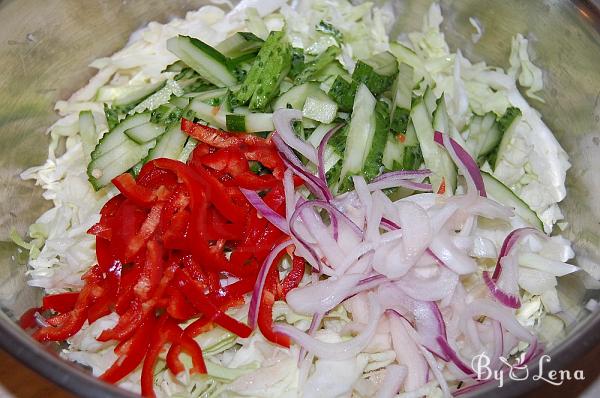
Raw vegetables are low in calories but rich in fibre, water, vitamins, and essential nutrients—making them ideal for digestion, detoxification, and overall wellness.

Nutritional Value of Raw Vegetables

A bowl of raw vegetables like cucumber, carrot, beetroot, and cabbage provides:

  • Dietary fibre – supports gut health

  • High water content – improves hydration

  • Vitamins (A, C, K) – boost immunity

  • Antioxidants – protect against cellular damage

  • Minerals – support body functions

This combination helps nourish the body without adding excess calories.

Health Benefits of Raw Vegetables

 1. Improves Digestion Naturally

Raw vegetables are rich in fibre, which helps:

  • Promote smooth bowel movements

  • Support healthy gut bacteria

  • Reduce constipation and heaviness

 2. Reduces Bloating & Water Retention

Many times, bloating is mistaken for fat. Raw vegetables help:

  • Flush out excess water

  • Reduce inflammation

  • Improve abdominal comfort

 3. Supports Natural Detoxification

High water and fibre content help:

  • Eliminate toxins from the body

  • Cleanse the digestive system

  • Improve skin clarity

 4. Helps in Weight Management

Low-calorie and nutrient-dense foods help:

  • Control appetite

  • Prevent overeating

  • Support healthy weight balance

 5. Enhances Skin & Energy Levels

With regular intake, raw vegetables:

  • Improve skin glow

  • Increase natural energy

  • Support overall vitality

Uses: How to Include Raw Vegetables Daily

  • Eat a bowl of salad before meals

  • Combine cucumber, carrot, beetroot, and cabbage

  • Add lemon and a pinch of rock salt for taste

  • Include seasonal vegetables for maximum benefit

Ayurvedic Perspective

In Ayurveda, fresh raw foods are considered “Prana-rich” (life ऊर्जा). They help:

  • Increase natural vitality

  • Cleanse the body and mind

  • Promote lightness and clarity

A clean digestive system supports a calm mind and balanced emotions, which are essential for spiritual growth.

 Pro Tips

  • Wash vegetables properly before consumption

  • Avoid excessive intake if digestion is weak

  • Best consumed during daytime or lunch

  • Chew thoroughly for better digestion

Consult Doctor for Detailed Advice

If you experience chronic bloating, digestive issues, or nutritional concerns, it is important to seek personalized guidance.

 Consult Ayurvedic experts at www.ayurvedainitiative.com for customized diet plans, detox therapies, and holistic treatments based on your body constitution (Prakriti).

Including a bowl of raw vegetables daily is a simple yet powerful habit that supports digestion, reduces bloating, and enhances overall health.

Nourish your body with natural foods—because true health begins with what you eat.

Ayurvedic Treatment for Hyperacidity: A Holistic Approach to Restore Digestive Balance

Heal Acidity Naturally: Restore Digestive Fire with Authentic Ayurvedic Wisdom. 

Heal Acidity Naturally: Restore Digestive Fire with Authentic Ayurvedic Wisdom.  Image  Image  Hyperacidity, commonly experienced as acid reflux, heartburn, or gastritis, has become increasingly prevalent in modern lifestyles marked by irregular eating habits, stress, and processed foods. While conventional medicine often focuses on symptomatic relief using antacids and proton pump inhibitors, Ayurveda offers a deeper, root-cause-oriented healing approach.  From an Ayurvedic perspective, hyperacidity is primarily linked to an imbalance of Pitta Dosha, particularly aggravated by improper diet, suppressed natural urges, and mental stress. This leads to disturbances in Agni (digestive fire) and formation of Ama (toxins), ultimately affecting the gastrointestinal tract.  As an Ayurvedic physician with over 13 years of clinical experience, I have observed that sustainable healing of hyperacidity requires correcting digestion, calming Pitta, and restoring gut harmony through personalized therapies.  This article explores Ayurvedic Treatment for Hyperacidity in a structured, evidence-informed, and patient-centric manner to help you understand and manage this condition safely and effectively.  Understanding Hyperacidity (Modern Perspective) Causes Excessive consumption of spicy, oily, and acidic foods  Irregular meal timings  Smoking and alcohol intake  Chronic stress and anxiety  Overuse of painkillers (NSAIDs)  Helicobacter pylori infection  Symptoms Burning sensation in chest (heartburn)  Sour belching  Nausea or vomiting  Bloating and indigestion  Bitter taste in mouth  Loss of appetite  Risk Factors Sedentary lifestyle  Obesity  Late-night eating habits  High caffeine intake  Sleep disorders  Ayurvedic Perspective on Hyperacidity In Ayurveda, hyperacidity is closely associated with Amlapitta, described in classical texts like Charaka Samhita.  Key Factors Dosha Involvement: Predominantly Pitta Dosha with Vata association  Agni: Tikshna (sharp) or Vishama (irregular) Agni  Ama Formation: Improper digestion leads to toxic buildup  Affected Dhatus: Rasa and Rakta Dhatu  When Pitta becomes aggravated, it increases acidity in the stomach, leading to inflammation and irritation of the gastric mucosa.  Root Cause Analysis According to Ayurveda Ayurveda identifies the following root causes:  Excess intake of Amla (sour), Katu (pungent), and Lavana (salty) foods  Suppression of natural urges (e.g., belching, vomiting)  Emotional factors such as anger, frustration, and stress  Eating before the previous meal is digested  Irregular sleep and lifestyle  Understanding these root causes is crucial for long-term healing rather than temporary symptom relief.  Ayurvedic Treatment Principles for Hyperacidity 1. Shodhana (Detoxification) Virechana (Purgation Therapy): Eliminates excess Pitta from the body  Helps cleanse gastrointestinal tract and liver  2. Shamana (Pacification Therapy) Use of cooling herbs and formulations to balance Pitta  3. Rasayana (Rejuvenation) Strengthens digestive system and improves tissue health  4. Diet Correction Introduction of Pitta-pacifying foods  5. Lifestyle Modification Stress management  Proper sleep and daily routine  Important Ayurvedic Herbs & Therapies 1. Amla (Emblica officinalis) Natural coolant  Rich in Vitamin C  Balances Pitta and improves digestion  2. Yashtimadhu (Licorice) Soothes gastric mucosa  Reduces inflammation  Promotes healing of ulcers  3. Shatavari (Asparagus racemosus) Excellent Pitta pacifier  Supports gut lining integrity  4. Guduchi (Tinospora cordifolia) Detoxifies body  Enhances digestion and immunity  5. Avipattikar Churna Classical Ayurvedic formulation  Effective in reducing acidity and constipation  6. Kamdudha Ras (with caution) Reduces excessive Pitta  Must be taken under supervision  7. Panchakarma Therapies Virechana and Shirodhara for stress-induced acidity  ⚠️ All herbs and therapies should be taken only under the supervision of a qualified Ayurvedic Doctor.  Diet & Lifestyle Recommendations Pathya (Recommended) Warm, freshly cooked meals  Rice, wheat, and barley  Milk (if suitable), ghee  Coconut water  Sweet fruits like banana, pomegranate  Apathya (To Avoid) Spicy, fried, and junk food  Coffee, alcohol, smoking  Fermented foods  Late-night meals  Excessive screen time  Yoga, Pranayama & Daily Routine Pranayama: Sheetali, Sheetkari (cooling practices)  Yoga Asanas: Vajrasana, Pawanmuktasana  Meditation: Reduces stress-induced acidity  Dinacharya: Regular meal timing and early sleep  Clinical Outcomes & Long-Term Benefits With consistent Ayurvedic management, patients may experience:  Reduction in acidity and heartburn  Improved digestion and appetite  Enhanced gut mucosal healing  Reduced dependency on antacids  Better mental calmness  Long-term benefits include holistic digestive balance and prevention of recurrence.  Ayurvedic Treatment for Hyperacidity offers a comprehensive, root-cause-based approach rather than symptomatic suppression. By correcting Pitta imbalance, strengthening digestion, and adopting mindful dietary and lifestyle practices, sustainable relief can be achieved. If you are struggling with recurrent acidity, it is important to seek personalized Ayurvedic care rather than self-medication.  Always consult a qualified Ayurvedic Doctor before starting treatment.  Frequently Asked Questions (FAQs) 1. What is hyperacidity in Ayurveda? Hyperacidity is referred to as Amlapitta, caused by aggravated Pitta Dosha leading to excess acid production and digestive imbalance.  2. Can Ayurveda cure hyperacidity permanently? Ayurveda focuses on root cause management. With proper treatment and lifestyle correction, long-term relief is possible, but individual results vary.  3. Is Panchakarma necessary for hyperacidity? Not always. It is recommended in chronic or severe cases under medical supervision.  4. Which herb is best for acidity? Amla is widely used due to its cooling and Pitta-balancing properties.  5. Can stress cause hyperacidity? Yes, stress aggravates Pitta and disrupts digestion, leading to acidity.  6. Is milk good for acidity? In some individuals, milk can soothe acidity, but it should be assessed individually.  7. How long does Ayurvedic treatment take? It varies from a few weeks to months depending on severity and compliance.  8. Can I take Ayurvedic medicine with allopathic treatment? Only under medical guidance to avoid interactions.  9. What foods reduce acidity quickly? Cooling foods like coconut water, bananas, and rice help reduce symptoms.  10. Is fasting helpful? Improper fasting may worsen Pitta. Gentle dietary regulation is preferred.  11. Can hyperacidity lead to ulcers? Yes, if untreated, it may contribute to gastric ulcers.  12. Is coffee harmful in acidity? Yes, it aggravates Pitta and should be avoided.  13. Can yoga help acidity? Yes, especially breathing practices and stress reduction techniques.  14. Is hyperacidity common in young people? Yes, due to modern lifestyle and dietary habits.  15. When should I consult a doctor? If symptoms are persistent, severe, or associated with weight loss or vomiting.  Hyperacidity is a growing digestive concern linked to poor lifestyle and stress. Ayurveda identifies it as Amlapitta caused by Pitta imbalance and offers a natural, root-cause-based treatment approach. Through personalized herbal remedies, Panchakarma detox, and diet correction, Ayurveda helps restore digestive balance and prevent recurrence. Discover safe, effective Ayurvedic treatment for hyperacidity and improve your gut health naturally under expert guidance.  Dr. Sagar Narkhede Ayurvedic Physician & Panchakarma Specialist is a dedicated and experienced Ayurvedic doctor known for his holistic approach to health and disease management. With a strong foundation in classical Ayurveda and modern clinical understanding, he focuses on treating the root cause of illness rather than just suppressing symptoms.  Dr. Narkhede specializes in managing chronic lifestyle disorders, digestive issues, joint and spine problems, stress-related conditions, hormonal imbalances, and skin diseases through authentic Ayurvedic therapies and personalized Panchakarma treatments.  Areas of Expertise Chronic lifestyle disorders (Diabetes, Hypertension, Obesity) Joint pain, Arthritis & Spine-related disorders Digestive disorders & metabolic imbalance Stress, anxiety & sleep disorders Panchakarma detox & rejuvenation therapies Preventive & holistic health care Treatment Philosophy Dr. Sagar Narkhede believes in individualized treatment plans based on Prakriti (body constitution), lifestyle, and disease stage. His goal is to restore balance between body, mind, and metabolism for long-term wellness and sustainable healing.  Visit Clinic Website

Heal Acidity Naturally: Restore Digestive Fire with Authentic Ayurvedic Wisdom.  Image  Image  Hyperacidity, commonly experienced as acid reflux, heartburn, or gastritis, has become increasingly prevalent in modern lifestyles marked by irregular eating habits, stress, and processed foods. While conventional medicine often focuses on symptomatic relief using antacids and proton pump inhibitors, Ayurveda offers a deeper, root-cause-oriented healing approach.  From an Ayurvedic perspective, hyperacidity is primarily linked to an imbalance of Pitta Dosha, particularly aggravated by improper diet, suppressed natural urges, and mental stress. This leads to disturbances in Agni (digestive fire) and formation of Ama (toxins), ultimately affecting the gastrointestinal tract.  As an Ayurvedic physician with over 13 years of clinical experience, I have observed that sustainable healing of hyperacidity requires correcting digestion, calming Pitta, and restoring gut harmony through personalized therapies.  This article explores Ayurvedic Treatment for Hyperacidity in a structured, evidence-informed, and patient-centric manner to help you understand and manage this condition safely and effectively.  Understanding Hyperacidity (Modern Perspective) Causes Excessive consumption of spicy, oily, and acidic foods  Irregular meal timings  Smoking and alcohol intake  Chronic stress and anxiety  Overuse of painkillers (NSAIDs)  Helicobacter pylori infection  Symptoms Burning sensation in chest (heartburn)  Sour belching  Nausea or vomiting  Bloating and indigestion  Bitter taste in mouth  Loss of appetite  Risk Factors Sedentary lifestyle  Obesity  Late-night eating habits  High caffeine intake  Sleep disorders  Ayurvedic Perspective on Hyperacidity In Ayurveda, hyperacidity is closely associated with Amlapitta, described in classical texts like Charaka Samhita.  Key Factors Dosha Involvement: Predominantly Pitta Dosha with Vata association  Agni: Tikshna (sharp) or Vishama (irregular) Agni  Ama Formation: Improper digestion leads to toxic buildup  Affected Dhatus: Rasa and Rakta Dhatu  When Pitta becomes aggravated, it increases acidity in the stomach, leading to inflammation and irritation of the gastric mucosa.  Root Cause Analysis According to Ayurveda Ayurveda identifies the following root causes:  Excess intake of Amla (sour), Katu (pungent), and Lavana (salty) foods  Suppression of natural urges (e.g., belching, vomiting)  Emotional factors such as anger, frustration, and stress  Eating before the previous meal is digested  Irregular sleep and lifestyle  Understanding these root causes is crucial for long-term healing rather than temporary symptom relief.  Ayurvedic Treatment Principles for Hyperacidity 1. Shodhana (Detoxification) Virechana (Purgation Therapy): Eliminates excess Pitta from the body  Helps cleanse gastrointestinal tract and liver  2. Shamana (Pacification Therapy) Use of cooling herbs and formulations to balance Pitta  3. Rasayana (Rejuvenation) Strengthens digestive system and improves tissue health  4. Diet Correction Introduction of Pitta-pacifying foods  5. Lifestyle Modification Stress management  Proper sleep and daily routine  Important Ayurvedic Herbs & Therapies 1. Amla (Emblica officinalis) Natural coolant  Rich in Vitamin C  Balances Pitta and improves digestion  2. Yashtimadhu (Licorice) Soothes gastric mucosa  Reduces inflammation  Promotes healing of ulcers  3. Shatavari (Asparagus racemosus) Excellent Pitta pacifier  Supports gut lining integrity  4. Guduchi (Tinospora cordifolia) Detoxifies body  Enhances digestion and immunity  5. Avipattikar Churna Classical Ayurvedic formulation  Effective in reducing acidity and constipation  6. Kamdudha Ras (with caution) Reduces excessive Pitta  Must be taken under supervision  7. Panchakarma Therapies Virechana and Shirodhara for stress-induced acidity  ⚠️ All herbs and therapies should be taken only under the supervision of a qualified Ayurvedic Doctor.  Diet & Lifestyle Recommendations Pathya (Recommended) Warm, freshly cooked meals  Rice, wheat, and barley  Milk (if suitable), ghee  Coconut water  Sweet fruits like banana, pomegranate  Apathya (To Avoid) Spicy, fried, and junk food  Coffee, alcohol, smoking  Fermented foods  Late-night meals  Excessive screen time  Yoga, Pranayama & Daily Routine Pranayama: Sheetali, Sheetkari (cooling practices)  Yoga Asanas: Vajrasana, Pawanmuktasana  Meditation: Reduces stress-induced acidity  Dinacharya: Regular meal timing and early sleep  Clinical Outcomes & Long-Term Benefits With consistent Ayurvedic management, patients may experience:  Reduction in acidity and heartburn  Improved digestion and appetite  Enhanced gut mucosal healing  Reduced dependency on antacids  Better mental calmness  Long-term benefits include holistic digestive balance and prevention of recurrence.  Ayurvedic Treatment for Hyperacidity offers a comprehensive, root-cause-based approach rather than symptomatic suppression. By correcting Pitta imbalance, strengthening digestion, and adopting mindful dietary and lifestyle practices, sustainable relief can be achieved. If you are struggling with recurrent acidity, it is important to seek personalized Ayurvedic care rather than self-medication.  Always consult a qualified Ayurvedic Doctor before starting treatment.  Frequently Asked Questions (FAQs) 1. What is hyperacidity in Ayurveda? Hyperacidity is referred to as Amlapitta, caused by aggravated Pitta Dosha leading to excess acid production and digestive imbalance.  2. Can Ayurveda cure hyperacidity permanently? Ayurveda focuses on root cause management. With proper treatment and lifestyle correction, long-term relief is possible, but individual results vary.  3. Is Panchakarma necessary for hyperacidity? Not always. It is recommended in chronic or severe cases under medical supervision.  4. Which herb is best for acidity? Amla is widely used due to its cooling and Pitta-balancing properties.  5. Can stress cause hyperacidity? Yes, stress aggravates Pitta and disrupts digestion, leading to acidity.  6. Is milk good for acidity? In some individuals, milk can soothe acidity, but it should be assessed individually.  7. How long does Ayurvedic treatment take? It varies from a few weeks to months depending on severity and compliance.  8. Can I take Ayurvedic medicine with allopathic treatment? Only under medical guidance to avoid interactions.  9. What foods reduce acidity quickly? Cooling foods like coconut water, bananas, and rice help reduce symptoms.  10. Is fasting helpful? Improper fasting may worsen Pitta. Gentle dietary regulation is preferred.  11. Can hyperacidity lead to ulcers? Yes, if untreated, it may contribute to gastric ulcers.  12. Is coffee harmful in acidity? Yes, it aggravates Pitta and should be avoided.  13. Can yoga help acidity? Yes, especially breathing practices and stress reduction techniques.  14. Is hyperacidity common in young people? Yes, due to modern lifestyle and dietary habits.  15. When should I consult a doctor? If symptoms are persistent, severe, or associated with weight loss or vomiting.  Hyperacidity is a growing digestive concern linked to poor lifestyle and stress. Ayurveda identifies it as Amlapitta caused by Pitta imbalance and offers a natural, root-cause-based treatment approach. Through personalized herbal remedies, Panchakarma detox, and diet correction, Ayurveda helps restore digestive balance and prevent recurrence. Discover safe, effective Ayurvedic treatment for hyperacidity and improve your gut health naturally under expert guidance.  Dr. Sagar Narkhede Ayurvedic Physician & Panchakarma Specialist is a dedicated and experienced Ayurvedic doctor known for his holistic approach to health and disease management. With a strong foundation in classical Ayurveda and modern clinical understanding, he focuses on treating the root cause of illness rather than just suppressing symptoms.  Dr. Narkhede specializes in managing chronic lifestyle disorders, digestive issues, joint and spine problems, stress-related conditions, hormonal imbalances, and skin diseases through authentic Ayurvedic therapies and personalized Panchakarma treatments.  Areas of Expertise Chronic lifestyle disorders (Diabetes, Hypertension, Obesity) Joint pain, Arthritis & Spine-related disorders Digestive disorders & metabolic imbalance Stress, anxiety & sleep disorders Panchakarma detox & rejuvenation therapies Preventive & holistic health care Treatment Philosophy Dr. Sagar Narkhede believes in individualized treatment plans based on Prakriti (body constitution), lifestyle, and disease stage. His goal is to restore balance between body, mind, and metabolism for long-term wellness and sustainable healing.  Visit Clinic Website

Hyperacidity, commonly experienced as acid reflux, heartburn, or gastritis, has become increasingly prevalent in modern lifestyles marked by irregular eating habits, stress, and processed foods. While conventional medicine often focuses on symptomatic relief using antacids and proton pump inhibitors, Ayurveda offers a deeper, root-cause-oriented healing approach.

From an Ayurvedic perspective, hyperacidity is primarily linked to an imbalance of Pitta Dosha, particularly aggravated by improper diet, suppressed natural urges, and mental stress. This leads to disturbances in Agni (digestive fire) and formation of Ama (toxins), ultimately affecting the gastrointestinal tract.

As an Ayurvedic physician with over 13 years of clinical experience, I have observed that sustainable healing of hyperacidity requires correcting digestion, calming Pitta, and restoring gut harmony through personalized therapies.

This article explores Ayurvedic Treatment for Hyperacidity in a structured, evidence-informed, and patient-centric manner to help you understand and manage this condition safely and effectively.

Understanding Hyperacidity (Modern Perspective)

Causes

  • Excessive consumption of spicy, oily, and acidic foods

  • Irregular meal timings

  • Smoking and alcohol intake

  • Chronic stress and anxiety

  • Overuse of painkillers (NSAIDs)

  • Helicobacter pylori infection

Symptoms

  • Burning sensation in chest (heartburn)

  • Sour belching

  • Nausea or vomiting

  • Bloating and indigestion

  • Bitter taste in mouth

  • Loss of appetite

Risk Factors

  • Sedentary lifestyle

  • Obesity

  • Late-night eating habits

  • High caffeine intake

  • Sleep disorders

Ayurvedic Perspective on Hyperacidity

In Ayurveda, hyperacidity is closely associated with Amlapitta, described in classical texts like Charaka Samhita.

Key Factors

  • Dosha Involvement: Predominantly Pitta Dosha with Vata association

  • Agni: Tikshna (sharp) or Vishama (irregular) Agni

  • Ama Formation: Improper digestion leads to toxic buildup

  • Affected Dhatus: Rasa and Rakta Dhatu

When Pitta becomes aggravated, it increases acidity in the stomach, leading to inflammation and irritation of the gastric mucosa.

Root Cause Analysis According to Ayurveda

Ayurveda identifies the following root causes:

  • Excess intake of Amla (sour), Katu (pungent), and Lavana (salty) foods

  • Suppression of natural urges (e.g., belching, vomiting)

  • Emotional factors such as anger, frustration, and stress

  • Eating before the previous meal is digested

  • Irregular sleep and lifestyle

Understanding these root causes is crucial for long-term healing rather than temporary symptom relief.

Ayurvedic Treatment Principles for Hyperacidity

1. Shodhana (Detoxification)

  • Virechana (Purgation Therapy): Eliminates excess Pitta from the body

  • Helps cleanse gastrointestinal tract and liver

2. Shamana (Pacification Therapy)

  • Use of cooling herbs and formulations to balance Pitta

3. Rasayana (Rejuvenation)

  • Strengthens digestive system and improves tissue health

4. Diet Correction

  • Introduction of Pitta-pacifying foods

5. Lifestyle Modification

  • Stress management

  • Proper sleep and daily routine

Important Ayurvedic Herbs & Therapies

1. Amla (Emblica officinalis)

  • Natural coolant

  • Rich in Vitamin C

  • Balances Pitta and improves digestion

2. Yashtimadhu (Licorice)

  • Soothes gastric mucosa

  • Reduces inflammation

  • Promotes healing of ulcers

3. Shatavari (Asparagus racemosus)

  • Excellent Pitta pacifier

  • Supports gut lining integrity

4. Guduchi (Tinospora cordifolia)

  • Detoxifies body

  • Enhances digestion and immunity

5. Avipattikar Churna

  • Classical Ayurvedic formulation

  • Effective in reducing acidity and constipation

6. Kamdudha Ras (with caution)

  • Reduces excessive Pitta

  • Must be taken under supervision

7. Panchakarma Therapies

  • Virechana and Shirodhara for stress-induced acidity

⚠️ All herbs and therapies should be taken only under the supervision of a qualified Ayurvedic Doctor.

Diet & Lifestyle Recommendations

Pathya (Recommended)

  • Warm, freshly cooked meals

  • Rice, wheat, and barley

  • Milk (if suitable), ghee

  • Coconut water

  • Sweet fruits like banana, pomegranate

Apathya (To Avoid)

  • Spicy, fried, and junk food

  • Coffee, alcohol, smoking

  • Fermented foods

  • Late-night meals

  • Excessive screen time

Yoga, Pranayama & Daily Routine

  • Pranayama: Sheetali, Sheetkari (cooling practices)

  • Yoga Asanas: Vajrasana, Pawanmuktasana

  • Meditation: Reduces stress-induced acidity

  • Dinacharya: Regular meal timing and early sleep

Clinical Outcomes & Long-Term Benefits

With consistent Ayurvedic management, patients may experience:

  • Reduction in acidity and heartburn

  • Improved digestion and appetite

  • Enhanced gut mucosal healing

  • Reduced dependency on antacids

  • Better mental calmness

Long-term benefits include holistic digestive balance and prevention of recurrence.

Ayurvedic Treatment for Hyperacidity offers a comprehensive, root-cause-based approach rather than symptomatic suppression. By correcting Pitta imbalance, strengthening digestion, and adopting mindful dietary and lifestyle practices, sustainable relief can be achieved.

If you are struggling with recurrent acidity, it is important to seek personalized Ayurvedic care rather than self-medication.

Always consult a qualified Ayurvedic Doctor before starting treatment.

Frequently Asked Questions (FAQs)

1. What is hyperacidity in Ayurveda?

Hyperacidity is referred to as Amlapitta, caused by aggravated Pitta Dosha leading to excess acid production and digestive imbalance.

2. Can Ayurveda cure hyperacidity permanently?

Ayurveda focuses on root cause management. With proper treatment and lifestyle correction, long-term relief is possible, but individual results vary.

3. Is Panchakarma necessary for hyperacidity?

Not always. It is recommended in chronic or severe cases under medical supervision.

4. Which herb is best for acidity?

Amla is widely used due to its cooling and Pitta-balancing properties.

5. Can stress cause hyperacidity?

Yes, stress aggravates Pitta and disrupts digestion, leading to acidity.

6. Is milk good for acidity?

In some individuals, milk can soothe acidity, but it should be assessed individually.

7. How long does Ayurvedic treatment take?

It varies from a few weeks to months depending on severity and compliance.

8. Can I take Ayurvedic medicine with allopathic treatment?

Only under medical guidance to avoid interactions.

9. What foods reduce acidity quickly?

Cooling foods like coconut water, bananas, and rice help reduce symptoms.

10. Is fasting helpful?

Improper fasting may worsen Pitta. Gentle dietary regulation is preferred.

11. Can hyperacidity lead to ulcers?

Yes, if untreated, it may contribute to gastric ulcers.

12. Is coffee harmful in acidity?

Yes, it aggravates Pitta and should be avoided.

13. Can yoga help acidity?

Yes, especially breathing practices and stress reduction techniques.

14. Is hyperacidity common in young people?

Yes, due to modern lifestyle and dietary habits.

15. When should I consult a doctor?

If symptoms are persistent, severe, or associated with weight loss or vomiting.

Hyperacidity is a growing digestive concern linked to poor lifestyle and stress. Ayurveda identifies it as Amlapitta caused by Pitta imbalance and offers a natural, root-cause-based treatment approach. Through personalized herbal remedies, Panchakarma detox, and diet correction, Ayurveda helps restore digestive balance and prevent recurrence. Discover safe, effective Ayurvedic treatment for hyperacidity and improve your gut health naturally under expert guidance.

Heal Acidity Naturally: Restore Digestive Fire with Authentic Ayurvedic Wisdom.  Image  Image  Hyperacidity, commonly experienced as acid reflux, heartburn, or gastritis, has become increasingly prevalent in modern lifestyles marked by irregular eating habits, stress, and processed foods. While conventional medicine often focuses on symptomatic relief using antacids and proton pump inhibitors, Ayurveda offers a deeper, root-cause-oriented healing approach.  From an Ayurvedic perspective, hyperacidity is primarily linked to an imbalance of Pitta Dosha, particularly aggravated by improper diet, suppressed natural urges, and mental stress. This leads to disturbances in Agni (digestive fire) and formation of Ama (toxins), ultimately affecting the gastrointestinal tract.  As an Ayurvedic physician with over 13 years of clinical experience, I have observed that sustainable healing of hyperacidity requires correcting digestion, calming Pitta, and restoring gut harmony through personalized therapies.  This article explores Ayurvedic Treatment for Hyperacidity in a structured, evidence-informed, and patient-centric manner to help you understand and manage this condition safely and effectively.  Understanding Hyperacidity (Modern Perspective) Causes Excessive consumption of spicy, oily, and acidic foods  Irregular meal timings  Smoking and alcohol intake  Chronic stress and anxiety  Overuse of painkillers (NSAIDs)  Helicobacter pylori infection  Symptoms Burning sensation in chest (heartburn)  Sour belching  Nausea or vomiting  Bloating and indigestion  Bitter taste in mouth  Loss of appetite  Risk Factors Sedentary lifestyle  Obesity  Late-night eating habits  High caffeine intake  Sleep disorders  Ayurvedic Perspective on Hyperacidity In Ayurveda, hyperacidity is closely associated with Amlapitta, described in classical texts like Charaka Samhita.  Key Factors Dosha Involvement: Predominantly Pitta Dosha with Vata association  Agni: Tikshna (sharp) or Vishama (irregular) Agni  Ama Formation: Improper digestion leads to toxic buildup  Affected Dhatus: Rasa and Rakta Dhatu  When Pitta becomes aggravated, it increases acidity in the stomach, leading to inflammation and irritation of the gastric mucosa.  Root Cause Analysis According to Ayurveda Ayurveda identifies the following root causes:  Excess intake of Amla (sour), Katu (pungent), and Lavana (salty) foods  Suppression of natural urges (e.g., belching, vomiting)  Emotional factors such as anger, frustration, and stress  Eating before the previous meal is digested  Irregular sleep and lifestyle  Understanding these root causes is crucial for long-term healing rather than temporary symptom relief.  Ayurvedic Treatment Principles for Hyperacidity 1. Shodhana (Detoxification) Virechana (Purgation Therapy): Eliminates excess Pitta from the body  Helps cleanse gastrointestinal tract and liver  2. Shamana (Pacification Therapy) Use of cooling herbs and formulations to balance Pitta  3. Rasayana (Rejuvenation) Strengthens digestive system and improves tissue health  4. Diet Correction Introduction of Pitta-pacifying foods  5. Lifestyle Modification Stress management  Proper sleep and daily routine  Important Ayurvedic Herbs & Therapies 1. Amla (Emblica officinalis) Natural coolant  Rich in Vitamin C  Balances Pitta and improves digestion  2. Yashtimadhu (Licorice) Soothes gastric mucosa  Reduces inflammation  Promotes healing of ulcers  3. Shatavari (Asparagus racemosus) Excellent Pitta pacifier  Supports gut lining integrity  4. Guduchi (Tinospora cordifolia) Detoxifies body  Enhances digestion and immunity  5. Avipattikar Churna Classical Ayurvedic formulation  Effective in reducing acidity and constipation  6. Kamdudha Ras (with caution) Reduces excessive Pitta  Must be taken under supervision  7. Panchakarma Therapies Virechana and Shirodhara for stress-induced acidity  ⚠️ All herbs and therapies should be taken only under the supervision of a qualified Ayurvedic Doctor.  Diet & Lifestyle Recommendations Pathya (Recommended) Warm, freshly cooked meals  Rice, wheat, and barley  Milk (if suitable), ghee  Coconut water  Sweet fruits like banana, pomegranate  Apathya (To Avoid) Spicy, fried, and junk food  Coffee, alcohol, smoking  Fermented foods  Late-night meals  Excessive screen time  Yoga, Pranayama & Daily Routine Pranayama: Sheetali, Sheetkari (cooling practices)  Yoga Asanas: Vajrasana, Pawanmuktasana  Meditation: Reduces stress-induced acidity  Dinacharya: Regular meal timing and early sleep  Clinical Outcomes & Long-Term Benefits With consistent Ayurvedic management, patients may experience:  Reduction in acidity and heartburn  Improved digestion and appetite  Enhanced gut mucosal healing  Reduced dependency on antacids  Better mental calmness  Long-term benefits include holistic digestive balance and prevention of recurrence.  Ayurvedic Treatment for Hyperacidity offers a comprehensive, root-cause-based approach rather than symptomatic suppression. By correcting Pitta imbalance, strengthening digestion, and adopting mindful dietary and lifestyle practices, sustainable relief can be achieved. If you are struggling with recurrent acidity, it is important to seek personalized Ayurvedic care rather than self-medication.  Always consult a qualified Ayurvedic Doctor before starting treatment.  Frequently Asked Questions (FAQs) 1. What is hyperacidity in Ayurveda? Hyperacidity is referred to as Amlapitta, caused by aggravated Pitta Dosha leading to excess acid production and digestive imbalance.  2. Can Ayurveda cure hyperacidity permanently? Ayurveda focuses on root cause management. With proper treatment and lifestyle correction, long-term relief is possible, but individual results vary.  3. Is Panchakarma necessary for hyperacidity? Not always. It is recommended in chronic or severe cases under medical supervision.  4. Which herb is best for acidity? Amla is widely used due to its cooling and Pitta-balancing properties.  5. Can stress cause hyperacidity? Yes, stress aggravates Pitta and disrupts digestion, leading to acidity.  6. Is milk good for acidity? In some individuals, milk can soothe acidity, but it should be assessed individually.  7. How long does Ayurvedic treatment take? It varies from a few weeks to months depending on severity and compliance.  8. Can I take Ayurvedic medicine with allopathic treatment? Only under medical guidance to avoid interactions.  9. What foods reduce acidity quickly? Cooling foods like coconut water, bananas, and rice help reduce symptoms.  10. Is fasting helpful? Improper fasting may worsen Pitta. Gentle dietary regulation is preferred.  11. Can hyperacidity lead to ulcers? Yes, if untreated, it may contribute to gastric ulcers.  12. Is coffee harmful in acidity? Yes, it aggravates Pitta and should be avoided.  13. Can yoga help acidity? Yes, especially breathing practices and stress reduction techniques.  14. Is hyperacidity common in young people? Yes, due to modern lifestyle and dietary habits.  15. When should I consult a doctor? If symptoms are persistent, severe, or associated with weight loss or vomiting.  Hyperacidity is a growing digestive concern linked to poor lifestyle and stress. Ayurveda identifies it as Amlapitta caused by Pitta imbalance and offers a natural, root-cause-based treatment approach. Through personalized herbal remedies, Panchakarma detox, and diet correction, Ayurveda helps restore digestive balance and prevent recurrence. Discover safe, effective Ayurvedic treatment for hyperacidity and improve your gut health naturally under expert guidance.  Dr. Sagar Narkhede Ayurvedic Physician & Panchakarma Specialist is a dedicated and experienced Ayurvedic doctor known for his holistic approach to health and disease management. With a strong foundation in classical Ayurveda and modern clinical understanding, he focuses on treating the root cause of illness rather than just suppressing symptoms.  Dr. Narkhede specializes in managing chronic lifestyle disorders, digestive issues, joint and spine problems, stress-related conditions, hormonal imbalances, and skin diseases through authentic Ayurvedic therapies and personalized Panchakarma treatments.  Areas of Expertise Chronic lifestyle disorders (Diabetes, Hypertension, Obesity) Joint pain, Arthritis & Spine-related disorders Digestive disorders & metabolic imbalance Stress, anxiety & sleep disorders Panchakarma detox & rejuvenation therapies Preventive & holistic health care Treatment Philosophy Dr. Sagar Narkhede believes in individualized treatment plans based on Prakriti (body constitution), lifestyle, and disease stage. His goal is to restore balance between body, mind, and metabolism for long-term wellness and sustainable healing.  Visit Clinic Website


Dr. Sagar Narkhede

Ayurvedic Physician & Panchakarma Specialist

is a dedicated and experienced Ayurvedic doctor known for his holistic approach to health and disease management. With a strong foundation in classical Ayurveda and modern clinical understanding, he focuses on treating the root cause of illness rather than just suppressing symptoms.

Dr. Narkhede specializes in managing chronic lifestyle disorders, digestive issues, joint and spine problems, stress-related conditions, hormonal imbalances, and skin diseases through authentic Ayurvedic therapies and personalized Panchakarma treatments.

Areas of Expertise

  • Chronic lifestyle disorders (Diabetes, Hypertension, Obesity)
  • Joint pain, Arthritis & Spine-related disorders
  • Digestive disorders & metabolic imbalance
  • Stress, anxiety & sleep disorders
  • Panchakarma detox & rejuvenation therapies
  • Preventive & holistic health care

Treatment Philosophy

Dr. Sagar Narkhede believes in individualized treatment plans based on Prakriti (body constitution), lifestyle, and disease stage. His goal is to restore balance between body, mind, and metabolism for long-term wellness and sustainable healing.

Heal Your Gut Naturally: Ayurvedic Secrets to Strong Digestion & Lasting Wellness.

Ayurvedic Treatment for Digestive Disorders: A Holistic Approach to Gut Health

Ayurvedic Treatment for Digestive Disorders: A Holistic Approach to Gut Health Image  Image  Image  Digestive disorders have become increasingly common in today’s fast-paced lifestyle. From acidity and bloating to chronic conditions like irritable bowel syndrome (IBS), these issues affect not only physical comfort but also mental well-being. As an Ayurvedic physician with over 13 years of clinical experience, I have observed that digestive imbalance is often the root cause of many systemic diseases.  In Ayurveda, digestion is governed by Agni (digestive fire), which determines how well food is processed and nutrients are absorbed. When Agni becomes weak or irregular, toxins known as Ama accumulate, leading to disease.  The Ayurvedic treatment for digestive disorders focuses not merely on symptom relief but on restoring balance at the root level—enhancing Agni, eliminating Ama, and harmonizing Doshas. This personalized and time-tested approach offers sustainable healing and long-term wellness.  Understanding Digestive Disorders (Modern View) Common Causes Poor dietary habits (overeating, junk food, irregular meals)  Stress and anxiety  Sedentary lifestyle  Infections or gut microbiome imbalance  Excessive use of medications (antibiotics, painkillers)  Symptoms Bloating and gas  Indigestion and heaviness  Acid reflux or heartburn  Constipation or diarrhea  Loss of appetite  Abdominal pain or cramps  Risk Factors Chronic stress  Irregular sleep patterns  Alcohol and smoking  Lack of physical activity  Processed food consumption  Ayurvedic Perspective on Digestive Disorders Ayurveda identifies digestive disorders under conditions like Agnimandya (low digestive fire), Ajirna (indigestion), and Grahani (malabsorption syndrome).  Key Concepts Dosha Involvement:  Vata: Gas, bloating, irregular digestion  Pitta: Acidity, burning sensation  Kapha: Sluggish digestion, heaviness  Agni (Digestive Fire) Healthy Agni ensures proper digestion. Impaired Agni leads to disease.  Ama (Toxins) Undigested food transforms into Ama, clogging channels (Srotas).  Dhatu Involvement Primarily affects Rasa Dhatu (nutrient plasma) and Anna Vaha Srotas (digestive channels).  Classical Insight Ancient texts like Charaka Samhita emphasize: "Roga Sarve Api Mande Agnou" — Most diseases arise from impaired digestion.  Root Cause Analysis According to Ayurveda Digestive disorders are not isolated conditions. They are the result of:  Improper food combinations (Viruddha Ahara)  Eating without hunger  Suppression of natural urges  Mental stress affecting gut function  Seasonal imbalance  Addressing these root causes is essential for lasting relief.  Ayurvedic Treatment Principles 1. Shodhana (Detoxification) Panchakarma therapies like Vamana, Virechana, and Basti  Helps eliminate accumulated Ama and balance Doshas  2. Shamana (Pacification) Herbal formulations to restore digestion  Gentle correction of Dosha imbalance  3. Rasayana (Rejuvenation) Strengthens digestive system  Improves immunity and gut health  4. Diet Correction Light, warm, easily digestible foods  Timely meals  5. Lifestyle Modification Stress management  Regular physical activity  Proper sleep routine  Important Ayurvedic Herbs & Therapies 1. Triphala Regulates bowel movements  Detoxifies colon  Balances all three Doshas Supervision required for long-term use  2. Ginger (Shunthi / Ardraka) Enhances Agni  Reduces bloating and nausea  Acts as natural digestive stimulant  3. Ajwain (Carom Seeds) Relieves gas and indigestion  Improves enzyme secretion  4. Jeera (Cumin Seeds) Supports digestion  Reduces acidity and inflammation  5. Hing (Asafoetida) Effective in Vata disorders  Reduces abdominal discomfort  6. Avipattikar Churna Balances Pitta  Useful in acidity and reflux  7. Panchakarma Therapies Customized detox procedures  Require strict medical supervision  Diet & Lifestyle Recommendations Pathya (Recommended) Warm, freshly cooked food  Moong dal, rice, vegetable soups  Buttermilk with spices  Herbal teas (ginger, cumin)  Eating at regular times  Apathya (To Avoid) Cold, refrigerated food  Processed and junk food  Excess tea, coffee  Overeating  Eating late at night  Yoga, Pranayama & Daily Routine Support Yoga Asanas: Pavanamuktasana, Vajrasana, Trikonasana  Pranayama: Anulom Vilom, Kapalbhati (under guidance)  Dinacharya (Daily Routine):  Wake up early  Drink warm water  Regular meal timings  Clinical Outcomes & Long-Term Benefits With proper Ayurvedic treatment for digestive disorders:  Improved digestion and appetite  Reduced acidity and bloating  Better nutrient absorption  Enhanced immunity  Mental clarity and emotional stability  Long-term benefits are achieved by addressing the root cause rather than suppressing symptoms.   Digestive health is the cornerstone of overall well-being. Ayurveda offers a time-tested, holistic approach that focuses on restoring balance, strengthening Agni, and eliminating Ama. Rather than quick fixes, this approach emphasizes sustainable healing through diet, herbs, detoxification, and lifestyle discipline.  If you are experiencing chronic digestive issues, it is important to seek personalized care. Each individual’s constitution is unique, and treatment must be tailored accordingly.  Always consult a qualified Ayurvedic Doctor before starting treatment.  Frequently Asked Questions (FAQs) 1. What is the main cause of digestive disorders in Ayurveda? Digestive disorders are primarily caused by weakened Agni (digestive fire), leading to toxin accumulation (Ama). Improper diet, stress, and irregular lifestyle further aggravate Dosha imbalance.  2. Can Ayurveda cure chronic digestive problems? Ayurveda focuses on long-term management and root-cause correction. While results vary, many patients experience significant improvement with consistent treatment and lifestyle changes.  3. How long does Ayurvedic treatment take? Duration depends on severity and individual constitution. Mild cases may improve within weeks, while chronic conditions may require months of supervised care.  4. Is Panchakarma necessary for all patients? No. Panchakarma is recommended based on individual assessment. Not all digestive disorders require detoxification therapies.  5. Are Ayurvedic herbs safe? When prescribed by a qualified practitioner, Ayurvedic herbs are generally safe. Self-medication should be avoided.  6. Can diet alone improve digestion? Diet plays a crucial role, but for chronic conditions, a combination of herbs, lifestyle changes, and therapies is often needed.  7. What is Ama in Ayurveda? Ama refers to toxic metabolic waste formed due to improper digestion. It is a root cause of many diseases.  8. Is Ayurveda suitable for IBS? Ayurveda offers supportive management for IBS through personalized treatment, diet correction, and stress management.  9. Can stress affect digestion? Yes. Ayurveda recognizes the mind-gut connection. Stress can weaken Agni and worsen symptoms.  10. Is fasting recommended in Ayurveda? Light fasting may be advised in certain conditions to improve digestion, but it should be done under guidance.  11. What foods should be avoided? Heavy, oily, processed, cold, and incompatible foods should be avoided to maintain healthy digestion.  12. Can children follow Ayurvedic treatment? Yes, but treatment must be carefully tailored and supervised by an Ayurvedic doctor.  13. Does Ayurveda help with acidity? Yes, Pitta-balancing herbs and diet modifications can help manage acidity effectively.  14. Can yoga improve digestion? Yes. Specific asanas and pranayama techniques support digestive health and reduce stress.  15. When should I consult an Ayurvedic doctor? If symptoms persist for more than a few weeks or worsen, professional consultation is essential.  Digestive disorders like acidity, bloating, and IBS are often rooted in poor digestion. Ayurveda explains these conditions through weakened Agni and toxin buildup (Ama). This article explores a holistic Ayurvedic treatment approach including herbs like Triphala and ginger, Panchakarma detox, diet correction, and lifestyle changes. Learn how Ayurveda addresses the root cause of digestive issues rather than just symptoms. Discover practical tips, expert insights, and natural solutions to restore gut balance and improve overall health safely under professional guidance.   Ayurvedic Treatment for Digestive Disorders: A Holistic Approach to Gut Health Image  Image  Image  Digestive disorders have become increasingly common in today’s fast-paced lifestyle. From acidity and bloating to chronic conditions like irritable bowel syndrome (IBS), these issues affect not only physical comfort but also mental well-being. As an Ayurvedic physician with over 13 years of clinical experience, I have observed that digestive imbalance is often the root cause of many systemic diseases.  In Ayurveda, digestion is governed by Agni (digestive fire), which determines how well food is processed and nutrients are absorbed. When Agni becomes weak or irregular, toxins known as Ama accumulate, leading to disease.  The Ayurvedic treatment for digestive disorders focuses not merely on symptom relief but on restoring balance at the root level—enhancing Agni, eliminating Ama, and harmonizing Doshas. This personalized and time-tested approach offers sustainable healing and long-term wellness.  Understanding Digestive Disorders (Modern View) Common Causes Poor dietary habits (overeating, junk food, irregular meals)  Stress and anxiety  Sedentary lifestyle  Infections or gut microbiome imbalance  Excessive use of medications (antibiotics, painkillers)  Symptoms Bloating and gas  Indigestion and heaviness  Acid reflux or heartburn  Constipation or diarrhea  Loss of appetite  Abdominal pain or cramps  Risk Factors Chronic stress  Irregular sleep patterns  Alcohol and smoking  Lack of physical activity  Processed food consumption  Ayurvedic Perspective on Digestive Disorders Ayurveda identifies digestive disorders under conditions like Agnimandya (low digestive fire), Ajirna (indigestion), and Grahani (malabsorption syndrome).  Key Concepts Dosha Involvement:  Vata: Gas, bloating, irregular digestion  Pitta: Acidity, burning sensation  Kapha: Sluggish digestion, heaviness  Agni (Digestive Fire) Healthy Agni ensures proper digestion. Impaired Agni leads to disease.  Ama (Toxins) Undigested food transforms into Ama, clogging channels (Srotas).  Dhatu Involvement Primarily affects Rasa Dhatu (nutrient plasma) and Anna Vaha Srotas (digestive channels).  Classical Insight Ancient texts like Charaka Samhita emphasize: "Roga Sarve Api Mande Agnou" — Most diseases arise from impaired digestion.  Root Cause Analysis According to Ayurveda Digestive disorders are not isolated conditions. They are the result of:  Improper food combinations (Viruddha Ahara)  Eating without hunger  Suppression of natural urges  Mental stress affecting gut function  Seasonal imbalance  Addressing these root causes is essential for lasting relief.  Ayurvedic Treatment Principles 1. Shodhana (Detoxification) Panchakarma therapies like Vamana, Virechana, and Basti  Helps eliminate accumulated Ama and balance Doshas  2. Shamana (Pacification) Herbal formulations to restore digestion  Gentle correction of Dosha imbalance  3. Rasayana (Rejuvenation) Strengthens digestive system  Improves immunity and gut health  4. Diet Correction Light, warm, easily digestible foods  Timely meals  5. Lifestyle Modification Stress management  Regular physical activity  Proper sleep routine  Important Ayurvedic Herbs & Therapies 1. Triphala Regulates bowel movements  Detoxifies colon  Balances all three Doshas Supervision required for long-term use  2. Ginger (Shunthi / Ardraka) Enhances Agni  Reduces bloating and nausea  Acts as natural digestive stimulant  3. Ajwain (Carom Seeds) Relieves gas and indigestion  Improves enzyme secretion  4. Jeera (Cumin Seeds) Supports digestion  Reduces acidity and inflammation  5. Hing (Asafoetida) Effective in Vata disorders  Reduces abdominal discomfort  6. Avipattikar Churna Balances Pitta  Useful in acidity and reflux  7. Panchakarma Therapies Customized detox procedures  Require strict medical supervision  Diet & Lifestyle Recommendations Pathya (Recommended) Warm, freshly cooked food  Moong dal, rice, vegetable soups  Buttermilk with spices  Herbal teas (ginger, cumin)  Eating at regular times  Apathya (To Avoid) Cold, refrigerated food  Processed and junk food  Excess tea, coffee  Overeating  Eating late at night  Yoga, Pranayama & Daily Routine Support Yoga Asanas: Pavanamuktasana, Vajrasana, Trikonasana  Pranayama: Anulom Vilom, Kapalbhati (under guidance)  Dinacharya (Daily Routine):  Wake up early  Drink warm water  Regular meal timings  Clinical Outcomes & Long-Term Benefits With proper Ayurvedic treatment for digestive disorders:  Improved digestion and appetite  Reduced acidity and bloating  Better nutrient absorption  Enhanced immunity  Mental clarity and emotional stability  Long-term benefits are achieved by addressing the root cause rather than suppressing symptoms.   Digestive health is the cornerstone of overall well-being. Ayurveda offers a time-tested, holistic approach that focuses on restoring balance, strengthening Agni, and eliminating Ama. Rather than quick fixes, this approach emphasizes sustainable healing through diet, herbs, detoxification, and lifestyle discipline.  If you are experiencing chronic digestive issues, it is important to seek personalized care. Each individual’s constitution is unique, and treatment must be tailored accordingly.  Always consult a qualified Ayurvedic Doctor before starting treatment.  Frequently Asked Questions (FAQs) 1. What is the main cause of digestive disorders in Ayurveda? Digestive disorders are primarily caused by weakened Agni (digestive fire), leading to toxin accumulation (Ama). Improper diet, stress, and irregular lifestyle further aggravate Dosha imbalance.  2. Can Ayurveda cure chronic digestive problems? Ayurveda focuses on long-term management and root-cause correction. While results vary, many patients experience significant improvement with consistent treatment and lifestyle changes.  3. How long does Ayurvedic treatment take? Duration depends on severity and individual constitution. Mild cases may improve within weeks, while chronic conditions may require months of supervised care.  4. Is Panchakarma necessary for all patients? No. Panchakarma is recommended based on individual assessment. Not all digestive disorders require detoxification therapies.  5. Are Ayurvedic herbs safe? When prescribed by a qualified practitioner, Ayurvedic herbs are generally safe. Self-medication should be avoided.  6. Can diet alone improve digestion? Diet plays a crucial role, but for chronic conditions, a combination of herbs, lifestyle changes, and therapies is often needed.  7. What is Ama in Ayurveda? Ama refers to toxic metabolic waste formed due to improper digestion. It is a root cause of many diseases.  8. Is Ayurveda suitable for IBS? Ayurveda offers supportive management for IBS through personalized treatment, diet correction, and stress management.  9. Can stress affect digestion? Yes. Ayurveda recognizes the mind-gut connection. Stress can weaken Agni and worsen symptoms.  10. Is fasting recommended in Ayurveda? Light fasting may be advised in certain conditions to improve digestion, but it should be done under guidance.  11. What foods should be avoided? Heavy, oily, processed, cold, and incompatible foods should be avoided to maintain healthy digestion.  12. Can children follow Ayurvedic treatment? Yes, but treatment must be carefully tailored and supervised by an Ayurvedic doctor.  13. Does Ayurveda help with acidity? Yes, Pitta-balancing herbs and diet modifications can help manage acidity effectively.  14. Can yoga improve digestion? Yes. Specific asanas and pranayama techniques support digestive health and reduce stress.  15. When should I consult an Ayurvedic doctor? If symptoms persist for more than a few weeks or worsen, professional consultation is essential.  Digestive disorders like acidity, bloating, and IBS are often rooted in poor digestion. Ayurveda explains these conditions through weakened Agni and toxin buildup (Ama). This article explores a holistic Ayurvedic treatment approach including herbs like Triphala and ginger, Panchakarma detox, diet correction, and lifestyle changes. Learn how Ayurveda addresses the root cause of digestive issues rather than just symptoms. Discover practical tips, expert insights, and natural solutions to restore gut balance and improve overall health safely under professional guidance.      Dr. Sagar Narkhede Ayurvedic Physician & Panchakarma Specialist is a dedicated and experienced Ayurvedic doctor known for his holistic approach to health and disease management. With a strong foundation in classical Ayurveda and modern clinical understanding, he focuses on treating the root cause of illness rather than just suppressing symptoms.  Dr. Narkhede specializes in managing chronic lifestyle disorders, digestive issues, joint and spine problems, stress-related conditions, hormonal imbalances, and skin diseases through authentic Ayurvedic therapies and personalized Panchakarma treatments.  Areas of Expertise Chronic lifestyle disorders (Diabetes, Hypertension, Obesity) Joint pain, Arthritis & Spine-related disorders Digestive disorders & metabolic imbalance Stress, anxiety & sleep disorders Panchakarma detox & rejuvenation therapies Preventive & holistic health care Treatment Philosophy Dr. Sagar Narkhede believes in individualized treatment plans based on Prakriti (body constitution), lifestyle, and disease stage. His goal is to restore balance between body, mind, and metabolism for long-term wellness and sustainable healing.  Visit Clinic Website   Dr. Sagar Narkhede Ayurvedic Physician & Panchakarma Specialist is a dedicated and experienced Ayurvedic doctor known for his holistic approach to health and disease management. With a strong foundation in classical Ayurveda and modern clinical understanding, he focuses on treating the root cause of illness rather than just suppressing symptoms.  Dr. Narkhede specializes in managing chronic lifestyle disorders, digestive issues, joint and spine problems, stress-related conditions, hormonal imbalances, and skin diseases through authentic Ayurvedic therapies and personalized Panchakarma treatments.  Areas of Expertise Chronic lifestyle disorders (Diabetes, Hypertension, Obesity) Joint pain, Arthritis & Spine-related disorders Digestive disorders & metabolic imbalance Stress, anxiety & sleep disorders Panchakarma detox & rejuvenation therapies Preventive & holistic health care Treatment Philosophy Dr. Sagar Narkhede believes in individualized treatment plans based on Prakriti (body constitution), lifestyle, and disease stage. His goal is to restore balance between body, mind, and metabolism for long-term wellness and sustainable healing.  Visit Clinic Website

Ayurvedic Treatment for Digestive Disorders: A Holistic Approach to Gut Health Image  Image  Image  Digestive disorders have become increasingly common in today’s fast-paced lifestyle. From acidity and bloating to chronic conditions like irritable bowel syndrome (IBS), these issues affect not only physical comfort but also mental well-being. As an Ayurvedic physician with over 13 years of clinical experience, I have observed that digestive imbalance is often the root cause of many systemic diseases.  In Ayurveda, digestion is governed by Agni (digestive fire), which determines how well food is processed and nutrients are absorbed. When Agni becomes weak or irregular, toxins known as Ama accumulate, leading to disease.  The Ayurvedic treatment for digestive disorders focuses not merely on symptom relief but on restoring balance at the root level—enhancing Agni, eliminating Ama, and harmonizing Doshas. This personalized and time-tested approach offers sustainable healing and long-term wellness.  Understanding Digestive Disorders (Modern View) Common Causes Poor dietary habits (overeating, junk food, irregular meals)  Stress and anxiety  Sedentary lifestyle  Infections or gut microbiome imbalance  Excessive use of medications (antibiotics, painkillers)  Symptoms Bloating and gas  Indigestion and heaviness  Acid reflux or heartburn  Constipation or diarrhea  Loss of appetite  Abdominal pain or cramps  Risk Factors Chronic stress  Irregular sleep patterns  Alcohol and smoking  Lack of physical activity  Processed food consumption  Ayurvedic Perspective on Digestive Disorders Ayurveda identifies digestive disorders under conditions like Agnimandya (low digestive fire), Ajirna (indigestion), and Grahani (malabsorption syndrome).  Key Concepts Dosha Involvement:  Vata: Gas, bloating, irregular digestion  Pitta: Acidity, burning sensation  Kapha: Sluggish digestion, heaviness  Agni (Digestive Fire) Healthy Agni ensures proper digestion. Impaired Agni leads to disease.  Ama (Toxins) Undigested food transforms into Ama, clogging channels (Srotas).  Dhatu Involvement Primarily affects Rasa Dhatu (nutrient plasma) and Anna Vaha Srotas (digestive channels).  Classical Insight Ancient texts like Charaka Samhita emphasize: "Roga Sarve Api Mande Agnou" — Most diseases arise from impaired digestion.  Root Cause Analysis According to Ayurveda Digestive disorders are not isolated conditions. They are the result of:  Improper food combinations (Viruddha Ahara)  Eating without hunger  Suppression of natural urges  Mental stress affecting gut function  Seasonal imbalance  Addressing these root causes is essential for lasting relief.  Ayurvedic Treatment Principles 1. Shodhana (Detoxification) Panchakarma therapies like Vamana, Virechana, and Basti  Helps eliminate accumulated Ama and balance Doshas  2. Shamana (Pacification) Herbal formulations to restore digestion  Gentle correction of Dosha imbalance  3. Rasayana (Rejuvenation) Strengthens digestive system  Improves immunity and gut health  4. Diet Correction Light, warm, easily digestible foods  Timely meals  5. Lifestyle Modification Stress management  Regular physical activity  Proper sleep routine  Important Ayurvedic Herbs & Therapies 1. Triphala Regulates bowel movements  Detoxifies colon  Balances all three Doshas Supervision required for long-term use  2. Ginger (Shunthi / Ardraka) Enhances Agni  Reduces bloating and nausea  Acts as natural digestive stimulant  3. Ajwain (Carom Seeds) Relieves gas and indigestion  Improves enzyme secretion  4. Jeera (Cumin Seeds) Supports digestion  Reduces acidity and inflammation  5. Hing (Asafoetida) Effective in Vata disorders  Reduces abdominal discomfort  6. Avipattikar Churna Balances Pitta  Useful in acidity and reflux  7. Panchakarma Therapies Customized detox procedures  Require strict medical supervision  Diet & Lifestyle Recommendations Pathya (Recommended) Warm, freshly cooked food  Moong dal, rice, vegetable soups  Buttermilk with spices  Herbal teas (ginger, cumin)  Eating at regular times  Apathya (To Avoid) Cold, refrigerated food  Processed and junk food  Excess tea, coffee  Overeating  Eating late at night  Yoga, Pranayama & Daily Routine Support Yoga Asanas: Pavanamuktasana, Vajrasana, Trikonasana  Pranayama: Anulom Vilom, Kapalbhati (under guidance)  Dinacharya (Daily Routine):  Wake up early  Drink warm water  Regular meal timings  Clinical Outcomes & Long-Term Benefits With proper Ayurvedic treatment for digestive disorders:  Improved digestion and appetite  Reduced acidity and bloating  Better nutrient absorption  Enhanced immunity  Mental clarity and emotional stability  Long-term benefits are achieved by addressing the root cause rather than suppressing symptoms.   Digestive health is the cornerstone of overall well-being. Ayurveda offers a time-tested, holistic approach that focuses on restoring balance, strengthening Agni, and eliminating Ama. Rather than quick fixes, this approach emphasizes sustainable healing through diet, herbs, detoxification, and lifestyle discipline.  If you are experiencing chronic digestive issues, it is important to seek personalized care. Each individual’s constitution is unique, and treatment must be tailored accordingly.  Always consult a qualified Ayurvedic Doctor before starting treatment.  Frequently Asked Questions (FAQs) 1. What is the main cause of digestive disorders in Ayurveda? Digestive disorders are primarily caused by weakened Agni (digestive fire), leading to toxin accumulation (Ama). Improper diet, stress, and irregular lifestyle further aggravate Dosha imbalance.  2. Can Ayurveda cure chronic digestive problems? Ayurveda focuses on long-term management and root-cause correction. While results vary, many patients experience significant improvement with consistent treatment and lifestyle changes.  3. How long does Ayurvedic treatment take? Duration depends on severity and individual constitution. Mild cases may improve within weeks, while chronic conditions may require months of supervised care.  4. Is Panchakarma necessary for all patients? No. Panchakarma is recommended based on individual assessment. Not all digestive disorders require detoxification therapies.  5. Are Ayurvedic herbs safe? When prescribed by a qualified practitioner, Ayurvedic herbs are generally safe. Self-medication should be avoided.  6. Can diet alone improve digestion? Diet plays a crucial role, but for chronic conditions, a combination of herbs, lifestyle changes, and therapies is often needed.  7. What is Ama in Ayurveda? Ama refers to toxic metabolic waste formed due to improper digestion. It is a root cause of many diseases.  8. Is Ayurveda suitable for IBS? Ayurveda offers supportive management for IBS through personalized treatment, diet correction, and stress management.  9. Can stress affect digestion? Yes. Ayurveda recognizes the mind-gut connection. Stress can weaken Agni and worsen symptoms.  10. Is fasting recommended in Ayurveda? Light fasting may be advised in certain conditions to improve digestion, but it should be done under guidance.  11. What foods should be avoided? Heavy, oily, processed, cold, and incompatible foods should be avoided to maintain healthy digestion.  12. Can children follow Ayurvedic treatment? Yes, but treatment must be carefully tailored and supervised by an Ayurvedic doctor.  13. Does Ayurveda help with acidity? Yes, Pitta-balancing herbs and diet modifications can help manage acidity effectively.  14. Can yoga improve digestion? Yes. Specific asanas and pranayama techniques support digestive health and reduce stress.  15. When should I consult an Ayurvedic doctor? If symptoms persist for more than a few weeks or worsen, professional consultation is essential.  Digestive disorders like acidity, bloating, and IBS are often rooted in poor digestion. Ayurveda explains these conditions through weakened Agni and toxin buildup (Ama). This article explores a holistic Ayurvedic treatment approach including herbs like Triphala and ginger, Panchakarma detox, diet correction, and lifestyle changes. Learn how Ayurveda addresses the root cause of digestive issues rather than just symptoms. Discover practical tips, expert insights, and natural solutions to restore gut balance and improve overall health safely under professional guidance.   Ayurvedic Treatment for Digestive Disorders: A Holistic Approach to Gut Health Image  Image  Image  Digestive disorders have become increasingly common in today’s fast-paced lifestyle. From acidity and bloating to chronic conditions like irritable bowel syndrome (IBS), these issues affect not only physical comfort but also mental well-being. As an Ayurvedic physician with over 13 years of clinical experience, I have observed that digestive imbalance is often the root cause of many systemic diseases.  In Ayurveda, digestion is governed by Agni (digestive fire), which determines how well food is processed and nutrients are absorbed. When Agni becomes weak or irregular, toxins known as Ama accumulate, leading to disease.  The Ayurvedic treatment for digestive disorders focuses not merely on symptom relief but on restoring balance at the root level—enhancing Agni, eliminating Ama, and harmonizing Doshas. This personalized and time-tested approach offers sustainable healing and long-term wellness.  Understanding Digestive Disorders (Modern View) Common Causes Poor dietary habits (overeating, junk food, irregular meals)  Stress and anxiety  Sedentary lifestyle  Infections or gut microbiome imbalance  Excessive use of medications (antibiotics, painkillers)  Symptoms Bloating and gas  Indigestion and heaviness  Acid reflux or heartburn  Constipation or diarrhea  Loss of appetite  Abdominal pain or cramps  Risk Factors Chronic stress  Irregular sleep patterns  Alcohol and smoking  Lack of physical activity  Processed food consumption  Ayurvedic Perspective on Digestive Disorders Ayurveda identifies digestive disorders under conditions like Agnimandya (low digestive fire), Ajirna (indigestion), and Grahani (malabsorption syndrome).  Key Concepts Dosha Involvement:  Vata: Gas, bloating, irregular digestion  Pitta: Acidity, burning sensation  Kapha: Sluggish digestion, heaviness  Agni (Digestive Fire) Healthy Agni ensures proper digestion. Impaired Agni leads to disease.  Ama (Toxins) Undigested food transforms into Ama, clogging channels (Srotas).  Dhatu Involvement Primarily affects Rasa Dhatu (nutrient plasma) and Anna Vaha Srotas (digestive channels).  Classical Insight Ancient texts like Charaka Samhita emphasize: "Roga Sarve Api Mande Agnou" — Most diseases arise from impaired digestion.  Root Cause Analysis According to Ayurveda Digestive disorders are not isolated conditions. They are the result of:  Improper food combinations (Viruddha Ahara)  Eating without hunger  Suppression of natural urges  Mental stress affecting gut function  Seasonal imbalance  Addressing these root causes is essential for lasting relief.  Ayurvedic Treatment Principles 1. Shodhana (Detoxification) Panchakarma therapies like Vamana, Virechana, and Basti  Helps eliminate accumulated Ama and balance Doshas  2. Shamana (Pacification) Herbal formulations to restore digestion  Gentle correction of Dosha imbalance  3. Rasayana (Rejuvenation) Strengthens digestive system  Improves immunity and gut health  4. Diet Correction Light, warm, easily digestible foods  Timely meals  5. Lifestyle Modification Stress management  Regular physical activity  Proper sleep routine  Important Ayurvedic Herbs & Therapies 1. Triphala Regulates bowel movements  Detoxifies colon  Balances all three Doshas Supervision required for long-term use  2. Ginger (Shunthi / Ardraka) Enhances Agni  Reduces bloating and nausea  Acts as natural digestive stimulant  3. Ajwain (Carom Seeds) Relieves gas and indigestion  Improves enzyme secretion  4. Jeera (Cumin Seeds) Supports digestion  Reduces acidity and inflammation  5. Hing (Asafoetida) Effective in Vata disorders  Reduces abdominal discomfort  6. Avipattikar Churna Balances Pitta  Useful in acidity and reflux  7. Panchakarma Therapies Customized detox procedures  Require strict medical supervision  Diet & Lifestyle Recommendations Pathya (Recommended) Warm, freshly cooked food  Moong dal, rice, vegetable soups  Buttermilk with spices  Herbal teas (ginger, cumin)  Eating at regular times  Apathya (To Avoid) Cold, refrigerated food  Processed and junk food  Excess tea, coffee  Overeating  Eating late at night  Yoga, Pranayama & Daily Routine Support Yoga Asanas: Pavanamuktasana, Vajrasana, Trikonasana  Pranayama: Anulom Vilom, Kapalbhati (under guidance)  Dinacharya (Daily Routine):  Wake up early  Drink warm water  Regular meal timings  Clinical Outcomes & Long-Term Benefits With proper Ayurvedic treatment for digestive disorders:  Improved digestion and appetite  Reduced acidity and bloating  Better nutrient absorption  Enhanced immunity  Mental clarity and emotional stability  Long-term benefits are achieved by addressing the root cause rather than suppressing symptoms.   Digestive health is the cornerstone of overall well-being. Ayurveda offers a time-tested, holistic approach that focuses on restoring balance, strengthening Agni, and eliminating Ama. Rather than quick fixes, this approach emphasizes sustainable healing through diet, herbs, detoxification, and lifestyle discipline.  If you are experiencing chronic digestive issues, it is important to seek personalized care. Each individual’s constitution is unique, and treatment must be tailored accordingly.  Always consult a qualified Ayurvedic Doctor before starting treatment.  Frequently Asked Questions (FAQs) 1. What is the main cause of digestive disorders in Ayurveda? Digestive disorders are primarily caused by weakened Agni (digestive fire), leading to toxin accumulation (Ama). Improper diet, stress, and irregular lifestyle further aggravate Dosha imbalance.  2. Can Ayurveda cure chronic digestive problems? Ayurveda focuses on long-term management and root-cause correction. While results vary, many patients experience significant improvement with consistent treatment and lifestyle changes.  3. How long does Ayurvedic treatment take? Duration depends on severity and individual constitution. Mild cases may improve within weeks, while chronic conditions may require months of supervised care.  4. Is Panchakarma necessary for all patients? No. Panchakarma is recommended based on individual assessment. Not all digestive disorders require detoxification therapies.  5. Are Ayurvedic herbs safe? When prescribed by a qualified practitioner, Ayurvedic herbs are generally safe. Self-medication should be avoided.  6. Can diet alone improve digestion? Diet plays a crucial role, but for chronic conditions, a combination of herbs, lifestyle changes, and therapies is often needed.  7. What is Ama in Ayurveda? Ama refers to toxic metabolic waste formed due to improper digestion. It is a root cause of many diseases.  8. Is Ayurveda suitable for IBS? Ayurveda offers supportive management for IBS through personalized treatment, diet correction, and stress management.  9. Can stress affect digestion? Yes. Ayurveda recognizes the mind-gut connection. Stress can weaken Agni and worsen symptoms.  10. Is fasting recommended in Ayurveda? Light fasting may be advised in certain conditions to improve digestion, but it should be done under guidance.  11. What foods should be avoided? Heavy, oily, processed, cold, and incompatible foods should be avoided to maintain healthy digestion.  12. Can children follow Ayurvedic treatment? Yes, but treatment must be carefully tailored and supervised by an Ayurvedic doctor.  13. Does Ayurveda help with acidity? Yes, Pitta-balancing herbs and diet modifications can help manage acidity effectively.  14. Can yoga improve digestion? Yes. Specific asanas and pranayama techniques support digestive health and reduce stress.  15. When should I consult an Ayurvedic doctor? If symptoms persist for more than a few weeks or worsen, professional consultation is essential.  Digestive disorders like acidity, bloating, and IBS are often rooted in poor digestion. Ayurveda explains these conditions through weakened Agni and toxin buildup (Ama). This article explores a holistic Ayurvedic treatment approach including herbs like Triphala and ginger, Panchakarma detox, diet correction, and lifestyle changes. Learn how Ayurveda addresses the root cause of digestive issues rather than just symptoms. Discover practical tips, expert insights, and natural solutions to restore gut balance and improve overall health safely under professional guidance.      Dr. Sagar Narkhede Ayurvedic Physician & Panchakarma Specialist is a dedicated and experienced Ayurvedic doctor known for his holistic approach to health and disease management. With a strong foundation in classical Ayurveda and modern clinical understanding, he focuses on treating the root cause of illness rather than just suppressing symptoms.  Dr. Narkhede specializes in managing chronic lifestyle disorders, digestive issues, joint and spine problems, stress-related conditions, hormonal imbalances, and skin diseases through authentic Ayurvedic therapies and personalized Panchakarma treatments.  Areas of Expertise Chronic lifestyle disorders (Diabetes, Hypertension, Obesity) Joint pain, Arthritis & Spine-related disorders Digestive disorders & metabolic imbalance Stress, anxiety & sleep disorders Panchakarma detox & rejuvenation therapies Preventive & holistic health care Treatment Philosophy Dr. Sagar Narkhede believes in individualized treatment plans based on Prakriti (body constitution), lifestyle, and disease stage. His goal is to restore balance between body, mind, and metabolism for long-term wellness and sustainable healing.  Visit Clinic Website   Dr. Sagar Narkhede Ayurvedic Physician & Panchakarma Specialist is a dedicated and experienced Ayurvedic doctor known for his holistic approach to health and disease management. With a strong foundation in classical Ayurveda and modern clinical understanding, he focuses on treating the root cause of illness rather than just suppressing symptoms.  Dr. Narkhede specializes in managing chronic lifestyle disorders, digestive issues, joint and spine problems, stress-related conditions, hormonal imbalances, and skin diseases through authentic Ayurvedic therapies and personalized Panchakarma treatments.  Areas of Expertise Chronic lifestyle disorders (Diabetes, Hypertension, Obesity) Joint pain, Arthritis & Spine-related disorders Digestive disorders & metabolic imbalance Stress, anxiety & sleep disorders Panchakarma detox & rejuvenation therapies Preventive & holistic health care Treatment Philosophy Dr. Sagar Narkhede believes in individualized treatment plans based on Prakriti (body constitution), lifestyle, and disease stage. His goal is to restore balance between body, mind, and metabolism for long-term wellness and sustainable healing.  Visit Clinic Website

Ayurvedic Treatment for Digestive Disorders: A Holistic Approach to Gut Health Image  Image  Image  Digestive disorders have become increasingly common in today’s fast-paced lifestyle. From acidity and bloating to chronic conditions like irritable bowel syndrome (IBS), these issues affect not only physical comfort but also mental well-being. As an Ayurvedic physician with over 13 years of clinical experience, I have observed that digestive imbalance is often the root cause of many systemic diseases.  In Ayurveda, digestion is governed by Agni (digestive fire), which determines how well food is processed and nutrients are absorbed. When Agni becomes weak or irregular, toxins known as Ama accumulate, leading to disease.  The Ayurvedic treatment for digestive disorders focuses not merely on symptom relief but on restoring balance at the root level—enhancing Agni, eliminating Ama, and harmonizing Doshas. This personalized and time-tested approach offers sustainable healing and long-term wellness.  Understanding Digestive Disorders (Modern View) Common Causes Poor dietary habits (overeating, junk food, irregular meals)  Stress and anxiety  Sedentary lifestyle  Infections or gut microbiome imbalance  Excessive use of medications (antibiotics, painkillers)  Symptoms Bloating and gas  Indigestion and heaviness  Acid reflux or heartburn  Constipation or diarrhea  Loss of appetite  Abdominal pain or cramps  Risk Factors Chronic stress  Irregular sleep patterns  Alcohol and smoking  Lack of physical activity  Processed food consumption  Ayurvedic Perspective on Digestive Disorders Ayurveda identifies digestive disorders under conditions like Agnimandya (low digestive fire), Ajirna (indigestion), and Grahani (malabsorption syndrome).  Key Concepts Dosha Involvement:  Vata: Gas, bloating, irregular digestion  Pitta: Acidity, burning sensation  Kapha: Sluggish digestion, heaviness  Agni (Digestive Fire) Healthy Agni ensures proper digestion. Impaired Agni leads to disease.  Ama (Toxins) Undigested food transforms into Ama, clogging channels (Srotas).  Dhatu Involvement Primarily affects Rasa Dhatu (nutrient plasma) and Anna Vaha Srotas (digestive channels).  Classical Insight Ancient texts like Charaka Samhita emphasize: "Roga Sarve Api Mande Agnou" — Most diseases arise from impaired digestion.  Root Cause Analysis According to Ayurveda Digestive disorders are not isolated conditions. They are the result of:  Improper food combinations (Viruddha Ahara)  Eating without hunger  Suppression of natural urges  Mental stress affecting gut function  Seasonal imbalance  Addressing these root causes is essential for lasting relief.  Ayurvedic Treatment Principles 1. Shodhana (Detoxification) Panchakarma therapies like Vamana, Virechana, and Basti  Helps eliminate accumulated Ama and balance Doshas  2. Shamana (Pacification) Herbal formulations to restore digestion  Gentle correction of Dosha imbalance  3. Rasayana (Rejuvenation) Strengthens digestive system  Improves immunity and gut health  4. Diet Correction Light, warm, easily digestible foods  Timely meals  5. Lifestyle Modification Stress management  Regular physical activity  Proper sleep routine  Important Ayurvedic Herbs & Therapies 1. Triphala Regulates bowel movements  Detoxifies colon  Balances all three Doshas Supervision required for long-term use  2. Ginger (Shunthi / Ardraka) Enhances Agni  Reduces bloating and nausea  Acts as natural digestive stimulant  3. Ajwain (Carom Seeds) Relieves gas and indigestion  Improves enzyme secretion  4. Jeera (Cumin Seeds) Supports digestion  Reduces acidity and inflammation  5. Hing (Asafoetida) Effective in Vata disorders  Reduces abdominal discomfort  6. Avipattikar Churna Balances Pitta  Useful in acidity and reflux  7. Panchakarma Therapies Customized detox procedures  Require strict medical supervision  Diet & Lifestyle Recommendations Pathya (Recommended) Warm, freshly cooked food  Moong dal, rice, vegetable soups  Buttermilk with spices  Herbal teas (ginger, cumin)  Eating at regular times  Apathya (To Avoid) Cold, refrigerated food  Processed and junk food  Excess tea, coffee  Overeating  Eating late at night  Yoga, Pranayama & Daily Routine Support Yoga Asanas: Pavanamuktasana, Vajrasana, Trikonasana  Pranayama: Anulom Vilom, Kapalbhati (under guidance)  Dinacharya (Daily Routine):  Wake up early  Drink warm water  Regular meal timings  Clinical Outcomes & Long-Term Benefits With proper Ayurvedic treatment for digestive disorders:  Improved digestion and appetite  Reduced acidity and bloating  Better nutrient absorption  Enhanced immunity  Mental clarity and emotional stability  Long-term benefits are achieved by addressing the root cause rather than suppressing symptoms.   Digestive health is the cornerstone of overall well-being. Ayurveda offers a time-tested, holistic approach that focuses on restoring balance, strengthening Agni, and eliminating Ama. Rather than quick fixes, this approach emphasizes sustainable healing through diet, herbs, detoxification, and lifestyle discipline.  If you are experiencing chronic digestive issues, it is important to seek personalized care. Each individual’s constitution is unique, and treatment must be tailored accordingly.  Always consult a qualified Ayurvedic Doctor before starting treatment.  Frequently Asked Questions (FAQs) 1. What is the main cause of digestive disorders in Ayurveda? Digestive disorders are primarily caused by weakened Agni (digestive fire), leading to toxin accumulation (Ama). Improper diet, stress, and irregular lifestyle further aggravate Dosha imbalance.  2. Can Ayurveda cure chronic digestive problems? Ayurveda focuses on long-term management and root-cause correction. While results vary, many patients experience significant improvement with consistent treatment and lifestyle changes.  3. How long does Ayurvedic treatment take? Duration depends on severity and individual constitution. Mild cases may improve within weeks, while chronic conditions may require months of supervised care.  4. Is Panchakarma necessary for all patients? No. Panchakarma is recommended based on individual assessment. Not all digestive disorders require detoxification therapies.  5. Are Ayurvedic herbs safe? When prescribed by a qualified practitioner, Ayurvedic herbs are generally safe. Self-medication should be avoided.  6. Can diet alone improve digestion? Diet plays a crucial role, but for chronic conditions, a combination of herbs, lifestyle changes, and therapies is often needed.  7. What is Ama in Ayurveda? Ama refers to toxic metabolic waste formed due to improper digestion. It is a root cause of many diseases.  8. Is Ayurveda suitable for IBS? Ayurveda offers supportive management for IBS through personalized treatment, diet correction, and stress management.  9. Can stress affect digestion? Yes. Ayurveda recognizes the mind-gut connection. Stress can weaken Agni and worsen symptoms.  10. Is fasting recommended in Ayurveda? Light fasting may be advised in certain conditions to improve digestion, but it should be done under guidance.  11. What foods should be avoided? Heavy, oily, processed, cold, and incompatible foods should be avoided to maintain healthy digestion.  12. Can children follow Ayurvedic treatment? Yes, but treatment must be carefully tailored and supervised by an Ayurvedic doctor.  13. Does Ayurveda help with acidity? Yes, Pitta-balancing herbs and diet modifications can help manage acidity effectively.  14. Can yoga improve digestion? Yes. Specific asanas and pranayama techniques support digestive health and reduce stress.  15. When should I consult an Ayurvedic doctor? If symptoms persist for more than a few weeks or worsen, professional consultation is essential.  Digestive disorders like acidity, bloating, and IBS are often rooted in poor digestion. Ayurveda explains these conditions through weakened Agni and toxin buildup (Ama). This article explores a holistic Ayurvedic treatment approach including herbs like Triphala and ginger, Panchakarma detox, diet correction, and lifestyle changes. Learn how Ayurveda addresses the root cause of digestive issues rather than just symptoms. Discover practical tips, expert insights, and natural solutions to restore gut balance and improve overall health safely under professional guidance.   Ayurvedic Treatment for Digestive Disorders: A Holistic Approach to Gut Health Image  Image  Image  Digestive disorders have become increasingly common in today’s fast-paced lifestyle. From acidity and bloating to chronic conditions like irritable bowel syndrome (IBS), these issues affect not only physical comfort but also mental well-being. As an Ayurvedic physician with over 13 years of clinical experience, I have observed that digestive imbalance is often the root cause of many systemic diseases.  In Ayurveda, digestion is governed by Agni (digestive fire), which determines how well food is processed and nutrients are absorbed. When Agni becomes weak or irregular, toxins known as Ama accumulate, leading to disease.  The Ayurvedic treatment for digestive disorders focuses not merely on symptom relief but on restoring balance at the root level—enhancing Agni, eliminating Ama, and harmonizing Doshas. This personalized and time-tested approach offers sustainable healing and long-term wellness.  Understanding Digestive Disorders (Modern View) Common Causes Poor dietary habits (overeating, junk food, irregular meals)  Stress and anxiety  Sedentary lifestyle  Infections or gut microbiome imbalance  Excessive use of medications (antibiotics, painkillers)  Symptoms Bloating and gas  Indigestion and heaviness  Acid reflux or heartburn  Constipation or diarrhea  Loss of appetite  Abdominal pain or cramps  Risk Factors Chronic stress  Irregular sleep patterns  Alcohol and smoking  Lack of physical activity  Processed food consumption  Ayurvedic Perspective on Digestive Disorders Ayurveda identifies digestive disorders under conditions like Agnimandya (low digestive fire), Ajirna (indigestion), and Grahani (malabsorption syndrome).  Key Concepts Dosha Involvement:  Vata: Gas, bloating, irregular digestion  Pitta: Acidity, burning sensation  Kapha: Sluggish digestion, heaviness  Agni (Digestive Fire) Healthy Agni ensures proper digestion. Impaired Agni leads to disease.  Ama (Toxins) Undigested food transforms into Ama, clogging channels (Srotas).  Dhatu Involvement Primarily affects Rasa Dhatu (nutrient plasma) and Anna Vaha Srotas (digestive channels).  Classical Insight Ancient texts like Charaka Samhita emphasize: "Roga Sarve Api Mande Agnou" — Most diseases arise from impaired digestion.  Root Cause Analysis According to Ayurveda Digestive disorders are not isolated conditions. They are the result of:  Improper food combinations (Viruddha Ahara)  Eating without hunger  Suppression of natural urges  Mental stress affecting gut function  Seasonal imbalance  Addressing these root causes is essential for lasting relief.  Ayurvedic Treatment Principles 1. Shodhana (Detoxification) Panchakarma therapies like Vamana, Virechana, and Basti  Helps eliminate accumulated Ama and balance Doshas  2. Shamana (Pacification) Herbal formulations to restore digestion  Gentle correction of Dosha imbalance  3. Rasayana (Rejuvenation) Strengthens digestive system  Improves immunity and gut health  4. Diet Correction Light, warm, easily digestible foods  Timely meals  5. Lifestyle Modification Stress management  Regular physical activity  Proper sleep routine  Important Ayurvedic Herbs & Therapies 1. Triphala Regulates bowel movements  Detoxifies colon  Balances all three Doshas Supervision required for long-term use  2. Ginger (Shunthi / Ardraka) Enhances Agni  Reduces bloating and nausea  Acts as natural digestive stimulant  3. Ajwain (Carom Seeds) Relieves gas and indigestion  Improves enzyme secretion  4. Jeera (Cumin Seeds) Supports digestion  Reduces acidity and inflammation  5. Hing (Asafoetida) Effective in Vata disorders  Reduces abdominal discomfort  6. Avipattikar Churna Balances Pitta  Useful in acidity and reflux  7. Panchakarma Therapies Customized detox procedures  Require strict medical supervision  Diet & Lifestyle Recommendations Pathya (Recommended) Warm, freshly cooked food  Moong dal, rice, vegetable soups  Buttermilk with spices  Herbal teas (ginger, cumin)  Eating at regular times  Apathya (To Avoid) Cold, refrigerated food  Processed and junk food  Excess tea, coffee  Overeating  Eating late at night  Yoga, Pranayama & Daily Routine Support Yoga Asanas: Pavanamuktasana, Vajrasana, Trikonasana  Pranayama: Anulom Vilom, Kapalbhati (under guidance)  Dinacharya (Daily Routine):  Wake up early  Drink warm water  Regular meal timings  Clinical Outcomes & Long-Term Benefits With proper Ayurvedic treatment for digestive disorders:  Improved digestion and appetite  Reduced acidity and bloating  Better nutrient absorption  Enhanced immunity  Mental clarity and emotional stability  Long-term benefits are achieved by addressing the root cause rather than suppressing symptoms.   Digestive health is the cornerstone of overall well-being. Ayurveda offers a time-tested, holistic approach that focuses on restoring balance, strengthening Agni, and eliminating Ama. Rather than quick fixes, this approach emphasizes sustainable healing through diet, herbs, detoxification, and lifestyle discipline.  If you are experiencing chronic digestive issues, it is important to seek personalized care. Each individual’s constitution is unique, and treatment must be tailored accordingly.  Always consult a qualified Ayurvedic Doctor before starting treatment.  Frequently Asked Questions (FAQs) 1. What is the main cause of digestive disorders in Ayurveda? Digestive disorders are primarily caused by weakened Agni (digestive fire), leading to toxin accumulation (Ama). Improper diet, stress, and irregular lifestyle further aggravate Dosha imbalance.  2. Can Ayurveda cure chronic digestive problems? Ayurveda focuses on long-term management and root-cause correction. While results vary, many patients experience significant improvement with consistent treatment and lifestyle changes.  3. How long does Ayurvedic treatment take? Duration depends on severity and individual constitution. Mild cases may improve within weeks, while chronic conditions may require months of supervised care.  4. Is Panchakarma necessary for all patients? No. Panchakarma is recommended based on individual assessment. Not all digestive disorders require detoxification therapies.  5. Are Ayurvedic herbs safe? When prescribed by a qualified practitioner, Ayurvedic herbs are generally safe. Self-medication should be avoided.  6. Can diet alone improve digestion? Diet plays a crucial role, but for chronic conditions, a combination of herbs, lifestyle changes, and therapies is often needed.  7. What is Ama in Ayurveda? Ama refers to toxic metabolic waste formed due to improper digestion. It is a root cause of many diseases.  8. Is Ayurveda suitable for IBS? Ayurveda offers supportive management for IBS through personalized treatment, diet correction, and stress management.  9. Can stress affect digestion? Yes. Ayurveda recognizes the mind-gut connection. Stress can weaken Agni and worsen symptoms.  10. Is fasting recommended in Ayurveda? Light fasting may be advised in certain conditions to improve digestion, but it should be done under guidance.  11. What foods should be avoided? Heavy, oily, processed, cold, and incompatible foods should be avoided to maintain healthy digestion.  12. Can children follow Ayurvedic treatment? Yes, but treatment must be carefully tailored and supervised by an Ayurvedic doctor.  13. Does Ayurveda help with acidity? Yes, Pitta-balancing herbs and diet modifications can help manage acidity effectively.  14. Can yoga improve digestion? Yes. Specific asanas and pranayama techniques support digestive health and reduce stress.  15. When should I consult an Ayurvedic doctor? If symptoms persist for more than a few weeks or worsen, professional consultation is essential.  Digestive disorders like acidity, bloating, and IBS are often rooted in poor digestion. Ayurveda explains these conditions through weakened Agni and toxin buildup (Ama). This article explores a holistic Ayurvedic treatment approach including herbs like Triphala and ginger, Panchakarma detox, diet correction, and lifestyle changes. Learn how Ayurveda addresses the root cause of digestive issues rather than just symptoms. Discover practical tips, expert insights, and natural solutions to restore gut balance and improve overall health safely under professional guidance.      Dr. Sagar Narkhede Ayurvedic Physician & Panchakarma Specialist is a dedicated and experienced Ayurvedic doctor known for his holistic approach to health and disease management. With a strong foundation in classical Ayurveda and modern clinical understanding, he focuses on treating the root cause of illness rather than just suppressing symptoms.  Dr. Narkhede specializes in managing chronic lifestyle disorders, digestive issues, joint and spine problems, stress-related conditions, hormonal imbalances, and skin diseases through authentic Ayurvedic therapies and personalized Panchakarma treatments.  Areas of Expertise Chronic lifestyle disorders (Diabetes, Hypertension, Obesity) Joint pain, Arthritis & Spine-related disorders Digestive disorders & metabolic imbalance Stress, anxiety & sleep disorders Panchakarma detox & rejuvenation therapies Preventive & holistic health care Treatment Philosophy Dr. Sagar Narkhede believes in individualized treatment plans based on Prakriti (body constitution), lifestyle, and disease stage. His goal is to restore balance between body, mind, and metabolism for long-term wellness and sustainable healing.  Visit Clinic Website   Dr. Sagar Narkhede Ayurvedic Physician & Panchakarma Specialist is a dedicated and experienced Ayurvedic doctor known for his holistic approach to health and disease management. With a strong foundation in classical Ayurveda and modern clinical understanding, he focuses on treating the root cause of illness rather than just suppressing symptoms.  Dr. Narkhede specializes in managing chronic lifestyle disorders, digestive issues, joint and spine problems, stress-related conditions, hormonal imbalances, and skin diseases through authentic Ayurvedic therapies and personalized Panchakarma treatments.  Areas of Expertise Chronic lifestyle disorders (Diabetes, Hypertension, Obesity) Joint pain, Arthritis & Spine-related disorders Digestive disorders & metabolic imbalance Stress, anxiety & sleep disorders Panchakarma detox & rejuvenation therapies Preventive & holistic health care Treatment Philosophy Dr. Sagar Narkhede believes in individualized treatment plans based on Prakriti (body constitution), lifestyle, and disease stage. His goal is to restore balance between body, mind, and metabolism for long-term wellness and sustainable healing.  Visit Clinic Website

Digestive disorders have become increasingly common in today’s fast-paced lifestyle. From acidity and bloating to chronic conditions like irritable bowel syndrome (IBS), these issues affect not only physical comfort but also mental well-being. As an Ayurvedic physician with over 13 years of clinical experience, I have observed that digestive imbalance is often the root cause of many systemic diseases.

In Ayurveda, digestion is governed by Agni (digestive fire), which determines how well food is processed and nutrients are absorbed. When Agni becomes weak or irregular, toxins known as Ama accumulate, leading to disease.

The Ayurvedic treatment for digestive disorders focuses not merely on symptom relief but on restoring balance at the root level—enhancing Agni, eliminating Ama, and harmonizing Doshas. This personalized and time-tested approach offers sustainable healing and long-term wellness.

Understanding Digestive Disorders (Modern View)

Common Causes

  • Poor dietary habits (overeating, junk food, irregular meals)

  • Stress and anxiety

  • Sedentary lifestyle

  • Infections or gut microbiome imbalance

  • Excessive use of medications (antibiotics, painkillers)

Symptoms

  • Bloating and gas

  • Indigestion and heaviness

  • Acid reflux or heartburn

  • Constipation or diarrhea

  • Loss of appetite

  • Abdominal pain or cramps

Risk Factors

  • Chronic stress

  • Irregular sleep patterns

  • Alcohol and smoking

  • Lack of physical activity

  • Processed food consumption

Ayurvedic Perspective on Digestive Disorders

Ayurveda identifies digestive disorders under conditions like Agnimandya (low digestive fire), Ajirna (indigestion), and Grahani (malabsorption syndrome).

Key Concepts

  • Dosha Involvement:

    • Vata: Gas, bloating, irregular digestion

    • Pitta: Acidity, burning sensation

    • Kapha: Sluggish digestion, heaviness

  • Agni (Digestive Fire)
    Healthy Agni ensures proper digestion. Impaired Agni leads to disease.

  • Ama (Toxins)
    Undigested food transforms into Ama, clogging channels (Srotas).

  • Dhatu Involvement
    Primarily affects Rasa Dhatu (nutrient plasma) and Anna Vaha Srotas (digestive channels).

Classical Insight

Ancient texts like Charaka Samhita emphasize:
"Roga Sarve Api Mande Agnou" — Most diseases arise from impaired digestion.

Root Cause Analysis According to Ayurveda

Digestive disorders are not isolated conditions. They are the result of:

  • Improper food combinations (Viruddha Ahara)

  • Eating without hunger

  • Suppression of natural urges

  • Mental stress affecting gut function

  • Seasonal imbalance

Addressing these root causes is essential for lasting relief.

Ayurvedic Treatment Principles

1. Shodhana (Detoxification)

  • Panchakarma therapies like Vamana, Virechana, and Basti

  • Helps eliminate accumulated Ama and balance Doshas

2. Shamana (Pacification)

  • Herbal formulations to restore digestion

  • Gentle correction of Dosha imbalance

3. Rasayana (Rejuvenation)

  • Strengthens digestive system

  • Improves immunity and gut health

4. Diet Correction

  • Light, warm, easily digestible foods

  • Timely meals

5. Lifestyle Modification

  • Stress management

  • Regular physical activity

  • Proper sleep routine

Important Ayurvedic Herbs & Therapies

1. Triphala

  • Regulates bowel movements

  • Detoxifies colon

  • Balances all three Doshas
    Supervision required for long-term use

2. Ginger (Shunthi / Ardraka)

  • Enhances Agni

  • Reduces bloating and nausea

  • Acts as natural digestive stimulant

3. Ajwain (Carom Seeds)

  • Relieves gas and indigestion

  • Improves enzyme secretion

4. Jeera (Cumin Seeds)

  • Supports digestion

  • Reduces acidity and inflammation

5. Hing (Asafoetida)

  • Effective in Vata disorders

  • Reduces abdominal discomfort

6. Avipattikar Churna

  • Balances Pitta

  • Useful in acidity and reflux

7. Panchakarma Therapies

  • Customized detox procedures

  • Require strict medical supervision

Diet & Lifestyle Recommendations

Pathya (Recommended)

  • Warm, freshly cooked food

  • Moong dal, rice, vegetable soups

  • Buttermilk with spices

  • Herbal teas (ginger, cumin)

  • Eating at regular times

Apathya (To Avoid)

  • Cold, refrigerated food

  • Processed and junk food

  • Excess tea, coffee

  • Overeating

  • Eating late at night

Yoga, Pranayama & Daily Routine Support

  • Yoga Asanas: Pavanamuktasana, Vajrasana, Trikonasana

  • Pranayama: Anulom Vilom, Kapalbhati (under guidance)

  • Dinacharya (Daily Routine):

    • Wake up early

    • Drink warm water

    • Regular meal timings

Clinical Outcomes & Long-Term Benefits

With proper Ayurvedic treatment for digestive disorders:

  • Improved digestion and appetite

  • Reduced acidity and bloating

  • Better nutrient absorption

  • Enhanced immunity

  • Mental clarity and emotional stability

Long-term benefits are achieved by addressing the root cause rather than suppressing symptoms.


Digestive health is the cornerstone of overall well-being. Ayurveda offers a time-tested, holistic approach that focuses on restoring balance, strengthening Agni, and eliminating Ama. Rather than quick fixes, this approach emphasizes sustainable healing through diet, herbs, detoxification, and lifestyle discipline.

If you are experiencing chronic digestive issues, it is important to seek personalized care. Each individual’s constitution is unique, and treatment must be tailored accordingly.

Always consult a qualified Ayurvedic Doctor before starting treatment.

Frequently Asked Questions (FAQs)

1. What is the main cause of digestive disorders in Ayurveda?

Digestive disorders are primarily caused by weakened Agni (digestive fire), leading to toxin accumulation (Ama). Improper diet, stress, and irregular lifestyle further aggravate Dosha imbalance.

2. Can Ayurveda cure chronic digestive problems?

Ayurveda focuses on long-term management and root-cause correction. While results vary, many patients experience significant improvement with consistent treatment and lifestyle changes.

3. How long does Ayurvedic treatment take?

Duration depends on severity and individual constitution. Mild cases may improve within weeks, while chronic conditions may require months of supervised care.

4. Is Panchakarma necessary for all patients?

No. Panchakarma is recommended based on individual assessment. Not all digestive disorders require detoxification therapies.

5. Are Ayurvedic herbs safe?

When prescribed by a qualified practitioner, Ayurvedic herbs are generally safe. Self-medication should be avoided.

6. Can diet alone improve digestion?

Diet plays a crucial role, but for chronic conditions, a combination of herbs, lifestyle changes, and therapies is often needed.

7. What is Ama in Ayurveda?

Ama refers to toxic metabolic waste formed due to improper digestion. It is a root cause of many diseases.

8. Is Ayurveda suitable for IBS?

Ayurveda offers supportive management for IBS through personalized treatment, diet correction, and stress management.

9. Can stress affect digestion?

Yes. Ayurveda recognizes the mind-gut connection. Stress can weaken Agni and worsen symptoms.

10. Is fasting recommended in Ayurveda?

Light fasting may be advised in certain conditions to improve digestion, but it should be done under guidance.

11. What foods should be avoided?

Heavy, oily, processed, cold, and incompatible foods should be avoided to maintain healthy digestion.

12. Can children follow Ayurvedic treatment?

Yes, but treatment must be carefully tailored and supervised by an Ayurvedic doctor.

13. Does Ayurveda help with acidity?

Yes, Pitta-balancing herbs and diet modifications can help manage acidity effectively.

14. Can yoga improve digestion?

Yes. Specific asanas and pranayama techniques support digestive health and reduce stress.

15. When should I consult an Ayurvedic doctor?

If symptoms persist for more than a few weeks or worsen, professional consultation is essential.

Digestive disorders like acidity, bloating, and IBS are often rooted in poor digestion. Ayurveda explains these conditions through weakened Agni and toxin buildup (Ama). This article explores a holistic Ayurvedic treatment approach including herbs like Triphala and ginger, Panchakarma detox, diet correction, and lifestyle changes. Learn how Ayurveda addresses the root cause of digestive issues rather than just symptoms. Discover practical tips, expert insights, and natural solutions to restore gut balance and improve overall health safely under professional guidance.


Ayurvedic Treatment for Digestive Disorders: A Holistic Approach to Gut Health Image  Image  Image  Digestive disorders have become increasingly common in today’s fast-paced lifestyle. From acidity and bloating to chronic conditions like irritable bowel syndrome (IBS), these issues affect not only physical comfort but also mental well-being. As an Ayurvedic physician with over 13 years of clinical experience, I have observed that digestive imbalance is often the root cause of many systemic diseases.  In Ayurveda, digestion is governed by Agni (digestive fire), which determines how well food is processed and nutrients are absorbed. When Agni becomes weak or irregular, toxins known as Ama accumulate, leading to disease.  The Ayurvedic treatment for digestive disorders focuses not merely on symptom relief but on restoring balance at the root level—enhancing Agni, eliminating Ama, and harmonizing Doshas. This personalized and time-tested approach offers sustainable healing and long-term wellness.  Understanding Digestive Disorders (Modern View) Common Causes Poor dietary habits (overeating, junk food, irregular meals)  Stress and anxiety  Sedentary lifestyle  Infections or gut microbiome imbalance  Excessive use of medications (antibiotics, painkillers)  Symptoms Bloating and gas  Indigestion and heaviness  Acid reflux or heartburn  Constipation or diarrhea  Loss of appetite  Abdominal pain or cramps  Risk Factors Chronic stress  Irregular sleep patterns  Alcohol and smoking  Lack of physical activity  Processed food consumption  Ayurvedic Perspective on Digestive Disorders Ayurveda identifies digestive disorders under conditions like Agnimandya (low digestive fire), Ajirna (indigestion), and Grahani (malabsorption syndrome).  Key Concepts Dosha Involvement:  Vata: Gas, bloating, irregular digestion  Pitta: Acidity, burning sensation  Kapha: Sluggish digestion, heaviness  Agni (Digestive Fire) Healthy Agni ensures proper digestion. Impaired Agni leads to disease.  Ama (Toxins) Undigested food transforms into Ama, clogging channels (Srotas).  Dhatu Involvement Primarily affects Rasa Dhatu (nutrient plasma) and Anna Vaha Srotas (digestive channels).  Classical Insight Ancient texts like Charaka Samhita emphasize: "Roga Sarve Api Mande Agnou" — Most diseases arise from impaired digestion.  Root Cause Analysis According to Ayurveda Digestive disorders are not isolated conditions. They are the result of:  Improper food combinations (Viruddha Ahara)  Eating without hunger  Suppression of natural urges  Mental stress affecting gut function  Seasonal imbalance  Addressing these root causes is essential for lasting relief.  Ayurvedic Treatment Principles 1. Shodhana (Detoxification) Panchakarma therapies like Vamana, Virechana, and Basti  Helps eliminate accumulated Ama and balance Doshas  2. Shamana (Pacification) Herbal formulations to restore digestion  Gentle correction of Dosha imbalance  3. Rasayana (Rejuvenation) Strengthens digestive system  Improves immunity and gut health  4. Diet Correction Light, warm, easily digestible foods  Timely meals  5. Lifestyle Modification Stress management  Regular physical activity  Proper sleep routine  Important Ayurvedic Herbs & Therapies 1. Triphala Regulates bowel movements  Detoxifies colon  Balances all three Doshas Supervision required for long-term use  2. Ginger (Shunthi / Ardraka) Enhances Agni  Reduces bloating and nausea  Acts as natural digestive stimulant  3. Ajwain (Carom Seeds) Relieves gas and indigestion  Improves enzyme secretion  4. Jeera (Cumin Seeds) Supports digestion  Reduces acidity and inflammation  5. Hing (Asafoetida) Effective in Vata disorders  Reduces abdominal discomfort  6. Avipattikar Churna Balances Pitta  Useful in acidity and reflux  7. Panchakarma Therapies Customized detox procedures  Require strict medical supervision  Diet & Lifestyle Recommendations Pathya (Recommended) Warm, freshly cooked food  Moong dal, rice, vegetable soups  Buttermilk with spices  Herbal teas (ginger, cumin)  Eating at regular times  Apathya (To Avoid) Cold, refrigerated food  Processed and junk food  Excess tea, coffee  Overeating  Eating late at night  Yoga, Pranayama & Daily Routine Support Yoga Asanas: Pavanamuktasana, Vajrasana, Trikonasana  Pranayama: Anulom Vilom, Kapalbhati (under guidance)  Dinacharya (Daily Routine):  Wake up early  Drink warm water  Regular meal timings  Clinical Outcomes & Long-Term Benefits With proper Ayurvedic treatment for digestive disorders:  Improved digestion and appetite  Reduced acidity and bloating  Better nutrient absorption  Enhanced immunity  Mental clarity and emotional stability  Long-term benefits are achieved by addressing the root cause rather than suppressing symptoms.   Digestive health is the cornerstone of overall well-being. Ayurveda offers a time-tested, holistic approach that focuses on restoring balance, strengthening Agni, and eliminating Ama. Rather than quick fixes, this approach emphasizes sustainable healing through diet, herbs, detoxification, and lifestyle discipline.  If you are experiencing chronic digestive issues, it is important to seek personalized care. Each individual’s constitution is unique, and treatment must be tailored accordingly.  Always consult a qualified Ayurvedic Doctor before starting treatment.  Frequently Asked Questions (FAQs) 1. What is the main cause of digestive disorders in Ayurveda? Digestive disorders are primarily caused by weakened Agni (digestive fire), leading to toxin accumulation (Ama). Improper diet, stress, and irregular lifestyle further aggravate Dosha imbalance.  2. Can Ayurveda cure chronic digestive problems? Ayurveda focuses on long-term management and root-cause correction. While results vary, many patients experience significant improvement with consistent treatment and lifestyle changes.  3. How long does Ayurvedic treatment take? Duration depends on severity and individual constitution. Mild cases may improve within weeks, while chronic conditions may require months of supervised care.  4. Is Panchakarma necessary for all patients? No. Panchakarma is recommended based on individual assessment. Not all digestive disorders require detoxification therapies.  5. Are Ayurvedic herbs safe? When prescribed by a qualified practitioner, Ayurvedic herbs are generally safe. Self-medication should be avoided.  6. Can diet alone improve digestion? Diet plays a crucial role, but for chronic conditions, a combination of herbs, lifestyle changes, and therapies is often needed.  7. What is Ama in Ayurveda? Ama refers to toxic metabolic waste formed due to improper digestion. It is a root cause of many diseases.  8. Is Ayurveda suitable for IBS? Ayurveda offers supportive management for IBS through personalized treatment, diet correction, and stress management.  9. Can stress affect digestion? Yes. Ayurveda recognizes the mind-gut connection. Stress can weaken Agni and worsen symptoms.  10. Is fasting recommended in Ayurveda? Light fasting may be advised in certain conditions to improve digestion, but it should be done under guidance.  11. What foods should be avoided? Heavy, oily, processed, cold, and incompatible foods should be avoided to maintain healthy digestion.  12. Can children follow Ayurvedic treatment? Yes, but treatment must be carefully tailored and supervised by an Ayurvedic doctor.  13. Does Ayurveda help with acidity? Yes, Pitta-balancing herbs and diet modifications can help manage acidity effectively.  14. Can yoga improve digestion? Yes. Specific asanas and pranayama techniques support digestive health and reduce stress.  15. When should I consult an Ayurvedic doctor? If symptoms persist for more than a few weeks or worsen, professional consultation is essential.  Digestive disorders like acidity, bloating, and IBS are often rooted in poor digestion. Ayurveda explains these conditions through weakened Agni and toxin buildup (Ama). This article explores a holistic Ayurvedic treatment approach including herbs like Triphala and ginger, Panchakarma detox, diet correction, and lifestyle changes. Learn how Ayurveda addresses the root cause of digestive issues rather than just symptoms. Discover practical tips, expert insights, and natural solutions to restore gut balance and improve overall health safely under professional guidance.      Dr. Sagar Narkhede Ayurvedic Physician & Panchakarma Specialist is a dedicated and experienced Ayurvedic doctor known for his holistic approach to health and disease management. With a strong foundation in classical Ayurveda and modern clinical understanding, he focuses on treating the root cause of illness rather than just suppressing symptoms.  Dr. Narkhede specializes in managing chronic lifestyle disorders, digestive issues, joint and spine problems, stress-related conditions, hormonal imbalances, and skin diseases through authentic Ayurvedic therapies and personalized Panchakarma treatments.  Areas of Expertise Chronic lifestyle disorders (Diabetes, Hypertension, Obesity) Joint pain, Arthritis & Spine-related disorders Digestive disorders & metabolic imbalance Stress, anxiety & sleep disorders Panchakarma detox & rejuvenation therapies Preventive & holistic health care Treatment Philosophy Dr. Sagar Narkhede believes in individualized treatment plans based on Prakriti (body constitution), lifestyle, and disease stage. His goal is to restore balance between body, mind, and metabolism for long-term wellness and sustainable healing.  Visit Clinic Website


Dr. Sagar Narkhede

Ayurvedic Physician & Panchakarma Specialist

is a dedicated and experienced Ayurvedic doctor known for his holistic approach to health and disease management. With a strong foundation in classical Ayurveda and modern clinical understanding, he focuses on treating the root cause of illness rather than just suppressing symptoms.

Dr. Narkhede specializes in managing chronic lifestyle disorders, digestive issues, joint and spine problems, stress-related conditions, hormonal imbalances, and skin diseases through authentic Ayurvedic therapies and personalized Panchakarma treatments.

Areas of Expertise

  • Chronic lifestyle disorders (Diabetes, Hypertension, Obesity)
  • Joint pain, Arthritis & Spine-related disorders
  • Digestive disorders & metabolic imbalance
  • Stress, anxiety & sleep disorders
  • Panchakarma detox & rejuvenation therapies
  • Preventive & holistic health care

Treatment Philosophy

Dr. Sagar Narkhede believes in individualized treatment plans based on Prakriti (body constitution), lifestyle, and disease stage. His goal is to restore balance between body, mind, and metabolism for long-term wellness and sustainable healing.

Link copied!
Ayurveda • Panchakarma • Healing

Panchakarma Therapy Articles

Explore authentic Panchakarma therapy articles, Ayurvedic detox wisdom, holistic healing techniques, rejuvenation therapies, wellness guidance, and traditional Ayurvedic knowledge from Ayurveda Initiative.
Ayurveda • Herbs • Wellness • Panchakarma

Ayurveda Initiative Complete Directory

Explore the complete Ayurveda Initiative wellness ecosystem — Panchakarma therapies, Ayurvedic herbs, natural healing, detox therapies, holistic wellness, medicinal plants, traditional remedies, and authentic Ayurveda wisdom.
Initializing Ayurveda wellness directory...
Loading wellness map...

Jamna Pharmaceutical · April 2026

JAMNA

— Condition Finder — Tip of the Day — Brand Card
2
Condition → Medicine Finder
Intelligent Medicine Finder

Find Medicine
by Condition

Tap a health condition to see matching Ayurvedic medicines

Tap a condition to explore medicines

JAMNA Pharmaceuticals · ISO 9001-2015 · GMP Certified · Since 1982

3
Ayurvedic Tip of the Day
Daily Wisdom · W.E.F. April 2026

Ayurvedic Tip
of the Day

Ancient wisdom for modern living — Jamna Pharmaceuticals

🌿 HerbCategory
Loading tip…
JAMNA Pharmaceuticals · Bhopal, MP 1 / 20
For informational use only. Consult a qualified Ayurvedic practitioner before use.
Tip copied to clipboard!
4
Brand Trust & Contact Card
JAMNA Pharmaceuticals
Healing Rooted in Tradition · Bhopal, Madhya Pradesh
✦ Since 1982 ISO 9001-2015 GMP Certified AYUSH Approved
0+
Years of
Excellence
0+
Ayurvedic
Medicines
0+
Product
Categories
0%
Shastrokt
Compliant
🏭 About Us

Jamna Pharmaceuticals has been a trusted name in Ayurvedic medicine manufacturing since 1982. Operating from Bhopal, MP, we produce 300+ classical and patent formulations — combining Shastrokt wisdom with modern GMP standards and ISO 9001-2015 certification.

Our Product Range
🏺 Asav · Arishta ⚗️ Bhasma · Pishti 🌿 Churna 🫙 Kwath · Kadha 🍯 Awaleh · Pak 🔮 Guggulu ✨ Rasayog · Ras 💧 Taila · Oil 💊 Vati · Gutika 🟢 Capsules ⬜ Tablets 🍶 Syrups
📞 Get in Touch
📞
0755-4271431
Mon–Sat, 10am–6pm
🌐
www.jamnaherbal.com
Product catalogue & information
🌿
www.ayurvedainitiative.com
Ayurveda Initiative platform
JAMNA Pharmaceuticals

ISO 9001-2015 & GMP Certified · Since 1982 · Bhopal, MP

W.E.F. April 2026. For informational use only. Consult a qualified Ayurvedic practitioner before use. Powered by Ayurveda Initiative.