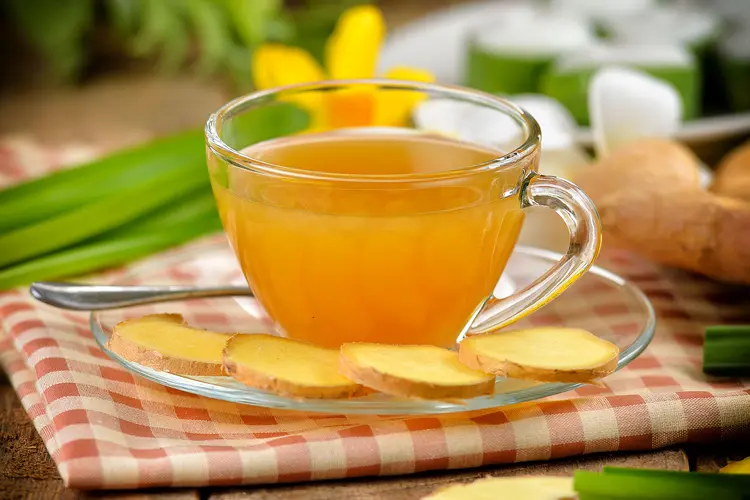
आले – हृदय निरोगी ठेवणारे नैसर्गिक अमृत! | Ayurvedic Wellness Guide.

आले (Ginger) – हृदयासाठी लाभदायक नैसर्गिक औषध

आले (Ginger) – हृदयासाठी लाभदायक नैसर्गिक औषध Image  Image  Image  Image  🌱 परिचय आले (Zingiber officinale) हे आयुर्वेदातील अत्यंत प्रभावी आणि सर्वसामान्य औषधी द्रव्य आहे। हे केवळ स्वयंपाकात चव वाढवण्यासाठीच नव्हे तर हृदयाचे आरोग्य, पचन सुधारणा आणि रक्ताभिसरण सुधारण्यासाठी अत्यंत उपयुक्त आहे।  🧪 Nutritional Value (पोषणमूल्य) आल्यामध्ये आढळणारे महत्त्वाचे घटक:  जिंजरोल (Gingerol)  अँटीऑक्सिडंट्स  व्हिटॅमिन B6  मॅग्नेशियम  पोटॅशियम  👉 हे घटक शरीराला दाहशामक, हृदयसंरक्षक आणि रोगप्रतिकारक गुण देतात।  💚 Health Benefits (आरोग्य फायदे) ❤️ 1. कोलेस्टेरॉल नियंत्रण आले वाईट कोलेस्टेरॉल कमी करून हृदयाचे संरक्षण करते।  🩸 2. रक्ताभिसरण सुधारते रक्तप्रवाह सुरळीत ठेवून शरीरात ऑक्सिजन पुरवठा सुधारते।  💓 3. हृदय मजबूत करते हृदयाच्या स्नायूंना बळकटी देऊन हृदयविकाराचा धोका कमी करते।  ⚖️ 4. रक्तदाब नियंत्रण उच्च रक्तदाब कमी करण्यास मदत करते।  🧬 5. रक्त गोठणे कमी करते रक्त जास्त प्रमाणात गोठू न देता हृदयविकार टाळते।  🔥 6. दाहशामक गुणधर्म शरीरातील सूज व दाह कमी करते।  🌿 Uses (उपयोग) 🍵 आल्याचा चहा – हृदय व पचनासाठी  🥗 आहारात वापर – रोजच्या जेवणात  🍯 आले + मध – रोगप्रतिकारशक्ती वाढवण्यासाठी  🧃 आल्याचा रस – रक्ताभिसरण सुधारण्यासाठी  📜 Ayurveda Reference (आयुर्वेद संदर्भ) आयुर्वेदात आलेला “विश्वभेषज” म्हणजे सर्व रोगांवर उपयोगी औषध मानले जाते।  दीपन (अग्नि वाढवणारे)  पाचन सुधारक  कफ-वात शमन करणारे  👉 हृदय आणि पचन यांच्यातील संतुलन राखण्यासाठी आले अत्यंत उपयुक्त आहे।   Consult Doctor for Detailed Advice अधिक माहितीसाठी आणि वैयक्तिक उपचारासाठी भेट द्या 👉 www.ayurvedainitiative.com  योग्य प्रमाण आणि वापरासाठी तज्ज्ञांचा सल्ला घ्या।  ❓ FAQ (वारंवार विचारले जाणारे प्रश्न) 1. आले रोज खाऊ शकतो का होय, मर्यादित प्रमाणात रोज सेवन सुरक्षित आहे।  2. आले हृदयासाठी कसे उपयुक्त आहे ते कोलेस्टेरॉल कमी करून रक्ताभिसरण सुधारते।  3. आले रक्तदाब कमी करते का होय, नियमित सेवनाने मदत होते।  4. आले रक्त गोठणे कमी करते का होय, त्यामुळे हृदयविकाराचा धोका कमी होतो।  आले – हृदय निरोगी ठेवणारे नैसर्गिक अमृत!

Image आले (Ginger) – हृदयासाठी लाभदायक नैसर्गिक औषध Image  Image  Image  Image  🌱 परिचय आले (Zingiber officinale) हे आयुर्वेदातील अत्यंत प्रभावी आणि सर्वसामान्य औषधी द्रव्य आहे। हे केवळ स्वयंपाकात चव वाढवण्यासाठीच नव्हे तर हृदयाचे आरोग्य, पचन सुधारणा आणि रक्ताभिसरण सुधारण्यासाठी अत्यंत उपयुक्त आहे।  🧪 Nutritional Value (पोषणमूल्य) आल्यामध्ये आढळणारे महत्त्वाचे घटक:  जिंजरोल (Gingerol)  अँटीऑक्सिडंट्स  व्हिटॅमिन B6  मॅग्नेशियम  पोटॅशियम  👉 हे घटक शरीराला दाहशामक, हृदयसंरक्षक आणि रोगप्रतिकारक गुण देतात।  💚 Health Benefits (आरोग्य फायदे) ❤️ 1. कोलेस्टेरॉल नियंत्रण आले वाईट कोलेस्टेरॉल कमी करून हृदयाचे संरक्षण करते।  🩸 2. रक्ताभिसरण सुधारते रक्तप्रवाह सुरळीत ठेवून शरीरात ऑक्सिजन पुरवठा सुधारते।  💓 3. हृदय मजबूत करते हृदयाच्या स्नायूंना बळकटी देऊन हृदयविकाराचा धोका कमी करते।  ⚖️ 4. रक्तदाब नियंत्रण उच्च रक्तदाब कमी करण्यास मदत करते।  🧬 5. रक्त गोठणे कमी करते रक्त जास्त प्रमाणात गोठू न देता हृदयविकार टाळते।  🔥 6. दाहशामक गुणधर्म शरीरातील सूज व दाह कमी करते।  🌿 Uses (उपयोग) 🍵 आल्याचा चहा – हृदय व पचनासाठी  🥗 आहारात वापर – रोजच्या जेवणात  🍯 आले + मध – रोगप्रतिकारशक्ती वाढवण्यासाठी  🧃 आल्याचा रस – रक्ताभिसरण सुधारण्यासाठी  📜 Ayurveda Reference (आयुर्वेद संदर्भ) आयुर्वेदात आलेला “विश्वभेषज” म्हणजे सर्व रोगांवर उपयोगी औषध मानले जाते।  दीपन (अग्नि वाढवणारे)  पाचन सुधारक  कफ-वात शमन करणारे  👉 हृदय आणि पचन यांच्यातील संतुलन राखण्यासाठी आले अत्यंत उपयुक्त आहे।   Consult Doctor for Detailed Advice अधिक माहितीसाठी आणि वैयक्तिक उपचारासाठी भेट द्या 👉 www.ayurvedainitiative.com  योग्य प्रमाण आणि वापरासाठी तज्ज्ञांचा सल्ला घ्या।  ❓ FAQ (वारंवार विचारले जाणारे प्रश्न) 1. आले रोज खाऊ शकतो का होय, मर्यादित प्रमाणात रोज सेवन सुरक्षित आहे।  2. आले हृदयासाठी कसे उपयुक्त आहे ते कोलेस्टेरॉल कमी करून रक्ताभिसरण सुधारते।  3. आले रक्तदाब कमी करते का होय, नियमित सेवनाने मदत होते।  4. आले रक्त गोठणे कमी करते का होय, त्यामुळे हृदयविकाराचा धोका कमी होतो।  आले – हृदय निरोगी ठेवणारे नैसर्गिक अमृत!


Image आले (Ginger) – हृदयासाठी लाभदायक नैसर्गिक औषध Image  Image  Image  Image  🌱 परिचय आले (Zingiber officinale) हे आयुर्वेदातील अत्यंत प्रभावी आणि सर्वसामान्य औषधी द्रव्य आहे। हे केवळ स्वयंपाकात चव वाढवण्यासाठीच नव्हे तर हृदयाचे आरोग्य, पचन सुधारणा आणि रक्ताभिसरण सुधारण्यासाठी अत्यंत उपयुक्त आहे।  🧪 Nutritional Value (पोषणमूल्य) आल्यामध्ये आढळणारे महत्त्वाचे घटक:  जिंजरोल (Gingerol)  अँटीऑक्सिडंट्स  व्हिटॅमिन B6  मॅग्नेशियम  पोटॅशियम  👉 हे घटक शरीराला दाहशामक, हृदयसंरक्षक आणि रोगप्रतिकारक गुण देतात।  💚 Health Benefits (आरोग्य फायदे) ❤️ 1. कोलेस्टेरॉल नियंत्रण आले वाईट कोलेस्टेरॉल कमी करून हृदयाचे संरक्षण करते।  🩸 2. रक्ताभिसरण सुधारते रक्तप्रवाह सुरळीत ठेवून शरीरात ऑक्सिजन पुरवठा सुधारते।  💓 3. हृदय मजबूत करते हृदयाच्या स्नायूंना बळकटी देऊन हृदयविकाराचा धोका कमी करते।  ⚖️ 4. रक्तदाब नियंत्रण उच्च रक्तदाब कमी करण्यास मदत करते।  🧬 5. रक्त गोठणे कमी करते रक्त जास्त प्रमाणात गोठू न देता हृदयविकार टाळते।  🔥 6. दाहशामक गुणधर्म शरीरातील सूज व दाह कमी करते।  🌿 Uses (उपयोग) 🍵 आल्याचा चहा – हृदय व पचनासाठी  🥗 आहारात वापर – रोजच्या जेवणात  🍯 आले + मध – रोगप्रतिकारशक्ती वाढवण्यासाठी  🧃 आल्याचा रस – रक्ताभिसरण सुधारण्यासाठी  📜 Ayurveda Reference (आयुर्वेद संदर्भ) आयुर्वेदात आलेला “विश्वभेषज” म्हणजे सर्व रोगांवर उपयोगी औषध मानले जाते।  दीपन (अग्नि वाढवणारे)  पाचन सुधारक  कफ-वात शमन करणारे  👉 हृदय आणि पचन यांच्यातील संतुलन राखण्यासाठी आले अत्यंत उपयुक्त आहे।   Consult Doctor for Detailed Advice अधिक माहितीसाठी आणि वैयक्तिक उपचारासाठी भेट द्या 👉 www.ayurvedainitiative.com  योग्य प्रमाण आणि वापरासाठी तज्ज्ञांचा सल्ला घ्या।  ❓ FAQ (वारंवार विचारले जाणारे प्रश्न) 1. आले रोज खाऊ शकतो का होय, मर्यादित प्रमाणात रोज सेवन सुरक्षित आहे।  2. आले हृदयासाठी कसे उपयुक्त आहे ते कोलेस्टेरॉल कमी करून रक्ताभिसरण सुधारते।  3. आले रक्तदाब कमी करते का होय, नियमित सेवनाने मदत होते।  4. आले रक्त गोठणे कमी करते का होय, त्यामुळे हृदयविकाराचा धोका कमी होतो।  आले – हृदय निरोगी ठेवणारे नैसर्गिक अमृत!

🌱 परिचय

आले (Zingiber officinale) हे आयुर्वेदातील अत्यंत प्रभावी आणि सर्वसामान्य औषधी द्रव्य आहे।
हे केवळ स्वयंपाकात चव वाढवण्यासाठीच नव्हे तर हृदयाचे आरोग्य, पचन सुधारणा आणि रक्ताभिसरण सुधारण्यासाठी अत्यंत उपयुक्त आहे।

🧪 Nutritional Value (पोषणमूल्य)

आल्यामध्ये आढळणारे महत्त्वाचे घटक:

  • जिंजरोल (Gingerol)

  • अँटीऑक्सिडंट्स

  • व्हिटॅमिन B6

  • मॅग्नेशियम

  • पोटॅशियम

👉 हे घटक शरीराला दाहशामक, हृदयसंरक्षक आणि रोगप्रतिकारक गुण देतात।

💚 Health Benefits (आरोग्य फायदे)

❤️ 1. कोलेस्टेरॉल नियंत्रण

आले वाईट कोलेस्टेरॉल कमी करून हृदयाचे संरक्षण करते।

🩸 2. रक्ताभिसरण सुधारते

रक्तप्रवाह सुरळीत ठेवून शरीरात ऑक्सिजन पुरवठा सुधारते।

💓 3. हृदय मजबूत करते

हृदयाच्या स्नायूंना बळकटी देऊन हृदयविकाराचा धोका कमी करते।

⚖️ 4. रक्तदाब नियंत्रण

उच्च रक्तदाब कमी करण्यास मदत करते।

🧬 5. रक्त गोठणे कमी करते

रक्त जास्त प्रमाणात गोठू न देता हृदयविकार टाळते।

🔥 6. दाहशामक गुणधर्म

शरीरातील सूज व दाह कमी करते।

🌿 Uses (उपयोग)

  • 🍵 आल्याचा चहा – हृदय व पचनासाठी

  • 🥗 आहारात वापर – रोजच्या जेवणात

  • 🍯 आले + मध – रोगप्रतिकारशक्ती वाढवण्यासाठी

  • 🧃 आल्याचा रस – रक्ताभिसरण सुधारण्यासाठी

📜 Ayurveda Reference (आयुर्वेद संदर्भ)

आयुर्वेदात आलेला “विश्वभेषज” म्हणजे सर्व रोगांवर उपयोगी औषध मानले जाते।

  • दीपन (अग्नि वाढवणारे)

  • पाचन सुधारक

  • कफ-वात शमन करणारे

👉 हृदय आणि पचन यांच्यातील संतुलन राखण्यासाठी आले अत्यंत उपयुक्त आहे।

 Consult Doctor for Detailed Advice

अधिक माहितीसाठी आणि वैयक्तिक उपचारासाठी भेट द्या
👉 www.ayurvedainitiative.com

योग्य प्रमाण आणि वापरासाठी तज्ज्ञांचा सल्ला घ्या।

❓ FAQ (वारंवार विचारले जाणारे प्रश्न)

1. आले रोज खाऊ शकतो का

होय, मर्यादित प्रमाणात रोज सेवन सुरक्षित आहे।

2. आले हृदयासाठी कसे उपयुक्त आहे

ते कोलेस्टेरॉल कमी करून रक्ताभिसरण सुधारते।

3. आले रक्तदाब कमी करते का

होय, नियमित सेवनाने मदत होते।

4. आले रक्त गोठणे कमी करते का

होय, त्यामुळे हृदयविकाराचा धोका कमी होतो।

आले – हृदय निरोगी ठेवणारे नैसर्गिक अमृत!

Breathe easy with Ayurveda.

Ayurveda: The Natural Solution for Respiratory Health.


Respiratory health is a vital aspect of our overall well-being. However, with the increasing pollution
 and stress levels, respiratory issues such as asthma and bronchitis are becoming more prevalent. Ayurveda, the ancient Indian system of medicine, offers a natural and effective solution to alleviate respiratory issues.

Understanding Respiratory Health in Ayurveda.


In Ayurveda, respiratory health is linked to the balance of the three doshas - Vata, Pitta, and Kapha. An imbalance of these doshas can lead to respiratory issues. Ayurvedic treatments and herbs help to balance the doshas and alleviate respiratory problems.

Ayurvedic Treatments for Respiratory Health.


Ayurvedic treatments for respiratory health include:

1 Panchakarma: A detoxification program that helps to remove toxins from the body and balance the doshas.

2 Nasya: A treatment that involves the administration of herbal oils through the nasal passage to help alleviate respiratory issues.

3 Swedana: A steam treatment that helps to loosen and remove mucus from the respiratory tract.

 Ayurvedic Herbs for Respiratory Health.


Ayurvedic herbs that help to alleviate respiratory issues include:

1 Turmeric: Known for its anti-inflammatory properties, turmeric helps to reduce inflammation in the respiratory tract.

2 Ginger: Ginger helps to reduce inflammation and congestion in the respiratory tract.

3 Tulsi: Also known as holy basil, tulsi is known for its anti-inflammatory and antioxidant properties that help to alleviate respiratory issues.

Lifestyle Changes for Respiratory Health.


In addition to Ayurvedic treatments and herbs, making lifestyle changes can also help to alleviate respiratory issues. These include:

1 Practicing yoga and pranayama to help improve lung function and reduce stress.
2 Avoiding exposure to pollutants and allergens.
3 Eating a healthy and balanced diet that includes foods that are easy to digest.

Conclusion.


Ayurveda offers a natural and effective solution to alleviate respiratory issues. By combining Ayurvedic treatments and herbs with lifestyle changes, individuals can help to improve their respiratory health and overall well-being.

Frequently Asked Questions.


Q: What are the benefits of Ayurvedic treatments for respiratory health?
A: Ayurvedic treatments can help to alleviate respiratory issues such as asthma and bronchitis, improve lung function, and reduce stress.

Q: Which Ayurvedic herbs are beneficial for respiratory health?
A: Turmeric, ginger, and tulsi are all beneficial for respiratory health.

Q: What lifestyle changes can I make to improve my respiratory health?
A: Practicing yoga and pranayama, avoiding exposure to pollutants and allergens, and eating a healthy and balanced diet can all help to improve respiratory health.

Reduce inflammation naturally with Ayurveda.

Reducing Inflammation with Ayurveda: A Natural Approach to Pain Relief.


Inflammation is a natural response of the body's immune system, but chronic inflammation can lead to debilitating pain and discomfort. Ayurveda, the ancient Indian system of medicine, offers a natural approach to reducing inflammation and alleviating chronic pain. In this blog, we'll explore the Ayurvedic treatments and herbs that can help reduce inflammation and promote overall well-being.

Understanding Inflammation

Inflammation is a complex process that involves the immune system's response to injury or infection. While acute inflammation is a necessary response to injury, chronic inflammation can lead to a range of health problems, including arthritis, diabetes, and heart disease. Ayurveda recognizes that inflammation is often caused by an imbalance of the three doshas: Vata, Pitta, and Kapha.

Ayurvedic Treatments for Reducing Inflammation

Ayurveda offers a range of treatments for reducing inflammation, including:

1 Panchakarma: A detoxification program that involves massage, herbal remedies, and other treatments to remove toxins from the body.

2 Abhyanga: A massage therapy that involves the use of herbal oils to nourish and moisturize the skin.

3 Swedana: A steam therapy that involves the use of herbal steam to open up the pores and remove toxins from the body.

Ayurvedic Herbs for Reducing Inflammation.

Ayurveda recognizes the importance of herbs in reducing inflammation and promoting overall well-being. Some of the most effective Ayurvedic herbs for reducing inflammation include:

1 Turmeric: A natural anti-inflammatory that contains curcumin, a compound that has potent anti-inflammatory and antioxidant properties.


2 Ginger: A natural anti-inflammatory that has been shown to reduce pain and inflammation in the body.

3 Ashwagandha: An adaptogenic herb that helps to reduce stress and anxiety, which can contribute to inflammation.

 Diet and Lifestyle Recommendations

Ayurveda recognizes the importance of diet and lifestyle in reducing inflammation and promoting overall well-being. Some of the most effective diet and lifestyle recommendations for reducing inflammation include:

1 Eating an anti-inflammatory diet: A diet that is rich in fruits, vegetables, whole grains, and lean proteins.


2 Avoiding pro-inflammatory foods: Foods that are high in sugar, salt, and unhealthy fats.


3 Getting regular exercise: Exercise can help to reduce inflammation and promote overall well-being.

4 Getting enough sleep: Sleep is essential for reducing inflammation and promoting overall well-being.

Conclusion

Ayurveda offers a natural approach to reducing inflammation and alleviating chronic pain. By incorporating Ayurvedic treatments, herbs, and diet and lifestyle recommendations into your daily routine, you can help to reduce inflammation and promote overall well-being.

Frequently Asked Questions and Answers:

Q: What are the causes of inflammation?
A: Inflammation can be caused by a range of factors, including injury, infection, and chronic diseases such as arthritis and diabetes.

Q: How can Ayurveda help to reduce inflammation?
A: Ayurveda offers a range of treatments, herbs, and diet and lifestyle recommendations that can help to reduce inflammation and promote overall well-being.

Q: What are some of the most effective Ayurvedic herbs for reducing inflammation?
A: Some of the most effective Ayurvedic herbs for reducing inflammation include turmeric, ginger, and ashwagandha.

Boost your immunity naturally with Ayurveda.

The Power of Ayurveda: Boosting Immunity Naturally.


In today's world, where diseases and infections are on the rise, having a strong immune system is crucial for maintaining overall health and well-being. Ayurveda, the ancient Indian system of medicine, offers a holistic approach to boosting immunity naturally. In this blog, we'll explore the ways in which Ayurvedic herbs and practices can enhance the body's natural defense system.

Understanding the Immune System.


Before we dive into the world of Ayurveda, let's take a brief look at how the immune system works. The immune system is a complex network of cells, tissues, and organs that work together to defend the body against foreign invaders, such as bacteria, viruses, and other pathogens. When the immune system is functioning properly, it can effectively fight off infections and diseases.

Ayurvedic Herbs for Boosting Immunity.


Ayurveda offers a wealth of herbs that can help boost immunity naturally. Some of the most effective Ayurvedic herbs for immunity include:

1 Tulsi (Holy Basil): Known for its adaptogenic properties, tulsi helps to reduce stress and boost immunity.

2 Ashwagandha: This powerful herb helps to reduce stress and anxiety, while also boosting immunity and energy levels.

3 Ginger: With its anti-inflammatory properties, ginger helps to reduce inflammation and boost immunity.

4 Turmeric: Curcumin, a compound found in turmeric, has potent anti-inflammatory and antioxidant properties that help to boost immunity.

 Ayurvedic Practices for Boosting Immunity.


In addition to herbs, Ayurveda offers a range of practices that can help boost immunity naturally. Some of the most effective Ayurvedic practices for immunity include:

1 Yoga:Regular yoga practice helps to reduce stress and boost immunity by stimulating the lymphatic system and promoting the production of antibodies.

2 Meditation: Meditation helps to reduce stress and boost immunity by promoting relaxation and reducing inflammation.

3 Panchakarma: This Ayurvedic detoxification program helps to remove toxins from the body, which can help to boost immunity.

 Diet and Lifestyle Tips for Boosting Immunity.


Ayurveda also offers a range of diet and lifestyle tips that can help boost immunity naturally. Some of the most effective tips include:

1 Eating a balanced diet: Focus on eating a diet that is rich in fruits, vegetables, whole grains, and lean proteins.

2 Staying hydrated: Drink plenty of water throughout the day to help flush out toxins and keep the immune system functioning properly.

3 Getting enough sleep: Aim for 7-8 hours of sleep per night to help the immune system function properly.

 Conclusion.


Ayurveda offers a wealth of herbs, practices, and diet and lifestyle tips that can help boost immunity naturally. By incorporating these tips into your daily routine, you can help to keep your immune system functioning properly and reduce your risk of illness and disease.

Frequently Asked Questions and Answers:


Q: What are some of the most effective Ayurvedic herbs for boosting immunity?
A: Some of the most effective Ayurvedic herbs for immunity include tulsi, ashwagandha, ginger, and turmeric.

Q: How can yoga and meditation help to boost immunity?
A: Yoga and meditation can help to reduce stress and boost immunity by stimulating the lymphatic system and promoting the production of antibodies.

Q: What are some diet and lifestyle tips that can help to boost immunity?
A: Some effective diet and lifestyle tips for boosting immunity include eating a balanced diet, staying hydrated, and getting enough sleep.

The secrets of Ayurvedic digestive health and discover a happier, healthier you.

The Secrets of Ayurvedic Digestive Health.


Ayurveda, the ancient Indian system of medicine, offers a holistic approach to health and wellness. One of the key areas of focus in Ayurveda is digestive health. In this blog, we'll explore how Ayurveda helps regulate digestion and prevents digestive disorders.

The Importance of Digestion in Ayurveda


In Ayurveda, digestion is considered the foundation of overall health. The digestive system is responsible for breaking down food into nutrients that can be absorbed by the body. When digestion is impaired, it can lead to a range of health problems, including digestive disorders, fatigue, and even mental health issues.

Ayurvedic Principles of Digestive Health.


Ayurveda offers a unique perspective on digestive health, based on the concept of the three doshas: Vata, Pitta, and Kapha. Each dosha has its own characteristics and tendencies, and understanding your individual dosha can help you tailor your diet and lifestyle to support optimal digestive health.

1 Vata: Vata types tend to have irregular digestion, with symptoms such as bloating, gas, and constipation. Ayurvedic recommendations for Vata types include eating warm, nourishing foods, and 

avoiding cold, dry foods.
2 Pitta: Pitta types tend to have sharp digestion, with symptoms such as heartburn, acid reflux, and diarrhea. Ayurvedic recommendations for Pitta types include eating cooling, soothing foods, and avoiding hot, spicy foods.
3 Kapha: Kapha types tend to have slow digestion, with symptoms such as weight gain, lethargy, and sluggishness. Ayurvedic recommendations for Kapha types include eating light, easy-to-digest foods, and avoiding heavy, rich foods.

Ayurvedic Remedies for Digestive Disorders.


Ayurveda offers a range of remedies for digestive disorders, including herbs, spices, and dietary changes. Some of the most effective Ayurvedic remedies for digestive disorders include:

1 Triphala: A blend of three herbs, triphala is a powerful digestive tonic that helps to regulate bowel movements and prevent digestive disorders.
2 Ginger: Ginger is a natural anti-inflammatory that helps to soothe the digestive tract and prevent nausea and vomiting.
3 Cumin: Cumin is a natural digestive aid that helps to stimulate digestive enzymes and prevent bloating and gas.

Ayurvedic Diet and Lifestyle Recommendations.


In addition to herbal remedies, Ayurveda offers a range of diet and lifestyle recommendations to support digestive health. Some of the most effective Ayurvedic diet and lifestyle recommendations include:

1 Eating according to your dosha: Understanding your individual dosha can help you tailor your diet to support optimal digestive health.
2 Eating seasonal foods: Eating foods that are in season can help to support digestive health and prevent digestive disorders.
3 Avoiding processed foods: Processed foods can be difficult to digest and can lead to a range of digestive disorders.

 Conclusion.


Ayurveda offers a holistic approach to digestive health, taking into account the individual's unique constitution, diet, and lifestyle. By understanding your individual dosha and following Ayurvedic diet and lifestyle recommendations, you can help to regulate digestion and prevent digestive disorders.

Frequently Asked Questions and Answers:


Q: What is the best way to support digestive health according to Ayurveda?
A: The best way to support digestive health according to Ayurveda is to eat according to your individual dosha, avoid processed foods, and incorporate herbal remedies such as triphala and ginger into your diet.

Q: How can I determine my individual dosha?
A: You can determine your individual dosha by taking an online quiz or consulting with an Ayurvedic practitioner.

Q: What are some common digestive disorders that can be treated with Ayurveda?
A: Some common digestive disorders that can be treated with Ayurveda include irritable bowel syndrome (IBS), acid reflux, and constipation.

Ginger

Ginger (Zingiber officinale) is a flowering plant whose rhizome, ginger root or ginger, is widely used as a spice and a folk medicine. 

It is a herbaceous perennial which grows annual pseudostems (false stems made of the rolled bases of leaves) about one meter tall bearing narrow leaf blades. The inflorescences bear flowers having pale yellow petals with purple edges, and arise directly from the rhizome on separate shoots.
Eating ginger can cut down on fermentation, constipation and other causes of bloating and intestinal gas. Wear and tear on cells. Ginger contains antioxidants. These molecules help manage free radicals, which are compounds that can damage cells when their numbers grow too high.

Did you know that India is the largest producer of Ginger (Zingiber officinale) in the world though not its largest exporter, and it is the underground perennial stem (rhizome) of a medicinal herb and spice?

Ginger (Zingiber officinale) 

Did you know that India is the largest producer of Ginger (Zingiber officinale) in the world though not its largest exporter, and it is the underground perennial stem (rhizome) of a medicinal herb and spice?


Ginger, also Shunti in many Indian languages, consists of dried rhizome of Zingiber officinale Roxb, widely cultivated in India as its largest producer in the world but not its largest exporter. It is a flowering plant in the family Zingiberaceae whose rhizome, ginger root or ginger as it is known in English language, is widely used as a spice and a folk medicine.

Ginger is known as an ancient Tamil root, ‘ingiver’, meaning ginger rizome, also known in Prakrit (Middle Indic) 'singabera', from Sanskrit 'srngaveram'. It was spread through Arab traders from Medieval Latin gingiber, from Greek zingiberis, Old French gingibre, and from Old English gingifer, and said to be a pre-Dravidian word known in 20 languages, and with different names for fresh ginger and dried ginger in some languages and put to separate distinct uses. It was exported from the Malabar coast on the southern peninsular coast of India since 2nd century AD. In the middle ages it was on the privileged list of goods in the European market. In the 13th and 14th centuries, it was next to pepper, and was the commonest and most precious of spices costing as much as price of a sheep.


In the Indian languages, ginger plant is known as Adrak (अदरक) in Hindi, Ada in Bengali and Assamese, Adrak in Punjabi, Shunthi (ಶುಂಠಿ) in Kannada, , Allam in Telugu , Inji (இஞ்சி) in Tamil, Adhu in Gujarati. Western world considered it as the choicest delicacy during the middle ages In Zanzibar in the east coast of Africa it is regarded as auspicious. Ginger was recommended against plague in England and that is how at that time Ginger Bread became popular and was in fact a favorite of Queen Elizabeth I and also in her court. The legend is that around 2400 BC, a baker on the Isle of Rhodes near Greece prepared the first Ginger bread. Shortly thereafter the recipe found its way to Egypt, where the Egyptian savoured its excellent flavour and served it in ceremonial occasions. The Romans served it in all parts of its empire. In England there was also a custom of sprinkling ginger powder on beer in middle ages. In India, it was more known as 'Mahaoushada' and 'Vishwabheshaja', literally meaning the great cure or great medicine rather than as a spice. Ginger thus as a medicinal plant and spice, in the medicinal traditions of India and China is a large armamentarium of plants in their pharmacopoeias. It is used throughout the world in both subtropical and tropical countries. This tractional medicine, a home remedy has found modern acceptance as a nonprescriptive drug throughout the world as a cure for nausea and vomiting associated with pregnancy and for the prevention of travel and sea sickness. 

Ginger, the underground stem (rhizome) of a perennial herb, is among the earliest recorded spices to be cultivated and exported from southwest India (Malabara coast), and is grown now throughout the world. It is grown in a warm, humid environment, at an elevation between 300 and 900 m (1,000 and 3,000 ft), and in well-drained soils at least 30 cm deep. 

Ginger is a herbaceous perennial which grows annual pseudostems (false stems made of the rolled bases of leaves) about one meter tall bearing narrow leaf blades. The 'inflorescences bear flowers having pale yellow petals with purple edges, and arise directly from the rhizome on separate shoots. The knobby rhizome is dug up when the 1 meter tall leaves and stems of the plant wither, which occurs between 6 and 12 months after planting. The plant produces clusters of white and pink flower buds that bloom into yellow flowers. Because of its aesthetic appeal and the adaptation of the plant to warm climates, it is often used as landscaping around subtropical homes. Traditionally, the rhizome is then prepared for market by either scalding, to produce black ginger, or by scraping and washing to produce white ginger. Raw ginger is composed of 79% water, 18% carbohydrates, 2% protein, and 1% fat.
In Ayurveda, the traditional Indian medical discipline, ginger enters in the preparation of many Ayurvedic formulations. In the United States and Europe, ginger preparations are sold as nutraceuticals or over-the-counter remedies against nausea, motion sickness, and migraine. Saubhagya Sunthi Lehyam (pak) is a popular ginger based ayurvedic product, a herbal jam used in post natal care. It strengthens the uterus and prevents the diseases arising due to improper management of post natal care. It is the nectar for the lactating mother and hence popularly known as 'baananti lehya' ( ಬಾನಂತಿ ಲೇಹ್ಯ) and is said to take complete care of post-natal period.

As a fragrant kitchen spice, young ginger rhizomes, juicy and fleshy with a mild taste, is often pickled in vinegar or sherry as a snack or cooked as an ingredient in many dishes. They can be steeped in boiling water to make ginger herb tea, to which honey may be added. Ginger can be made into candy or ginger wine. Mature ginger rhizomes, which are fibrous and nearly dry is often used as a seasoning in Indian recipe. It is used as a summer drink in South India with yogurt, with ginger as a key ingredient, along with green chillies, salt and curry leaves.

Essential oil is obtained by steam distillation of ginger, while oleoresins are obtained by solvent extraction. Therefore, essential oils contain the volatile fraction of the spice, while the oleoresins contain the volatile fraction, as well as components that are soluble in the solvent used in the extraction process. Gingerols are responsible for the ginger pungency, with gingerol being the most abundant, Ginger Oil is used as cure for nausea, muscle pain, arthritis pain, and for weight Loss.

In 2019, India was ranked number 1 in Ginger Production with 996,041 Metric Ton, with 39 countries competing in the field.

To sum up, Ginger which provided primary health care in ancient India can be said as a super spice as it improves human immune system, fights bacteria and viruses. It even has anti-cancer properties.

- Narsipur Char

Ginger tea is excellent for the lungs

Pound (don’t grate) a 1 inch piece ginger & boil in 200 ml water till it reduces by half. Remove from fire, add a pinch of cinnamon. Infuse for a minute. This ginger tea is excellent for the lungs.


 🌺 Sri Sri Tattva Panchakarma 
Bringing balance to your life
Link copied!
Ayurveda • Panchakarma • Healing

Panchakarma Therapy Articles

Explore authentic Panchakarma therapy articles, Ayurvedic detox wisdom, holistic healing techniques, rejuvenation therapies, wellness guidance, and traditional Ayurvedic knowledge from Ayurveda Initiative.
Ayurveda • Herbs • Wellness • Panchakarma

Ayurveda Initiative Complete Directory

Explore the complete Ayurveda Initiative wellness ecosystem — Panchakarma therapies, Ayurvedic herbs, natural healing, detox therapies, holistic wellness, medicinal plants, traditional remedies, and authentic Ayurveda wisdom.
Initializing Ayurveda wellness directory...
Loading wellness map...

Jamna Pharmaceutical · April 2026

JAMNA

— Condition Finder — Tip of the Day — Brand Card
2
Condition → Medicine Finder
Intelligent Medicine Finder

Find Medicine
by Condition

Tap a health condition to see matching Ayurvedic medicines

Tap a condition to explore medicines

JAMNA Pharmaceuticals · ISO 9001-2015 · GMP Certified · Since 1982

3
Ayurvedic Tip of the Day
Daily Wisdom · W.E.F. April 2026

Ayurvedic Tip
of the Day

Ancient wisdom for modern living — Jamna Pharmaceuticals

🌿 HerbCategory
Loading tip…
JAMNA Pharmaceuticals · Bhopal, MP 1 / 20
For informational use only. Consult a qualified Ayurvedic practitioner before use.
Tip copied to clipboard!
4
Brand Trust & Contact Card
JAMNA Pharmaceuticals
Healing Rooted in Tradition · Bhopal, Madhya Pradesh
✦ Since 1982 ISO 9001-2015 GMP Certified AYUSH Approved
0+
Years of
Excellence
0+
Ayurvedic
Medicines
0+
Product
Categories
0%
Shastrokt
Compliant
🏭 About Us

Jamna Pharmaceuticals has been a trusted name in Ayurvedic medicine manufacturing since 1982. Operating from Bhopal, MP, we produce 300+ classical and patent formulations — combining Shastrokt wisdom with modern GMP standards and ISO 9001-2015 certification.

Our Product Range
🏺 Asav · Arishta ⚗️ Bhasma · Pishti 🌿 Churna 🫙 Kwath · Kadha 🍯 Awaleh · Pak 🔮 Guggulu ✨ Rasayog · Ras 💧 Taila · Oil 💊 Vati · Gutika 🟢 Capsules ⬜ Tablets 🍶 Syrups
📞 Get in Touch
📞
0755-4271431
Mon–Sat, 10am–6pm
🌐
www.jamnaherbal.com
Product catalogue & information
🌿
www.ayurvedainitiative.com
Ayurveda Initiative platform
JAMNA Pharmaceuticals

ISO 9001-2015 & GMP Certified · Since 1982 · Bhopal, MP

W.E.F. April 2026. For informational use only. Consult a qualified Ayurvedic practitioner before use. Powered by Ayurveda Initiative.