Panchakarma for Natural Weight Loss and Metabolism Boost | Panchakarma Therapy

 Image

Image

Image

Image

How Panchakarma Works for Weight Loss and Metabolism Boost Naturally

In today’s fast moving life many people struggle with weight gain slow digestion and low energy. Ayurveda teaches that the root cause is imbalance in the body and accumulation of toxins known as ama. Panchakarma is a powerful detoxification therapy that gently cleanses the body and restores balance. It does not only help in weight loss but also improves metabolism and overall vitality in a natural and lasting way.

Rohit was tired of trying everything. Diet plans gym memberships and shortcuts gave him only temporary results. His body felt heavy and his mind even heavier. One day he visited an Ayurvedic clinic with little hope but deep inside he wished for change.

The doctor explained that his body was not the problem. The imbalance within was. Years of stress irregular meals and poor sleep had weakened his digestive fire. Toxins had settled deep in his system slowing down his metabolism.

He began Panchakarma therapy with hesitation. Warm herbal oils touched his skin. Steam opened his pores. Gentle detox procedures slowly released what his body had been holding for years. But something more beautiful happened.

He started feeling light not just in body but in mind. Old emotions softened. His sleep improved. His hunger became natural. His body began to respond with ease.

After weeks Rohit did lose weight. But more importantly he found balance. He realized weight loss was never about fighting the body. It was about understanding it.

Panchakarma Therapy with Benefits

Abhyanga

A warm herbal oil massage that improves circulation nourishes tissues and helps remove toxins
Benefits include improved metabolism reduced stress and better skin health

Swedana

Herbal steam therapy that opens body channels and eliminates toxins through sweat
Benefits include fat breakdown muscle relaxation and improved digestion

Vamana

Therapeutic cleansing that helps remove excess Kapha from the body
Benefits include reduced heaviness improved metabolism and respiratory health

Virechana

Gentle purgation therapy that clears toxins from liver and intestines
Benefits include better digestion hormonal balance and fat metabolism

Basti

Medicated enema therapy that balances Vata and nourishes tissues
Benefits include improved gut health enhanced metabolism and detoxification

Ayurvedic Herbs with Benefits

Triphala

Supports digestion and gentle detoxification
Helps regulate metabolism and reduce fat accumulation

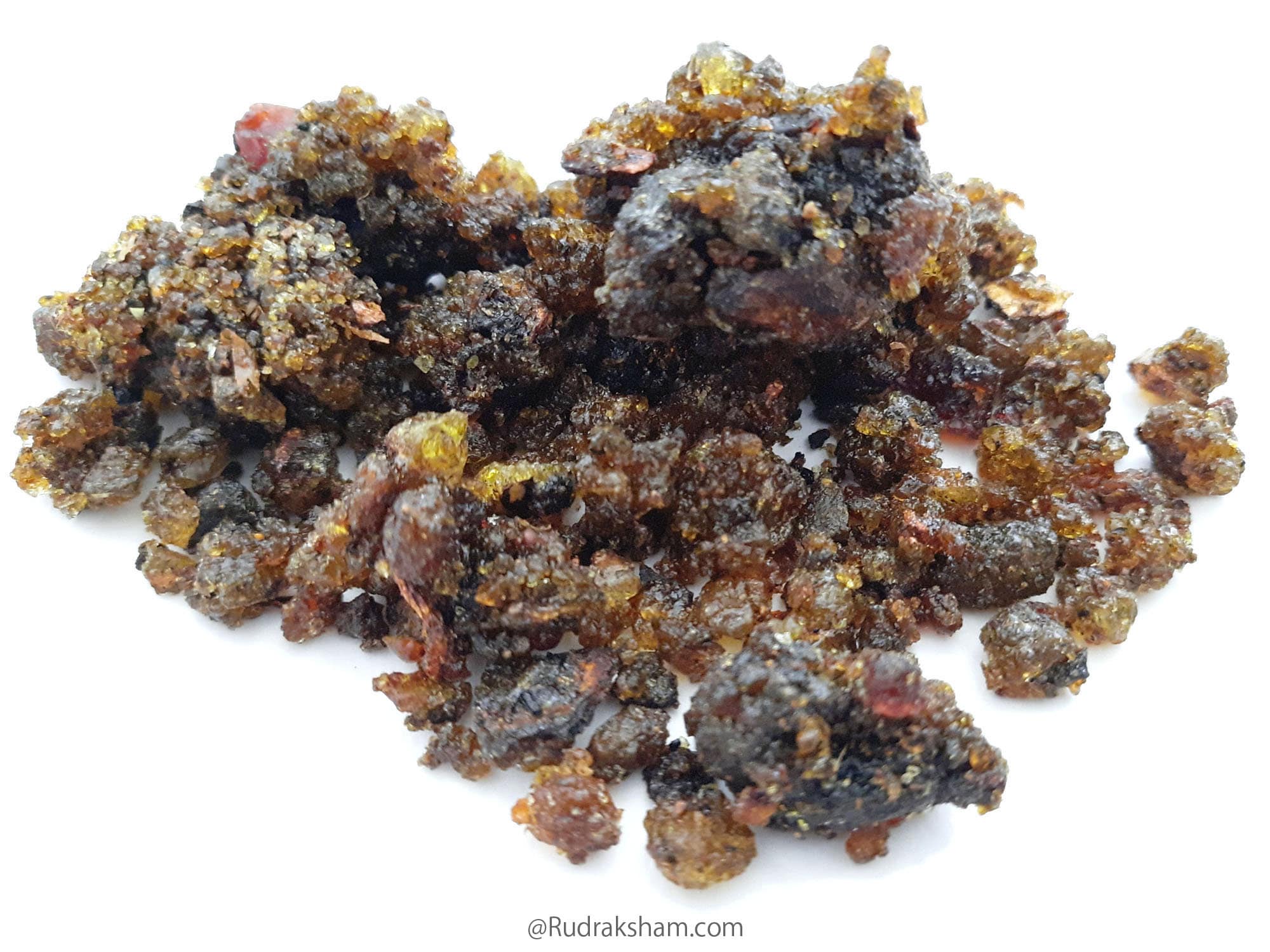
Guggulu

Known for its fat reducing properties
Improves lipid metabolism and supports weight management

Punarnava

Reduces water retention and supports kidney function
Helps in natural weight reduction

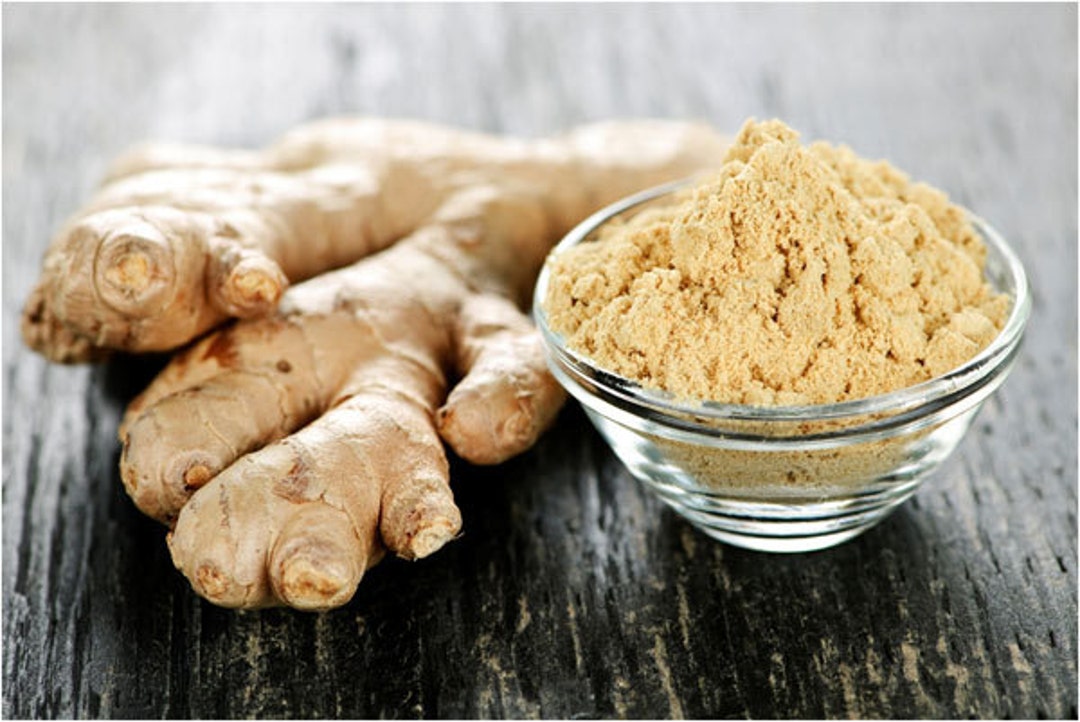
Ginger

Boosts digestive fire and improves metabolism
Reduces bloating and enhances nutrient absorption

Ayurvedic Medicine

Triphala Churna

Helps in cleansing digestion and improving metabolism

Medohar Guggulu

Supports fat metabolism and weight management

Arogyavardhini Vati

Improves liver function and detoxification

Ayurvedic Tailam

Sesame Oil

Deeply nourishing improves circulation and removes toxins

Kottamchukkadi Tailam

Helps in reducing stiffness fat accumulation and improves metabolism

Dhanwantharam Tailam

Strengthens body tissues and supports detoxification

Diet with Benefits

A balanced Ayurvedic diet is warm light and easy to digest
Include fresh vegetables whole grains and herbal teas
Avoid processed food cold drinks and overeating

Benefits include better digestion improved metabolism and natural weight control

Yoga with Benefits

Surya Namaskar

Improves metabolism and supports weight loss

Kapalbhati

Enhances digestion and burns abdominal fat

Bhujangasana

Strengthens core and improves energy flow

Benefits include better flexibility improved digestion and mental clarity

About Ayurveda

Ayurveda is an ancient system of healing that focuses on balance between body mind and spirit. It teaches that true health comes from harmony within. Panchakarma is one of its most powerful therapies designed to cleanse and rejuvenate the body naturally.

Ayurvedic Lifestyle Guidance

Wake up early and follow a daily routine
Eat meals at the same time every day
Practice mindfulness and reduce stress
Sleep early to allow the body to heal

These simple habits support metabolism and prevent weight gain

FAQ

What is Panchakarma
It is a detox therapy in Ayurveda that cleanses the body deeply

Is Panchakarma effective for weight loss
Yes it helps remove toxins and improves metabolism naturally

How long does Panchakarma take
It depends on the individual but usually lasts a few days to a few weeks

Is it safe
When done under expert guidance it is safe and highly beneficial

Panchakarma is not just a treatment it is a journey back to balance. It helps the body release toxins awaken metabolism and restore natural energy. True weight loss happens when the body feels light healthy and aligned from within.

Consult Ayurvedic Doctor

For personalized Panchakarma therapy and Ayurvedic guidance consult a qualified Ayurvedic doctor. Individual assessment is important to understand your body type and health condition before starting treatment.

This content is for educational purposes only and not a substitute for medical advice. Always consult a qualified Ayurvedic practitioner before starting any treatment.

Heal from within and your body will follow naturally

Obesity Management Through Ayurveda: Natural & Sustainable Weight Loss | Dr Sagar Narkhede

Obesity Management Through Ayurvedic Principles

A Holistic, Root-Cause Approach to Sustainable Weight Balance

Obesity is not merely a matter of excess weight — it is a complex metabolic disorder affecting hormonal balance, cardiovascular health, joint integrity, digestion, and emotional well-being. Globally, obesity rates are rising due to sedentary lifestyles, processed diets, stress, and metabolic disturbances.

As an Ayurvedic physician, I emphasize a fundamental principle:

Sustainable weight management is not about calorie restriction alone — it is about restoring metabolic intelligence.

Ayurveda offers a time-tested, individualized, and root-cause approach to obesity management through dosha balance, digestive correction, detoxification, and lifestyle discipline.

About Ayurveda

Obesity Management Through Ayurvedic Principles  A Holistic, Root-Cause Approach to Sustainable Weight Balance  Obesity is not merely a matter of excess weight — it is a complex metabolic disorder affecting hormonal balance, cardiovascular health, joint integrity, digestion, and emotional well-being. Globally, obesity rates are rising due to sedentary lifestyles, processed diets, stress, and metabolic disturbances.  As an Ayurvedic physician, I emphasize a fundamental principle:  Sustainable weight management is not about calorie restriction alone — it is about restoring metabolic intelligence.  Ayurveda offers a time-tested, individualized, and root-cause approach to obesity management through dosha balance, digestive correction, detoxification, and lifestyle discipline.  About Ayurveda Image  Image  Image  Image  Ayurveda, the ancient science of life, originated in India over 5,000 years ago. The term Ayurveda combines:  Ayus – Life  Veda – Knowledge  It focuses on maintaining balance in:  Doshas – Vata, Pitta, Kapha  Agni – Digestive and metabolic fire  Ama – Toxic metabolic waste  Dhatus – Body tissues  Mind-body harmony  Unlike crash diets or extreme exercise programs, Ayurveda addresses the root metabolic imbalance causing weight gain.  Obesity in Ayurveda is described as:  Sthaulya or Medoroga (disorder of fat metabolism).  Modern Explanation of Obesity Image  Image  Image  Image  From a biomedical perspective, obesity results from:  Excess calorie intake  Sedentary lifestyle  Hormonal imbalance  Insulin resistance  Chronic inflammation  Genetic predisposition  It increases risk for:  Type 2 diabetes  Hypertension  Cardiovascular disease  Fatty liver disease  PCOS  Joint degeneration  However, modern management often focuses primarily on calorie restriction, appetite suppressants, or surgery — without fully addressing digestive efficiency and systemic inflammation.  Ayurvedic Perspective on Obesity (Sthaulya) In Ayurveda, obesity is primarily caused by:  Kapha Dosha aggravation  Weak digestive fire (Mandagni)  Accumulation of Ama  Disturbed Meda Dhatu (fat tissue metabolism)  1 Dosha Imbalance  Kapha Dosha (Primary Factor) Heaviness  Sluggish metabolism  Water retention  Fat accumulation  Lethargy  Excess Kapha leads to improper fat metabolism.   Pitta Dosha Increased appetite  Acid reflux  Inflammation   Vata Dosha Irregular digestion  Stress eating  Emotional eating  Most obesity cases involve Kapha dominance with weak Agni.  2 Role of Agni (Digestive Fire) Agni governs metabolism.  When Agni is weak:  Food is not properly metabolized  Excess nutrition converts into fat  Toxins accumulate  Restoring Agni is the cornerstone of weight management.  3 Ama (Toxin Accumulation) Ama blocks metabolic channels (Srotas), leading to:  Insulin resistance  Sluggish metabolism  Fat accumulation  Chronic inflammation  Therefore, detoxification is essential.  Ayurvedic Treatment Principles for Obesity 1 Rekindling digestive fire 2 Reducing Kapha 3 Eliminating Ama 4 Regulating appetite 5 Enhancing fat metabolism 6 Promoting sustainable lifestyle change   Powerful Ayurvedic Herbs & Therapies  1. Triphala Image  Image      Improves digestion  Detoxifies gut  Regulates bowel movement  2. Guggulu (Commiphora mukul) Image  Image  Enhances fat metabolism  Reduces cholesterol  Anti-inflammatory  3. Trikatu (Ginger, Black Pepper, Long Pepper) Image  Image  Image  Image  Boosts metabolism  Improves Agni  Reduces Ama   4. Musta (Cyperus rotundus) Image  Image      Regulates digestion  Reduces Kapha  Controls appetite   5. Garcinia (Vrikshamla) Image    Image    Supports fat metabolism  Reduces appetite  Improves lipid profile  6. Panchakarma Therapies   Image  Image  Image  Udwarthanam (herbal powder massage)  Virechana (therapeutic purgation)  Swedana (herbal steam therapy)  Basti (in selected cases)  These therapies enhance fat metabolism and detoxification.  Ayurvedic Diet for Weight Management Include: Warm, light meals  Barley  Millets  Moong dal  Leafy greens  Ginger tea  Warm water  Honey (in moderation)  Avoid: 1 Fried foods 2 Refined sugar 3 Cold drinks 4 Dairy excess 5 Processed foods 6 Late-night meals  Eat according to digestive capacity.  Lifestyle Recommendations Wake before sunrise  Daily brisk walking (30–45 minutes)  Yoga and Surya Namaskar  Avoid daytime sleep  Early dinner  Stress management  Digital detox  Consistency is more important than intensity.  Frequently Asked Questions (FAQs) Can Ayurveda help in long-term weight loss? Yes, by correcting metabolism.  How long does treatment take? 3–6 months for sustainable results.  Is fasting recommended? Mild, supervised fasting may help.  Is Panchakarma necessary? In chronic obesity, beneficial.  Can women with PCOS benefit? Yes.  Is exercise mandatory? Yes, combined with diet.  Are Ayurvedic medicines safe? When prescribed properly.  Does stress cause weight gain? Yes.  Can Ayurveda treat belly fat? Yes, through metabolic correction.  Is honey good for weight loss? In moderation with warm water.  Can elderly follow this plan? Yes, customized approach needed.  Does Kapha body type gain weight easily? Yes.  Is crash dieting recommended? No.  Can detox alone reduce weight? Detox supports, but lifestyle is essential.  What is the key principle? Strengthen Agni.  Obesity is a metabolic disorder, not merely excess body weight. Ayurveda teaches that weight gain results from:  Kapha aggravation  Weak digestion  Toxin accumulation  Sedentary lifestyle  Emotional imbalance  Through herbal support, detoxification, dietary discipline, and lifestyle correction, Ayurveda provides a safe and sustainable pathway to weight balance.  True transformation begins from within.     Dr. Sagar Narkhede Ayurvedic Physician & Panchakarma Specialist is a dedicated and experienced Ayurvedic doctor known for his holistic approach to health and disease management. With a strong foundation in classical Ayurveda and modern clinical understanding, he focuses on treating the root cause of illness rather than just suppressing symptoms.  Dr. Narkhede specializes in managing chronic lifestyle disorders, digestive issues, joint and spine problems, stress-related conditions, hormonal imbalances, and skin diseases through authentic Ayurvedic therapies and personalized Panchakarma treatments.  Areas of Expertise Chronic lifestyle disorders (Diabetes, Hypertension, Obesity) Joint pain, Arthritis & Spine-related disorders Digestive disorders & metabolic imbalance Stress, anxiety & sleep disorders Panchakarma detox & rejuvenation therapies Preventive & holistic health care Treatment Philosophy Dr. Sagar Narkhede believes in individualized treatment plans based on Prakriti (body constitution), lifestyle, and disease stage. His goal is to restore balance between body, mind, and metabolism for long-term wellness and sustainable healing.  Visit Clinic Website

Obesity Management Through Ayurvedic Principles  A Holistic, Root-Cause Approach to Sustainable Weight Balance  Obesity is not merely a matter of excess weight — it is a complex metabolic disorder affecting hormonal balance, cardiovascular health, joint integrity, digestion, and emotional well-being. Globally, obesity rates are rising due to sedentary lifestyles, processed diets, stress, and metabolic disturbances.  As an Ayurvedic physician, I emphasize a fundamental principle:  Sustainable weight management is not about calorie restriction alone — it is about restoring metabolic intelligence.  Ayurveda offers a time-tested, individualized, and root-cause approach to obesity management through dosha balance, digestive correction, detoxification, and lifestyle discipline.  About Ayurveda Image  Image  Image  Image  Ayurveda, the ancient science of life, originated in India over 5,000 years ago. The term Ayurveda combines:  Ayus – Life  Veda – Knowledge  It focuses on maintaining balance in:  Doshas – Vata, Pitta, Kapha  Agni – Digestive and metabolic fire  Ama – Toxic metabolic waste  Dhatus – Body tissues  Mind-body harmony  Unlike crash diets or extreme exercise programs, Ayurveda addresses the root metabolic imbalance causing weight gain.  Obesity in Ayurveda is described as:  Sthaulya or Medoroga (disorder of fat metabolism).  Modern Explanation of Obesity Image  Image  Image  Image  From a biomedical perspective, obesity results from:  Excess calorie intake  Sedentary lifestyle  Hormonal imbalance  Insulin resistance  Chronic inflammation  Genetic predisposition  It increases risk for:  Type 2 diabetes  Hypertension  Cardiovascular disease  Fatty liver disease  PCOS  Joint degeneration  However, modern management often focuses primarily on calorie restriction, appetite suppressants, or surgery — without fully addressing digestive efficiency and systemic inflammation.  Ayurvedic Perspective on Obesity (Sthaulya) In Ayurveda, obesity is primarily caused by:  Kapha Dosha aggravation  Weak digestive fire (Mandagni)  Accumulation of Ama  Disturbed Meda Dhatu (fat tissue metabolism)  1 Dosha Imbalance  Kapha Dosha (Primary Factor) Heaviness  Sluggish metabolism  Water retention  Fat accumulation  Lethargy  Excess Kapha leads to improper fat metabolism.   Pitta Dosha Increased appetite  Acid reflux  Inflammation   Vata Dosha Irregular digestion  Stress eating  Emotional eating  Most obesity cases involve Kapha dominance with weak Agni.  2 Role of Agni (Digestive Fire) Agni governs metabolism.  When Agni is weak:  Food is not properly metabolized  Excess nutrition converts into fat  Toxins accumulate  Restoring Agni is the cornerstone of weight management.  3 Ama (Toxin Accumulation) Ama blocks metabolic channels (Srotas), leading to:  Insulin resistance  Sluggish metabolism  Fat accumulation  Chronic inflammation  Therefore, detoxification is essential.  Ayurvedic Treatment Principles for Obesity 1 Rekindling digestive fire 2 Reducing Kapha 3 Eliminating Ama 4 Regulating appetite 5 Enhancing fat metabolism 6 Promoting sustainable lifestyle change   Powerful Ayurvedic Herbs & Therapies  1. Triphala Image  Image      Improves digestion  Detoxifies gut  Regulates bowel movement  2. Guggulu (Commiphora mukul) Image  Image  Enhances fat metabolism  Reduces cholesterol  Anti-inflammatory  3. Trikatu (Ginger, Black Pepper, Long Pepper) Image  Image  Image  Image  Boosts metabolism  Improves Agni  Reduces Ama   4. Musta (Cyperus rotundus) Image  Image      Regulates digestion  Reduces Kapha  Controls appetite   5. Garcinia (Vrikshamla) Image    Image    Supports fat metabolism  Reduces appetite  Improves lipid profile  6. Panchakarma Therapies   Image  Image  Image  Udwarthanam (herbal powder massage)  Virechana (therapeutic purgation)  Swedana (herbal steam therapy)  Basti (in selected cases)  These therapies enhance fat metabolism and detoxification.  Ayurvedic Diet for Weight Management Include: Warm, light meals  Barley  Millets  Moong dal  Leafy greens  Ginger tea  Warm water  Honey (in moderation)  Avoid: 1 Fried foods 2 Refined sugar 3 Cold drinks 4 Dairy excess 5 Processed foods 6 Late-night meals  Eat according to digestive capacity.  Lifestyle Recommendations Wake before sunrise  Daily brisk walking (30–45 minutes)  Yoga and Surya Namaskar  Avoid daytime sleep  Early dinner  Stress management  Digital detox  Consistency is more important than intensity.  Frequently Asked Questions (FAQs) Can Ayurveda help in long-term weight loss? Yes, by correcting metabolism.  How long does treatment take? 3–6 months for sustainable results.  Is fasting recommended? Mild, supervised fasting may help.  Is Panchakarma necessary? In chronic obesity, beneficial.  Can women with PCOS benefit? Yes.  Is exercise mandatory? Yes, combined with diet.  Are Ayurvedic medicines safe? When prescribed properly.  Does stress cause weight gain? Yes.  Can Ayurveda treat belly fat? Yes, through metabolic correction.  Is honey good for weight loss? In moderation with warm water.  Can elderly follow this plan? Yes, customized approach needed.  Does Kapha body type gain weight easily? Yes.  Is crash dieting recommended? No.  Can detox alone reduce weight? Detox supports, but lifestyle is essential.  What is the key principle? Strengthen Agni.  Obesity is a metabolic disorder, not merely excess body weight. Ayurveda teaches that weight gain results from:  Kapha aggravation  Weak digestion  Toxin accumulation  Sedentary lifestyle  Emotional imbalance  Through herbal support, detoxification, dietary discipline, and lifestyle correction, Ayurveda provides a safe and sustainable pathway to weight balance.  True transformation begins from within.     Dr. Sagar Narkhede Ayurvedic Physician & Panchakarma Specialist is a dedicated and experienced Ayurvedic doctor known for his holistic approach to health and disease management. With a strong foundation in classical Ayurveda and modern clinical understanding, he focuses on treating the root cause of illness rather than just suppressing symptoms.  Dr. Narkhede specializes in managing chronic lifestyle disorders, digestive issues, joint and spine problems, stress-related conditions, hormonal imbalances, and skin diseases through authentic Ayurvedic therapies and personalized Panchakarma treatments.  Areas of Expertise Chronic lifestyle disorders (Diabetes, Hypertension, Obesity) Joint pain, Arthritis & Spine-related disorders Digestive disorders & metabolic imbalance Stress, anxiety & sleep disorders Panchakarma detox & rejuvenation therapies Preventive & holistic health care Treatment Philosophy Dr. Sagar Narkhede believes in individualized treatment plans based on Prakriti (body constitution), lifestyle, and disease stage. His goal is to restore balance between body, mind, and metabolism for long-term wellness and sustainable healing.  Visit Clinic Website

Obesity Management Through Ayurvedic Principles  A Holistic, Root-Cause Approach to Sustainable Weight Balance  Obesity is not merely a matter of excess weight — it is a complex metabolic disorder affecting hormonal balance, cardiovascular health, joint integrity, digestion, and emotional well-being. Globally, obesity rates are rising due to sedentary lifestyles, processed diets, stress, and metabolic disturbances.  As an Ayurvedic physician, I emphasize a fundamental principle:  Sustainable weight management is not about calorie restriction alone — it is about restoring metabolic intelligence.  Ayurveda offers a time-tested, individualized, and root-cause approach to obesity management through dosha balance, digestive correction, detoxification, and lifestyle discipline.  About Ayurveda Image  Image  Image  Image  Ayurveda, the ancient science of life, originated in India over 5,000 years ago. The term Ayurveda combines:  Ayus – Life  Veda – Knowledge  It focuses on maintaining balance in:  Doshas – Vata, Pitta, Kapha  Agni – Digestive and metabolic fire  Ama – Toxic metabolic waste  Dhatus – Body tissues  Mind-body harmony  Unlike crash diets or extreme exercise programs, Ayurveda addresses the root metabolic imbalance causing weight gain.  Obesity in Ayurveda is described as:  Sthaulya or Medoroga (disorder of fat metabolism).  Modern Explanation of Obesity Image  Image  Image  Image  From a biomedical perspective, obesity results from:  Excess calorie intake  Sedentary lifestyle  Hormonal imbalance  Insulin resistance  Chronic inflammation  Genetic predisposition  It increases risk for:  Type 2 diabetes  Hypertension  Cardiovascular disease  Fatty liver disease  PCOS  Joint degeneration  However, modern management often focuses primarily on calorie restriction, appetite suppressants, or surgery — without fully addressing digestive efficiency and systemic inflammation.  Ayurvedic Perspective on Obesity (Sthaulya) In Ayurveda, obesity is primarily caused by:  Kapha Dosha aggravation  Weak digestive fire (Mandagni)  Accumulation of Ama  Disturbed Meda Dhatu (fat tissue metabolism)  1 Dosha Imbalance  Kapha Dosha (Primary Factor) Heaviness  Sluggish metabolism  Water retention  Fat accumulation  Lethargy  Excess Kapha leads to improper fat metabolism.   Pitta Dosha Increased appetite  Acid reflux  Inflammation   Vata Dosha Irregular digestion  Stress eating  Emotional eating  Most obesity cases involve Kapha dominance with weak Agni.  2 Role of Agni (Digestive Fire) Agni governs metabolism.  When Agni is weak:  Food is not properly metabolized  Excess nutrition converts into fat  Toxins accumulate  Restoring Agni is the cornerstone of weight management.  3 Ama (Toxin Accumulation) Ama blocks metabolic channels (Srotas), leading to:  Insulin resistance  Sluggish metabolism  Fat accumulation  Chronic inflammation  Therefore, detoxification is essential.  Ayurvedic Treatment Principles for Obesity 1 Rekindling digestive fire 2 Reducing Kapha 3 Eliminating Ama 4 Regulating appetite 5 Enhancing fat metabolism 6 Promoting sustainable lifestyle change   Powerful Ayurvedic Herbs & Therapies  1. Triphala Image  Image      Improves digestion  Detoxifies gut  Regulates bowel movement  2. Guggulu (Commiphora mukul) Image  Image  Enhances fat metabolism  Reduces cholesterol  Anti-inflammatory  3. Trikatu (Ginger, Black Pepper, Long Pepper) Image  Image  Image  Image  Boosts metabolism  Improves Agni  Reduces Ama   4. Musta (Cyperus rotundus) Image  Image      Regulates digestion  Reduces Kapha  Controls appetite   5. Garcinia (Vrikshamla) Image    Image    Supports fat metabolism  Reduces appetite  Improves lipid profile  6. Panchakarma Therapies   Image  Image  Image  Udwarthanam (herbal powder massage)  Virechana (therapeutic purgation)  Swedana (herbal steam therapy)  Basti (in selected cases)  These therapies enhance fat metabolism and detoxification.  Ayurvedic Diet for Weight Management Include: Warm, light meals  Barley  Millets  Moong dal  Leafy greens  Ginger tea  Warm water  Honey (in moderation)  Avoid: 1 Fried foods 2 Refined sugar 3 Cold drinks 4 Dairy excess 5 Processed foods 6 Late-night meals  Eat according to digestive capacity.  Lifestyle Recommendations Wake before sunrise  Daily brisk walking (30–45 minutes)  Yoga and Surya Namaskar  Avoid daytime sleep  Early dinner  Stress management  Digital detox  Consistency is more important than intensity.  Frequently Asked Questions (FAQs) Can Ayurveda help in long-term weight loss? Yes, by correcting metabolism.  How long does treatment take? 3–6 months for sustainable results.  Is fasting recommended? Mild, supervised fasting may help.  Is Panchakarma necessary? In chronic obesity, beneficial.  Can women with PCOS benefit? Yes.  Is exercise mandatory? Yes, combined with diet.  Are Ayurvedic medicines safe? When prescribed properly.  Does stress cause weight gain? Yes.  Can Ayurveda treat belly fat? Yes, through metabolic correction.  Is honey good for weight loss? In moderation with warm water.  Can elderly follow this plan? Yes, customized approach needed.  Does Kapha body type gain weight easily? Yes.  Is crash dieting recommended? No.  Can detox alone reduce weight? Detox supports, but lifestyle is essential.  What is the key principle? Strengthen Agni.  Obesity is a metabolic disorder, not merely excess body weight. Ayurveda teaches that weight gain results from:  Kapha aggravation  Weak digestion  Toxin accumulation  Sedentary lifestyle  Emotional imbalance  Through herbal support, detoxification, dietary discipline, and lifestyle correction, Ayurveda provides a safe and sustainable pathway to weight balance.  True transformation begins from within.     Dr. Sagar Narkhede Ayurvedic Physician & Panchakarma Specialist is a dedicated and experienced Ayurvedic doctor known for his holistic approach to health and disease management. With a strong foundation in classical Ayurveda and modern clinical understanding, he focuses on treating the root cause of illness rather than just suppressing symptoms.  Dr. Narkhede specializes in managing chronic lifestyle disorders, digestive issues, joint and spine problems, stress-related conditions, hormonal imbalances, and skin diseases through authentic Ayurvedic therapies and personalized Panchakarma treatments.  Areas of Expertise Chronic lifestyle disorders (Diabetes, Hypertension, Obesity) Joint pain, Arthritis & Spine-related disorders Digestive disorders & metabolic imbalance Stress, anxiety & sleep disorders Panchakarma detox & rejuvenation therapies Preventive & holistic health care Treatment Philosophy Dr. Sagar Narkhede believes in individualized treatment plans based on Prakriti (body constitution), lifestyle, and disease stage. His goal is to restore balance between body, mind, and metabolism for long-term wellness and sustainable healing.  Visit Clinic Website

Obesity Management Through Ayurvedic Principles  A Holistic, Root-Cause Approach to Sustainable Weight Balance  Obesity is not merely a matter of excess weight — it is a complex metabolic disorder affecting hormonal balance, cardiovascular health, joint integrity, digestion, and emotional well-being. Globally, obesity rates are rising due to sedentary lifestyles, processed diets, stress, and metabolic disturbances.  As an Ayurvedic physician, I emphasize a fundamental principle:  Sustainable weight management is not about calorie restriction alone — it is about restoring metabolic intelligence.  Ayurveda offers a time-tested, individualized, and root-cause approach to obesity management through dosha balance, digestive correction, detoxification, and lifestyle discipline.  About Ayurveda Image  Image  Image  Image  Ayurveda, the ancient science of life, originated in India over 5,000 years ago. The term Ayurveda combines:  Ayus – Life  Veda – Knowledge  It focuses on maintaining balance in:  Doshas – Vata, Pitta, Kapha  Agni – Digestive and metabolic fire  Ama – Toxic metabolic waste  Dhatus – Body tissues  Mind-body harmony  Unlike crash diets or extreme exercise programs, Ayurveda addresses the root metabolic imbalance causing weight gain.  Obesity in Ayurveda is described as:  Sthaulya or Medoroga (disorder of fat metabolism).  Modern Explanation of Obesity Image  Image  Image  Image  From a biomedical perspective, obesity results from:  Excess calorie intake  Sedentary lifestyle  Hormonal imbalance  Insulin resistance  Chronic inflammation  Genetic predisposition  It increases risk for:  Type 2 diabetes  Hypertension  Cardiovascular disease  Fatty liver disease  PCOS  Joint degeneration  However, modern management often focuses primarily on calorie restriction, appetite suppressants, or surgery — without fully addressing digestive efficiency and systemic inflammation.  Ayurvedic Perspective on Obesity (Sthaulya) In Ayurveda, obesity is primarily caused by:  Kapha Dosha aggravation  Weak digestive fire (Mandagni)  Accumulation of Ama  Disturbed Meda Dhatu (fat tissue metabolism)  1 Dosha Imbalance  Kapha Dosha (Primary Factor) Heaviness  Sluggish metabolism  Water retention  Fat accumulation  Lethargy  Excess Kapha leads to improper fat metabolism.   Pitta Dosha Increased appetite  Acid reflux  Inflammation   Vata Dosha Irregular digestion  Stress eating  Emotional eating  Most obesity cases involve Kapha dominance with weak Agni.  2 Role of Agni (Digestive Fire) Agni governs metabolism.  When Agni is weak:  Food is not properly metabolized  Excess nutrition converts into fat  Toxins accumulate  Restoring Agni is the cornerstone of weight management.  3 Ama (Toxin Accumulation) Ama blocks metabolic channels (Srotas), leading to:  Insulin resistance  Sluggish metabolism  Fat accumulation  Chronic inflammation  Therefore, detoxification is essential.  Ayurvedic Treatment Principles for Obesity 1 Rekindling digestive fire 2 Reducing Kapha 3 Eliminating Ama 4 Regulating appetite 5 Enhancing fat metabolism 6 Promoting sustainable lifestyle change   Powerful Ayurvedic Herbs & Therapies  1. Triphala Image  Image      Improves digestion  Detoxifies gut  Regulates bowel movement  2. Guggulu (Commiphora mukul) Image  Image  Enhances fat metabolism  Reduces cholesterol  Anti-inflammatory  3. Trikatu (Ginger, Black Pepper, Long Pepper) Image  Image  Image  Image  Boosts metabolism  Improves Agni  Reduces Ama   4. Musta (Cyperus rotundus) Image  Image      Regulates digestion  Reduces Kapha  Controls appetite   5. Garcinia (Vrikshamla) Image    Image    Supports fat metabolism  Reduces appetite  Improves lipid profile  6. Panchakarma Therapies   Image  Image  Image  Udwarthanam (herbal powder massage)  Virechana (therapeutic purgation)  Swedana (herbal steam therapy)  Basti (in selected cases)  These therapies enhance fat metabolism and detoxification.  Ayurvedic Diet for Weight Management Include: Warm, light meals  Barley  Millets  Moong dal  Leafy greens  Ginger tea  Warm water  Honey (in moderation)  Avoid: 1 Fried foods 2 Refined sugar 3 Cold drinks 4 Dairy excess 5 Processed foods 6 Late-night meals  Eat according to digestive capacity.  Lifestyle Recommendations Wake before sunrise  Daily brisk walking (30–45 minutes)  Yoga and Surya Namaskar  Avoid daytime sleep  Early dinner  Stress management  Digital detox  Consistency is more important than intensity.  Frequently Asked Questions (FAQs) Can Ayurveda help in long-term weight loss? Yes, by correcting metabolism.  How long does treatment take? 3–6 months for sustainable results.  Is fasting recommended? Mild, supervised fasting may help.  Is Panchakarma necessary? In chronic obesity, beneficial.  Can women with PCOS benefit? Yes.  Is exercise mandatory? Yes, combined with diet.  Are Ayurvedic medicines safe? When prescribed properly.  Does stress cause weight gain? Yes.  Can Ayurveda treat belly fat? Yes, through metabolic correction.  Is honey good for weight loss? In moderation with warm water.  Can elderly follow this plan? Yes, customized approach needed.  Does Kapha body type gain weight easily? Yes.  Is crash dieting recommended? No.  Can detox alone reduce weight? Detox supports, but lifestyle is essential.  What is the key principle? Strengthen Agni.  Obesity is a metabolic disorder, not merely excess body weight. Ayurveda teaches that weight gain results from:  Kapha aggravation  Weak digestion  Toxin accumulation  Sedentary lifestyle  Emotional imbalance  Through herbal support, detoxification, dietary discipline, and lifestyle correction, Ayurveda provides a safe and sustainable pathway to weight balance.  True transformation begins from within.     Dr. Sagar Narkhede Ayurvedic Physician & Panchakarma Specialist is a dedicated and experienced Ayurvedic doctor known for his holistic approach to health and disease management. With a strong foundation in classical Ayurveda and modern clinical understanding, he focuses on treating the root cause of illness rather than just suppressing symptoms.  Dr. Narkhede specializes in managing chronic lifestyle disorders, digestive issues, joint and spine problems, stress-related conditions, hormonal imbalances, and skin diseases through authentic Ayurvedic therapies and personalized Panchakarma treatments.  Areas of Expertise Chronic lifestyle disorders (Diabetes, Hypertension, Obesity) Joint pain, Arthritis & Spine-related disorders Digestive disorders & metabolic imbalance Stress, anxiety & sleep disorders Panchakarma detox & rejuvenation therapies Preventive & holistic health care Treatment Philosophy Dr. Sagar Narkhede believes in individualized treatment plans based on Prakriti (body constitution), lifestyle, and disease stage. His goal is to restore balance between body, mind, and metabolism for long-term wellness and sustainable healing.  Visit Clinic Website

Ayurveda, the ancient science of life, originated in India over 5,000 years ago. The term Ayurveda combines:

  • Ayus – Life

  • Veda – Knowledge

It focuses on maintaining balance in:

  • Doshas – Vata, Pitta, Kapha

  • Agni – Digestive and metabolic fire

  • Ama – Toxic metabolic waste

  • Dhatus – Body tissues

  • Mind-body harmony

Unlike crash diets or extreme exercise programs, Ayurveda addresses the root metabolic imbalance causing weight gain.

Obesity in Ayurveda is described as:

Sthaulya or Medoroga (disorder of fat metabolism).

Modern Explanation of Obesity

Obesity Management Through Ayurvedic Principles  A Holistic, Root-Cause Approach to Sustainable Weight Balance  Obesity is not merely a matter of excess weight — it is a complex metabolic disorder affecting hormonal balance, cardiovascular health, joint integrity, digestion, and emotional well-being. Globally, obesity rates are rising due to sedentary lifestyles, processed diets, stress, and metabolic disturbances.  As an Ayurvedic physician, I emphasize a fundamental principle:  Sustainable weight management is not about calorie restriction alone — it is about restoring metabolic intelligence.  Ayurveda offers a time-tested, individualized, and root-cause approach to obesity management through dosha balance, digestive correction, detoxification, and lifestyle discipline.  About Ayurveda Image  Image  Image  Image  Ayurveda, the ancient science of life, originated in India over 5,000 years ago. The term Ayurveda combines:  Ayus – Life  Veda – Knowledge  It focuses on maintaining balance in:  Doshas – Vata, Pitta, Kapha  Agni – Digestive and metabolic fire  Ama – Toxic metabolic waste  Dhatus – Body tissues  Mind-body harmony  Unlike crash diets or extreme exercise programs, Ayurveda addresses the root metabolic imbalance causing weight gain.  Obesity in Ayurveda is described as:  Sthaulya or Medoroga (disorder of fat metabolism).  Modern Explanation of Obesity Image  Image  Image  Image  From a biomedical perspective, obesity results from:  Excess calorie intake  Sedentary lifestyle  Hormonal imbalance  Insulin resistance  Chronic inflammation  Genetic predisposition  It increases risk for:  Type 2 diabetes  Hypertension  Cardiovascular disease  Fatty liver disease  PCOS  Joint degeneration  However, modern management often focuses primarily on calorie restriction, appetite suppressants, or surgery — without fully addressing digestive efficiency and systemic inflammation.  Ayurvedic Perspective on Obesity (Sthaulya) In Ayurveda, obesity is primarily caused by:  Kapha Dosha aggravation  Weak digestive fire (Mandagni)  Accumulation of Ama  Disturbed Meda Dhatu (fat tissue metabolism)  1 Dosha Imbalance  Kapha Dosha (Primary Factor) Heaviness  Sluggish metabolism  Water retention  Fat accumulation  Lethargy  Excess Kapha leads to improper fat metabolism.   Pitta Dosha Increased appetite  Acid reflux  Inflammation   Vata Dosha Irregular digestion  Stress eating  Emotional eating  Most obesity cases involve Kapha dominance with weak Agni.  2 Role of Agni (Digestive Fire) Agni governs metabolism.  When Agni is weak:  Food is not properly metabolized  Excess nutrition converts into fat  Toxins accumulate  Restoring Agni is the cornerstone of weight management.  3 Ama (Toxin Accumulation) Ama blocks metabolic channels (Srotas), leading to:  Insulin resistance  Sluggish metabolism  Fat accumulation  Chronic inflammation  Therefore, detoxification is essential.  Ayurvedic Treatment Principles for Obesity 1 Rekindling digestive fire 2 Reducing Kapha 3 Eliminating Ama 4 Regulating appetite 5 Enhancing fat metabolism 6 Promoting sustainable lifestyle change   Powerful Ayurvedic Herbs & Therapies  1. Triphala Image  Image      Improves digestion  Detoxifies gut  Regulates bowel movement  2. Guggulu (Commiphora mukul) Image  Image  Enhances fat metabolism  Reduces cholesterol  Anti-inflammatory  3. Trikatu (Ginger, Black Pepper, Long Pepper) Image  Image  Image  Image  Boosts metabolism  Improves Agni  Reduces Ama   4. Musta (Cyperus rotundus) Image  Image      Regulates digestion  Reduces Kapha  Controls appetite   5. Garcinia (Vrikshamla) Image    Image    Supports fat metabolism  Reduces appetite  Improves lipid profile  6. Panchakarma Therapies   Image  Image  Image  Udwarthanam (herbal powder massage)  Virechana (therapeutic purgation)  Swedana (herbal steam therapy)  Basti (in selected cases)  These therapies enhance fat metabolism and detoxification.  Ayurvedic Diet for Weight Management Include: Warm, light meals  Barley  Millets  Moong dal  Leafy greens  Ginger tea  Warm water  Honey (in moderation)  Avoid: 1 Fried foods 2 Refined sugar 3 Cold drinks 4 Dairy excess 5 Processed foods 6 Late-night meals  Eat according to digestive capacity.  Lifestyle Recommendations Wake before sunrise  Daily brisk walking (30–45 minutes)  Yoga and Surya Namaskar  Avoid daytime sleep  Early dinner  Stress management  Digital detox  Consistency is more important than intensity.  Frequently Asked Questions (FAQs) Can Ayurveda help in long-term weight loss? Yes, by correcting metabolism.  How long does treatment take? 3–6 months for sustainable results.  Is fasting recommended? Mild, supervised fasting may help.  Is Panchakarma necessary? In chronic obesity, beneficial.  Can women with PCOS benefit? Yes.  Is exercise mandatory? Yes, combined with diet.  Are Ayurvedic medicines safe? When prescribed properly.  Does stress cause weight gain? Yes.  Can Ayurveda treat belly fat? Yes, through metabolic correction.  Is honey good for weight loss? In moderation with warm water.  Can elderly follow this plan? Yes, customized approach needed.  Does Kapha body type gain weight easily? Yes.  Is crash dieting recommended? No.  Can detox alone reduce weight? Detox supports, but lifestyle is essential.  What is the key principle? Strengthen Agni.  Obesity is a metabolic disorder, not merely excess body weight. Ayurveda teaches that weight gain results from:  Kapha aggravation  Weak digestion  Toxin accumulation  Sedentary lifestyle  Emotional imbalance  Through herbal support, detoxification, dietary discipline, and lifestyle correction, Ayurveda provides a safe and sustainable pathway to weight balance.  True transformation begins from within.     Dr. Sagar Narkhede Ayurvedic Physician & Panchakarma Specialist is a dedicated and experienced Ayurvedic doctor known for his holistic approach to health and disease management. With a strong foundation in classical Ayurveda and modern clinical understanding, he focuses on treating the root cause of illness rather than just suppressing symptoms.  Dr. Narkhede specializes in managing chronic lifestyle disorders, digestive issues, joint and spine problems, stress-related conditions, hormonal imbalances, and skin diseases through authentic Ayurvedic therapies and personalized Panchakarma treatments.  Areas of Expertise Chronic lifestyle disorders (Diabetes, Hypertension, Obesity) Joint pain, Arthritis & Spine-related disorders Digestive disorders & metabolic imbalance Stress, anxiety & sleep disorders Panchakarma detox & rejuvenation therapies Preventive & holistic health care Treatment Philosophy Dr. Sagar Narkhede believes in individualized treatment plans based on Prakriti (body constitution), lifestyle, and disease stage. His goal is to restore balance between body, mind, and metabolism for long-term wellness and sustainable healing.  Visit Clinic Website

Obesity Management Through Ayurvedic Principles  A Holistic, Root-Cause Approach to Sustainable Weight Balance  Obesity is not merely a matter of excess weight — it is a complex metabolic disorder affecting hormonal balance, cardiovascular health, joint integrity, digestion, and emotional well-being. Globally, obesity rates are rising due to sedentary lifestyles, processed diets, stress, and metabolic disturbances.  As an Ayurvedic physician, I emphasize a fundamental principle:  Sustainable weight management is not about calorie restriction alone — it is about restoring metabolic intelligence.  Ayurveda offers a time-tested, individualized, and root-cause approach to obesity management through dosha balance, digestive correction, detoxification, and lifestyle discipline.  About Ayurveda Image  Image  Image  Image  Ayurveda, the ancient science of life, originated in India over 5,000 years ago. The term Ayurveda combines:  Ayus – Life  Veda – Knowledge  It focuses on maintaining balance in:  Doshas – Vata, Pitta, Kapha  Agni – Digestive and metabolic fire  Ama – Toxic metabolic waste  Dhatus – Body tissues  Mind-body harmony  Unlike crash diets or extreme exercise programs, Ayurveda addresses the root metabolic imbalance causing weight gain.  Obesity in Ayurveda is described as:  Sthaulya or Medoroga (disorder of fat metabolism).  Modern Explanation of Obesity Image  Image  Image  Image  From a biomedical perspective, obesity results from:  Excess calorie intake  Sedentary lifestyle  Hormonal imbalance  Insulin resistance  Chronic inflammation  Genetic predisposition  It increases risk for:  Type 2 diabetes  Hypertension  Cardiovascular disease  Fatty liver disease  PCOS  Joint degeneration  However, modern management often focuses primarily on calorie restriction, appetite suppressants, or surgery — without fully addressing digestive efficiency and systemic inflammation.  Ayurvedic Perspective on Obesity (Sthaulya) In Ayurveda, obesity is primarily caused by:  Kapha Dosha aggravation  Weak digestive fire (Mandagni)  Accumulation of Ama  Disturbed Meda Dhatu (fat tissue metabolism)  1 Dosha Imbalance  Kapha Dosha (Primary Factor) Heaviness  Sluggish metabolism  Water retention  Fat accumulation  Lethargy  Excess Kapha leads to improper fat metabolism.   Pitta Dosha Increased appetite  Acid reflux  Inflammation   Vata Dosha Irregular digestion  Stress eating  Emotional eating  Most obesity cases involve Kapha dominance with weak Agni.  2 Role of Agni (Digestive Fire) Agni governs metabolism.  When Agni is weak:  Food is not properly metabolized  Excess nutrition converts into fat  Toxins accumulate  Restoring Agni is the cornerstone of weight management.  3 Ama (Toxin Accumulation) Ama blocks metabolic channels (Srotas), leading to:  Insulin resistance  Sluggish metabolism  Fat accumulation  Chronic inflammation  Therefore, detoxification is essential.  Ayurvedic Treatment Principles for Obesity 1 Rekindling digestive fire 2 Reducing Kapha 3 Eliminating Ama 4 Regulating appetite 5 Enhancing fat metabolism 6 Promoting sustainable lifestyle change   Powerful Ayurvedic Herbs & Therapies  1. Triphala Image  Image      Improves digestion  Detoxifies gut  Regulates bowel movement  2. Guggulu (Commiphora mukul) Image  Image  Enhances fat metabolism  Reduces cholesterol  Anti-inflammatory  3. Trikatu (Ginger, Black Pepper, Long Pepper) Image  Image  Image  Image  Boosts metabolism  Improves Agni  Reduces Ama   4. Musta (Cyperus rotundus) Image  Image      Regulates digestion  Reduces Kapha  Controls appetite   5. Garcinia (Vrikshamla) Image    Image    Supports fat metabolism  Reduces appetite  Improves lipid profile  6. Panchakarma Therapies   Image  Image  Image  Udwarthanam (herbal powder massage)  Virechana (therapeutic purgation)  Swedana (herbal steam therapy)  Basti (in selected cases)  These therapies enhance fat metabolism and detoxification.  Ayurvedic Diet for Weight Management Include: Warm, light meals  Barley  Millets  Moong dal  Leafy greens  Ginger tea  Warm water  Honey (in moderation)  Avoid: 1 Fried foods 2 Refined sugar 3 Cold drinks 4 Dairy excess 5 Processed foods 6 Late-night meals  Eat according to digestive capacity.  Lifestyle Recommendations Wake before sunrise  Daily brisk walking (30–45 minutes)  Yoga and Surya Namaskar  Avoid daytime sleep  Early dinner  Stress management  Digital detox  Consistency is more important than intensity.  Frequently Asked Questions (FAQs) Can Ayurveda help in long-term weight loss? Yes, by correcting metabolism.  How long does treatment take? 3–6 months for sustainable results.  Is fasting recommended? Mild, supervised fasting may help.  Is Panchakarma necessary? In chronic obesity, beneficial.  Can women with PCOS benefit? Yes.  Is exercise mandatory? Yes, combined with diet.  Are Ayurvedic medicines safe? When prescribed properly.  Does stress cause weight gain? Yes.  Can Ayurveda treat belly fat? Yes, through metabolic correction.  Is honey good for weight loss? In moderation with warm water.  Can elderly follow this plan? Yes, customized approach needed.  Does Kapha body type gain weight easily? Yes.  Is crash dieting recommended? No.  Can detox alone reduce weight? Detox supports, but lifestyle is essential.  What is the key principle? Strengthen Agni.  Obesity is a metabolic disorder, not merely excess body weight. Ayurveda teaches that weight gain results from:  Kapha aggravation  Weak digestion  Toxin accumulation  Sedentary lifestyle  Emotional imbalance  Through herbal support, detoxification, dietary discipline, and lifestyle correction, Ayurveda provides a safe and sustainable pathway to weight balance.  True transformation begins from within.     Dr. Sagar Narkhede Ayurvedic Physician & Panchakarma Specialist is a dedicated and experienced Ayurvedic doctor known for his holistic approach to health and disease management. With a strong foundation in classical Ayurveda and modern clinical understanding, he focuses on treating the root cause of illness rather than just suppressing symptoms.  Dr. Narkhede specializes in managing chronic lifestyle disorders, digestive issues, joint and spine problems, stress-related conditions, hormonal imbalances, and skin diseases through authentic Ayurvedic therapies and personalized Panchakarma treatments.  Areas of Expertise Chronic lifestyle disorders (Diabetes, Hypertension, Obesity) Joint pain, Arthritis & Spine-related disorders Digestive disorders & metabolic imbalance Stress, anxiety & sleep disorders Panchakarma detox & rejuvenation therapies Preventive & holistic health care Treatment Philosophy Dr. Sagar Narkhede believes in individualized treatment plans based on Prakriti (body constitution), lifestyle, and disease stage. His goal is to restore balance between body, mind, and metabolism for long-term wellness and sustainable healing.  Visit Clinic Website

Obesity Management Through Ayurvedic Principles  A Holistic, Root-Cause Approach to Sustainable Weight Balance  Obesity is not merely a matter of excess weight — it is a complex metabolic disorder affecting hormonal balance, cardiovascular health, joint integrity, digestion, and emotional well-being. Globally, obesity rates are rising due to sedentary lifestyles, processed diets, stress, and metabolic disturbances.  As an Ayurvedic physician, I emphasize a fundamental principle:  Sustainable weight management is not about calorie restriction alone — it is about restoring metabolic intelligence.  Ayurveda offers a time-tested, individualized, and root-cause approach to obesity management through dosha balance, digestive correction, detoxification, and lifestyle discipline.  About Ayurveda Image  Image  Image  Image  Ayurveda, the ancient science of life, originated in India over 5,000 years ago. The term Ayurveda combines:  Ayus – Life  Veda – Knowledge  It focuses on maintaining balance in:  Doshas – Vata, Pitta, Kapha  Agni – Digestive and metabolic fire  Ama – Toxic metabolic waste  Dhatus – Body tissues  Mind-body harmony  Unlike crash diets or extreme exercise programs, Ayurveda addresses the root metabolic imbalance causing weight gain.  Obesity in Ayurveda is described as:  Sthaulya or Medoroga (disorder of fat metabolism).  Modern Explanation of Obesity Image  Image  Image  Image  From a biomedical perspective, obesity results from:  Excess calorie intake  Sedentary lifestyle  Hormonal imbalance  Insulin resistance  Chronic inflammation  Genetic predisposition  It increases risk for:  Type 2 diabetes  Hypertension  Cardiovascular disease  Fatty liver disease  PCOS  Joint degeneration  However, modern management often focuses primarily on calorie restriction, appetite suppressants, or surgery — without fully addressing digestive efficiency and systemic inflammation.  Ayurvedic Perspective on Obesity (Sthaulya) In Ayurveda, obesity is primarily caused by:  Kapha Dosha aggravation  Weak digestive fire (Mandagni)  Accumulation of Ama  Disturbed Meda Dhatu (fat tissue metabolism)  1 Dosha Imbalance  Kapha Dosha (Primary Factor) Heaviness  Sluggish metabolism  Water retention  Fat accumulation  Lethargy  Excess Kapha leads to improper fat metabolism.   Pitta Dosha Increased appetite  Acid reflux  Inflammation   Vata Dosha Irregular digestion  Stress eating  Emotional eating  Most obesity cases involve Kapha dominance with weak Agni.  2 Role of Agni (Digestive Fire) Agni governs metabolism.  When Agni is weak:  Food is not properly metabolized  Excess nutrition converts into fat  Toxins accumulate  Restoring Agni is the cornerstone of weight management.  3 Ama (Toxin Accumulation) Ama blocks metabolic channels (Srotas), leading to:  Insulin resistance  Sluggish metabolism  Fat accumulation  Chronic inflammation  Therefore, detoxification is essential.  Ayurvedic Treatment Principles for Obesity 1 Rekindling digestive fire 2 Reducing Kapha 3 Eliminating Ama 4 Regulating appetite 5 Enhancing fat metabolism 6 Promoting sustainable lifestyle change   Powerful Ayurvedic Herbs & Therapies  1. Triphala Image  Image      Improves digestion  Detoxifies gut  Regulates bowel movement  2. Guggulu (Commiphora mukul) Image  Image  Enhances fat metabolism  Reduces cholesterol  Anti-inflammatory  3. Trikatu (Ginger, Black Pepper, Long Pepper) Image  Image  Image  Image  Boosts metabolism  Improves Agni  Reduces Ama   4. Musta (Cyperus rotundus) Image  Image      Regulates digestion  Reduces Kapha  Controls appetite   5. Garcinia (Vrikshamla) Image    Image    Supports fat metabolism  Reduces appetite  Improves lipid profile  6. Panchakarma Therapies   Image  Image  Image  Udwarthanam (herbal powder massage)  Virechana (therapeutic purgation)  Swedana (herbal steam therapy)  Basti (in selected cases)  These therapies enhance fat metabolism and detoxification.  Ayurvedic Diet for Weight Management Include: Warm, light meals  Barley  Millets  Moong dal  Leafy greens  Ginger tea  Warm water  Honey (in moderation)  Avoid: 1 Fried foods 2 Refined sugar 3 Cold drinks 4 Dairy excess 5 Processed foods 6 Late-night meals  Eat according to digestive capacity.  Lifestyle Recommendations Wake before sunrise  Daily brisk walking (30–45 minutes)  Yoga and Surya Namaskar  Avoid daytime sleep  Early dinner  Stress management  Digital detox  Consistency is more important than intensity.  Frequently Asked Questions (FAQs) Can Ayurveda help in long-term weight loss? Yes, by correcting metabolism.  How long does treatment take? 3–6 months for sustainable results.  Is fasting recommended? Mild, supervised fasting may help.  Is Panchakarma necessary? In chronic obesity, beneficial.  Can women with PCOS benefit? Yes.  Is exercise mandatory? Yes, combined with diet.  Are Ayurvedic medicines safe? When prescribed properly.  Does stress cause weight gain? Yes.  Can Ayurveda treat belly fat? Yes, through metabolic correction.  Is honey good for weight loss? In moderation with warm water.  Can elderly follow this plan? Yes, customized approach needed.  Does Kapha body type gain weight easily? Yes.  Is crash dieting recommended? No.  Can detox alone reduce weight? Detox supports, but lifestyle is essential.  What is the key principle? Strengthen Agni.  Obesity is a metabolic disorder, not merely excess body weight. Ayurveda teaches that weight gain results from:  Kapha aggravation  Weak digestion  Toxin accumulation  Sedentary lifestyle  Emotional imbalance  Through herbal support, detoxification, dietary discipline, and lifestyle correction, Ayurveda provides a safe and sustainable pathway to weight balance.  True transformation begins from within.     Dr. Sagar Narkhede Ayurvedic Physician & Panchakarma Specialist is a dedicated and experienced Ayurvedic doctor known for his holistic approach to health and disease management. With a strong foundation in classical Ayurveda and modern clinical understanding, he focuses on treating the root cause of illness rather than just suppressing symptoms.  Dr. Narkhede specializes in managing chronic lifestyle disorders, digestive issues, joint and spine problems, stress-related conditions, hormonal imbalances, and skin diseases through authentic Ayurvedic therapies and personalized Panchakarma treatments.  Areas of Expertise Chronic lifestyle disorders (Diabetes, Hypertension, Obesity) Joint pain, Arthritis & Spine-related disorders Digestive disorders & metabolic imbalance Stress, anxiety & sleep disorders Panchakarma detox & rejuvenation therapies Preventive & holistic health care Treatment Philosophy Dr. Sagar Narkhede believes in individualized treatment plans based on Prakriti (body constitution), lifestyle, and disease stage. His goal is to restore balance between body, mind, and metabolism for long-term wellness and sustainable healing.  Visit Clinic Website

From a biomedical perspective, obesity results from:

  • Excess calorie intake

  • Sedentary lifestyle

  • Hormonal imbalance

  • Insulin resistance

  • Chronic inflammation

  • Genetic predisposition

It increases risk for:

  • Type 2 diabetes

  • Hypertension

  • Cardiovascular disease

  • Fatty liver disease

  • PCOS

  • Joint degeneration

However, modern management often focuses primarily on calorie restriction, appetite suppressants, or surgery — without fully addressing digestive efficiency and systemic inflammation.

Ayurvedic Perspective on Obesity (Sthaulya)

In Ayurveda, obesity is primarily caused by:

  • Kapha Dosha aggravation

  • Weak digestive fire (Mandagni)

  • Accumulation of Ama

  • Disturbed Meda Dhatu (fat tissue metabolism)

1 Dosha Imbalance

 Kapha Dosha (Primary Factor)

  • Heaviness

  • Sluggish metabolism

  • Water retention

  • Fat accumulation

  • Lethargy

Excess Kapha leads to improper fat metabolism.

 Pitta Dosha

  • Increased appetite

  • Acid reflux

  • Inflammation

 Vata Dosha

  • Irregular digestion

  • Stress eating

  • Emotional eating

Most obesity cases involve Kapha dominance with weak Agni.

2 Role of Agni (Digestive Fire)

Agni governs metabolism.

When Agni is weak:

  • Food is not properly metabolized

  • Excess nutrition converts into fat

  • Toxins accumulate

Restoring Agni is the cornerstone of weight management.

3 Ama (Toxin Accumulation)

Ama blocks metabolic channels (Srotas), leading to:

  • Insulin resistance

  • Sluggish metabolism

  • Fat accumulation

  • Chronic inflammation

Therefore, detoxification is essential.

Ayurvedic Treatment Principles for Obesity

1 Rekindling digestive fire
2 Reducing Kapha
3 Eliminating Ama
4 Regulating appetite
5 Enhancing fat metabolism
6 Promoting sustainable lifestyle change

 Powerful Ayurvedic Herbs & Therapies

 1. Triphala

Obesity Management Through Ayurvedic Principles  A Holistic, Root-Cause Approach to Sustainable Weight Balance  Obesity is not merely a matter of excess weight — it is a complex metabolic disorder affecting hormonal balance, cardiovascular health, joint integrity, digestion, and emotional well-being. Globally, obesity rates are rising due to sedentary lifestyles, processed diets, stress, and metabolic disturbances.  As an Ayurvedic physician, I emphasize a fundamental principle:  Sustainable weight management is not about calorie restriction alone — it is about restoring metabolic intelligence.  Ayurveda offers a time-tested, individualized, and root-cause approach to obesity management through dosha balance, digestive correction, detoxification, and lifestyle discipline.  About Ayurveda Image  Image  Image  Image  Ayurveda, the ancient science of life, originated in India over 5,000 years ago. The term Ayurveda combines:  Ayus – Life  Veda – Knowledge  It focuses on maintaining balance in:  Doshas – Vata, Pitta, Kapha  Agni – Digestive and metabolic fire  Ama – Toxic metabolic waste  Dhatus – Body tissues  Mind-body harmony  Unlike crash diets or extreme exercise programs, Ayurveda addresses the root metabolic imbalance causing weight gain.  Obesity in Ayurveda is described as:  Sthaulya or Medoroga (disorder of fat metabolism).  Modern Explanation of Obesity Image  Image  Image  Image  From a biomedical perspective, obesity results from:  Excess calorie intake  Sedentary lifestyle  Hormonal imbalance  Insulin resistance  Chronic inflammation  Genetic predisposition  It increases risk for:  Type 2 diabetes  Hypertension  Cardiovascular disease  Fatty liver disease  PCOS  Joint degeneration  However, modern management often focuses primarily on calorie restriction, appetite suppressants, or surgery — without fully addressing digestive efficiency and systemic inflammation.  Ayurvedic Perspective on Obesity (Sthaulya) In Ayurveda, obesity is primarily caused by:  Kapha Dosha aggravation  Weak digestive fire (Mandagni)  Accumulation of Ama  Disturbed Meda Dhatu (fat tissue metabolism)  1 Dosha Imbalance  Kapha Dosha (Primary Factor) Heaviness  Sluggish metabolism  Water retention  Fat accumulation  Lethargy  Excess Kapha leads to improper fat metabolism.   Pitta Dosha Increased appetite  Acid reflux  Inflammation   Vata Dosha Irregular digestion  Stress eating  Emotional eating  Most obesity cases involve Kapha dominance with weak Agni.  2 Role of Agni (Digestive Fire) Agni governs metabolism.  When Agni is weak:  Food is not properly metabolized  Excess nutrition converts into fat  Toxins accumulate  Restoring Agni is the cornerstone of weight management.  3 Ama (Toxin Accumulation) Ama blocks metabolic channels (Srotas), leading to:  Insulin resistance  Sluggish metabolism  Fat accumulation  Chronic inflammation  Therefore, detoxification is essential.  Ayurvedic Treatment Principles for Obesity 1 Rekindling digestive fire 2 Reducing Kapha 3 Eliminating Ama 4 Regulating appetite 5 Enhancing fat metabolism 6 Promoting sustainable lifestyle change   Powerful Ayurvedic Herbs & Therapies  1. Triphala Image  Image      Improves digestion  Detoxifies gut  Regulates bowel movement  2. Guggulu (Commiphora mukul) Image  Image  Enhances fat metabolism  Reduces cholesterol  Anti-inflammatory  3. Trikatu (Ginger, Black Pepper, Long Pepper) Image  Image  Image  Image  Boosts metabolism  Improves Agni  Reduces Ama   4. Musta (Cyperus rotundus) Image  Image      Regulates digestion  Reduces Kapha  Controls appetite   5. Garcinia (Vrikshamla) Image    Image    Supports fat metabolism  Reduces appetite  Improves lipid profile  6. Panchakarma Therapies   Image  Image  Image  Udwarthanam (herbal powder massage)  Virechana (therapeutic purgation)  Swedana (herbal steam therapy)  Basti (in selected cases)  These therapies enhance fat metabolism and detoxification.  Ayurvedic Diet for Weight Management Include: Warm, light meals  Barley  Millets  Moong dal  Leafy greens  Ginger tea  Warm water  Honey (in moderation)  Avoid: 1 Fried foods 2 Refined sugar 3 Cold drinks 4 Dairy excess 5 Processed foods 6 Late-night meals  Eat according to digestive capacity.  Lifestyle Recommendations Wake before sunrise  Daily brisk walking (30–45 minutes)  Yoga and Surya Namaskar  Avoid daytime sleep  Early dinner  Stress management  Digital detox  Consistency is more important than intensity.  Frequently Asked Questions (FAQs) Can Ayurveda help in long-term weight loss? Yes, by correcting metabolism.  How long does treatment take? 3–6 months for sustainable results.  Is fasting recommended? Mild, supervised fasting may help.  Is Panchakarma necessary? In chronic obesity, beneficial.  Can women with PCOS benefit? Yes.  Is exercise mandatory? Yes, combined with diet.  Are Ayurvedic medicines safe? When prescribed properly.  Does stress cause weight gain? Yes.  Can Ayurveda treat belly fat? Yes, through metabolic correction.  Is honey good for weight loss? In moderation with warm water.  Can elderly follow this plan? Yes, customized approach needed.  Does Kapha body type gain weight easily? Yes.  Is crash dieting recommended? No.  Can detox alone reduce weight? Detox supports, but lifestyle is essential.  What is the key principle? Strengthen Agni.  Obesity is a metabolic disorder, not merely excess body weight. Ayurveda teaches that weight gain results from:  Kapha aggravation  Weak digestion  Toxin accumulation  Sedentary lifestyle  Emotional imbalance  Through herbal support, detoxification, dietary discipline, and lifestyle correction, Ayurveda provides a safe and sustainable pathway to weight balance.  True transformation begins from within.     Dr. Sagar Narkhede Ayurvedic Physician & Panchakarma Specialist is a dedicated and experienced Ayurvedic doctor known for his holistic approach to health and disease management. With a strong foundation in classical Ayurveda and modern clinical understanding, he focuses on treating the root cause of illness rather than just suppressing symptoms.  Dr. Narkhede specializes in managing chronic lifestyle disorders, digestive issues, joint and spine problems, stress-related conditions, hormonal imbalances, and skin diseases through authentic Ayurvedic therapies and personalized Panchakarma treatments.  Areas of Expertise Chronic lifestyle disorders (Diabetes, Hypertension, Obesity) Joint pain, Arthritis & Spine-related disorders Digestive disorders & metabolic imbalance Stress, anxiety & sleep disorders Panchakarma detox & rejuvenation therapies Preventive & holistic health care Treatment Philosophy Dr. Sagar Narkhede believes in individualized treatment plans based on Prakriti (body constitution), lifestyle, and disease stage. His goal is to restore balance between body, mind, and metabolism for long-term wellness and sustainable healing.  Visit Clinic Website

Obesity Management Through Ayurvedic Principles  A Holistic, Root-Cause Approach to Sustainable Weight Balance  Obesity is not merely a matter of excess weight — it is a complex metabolic disorder affecting hormonal balance, cardiovascular health, joint integrity, digestion, and emotional well-being. Globally, obesity rates are rising due to sedentary lifestyles, processed diets, stress, and metabolic disturbances.  As an Ayurvedic physician, I emphasize a fundamental principle:  Sustainable weight management is not about calorie restriction alone — it is about restoring metabolic intelligence.  Ayurveda offers a time-tested, individualized, and root-cause approach to obesity management through dosha balance, digestive correction, detoxification, and lifestyle discipline.  About Ayurveda Image  Image  Image  Image  Ayurveda, the ancient science of life, originated in India over 5,000 years ago. The term Ayurveda combines:  Ayus – Life  Veda – Knowledge  It focuses on maintaining balance in:  Doshas – Vata, Pitta, Kapha  Agni – Digestive and metabolic fire  Ama – Toxic metabolic waste  Dhatus – Body tissues  Mind-body harmony  Unlike crash diets or extreme exercise programs, Ayurveda addresses the root metabolic imbalance causing weight gain.  Obesity in Ayurveda is described as:  Sthaulya or Medoroga (disorder of fat metabolism).  Modern Explanation of Obesity Image  Image  Image  Image  From a biomedical perspective, obesity results from:  Excess calorie intake  Sedentary lifestyle  Hormonal imbalance  Insulin resistance  Chronic inflammation  Genetic predisposition  It increases risk for:  Type 2 diabetes  Hypertension  Cardiovascular disease  Fatty liver disease  PCOS  Joint degeneration  However, modern management often focuses primarily on calorie restriction, appetite suppressants, or surgery — without fully addressing digestive efficiency and systemic inflammation.  Ayurvedic Perspective on Obesity (Sthaulya) In Ayurveda, obesity is primarily caused by:  Kapha Dosha aggravation  Weak digestive fire (Mandagni)  Accumulation of Ama  Disturbed Meda Dhatu (fat tissue metabolism)  1 Dosha Imbalance  Kapha Dosha (Primary Factor) Heaviness  Sluggish metabolism  Water retention  Fat accumulation  Lethargy  Excess Kapha leads to improper fat metabolism.   Pitta Dosha Increased appetite  Acid reflux  Inflammation   Vata Dosha Irregular digestion  Stress eating  Emotional eating  Most obesity cases involve Kapha dominance with weak Agni.  2 Role of Agni (Digestive Fire) Agni governs metabolism.  When Agni is weak:  Food is not properly metabolized  Excess nutrition converts into fat  Toxins accumulate  Restoring Agni is the cornerstone of weight management.  3 Ama (Toxin Accumulation) Ama blocks metabolic channels (Srotas), leading to:  Insulin resistance  Sluggish metabolism  Fat accumulation  Chronic inflammation  Therefore, detoxification is essential.  Ayurvedic Treatment Principles for Obesity 1 Rekindling digestive fire 2 Reducing Kapha 3 Eliminating Ama 4 Regulating appetite 5 Enhancing fat metabolism 6 Promoting sustainable lifestyle change   Powerful Ayurvedic Herbs & Therapies  1. Triphala Image  Image      Improves digestion  Detoxifies gut  Regulates bowel movement  2. Guggulu (Commiphora mukul) Image  Image  Enhances fat metabolism  Reduces cholesterol  Anti-inflammatory  3. Trikatu (Ginger, Black Pepper, Long Pepper) Image  Image  Image  Image  Boosts metabolism  Improves Agni  Reduces Ama   4. Musta (Cyperus rotundus) Image  Image      Regulates digestion  Reduces Kapha  Controls appetite   5. Garcinia (Vrikshamla) Image    Image    Supports fat metabolism  Reduces appetite  Improves lipid profile  6. Panchakarma Therapies   Image  Image  Image  Udwarthanam (herbal powder massage)  Virechana (therapeutic purgation)  Swedana (herbal steam therapy)  Basti (in selected cases)  These therapies enhance fat metabolism and detoxification.  Ayurvedic Diet for Weight Management Include: Warm, light meals  Barley  Millets  Moong dal  Leafy greens  Ginger tea  Warm water  Honey (in moderation)  Avoid: 1 Fried foods 2 Refined sugar 3 Cold drinks 4 Dairy excess 5 Processed foods 6 Late-night meals  Eat according to digestive capacity.  Lifestyle Recommendations Wake before sunrise  Daily brisk walking (30–45 minutes)  Yoga and Surya Namaskar  Avoid daytime sleep  Early dinner  Stress management  Digital detox  Consistency is more important than intensity.  Frequently Asked Questions (FAQs) Can Ayurveda help in long-term weight loss? Yes, by correcting metabolism.  How long does treatment take? 3–6 months for sustainable results.  Is fasting recommended? Mild, supervised fasting may help.  Is Panchakarma necessary? In chronic obesity, beneficial.  Can women with PCOS benefit? Yes.  Is exercise mandatory? Yes, combined with diet.  Are Ayurvedic medicines safe? When prescribed properly.  Does stress cause weight gain? Yes.  Can Ayurveda treat belly fat? Yes, through metabolic correction.  Is honey good for weight loss? In moderation with warm water.  Can elderly follow this plan? Yes, customized approach needed.  Does Kapha body type gain weight easily? Yes.  Is crash dieting recommended? No.  Can detox alone reduce weight? Detox supports, but lifestyle is essential.  What is the key principle? Strengthen Agni.  Obesity is a metabolic disorder, not merely excess body weight. Ayurveda teaches that weight gain results from:  Kapha aggravation  Weak digestion  Toxin accumulation  Sedentary lifestyle  Emotional imbalance  Through herbal support, detoxification, dietary discipline, and lifestyle correction, Ayurveda provides a safe and sustainable pathway to weight balance.  True transformation begins from within.     Dr. Sagar Narkhede Ayurvedic Physician & Panchakarma Specialist is a dedicated and experienced Ayurvedic doctor known for his holistic approach to health and disease management. With a strong foundation in classical Ayurveda and modern clinical understanding, he focuses on treating the root cause of illness rather than just suppressing symptoms.  Dr. Narkhede specializes in managing chronic lifestyle disorders, digestive issues, joint and spine problems, stress-related conditions, hormonal imbalances, and skin diseases through authentic Ayurvedic therapies and personalized Panchakarma treatments.  Areas of Expertise Chronic lifestyle disorders (Diabetes, Hypertension, Obesity) Joint pain, Arthritis & Spine-related disorders Digestive disorders & metabolic imbalance Stress, anxiety & sleep disorders Panchakarma detox & rejuvenation therapies Preventive & holistic health care Treatment Philosophy Dr. Sagar Narkhede believes in individualized treatment plans based on Prakriti (body constitution), lifestyle, and disease stage. His goal is to restore balance between body, mind, and metabolism for long-term wellness and sustainable healing.  Visit Clinic Website


  • Improves digestion

  • Detoxifies gut

  • Regulates bowel movement

2. Guggulu (Commiphora mukul)

Obesity Management Through Ayurvedic Principles  A Holistic, Root-Cause Approach to Sustainable Weight Balance  Obesity is not merely a matter of excess weight — it is a complex metabolic disorder affecting hormonal balance, cardiovascular health, joint integrity, digestion, and emotional well-being. Globally, obesity rates are rising due to sedentary lifestyles, processed diets, stress, and metabolic disturbances.  As an Ayurvedic physician, I emphasize a fundamental principle:  Sustainable weight management is not about calorie restriction alone — it is about restoring metabolic intelligence.  Ayurveda offers a time-tested, individualized, and root-cause approach to obesity management through dosha balance, digestive correction, detoxification, and lifestyle discipline.  About Ayurveda Image  Image  Image  Image  Ayurveda, the ancient science of life, originated in India over 5,000 years ago. The term Ayurveda combines:  Ayus – Life  Veda – Knowledge  It focuses on maintaining balance in:  Doshas – Vata, Pitta, Kapha  Agni – Digestive and metabolic fire  Ama – Toxic metabolic waste  Dhatus – Body tissues  Mind-body harmony  Unlike crash diets or extreme exercise programs, Ayurveda addresses the root metabolic imbalance causing weight gain.  Obesity in Ayurveda is described as:  Sthaulya or Medoroga (disorder of fat metabolism).  Modern Explanation of Obesity Image  Image  Image  Image  From a biomedical perspective, obesity results from:  Excess calorie intake  Sedentary lifestyle  Hormonal imbalance  Insulin resistance  Chronic inflammation  Genetic predisposition  It increases risk for:  Type 2 diabetes  Hypertension  Cardiovascular disease  Fatty liver disease  PCOS  Joint degeneration  However, modern management often focuses primarily on calorie restriction, appetite suppressants, or surgery — without fully addressing digestive efficiency and systemic inflammation.  Ayurvedic Perspective on Obesity (Sthaulya) In Ayurveda, obesity is primarily caused by:  Kapha Dosha aggravation  Weak digestive fire (Mandagni)  Accumulation of Ama  Disturbed Meda Dhatu (fat tissue metabolism)  1 Dosha Imbalance  Kapha Dosha (Primary Factor) Heaviness  Sluggish metabolism  Water retention  Fat accumulation  Lethargy  Excess Kapha leads to improper fat metabolism.   Pitta Dosha Increased appetite  Acid reflux  Inflammation   Vata Dosha Irregular digestion  Stress eating  Emotional eating  Most obesity cases involve Kapha dominance with weak Agni.  2 Role of Agni (Digestive Fire) Agni governs metabolism.  When Agni is weak:  Food is not properly metabolized  Excess nutrition converts into fat  Toxins accumulate  Restoring Agni is the cornerstone of weight management.  3 Ama (Toxin Accumulation) Ama blocks metabolic channels (Srotas), leading to:  Insulin resistance  Sluggish metabolism  Fat accumulation  Chronic inflammation  Therefore, detoxification is essential.  Ayurvedic Treatment Principles for Obesity 1 Rekindling digestive fire 2 Reducing Kapha 3 Eliminating Ama 4 Regulating appetite 5 Enhancing fat metabolism 6 Promoting sustainable lifestyle change   Powerful Ayurvedic Herbs & Therapies  1. Triphala Image  Image      Improves digestion  Detoxifies gut  Regulates bowel movement  2. Guggulu (Commiphora mukul) Image  Image  Enhances fat metabolism  Reduces cholesterol  Anti-inflammatory  3. Trikatu (Ginger, Black Pepper, Long Pepper) Image  Image  Image  Image  Boosts metabolism  Improves Agni  Reduces Ama   4. Musta (Cyperus rotundus) Image  Image      Regulates digestion  Reduces Kapha  Controls appetite   5. Garcinia (Vrikshamla) Image    Image    Supports fat metabolism  Reduces appetite  Improves lipid profile  6. Panchakarma Therapies   Image  Image  Image  Udwarthanam (herbal powder massage)  Virechana (therapeutic purgation)  Swedana (herbal steam therapy)  Basti (in selected cases)  These therapies enhance fat metabolism and detoxification.  Ayurvedic Diet for Weight Management Include: Warm, light meals  Barley  Millets  Moong dal  Leafy greens  Ginger tea  Warm water  Honey (in moderation)  Avoid: 1 Fried foods 2 Refined sugar 3 Cold drinks 4 Dairy excess 5 Processed foods 6 Late-night meals  Eat according to digestive capacity.  Lifestyle Recommendations Wake before sunrise  Daily brisk walking (30–45 minutes)  Yoga and Surya Namaskar  Avoid daytime sleep  Early dinner  Stress management  Digital detox  Consistency is more important than intensity.  Frequently Asked Questions (FAQs) Can Ayurveda help in long-term weight loss? Yes, by correcting metabolism.  How long does treatment take? 3–6 months for sustainable results.  Is fasting recommended? Mild, supervised fasting may help.  Is Panchakarma necessary? In chronic obesity, beneficial.  Can women with PCOS benefit? Yes.  Is exercise mandatory? Yes, combined with diet.  Are Ayurvedic medicines safe? When prescribed properly.  Does stress cause weight gain? Yes.  Can Ayurveda treat belly fat? Yes, through metabolic correction.  Is honey good for weight loss? In moderation with warm water.  Can elderly follow this plan? Yes, customized approach needed.  Does Kapha body type gain weight easily? Yes.  Is crash dieting recommended? No.  Can detox alone reduce weight? Detox supports, but lifestyle is essential.  What is the key principle? Strengthen Agni.  Obesity is a metabolic disorder, not merely excess body weight. Ayurveda teaches that weight gain results from:  Kapha aggravation  Weak digestion  Toxin accumulation  Sedentary lifestyle  Emotional imbalance  Through herbal support, detoxification, dietary discipline, and lifestyle correction, Ayurveda provides a safe and sustainable pathway to weight balance.  True transformation begins from within.     Dr. Sagar Narkhede Ayurvedic Physician & Panchakarma Specialist is a dedicated and experienced Ayurvedic doctor known for his holistic approach to health and disease management. With a strong foundation in classical Ayurveda and modern clinical understanding, he focuses on treating the root cause of illness rather than just suppressing symptoms.  Dr. Narkhede specializes in managing chronic lifestyle disorders, digestive issues, joint and spine problems, stress-related conditions, hormonal imbalances, and skin diseases through authentic Ayurvedic therapies and personalized Panchakarma treatments.  Areas of Expertise Chronic lifestyle disorders (Diabetes, Hypertension, Obesity) Joint pain, Arthritis & Spine-related disorders Digestive disorders & metabolic imbalance Stress, anxiety & sleep disorders Panchakarma detox & rejuvenation therapies Preventive & holistic health care Treatment Philosophy Dr. Sagar Narkhede believes in individualized treatment plans based on Prakriti (body constitution), lifestyle, and disease stage. His goal is to restore balance between body, mind, and metabolism for long-term wellness and sustainable healing.  Visit Clinic Website

Obesity Management Through Ayurvedic Principles  A Holistic, Root-Cause Approach to Sustainable Weight Balance  Obesity is not merely a matter of excess weight — it is a complex metabolic disorder affecting hormonal balance, cardiovascular health, joint integrity, digestion, and emotional well-being. Globally, obesity rates are rising due to sedentary lifestyles, processed diets, stress, and metabolic disturbances.  As an Ayurvedic physician, I emphasize a fundamental principle:  Sustainable weight management is not about calorie restriction alone — it is about restoring metabolic intelligence.  Ayurveda offers a time-tested, individualized, and root-cause approach to obesity management through dosha balance, digestive correction, detoxification, and lifestyle discipline.  About Ayurveda Image  Image  Image  Image  Ayurveda, the ancient science of life, originated in India over 5,000 years ago. The term Ayurveda combines:  Ayus – Life  Veda – Knowledge  It focuses on maintaining balance in:  Doshas – Vata, Pitta, Kapha  Agni – Digestive and metabolic fire  Ama – Toxic metabolic waste  Dhatus – Body tissues  Mind-body harmony  Unlike crash diets or extreme exercise programs, Ayurveda addresses the root metabolic imbalance causing weight gain.  Obesity in Ayurveda is described as:  Sthaulya or Medoroga (disorder of fat metabolism).  Modern Explanation of Obesity Image  Image  Image  Image  From a biomedical perspective, obesity results from:  Excess calorie intake  Sedentary lifestyle  Hormonal imbalance  Insulin resistance  Chronic inflammation  Genetic predisposition  It increases risk for:  Type 2 diabetes  Hypertension  Cardiovascular disease  Fatty liver disease  PCOS  Joint degeneration  However, modern management often focuses primarily on calorie restriction, appetite suppressants, or surgery — without fully addressing digestive efficiency and systemic inflammation.  Ayurvedic Perspective on Obesity (Sthaulya) In Ayurveda, obesity is primarily caused by:  Kapha Dosha aggravation  Weak digestive fire (Mandagni)  Accumulation of Ama  Disturbed Meda Dhatu (fat tissue metabolism)  1 Dosha Imbalance  Kapha Dosha (Primary Factor) Heaviness  Sluggish metabolism  Water retention  Fat accumulation  Lethargy  Excess Kapha leads to improper fat metabolism.   Pitta Dosha Increased appetite  Acid reflux  Inflammation   Vata Dosha Irregular digestion  Stress eating  Emotional eating  Most obesity cases involve Kapha dominance with weak Agni.  2 Role of Agni (Digestive Fire) Agni governs metabolism.  When Agni is weak:  Food is not properly metabolized  Excess nutrition converts into fat  Toxins accumulate  Restoring Agni is the cornerstone of weight management.  3 Ama (Toxin Accumulation) Ama blocks metabolic channels (Srotas), leading to:  Insulin resistance  Sluggish metabolism  Fat accumulation  Chronic inflammation  Therefore, detoxification is essential.  Ayurvedic Treatment Principles for Obesity 1 Rekindling digestive fire 2 Reducing Kapha 3 Eliminating Ama 4 Regulating appetite 5 Enhancing fat metabolism 6 Promoting sustainable lifestyle change   Powerful Ayurvedic Herbs & Therapies  1. Triphala Image  Image      Improves digestion  Detoxifies gut  Regulates bowel movement  2. Guggulu (Commiphora mukul) Image  Image  Enhances fat metabolism  Reduces cholesterol  Anti-inflammatory  3. Trikatu (Ginger, Black Pepper, Long Pepper) Image  Image  Image  Image  Boosts metabolism  Improves Agni  Reduces Ama   4. Musta (Cyperus rotundus) Image  Image      Regulates digestion  Reduces Kapha  Controls appetite   5. Garcinia (Vrikshamla) Image    Image    Supports fat metabolism  Reduces appetite  Improves lipid profile  6. Panchakarma Therapies   Image  Image  Image  Udwarthanam (herbal powder massage)  Virechana (therapeutic purgation)  Swedana (herbal steam therapy)  Basti (in selected cases)  These therapies enhance fat metabolism and detoxification.  Ayurvedic Diet for Weight Management Include: Warm, light meals  Barley  Millets  Moong dal  Leafy greens  Ginger tea  Warm water  Honey (in moderation)  Avoid: 1 Fried foods 2 Refined sugar 3 Cold drinks 4 Dairy excess 5 Processed foods 6 Late-night meals  Eat according to digestive capacity.  Lifestyle Recommendations Wake before sunrise  Daily brisk walking (30–45 minutes)  Yoga and Surya Namaskar  Avoid daytime sleep  Early dinner  Stress management  Digital detox  Consistency is more important than intensity.  Frequently Asked Questions (FAQs) Can Ayurveda help in long-term weight loss? Yes, by correcting metabolism.  How long does treatment take? 3–6 months for sustainable results.  Is fasting recommended? Mild, supervised fasting may help.  Is Panchakarma necessary? In chronic obesity, beneficial.  Can women with PCOS benefit? Yes.  Is exercise mandatory? Yes, combined with diet.  Are Ayurvedic medicines safe? When prescribed properly.  Does stress cause weight gain? Yes.  Can Ayurveda treat belly fat? Yes, through metabolic correction.  Is honey good for weight loss? In moderation with warm water.  Can elderly follow this plan? Yes, customized approach needed.  Does Kapha body type gain weight easily? Yes.  Is crash dieting recommended? No.  Can detox alone reduce weight? Detox supports, but lifestyle is essential.  What is the key principle? Strengthen Agni.  Obesity is a metabolic disorder, not merely excess body weight. Ayurveda teaches that weight gain results from:  Kapha aggravation  Weak digestion  Toxin accumulation  Sedentary lifestyle  Emotional imbalance  Through herbal support, detoxification, dietary discipline, and lifestyle correction, Ayurveda provides a safe and sustainable pathway to weight balance.  True transformation begins from within.     Dr. Sagar Narkhede Ayurvedic Physician & Panchakarma Specialist is a dedicated and experienced Ayurvedic doctor known for his holistic approach to health and disease management. With a strong foundation in classical Ayurveda and modern clinical understanding, he focuses on treating the root cause of illness rather than just suppressing symptoms.  Dr. Narkhede specializes in managing chronic lifestyle disorders, digestive issues, joint and spine problems, stress-related conditions, hormonal imbalances, and skin diseases through authentic Ayurvedic therapies and personalized Panchakarma treatments.  Areas of Expertise Chronic lifestyle disorders (Diabetes, Hypertension, Obesity) Joint pain, Arthritis & Spine-related disorders Digestive disorders & metabolic imbalance Stress, anxiety & sleep disorders Panchakarma detox & rejuvenation therapies Preventive & holistic health care Treatment Philosophy Dr. Sagar Narkhede believes in individualized treatment plans based on Prakriti (body constitution), lifestyle, and disease stage. His goal is to restore balance between body, mind, and metabolism for long-term wellness and sustainable healing.  Visit Clinic Website

  • Enhances fat metabolism

  • Reduces cholesterol

  • Anti-inflammatory

3. Trikatu (Ginger, Black Pepper, Long Pepper)

Obesity Management Through Ayurvedic Principles  A Holistic, Root-Cause Approach to Sustainable Weight Balance  Obesity is not merely a matter of excess weight — it is a complex metabolic disorder affecting hormonal balance, cardiovascular health, joint integrity, digestion, and emotional well-being. Globally, obesity rates are rising due to sedentary lifestyles, processed diets, stress, and metabolic disturbances.  As an Ayurvedic physician, I emphasize a fundamental principle:  Sustainable weight management is not about calorie restriction alone — it is about restoring metabolic intelligence.  Ayurveda offers a time-tested, individualized, and root-cause approach to obesity management through dosha balance, digestive correction, detoxification, and lifestyle discipline.  About Ayurveda Image  Image  Image  Image  Ayurveda, the ancient science of life, originated in India over 5,000 years ago. The term Ayurveda combines:  Ayus – Life  Veda – Knowledge  It focuses on maintaining balance in:  Doshas – Vata, Pitta, Kapha  Agni – Digestive and metabolic fire  Ama – Toxic metabolic waste  Dhatus – Body tissues  Mind-body harmony  Unlike crash diets or extreme exercise programs, Ayurveda addresses the root metabolic imbalance causing weight gain.  Obesity in Ayurveda is described as:  Sthaulya or Medoroga (disorder of fat metabolism).  Modern Explanation of Obesity Image  Image  Image  Image  From a biomedical perspective, obesity results from:  Excess calorie intake  Sedentary lifestyle  Hormonal imbalance  Insulin resistance  Chronic inflammation  Genetic predisposition  It increases risk for:  Type 2 diabetes  Hypertension  Cardiovascular disease  Fatty liver disease  PCOS  Joint degeneration  However, modern management often focuses primarily on calorie restriction, appetite suppressants, or surgery — without fully addressing digestive efficiency and systemic inflammation.  Ayurvedic Perspective on Obesity (Sthaulya) In Ayurveda, obesity is primarily caused by:  Kapha Dosha aggravation  Weak digestive fire (Mandagni)  Accumulation of Ama  Disturbed Meda Dhatu (fat tissue metabolism)  1 Dosha Imbalance  Kapha Dosha (Primary Factor) Heaviness  Sluggish metabolism  Water retention  Fat accumulation  Lethargy  Excess Kapha leads to improper fat metabolism.   Pitta Dosha Increased appetite  Acid reflux  Inflammation   Vata Dosha Irregular digestion  Stress eating  Emotional eating  Most obesity cases involve Kapha dominance with weak Agni.  2 Role of Agni (Digestive Fire) Agni governs metabolism.  When Agni is weak:  Food is not properly metabolized  Excess nutrition converts into fat  Toxins accumulate  Restoring Agni is the cornerstone of weight management.  3 Ama (Toxin Accumulation) Ama blocks metabolic channels (Srotas), leading to:  Insulin resistance  Sluggish metabolism  Fat accumulation  Chronic inflammation  Therefore, detoxification is essential.  Ayurvedic Treatment Principles for Obesity 1 Rekindling digestive fire 2 Reducing Kapha 3 Eliminating Ama 4 Regulating appetite 5 Enhancing fat metabolism 6 Promoting sustainable lifestyle change   Powerful Ayurvedic Herbs & Therapies  1. Triphala Image  Image      Improves digestion  Detoxifies gut  Regulates bowel movement  2. Guggulu (Commiphora mukul) Image  Image  Enhances fat metabolism  Reduces cholesterol  Anti-inflammatory  3. Trikatu (Ginger, Black Pepper, Long Pepper) Image  Image  Image  Image  Boosts metabolism  Improves Agni  Reduces Ama   4. Musta (Cyperus rotundus) Image  Image      Regulates digestion  Reduces Kapha  Controls appetite   5. Garcinia (Vrikshamla) Image    Image    Supports fat metabolism  Reduces appetite  Improves lipid profile  6. Panchakarma Therapies   Image  Image  Image  Udwarthanam (herbal powder massage)  Virechana (therapeutic purgation)  Swedana (herbal steam therapy)  Basti (in selected cases)  These therapies enhance fat metabolism and detoxification.  Ayurvedic Diet for Weight Management Include: Warm, light meals  Barley  Millets  Moong dal  Leafy greens  Ginger tea  Warm water  Honey (in moderation)  Avoid: 1 Fried foods 2 Refined sugar 3 Cold drinks 4 Dairy excess 5 Processed foods 6 Late-night meals  Eat according to digestive capacity.  Lifestyle Recommendations Wake before sunrise  Daily brisk walking (30–45 minutes)  Yoga and Surya Namaskar  Avoid daytime sleep  Early dinner  Stress management  Digital detox  Consistency is more important than intensity.  Frequently Asked Questions (FAQs) Can Ayurveda help in long-term weight loss? Yes, by correcting metabolism.  How long does treatment take? 3–6 months for sustainable results.  Is fasting recommended? Mild, supervised fasting may help.  Is Panchakarma necessary? In chronic obesity, beneficial.  Can women with PCOS benefit? Yes.  Is exercise mandatory? Yes, combined with diet.  Are Ayurvedic medicines safe? When prescribed properly.  Does stress cause weight gain? Yes.  Can Ayurveda treat belly fat? Yes, through metabolic correction.  Is honey good for weight loss? In moderation with warm water.  Can elderly follow this plan? Yes, customized approach needed.  Does Kapha body type gain weight easily? Yes.  Is crash dieting recommended? No.  Can detox alone reduce weight? Detox supports, but lifestyle is essential.  What is the key principle? Strengthen Agni.  Obesity is a metabolic disorder, not merely excess body weight. Ayurveda teaches that weight gain results from:  Kapha aggravation  Weak digestion  Toxin accumulation  Sedentary lifestyle  Emotional imbalance  Through herbal support, detoxification, dietary discipline, and lifestyle correction, Ayurveda provides a safe and sustainable pathway to weight balance.  True transformation begins from within.     Dr. Sagar Narkhede Ayurvedic Physician & Panchakarma Specialist is a dedicated and experienced Ayurvedic doctor known for his holistic approach to health and disease management. With a strong foundation in classical Ayurveda and modern clinical understanding, he focuses on treating the root cause of illness rather than just suppressing symptoms.  Dr. Narkhede specializes in managing chronic lifestyle disorders, digestive issues, joint and spine problems, stress-related conditions, hormonal imbalances, and skin diseases through authentic Ayurvedic therapies and personalized Panchakarma treatments.  Areas of Expertise Chronic lifestyle disorders (Diabetes, Hypertension, Obesity) Joint pain, Arthritis & Spine-related disorders Digestive disorders & metabolic imbalance Stress, anxiety & sleep disorders Panchakarma detox & rejuvenation therapies Preventive & holistic health care Treatment Philosophy Dr. Sagar Narkhede believes in individualized treatment plans based on Prakriti (body constitution), lifestyle, and disease stage. His goal is to restore balance between body, mind, and metabolism for long-term wellness and sustainable healing.  Visit Clinic Website

Obesity Management Through Ayurvedic Principles  A Holistic, Root-Cause Approach to Sustainable Weight Balance  Obesity is not merely a matter of excess weight — it is a complex metabolic disorder affecting hormonal balance, cardiovascular health, joint integrity, digestion, and emotional well-being. Globally, obesity rates are rising due to sedentary lifestyles, processed diets, stress, and metabolic disturbances.  As an Ayurvedic physician, I emphasize a fundamental principle:  Sustainable weight management is not about calorie restriction alone — it is about restoring metabolic intelligence.  Ayurveda offers a time-tested, individualized, and root-cause approach to obesity management through dosha balance, digestive correction, detoxification, and lifestyle discipline.  About Ayurveda Image  Image  Image  Image  Ayurveda, the ancient science of life, originated in India over 5,000 years ago. The term Ayurveda combines:  Ayus – Life  Veda – Knowledge  It focuses on maintaining balance in:  Doshas – Vata, Pitta, Kapha  Agni – Digestive and metabolic fire  Ama – Toxic metabolic waste  Dhatus – Body tissues  Mind-body harmony  Unlike crash diets or extreme exercise programs, Ayurveda addresses the root metabolic imbalance causing weight gain.  Obesity in Ayurveda is described as:  Sthaulya or Medoroga (disorder of fat metabolism).  Modern Explanation of Obesity Image  Image  Image  Image  From a biomedical perspective, obesity results from:  Excess calorie intake  Sedentary lifestyle  Hormonal imbalance  Insulin resistance  Chronic inflammation  Genetic predisposition  It increases risk for:  Type 2 diabetes  Hypertension  Cardiovascular disease  Fatty liver disease  PCOS  Joint degeneration  However, modern management often focuses primarily on calorie restriction, appetite suppressants, or surgery — without fully addressing digestive efficiency and systemic inflammation.  Ayurvedic Perspective on Obesity (Sthaulya) In Ayurveda, obesity is primarily caused by:  Kapha Dosha aggravation  Weak digestive fire (Mandagni)  Accumulation of Ama  Disturbed Meda Dhatu (fat tissue metabolism)  1 Dosha Imbalance  Kapha Dosha (Primary Factor) Heaviness  Sluggish metabolism  Water retention  Fat accumulation  Lethargy  Excess Kapha leads to improper fat metabolism.   Pitta Dosha Increased appetite  Acid reflux  Inflammation   Vata Dosha Irregular digestion  Stress eating  Emotional eating  Most obesity cases involve Kapha dominance with weak Agni.  2 Role of Agni (Digestive Fire) Agni governs metabolism.  When Agni is weak:  Food is not properly metabolized  Excess nutrition converts into fat  Toxins accumulate  Restoring Agni is the cornerstone of weight management.  3 Ama (Toxin Accumulation) Ama blocks metabolic channels (Srotas), leading to:  Insulin resistance  Sluggish metabolism  Fat accumulation  Chronic inflammation  Therefore, detoxification is essential.  Ayurvedic Treatment Principles for Obesity 1 Rekindling digestive fire 2 Reducing Kapha 3 Eliminating Ama 4 Regulating appetite 5 Enhancing fat metabolism 6 Promoting sustainable lifestyle change   Powerful Ayurvedic Herbs & Therapies  1. Triphala Image  Image      Improves digestion  Detoxifies gut  Regulates bowel movement  2. Guggulu (Commiphora mukul) Image  Image  Enhances fat metabolism  Reduces cholesterol  Anti-inflammatory  3. Trikatu (Ginger, Black Pepper, Long Pepper) Image  Image  Image  Image  Boosts metabolism  Improves Agni  Reduces Ama   4. Musta (Cyperus rotundus) Image  Image      Regulates digestion  Reduces Kapha  Controls appetite   5. Garcinia (Vrikshamla) Image    Image    Supports fat metabolism  Reduces appetite  Improves lipid profile  6. Panchakarma Therapies   Image  Image  Image  Udwarthanam (herbal powder massage)  Virechana (therapeutic purgation)  Swedana (herbal steam therapy)  Basti (in selected cases)  These therapies enhance fat metabolism and detoxification.  Ayurvedic Diet for Weight Management Include: Warm, light meals  Barley  Millets  Moong dal  Leafy greens  Ginger tea  Warm water  Honey (in moderation)  Avoid: 1 Fried foods 2 Refined sugar 3 Cold drinks 4 Dairy excess 5 Processed foods 6 Late-night meals  Eat according to digestive capacity.  Lifestyle Recommendations Wake before sunrise  Daily brisk walking (30–45 minutes)  Yoga and Surya Namaskar  Avoid daytime sleep  Early dinner  Stress management  Digital detox  Consistency is more important than intensity.  Frequently Asked Questions (FAQs) Can Ayurveda help in long-term weight loss? Yes, by correcting metabolism.  How long does treatment take? 3–6 months for sustainable results.  Is fasting recommended? Mild, supervised fasting may help.  Is Panchakarma necessary? In chronic obesity, beneficial.  Can women with PCOS benefit? Yes.  Is exercise mandatory? Yes, combined with diet.  Are Ayurvedic medicines safe? When prescribed properly.  Does stress cause weight gain? Yes.  Can Ayurveda treat belly fat? Yes, through metabolic correction.  Is honey good for weight loss? In moderation with warm water.  Can elderly follow this plan? Yes, customized approach needed.  Does Kapha body type gain weight easily? Yes.  Is crash dieting recommended? No.  Can detox alone reduce weight? Detox supports, but lifestyle is essential.  What is the key principle? Strengthen Agni.  Obesity is a metabolic disorder, not merely excess body weight. Ayurveda teaches that weight gain results from:  Kapha aggravation  Weak digestion  Toxin accumulation  Sedentary lifestyle  Emotional imbalance  Through herbal support, detoxification, dietary discipline, and lifestyle correction, Ayurveda provides a safe and sustainable pathway to weight balance.  True transformation begins from within.     Dr. Sagar Narkhede Ayurvedic Physician & Panchakarma Specialist is a dedicated and experienced Ayurvedic doctor known for his holistic approach to health and disease management. With a strong foundation in classical Ayurveda and modern clinical understanding, he focuses on treating the root cause of illness rather than just suppressing symptoms.  Dr. Narkhede specializes in managing chronic lifestyle disorders, digestive issues, joint and spine problems, stress-related conditions, hormonal imbalances, and skin diseases through authentic Ayurvedic therapies and personalized Panchakarma treatments.  Areas of Expertise Chronic lifestyle disorders (Diabetes, Hypertension, Obesity) Joint pain, Arthritis & Spine-related disorders Digestive disorders & metabolic imbalance Stress, anxiety & sleep disorders Panchakarma detox & rejuvenation therapies Preventive & holistic health care Treatment Philosophy Dr. Sagar Narkhede believes in individualized treatment plans based on Prakriti (body constitution), lifestyle, and disease stage. His goal is to restore balance between body, mind, and metabolism for long-term wellness and sustainable healing.  Visit Clinic Website

Obesity Management Through Ayurvedic Principles  A Holistic, Root-Cause Approach to Sustainable Weight Balance  Obesity is not merely a matter of excess weight — it is a complex metabolic disorder affecting hormonal balance, cardiovascular health, joint integrity, digestion, and emotional well-being. Globally, obesity rates are rising due to sedentary lifestyles, processed diets, stress, and metabolic disturbances.  As an Ayurvedic physician, I emphasize a fundamental principle:  Sustainable weight management is not about calorie restriction alone — it is about restoring metabolic intelligence.  Ayurveda offers a time-tested, individualized, and root-cause approach to obesity management through dosha balance, digestive correction, detoxification, and lifestyle discipline.  About Ayurveda Image  Image  Image  Image  Ayurveda, the ancient science of life, originated in India over 5,000 years ago. The term Ayurveda combines:  Ayus – Life  Veda – Knowledge  It focuses on maintaining balance in:  Doshas – Vata, Pitta, Kapha  Agni – Digestive and metabolic fire  Ama – Toxic metabolic waste  Dhatus – Body tissues  Mind-body harmony  Unlike crash diets or extreme exercise programs, Ayurveda addresses the root metabolic imbalance causing weight gain.  Obesity in Ayurveda is described as:  Sthaulya or Medoroga (disorder of fat metabolism).  Modern Explanation of Obesity Image  Image  Image  Image  From a biomedical perspective, obesity results from:  Excess calorie intake  Sedentary lifestyle  Hormonal imbalance  Insulin resistance  Chronic inflammation  Genetic predisposition  It increases risk for:  Type 2 diabetes  Hypertension  Cardiovascular disease  Fatty liver disease  PCOS  Joint degeneration  However, modern management often focuses primarily on calorie restriction, appetite suppressants, or surgery — without fully addressing digestive efficiency and systemic inflammation.  Ayurvedic Perspective on Obesity (Sthaulya) In Ayurveda, obesity is primarily caused by:  Kapha Dosha aggravation  Weak digestive fire (Mandagni)  Accumulation of Ama  Disturbed Meda Dhatu (fat tissue metabolism)  1 Dosha Imbalance  Kapha Dosha (Primary Factor) Heaviness  Sluggish metabolism  Water retention  Fat accumulation  Lethargy  Excess Kapha leads to improper fat metabolism.   Pitta Dosha Increased appetite  Acid reflux  Inflammation   Vata Dosha Irregular digestion  Stress eating  Emotional eating  Most obesity cases involve Kapha dominance with weak Agni.  2 Role of Agni (Digestive Fire) Agni governs metabolism.  When Agni is weak:  Food is not properly metabolized  Excess nutrition converts into fat  Toxins accumulate  Restoring Agni is the cornerstone of weight management.  3 Ama (Toxin Accumulation) Ama blocks metabolic channels (Srotas), leading to:  Insulin resistance  Sluggish metabolism  Fat accumulation  Chronic inflammation  Therefore, detoxification is essential.  Ayurvedic Treatment Principles for Obesity 1 Rekindling digestive fire 2 Reducing Kapha 3 Eliminating Ama 4 Regulating appetite 5 Enhancing fat metabolism 6 Promoting sustainable lifestyle change   Powerful Ayurvedic Herbs & Therapies  1. Triphala Image  Image      Improves digestion  Detoxifies gut  Regulates bowel movement  2. Guggulu (Commiphora mukul) Image  Image  Enhances fat metabolism  Reduces cholesterol  Anti-inflammatory  3. Trikatu (Ginger, Black Pepper, Long Pepper) Image  Image  Image  Image  Boosts metabolism  Improves Agni  Reduces Ama   4. Musta (Cyperus rotundus) Image  Image      Regulates digestion  Reduces Kapha  Controls appetite   5. Garcinia (Vrikshamla) Image    Image    Supports fat metabolism  Reduces appetite  Improves lipid profile  6. Panchakarma Therapies   Image  Image  Image  Udwarthanam (herbal powder massage)  Virechana (therapeutic purgation)  Swedana (herbal steam therapy)  Basti (in selected cases)  These therapies enhance fat metabolism and detoxification.  Ayurvedic Diet for Weight Management Include: Warm, light meals  Barley  Millets  Moong dal  Leafy greens  Ginger tea  Warm water  Honey (in moderation)  Avoid: 1 Fried foods 2 Refined sugar 3 Cold drinks 4 Dairy excess 5 Processed foods 6 Late-night meals  Eat according to digestive capacity.  Lifestyle Recommendations Wake before sunrise  Daily brisk walking (30–45 minutes)  Yoga and Surya Namaskar  Avoid daytime sleep  Early dinner  Stress management  Digital detox  Consistency is more important than intensity.  Frequently Asked Questions (FAQs) Can Ayurveda help in long-term weight loss? Yes, by correcting metabolism.  How long does treatment take? 3–6 months for sustainable results.  Is fasting recommended? Mild, supervised fasting may help.  Is Panchakarma necessary? In chronic obesity, beneficial.  Can women with PCOS benefit? Yes.  Is exercise mandatory? Yes, combined with diet.  Are Ayurvedic medicines safe? When prescribed properly.  Does stress cause weight gain? Yes.  Can Ayurveda treat belly fat? Yes, through metabolic correction.  Is honey good for weight loss? In moderation with warm water.  Can elderly follow this plan? Yes, customized approach needed.  Does Kapha body type gain weight easily? Yes.  Is crash dieting recommended? No.  Can detox alone reduce weight? Detox supports, but lifestyle is essential.  What is the key principle? Strengthen Agni.  Obesity is a metabolic disorder, not merely excess body weight. Ayurveda teaches that weight gain results from:  Kapha aggravation  Weak digestion  Toxin accumulation  Sedentary lifestyle  Emotional imbalance  Through herbal support, detoxification, dietary discipline, and lifestyle correction, Ayurveda provides a safe and sustainable pathway to weight balance.  True transformation begins from within.     Dr. Sagar Narkhede Ayurvedic Physician & Panchakarma Specialist is a dedicated and experienced Ayurvedic doctor known for his holistic approach to health and disease management. With a strong foundation in classical Ayurveda and modern clinical understanding, he focuses on treating the root cause of illness rather than just suppressing symptoms.  Dr. Narkhede specializes in managing chronic lifestyle disorders, digestive issues, joint and spine problems, stress-related conditions, hormonal imbalances, and skin diseases through authentic Ayurvedic therapies and personalized Panchakarma treatments.  Areas of Expertise Chronic lifestyle disorders (Diabetes, Hypertension, Obesity) Joint pain, Arthritis & Spine-related disorders Digestive disorders & metabolic imbalance Stress, anxiety & sleep disorders Panchakarma detox & rejuvenation therapies Preventive & holistic health care Treatment Philosophy Dr. Sagar Narkhede believes in individualized treatment plans based on Prakriti (body constitution), lifestyle, and disease stage. His goal is to restore balance between body, mind, and metabolism for long-term wellness and sustainable healing.  Visit Clinic Website

Obesity Management Through Ayurvedic Principles  A Holistic, Root-Cause Approach to Sustainable Weight Balance  Obesity is not merely a matter of excess weight — it is a complex metabolic disorder affecting hormonal balance, cardiovascular health, joint integrity, digestion, and emotional well-being. Globally, obesity rates are rising due to sedentary lifestyles, processed diets, stress, and metabolic disturbances.  As an Ayurvedic physician, I emphasize a fundamental principle:  Sustainable weight management is not about calorie restriction alone — it is about restoring metabolic intelligence.  Ayurveda offers a time-tested, individualized, and root-cause approach to obesity management through dosha balance, digestive correction, detoxification, and lifestyle discipline.  About Ayurveda Image  Image  Image  Image  Ayurveda, the ancient science of life, originated in India over 5,000 years ago. The term Ayurveda combines:  Ayus – Life  Veda – Knowledge  It focuses on maintaining balance in:  Doshas – Vata, Pitta, Kapha  Agni – Digestive and metabolic fire  Ama – Toxic metabolic waste  Dhatus – Body tissues  Mind-body harmony  Unlike crash diets or extreme exercise programs, Ayurveda addresses the root metabolic imbalance causing weight gain.  Obesity in Ayurveda is described as:  Sthaulya or Medoroga (disorder of fat metabolism).  Modern Explanation of Obesity Image  Image  Image  Image  From a biomedical perspective, obesity results from:  Excess calorie intake  Sedentary lifestyle  Hormonal imbalance  Insulin resistance  Chronic inflammation  Genetic predisposition  It increases risk for:  Type 2 diabetes  Hypertension  Cardiovascular disease  Fatty liver disease  PCOS  Joint degeneration  However, modern management often focuses primarily on calorie restriction, appetite suppressants, or surgery — without fully addressing digestive efficiency and systemic inflammation.  Ayurvedic Perspective on Obesity (Sthaulya) In Ayurveda, obesity is primarily caused by:  Kapha Dosha aggravation  Weak digestive fire (Mandagni)  Accumulation of Ama  Disturbed Meda Dhatu (fat tissue metabolism)  1 Dosha Imbalance  Kapha Dosha (Primary Factor) Heaviness  Sluggish metabolism  Water retention  Fat accumulation  Lethargy  Excess Kapha leads to improper fat metabolism.   Pitta Dosha Increased appetite  Acid reflux  Inflammation   Vata Dosha Irregular digestion  Stress eating  Emotional eating  Most obesity cases involve Kapha dominance with weak Agni.  2 Role of Agni (Digestive Fire) Agni governs metabolism.  When Agni is weak:  Food is not properly metabolized  Excess nutrition converts into fat  Toxins accumulate  Restoring Agni is the cornerstone of weight management.  3 Ama (Toxin Accumulation) Ama blocks metabolic channels (Srotas), leading to:  Insulin resistance  Sluggish metabolism  Fat accumulation  Chronic inflammation  Therefore, detoxification is essential.  Ayurvedic Treatment Principles for Obesity 1 Rekindling digestive fire 2 Reducing Kapha 3 Eliminating Ama 4 Regulating appetite 5 Enhancing fat metabolism 6 Promoting sustainable lifestyle change   Powerful Ayurvedic Herbs & Therapies  1. Triphala Image  Image      Improves digestion  Detoxifies gut  Regulates bowel movement  2. Guggulu (Commiphora mukul) Image  Image  Enhances fat metabolism  Reduces cholesterol  Anti-inflammatory  3. Trikatu (Ginger, Black Pepper, Long Pepper) Image  Image  Image  Image  Boosts metabolism  Improves Agni  Reduces Ama   4. Musta (Cyperus rotundus) Image  Image      Regulates digestion  Reduces Kapha  Controls appetite   5. Garcinia (Vrikshamla) Image    Image    Supports fat metabolism  Reduces appetite  Improves lipid profile  6. Panchakarma Therapies   Image  Image  Image  Udwarthanam (herbal powder massage)  Virechana (therapeutic purgation)  Swedana (herbal steam therapy)  Basti (in selected cases)  These therapies enhance fat metabolism and detoxification.  Ayurvedic Diet for Weight Management Include: Warm, light meals  Barley  Millets  Moong dal  Leafy greens  Ginger tea  Warm water  Honey (in moderation)  Avoid: 1 Fried foods 2 Refined sugar 3 Cold drinks 4 Dairy excess 5 Processed foods 6 Late-night meals  Eat according to digestive capacity.  Lifestyle Recommendations Wake before sunrise  Daily brisk walking (30–45 minutes)  Yoga and Surya Namaskar  Avoid daytime sleep  Early dinner  Stress management  Digital detox  Consistency is more important than intensity.  Frequently Asked Questions (FAQs) Can Ayurveda help in long-term weight loss? Yes, by correcting metabolism.  How long does treatment take? 3–6 months for sustainable results.  Is fasting recommended? Mild, supervised fasting may help.  Is Panchakarma necessary? In chronic obesity, beneficial.  Can women with PCOS benefit? Yes.  Is exercise mandatory? Yes, combined with diet.  Are Ayurvedic medicines safe? When prescribed properly.  Does stress cause weight gain? Yes.  Can Ayurveda treat belly fat? Yes, through metabolic correction.  Is honey good for weight loss? In moderation with warm water.  Can elderly follow this plan? Yes, customized approach needed.  Does Kapha body type gain weight easily? Yes.  Is crash dieting recommended? No.  Can detox alone reduce weight? Detox supports, but lifestyle is essential.  What is the key principle? Strengthen Agni.  Obesity is a metabolic disorder, not merely excess body weight. Ayurveda teaches that weight gain results from:  Kapha aggravation  Weak digestion  Toxin accumulation  Sedentary lifestyle  Emotional imbalance  Through herbal support, detoxification, dietary discipline, and lifestyle correction, Ayurveda provides a safe and sustainable pathway to weight balance.  True transformation begins from within.     Dr. Sagar Narkhede Ayurvedic Physician & Panchakarma Specialist is a dedicated and experienced Ayurvedic doctor known for his holistic approach to health and disease management. With a strong foundation in classical Ayurveda and modern clinical understanding, he focuses on treating the root cause of illness rather than just suppressing symptoms.  Dr. Narkhede specializes in managing chronic lifestyle disorders, digestive issues, joint and spine problems, stress-related conditions, hormonal imbalances, and skin diseases through authentic Ayurvedic therapies and personalized Panchakarma treatments.  Areas of Expertise Chronic lifestyle disorders (Diabetes, Hypertension, Obesity) Joint pain, Arthritis & Spine-related disorders Digestive disorders & metabolic imbalance Stress, anxiety & sleep disorders Panchakarma detox & rejuvenation therapies Preventive & holistic health care Treatment Philosophy Dr. Sagar Narkhede believes in individualized treatment plans based on Prakriti (body constitution), lifestyle, and disease stage. His goal is to restore balance between body, mind, and metabolism for long-term wellness and sustainable healing.  Visit Clinic Website

  • Boosts metabolism

  • Improves Agni

  • Reduces Ama

 4. Musta (Cyperus rotundus)

Obesity Management Through Ayurvedic Principles  A Holistic, Root-Cause Approach to Sustainable Weight Balance  Obesity is not merely a matter of excess weight — it is a complex metabolic disorder affecting hormonal balance, cardiovascular health, joint integrity, digestion, and emotional well-being. Globally, obesity rates are rising due to sedentary lifestyles, processed diets, stress, and metabolic disturbances.  As an Ayurvedic physician, I emphasize a fundamental principle:  Sustainable weight management is not about calorie restriction alone — it is about restoring metabolic intelligence.  Ayurveda offers a time-tested, individualized, and root-cause approach to obesity management through dosha balance, digestive correction, detoxification, and lifestyle discipline.  About Ayurveda Image  Image  Image  Image  Ayurveda, the ancient science of life, originated in India over 5,000 years ago. The term Ayurveda combines:  Ayus – Life  Veda – Knowledge  It focuses on maintaining balance in:  Doshas – Vata, Pitta, Kapha  Agni – Digestive and metabolic fire  Ama – Toxic metabolic waste  Dhatus – Body tissues  Mind-body harmony  Unlike crash diets or extreme exercise programs, Ayurveda addresses the root metabolic imbalance causing weight gain.  Obesity in Ayurveda is described as:  Sthaulya or Medoroga (disorder of fat metabolism).  Modern Explanation of Obesity Image  Image  Image  Image  From a biomedical perspective, obesity results from:  Excess calorie intake  Sedentary lifestyle  Hormonal imbalance  Insulin resistance  Chronic inflammation  Genetic predisposition  It increases risk for:  Type 2 diabetes  Hypertension  Cardiovascular disease  Fatty liver disease  PCOS  Joint degeneration  However, modern management often focuses primarily on calorie restriction, appetite suppressants, or surgery — without fully addressing digestive efficiency and systemic inflammation.  Ayurvedic Perspective on Obesity (Sthaulya) In Ayurveda, obesity is primarily caused by:  Kapha Dosha aggravation  Weak digestive fire (Mandagni)  Accumulation of Ama  Disturbed Meda Dhatu (fat tissue metabolism)  1 Dosha Imbalance  Kapha Dosha (Primary Factor) Heaviness  Sluggish metabolism  Water retention  Fat accumulation  Lethargy  Excess Kapha leads to improper fat metabolism.   Pitta Dosha Increased appetite  Acid reflux  Inflammation   Vata Dosha Irregular digestion  Stress eating  Emotional eating  Most obesity cases involve Kapha dominance with weak Agni.  2 Role of Agni (Digestive Fire) Agni governs metabolism.  When Agni is weak:  Food is not properly metabolized  Excess nutrition converts into fat  Toxins accumulate  Restoring Agni is the cornerstone of weight management.  3 Ama (Toxin Accumulation) Ama blocks metabolic channels (Srotas), leading to:  Insulin resistance  Sluggish metabolism  Fat accumulation  Chronic inflammation  Therefore, detoxification is essential.  Ayurvedic Treatment Principles for Obesity 1 Rekindling digestive fire 2 Reducing Kapha 3 Eliminating Ama 4 Regulating appetite 5 Enhancing fat metabolism 6 Promoting sustainable lifestyle change   Powerful Ayurvedic Herbs & Therapies  1. Triphala Image  Image      Improves digestion  Detoxifies gut  Regulates bowel movement  2. Guggulu (Commiphora mukul) Image  Image  Enhances fat metabolism  Reduces cholesterol  Anti-inflammatory  3. Trikatu (Ginger, Black Pepper, Long Pepper) Image  Image  Image  Image  Boosts metabolism  Improves Agni  Reduces Ama   4. Musta (Cyperus rotundus) Image  Image      Regulates digestion  Reduces Kapha  Controls appetite   5. Garcinia (Vrikshamla) Image    Image    Supports fat metabolism  Reduces appetite  Improves lipid profile  6. Panchakarma Therapies   Image  Image  Image  Udwarthanam (herbal powder massage)  Virechana (therapeutic purgation)  Swedana (herbal steam therapy)  Basti (in selected cases)  These therapies enhance fat metabolism and detoxification.  Ayurvedic Diet for Weight Management Include: Warm, light meals  Barley  Millets  Moong dal  Leafy greens  Ginger tea  Warm water  Honey (in moderation)  Avoid: 1 Fried foods 2 Refined sugar 3 Cold drinks 4 Dairy excess 5 Processed foods 6 Late-night meals  Eat according to digestive capacity.  Lifestyle Recommendations Wake before sunrise  Daily brisk walking (30–45 minutes)  Yoga and Surya Namaskar  Avoid daytime sleep  Early dinner  Stress management  Digital detox  Consistency is more important than intensity.  Frequently Asked Questions (FAQs) Can Ayurveda help in long-term weight loss? Yes, by correcting metabolism.  How long does treatment take? 3–6 months for sustainable results.  Is fasting recommended? Mild, supervised fasting may help.  Is Panchakarma necessary? In chronic obesity, beneficial.  Can women with PCOS benefit? Yes.  Is exercise mandatory? Yes, combined with diet.  Are Ayurvedic medicines safe? When prescribed properly.  Does stress cause weight gain? Yes.  Can Ayurveda treat belly fat? Yes, through metabolic correction.  Is honey good for weight loss? In moderation with warm water.  Can elderly follow this plan? Yes, customized approach needed.  Does Kapha body type gain weight easily? Yes.  Is crash dieting recommended? No.  Can detox alone reduce weight? Detox supports, but lifestyle is essential.  What is the key principle? Strengthen Agni.  Obesity is a metabolic disorder, not merely excess body weight. Ayurveda teaches that weight gain results from:  Kapha aggravation  Weak digestion  Toxin accumulation  Sedentary lifestyle  Emotional imbalance  Through herbal support, detoxification, dietary discipline, and lifestyle correction, Ayurveda provides a safe and sustainable pathway to weight balance.  True transformation begins from within.     Dr. Sagar Narkhede Ayurvedic Physician & Panchakarma Specialist is a dedicated and experienced Ayurvedic doctor known for his holistic approach to health and disease management. With a strong foundation in classical Ayurveda and modern clinical understanding, he focuses on treating the root cause of illness rather than just suppressing symptoms.  Dr. Narkhede specializes in managing chronic lifestyle disorders, digestive issues, joint and spine problems, stress-related conditions, hormonal imbalances, and skin diseases through authentic Ayurvedic therapies and personalized Panchakarma treatments.  Areas of Expertise Chronic lifestyle disorders (Diabetes, Hypertension, Obesity) Joint pain, Arthritis & Spine-related disorders Digestive disorders & metabolic imbalance Stress, anxiety & sleep disorders Panchakarma detox & rejuvenation therapies Preventive & holistic health care Treatment Philosophy Dr. Sagar Narkhede believes in individualized treatment plans based on Prakriti (body constitution), lifestyle, and disease stage. His goal is to restore balance between body, mind, and metabolism for long-term wellness and sustainable healing.  Visit Clinic Website


  • Regulates digestion

  • Reduces Kapha

  • Controls appetite

 5. Garcinia (Vrikshamla)

Image


Image


  • Supports fat metabolism

  • Reduces appetite

  • Improves lipid profile

6. Panchakarma Therapies


Image

Image

Image

  • Udwarthanam (herbal powder massage)

  • Virechana (therapeutic purgation)

  • Swedana (herbal steam therapy)

  • Basti (in selected cases)

These therapies enhance fat metabolism and detoxification.

Ayurvedic Diet for Weight Management

Include:

  • Warm, light meals

  • Barley

  • Millets

  • Moong dal

  • Leafy greens

  • Ginger tea

  • Warm water

  • Honey (in moderation)

Avoid:

1 Fried foods
2 Refined sugar
3 Cold drinks
4 Dairy excess
5 Processed foods
6 Late-night meals

Eat according to digestive capacity.

Lifestyle Recommendations

  • Wake before sunrise

  • Daily brisk walking (30–45 minutes)

  • Yoga and Surya Namaskar

  • Avoid daytime sleep

  • Early dinner

  • Stress management

  • Digital detox

Consistency is more important than intensity.

Frequently Asked Questions (FAQs)

  1. Can Ayurveda help in long-term weight loss?
    Yes, by correcting metabolism.

  2. How long does treatment take?
    3–6 months for sustainable results.

  3. Is fasting recommended?
    Mild, supervised fasting may help.

  4. Is Panchakarma necessary?
    In chronic obesity, beneficial.

  5. Can women with PCOS benefit?
    Yes.

  6. Is exercise mandatory?
    Yes, combined with diet.

  7. Are Ayurvedic medicines safe?
    When prescribed properly.

  8. Does stress cause weight gain?
    Yes.

  9. Can Ayurveda treat belly fat?
    Yes, through metabolic correction.

  10. Is honey good for weight loss?
    In moderation with warm water.

  11. Can elderly follow this plan?
    Yes, customized approach needed.

  12. Does Kapha body type gain weight easily?
    Yes.

  13. Is crash dieting recommended?
    No.

  14. Can detox alone reduce weight?
    Detox supports, but lifestyle is essential.

  15. What is the key principle?
    Strengthen Agni.

Obesity is a metabolic disorder, not merely excess body weight.

Ayurveda teaches that weight gain results from:

  • Kapha aggravation

  • Weak digestion

  • Toxin accumulation

  • Sedentary lifestyle

  • Emotional imbalance

Through herbal support, detoxification, dietary discipline, and lifestyle correction, Ayurveda provides a safe and sustainable pathway to weight balance.

True transformation begins from within.

Obesity Management Through Ayurvedic Principles  A Holistic, Root-Cause Approach to Sustainable Weight Balance  Obesity is not merely a matter of excess weight — it is a complex metabolic disorder affecting hormonal balance, cardiovascular health, joint integrity, digestion, and emotional well-being. Globally, obesity rates are rising due to sedentary lifestyles, processed diets, stress, and metabolic disturbances.  As an Ayurvedic physician, I emphasize a fundamental principle:  Sustainable weight management is not about calorie restriction alone — it is about restoring metabolic intelligence.  Ayurveda offers a time-tested, individualized, and root-cause approach to obesity management through dosha balance, digestive correction, detoxification, and lifestyle discipline.  About Ayurveda Image  Image  Image  Image  Ayurveda, the ancient science of life, originated in India over 5,000 years ago. The term Ayurveda combines:  Ayus – Life  Veda – Knowledge  It focuses on maintaining balance in:  Doshas – Vata, Pitta, Kapha  Agni – Digestive and metabolic fire  Ama – Toxic metabolic waste  Dhatus – Body tissues  Mind-body harmony  Unlike crash diets or extreme exercise programs, Ayurveda addresses the root metabolic imbalance causing weight gain.  Obesity in Ayurveda is described as:  Sthaulya or Medoroga (disorder of fat metabolism).  Modern Explanation of Obesity Image  Image  Image  Image  From a biomedical perspective, obesity results from:  Excess calorie intake  Sedentary lifestyle  Hormonal imbalance  Insulin resistance  Chronic inflammation  Genetic predisposition  It increases risk for:  Type 2 diabetes  Hypertension  Cardiovascular disease  Fatty liver disease  PCOS  Joint degeneration  However, modern management often focuses primarily on calorie restriction, appetite suppressants, or surgery — without fully addressing digestive efficiency and systemic inflammation.  Ayurvedic Perspective on Obesity (Sthaulya) In Ayurveda, obesity is primarily caused by:  Kapha Dosha aggravation  Weak digestive fire (Mandagni)  Accumulation of Ama  Disturbed Meda Dhatu (fat tissue metabolism)  1 Dosha Imbalance  Kapha Dosha (Primary Factor) Heaviness  Sluggish metabolism  Water retention  Fat accumulation  Lethargy  Excess Kapha leads to improper fat metabolism.   Pitta Dosha Increased appetite  Acid reflux  Inflammation   Vata Dosha Irregular digestion  Stress eating  Emotional eating  Most obesity cases involve Kapha dominance with weak Agni.  2 Role of Agni (Digestive Fire) Agni governs metabolism.  When Agni is weak:  Food is not properly metabolized  Excess nutrition converts into fat  Toxins accumulate  Restoring Agni is the cornerstone of weight management.  3 Ama (Toxin Accumulation) Ama blocks metabolic channels (Srotas), leading to:  Insulin resistance  Sluggish metabolism  Fat accumulation  Chronic inflammation  Therefore, detoxification is essential.  Ayurvedic Treatment Principles for Obesity 1 Rekindling digestive fire 2 Reducing Kapha 3 Eliminating Ama 4 Regulating appetite 5 Enhancing fat metabolism 6 Promoting sustainable lifestyle change   Powerful Ayurvedic Herbs & Therapies  1. Triphala Image  Image      Improves digestion  Detoxifies gut  Regulates bowel movement  2. Guggulu (Commiphora mukul) Image  Image  Enhances fat metabolism  Reduces cholesterol  Anti-inflammatory  3. Trikatu (Ginger, Black Pepper, Long Pepper) Image  Image  Image  Image  Boosts metabolism  Improves Agni  Reduces Ama   4. Musta (Cyperus rotundus) Image  Image      Regulates digestion  Reduces Kapha  Controls appetite   5. Garcinia (Vrikshamla) Image    Image    Supports fat metabolism  Reduces appetite  Improves lipid profile  6. Panchakarma Therapies   Image  Image  Image  Udwarthanam (herbal powder massage)  Virechana (therapeutic purgation)  Swedana (herbal steam therapy)  Basti (in selected cases)  These therapies enhance fat metabolism and detoxification.  Ayurvedic Diet for Weight Management Include: Warm, light meals  Barley  Millets  Moong dal  Leafy greens  Ginger tea  Warm water  Honey (in moderation)  Avoid: 1 Fried foods 2 Refined sugar 3 Cold drinks 4 Dairy excess 5 Processed foods 6 Late-night meals  Eat according to digestive capacity.  Lifestyle Recommendations Wake before sunrise  Daily brisk walking (30–45 minutes)  Yoga and Surya Namaskar  Avoid daytime sleep  Early dinner  Stress management  Digital detox  Consistency is more important than intensity.  Frequently Asked Questions (FAQs) Can Ayurveda help in long-term weight loss? Yes, by correcting metabolism.  How long does treatment take? 3–6 months for sustainable results.  Is fasting recommended? Mild, supervised fasting may help.  Is Panchakarma necessary? In chronic obesity, beneficial.  Can women with PCOS benefit? Yes.  Is exercise mandatory? Yes, combined with diet.  Are Ayurvedic medicines safe? When prescribed properly.  Does stress cause weight gain? Yes.  Can Ayurveda treat belly fat? Yes, through metabolic correction.  Is honey good for weight loss? In moderation with warm water.  Can elderly follow this plan? Yes, customized approach needed.  Does Kapha body type gain weight easily? Yes.  Is crash dieting recommended? No.  Can detox alone reduce weight? Detox supports, but lifestyle is essential.  What is the key principle? Strengthen Agni.  Obesity is a metabolic disorder, not merely excess body weight. Ayurveda teaches that weight gain results from:  Kapha aggravation  Weak digestion  Toxin accumulation  Sedentary lifestyle  Emotional imbalance  Through herbal support, detoxification, dietary discipline, and lifestyle correction, Ayurveda provides a safe and sustainable pathway to weight balance.  True transformation begins from within.     Dr. Sagar Narkhede Ayurvedic Physician & Panchakarma Specialist is a dedicated and experienced Ayurvedic doctor known for his holistic approach to health and disease management. With a strong foundation in classical Ayurveda and modern clinical understanding, he focuses on treating the root cause of illness rather than just suppressing symptoms.  Dr. Narkhede specializes in managing chronic lifestyle disorders, digestive issues, joint and spine problems, stress-related conditions, hormonal imbalances, and skin diseases through authentic Ayurvedic therapies and personalized Panchakarma treatments.  Areas of Expertise Chronic lifestyle disorders (Diabetes, Hypertension, Obesity) Joint pain, Arthritis & Spine-related disorders Digestive disorders & metabolic imbalance Stress, anxiety & sleep disorders Panchakarma detox & rejuvenation therapies Preventive & holistic health care Treatment Philosophy Dr. Sagar Narkhede believes in individualized treatment plans based on Prakriti (body constitution), lifestyle, and disease stage. His goal is to restore balance between body, mind, and metabolism for long-term wellness and sustainable healing.  Visit Clinic Website


Dr. Sagar Narkhede

Ayurvedic Physician & Panchakarma Specialist

is a dedicated and experienced Ayurvedic doctor known for his holistic approach to health and disease management. With a strong foundation in classical Ayurveda and modern clinical understanding, he focuses on treating the root cause of illness rather than just suppressing symptoms.

Dr. Narkhede specializes in managing chronic lifestyle disorders, digestive issues, joint and spine problems, stress-related conditions, hormonal imbalances, and skin diseases through authentic Ayurvedic therapies and personalized Panchakarma treatments.

Areas of Expertise

  • Chronic lifestyle disorders (Diabetes, Hypertension, Obesity)
  • Joint pain, Arthritis & Spine-related disorders
  • Digestive disorders & metabolic imbalance
  • Stress, anxiety & sleep disorders
  • Panchakarma detox & rejuvenation therapies
  • Preventive & holistic health care

Treatment Philosophy

Dr. Sagar Narkhede believes in individualized treatment plans based on Prakriti (body constitution), lifestyle, and disease stage. His goal is to restore balance between body, mind, and metabolism for long-term wellness and sustainable healing.

Link copied!
Ayurveda • Panchakarma • Healing

Panchakarma Therapy Articles

Explore authentic Panchakarma therapy articles, Ayurvedic detox wisdom, holistic healing techniques, rejuvenation therapies, wellness guidance, and traditional Ayurvedic knowledge from Ayurveda Initiative.
Ayurveda • Herbs • Wellness • Panchakarma

Ayurveda Initiative Complete Directory

Explore the complete Ayurveda Initiative wellness ecosystem — Panchakarma therapies, Ayurvedic herbs, natural healing, detox therapies, holistic wellness, medicinal plants, traditional remedies, and authentic Ayurveda wisdom.
Initializing Ayurveda wellness directory...
Loading wellness map...

Jamna Pharmaceutical · April 2026

JAMNA

— Condition Finder — Tip of the Day — Brand Card
2
Condition → Medicine Finder
Intelligent Medicine Finder

Find Medicine
by Condition

Tap a health condition to see matching Ayurvedic medicines

Tap a condition to explore medicines

JAMNA Pharmaceuticals · ISO 9001-2015 · GMP Certified · Since 1982

3
Ayurvedic Tip of the Day
Daily Wisdom · W.E.F. April 2026

Ayurvedic Tip
of the Day

Ancient wisdom for modern living — Jamna Pharmaceuticals

🌿 HerbCategory
Loading tip…
JAMNA Pharmaceuticals · Bhopal, MP 1 / 20
For informational use only. Consult a qualified Ayurvedic practitioner before use.
Tip copied to clipboard!
4
Brand Trust & Contact Card
JAMNA Pharmaceuticals
Healing Rooted in Tradition · Bhopal, Madhya Pradesh
✦ Since 1982 ISO 9001-2015 GMP Certified AYUSH Approved
0+
Years of
Excellence
0+
Ayurvedic
Medicines
0+
Product
Categories
0%
Shastrokt
Compliant
🏭 About Us

Jamna Pharmaceuticals has been a trusted name in Ayurvedic medicine manufacturing since 1982. Operating from Bhopal, MP, we produce 300+ classical and patent formulations — combining Shastrokt wisdom with modern GMP standards and ISO 9001-2015 certification.

Our Product Range
🏺 Asav · Arishta ⚗️ Bhasma · Pishti 🌿 Churna 🫙 Kwath · Kadha 🍯 Awaleh · Pak 🔮 Guggulu ✨ Rasayog · Ras 💧 Taila · Oil 💊 Vati · Gutika 🟢 Capsules ⬜ Tablets 🍶 Syrups
📞 Get in Touch
📞
0755-4271431
Mon–Sat, 10am–6pm
🌐
www.jamnaherbal.com
Product catalogue & information
🌿
www.ayurvedainitiative.com
Ayurveda Initiative platform
JAMNA Pharmaceuticals

ISO 9001-2015 & GMP Certified · Since 1982 · Bhopal, MP

W.E.F. April 2026. For informational use only. Consult a qualified Ayurvedic practitioner before use. Powered by Ayurveda Initiative.