🌿 The Science of Life — Ayur (Life) + Veda (Knowledge)

Step-by-Step Infertility Treatment at Dr. Narkhede Ayurved Clinic, Thane

· Updated · , , , , , , , , ,


Image  Image  Infertility can be physically exhausting and emotionally overwhelming. Ayurveda approaches this sensitive condition with compassion, precision, and time-tested wisdom. At Dr. Narkhede Ayurved & Panchakarma Clinic, couples are guided through a structured, step-by-step Ayurvedic infertility treatment protocol that focuses not only on conception, but on creating the foundation for a healthy child.  Under the expert care of Dr. Sagar Narkhede, M.D. (Ayurved Medicine), infertility is treated by addressing root causes, correcting doshic imbalance, and purifying the reproductive system through classical Ayurvedic principles.  Step 1: Detailed Ayurvedic Consultation & Case Analysis Every infertility treatment begins with a comprehensive consultation. Dr. Narkhede evaluates:  Complete medical and fertility history  Lifestyle, diet, stress patterns, and sleep  Menstrual health (for women) and semen parameters (for men)  Digestive strength (Agni) and metabolic toxins (Ama)  This holistic assessment ensures that treatment is individualized, not generalized.  Step 2: Nadi Parikshan (Pulse Diagnosis) Nadi Parikshan is a powerful diagnostic tool in Ayurveda. Through pulse examination, subtle imbalances in Vata, Pitta, and Kapha are identified.  This step helps in:  Detecting hidden causes of infertility  Understanding hormonal and reproductive energy flow  Planning precise Panchakarma and herbal therapies  Step 3: Beej Shuddhi (Purification of Reproductive Tissues) Beej Shuddhi is the cornerstone of Ayurvedic infertility management. It aims to purify and strengthen:  Shukra Dhatu (sperm health in men)  Artava Dhatu (ovum and menstrual health in women)  This stage prepares the body for conception by removing deep-seated toxins and improving cellular vitality.  Step 4: Panchakarma Detox Therapy Depending on the patient’s constitution and imbalance, customized Panchakarma therapies are advised, such as:  Virechana (therapeutic purgation)  Basti (medicated enemas for Vata regulation)  Abhyanga & Swedana (oleation and sudation)  Panchakarma improves hormonal balance, uterine health, ovarian function, and sperm quality naturally.  Step 5: Ayurvedic Medicines & Rasayana Therapy After detoxification, classical Ayurvedic formulations and Rasayana medicines are prescribed to:  Nourish reproductive tissues  Improve ovulation and sperm count  Enhance implantation potential  Strengthen immunity and vitality  All medicines are selected based on individual diagnosis and monitored carefully.  Step 6: Diet, Lifestyle & Fertility Guidance Ayurveda emphasizes that fertility is sustained by daily habits. Patients receive personalized guidance on:  Fertility-supportive diet  Stress management and sleep routine  Yoga and gentle exercises  Seasonal and lifestyle corrections  This step ensures long-term reproductive health, not just short-term results.  Step 7: Ongoing Monitoring & Conception Support Treatment does not stop at medication. Continuous monitoring helps in:  Tracking menstrual cycles and ovulation  Improving conception timing  Adjusting therapies as the body responds  Once conception occurs, Ayurvedic Garbh Sanskar guidance may be advised for a healthy pregnancy.  Why Choose Dr. Narkhede Ayurved Clinic, Thane? Over a decade of clinical experience in infertility management  Authentic Ayurvedic protocols with ethical practice  Personalized, evidence-informed care  Focus on healthy conception and joyful parenthood  Ayurveda nurtures fertility by restoring balance, purity, and vitality—naturally.   Visit Clinic Website →

Image  Image  Infertility can be physically exhausting and emotionally overwhelming. Ayurveda approaches this sensitive condition with compassion, precision, and time-tested wisdom. At Dr. Narkhede Ayurved & Panchakarma Clinic, couples are guided through a structured, step-by-step Ayurvedic infertility treatment protocol that focuses not only on conception, but on creating the foundation for a healthy child.  Under the expert care of Dr. Sagar Narkhede, M.D. (Ayurved Medicine), infertility is treated by addressing root causes, correcting doshic imbalance, and purifying the reproductive system through classical Ayurvedic principles.  Step 1: Detailed Ayurvedic Consultation & Case Analysis Every infertility treatment begins with a comprehensive consultation. Dr. Narkhede evaluates:  Complete medical and fertility history  Lifestyle, diet, stress patterns, and sleep  Menstrual health (for women) and semen parameters (for men)  Digestive strength (Agni) and metabolic toxins (Ama)  This holistic assessment ensures that treatment is individualized, not generalized.  Step 2: Nadi Parikshan (Pulse Diagnosis) Nadi Parikshan is a powerful diagnostic tool in Ayurveda. Through pulse examination, subtle imbalances in Vata, Pitta, and Kapha are identified.  This step helps in:  Detecting hidden causes of infertility  Understanding hormonal and reproductive energy flow  Planning precise Panchakarma and herbal therapies  Step 3: Beej Shuddhi (Purification of Reproductive Tissues) Beej Shuddhi is the cornerstone of Ayurvedic infertility management. It aims to purify and strengthen:  Shukra Dhatu (sperm health in men)  Artava Dhatu (ovum and menstrual health in women)  This stage prepares the body for conception by removing deep-seated toxins and improving cellular vitality.  Step 4: Panchakarma Detox Therapy Depending on the patient’s constitution and imbalance, customized Panchakarma therapies are advised, such as:  Virechana (therapeutic purgation)  Basti (medicated enemas for Vata regulation)  Abhyanga & Swedana (oleation and sudation)  Panchakarma improves hormonal balance, uterine health, ovarian function, and sperm quality naturally.  Step 5: Ayurvedic Medicines & Rasayana Therapy After detoxification, classical Ayurvedic formulations and Rasayana medicines are prescribed to:  Nourish reproductive tissues  Improve ovulation and sperm count  Enhance implantation potential  Strengthen immunity and vitality  All medicines are selected based on individual diagnosis and monitored carefully.  Step 6: Diet, Lifestyle & Fertility Guidance Ayurveda emphasizes that fertility is sustained by daily habits. Patients receive personalized guidance on:  Fertility-supportive diet  Stress management and sleep routine  Yoga and gentle exercises  Seasonal and lifestyle corrections  This step ensures long-term reproductive health, not just short-term results.  Step 7: Ongoing Monitoring & Conception Support Treatment does not stop at medication. Continuous monitoring helps in:  Tracking menstrual cycles and ovulation  Improving conception timing  Adjusting therapies as the body responds  Once conception occurs, Ayurvedic Garbh Sanskar guidance may be advised for a healthy pregnancy.  Why Choose Dr. Narkhede Ayurved Clinic, Thane? Over a decade of clinical experience in infertility management  Authentic Ayurvedic protocols with ethical practice  Personalized, evidence-informed care  Focus on healthy conception and joyful parenthood  Ayurveda nurtures fertility by restoring balance, purity, and vitality—naturally.   Visit Clinic Website →

Infertility can be physically exhausting and emotionally overwhelming. Ayurveda approaches this sensitive condition with compassion, precision, and time-tested wisdom. At Dr. Narkhede Ayurved & Panchakarma Clinic, couples are guided through a structured, step-by-step Ayurvedic infertility treatment protocol that focuses not only on conception, but on creating the foundation for a healthy child.

Under the expert care of Dr. Sagar Narkhede, M.D. (Ayurved Medicine), infertility is treated by addressing root causes, correcting doshic imbalance, and purifying the reproductive system through classical Ayurvedic principles.

Step 1: Detailed Ayurvedic Consultation & Case Analysis

Every infertility treatment begins with a comprehensive consultation.
Dr. Narkhede evaluates:

  • Complete medical and fertility history

  • Lifestyle, diet, stress patterns, and sleep

  • Menstrual health (for women) and semen parameters (for men)

  • Digestive strength (Agni) and metabolic toxins (Ama)

This holistic assessment ensures that treatment is individualized, not generalized.

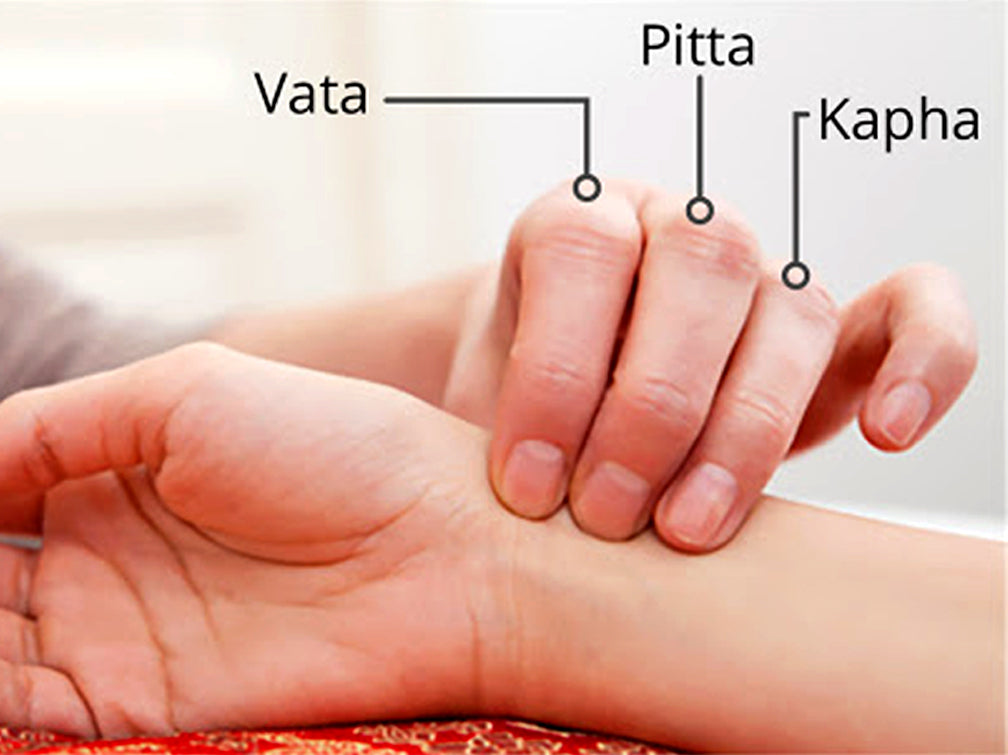
Step 2: Nadi Parikshan (Pulse Diagnosis)

Nadi Parikshan is a powerful diagnostic tool in Ayurveda. Through pulse examination, subtle imbalances in Vata, Pitta, and Kapha are identified.

This step helps in:

  • Detecting hidden causes of infertility

  • Understanding hormonal and reproductive energy flow

  • Planning precise Panchakarma and herbal therapies

Step 3: Beej Shuddhi (Purification of Reproductive Tissues)

Beej Shuddhi is the cornerstone of Ayurvedic infertility management.
It aims to purify and strengthen:

  • Shukra Dhatu (sperm health in men)

  • Artava Dhatu (ovum and menstrual health in women)

This stage prepares the body for conception by removing deep-seated toxins and improving cellular vitality.

Step 4: Panchakarma Detox Therapy

Depending on the patient’s constitution and imbalance, customized Panchakarma therapies are advised, such as:

  • Virechana (therapeutic purgation)

  • Basti (medicated enemas for Vata regulation)

  • Abhyanga & Swedana (oleation and sudation)

Panchakarma improves hormonal balance, uterine health, ovarian function, and sperm quality naturally.

Step 5: Ayurvedic Medicines & Rasayana Therapy

After detoxification, classical Ayurvedic formulations and Rasayana medicines are prescribed to:

  • Nourish reproductive tissues

  • Improve ovulation and sperm count

  • Enhance implantation potential

  • Strengthen immunity and vitality

All medicines are selected based on individual diagnosis and monitored carefully.

Step 6: Diet, Lifestyle & Fertility Guidance

Ayurveda emphasizes that fertility is sustained by daily habits. Patients receive personalized guidance on:

  • Fertility-supportive diet

  • Stress management and sleep routine

  • Yoga and gentle exercises

  • Seasonal and lifestyle corrections

This step ensures long-term reproductive health, not just short-term results.

Step 7: Ongoing Monitoring & Conception Support

Treatment does not stop at medication. Continuous monitoring helps in:

  • Tracking menstrual cycles and ovulation

  • Improving conception timing

  • Adjusting therapies as the body responds

Once conception occurs, Ayurvedic Garbh Sanskar guidance may be advised for a healthy pregnancy.

Why Choose Dr. Narkhede Ayurved Clinic, Thane?

  • Over a decade of clinical experience in infertility management

  • Authentic Ayurvedic protocols with ethical practice

  • Personalized, evidence-informed care

  • Focus on healthy conception and joyful parenthood

Ayurveda nurtures fertility by restoring balance, purity, and vitality—naturally.


Visit Clinic Website →

Health disclaimer: This article is for education only and is not a substitute for personal medical advice. Consult a qualified BAMS Ayurvedic physician before starting any treatment. Call or WhatsApp +91 92231 72251.

Share this article
💬 Discuss this on WhatsApp (opens in new tab)

Total Pageviews

AYURVEDA Initiative for Global Health — Spreading Awareness of Ayurveda, Yoga & Meditation.

Eternal Infinite Bliss

Sarve Bhavantu Sukhinah — The Universal Prayer for Peace & Health

सर्वे भवन्तु सुखिनः

सर्वे सन्तु निरामयाः ।

सर्वे भद्राणि पश्यन्तु

मा कश्चिद्दुःखभाग्भवेत् ।

ॐ शान्तिः शान्तिः शान्तिः ॥

Sarve bhavantu sukhinaḥ, sarve santu nirāmayāḥ, sarve bhadrāṇi paśyantu, mā kaścid duḥkhabhāg bhavet. Om śāntiḥ śāntiḥ śāntiḥ.

May all beings be happy,

may all be free from illness,

may all see what is auspicious,

may no one suffer in any way.

Om peace, peace, peace.

सभी सुखी होवें,

सभी रोगमुक्त रहें,

सभी मंगलमय घटनाओं के साक्षी बनें

और किसी को भी दुःख का भागी न बनना पड़े।

ॐ शांति शांति शांति॥

— Traditional Sanskrit Shanti Mantra (peace prayer)

What does “Sarve Bhavantu Sukhinah” mean? It is a traditional Sanskrit peace prayer wishing that every living being is happy, free from disease, sees only what is good, and never suffers. In Ayurveda it expresses the ideal of health for all — body, mind and soul.