
Ayurvedic Treatment for PCOS and Hormonal Imbalance
A Holistic, Root-Cause Approach to Women’s Hormonal Health
Polycystic Ovarian Syndrome (PCOS) is one of the most common hormonal disorders affecting women of reproductive age worldwide. Irregular periods, weight gain, acne, hair fall, mood swings, infertility, and insulin resistance are not just symptoms — they are signals of deeper metabolic and endocrine imbalance.
At Ayurveda Initiative For Global Health, we believe in addressing the root cause rather than suppressing symptoms. As an experienced Ayurvedic physician, I emphasize that PCOS is not merely an ovarian condition — it is a systemic disorder involving Agni (metabolism), Dosha imbalance, and hormonal dysregulation.
Let us understand how Ayurveda offers a time-tested, personalized, and sustainable solution.
Understanding PCOS in Ayurveda
Although PCOS is a modern term, its clinical presentation closely resembles conditions described in classical Ayurvedic texts such as:
Artava Kshaya (scanty or irregular menstruation)
Nashtartava (absence of menstruation)
Pushpaghni Jathaharini
Kapha-Vata Dushti
Root Cause According to Ayurveda
PCOS is primarily associated with:
Kapha Dosha aggravation → weight gain, cyst formation, sluggish metabolism
Vata imbalance → irregular cycles, ovulation disturbance
Agni Mandya (weak digestion) → toxin accumulation (Ama)
Medo Dhatu Dushti → fat tissue metabolism disorder
This combination leads to ovarian dysfunction and hormonal imbalance.
Symptoms of PCOS
Irregular or absent menstrual cycles
Excessive facial hair (Hirsutism)
Acne and oily skin
Weight gain or difficulty losing weight
Hair thinning
Infertility
Mood changes and anxiety
Insulin resistance
If untreated, PCOS may increase the risk of diabetes, thyroid disorders, and cardiovascular disease.
Ayurvedic Treatment Principles for PCOS
1. Correcting Agni (Metabolic Fire)
Restoring digestive strength to prevent toxin accumulation.
2. Dosha Balancing
Primarily reducing aggravated Kapha and regulating Vata.
3. Hormonal Rejuvenation
Strengthening the reproductive system (Artava Dhatu).
4. Detoxification (Shodhana Therapy)
Removing metabolic toxins through Panchakarma.
Key Ayurvedic Therapies for PCOS
1 Panchakarma Detoxification
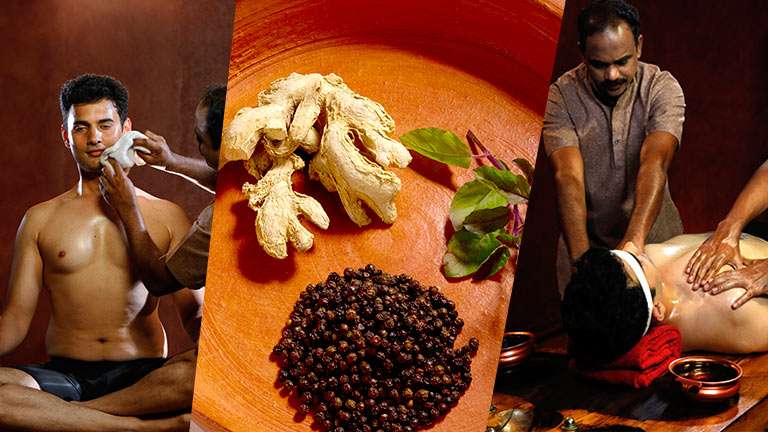
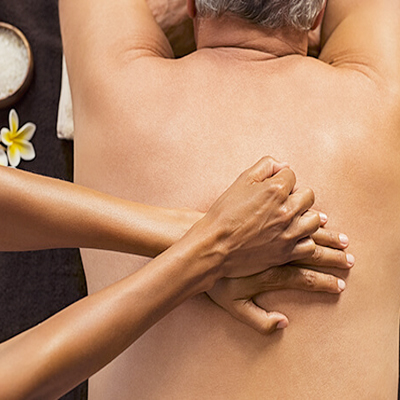

Virechana – Therapeutic purgation to eliminate excess Pitta & Kapha
Basti – Medicated enema for Vata regulation
Udvartana – Herbal powder massage for obesity & Kapha reduction
Nasya – Hormonal regulation support
Panchakarma is highly beneficial in metabolic and hormonal disorders when done under medical supervision.
2 Classical Ayurvedic Medicines
(Prescribed only after proper consultation)
Kanchanar Guggulu
Ashokarishta
Lodhrasava
Shatavari Kalpa
Triphala
Chandraprabha Vati
These medicines help regulate cycles, improve ovulation, reduce cyst formation, and balance insulin levels.
3 Diet Plan for PCOS (Pathya)
Warm, freshly cooked foods
Millets instead of refined wheat
Moong dal, green vegetables
Turmeric, cinnamon, cumin
Avoid cold foods, sugar, bakery items
Avoid excessive dairy and junk food
A Kapha-reducing diet is essential.
4 Lifestyle & Yoga Support
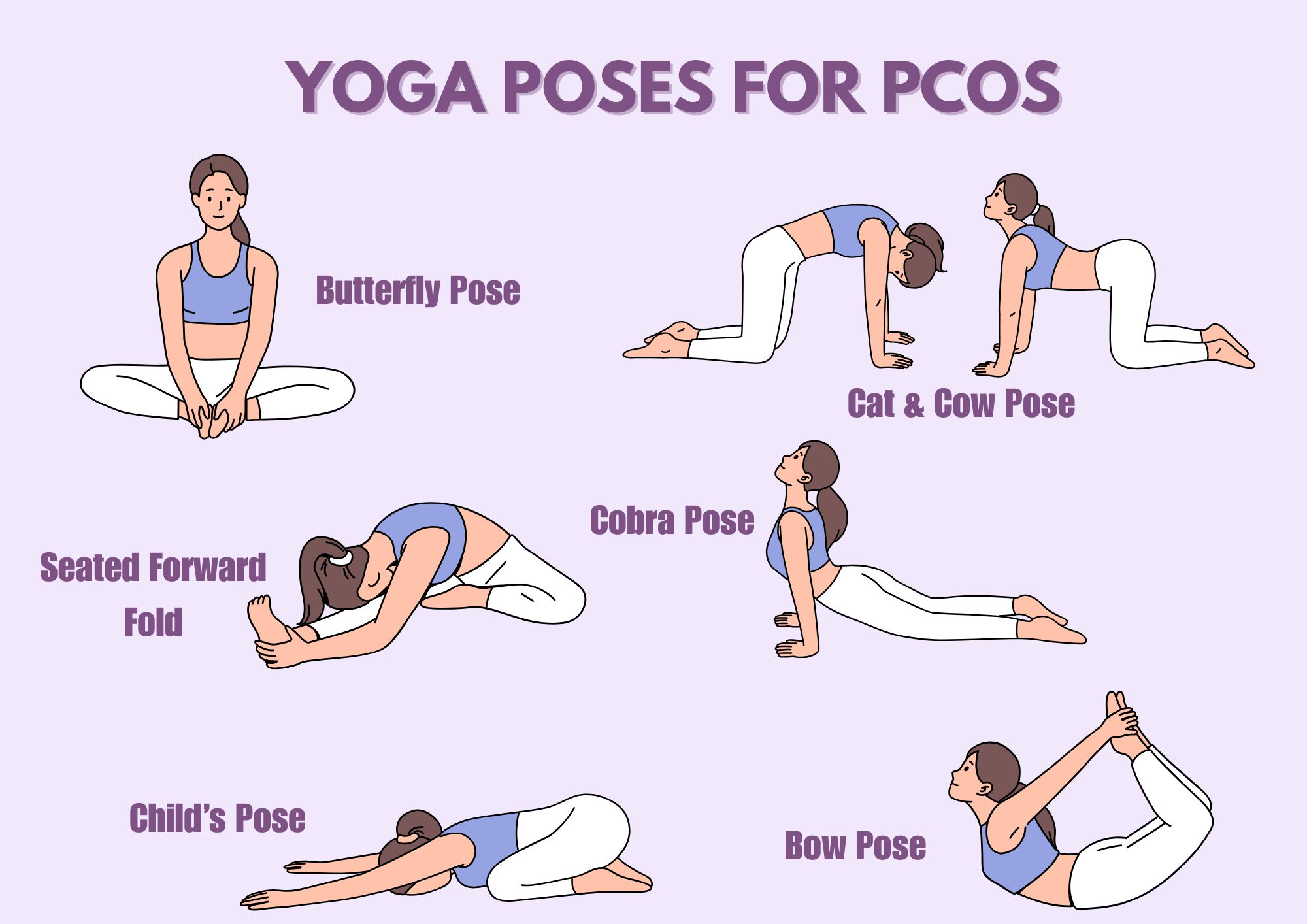


Recommended practices:
Surya Namaskar
Baddha Konasana
Bhujangasana
Kapalbhati Pranayama
Anulom Vilom
Stress reduction plays a crucial role in hormonal correction.
How Long Does Ayurvedic Treatment Take?
PCOS management is gradual and individualized. Typically:
3–6 months for cycle regulation
6–12 months for metabolic correction
Fertility improvement varies individually
Consistency and lifestyle discipline are key.
Benefits of Ayurvedic Treatment for PCOS
1 Natural and side-effect free (when supervised)
2 Root-cause approach
3 Improves fertility naturally
4 Enhances metabolic strength
5 Sustainable weight management
6 Emotional and mental balance
Frequently Asked Questions (FAQs)
1. Can Ayurveda completely cure PCOS?
Ayurveda aims at long-term management and reversal by correcting metabolism and hormonal imbalance. Many patients experience significant improvement.
2. Is Panchakarma necessary for PCOS?
Not always. It depends on severity, obesity, and toxin accumulation.
3. How long does treatment take?
Usually 3–12 months depending on condition severity.
4. Can PCOS be treated without hormones?
Yes. Ayurveda works without synthetic hormones.
5. Is weight loss mandatory?
Yes, especially in Kapha-dominant PCOS.
6. Can unmarried women take Ayurvedic treatment?
Yes, treatment is safe under supervision.
7. Does Ayurveda improve fertility?
Yes, by regulating ovulation and strengthening reproductive tissue.
8. Are there any side effects?
When taken under an expert Ayurvedic doctor, side effects are rare.
9. Can PCOS return after stopping treatment?
If lifestyle is not maintained, recurrence is possible.
10. Is diet more important than medicine?
Both are equally important.
11. Can thin women get PCOS?
Yes, lean PCOS exists.
12. Does stress worsen PCOS?
Yes, stress aggravates Vata and hormonal imbalance.
13. Can teenagers take treatment?
Yes, with mild herbal correction and lifestyle guidance.
14. Is fasting recommended?
Improper fasting may aggravate Vata; medical guidance is needed.
15. Should I stop allopathy immediately?
Never stop medications abruptly. Consult both doctors.
Irregular periods, weight gain, acne, mood swings — PCOS affects millions of women worldwide. Instead of masking symptoms with hormones, Ayurveda corrects metabolism, detoxifies the body, balances Doshas, and restores natural ovulation.
Through Panchakarma, personalized herbal medicine, Kapha-reducing diet, and stress management, Ayurvedic treatment addresses PCOS at its root.
Discover a safe, sustainable, and holistic path to hormonal health at Ayurveda Initiative For Global Health.
Every woman’s body constitution (Prakriti) is different. PCOS treatment must be personalized. Always consult a qualified Ayurvedic Doctor before starting any medicines or Panchakarma therapy.
For authentic, evidence-based, and classical Ayurvedic guidance, follow Ayurveda Initiative For Global Health — committed to global education, awareness, and holistic women’s wellness.

Dr. Sagar Narkhede
Ayurvedic Physician & Panchakarma Specialist
is a dedicated and experienced Ayurvedic doctor known for his holistic approach to health and disease management. With a strong foundation in classical Ayurveda and modern clinical understanding, he focuses on treating the root cause of illness rather than just suppressing symptoms.
Dr. Narkhede specializes in managing chronic lifestyle disorders, digestive issues, joint and spine problems, stress-related conditions, hormonal imbalances, and skin diseases through authentic Ayurvedic therapies and personalized Panchakarma treatments.
Areas of Expertise
- Chronic lifestyle disorders (Diabetes, Hypertension, Obesity)
- Joint pain, Arthritis & Spine-related disorders
- Digestive disorders & metabolic imbalance
- Stress, anxiety & sleep disorders
- Panchakarma detox & rejuvenation therapies
- Preventive & holistic health care
Treatment Philosophy
Dr. Sagar Narkhede believes in individualized treatment plans based on Prakriti (body constitution), lifestyle, and disease stage. His goal is to restore balance between body, mind, and metabolism for long-term wellness and sustainable healing.