рдЧृрд╣िрдгींрдЪे рдЖрд░ोрдЧ्рдп рдЬрдкрдг्рдпाрд╕ाрдаी рдЖрдпुрд░्рд╡ेрджिрдХ рдЙрдкाрдп

рдЧृрд╣िрдгींрдЪे рдЖрд░ोрдЧ्рдп рдЖрдгि рдЖрдпुрд░्рд╡ेрджिрдХ рдЬीрд╡рдирд╢ैрд▓ी

рдШрд░ рд╕ांрднाрд│рдгाрд░ी рдЧृрд╣िрдгी рд╣ी рдХुрдЯुंрдмाрдЪी рдЖрдзाрд░рд╕्рддंрдн рдЕрд╕рддे. рддी рджिрд╡рд╕рднрд░ рдХुрдЯुंрдмाрд╕ाрдаी рдХाрд░्рдпрд░рдд рдЕрд╕рддे рдкрдг рдЕрдиेрдХ рд╡ेрд│ा рд╕्рд╡рддःрдЪ्рдпा рдЖрд░ोрдЧ्рдпाрдХрдбे рджुрд░्рд▓рдХ्рд╖ рдХрд░рддे. рдпाрдоुрд│े рд╢рд░ीрд░ाрдд рдердХрд╡ा рд╡ेрджрдиा рдЖрдгि рдЕрд╕ंрддुрд▓рди рдиिрд░्рдоाрдг рд╣ोрддे. рдЖрдпुрд░्рд╡ेрдж рд╕ांрдЧрддो рдХी рдЬो рд╕्рд╡рддःрдЪी рдХाрд│рдЬी рдШेрддो рддोрдЪ рдЗрддрд░ांрдЪी рдпोрдЧ्рдп рдХाрд│рдЬी рдШेрдК рд╢рдХрддो

Image

рдХрдеा

рд╕ुрдорди рдиाрд╡ाрдЪी рдПрдХ рдЧृрд╣िрдгी рд╣ोрддी. рддी рдкрд╣ाрдЯेрдкाрд╕ूрди рд░ाрдд्рд░ीрдкрд░्рдпंрдд рд╕рддрдд рдХाрдо рдХрд░рдд рдЕрд╕े. рдХुрдЯुंрдмाрдЪी рдХाрд│рдЬी рдШेрддाрдиा рддिрдиे рд╕्рд╡рддःрдЪ्рдпा рд╢рд░ीрд░ाрдЪे рд╕ंрдХेрдд рджुрд░्рд▓рдХ्рд╖िрдд рдХेрд▓े

рддिрд▓ा рдкाрдарджुрдЦी рдердХрд╡ा рдЖрдгि рдбोрдХेрджुрдЦी рд╕рддрдд рдЬाрдгрд╡ू рд▓ाрдЧрд▓ी. рдкрдг рддी рдо्рд╣рдгाрдпрдЪी рдХी рд╣े рд╕рдЧрд│े рдиंрддрд░ рдкाрд╣ू

рдПрдХ рджिрд╡рд╕ рддी рдЦूрдк рдердХрд▓ी рдЖрдгि рддिрдиे рдЖрдпुрд░्рд╡ेрджिрдХ рд╡ैрдж्рдпांрдЪा рд╕рд▓्рд▓ा рдШेрддрд▓ा

рд╡ैрдж्рдп рдо्рд╣рдгाрд▓े
рддू рдШрд░ाрдЪी рдХाрд│рдЬी рдШेрддेрд╕ рдкрдг рд╕्рд╡рддःрд▓ा рд╡िрд╕рд░рддेрд╕
рддुрдЭे рдЖрд░ोрдЧ्рдпрдЪ рддुрдЭी рдЦрд░ी рддाрдХрдж рдЖрд╣े

рдЦोрд▓ рдк्рд░ेрд░рдгाрджाрдпी рдЕрд░्рде

рдЖрдпुрд░्рд╡ेрджाрдиुрд╕ाрд░ рд╢рд░ीрд░ рдорди рдЖрдгि рдЖрдд्рдоा рдпांрдЪा рд╕рдорддोрд▓ рдЖрд╡рд╢्рдпрдХ рдЖрд╣े

рдЬेрд╡्рд╣ा рдЖрдкрдг рд╕рддрдд рдЗрддрд░ांрд╕ाрдаी рдЬрдЧрддो рдЖрдгि рд╕्рд╡рддःрдХрдбे рджुрд░्рд▓рдХ्рд╖ рдХрд░рддो рддेрд╡्рд╣ा
рд╡ाрдд рд╡ाрдврддो рдЖрдгि рд╡ेрджрдиा рдиिрд░्рдоाрдг рд╣ोрддाрдд
рдкिрдд्рдд рд╡ाрдврддे рдЖрдгि рдЪिрдбрдЪिрдб рд╣ोрддे
рдХрдл рдЕрд╕ंрддुрд▓िрдд рд╣ोрддो рдЖрдгि рдЬрдбрдкрдгा рдпेрддो

рд╕्рд╡рддःрдЪी рдХाрд│рдЬी рдШेрдгे рд╣े рд╕्рд╡ाрд░्рде рдирд╕ूрди рдЖрд╡рд╢्рдпрдХ рдЖрд╣े

рдЖрдпुрд░्рд╡ेрджिрдХ рдЙрдкाрдп рдЖрдгि рдЬीрд╡рдирд╢ैрд▓ी

рд╕ंрддुрд▓िрдд рдЖрд╣ाрд░

рд╣िрд░рд╡्рдпा рднाрдЬ्рдпा рдлрд│े рдбाрд│ी рджूрдз рдЖрдгि рддिрд│ рдпांрдЪा рдЖрд╣ाрд░ाрдд рд╕рдоाрд╡ेрд╢ рдХрд░ा

рд╡ेрд│ेрд╡рд░ рдЬेрд╡рдг

рдЬेрд╡рдг рдЯाрд│ू рдирдХा рдЖрдгि рдиिрдпрдоिрдд рд╡ेрд│ рдаेрд╡ा

рд╣рд▓рдХा рд╡्рдпाрдпाрдо

рджрд░рд░ोрдЬ рдпोрдЧ рдк्рд░ाрдгाрдпाрдо рдЖрдгि рдЪाрд▓рдгे рдХрд░ा

рдпोрдЧ्рдп рдкोрд╕्рдЪрд░

рдХाрдо рдХрд░рддाрдиा рд╢рд░ीрд░ рд╕рд░рд│ рдаेрд╡ा

рдкुрд░ेрд╢ी рдЭोрдк

рд░ोрдЬ рдкुрд░ेрд╢ी рдЭोрдк рдШ्рдпा

рддाрдг рдХрдоी рдХрд░ा

рдз्рдпाрди рдХрд░ा рдЖрдгि рд╕्рд╡рддःрд╕ाрдаी рд╡ेрд│ рдХाрдвा

рд╕ंрдмंрдзिрдд рдЖрдпुрд░्рд╡ेрджिрдХ рдФрд╖рдзी рд╡рдирд╕्рдкрддी

рдЕрд╢्рд╡рдЧंрдзा

рд╢рд░ीрд░ाрдЪी рддाрдХрдж рд╡ाрдврд╡рддे рдЖрдгि рдердХрд╡ा рдХрдоी рдХрд░рддे

рд╢рддाрд╡рд░ी

рд╕्рдд्рд░िрдпांрдЪ्рдпा рдЖрд░ोрдЧ्рдпाрд╕ाрдаी рдЙрдкрдпुрдХ्рдд рдЖрдгि рдкोрд╖рдг рджेрддे

рджрд╢рдоूрд▓

рд╡ेрджрдиा рдЖрдгि рд╕ूрдЬ рдХрдоी рдХрд░рдг्рдпाрд╕ рдорджрдд рдХрд░рддे

рдЧिрд▓ोрдп

рд░ोрдЧрдк्рд░рддिрдХाрд░рдХ рд╢рдХ्рддी рд╡ाрдврд╡рддे

рдд्рд░िрдлрд│ा

рдкрдЪрди рд╕ुрдзाрд░рддे рдЖрдгि рд╢рд░ीрд░ рд╢ुрдж्рдз рдХрд░рддे

 рдХрд╡िрддा

рддी рд╢ांрддрдкрдгे рдЙрднी рдЕрд╕рддे
рдШрд░ाрдЪ्рдпा рдк्рд░рдд्рдпेрдХ рдХोрдкрд▒्рдпाрдд

рддिрдЪ्рдпा рд╣ाрддांрдиी рдЙрднी рд░ाрд╣рддे
рд╕ंрдкूрд░्рдг рд╕ंрд╕ाрд░ाрдЪी рджुрдиिрдпा

рдкрдг рддिрдЪ्рдпा рдердХрд▓ेрд▓्рдпा рдордиाрд▓ा
рдХोрдгी рд╡िрдЪाрд░рдд рдиाрд╣ी

рдЬेрд╡्рд╣ा рддी рд╕्рд╡рддःрдХрдбे рд╡рд│рддे
рддेрд╡्рд╣ा рддी рдкुрди्рд╣ा рдлुрд▓рддे

рд╕्рд╡рддःрдЪी рдХाрд│рдЬी рдШेрдгे
рд╣ेрдЪ рддिрдЪे рдЦрд░े рд╕ाрдорд░्рде्рдп рдЖрд╣े

рд╕ुрдордирдиे рдЖрдпुрд░्рд╡ेрджिрдХ рд╕рд▓्рд▓ा рдШेрддрд▓ा
рддिрдиे рдЖрд╣ाрд░ рд╕ुрдзाрд░рд▓ा
рдпोрдЧ рдЖрдгि рдз्рдпाрди рд╕ुрд░ू рдХेрд▓े

рдХाрд╣ी рджिрд╡рд╕ांрдиी рддिрдЪा рдердХрд╡ा рдХрдоी рдЭाрд▓ा
рддिрдЪे рдорди рд╢ांрдд рдЭाрд▓े
рдЖрдгि рддी рдЕрдзिрдХ рдЖрдиंрджी рдЭाрд▓ी

рдЖрдпुрд░्рд╡ेрджिрдХ рд╕рд▓्рд▓ा рдШ्рдпा

рдЬрд░ рддुрдо्рд╣ाрд▓ा рд╡ाрд░ंрд╡ाрд░ рд╢ाрд░ीрд░िрдХ рдд्рд░ाрд╕ рдЬाрдгрд╡рдд рдЕрд╕ेрд▓ рддрд░ рдЕрдиुрднрд╡ी рдЖрдпुрд░्рд╡ेрджिрдХ рд╡ैрдж्рдпांрдЪा рд╕рд▓्рд▓ा рдШ्рдпा
рдк्рд░рдХृрддीрдиुрд╕ाрд░ рдпोрдЧ्рдп рдЙрдкрдЪाрд░ рдШेрддрд▓्рдпाрд╕ рджीрд░्рдШрдХाрд▓ीрди рд▓ाрдн рдоिрд│рддो

рдЕрдзिрдХ рдоाрд╣िрддी рдЖрдгि рдоाрд░्рдЧрджрд░्рд╢рдиाрд╕ाрдаी www.ayurvedainitiative.com рд▓ा рднेрдЯ рдж्рдпा

рдЧृрд╣िрдгी рд╣ी рдШрд░ाрдЪी рд╢рдХ्рддी рдЖрд╣े
рддी рдиिрд░ोрдЧी рдЕрд╕ेрд▓ рддрд░ рд╕ंрдкूрд░्рдг рдХुрдЯुंрдм рдЖрдиंрджी рд░ाрд╣рддे

рдЖрдпुрд░्рд╡ेрдж рдЖрдкрд▓्рдпाрд▓ा рд╢िрдХрд╡рддो рдХी рд╕्рд╡рддःрдЪी рдХाрд│рдЬी рдШेрдгे рд╣ेрдЪ рдЦрд░े рдЖрд░ोрдЧ्рдп рдЖрд╣े
рд╕्рд╡рддःрд╕ाрдаी рд╡ेрд│ рдХाрдвा рдЖрдгि рд╕ंрддुрд▓िрдд рдЬीрд╡рди рдЬрдЧा


рдЕрдкрд░ाрдзीрдкрдгाрдЪा рдпोрдЧ्рдп рд╕рдорддोрд▓ рдЖрдгि рдЖрдпुрд░्рд╡ेрджिрдХ рдЬीрд╡рдирджृрд╖्рдЯी

 рд╣ी рднाрд╡рдиा рдк्рд░рдд्рдпेрдХाрдЪ्рдпा рдЖрдпुрд╖्рдпाрдд рдХрдзी рдиा рдХрдзी рдпेрддे. рдпोрдЧ्рдп рдк्рд░рдоाрдгाрдд рддो рдЖрдкрд▓्рдпाрд▓ा рдЪुрдХा рд╕рдордЬूрди рдШेрдг्рдпाрд╕ рдорджрдд рдХрд░рддो. рдкрдг рдЬрд░ рддो рдорд░्рдпाрджेрдкेрдХ्рд╖ा рд╡ाрдврд▓ा рддрд░ рддो рдордиाрд▓ा рдЖрддूрди рдкोрдЦрд░рддो. рдЖрдпुрд░्рд╡ेрдж рд╕ांрдЧрддो рдХी рдорди рдиिрд░ोрдЧी рдЕрд╕ेрд▓ рддрд░рдЪ рдЬीрд╡рди рдлुрд▓рддे. рдд्рдпाрдоुрд│े рдЕрдкрд░ाрдзीрдкрдгाрдЪा рд╕рдорддोрд▓ рд░ाрдЦрдгे рдЕрдд्рдпंрдд рдЖрд╡рд╢्рдпрдХ рдЖрд╣े

Image

Image

Image

Image

рдХрдеा

рдПрдХा рд╢рд╣рд░ाрдд рдХрд░рдг рдиाрд╡ाрдЪा рдпुрд╡рдХ рд░ाрд╣рдд рд╣ोрддा. рддो рдк्рд░ाрдоाрдгिрдХ рд╣ोрддा рдкрдг рдПрдХрджा рдд्рдпाрдЪ्рдпाрдХрдбूрди рдПрдХ рдЪूрдХ рдЭाрд▓ी. рдд्рдпा рдЪुрдХीрдоुрд│े рдд्рдпाрдЪ्рдпा рдордиाрдд рдЕрдкрд░ाрдзीрдкрдгा рдиिрд░्рдоाрдг рдЭाрд▓ा

рд╕ुрд░ुрд╡ाрддीрд▓ा рдд्рдпाрдиे рдд्рдпा рднाрд╡рдиेрддूрди рд╕्рд╡рддःрд▓ा рд╕ुрдзाрд░рдг्рдпाрдЪा рдк्рд░рдпрдд्рди рдХेрд▓ा. рдкрдг рд╣рд│ूрд╣рд│ू рддो рдд्рдпाрдЪ рд╡िрдЪाрд░ाрдд рдЕрдбрдХूрди рд░ाрд╣िрд▓ा. рддो рд╕्рд╡рддःрд▓ा рджोрд╖ рджेрдд рд░ाрд╣िрд▓ा рдЖрдгि рдд्рдпाрдЪे рдорди рдЕрдзिрдХрдЪ рдЕрд╕्рд╡рд╕्рде рдЭाрд▓े

рдПрдХ рджिрд╡рд╕ рддो рдЖрдпुрд░्рд╡ेрджिрдХ рд╡ैрдж्рдпांрдХрдбे рдЧेрд▓ा рдЖрдгि рдо्рд╣рдгाрд▓ा
рдоी рдоाрдЭ्рдпा рдЪुрдХांрдордзूрди рдмाрд╣ेрд░ рдкрдбू рд╢рдХрдд рдиाрд╣ी

рд╡ैрдж्рдп рд╢ांрддрдкрдгे рдо्рд╣рдгाрд▓े
рдЕрдкрд░ाрдзीрдкрдгा рдпोрдЧ्рдп рдк्рд░рдоाрдгाрдд рдФрд╖рдз рдЖрд╣े рдкрдг рдЬाрд╕्рдд рдЭाрд▓ा рддрд░ рддो рд╡िрд╖ рдмрдирддो

рдХрд░рдгрд▓ा рд╣े рдРрдХूрди рдирд╡ी рджिрд╢ा рдоिрд│ाрд▓ी

рдЦोрд▓ рдк्рд░ेрд░рдгाрджाрдпी рдЕрд░्рде

рдЖрдпुрд░्рд╡ेрджाрдиुрд╕ाрд░ рдордиाрд╡рд░ рд╕рдд्рдд्рд╡ рд░рдЬ рдЖрдгि рддрдо рдпांрдЪा рдк्рд░рднाрд╡ рдЕрд╕рддो

рдпोрдЧ्рдп рдк्рд░рдоाрдгाрддीрд▓ рдЕрдкрд░ाрдзीрдкрдгा рд╕рдд्рдд्рд╡ рд╡ाрдврд╡рддो
рддो рдЖрдкрд▓्рдпाрд▓ा рд╕ुрдзाрд░рдг्рдпाрд╕ рдорджрдд рдХрд░рддो

рдкрдг рдЬाрд╕्рдд рдЕрдкрд░ाрдзीрдкрдгा рддрдо рд╡ाрдврд╡рддो
рддो рдордиाрд▓ा рдЬрдб рдЖрдгि рдирдХाрд░ाрдд्рдордХ рдмрдирд╡рддो

рдЬेрд╡्рд╣ा рдорди рдЕрдкрд░ाрдзीрдкрдгाрдд рдЕрдбрдХрддे рддेрд╡्рд╣ा
рд╡िрдЪाрд░ рд╕्рдкрд╖्рдЯ рд░ाрд╣рдд рдиाрд╣ीрдд
рдЖрдд्рдорд╡िрд╢्рд╡ाрд╕ рдХрдоी рд╣ोрддो
рдЖрдгि рдк्рд░рдЧрддी рдеांрдмрддे

рдЖрдпुрд░्рд╡ेрджिрдХ рдЙрдкाрдп рдЖрдгि рдЬीрд╡рдирд╢ैрд▓ी

рд╕्рд╡ीрдХाрд░ рдЖрдгि рдХ्рд╖рдоा

рд╕्рд╡рддःрдЪी рдЪूрдХ рд╕्рд╡ीрдХाрд░ा
рд╕्рд╡рддःрд▓ा рдоाрдл рдХрд░ा
рднूрддрдХाрд│ рд╕ोрдбूрди рд╡рд░्рддрдоाрдиाрдд рдЬрдЧा

рдз्рдпाрди рдЖрдгि рдордирд╢ुрдж्рдзी

рджрд░рд░ोрдЬ рдз्рдпाрди рдХрд░ा
рдордиाрддीрд▓ рдирдХाрд░ाрдд्рдордХ рд╡िрдЪाрд░ рд╕ोрдбा

рд╕рдХाрд░ाрдд्рдордХ рд╡िрдЪाрд░

рд╕्рд╡рддःрд▓ा рджोрд╖ рджेрдг्рдпाрдРрд╡рдЬी рд╕ुрдзाрд░рдг्рдпाрд╡рд░ рд▓рдХ्рд╖ рдХेंрдж्рд░िрдд рдХрд░ा

рджिрдирдЪрд░्рдпा рдЖрдгि рд╕ंрддुрд▓рди

рдиिрдпрдоिрдд рдЭोрдк рдЖрдгि рд╡्рдпाрдпाрдо рдХрд░ा
рд╢рд░ीрд░ рдЖрдгि рдорди рд╕ंрддुрд▓िрдд рдаेрд╡ा

рд╕ाрдд्рдд्рд╡िрдХ рдЖрд╣ाрд░

рд╣рд▓рдХे рдЖрдгि рддाрдЬे рдЕрди्рди рдШ्рдпा
рдорди рд╢ांрдд рдаेрд╡рдгाрд░ा рдЖрд╣ाрд░ рдиिрд╡рдбा

рд╕ंрдмंрдзिрдд рдЖрдпुрд░्рд╡ेрджिрдХ рдФрд╖рдзी рд╡рдирд╕्рдкрддी

рдм्рд░ाрд╣्рдоी

рдорди рд╢ांрдд рдХрд░рддे рдЖрдгि рд╡िрдЪाрд░ рд╕्рдкрд╖्рдЯ рдХрд░рддे

рдЕрд╢्рд╡рдЧंрдзा

рддрдгाрд╡ рдХрдоी рдХрд░рддे рдЖрдгि рдКрд░्рдЬा рд╡ाрдврд╡рддे

рдЬрдЯाрдоांрд╕ी

рдордиाрддीрд▓ рдЕрд╕्рд╡рд╕्рдерддा рдХрдоी рдХрд░рддे

рддुрд▓рд╕ी

рдорди рдк्рд░рд╕рди्рди рдаेрд╡рддे рдЖрдгि рд╕рдХाрд░ाрдд्рдордХрддा рд╡ाрдврд╡рддे

рдЙрджाрд╣рд░рдг

рдХрд░рдгрдиे рд╡ैрдж्рдпांрдЪा рд╕рд▓्рд▓ा рдоाрдирд▓ा
рдд्рдпाрдиे рд╕्рд╡рддःрд▓ा рдоाрдл рдХेрд▓े
рдз्рдпाрди рдЖрдгि рд╕рдХाрд░ाрдд्рдордХ рд╡िрдЪाрд░ рд╕ुрд░ू рдХेрд▓े

рдХाрд╣ी рджिрд╡рд╕ांрдиी рдд्рдпाрдЪे рдорди рд╣рд▓рдХे рдЭाрд▓े
рддो рдкुрди्рд╣ा рдЖрдд्рдорд╡िрд╢्рд╡ाрд╕ाрдиे рдЬीрд╡рди рдЬрдЧू рд▓ाрдЧрд▓ा

рдЖрдпुрд░्рд╡ेрджिрдХ рд╕рд▓्рд▓ा рдШ्рдпा

рдЬрд░ рддुрдо्рд╣ाрд▓ा рд╕рддрдд рдЕрдкрд░ाрдзीрдкрдгा рддрдгाрд╡ рдХिंрд╡ा рдоाрдирд╕िрдХ рдЕрд╕ंрддुрд▓рди рдЬाрдгрд╡рдд рдЕрд╕ेрд▓ рддрд░ рдЕрдиुрднрд╡ी рдЖрдпुрд░्рд╡ेрджिрдХ рд╡ैрдж्рдпांрдЪा рд╕рд▓्рд▓ा рдШ्рдпा
рдк्рд░рдХृрддीрдиुрд╕ाрд░ рдпोрдЧ्рдп рдоाрд░्рдЧрджрд░्рд╢рди рдШेрддрд▓्рдпाрд╕ рдорди рдЖрдгि рд╢рд░ीрд░ рджोрди्рд╣ी рдиिрд░ोрдЧी рд░ाрд╣рддाрдд

рдЕрдзिрдХ рдоाрд╣िрддी рдЖрдгि рдоाрд░्рдЧрджрд░्рд╢рдиाрд╕ाрдаी www.ayurvedainitiative.com рд▓ा рднेрдЯ рдж्рдпा


рдЕрдкрд░ाрдзीрдкрдгा рдпोрдЧ्рдп рдк्рд░рдоाрдгाрдд рдЖрдкрд▓्рдпाрд▓ा рд╕ुрдзाрд░рддो рдкрдг рдЕрддि рдЭाрд▓्рдпाрд╕ рддो рдЖрдкрд▓्рдпाрд▓ा рдЖрддूрди рдХрдордЬोрд░ рдХрд░рддो

рдЖрдпुрд░्рд╡ेрдж рдЖрдкрд▓्рдпाрд▓ा рд╢िрдХрд╡рддो рдХी рд╕рдорддोрд▓ рд░ाрдЦрдгे рд╣ेрдЪ рдЦрд░े рдЖрд░ोрдЧ्рдп рдЖрд╣े
рд╕्рд╡рддःрд▓ा рдоाрдл рдХрд░ा рдЖрдгि рдкुрдвे рдЪрд▓ा
рддेрд╡्рд╣ाрдЪ рдорди рдлुрд▓рддे рдЖрдгि рдЬीрд╡рди рдЙंрдЪ рднрд░ाрд░ी рдШेрддे

рд╣िрд░рд╡ी (рд▓рд╣ाрди) рд╡ेрд▓рдЪी рдЦाрдг्рдпाрдЪे рдлाрдпрджे | Health Benefits of Green Cardamom in Marathi

рд╣िрд░рд╡ी (рд▓рд╣ाрди) рд╡ेрд▓рдЪी рдЦाрдг्рдпाрдЪे рдлाрдпрджे 

Image

Image

Image

Image

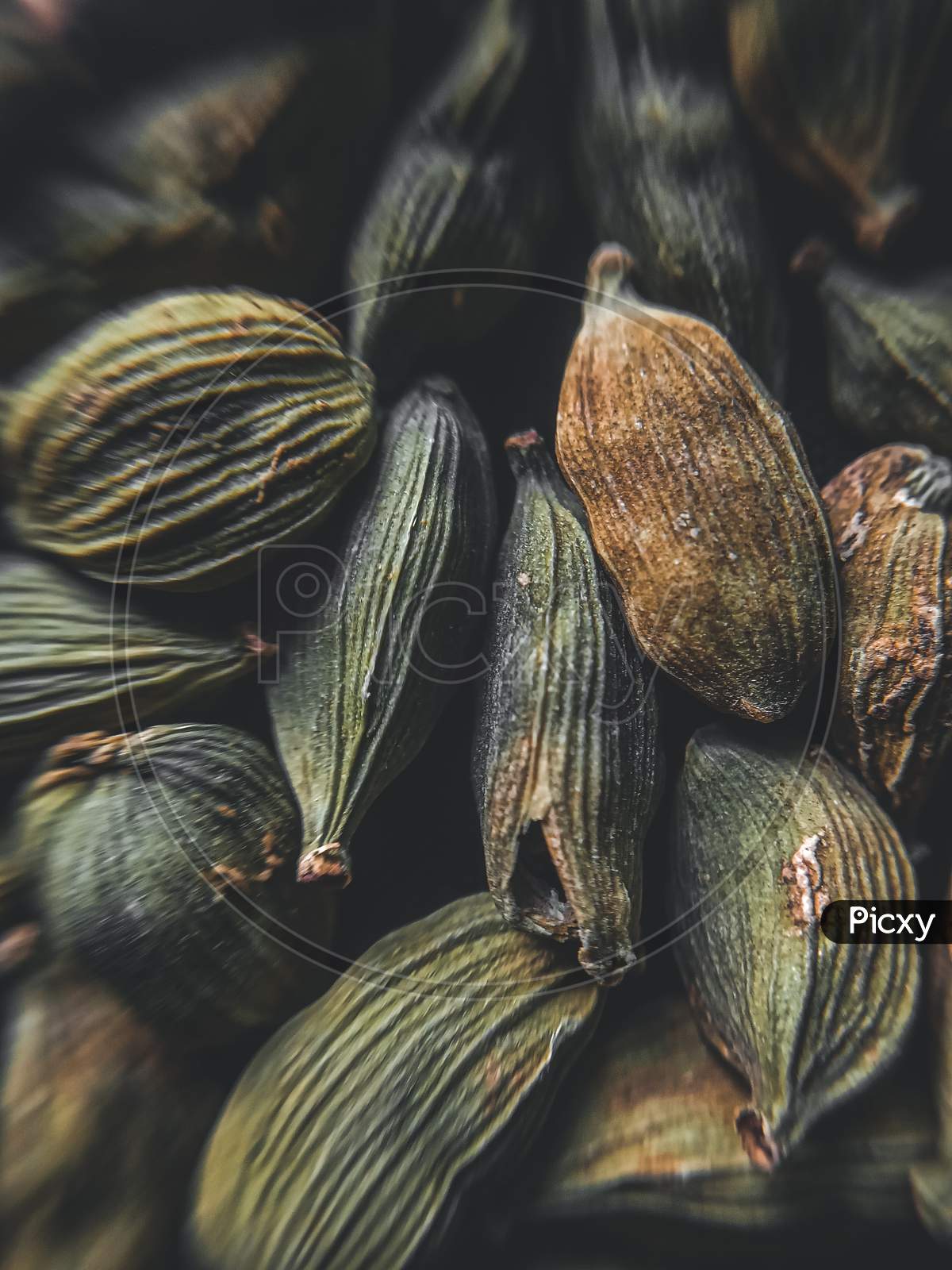
рд╣िрд░рд╡ी рд╡ेрд▓рдЪी (рдЗрд▓ाрдпрдЪी) рд╣ी рднाрд░рддीрдп рд╕्рд╡рдпंрдкाрдХрдШрд░ाрддीрд▓ рдПрдХ рдЕрдоूрд▓्рдп рдорд╕ाрд▓ा рдЖрд╣े. рд╕ुрдЧंрдзी, рд╕्рд╡ाрджिрд╖्рдЯ рдЖрдгि рдФрд╖рдзी рдЧुрдгांрдиी рдкрд░िрдкूрд░्рдг рдЕрд╕рд▓ेрд▓ी рд╡ेрд▓рдЪी рдЖрдпुрд░्рд╡ेрджाрдд “рдд्рд░िрджोрд╖рд╢ाрдордХ” рдо्рд╣рдгूрди рдУрд│рдЦрд▓ी рдЬाрддे. рдпोрдЧ्рдп рдк्рд░рдоाрдгाрдд рджрд░рд░ोрдЬ рд╡ेрд▓рдЪीрдЪे рд╕ेрд╡рди рдХेрд▓्рдпाрд╕ рдЕрдиेрдХ рдЖрд░ोрдЧ्рдп рдлाрдпрджे рдоिрд│рддाрдд.

 рд╡ेрд▓рдЪी рдХрд╢ी рдЦाрд╡ी? (Uses of Cardamom)

  • рдеेрдЯ рдоाрдЙрде рдл्рд░ेрд╢рдирд░ рдо्рд╣рдгूрди рдЪाрд╡ूрди рдЦाрдК рд╢рдХрддा

  • рдЪрд╣ा, рджूрдз рдХिंрд╡ा рдХाрдв्рдпाрдд рдШाрд▓ूрди рд╕ेрд╡рди

  • рднाрдЬ्рдпा рдХिंрд╡ा рдЧोрдб рдкрджाрд░्рдеाрдд рдмिрдпा рд╡ाрдкрд░

  • рд╡ेрд▓рдЪी рдкाрд╡рдбрд░ рд╕्рд╡рд░ूрдкाрдд рд╕ेрд╡рди

ЁЯСЙ рдЖрдпुрд░्рд╡ेрджिрдХ рддрдЬ्рдЮांрдЪ्рдпा рдорддे: рджрд░рд░ोрдЬ 0.5 рддे 1 рдЧ्рд░ॅрдо рд╡ेрд▓рдЪी рдкाрд╡рдбрд░ рдпोрдЧ्рдп рдЖрд╣े

 рд╡ेрд▓рдЪीрддीрд▓ рдкोрд╖рдХ рддрдд्рд╡े (Nutritional Value)

  • рдкोрдЯॅрд╢िрдпрдо

  • рдоॅрдЧ्рдиेрд╢िрдпрдо

  • рдХॅрд▓्рд╢िрдпрдо

  • рдлाрдпрдмрд░

  • рдЕँрдЯिрдСрдХ्рд╕िрдбंрдЯ्рд╕

  • рдЖрд╡рд╢्рдпрдХ рддेрд▓ (Essential Oils)

 рд╣िрд░рд╡ी рд╡ेрд▓рдЪी рдЦाрдг्рдпाрдЪे рдЖрд░ोрдЧ्рдп рдлाрдпрджे

1 рдкрдЪрди рд╕ुрдзाрд░рддे

рд╡ेрд▓рдЪी рдкрдЪрдирдХ्рд░िрдпा рд╕ुрдзाрд░рддे, рдЧॅрд╕, рдЖрдо्рд▓рддा рдЖрдгि рдмрдж्рдзрдХोрд╖्рдарддा рдХрдоी рдХрд░рддे. рдкोрдЯाрддीрд▓ рдЬрд│рдЬрд│ рд╢ांрдд рдХрд░рддे.

2 рдЙрдЪрдХी рдеांрдмрд╡рддे

рдЙрдЪрдХी рдЖрд▓्рдпाрд╕ рд╡ेрд▓рдЪी рдЪाрд╡рд▓्рдпाрдиे рдд्рд╡рд░िрдд рдЖрд░ाрдо рдоिрд│рддो.

3 рд╕рд░्рджी, рдЦोрдХрд▓ा рдЖрдгि рдШрд╕ा рдЦрд╡рдЦрд╡рдгे рдХрдоी рдХрд░рддे

рд╡ेрд▓рдЪीрдЪा рд╡ाрдкрд░ рдЖрдпुрд░्рд╡ेрджिрдХ рдФрд╖рдзांрдордз्рдпे рдХेрд▓ा рдЬाрддो. рдордзाрд╕ोрдмрдд рд╡ेрд▓рдЪी рдШेрддрд▓्рдпाрд╕ рдШрд╢ाрд▓ा рдЖрд░ाрдо рдоिрд│рддो.

4 рд░рдХ्рддрджाрдм рдиिрдпंрдд्рд░िрдд рдХрд░рддे

рдкोрдЯॅрд╢िрдпрдо рдЖрдгि рдоॅрдЧ्рдиेрд╢िрдпрдордоुрд│े рд░рдХ्рддрджाрдм рд╕ंрддुрд▓िрдд рд░ाрд╣рддो.

5 рджрдо्рдпाрд╕ाрдаी рдлाрдпрджेрд╢ीрд░

рд╡ेрд▓рдЪी рдлुрдл्рдлुрд╕ांрдордз्рдпे рд░рдХ्рддрдк्рд░рд╡ाрд╣ рд╕ुрдзाрд░рддे рдЖрдгि рд╢्рд╡рд╕рди рд╕ुрд▓рдн рдХрд░рддे.

6 рднूрдХ рд╡ाрдврд╡рддे

рдЪрдпाрдкрдЪрдп рд╕ुрдзाрд░ूрди рднूрдХ рд╡ाрдврд╡рддे.

7 рддोंрдбाрддीрд▓ рджुрд░्рдЧंрдзी рджूрд░ рдХрд░рддे

рдиैрд╕рд░्рдЧिрдХ рдоाрдЙрде рдл्рд░ेрд╢рдирд░ рдо्рд╣рдгूрди рдЙрдкрдпोрдЧी.

8 рдорд│рдорд│ рдЖрдгि рдЙрд▓рдЯ्рдпा рдХрдоी рдХрд░рддे

рдк्рд░рд╡ाрд╕ाрдд рдХिंрд╡ा рдСрдкрд░ेрд╢рдирдиंрддрд░ рдорд│рдорд│ рдХрдоी рдХрд░рдг्рдпाрд╕ рдорджрдд.

9 рд▓ैंрдЧिрдХ рдЖрд░ोрдЧ्рдпाрд╕ाрдаी рдЙрдкрдпुрдХ्рдд

рдХाрдоोрдд्рддेрдЬрдХ рдЧुрдгрдзрд░्рдоाрдоुрд│े рд▓ैंрдЧिрдХ рдЗрдЪ्рдЫा рд╡ाрдврд╡рддे.

10 рддрдгाрд╡ рдХрдоी рдХрд░рддे

рд╡ेрд▓рдЪीрдЪा рд╕ुрдЧंрдз рдорди рд╢ांрдд рдаेрд╡рддो рдЖрдгि рдоूрдб рд╕ुрдзाрд░рддो.

 рдЖрдпुрд░्рд╡ेрджिрдХ рджृрд╖्рдЯिрдХोрди (Ayurveda Reference)

рдЖрдпुрд░्рд╡ेрджाрдиुрд╕ाрд░ рд╡ेрд▓рдЪी:

  • рдХрдл рдЖрдгि рд╡ाрдд рджोрд╖ рд╕ंрддुрд▓िрдд рдХрд░рддे

  • рдЕрдЧ्рдиी (Digestive Fire) рд╕ुрдзाрд░рддे

  • рд╢्рд╡рд╕рди рдЖрдгि рдкрдЪрди рдк्рд░рдгाрд▓ी рдордЬрдмूрдд рдХрд░рддे

  • “рджीрдкрди-рдкाрдЪрди” рдЧुрдгрдзрд░्рдоाрдоुрд│े рдЕрди्рди рдкрдЪрд╡िрдг्рдпाрд╕ рдорджрдд рдХрд░рддे

 рдбॉрдХ्рдЯрд░ांрдЪा рд╕рд▓्рд▓ा рдШ्рдпा

рд╡ेрд▓рдЪी рдиैрд╕рд░्рдЧिрдХ рдФрд╖рдз рдЕрд╕рд▓ी рддрд░ी:

  • рдЬाрд╕्рдд рдк्рд░рдоाрдгाрдд рд╕ेрд╡рди рдЯाрд│ा

  • рдЧрд░्рднрд╡рддी рдорд╣िрд▓ा, BP рдХिंрд╡ा рджрдоा рд░ुрдЧ्рдгांрдиी рдбॉрдХ्рдЯрд░ांрдЪा рд╕рд▓्рд▓ा рдШ्рдпाрд╡ा

  • рдХोрдгрдд्рдпाрд╣ी рдЖрдЬाрд░ाрд╕ाрдаी рдиिрдпрдоिрдд рдЙрдкрдЪाрд░ाрдРрд╡рдЬी рдпाрдЪा рд╡ाрдкрд░ рдХрд░ू рдирдпे

ЁЯСЙ рдЕрдзिрдХ рдоाрд╣िрддीрд╕ाрдаी рднेрдЯ рдж्рдпा: Ayurveda Initiative for Global Health


 FAQ (рд╡ाрд░ंрд╡ाрд░ рд╡िрдЪाрд░рд▓े рдЬाрдгाрд░े рдк्рд░рд╢्рди)

Q1: рд░ोрдЬ рд╡ेрд▓рдЪी рдЦाрдгे рд╕ुрд░рдХ्рд╖िрдд рдЖрд╣े рдХा?

рд╣ोрдп, рдкрдг рдорд░्рдпाрджिрдд рдк्рд░рдоाрдгाрдд (0.5–1 рдЧ्рд░ॅрдо).

Q2: рд╡ेрд▓рдЪी рдЪрд╣ा рдлाрдпрджेрд╢ीрд░ рдЖрд╣े рдХा?

рд╣ोрдп, рддो рдкрдЪрди рд╕ुрдзाрд░рддो рдЖрдгि рддрдгाрд╡ рдХрдоी рдХрд░рддो.

Q3: рд╡ेрд▓рдЪी BP рдХрдоी рдХрд░рддे рдХा?

рд╣ोрдп, рдиिрдпрдоिрдд рд╕ेрд╡рдиाрдиे рдорджрдд рд╣ोрдК рд╢рдХрддे.

Q4: рд╡ेрд▓рдЪी рдХрдзी рдЦाрд╡ी?

рдЬेрд╡рдгाрдиंрддрд░ рдХिंрд╡ा рд╕рдХाрд│ी рдЪрд╣ाрдордз्рдпे рдШेрдгे рдЙрдд्рддрдо.

Q5: рд╡ेрд▓рдЪी рд╡рдЬрди рдХрдоी рдХрд░рдг्рдпाрд╕ рдорджрдд рдХрд░рддे рдХा?

рдЪрдпाрдкрдЪрдп рд╕ुрдзाрд░рд▓्рдпाрдоुрд│े рдЕрдк्рд░рдд्рдпрдХ्рд╖ рдорджрдд рдХрд░ू рд╢рдХрддे.

“рджрд░рд░ोрдЬ рдеोрдбी рд╡ेрд▓рдЪी – рдЖрдпुрд╖्рдпрднрд░ рдиिрд░ोрдЧी рдЬीрд╡рдиाрдЪी рдХिрд▓्рд▓ी!”

рдЙрди्рд╣ाрд│ी рд▓ाрдЧрдгे рдо्рд╣рдгрдЬे рдХाрдп? рдХाрд░рдгे, рд▓рдХ्рд╖рдгे рдЖрдгि рдк्рд░рднाрд╡ी рдШрд░рдЧुрддी рдЙрдкाрдп | Ayurvedic Wellness Guide.

рдЙрд╖्рдгрддेрд╡рд░ рдоाрдд рдХрд░ा, рдЖрдпुрд░्рд╡ेрджाрдиे рдоिрд│рд╡ा рдиैрд╕рд░्рдЧिрдХ рдеंрдбाрд╡ा!

рдЙрд╖्рдгрддेрд╡рд░ рдоाрдд рдХрд░ा, рдЖрдпुрд░्рд╡ेрджाрдиे рдоिрд│рд╡ा рдиैрд╕рд░्рдЧिрдХ рдеंрдбाрд╡ा!    Image  рдЙрди्рд╣ाрд│्рдпाрдд рд╡ाрдврдгाрд░ी рдЙрд╖्рдгрддा рд╢рд░ीрд░ाрд╡рд░ рд╡िрд╡िрдз рдк्рд░рдХाрд░े рдкрд░िрдгाрдо рдХрд░рддे. рдд्рдпाрдкैрдХी рдПрдХ рд╕ाрдоाрди्рдп рдкрдг рдд्рд░ाрд╕рджाрдпрдХ рд╕рдорд╕्рдпा рдо्рд╣рдгрдЬे рдЙрди्рд╣ाрд│ी рд▓ाрдЧрдгे. рдпाрдд рд╡ाрд░ंрд╡ाрд░ рд▓рдШрд╡ी рд╣ोрдгे, рд▓рдШрд╡ी рдХрд░рддाрдиा рдЬрд│рдЬрд│, рдоूрдд्рд░рдирд▓िрдХेрдд рджाрд╣ рдЖрдгि рдХाрд╣ी рд╡ेрд│ा рд░рдХ्рдд рдпेрдгे рдЕрд╢ी рд▓рдХ्рд╖рдгे рджिрд╕рддाрдд. рд▓рдШрд╡ी рдЧрдвूрд│ рдХिंрд╡ा рд▓ाрд▓рд╕рд░ рджिрд╕ू рд╢рдХрддे. рдпोрдЧ्рдп рдХाрд│рдЬी рдЖрдгि рдЖрдпुрд░्рд╡ेрджिрдХ рдЙрдкाрдпांрдиी рд╣ा рдд्рд░ाрд╕ рдХрдоी рдХрд░рддा рдпेрддो.   рдХाрд░рдгे (Causes) рдШाрдоाрдоुрд│े рд╢рд░ीрд░ाрддीрд▓ рдкाрдг्рдпाрдЪे рдк्рд░рдоाрдг рдХрдоी рд╣ोрдгे  рдиिрд░्рдЬрд▓ीрдХрд░рдг (Dehydration)  рд▓рдШрд╡ीрддीрд▓ рдХ्рд╖ाрд░ांрдЪे рдк्рд░рдоाрдг рд╡ाрдврдгे  рд╢рд░ीрд░ाрдд рдкिрдд्рдд рджोрд╖ рд╡ाрдврдгे  рд╕्рдд्рд░िрдпांрдордз्рдпे рд╕ंрд╕рд░्рдЧाрдЪी рдЕрдзिрдХ рд╢рдХ्рдпрддा  рдкुрд░ुрд╖ांрдордз्рдпे рдЬрд│рдЬрд│ рд╡ рдЖрдЧ рдЬाрдгрд╡рддे, рддрд░ рд╕्рдд्рд░िрдпांрдордз्рдпे рдХрд│, рдЬाрд╕्рдд рд╡ेрджрдиा рд╡ рд░рдХ्рддрд╕्рдд्рд░ाрд╡ рджिрд╕ू рд╢рдХрддो. рд▓рд╣ाрди рдоुрд▓ांрдиाрд╣ी рд╣ा рдд्рд░ाрд╕ рд╣ोрдК рд╢рдХрддो.  рдЖрд░ोрдЧ्рдпрджाрдпी рдлाрдпрджे (Health Benefits of Remedies) рд╢рд░ीрд░ाрд▓ा рдеंрдбाрд╡ा рдоिрд│рддो  рдоूрдд्рд░рдоाрд░्рдЧाрддीрд▓ рдЬрд│рдЬрд│ рдХрдоी рд╣ोрддे  рд╡िрд╖ाрд░ी рдж्рд░рд╡्рдпे рдмाрд╣ेрд░ рдЯाрдХрдг्рдпाрд╕ рдорджрдд  рд╢рд░ीрд░ाрддीрд▓ рдкाрдг्рдпाрдЪे рд╕ंрддुрд▓рди рд░ाрдЦрддे  рдкрдЪрди рд╕ुрдзाрд░рддे рдЖрдгि рдЙрд╖्рдгрддा рдХрдоी рдХрд░рддे  рдкोрд╖рдгрдоूрд▓्рдпे (Nutritions) рдиाрд░рд│ рдкाрдгी – рдЗрд▓ेрдХ्рдЯ्рд░ोрд▓ाрдЗрдЯ्рд╕, рдкोрдЯॅрд╢िрдпрдо  рдХрд▓िंрдЧрдб – рдкाрдг्рдпाрдЪे рдк्рд░рдоाрдг рдЬाрд╕्рдд, рд╡्рд╣िрдЯॅрдоिрди A, C  рдХोрдХрдо / рдЖрдорд╕ूрд▓ – рдЕँрдЯिрдСрдХ्рд╕िрдбंрдЯ्рд╕  рдкुрджिрдиा – рд╢ीрддрд▓ рдЧुрдгрдзрд░्рдо  рдзрдиे, рдЬिрд░े, рдмрдбीрд╢ेрдк – рдкрдЪрди рд╕ुрдзाрд░рдХ   рдЙрдкрдпोрдЧ рд╡ рдШрд░рдЧुрддी рдЙрдкाрдп (Uses & Remedies) рез) рднрд░рдкूрд░ рдкाрдгी рдк्рдпा – рд╕рд░्рд╡ाрдд рдорд╣рдд्рдд्рд╡ाрдЪा рдЙрдкाрдп реи) рд▓िंрдмू + рдЦाрдг्рдпाрдЪा рд╕ोрдбा рдкाрдг्рдпाрдд рдоिрд╕рд│ूрди рдк्рдпा рей) рд╢рд╣ाрд│्рдпाрдЪे рдкाрдгी рдк्рдпा рек) рдзрдиे, рдЬिрд░े, рдмрдбीрд╢ेрдк рднिрдЬрд╡ूрди рдкाрдгी рдк्рдпा рел) рдХрд▓िंрдЧрдбाрдЪा рд░рд╕ рдк्рдпा рем) рдиाрд░рд│ाрдЪ्рдпा рдкाрдг्рдпाрдд рдзрдиे рд╡ рдЧूрд│ рдШाрд▓ूрди рдк्рдпा рен) рдиीрд░ा рдк्рдпा рео) рдХोрдХрдо рд╕рд░рдмрдд / рдЖрдорд╕ुрд▓ाрдЪे рдкाрдгी рдШ्рдпा реп) рдХैрд░ीрдЪे рдкрди्рд╣े рд╡ेрд▓рджोрдб्рдпाрд╕рд╣ рдк्рдпा резреж) рдкुрджिрди्рдпाрдЪे рдкाрдгी рдк्рдпा резрез) рд░ोрдЬ рджोрди рд╡िрд▓ाрдпрдЪी рдЦा резреи) рдЪूрдиा рдУрд▓ा рдХрд░ूрди рдмेंрдмीрдд рд▓ाрд╡рдгे (рдкाрд░ंрдкрд░िрдХ рдЙрдкाрдп) резрей) рдеंрдб рдкाрдг्рдпाрдд рдкाрдп рдаेрд╡ूрди рдмрд╕рдгे  рдЖрдпुрд░्рд╡ेрджिрдХ рд╕ंрджрд░्рдн (Ayurveda Reference for Health) рдЖрдпुрд░्рд╡ेрджाрдиुрд╕ाрд░ рдЙрди्рд╣ाрд│्рдпाрдд рдкिрдд्рдд рджोрд╖ рд╡ाрдврддो, рдЬ्рдпाрдоुрд│े рд╢рд░ीрд░ाрдд рдЙрд╖्рдгрддा рд╡ाрдврддे рд╡ рдоूрдд्рд░рдоाрд░्рдЧाрдд рдЬрд│рдЬрд│ рд╣ोрддे.  рд╢ीрддрд▓ рдкрджाрд░्рде (рдиाрд░рд│ рдкाрдгी, рддрдХ्рд░, рдХोрдХрдо) рд╕ेрд╡рди рдХрд░рдгे  рдЛрддुрдЪрд░्рдпा рдкाрд│рдгे  рдкंрдЪрдХрд░्рдо рдЙрдкрдЪाрд░ांрдиी рд╢рд░ीрд░ рд╢ुрдж्рдзीрдХрд░рдг  рдбॉрдХ्рдЯрд░ांрдЪा рд╕рд▓्рд▓ा (Consult Doctor) рдЬрд░ рд▓рдШрд╡ीрдд рд░рдХ्рдд рдпेрдд рдЕрд╕ेрд▓, рддीрд╡्рд░ рд╡ेрджрдиा рдХिंрд╡ा рддाрдк рдЕрд╕ेрд▓ рддрд░ рдд्рд╡рд░िрдд рдбॉрдХ्рдЯрд░ांрдЪा рд╕рд▓्рд▓ा рдШ्рдпा. рдШрд░рдЧुрддी рдЙрдкाрдпांрд╡рд░рдЪ рдЕрд╡рд▓ंрдмूрди рд░ाрд╣ू рдирдХा.  ЁЯМР About Ayurveda Initiative for Global Health www.ayurvedainitiative.com рд╣े рдПрдХ рд╕рдорд░्рдкिрдд рдк्рд▓ॅрдЯрдлॉрд░्рдо рдЖрд╣े рдЬे рдЖрдпुрд░्рд╡ेрджिрдХ рдЬ्рдЮाрди, рдиैрд╕рд░्рдЧिрдХ рдЙрдкрдЪाрд░ рдЖрдгि рдиिрд░ोрдЧी рдЬीрд╡рдирд╢ैрд▓ी рдпाрдмрдж्рджрд▓ рдЬाрдЧрд░ूрдХрддा рдиिрд░्рдоाрдг рдХрд░рддे. рдпेрдеे рддुрдо्рд╣ाрд▓ा рддрдЬ्рдЮ рдоाрд░्рдЧрджрд░्рд╢рди, рдШрд░рдЧुрддी рдЙрдкाрдп рдЖрдгि рд╕ंрдкूрд░्рдг рдЖрд░ोрдЧ्рдп рд╕ुрдзाрд░рдг्рдпाрд╕ाрдаी рдоाрд╣िрддी рдоिрд│рддे.  FAQ (рд╡ाрд░ंрд╡ाрд░ рд╡िрдЪाрд░рд▓े рдЬाрдгाрд░े рдк्рд░рд╢्рди) Q1: рдЙрди्рд╣ाрд│ी рд▓ाрдЧрдгे рдХрд╕े рдЯाрд│ाрд╡े? рдкुрд░ेрд╕े рдкाрдгी рдкिрдгे рдЖрдгि рд╢рд░ीрд░ рдеंрдб рдаेрд╡рдгे рдЖрд╡рд╢्рдпрдХ.  Q2: рдХोрдгрддे рдкेрдп рд╕рд░्рд╡ाрдд рдк्рд░рднाрд╡ी рдЖрд╣े? рдиाрд░рд│ рдкाрдгी рдЖрдгि рдХोрдХрдо рд╕рд░рдмрдд рдЕрдд्рдпंрдд рдЙрдкрдпुрдХ्рдд.  Q3: рд╣ा рдд्рд░ाрд╕ рдХिрддी рджिрд╡рд╕ рдЯिрдХрддो? рд╕ाрдоाрди्рдпрддः рдХाрд╣ी рджिрд╡рд╕ांрдд рдХрдоी рд╣ोрддो.  Q4: рдоुрд▓ांрд╕ाрдаी рдЙрдкाрдп рд╡ेрдЧрд│े рдЖрд╣ेрдд рдХा? рдиाрд╣ी, рдкрдг рд╣рд▓рдХे рд╡ рд╕ुрд░рдХ्рд╖िрдд рдЙрдкाрдп рд╡ाрдкрд░ाрд╡ेрдд.

рдЙрди्рд╣ाрд│्рдпाрдд рд╡ाрдврдгाрд░ी рдЙрд╖्рдгрддा рд╢рд░ीрд░ाрд╡рд░ рд╡िрд╡िрдз рдк्рд░рдХाрд░े рдкрд░िрдгाрдо рдХрд░рддे. рдд्рдпाрдкैрдХी рдПрдХ рд╕ाрдоाрди्рдп рдкрдг рдд्рд░ाрд╕рджाрдпрдХ рд╕рдорд╕्рдпा рдо्рд╣рдгрдЬे рдЙрди्рд╣ाрд│ी рд▓ाрдЧрдгे. рдпाрдд рд╡ाрд░ंрд╡ाрд░ рд▓рдШрд╡ी рд╣ोрдгे, рд▓рдШрд╡ी рдХрд░рддाрдиा рдЬрд│рдЬрд│, рдоूрдд्рд░рдирд▓िрдХेрдд рджाрд╣ рдЖрдгि рдХाрд╣ी рд╡ेрд│ा рд░рдХ्рдд рдпेрдгे рдЕрд╢ी рд▓рдХ्рд╖рдгे рджिрд╕рддाрдд. рд▓рдШрд╡ी рдЧрдвूрд│ рдХिंрд╡ा рд▓ाрд▓рд╕рд░ рджिрд╕ू рд╢рдХрддे. рдпोрдЧ्рдп рдХाрд│рдЬी рдЖрдгि рдЖрдпुрд░्рд╡ेрджिрдХ рдЙрдкाрдпांрдиी рд╣ा рдд्рд░ाрд╕ рдХрдоी рдХрд░рддा рдпेрддो.

 рдХाрд░рдгे (Causes)

  • рдШाрдоाрдоुрд│े рд╢рд░ीрд░ाрддीрд▓ рдкाрдг्рдпाрдЪे рдк्рд░рдоाрдг рдХрдоी рд╣ोрдгे

  • рдиिрд░्рдЬрд▓ीрдХрд░рдг (Dehydration)

  • рд▓рдШрд╡ीрддीрд▓ рдХ्рд╖ाрд░ांрдЪे рдк्рд░рдоाрдг рд╡ाрдврдгे

  • рд╢рд░ीрд░ाрдд рдкिрдд्рдд рджोрд╖ рд╡ाрдврдгे

  • рд╕्рдд्рд░िрдпांрдордз्рдпे рд╕ंрд╕рд░्рдЧाрдЪी рдЕрдзिрдХ рд╢рдХ्рдпрддा

рдкुрд░ुрд╖ांрдордз्рдпे рдЬрд│рдЬрд│ рд╡ рдЖрдЧ рдЬाрдгрд╡рддे, рддрд░ рд╕्рдд्рд░िрдпांрдордз्рдпे рдХрд│, рдЬाрд╕्рдд рд╡ेрджрдиा рд╡ рд░рдХ्рддрд╕्рдд्рд░ाрд╡ рджिрд╕ू рд╢рдХрддो. рд▓рд╣ाрди рдоुрд▓ांрдиाрд╣ी рд╣ा рдд्рд░ाрд╕ рд╣ोрдК рд╢рдХрддो.

рдЖрд░ोрдЧ्рдпрджाрдпी рдлाрдпрджे (Health Benefits of Remedies)

  • рд╢рд░ीрд░ाрд▓ा рдеंрдбाрд╡ा рдоिрд│рддो

  • рдоूрдд्рд░рдоाрд░्рдЧाрддीрд▓ рдЬрд│рдЬрд│ рдХрдоी рд╣ोрддे

  • рд╡िрд╖ाрд░ी рдж्рд░рд╡्рдпे рдмाрд╣ेрд░ рдЯाрдХрдг्рдпाрд╕ рдорджрдд

  • рд╢рд░ीрд░ाрддीрд▓ рдкाрдг्рдпाрдЪे рд╕ंрддुрд▓рди рд░ाрдЦрддे

  • рдкрдЪрди рд╕ुрдзाрд░рддे рдЖрдгि рдЙрд╖्рдгрддा рдХрдоी рдХрд░рддे

рдкोрд╖рдгрдоूрд▓्рдпे (Nutritions)

  • рдиाрд░рд│ рдкाрдгी – рдЗрд▓ेрдХ्рдЯ्рд░ोрд▓ाрдЗрдЯ्рд╕, рдкोрдЯॅрд╢िрдпрдо

  • рдХрд▓िंрдЧрдб – рдкाрдг्рдпाрдЪे рдк्рд░рдоाрдг рдЬाрд╕्рдд, рд╡्рд╣िрдЯॅрдоिрди A, C

  • рдХोрдХрдо / рдЖрдорд╕ूрд▓ – рдЕँрдЯिрдСрдХ्рд╕िрдбंрдЯ्рд╕

  • рдкुрджिрдиा – рд╢ीрддрд▓ рдЧुрдгрдзрд░्рдо

  • рдзрдиे, рдЬिрд░े, рдмрдбीрд╢ेрдк – рдкрдЪрди рд╕ुрдзाрд░рдХ

 рдЙрдкрдпोрдЧ рд╡ рдШрд░рдЧुрддी рдЙрдкाрдп (Uses & Remedies)

рез) рднрд░рдкूрд░ рдкाрдгी рдк्рдпा – рд╕рд░्рд╡ाрдд рдорд╣рдд्рдд्рд╡ाрдЪा рдЙрдкाрдп
реи) рд▓िंрдмू + рдЦाрдг्рдпाрдЪा рд╕ोрдбा рдкाрдг्рдпाрдд рдоिрд╕рд│ूрди рдк्рдпा
рей) рд╢рд╣ाрд│्рдпाрдЪे рдкाрдгी рдк्рдпा
рек) рдзрдиे, рдЬिрд░े, рдмрдбीрд╢ेрдк рднिрдЬрд╡ूрди рдкाрдгी рдк्рдпा
рел) рдХрд▓िंрдЧрдбाрдЪा рд░рд╕ рдк्рдпा
рем) рдиाрд░рд│ाрдЪ्рдпा рдкाрдг्рдпाрдд рдзрдиे рд╡ рдЧूрд│ рдШाрд▓ूрди рдк्рдпा
рен) рдиीрд░ा рдк्рдпा
рео) рдХोрдХрдо рд╕рд░рдмрдд / рдЖрдорд╕ुрд▓ाрдЪे рдкाрдгी рдШ्рдпा
реп) рдХैрд░ीрдЪे рдкрди्рд╣े рд╡ेрд▓рджोрдб्рдпाрд╕рд╣ рдк्рдпा
резреж) рдкुрджिрди्рдпाрдЪे рдкाрдгी рдк्рдпा
резрез) рд░ोрдЬ рджोрди рд╡िрд▓ाрдпрдЪी рдЦा
резреи) рдЪूрдиा рдУрд▓ा рдХрд░ूрди рдмेंрдмीрдд рд▓ाрд╡рдгे (рдкाрд░ंрдкрд░िрдХ рдЙрдкाрдп, Consult with Doctor)
резрей) рдеंрдб рдкाрдг्рдпाрдд рдкाрдп рдаेрд╡ूрди рдмрд╕рдгे

рдЖрдпुрд░्рд╡ेрджिрдХ рд╕ंрджрд░्рдн (Ayurveda Reference for Health)

рдЖрдпुрд░्рд╡ेрджाрдиुрд╕ाрд░ рдЙрди्рд╣ाрд│्рдпाрдд рдкिрдд्рдд рджोрд╖ рд╡ाрдврддो, рдЬ्рдпाрдоुрд│े рд╢рд░ीрд░ाрдд рдЙрд╖्рдгрддा рд╡ाрдврддे рд╡ рдоूрдд्рд░рдоाрд░्рдЧाрдд рдЬрд│рдЬрд│ рд╣ोрддे.

  • рд╢ीрддрд▓ рдкрджाрд░्рде (рдиाрд░рд│ рдкाрдгी, рддрдХ्рд░, рдХोрдХрдо) рд╕ेрд╡рди рдХрд░рдгे

  • рдЛрддुрдЪрд░्рдпा рдкाрд│рдгे

  • рдкंрдЪрдХрд░्рдо рдЙрдкрдЪाрд░ांрдиी рд╢рд░ीрд░ рд╢ुрдж्рдзीрдХрд░рдг

рдбॉрдХ्рдЯрд░ांрдЪा рд╕рд▓्рд▓ा (Consult Doctor)

рдЬрд░ рд▓рдШрд╡ीрдд рд░рдХ्рдд рдпेрдд рдЕрд╕ेрд▓, рддीрд╡्рд░ рд╡ेрджрдиा рдХिंрд╡ा рддाрдк рдЕрд╕ेрд▓ рддрд░ рдд्рд╡рд░िрдд рдбॉрдХ्рдЯрд░ांрдЪा рд╕рд▓्рд▓ा рдШ्рдпा. рдШрд░рдЧुрддी рдЙрдкाрдпांрд╡рд░рдЪ рдЕрд╡рд▓ंрдмूрди рд░ाрд╣ू рдирдХा.

ЁЯМР About Ayurveda Initiative for Global Health

www.ayurvedainitiative.com рд╣े рдПрдХ рд╕рдорд░्рдкिрдд рдк्рд▓ॅрдЯрдлॉрд░्рдо рдЖрд╣े рдЬे рдЖрдпुрд░्рд╡ेрджिрдХ рдЬ्рдЮाрди, рдиैрд╕рд░्рдЧिрдХ рдЙрдкрдЪाрд░ рдЖрдгि рдиिрд░ोрдЧी рдЬीрд╡рдирд╢ैрд▓ी рдпाрдмрдж्рджрд▓ рдЬाрдЧрд░ूрдХрддा рдиिрд░्рдоाрдг рдХрд░рддे. рдпेрдеे рддुрдо्рд╣ाрд▓ा рддрдЬ्рдЮ рдоाрд░्рдЧрджрд░्рд╢рди, рдШрд░рдЧुрддी рдЙрдкाрдп рдЖрдгि рд╕ंрдкूрд░्рдг рдЖрд░ोрдЧ्рдп рд╕ुрдзाрд░рдг्рдпाрд╕ाрдаी рдоाрд╣िрддी рдоिрд│рддे.

FAQ (рд╡ाрд░ंрд╡ाрд░ рд╡िрдЪाрд░рд▓े рдЬाрдгाрд░े рдк्рд░рд╢्рди)

Q1: рдЙрди्рд╣ाрд│ी рд▓ाрдЧрдгे рдХрд╕े рдЯाрд│ाрд╡े?
рдкुрд░ेрд╕े рдкाрдгी рдкिрдгे рдЖрдгि рд╢рд░ीрд░ рдеंрдб рдаेрд╡рдгे рдЖрд╡рд╢्рдпрдХ.

Q2: рдХोрдгрддे рдкेрдп рд╕рд░्рд╡ाрдд рдк्рд░рднाрд╡ी рдЖрд╣े?
рдиाрд░рд│ рдкाрдгी рдЖрдгि рдХोрдХрдо рд╕рд░рдмрдд рдЕрдд्рдпंрдд рдЙрдкрдпुрдХ्рдд.

Q3: рд╣ा рдд्рд░ाрд╕ рдХिрддी рджिрд╡рд╕ рдЯिрдХрддो?
рд╕ाрдоाрди्рдпрддः рдХाрд╣ी рджिрд╡рд╕ांрдд рдХрдоी рд╣ोрддो.

Q4: рдоुрд▓ांрд╕ाрдаी рдЙрдкाрдп рд╡ेрдЧрд│े рдЖрд╣ेрдд рдХा?
рдиाрд╣ी, рдкрдг рд╣рд▓рдХे рд╡ рд╕ुрд░рдХ्рд╖िрдд рдЙрдкाрдп рд╡ाрдкрд░ाрд╡ेрдд.

рдЖрд▓े – рд╣ृрджрдп рдиिрд░ोрдЧी рдаेрд╡рдгाрд░े рдиैрд╕рд░्рдЧिрдХ рдЕрдоृрдд! | Ayurvedic Wellness Guide.

рдЖрд▓े (Ginger) – рд╣ृрджрдпाрд╕ाрдаी рд▓ाрднрджाрдпрдХ рдиैрд╕рд░्рдЧिрдХ рдФрд╖рдз

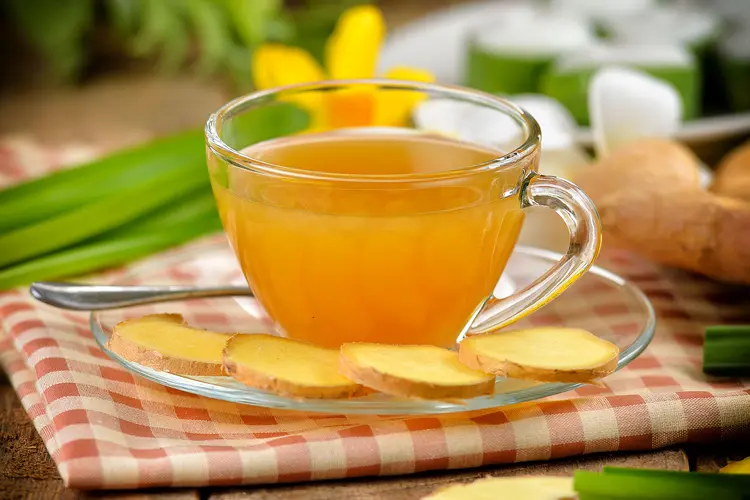
рдЖрд▓े (Ginger) – рд╣ृрджрдпाрд╕ाрдаी рд▓ाрднрджाрдпрдХ рдиैрд╕рд░्рдЧिрдХ рдФрд╖рдз Image  Image  Image  Image  ЁЯМ▒ рдкрд░िрдЪрдп рдЖрд▓े (Zingiber officinale) рд╣े рдЖрдпुрд░्рд╡ेрджाрддीрд▓ рдЕрдд्рдпंрдд рдк्рд░рднाрд╡ी рдЖрдгि рд╕рд░्рд╡рд╕ाрдоाрди्рдп рдФрд╖рдзी рдж्рд░рд╡्рдп рдЖрд╣े। рд╣े рдХेрд╡рд│ рд╕्рд╡рдпंрдкाрдХाрдд рдЪрд╡ рд╡ाрдврд╡рдг्рдпाрд╕ाрдаीрдЪ рдирд╡्рд╣े рддрд░ рд╣ृрджрдпाрдЪे рдЖрд░ोрдЧ्рдп, рдкрдЪрди рд╕ुрдзाрд░рдгा рдЖрдгि рд░рдХ्рддाрднिрд╕рд░рдг рд╕ुрдзाрд░рдг्рдпाрд╕ाрдаी рдЕрдд्рдпंрдд рдЙрдкрдпुрдХ्рдд рдЖрд╣े।  ЁЯзк Nutritional Value (рдкोрд╖рдгрдоूрд▓्рдп) рдЖрд▓्рдпाрдордз्рдпे рдЖрдврд│рдгाрд░े рдорд╣рдд्рдд्рд╡ाрдЪे рдШрдЯрдХ:  рдЬिंрдЬрд░ोрд▓ (Gingerol)  рдЕँрдЯीрдСрдХ्рд╕िрдбंрдЯ्рд╕  рд╡्рд╣िрдЯॅрдоिрди B6  рдоॅрдЧ्рдиेрд╢िрдпрдо  рдкोрдЯॅрд╢िрдпрдо  ЁЯСЙ рд╣े рдШрдЯрдХ рд╢рд░ीрд░ाрд▓ा рджाрд╣рд╢ाрдордХ, рд╣ृрджрдпрд╕ंрд░рдХ्рд╖рдХ рдЖрдгि рд░ोрдЧрдк्рд░рддिрдХाрд░рдХ рдЧुрдг рджेрддाрдд।  ЁЯТЪ Health Benefits (рдЖрд░ोрдЧ्рдп рдлाрдпрджे) ❤️ 1. рдХोрд▓ेрд╕्рдЯेрд░ॉрд▓ рдиिрдпंрдд्рд░рдг рдЖрд▓े рд╡ाрдИрдЯ рдХोрд▓ेрд╕्рдЯेрд░ॉрд▓ рдХрдоी рдХрд░ूрди рд╣ृрджрдпाрдЪे рд╕ंрд░рдХ्рд╖рдг рдХрд░рддे।  ЁЯй╕ 2. рд░рдХ्рддाрднिрд╕рд░рдг рд╕ुрдзाрд░рддे рд░рдХ्рддрдк्рд░рд╡ाрд╣ рд╕ुрд░рд│ीрдд рдаेрд╡ूрди рд╢рд░ीрд░ाрдд рдСрдХ्рд╕िрдЬрди рдкुрд░рд╡рдаा рд╕ुрдзाрд░рддे।  ЁЯТУ 3. рд╣ृрджрдп рдордЬрдмूрдд рдХрд░рддे рд╣ृрджрдпाрдЪ्рдпा рд╕्рдиाрдпूंрдиा рдмрд│рдХрдЯी рджेрдКрди рд╣ृрджрдпрд╡िрдХाрд░ाрдЪा рдзोрдХा рдХрдоी рдХрд░рддे।  ⚖️ 4. рд░рдХ्рддрджाрдм рдиिрдпंрдд्рд░рдг рдЙрдЪ्рдЪ рд░рдХ्рддрджाрдм рдХрдоी рдХрд░рдг्рдпाрд╕ рдорджрдд рдХрд░рддे।  ЁЯзм 5. рд░рдХ्рдд рдЧोрдардгे рдХрдоी рдХрд░рддे рд░рдХ्рдд рдЬाрд╕्рдд рдк्рд░рдоाрдгाрдд рдЧोрдаू рди рджेрддा рд╣ृрджрдпрд╡िрдХाрд░ рдЯाрд│рддे।  ЁЯФе 6. рджाрд╣рд╢ाрдордХ рдЧुрдгрдзрд░्рдо рд╢рд░ीрд░ाрддीрд▓ рд╕ूрдЬ рд╡ рджाрд╣ рдХрдоी рдХрд░рддे।  ЁЯМ┐ Uses (рдЙрдкрдпोрдЧ) ЁЯН╡ рдЖрд▓्рдпाрдЪा рдЪрд╣ा – рд╣ृрджрдп рд╡ рдкрдЪрдиाрд╕ाрдаी  ЁЯеЧ рдЖрд╣ाрд░ाрдд рд╡ाрдкрд░ – рд░ोрдЬрдЪ्рдпा рдЬेрд╡рдгाрдд  ЁЯНп рдЖрд▓े + рдордз – рд░ोрдЧрдк्рд░рддिрдХाрд░рд╢рдХ्рддी рд╡ाрдврд╡рдг्рдпाрд╕ाрдаी  ЁЯзГ рдЖрд▓्рдпाрдЪा рд░рд╕ – рд░рдХ्рддाрднिрд╕рд░рдг рд╕ुрдзाрд░рдг्рдпाрд╕ाрдаी  ЁЯУЬ Ayurveda Reference (рдЖрдпुрд░्рд╡ेрдж рд╕ंрджрд░्рдн) рдЖрдпुрд░्рд╡ेрджाрдд рдЖрд▓ेрд▓ा “рд╡िрд╢्рд╡рднेрд╖рдЬ” рдо्рд╣рдгрдЬे рд╕рд░्рд╡ рд░ोрдЧांрд╡рд░ рдЙрдкрдпोрдЧी рдФрд╖рдз рдоाрдирд▓े рдЬाрддे।  рджीрдкрди (рдЕрдЧ्рдиि рд╡ाрдврд╡рдгाрд░े)  рдкाрдЪрди рд╕ुрдзाрд░рдХ  рдХрдл-рд╡ाрдд рд╢рдорди рдХрд░рдгाрд░े  ЁЯСЙ рд╣ृрджрдп рдЖрдгि рдкрдЪрди рдпांрдЪ्рдпाрддीрд▓ рд╕ंрддुрд▓рди рд░ाрдЦрдг्рдпाрд╕ाрдаी рдЖрд▓े рдЕрдд्рдпंрдд рдЙрдкрдпुрдХ्рдд рдЖрд╣े।   Consult Doctor for Detailed Advice рдЕрдзिрдХ рдоाрд╣िрддीрд╕ाрдаी рдЖрдгि рд╡ैрдпрдХ्рддिрдХ рдЙрдкрдЪाрд░ाрд╕ाрдаी рднेрдЯ рдж्рдпा ЁЯСЙ www.ayurvedainitiative.com  рдпोрдЧ्рдп рдк्рд░рдоाрдг рдЖрдгि рд╡ाрдкрд░ाрд╕ाрдаी рддрдЬ्рдЬ्рдЮांрдЪा рд╕рд▓्рд▓ा рдШ्рдпा।  ❓ FAQ (рд╡ाрд░ंрд╡ाрд░ рд╡िрдЪाрд░рд▓े рдЬाрдгाрд░े рдк्рд░рд╢्рди) 1. рдЖрд▓े рд░ोрдЬ рдЦाрдК рд╢рдХрддो рдХा рд╣ोрдп, рдорд░्рдпाрджिрдд рдк्рд░рдоाрдгाрдд рд░ोрдЬ рд╕ेрд╡рди рд╕ुрд░рдХ्рд╖िрдд рдЖрд╣े।  2. рдЖрд▓े рд╣ृрджрдпाрд╕ाрдаी рдХрд╕े рдЙрдкрдпुрдХ्рдд рдЖрд╣े рддे рдХोрд▓ेрд╕्рдЯेрд░ॉрд▓ рдХрдоी рдХрд░ूрди рд░рдХ्рддाрднिрд╕рд░рдг рд╕ुрдзाрд░рддे।  3. рдЖрд▓े рд░рдХ्рддрджाрдм рдХрдоी рдХрд░рддे рдХा рд╣ोрдп, рдиिрдпрдоिрдд рд╕ेрд╡рдиाрдиे рдорджрдд рд╣ोрддे।  4. рдЖрд▓े рд░рдХ्рдд рдЧोрдардгे рдХрдоी рдХрд░рддे рдХा рд╣ोрдп, рдд्рдпाрдоुрд│े рд╣ृрджрдпрд╡िрдХाрд░ाрдЪा рдзोрдХा рдХрдоी рд╣ोрддो।  рдЖрд▓े – рд╣ृрджрдп рдиिрд░ोрдЧी рдаेрд╡рдгाрд░े рдиैрд╕рд░्рдЧिрдХ рдЕрдоृрдд!

Image рдЖрд▓े (Ginger) – рд╣ृрджрдпाрд╕ाрдаी рд▓ाрднрджाрдпрдХ рдиैрд╕рд░्рдЧिрдХ рдФрд╖рдз Image  Image  Image  Image  ЁЯМ▒ рдкрд░िрдЪрдп рдЖрд▓े (Zingiber officinale) рд╣े рдЖрдпुрд░्рд╡ेрджाрддीрд▓ рдЕрдд्рдпंрдд рдк्рд░рднाрд╡ी рдЖрдгि рд╕рд░्рд╡рд╕ाрдоाрди्рдп рдФрд╖рдзी рдж्рд░рд╡्рдп рдЖрд╣े। рд╣े рдХेрд╡рд│ рд╕्рд╡рдпंрдкाрдХाрдд рдЪрд╡ рд╡ाрдврд╡рдг्рдпाрд╕ाрдаीрдЪ рдирд╡्рд╣े рддрд░ рд╣ृрджрдпाрдЪे рдЖрд░ोрдЧ्рдп, рдкрдЪрди рд╕ुрдзाрд░рдгा рдЖрдгि рд░рдХ्рддाрднिрд╕рд░рдг рд╕ुрдзाрд░рдг्рдпाрд╕ाрдаी рдЕрдд्рдпंрдд рдЙрдкрдпुрдХ्рдд рдЖрд╣े।  ЁЯзк Nutritional Value (рдкोрд╖рдгрдоूрд▓्рдп) рдЖрд▓्рдпाрдордз्рдпे рдЖрдврд│рдгाрд░े рдорд╣рдд्рдд्рд╡ाрдЪे рдШрдЯрдХ:  рдЬिंрдЬрд░ोрд▓ (Gingerol)  рдЕँрдЯीрдСрдХ्рд╕िрдбंрдЯ्рд╕  рд╡्рд╣िрдЯॅрдоिрди B6  рдоॅрдЧ्рдиेрд╢िрдпрдо  рдкोрдЯॅрд╢िрдпрдо  ЁЯСЙ рд╣े рдШрдЯрдХ рд╢рд░ीрд░ाрд▓ा рджाрд╣рд╢ाрдордХ, рд╣ृрджрдпрд╕ंрд░рдХ्рд╖рдХ рдЖрдгि рд░ोрдЧрдк्рд░рддिрдХाрд░рдХ рдЧुрдг рджेрддाрдд।  ЁЯТЪ Health Benefits (рдЖрд░ोрдЧ्рдп рдлाрдпрджे) ❤️ 1. рдХोрд▓ेрд╕्рдЯेрд░ॉрд▓ рдиिрдпंрдд्рд░рдг рдЖрд▓े рд╡ाрдИрдЯ рдХोрд▓ेрд╕्рдЯेрд░ॉрд▓ рдХрдоी рдХрд░ूрди рд╣ृрджрдпाрдЪे рд╕ंрд░рдХ्рд╖рдг рдХрд░рддे।  ЁЯй╕ 2. рд░рдХ्рддाрднिрд╕рд░рдг рд╕ुрдзाрд░рддे рд░рдХ्рддрдк्рд░рд╡ाрд╣ рд╕ुрд░рд│ीрдд рдаेрд╡ूрди рд╢рд░ीрд░ाрдд рдСрдХ्рд╕िрдЬрди рдкुрд░рд╡рдаा рд╕ुрдзाрд░рддे।  ЁЯТУ 3. рд╣ृрджрдп рдордЬрдмूрдд рдХрд░рддे рд╣ृрджрдпाрдЪ्рдпा рд╕्рдиाрдпूंрдиा рдмрд│рдХрдЯी рджेрдКрди рд╣ृрджрдпрд╡िрдХाрд░ाрдЪा рдзोрдХा рдХрдоी рдХрд░рддे।  ⚖️ 4. рд░рдХ्рддрджाрдм рдиिрдпंрдд्рд░рдг рдЙрдЪ्рдЪ рд░рдХ्рддрджाрдм рдХрдоी рдХрд░рдг्рдпाрд╕ рдорджрдд рдХрд░рддे।  ЁЯзм 5. рд░рдХ्рдд рдЧोрдардгे рдХрдоी рдХрд░рддे рд░рдХ्рдд рдЬाрд╕्рдд рдк्рд░рдоाрдгाрдд рдЧोрдаू рди рджेрддा рд╣ृрджрдпрд╡िрдХाрд░ рдЯाрд│рддे।  ЁЯФе 6. рджाрд╣рд╢ाрдордХ рдЧुрдгрдзрд░्рдо рд╢рд░ीрд░ाрддीрд▓ рд╕ूрдЬ рд╡ рджाрд╣ рдХрдоी рдХрд░рддे।  ЁЯМ┐ Uses (рдЙрдкрдпोрдЧ) ЁЯН╡ рдЖрд▓्рдпाрдЪा рдЪрд╣ा – рд╣ृрджрдп рд╡ рдкрдЪрдиाрд╕ाрдаी  ЁЯеЧ рдЖрд╣ाрд░ाрдд рд╡ाрдкрд░ – рд░ोрдЬрдЪ्рдпा рдЬेрд╡рдгाрдд  ЁЯНп рдЖрд▓े + рдордз – рд░ोрдЧрдк्рд░рддिрдХाрд░рд╢рдХ्рддी рд╡ाрдврд╡рдг्рдпाрд╕ाрдаी  ЁЯзГ рдЖрд▓्рдпाрдЪा рд░рд╕ – рд░рдХ्рддाрднिрд╕рд░рдг рд╕ुрдзाрд░рдг्рдпाрд╕ाрдаी  ЁЯУЬ Ayurveda Reference (рдЖрдпुрд░्рд╡ेрдж рд╕ंрджрд░्рдн) рдЖрдпुрд░्рд╡ेрджाрдд рдЖрд▓ेрд▓ा “рд╡िрд╢्рд╡рднेрд╖рдЬ” рдо्рд╣рдгрдЬे рд╕рд░्рд╡ рд░ोрдЧांрд╡рд░ рдЙрдкрдпोрдЧी рдФрд╖рдз рдоाрдирд▓े рдЬाрддे।  рджीрдкрди (рдЕрдЧ्рдиि рд╡ाрдврд╡рдгाрд░े)  рдкाрдЪрди рд╕ुрдзाрд░рдХ  рдХрдл-рд╡ाрдд рд╢рдорди рдХрд░рдгाрд░े  ЁЯСЙ рд╣ृрджрдп рдЖрдгि рдкрдЪрди рдпांрдЪ्рдпाрддीрд▓ рд╕ंрддुрд▓рди рд░ाрдЦрдг्рдпाрд╕ाрдаी рдЖрд▓े рдЕрдд्рдпंрдд рдЙрдкрдпुрдХ्рдд рдЖрд╣े।   Consult Doctor for Detailed Advice рдЕрдзिрдХ рдоाрд╣िрддीрд╕ाрдаी рдЖрдгि рд╡ैрдпрдХ्рддिрдХ рдЙрдкрдЪाрд░ाрд╕ाрдаी рднेрдЯ рдж्рдпा ЁЯСЙ www.ayurvedainitiative.com  рдпोрдЧ्рдп рдк्рд░рдоाрдг рдЖрдгि рд╡ाрдкрд░ाрд╕ाрдаी рддрдЬ्рдЬ्рдЮांрдЪा рд╕рд▓्рд▓ा рдШ्рдпा।  ❓ FAQ (рд╡ाрд░ंрд╡ाрд░ рд╡िрдЪाрд░рд▓े рдЬाрдгाрд░े рдк्рд░рд╢्рди) 1. рдЖрд▓े рд░ोрдЬ рдЦाрдК рд╢рдХрддो рдХा рд╣ोрдп, рдорд░्рдпाрджिрдд рдк्рд░рдоाрдгाрдд рд░ोрдЬ рд╕ेрд╡рди рд╕ुрд░рдХ्рд╖िрдд рдЖрд╣े।  2. рдЖрд▓े рд╣ृрджрдпाрд╕ाрдаी рдХрд╕े рдЙрдкрдпुрдХ्рдд рдЖрд╣े рддे рдХोрд▓ेрд╕्рдЯेрд░ॉрд▓ рдХрдоी рдХрд░ूрди рд░рдХ्рддाрднिрд╕рд░рдг рд╕ुрдзाрд░рддे।  3. рдЖрд▓े рд░рдХ्рддрджाрдм рдХрдоी рдХрд░рддे рдХा рд╣ोрдп, рдиिрдпрдоिрдд рд╕ेрд╡рдиाрдиे рдорджрдд рд╣ोрддे।  4. рдЖрд▓े рд░рдХ्рдд рдЧोрдардгे рдХрдоी рдХрд░рддे рдХा рд╣ोрдп, рдд्рдпाрдоुрд│े рд╣ृрджрдпрд╡िрдХाрд░ाрдЪा рдзोрдХा рдХрдоी рд╣ोрддो।  рдЖрд▓े – рд╣ृрджрдп рдиिрд░ोрдЧी рдаेрд╡рдгाрд░े рдиैрд╕рд░्рдЧिрдХ рдЕрдоृрдд!


Image рдЖрд▓े (Ginger) – рд╣ृрджрдпाрд╕ाрдаी рд▓ाрднрджाрдпрдХ рдиैрд╕рд░्рдЧिрдХ рдФрд╖рдз Image  Image  Image  Image  ЁЯМ▒ рдкрд░िрдЪрдп рдЖрд▓े (Zingiber officinale) рд╣े рдЖрдпुрд░्рд╡ेрджाрддीрд▓ рдЕрдд्рдпंрдд рдк्рд░рднाрд╡ी рдЖрдгि рд╕рд░्рд╡рд╕ाрдоाрди्рдп рдФрд╖рдзी рдж्рд░рд╡्рдп рдЖрд╣े। рд╣े рдХेрд╡рд│ рд╕्рд╡рдпंрдкाрдХाрдд рдЪрд╡ рд╡ाрдврд╡рдг्рдпाрд╕ाрдаीрдЪ рдирд╡्рд╣े рддрд░ рд╣ृрджрдпाрдЪे рдЖрд░ोрдЧ्рдп, рдкрдЪрди рд╕ुрдзाрд░рдгा рдЖрдгि рд░рдХ्рддाрднिрд╕рд░рдг рд╕ुрдзाрд░рдг्рдпाрд╕ाрдаी рдЕрдд्рдпंрдд рдЙрдкрдпुрдХ्рдд рдЖрд╣े।  ЁЯзк Nutritional Value (рдкोрд╖рдгрдоूрд▓्рдп) рдЖрд▓्рдпाрдордз्рдпे рдЖрдврд│рдгाрд░े рдорд╣рдд्рдд्рд╡ाрдЪे рдШрдЯрдХ:  рдЬिंрдЬрд░ोрд▓ (Gingerol)  рдЕँрдЯीрдСрдХ्рд╕िрдбंрдЯ्рд╕  рд╡्рд╣िрдЯॅрдоिрди B6  рдоॅрдЧ्рдиेрд╢िрдпрдо  рдкोрдЯॅрд╢िрдпрдо  ЁЯСЙ рд╣े рдШрдЯрдХ рд╢рд░ीрд░ाрд▓ा рджाрд╣рд╢ाрдордХ, рд╣ृрджрдпрд╕ंрд░рдХ्рд╖рдХ рдЖрдгि рд░ोрдЧрдк्рд░рддिрдХाрд░рдХ рдЧुрдг рджेрддाрдд।  ЁЯТЪ Health Benefits (рдЖрд░ोрдЧ्рдп рдлाрдпрджे) ❤️ 1. рдХोрд▓ेрд╕्рдЯेрд░ॉрд▓ рдиिрдпंрдд्рд░рдг рдЖрд▓े рд╡ाрдИрдЯ рдХोрд▓ेрд╕्рдЯेрд░ॉрд▓ рдХрдоी рдХрд░ूрди рд╣ृрджрдпाрдЪे рд╕ंрд░рдХ्рд╖рдг рдХрд░рддे।  ЁЯй╕ 2. рд░рдХ्рддाрднिрд╕рд░рдг рд╕ुрдзाрд░рддे рд░рдХ्рддрдк्рд░рд╡ाрд╣ рд╕ुрд░рд│ीрдд рдаेрд╡ूрди рд╢рд░ीрд░ाрдд рдСрдХ्рд╕िрдЬрди рдкुрд░рд╡рдаा рд╕ुрдзाрд░рддे।  ЁЯТУ 3. рд╣ृрджрдп рдордЬрдмूрдд рдХрд░рддे рд╣ृрджрдпाрдЪ्рдпा рд╕्рдиाрдпूंрдиा рдмрд│рдХрдЯी рджेрдКрди рд╣ृрджрдпрд╡िрдХाрд░ाрдЪा рдзोрдХा рдХрдоी рдХрд░рддे।  ⚖️ 4. рд░рдХ्рддрджाрдм рдиिрдпंрдд्рд░рдг рдЙрдЪ्рдЪ рд░рдХ्рддрджाрдм рдХрдоी рдХрд░рдг्рдпाрд╕ рдорджрдд рдХрд░рддे।  ЁЯзм 5. рд░рдХ्рдд рдЧोрдардгे рдХрдоी рдХрд░рддे рд░рдХ्рдд рдЬाрд╕्рдд рдк्рд░рдоाрдгाрдд рдЧोрдаू рди рджेрддा рд╣ृрджрдпрд╡िрдХाрд░ рдЯाрд│рддे।  ЁЯФе 6. рджाрд╣рд╢ाрдордХ рдЧुрдгрдзрд░्рдо рд╢рд░ीрд░ाрддीрд▓ рд╕ूрдЬ рд╡ рджाрд╣ рдХрдоी рдХрд░рддे।  ЁЯМ┐ Uses (рдЙрдкрдпोрдЧ) ЁЯН╡ рдЖрд▓्рдпाрдЪा рдЪрд╣ा – рд╣ृрджрдп рд╡ рдкрдЪрдиाрд╕ाрдаी  ЁЯеЧ рдЖрд╣ाрд░ाрдд рд╡ाрдкрд░ – рд░ोрдЬрдЪ्рдпा рдЬेрд╡рдгाрдд  ЁЯНп рдЖрд▓े + рдордз – рд░ोрдЧрдк्рд░рддिрдХाрд░рд╢рдХ्рддी рд╡ाрдврд╡рдг्рдпाрд╕ाрдаी  ЁЯзГ рдЖрд▓्рдпाрдЪा рд░рд╕ – рд░рдХ्рддाрднिрд╕рд░рдг рд╕ुрдзाрд░рдг्рдпाрд╕ाрдаी  ЁЯУЬ Ayurveda Reference (рдЖрдпुрд░्рд╡ेрдж рд╕ंрджрд░्рдн) рдЖрдпुрд░्рд╡ेрджाрдд рдЖрд▓ेрд▓ा “рд╡िрд╢्рд╡рднेрд╖рдЬ” рдо्рд╣рдгрдЬे рд╕рд░्рд╡ рд░ोрдЧांрд╡рд░ рдЙрдкрдпोрдЧी рдФрд╖рдз рдоाрдирд▓े рдЬाрддे।  рджीрдкрди (рдЕрдЧ्рдиि рд╡ाрдврд╡рдгाрд░े)  рдкाрдЪрди рд╕ुрдзाрд░рдХ  рдХрдл-рд╡ाрдд рд╢рдорди рдХрд░рдгाрд░े  ЁЯСЙ рд╣ृрджрдп рдЖрдгि рдкрдЪрди рдпांрдЪ्рдпाрддीрд▓ рд╕ंрддुрд▓рди рд░ाрдЦрдг्рдпाрд╕ाрдаी рдЖрд▓े рдЕрдд्рдпंрдд рдЙрдкрдпुрдХ्рдд рдЖрд╣े।   Consult Doctor for Detailed Advice рдЕрдзिрдХ рдоाрд╣िрддीрд╕ाрдаी рдЖрдгि рд╡ैрдпрдХ्рддिрдХ рдЙрдкрдЪाрд░ाрд╕ाрдаी рднेрдЯ рдж्рдпा ЁЯСЙ www.ayurvedainitiative.com  рдпोрдЧ्рдп рдк्рд░рдоाрдг рдЖрдгि рд╡ाрдкрд░ाрд╕ाрдаी рддрдЬ्рдЬ्рдЮांрдЪा рд╕рд▓्рд▓ा рдШ्рдпा।  ❓ FAQ (рд╡ाрд░ंрд╡ाрд░ рд╡िрдЪाрд░рд▓े рдЬाрдгाрд░े рдк्рд░рд╢्рди) 1. рдЖрд▓े рд░ोрдЬ рдЦाрдК рд╢рдХрддो рдХा рд╣ोрдп, рдорд░्рдпाрджिрдд рдк्рд░рдоाрдгाрдд рд░ोрдЬ рд╕ेрд╡рди рд╕ुрд░рдХ्рд╖िрдд рдЖрд╣े।  2. рдЖрд▓े рд╣ृрджрдпाрд╕ाрдаी рдХрд╕े рдЙрдкрдпुрдХ्рдд рдЖрд╣े рддे рдХोрд▓ेрд╕्рдЯेрд░ॉрд▓ рдХрдоी рдХрд░ूрди рд░рдХ्рддाрднिрд╕рд░рдг рд╕ुрдзाрд░рддे।  3. рдЖрд▓े рд░рдХ्рддрджाрдм рдХрдоी рдХрд░рддे рдХा рд╣ोрдп, рдиिрдпрдоिрдд рд╕ेрд╡рдиाрдиे рдорджрдд рд╣ोрддे।  4. рдЖрд▓े рд░рдХ्рдд рдЧोрдардгे рдХрдоी рдХрд░рддे рдХा рд╣ोрдп, рдд्рдпाрдоुрд│े рд╣ृрджрдпрд╡िрдХाрд░ाрдЪा рдзोрдХा рдХрдоी рд╣ोрддो।  рдЖрд▓े – рд╣ृрджрдп рдиिрд░ोрдЧी рдаेрд╡рдгाрд░े рдиैрд╕рд░्рдЧिрдХ рдЕрдоृрдд!

ЁЯМ▒ рдкрд░िрдЪрдп

рдЖрд▓े (Zingiber officinale) рд╣े рдЖрдпुрд░्рд╡ेрджाрддीрд▓ рдЕрдд्рдпंрдд рдк्рд░рднाрд╡ी рдЖрдгि рд╕рд░्рд╡рд╕ाрдоाрди्рдп рдФрд╖рдзी рдж्рд░рд╡्рдп рдЖрд╣े।
рд╣े рдХेрд╡рд│ рд╕्рд╡рдпंрдкाрдХाрдд рдЪрд╡ рд╡ाрдврд╡рдг्рдпाрд╕ाрдаीрдЪ рдирд╡्рд╣े рддрд░ рд╣ृрджрдпाрдЪे рдЖрд░ोрдЧ्рдп, рдкрдЪрди рд╕ुрдзाрд░рдгा рдЖрдгि рд░рдХ्рддाрднिрд╕рд░рдг рд╕ुрдзाрд░рдг्рдпाрд╕ाрдаी рдЕрдд्рдпंрдд рдЙрдкрдпुрдХ्рдд рдЖрд╣े।

ЁЯзк Nutritional Value (рдкोрд╖рдгрдоूрд▓्рдп)

рдЖрд▓्рдпाрдордз्рдпे рдЖрдврд│рдгाрд░े рдорд╣рдд्рдд्рд╡ाрдЪे рдШрдЯрдХ:

  • рдЬिंрдЬрд░ोрд▓ (Gingerol)

  • рдЕँрдЯीрдСрдХ्рд╕िрдбंрдЯ्рд╕

  • рд╡्рд╣िрдЯॅрдоिрди B6

  • рдоॅрдЧ्рдиेрд╢िрдпрдо

  • рдкोрдЯॅрд╢िрдпрдо

ЁЯСЙ рд╣े рдШрдЯрдХ рд╢рд░ीрд░ाрд▓ा рджाрд╣рд╢ाрдордХ, рд╣ृрджрдпрд╕ंрд░рдХ्рд╖рдХ рдЖрдгि рд░ोрдЧрдк्рд░рддिрдХाрд░рдХ рдЧुрдг рджेрддाрдд।

ЁЯТЪ Health Benefits (рдЖрд░ोрдЧ्рдп рдлाрдпрджे)

❤️ 1. рдХोрд▓ेрд╕्рдЯेрд░ॉрд▓ рдиिрдпंрдд्рд░рдг

рдЖрд▓े рд╡ाрдИрдЯ рдХोрд▓ेрд╕्рдЯेрд░ॉрд▓ рдХрдоी рдХрд░ूрди рд╣ृрджрдпाрдЪे рд╕ंрд░рдХ्рд╖рдг рдХрд░рддे।

ЁЯй╕ 2. рд░рдХ्рддाрднिрд╕рд░рдг рд╕ुрдзाрд░рддे

рд░рдХ्рддрдк्рд░рд╡ाрд╣ рд╕ुрд░рд│ीрдд рдаेрд╡ूрди рд╢рд░ीрд░ाрдд рдСрдХ्рд╕िрдЬрди рдкुрд░рд╡рдаा рд╕ुрдзाрд░рддे।

ЁЯТУ 3. рд╣ृрджрдп рдордЬрдмूрдд рдХрд░рддे

рд╣ृрджрдпाрдЪ्рдпा рд╕्рдиाрдпूंрдиा рдмрд│рдХрдЯी рджेрдКрди рд╣ृрджрдпрд╡िрдХाрд░ाрдЪा рдзोрдХा рдХрдоी рдХрд░рддे।

⚖️ 4. рд░рдХ्рддрджाрдм рдиिрдпंрдд्рд░рдг

рдЙрдЪ्рдЪ рд░рдХ्рддрджाрдм рдХрдоी рдХрд░рдг्рдпाрд╕ рдорджрдд рдХрд░рддे।

ЁЯзм 5. рд░рдХ्рдд рдЧोрдардгे рдХрдоी рдХрд░рддे

рд░рдХ्рдд рдЬाрд╕्рдд рдк्рд░рдоाрдгाрдд рдЧोрдаू рди рджेрддा рд╣ृрджрдпрд╡िрдХाрд░ рдЯाрд│рддे।

ЁЯФе 6. рджाрд╣рд╢ाрдордХ рдЧुрдгрдзрд░्рдо

рд╢рд░ीрд░ाрддीрд▓ рд╕ूрдЬ рд╡ рджाрд╣ рдХрдоी рдХрд░рддे।

ЁЯМ┐ Uses (рдЙрдкрдпोрдЧ)

  • ЁЯН╡ рдЖрд▓्рдпाрдЪा рдЪрд╣ा – рд╣ृрджрдп рд╡ рдкрдЪрдиाрд╕ाрдаी

  • ЁЯеЧ рдЖрд╣ाрд░ाрдд рд╡ाрдкрд░ – рд░ोрдЬрдЪ्рдпा рдЬेрд╡рдгाрдд

  • ЁЯНп рдЖрд▓े + рдордз – рд░ोрдЧрдк्рд░рддिрдХाрд░рд╢рдХ्рддी рд╡ाрдврд╡рдг्рдпाрд╕ाрдаी

  • ЁЯзГ рдЖрд▓्рдпाрдЪा рд░рд╕ – рд░рдХ्рддाрднिрд╕рд░рдг рд╕ुрдзाрд░рдг्рдпाрд╕ाрдаी

ЁЯУЬ Ayurveda Reference (рдЖрдпुрд░्рд╡ेрдж рд╕ंрджрд░्рдн)

рдЖрдпुрд░्рд╡ेрджाрдд рдЖрд▓ेрд▓ा “рд╡िрд╢्рд╡рднेрд╖рдЬ” рдо्рд╣рдгрдЬे рд╕рд░्рд╡ рд░ोрдЧांрд╡рд░ рдЙрдкрдпोрдЧी рдФрд╖рдз рдоाрдирд▓े рдЬाрддे।

  • рджीрдкрди (рдЕрдЧ्рдиि рд╡ाрдврд╡рдгाрд░े)

  • рдкाрдЪрди рд╕ुрдзाрд░рдХ

  • рдХрдл-рд╡ाрдд рд╢рдорди рдХрд░рдгाрд░े

ЁЯСЙ рд╣ृрджрдп рдЖрдгि рдкрдЪрди рдпांрдЪ्рдпाрддीрд▓ рд╕ंрддुрд▓рди рд░ाрдЦрдг्рдпाрд╕ाрдаी рдЖрд▓े рдЕрдд्рдпंрдд рдЙрдкрдпुрдХ्рдд рдЖрд╣े।

 Consult Doctor for Detailed Advice

рдЕрдзिрдХ рдоाрд╣िрддीрд╕ाрдаी рдЖрдгि рд╡ैрдпрдХ्рддिрдХ рдЙрдкрдЪाрд░ाрд╕ाрдаी рднेрдЯ рдж्рдпा
ЁЯСЙ www.ayurvedainitiative.com

рдпोрдЧ्рдп рдк्рд░рдоाрдг рдЖрдгि рд╡ाрдкрд░ाрд╕ाрдаी рддрдЬ्рдЬ्рдЮांрдЪा рд╕рд▓्рд▓ा рдШ्рдпा।

❓ FAQ (рд╡ाрд░ंрд╡ाрд░ рд╡िрдЪाрд░рд▓े рдЬाрдгाрд░े рдк्рд░рд╢्рди)

1. рдЖрд▓े рд░ोрдЬ рдЦाрдК рд╢рдХрддो рдХा

рд╣ोрдп, рдорд░्рдпाрджिрдд рдк्рд░рдоाрдгाрдд рд░ोрдЬ рд╕ेрд╡рди рд╕ुрд░рдХ्рд╖िрдд рдЖрд╣े।

2. рдЖрд▓े рд╣ृрджрдпाрд╕ाрдаी рдХрд╕े рдЙрдкрдпुрдХ्рдд рдЖрд╣े

рддे рдХोрд▓ेрд╕्рдЯेрд░ॉрд▓ рдХрдоी рдХрд░ूрди рд░рдХ्рддाрднिрд╕рд░рдг рд╕ुрдзाрд░рддे।

3. рдЖрд▓े рд░рдХ्рддрджाрдм рдХрдоी рдХрд░рддे рдХा

рд╣ोрдп, рдиिрдпрдоिрдд рд╕ेрд╡рдиाрдиे рдорджрдд рд╣ोрддे।

4. рдЖрд▓े рд░рдХ्рдд рдЧोрдардгे рдХрдоी рдХрд░рддे рдХा

рд╣ोрдп, рдд्рдпाрдоुрд│े рд╣ृрджрдпрд╡िрдХाрд░ाрдЪा рдзोрдХा рдХрдоी рд╣ोрддो।

рдЖрд▓े – рд╣ृрджрдп рдиिрд░ोрдЧी рдаेрд╡рдгाрд░े рдиैрд╕рд░्рдЧिрдХ рдЕрдоृрдд!

рдЧाрд░ рдкाрдгी рдкिрдг्рдпाрдЪे рджुрд╖्рдкрд░िрдгाрдо | Ayurveda Guide for Digestion, Immunity & Health

рдеंрдб рдирд╡्рд╣े, рд╕ंрддुрд▓िрдд—рдЖрд░ोрдЧ्рдп рд░ाрдЦрдг्рдпाрд╕ाрдаी рдпोрдЧ्рдп рд╕рд╡рдпी рдиिрд╡рдбा.

рдЧाрд░ рдкाрдг्рдпाрдЪे рджुрд╖्рдкрд░िрдгाрдо рдЖрдгि рдЖрдпुрд░्рд╡ेрджिрдХ рджृрд╖्рдЯिрдХोрди

Image

Image

Image

Image

At Ayurveda Initiative, рдЖрдо्рд╣ी рдиेрд╣рдоी рд╕ांрдЧрддो рдХी рдЖрд░ोрдЧ्рдп рдЯिрдХрд╡рдг्рдпाрд╕ाрдаी рд╕ाрдз्рдпा рд╕рд╡рдпी рдорд╣рдд्рдд्рд╡ाрдЪ्рдпा рдЕрд╕рддाрдд.

рдЖрдЬрдХाрд▓ рдЧाрд░ рдкाрдгी рдкिрдг्рдпाрдЪी рд╕рд╡рдп рд╡ाрдврдд рдЖрд╣े, рдкрдг рдЖрдпुрд░्рд╡ेрджाрдиुрд╕ाрд░ рдЕрддिрд╢рдп рдеंрдб рдкाрдгी рд╢рд░ीрд░ाрд╕ाрдаी рд╣ाрдиिрдХाрд░рдХ рдард░ू рд╢рдХрддे.

Nutritional Perspective (рдкोрд╖рдг рджृрд╖्рдЯीрдХोрди)

рдкाрдгी рд╣े рдЬीрд╡рдиाрд╕ाрдаी рдЕрдд्рдпाрд╡рд╢्рдпрдХ рдЕрд╕рд▓े рддрд░ी рдд्рдпाрдЪे рддाрдкрдоाрди рдорд╣рдд्рдд्рд╡ाрдЪे рдЖрд╣े. рдпोрдЧ्рдп рддाрдкрдоाрдиाрдЪे рдкाрдгी:

  • рдкрдЪрди рд╕ुрдзाрд░рддे

  • рдкोрд╖рдХ рддрдд्рд╡ांрдЪे рд╢ोрд╖рдг рд╡ाрдврд╡рддे

  • рд╢рд░ीрд░ाрддीрд▓ рдКрд░्рдЬा рдЯिрдХрд╡рддे

рддрд░ рдЦूрдк рдЧाрд░ рдкाрдгी рдпा рдк्рд░рдХ्рд░िрдпांрдиा рдЕрдбрдерд│ा рдиिрд░्рдоाрдг рдХрд░ू рд╢рдХрддे.

 Health Effects (рдЖрд░ोрдЧ्рдпाрд╡рд░ рдкрд░िрдгाрдо)

 1. рдкрдЪрдирдХ्рд░िрдпा рдоंрджाрд╡рддे

рдЧाрд░ рдкाрдгी рдкिрд▓्рдпाрдиे:

  • рдкрдЪрдирдХ्рд░िрдпा рдоंрджाрд╡рддे

  • рдЕрди्рди рдкрдЪाрдпрд▓ा рд╡ेрд│ рд▓ाрдЧрддो

  • рдЧॅрд╕, рдЕрдкрдЪрди рдЖрдгि ре▓рд╕िрдбिрдЯी рд╣ोрдК рд╢рдХрддे

 2. рдШрд╕ा рдЦрд╡рдЦрд╡рдгे рд╡ рд╕рд░्рджी

рдеंрдб рдкाрдгी:

  • рдШрд╢ाрддीрд▓ рд░рдХ्рддрд╡ाрд╣िрди्рдпा рдЖрдХुंрдЪрди рдкाрд╡рддाрдд

  • рд╕рд░्рджी, рдЦोрдХрд▓ा рдЖрдгि рдШрд╕ा рджुрдЦрдгे рд╡ाрдврддे

 3. рд╣ृрджрдпाрд╡рд░ рдкрд░िрдгाрдо

рдЧाрд░ рдкाрдгी:

  • рд╣ृрджрдпाрдЪी рдЧрддी рдХрдоी рдХрд░ू рд╢рдХрддे

  • рд░рдХ्рддрдк्рд░рд╡ाрд╣ाрд╡рд░ рдкрд░िрдгाрдо рдХрд░ू рд╢рдХрддे

 4. рдбोрдХेрджुрдЦी

рдЕрдЪाрдирдХ рдеंрдб рдкाрдгी рдкिрд▓्рдпाрдиे:

  • рдоेंрджूрддीрд▓ рд░рдХ्рддрд╡ाрд╣िрди्рдпा рдЖрдХुंрдЪрди рдкाрд╡рддाрдд

  • рдбोрдХेрджुрдЦी рд╣ोрдК рд╢рдХрддे

 5. рд╡рдЬрди рд╡ाрдврдг्рдпाрдЪी рд╢рдХ्рдпрддा

рдЧाрд░ рдкाрдгी:

  • рдЪрд░рдмीрдЪे рдкрдЪрди рдоंрдж рдХрд░рддे

  • рд╡рдЬрди рд╡ाрдврдг्рдпाрд╕ рдХाрд░рдгीрднूрдд рдард░ू рд╢рдХрддे

 6. рд░ोрдЧрдк्рд░рддिрдХाрд░рд╢рдХ्рддी рдХрдоी рд╣ोрддे

рдеंрдб рдкाрдгी:

  • рд╢рд░ीрд░ाрдЪी рдиैрд╕рд░्рдЧिрдХ рдк्рд░рддिрдХाрд░рд╢рдХ्рддी рдХрдоी рдХрд░рддे

  • рдЖрдЬाрд░ рд╣ोрдг्рдпाрдЪी рд╢рдХ्рдпрддा рд╡ाрдврд╡рддे

 7. рд╕ांрдзेрджुрдЦी рд╡ाрдвू рд╢рдХрддे

рдЧाрд░ рдкाрдгी:

  • рд╕ांрдз्рдпांрдордз्рдпे рд░рдХ्рддрдк्рд░рд╡ाрд╣ рдХрдоी рдХрд░рддे

  • рд╡ेрджрдиा рд╡ाрдврд╡ू рд╢рдХрддे

 8. рдоाрд╕िрдХ рдкाрд│ीрддीрд▓ рд╕рдорд╕्рдпा

рдорд╣िрд▓ांрдордз्рдпे:

  • рд╡ेрджрдиा рд╡ाрдвू рд╢рдХрддाрдд

  • рд░рдХ्рддрдк्рд░рд╡ाрд╣ाрд╡рд░ рдкрд░िрдгाрдо рд╣ोрдК рд╢рдХрддो

 9. рдКрд░्рдЬा рдХрдоी рд╣ोрддे

рдЧाрд░ рдкाрдгी:

  • рдЪрдпाрдкрдЪрдп рдоंрджाрд╡рддे

  • рд╢рд░ीрд░ाрддीрд▓ рдКрд░्рдЬा рдХрдоी рд╣ोрддे

Uses (рдпोрдЧ्рдп рдкрдж्рдзрддीрдиे рдкाрдгी рдХрд╕े рдк्рдпाрд╡े)

  • рдЬेрд╡рдгाрдиंрддрд░ рдЧाрд░ рдкाрдгी рдЯाрд│ा

  • рдХोрдордЯ рдХिंрд╡ा рд╕ाрдоाрди्рдп рддाрдкрдоाрдиाрдЪे рдкाрдгी рдк्рдпा

  • рдЙрди्рд╣ाрд│्рдпाрдд рдоाрдаाрддीрд▓ рдкाрдгी рдкिрдгे рдЙрдд्рддрдо

  • рд╣рд│ूрд╣рд│ू рдкाрдгी рдк्рдпा, рдПрдХрджрдо рдиाрд╣ी

Ayurvedic Perspective

рдЖрдпुрд░्рд╡ेрджाрдиुрд╕ाрд░, рдеंрдб рдкाрдгी Agni (рдкрдЪрдиाрдЧ्рдиी) рдХрдоी рдХрд░рддे.

  • рд╕ंрддुрд▓िрдд рдкाрдгी рдкिрдгे рдо्рд╣рдгрдЬे рд╢рд░ीрд░ाрддीрд▓ рджोрд╖ (Vata, Pitta, Kapha) рд╕ंрддुрд▓िрдд рдаेрд╡рдгे

  • рдпोрдЧ्рдп рд╕рд╡рдпींрдоुрд│े Prana (рдЬीрд╡рди рдКрд░्рдЬा) рд╡ाрдврддे

  • рд╢рд░ीрд░ рдЖрдгि рдорди рджोрди्рд╣ी рд╕्рдеिрд░ рд░ाрд╣рддाрдд

 Pro Tips

  • рдЕрддिрд╢рдп рдеंрдб (ice water) рдЯाрд│ा

  • рдЬेрд╡рдгाрдЪ्рдпा рд╡ेрд│ी рдХрдоी рдкाрдгी рдк्рдпा

  • рд╕рдХाрд│ी рдХोрдордЯ рдкाрдгी рд╕рд░्рд╡ोрдд्рддрдо

  • рдиिрдпрдоिрдд рд╕рд╡рдпींрд╡рд░ рд▓рдХ्рд╖ рдж्рдпा

Consult Doctor for Detailed Advice

рдЬрд░ рддुрдо्рд╣ाрд▓ा рдкрдЪрди рд╕рдорд╕्рдпा, рд╕рд░्рджी-рдЦोрдХрд▓ा рдХिंрд╡ा рдЗрддрд░ рдЖрд░ोрдЧ्рдп рд╕рдорд╕्рдпा рдЕрд╕рддीрд▓ рддрд░ рддрдЬ्рдЮांрдЪा рд╕рд▓्рд▓ा рдШ्рдпा.

ЁЯСЙ Visit www.ayurvedainitiative.com for personalized Ayurvedic consultation, Panchakarma therapies, and holistic treatment plans.

 FAQ

1. рдЧाрд░ рдкाрдгी рдкिрдгे рд╡ाрдИрдЯ рдЖрд╣े рдХा?

рд╣ोрдп, рд╡िрд╢ेрд╖рддः рдЬाрд╕्рдд рдк्рд░рдоाрдгाрдд рдЖрдгि рдЬेрд╡рдгाрдиंрддрд░ рддे рд╣ाрдиिрдХाрд░рдХ рдард░ू рд╢рдХрддे.

2. рдХोрдгрддे рдкाрдгी рдкिрдгे рдпोрдЧ्рдп рдЖрд╣े?

рд╕ाрдоाрди्рдп рддाрдкрдоाрдиाрдЪे рдХिंрд╡ा рдХोрдордЯ рдкाрдгी рдЙрдд्рддрдо рдЖрд╣े.

3. рдЙрди्рд╣ाрд│्рдпाрдд рдЧाрд░ рдкाрдгी рдЪाрд▓рддे рдХा?

рдоाрдаाрддीрд▓ рдиैрд╕рд░्рдЧिрдХ рдеंрдб рдкाрдгी рдпोрдЧ्рдп рдЖрд╣े, рдкрдг ice water рдЯाрд│ाрд╡े.

4. рдЧाрд░ рдкाрдгी рдкрдЪрдиाрд╡рд░ рдХрд╕ा рдкрд░िрдгाрдо рдХрд░рддो?

рддे рдкрдЪрдирдХ्рд░िрдпा рдоंрджाрд╡рддे рдЖрдгि рдЕрди्рди рдкрдЪाрдпрд▓ा рд╡ेрд│ рд▓ाрдЧрддो.

рдЧाрд░ рдкाрдгी рддाрдд्рдкुрд░рддे рдеंрдбाрд╡ा рджेрддे, рдкрдг рджीрд░्рдШрдХाрд▓ीрди рдЖрд░ोрдЧ्рдпाрд╕ाрдаी рддे рд╣ाрдиिрдХाрд░рдХ рдард░ू рд╢рдХрддे. рдпोрдЧ्рдп рддाрдкрдоाрдиाрдЪे рдкाрдгी рдкिрдгे рд╣ीрдЪ рд╕ोрдк्рдпा рд╕рд╡рдпीрддीрд▓ рдоोрдаी рдЖрд░ोрдЧ्рдпाрдЪी рдЧुрд░ुрдХिрд▓्рд▓ी рдЖрд╣े.

рдпोрдЧ्рдп рд╕рд╡рдпी рдиिрд╡рдбा—рдХाрд░рдг рдЦрд░े рдЖрд░ोрдЧ्рдп рд╣ीрдЪ рдЦрд░ी рд╕ंрдкрдд्рддी рдЖрд╣े.

Why Avoid White Bread Breakfast? Healthy Alternatives for Energy & Digestion | Ayurveda Guide

Start your day right — fuel your body with real nutrition, not empty calories. Avoid White Bread Breakfast & Choose Better Nutrition

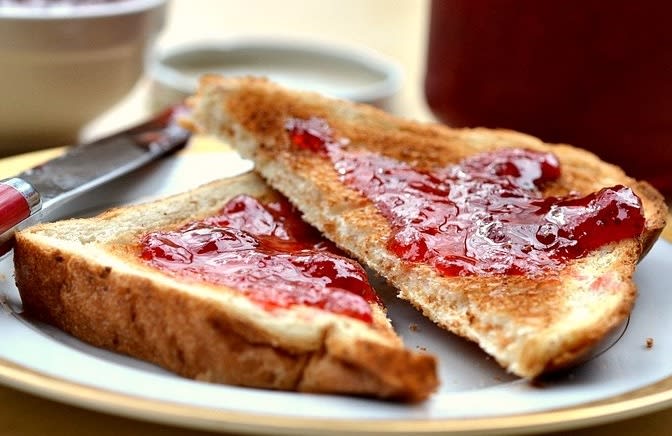
Start your day right — fuel your body with real nutrition, not empty calories. Avoid White Bread Breakfast & Choose Better Nutrition Image  Image  Image  Image  At Ayurveda Initiative, we emphasize that your first meal of the day sets the tone for your health. While white bread with butter and jam may taste appealing, it provides very little real nutrition.  Made from refined flour, sugar, and fat, this combination gives only short-term fullness and lacks essential nutrients your body truly needs.   Nutritional Reality of White Bread Breakfast White bread with butter and jam contains:  Refined flour (maida) – low in fibre  Added sugar – causes energy spikes  Unhealthy fats – limited nutritional value   Almost no fibre  Poor satiety Minimal vitamins and minerals  This leads to quick hunger and low energy levels.   Health Effects of Poor Breakfast Choices 1. Short-Term Energy, Quick Crash Refined carbs cause:  Sudden spike in blood sugar  Rapid drop in energy  Mid-morning fatigue   2. Poor Digestion & Gut Health Low fibre intake leads to:  Sluggish digestion  Increased bloating  Reduced gut health   3. Increased Hunger & Cravings Because it lacks nutrition:  You feel hungry рдЬрд▓्рджी  Cravings for unhealthy snacks increase  Overeating becomes common   4. May Contribute to Weight Imbalance Frequent intake of refined foods can:  Slow metabolism  Increase fat accumulation  Reduce overall vitality  Healthy Breakfast Alternatives (Uses) Replace white bread with nutrient-rich options:  ЁЯег Oats with fruits and nuts  ЁЯНО Fresh fruits with soaked nuts  ЁЯеЧ Vegetable poha or upma  ЁЯеЫ Smoothies with natural ingredients  ЁЯМ╛ Whole grain or millet-based meals  These options provide:  Sustained energy  Better digestion  Long-lasting fullness  Ayurvedic Perspective In Ayurveda, breakfast should be light, nourishing, and balanced to support Agni (digestive fire).  Refined and processed foods reduce Prana (life energy), while fresh, natural foods:  Increase vitality  Support mental clarity  Promote emotional balance  A mindful breakfast helps you begin the day with clarity, energy, and positivity.   Pro Tips Avoid refined foods in the morning  Choose fibre-rich, natural meals  Eat mindfully and chew properly  Maintain a consistent meal routine   Consult Doctor for Detailed Advice If you experience fatigue, poor digestion, or weight concerns, consult an expert for personalized guidance.   Visit www.ayurvedainitiative.com for customized diet plans, Ayurvedic treatments, and holistic wellness solutions tailored to your body constitution.  Frequently Asked Questions (FAQ) 1. Is white bread bad for breakfast? Yes, it lacks fibre and essential nutrients, leading to quick hunger and energy crashes.  2. Why do I feel hungry soon after eating bread? Because refined flour digests quickly and does not provide lasting satiety.  3. What is the best Ayurvedic breakfast? Fresh, warm, and fibre-rich foods like fruits, oats, or light cooked meals are ideal.  4. Can I eat bread occasionally? Yes, but prefer whole grain options and avoid making refined bread a daily habit.   White bread with butter and jam may satisfy taste, but it does not nourish your body. Choosing a nutrient-rich breakfast supports digestion, energy, and long-term health.  ✨ Start your day with real nourishment—because true health begins with the right choices.

Start your day right — fuel your body with real nutrition, not empty calories. Avoid White Bread Breakfast & Choose Better Nutrition Image  Image  Image  Image  At Ayurveda Initiative, we emphasize that your first meal of the day sets the tone for your health. While white bread with butter and jam may taste appealing, it provides very little real nutrition.  Made from refined flour, sugar, and fat, this combination gives only short-term fullness and lacks essential nutrients your body truly needs.   Nutritional Reality of White Bread Breakfast White bread with butter and jam contains:  Refined flour (maida) – low in fibre  Added sugar – causes energy spikes  Unhealthy fats – limited nutritional value   Almost no fibre  Poor satiety Minimal vitamins and minerals  This leads to quick hunger and low energy levels.   Health Effects of Poor Breakfast Choices 1. Short-Term Energy, Quick Crash Refined carbs cause:  Sudden spike in blood sugar  Rapid drop in energy  Mid-morning fatigue   2. Poor Digestion & Gut Health Low fibre intake leads to:  Sluggish digestion  Increased bloating  Reduced gut health   3. Increased Hunger & Cravings Because it lacks nutrition:  You feel hungry рдЬрд▓्рджी  Cravings for unhealthy snacks increase  Overeating becomes common   4. May Contribute to Weight Imbalance Frequent intake of refined foods can:  Slow metabolism  Increase fat accumulation  Reduce overall vitality  Healthy Breakfast Alternatives (Uses) Replace white bread with nutrient-rich options:  ЁЯег Oats with fruits and nuts  ЁЯНО Fresh fruits with soaked nuts  ЁЯеЧ Vegetable poha or upma  ЁЯеЫ Smoothies with natural ingredients  ЁЯМ╛ Whole grain or millet-based meals  These options provide:  Sustained energy  Better digestion  Long-lasting fullness  Ayurvedic Perspective In Ayurveda, breakfast should be light, nourishing, and balanced to support Agni (digestive fire).  Refined and processed foods reduce Prana (life energy), while fresh, natural foods:  Increase vitality  Support mental clarity  Promote emotional balance  A mindful breakfast helps you begin the day with clarity, energy, and positivity.   Pro Tips Avoid refined foods in the morning  Choose fibre-rich, natural meals  Eat mindfully and chew properly  Maintain a consistent meal routine   Consult Doctor for Detailed Advice If you experience fatigue, poor digestion, or weight concerns, consult an expert for personalized guidance.   Visit www.ayurvedainitiative.com for customized diet plans, Ayurvedic treatments, and holistic wellness solutions tailored to your body constitution.  Frequently Asked Questions (FAQ) 1. Is white bread bad for breakfast? Yes, it lacks fibre and essential nutrients, leading to quick hunger and energy crashes.  2. Why do I feel hungry soon after eating bread? Because refined flour digests quickly and does not provide lasting satiety.  3. What is the best Ayurvedic breakfast? Fresh, warm, and fibre-rich foods like fruits, oats, or light cooked meals are ideal.  4. Can I eat bread occasionally? Yes, but prefer whole grain options and avoid making refined bread a daily habit.   White bread with butter and jam may satisfy taste, but it does not nourish your body. Choosing a nutrient-rich breakfast supports digestion, energy, and long-term health.  ✨ Start your day with real nourishment—because true health begins with the right choices.

Start your day right — fuel your body with real nutrition, not empty calories. Avoid White Bread Breakfast & Choose Better Nutrition Image  Image  Image  Image  At Ayurveda Initiative, we emphasize that your first meal of the day sets the tone for your health. While white bread with butter and jam may taste appealing, it provides very little real nutrition.  Made from refined flour, sugar, and fat, this combination gives only short-term fullness and lacks essential nutrients your body truly needs.   Nutritional Reality of White Bread Breakfast White bread with butter and jam contains:  Refined flour (maida) – low in fibre  Added sugar – causes energy spikes  Unhealthy fats – limited nutritional value   Almost no fibre  Poor satiety Minimal vitamins and minerals  This leads to quick hunger and low energy levels.   Health Effects of Poor Breakfast Choices 1. Short-Term Energy, Quick Crash Refined carbs cause:  Sudden spike in blood sugar  Rapid drop in energy  Mid-morning fatigue   2. Poor Digestion & Gut Health Low fibre intake leads to:  Sluggish digestion  Increased bloating  Reduced gut health   3. Increased Hunger & Cravings Because it lacks nutrition:  You feel hungry рдЬрд▓्рджी  Cravings for unhealthy snacks increase  Overeating becomes common   4. May Contribute to Weight Imbalance Frequent intake of refined foods can:  Slow metabolism  Increase fat accumulation  Reduce overall vitality  Healthy Breakfast Alternatives (Uses) Replace white bread with nutrient-rich options:  ЁЯег Oats with fruits and nuts  ЁЯНО Fresh fruits with soaked nuts  ЁЯеЧ Vegetable poha or upma  ЁЯеЫ Smoothies with natural ingredients  ЁЯМ╛ Whole grain or millet-based meals  These options provide:  Sustained energy  Better digestion  Long-lasting fullness  Ayurvedic Perspective In Ayurveda, breakfast should be light, nourishing, and balanced to support Agni (digestive fire).  Refined and processed foods reduce Prana (life energy), while fresh, natural foods:  Increase vitality  Support mental clarity  Promote emotional balance  A mindful breakfast helps you begin the day with clarity, energy, and positivity.   Pro Tips Avoid refined foods in the morning  Choose fibre-rich, natural meals  Eat mindfully and chew properly  Maintain a consistent meal routine   Consult Doctor for Detailed Advice If you experience fatigue, poor digestion, or weight concerns, consult an expert for personalized guidance.   Visit www.ayurvedainitiative.com for customized diet plans, Ayurvedic treatments, and holistic wellness solutions tailored to your body constitution.  Frequently Asked Questions (FAQ) 1. Is white bread bad for breakfast? Yes, it lacks fibre and essential nutrients, leading to quick hunger and energy crashes.  2. Why do I feel hungry soon after eating bread? Because refined flour digests quickly and does not provide lasting satiety.  3. What is the best Ayurvedic breakfast? Fresh, warm, and fibre-rich foods like fruits, oats, or light cooked meals are ideal.  4. Can I eat bread occasionally? Yes, but prefer whole grain options and avoid making refined bread a daily habit.   White bread with butter and jam may satisfy taste, but it does not nourish your body. Choosing a nutrient-rich breakfast supports digestion, energy, and long-term health.  ✨ Start your day with real nourishment—because true health begins with the right choices.

Start your day right — fuel your body with real nutrition, not empty calories. Avoid White Bread Breakfast & Choose Better Nutrition Image  Image  Image  Image  At Ayurveda Initiative, we emphasize that your first meal of the day sets the tone for your health. While white bread with butter and jam may taste appealing, it provides very little real nutrition.  Made from refined flour, sugar, and fat, this combination gives only short-term fullness and lacks essential nutrients your body truly needs.   Nutritional Reality of White Bread Breakfast White bread with butter and jam contains:  Refined flour (maida) – low in fibre  Added sugar – causes energy spikes  Unhealthy fats – limited nutritional value   Almost no fibre  Poor satiety Minimal vitamins and minerals  This leads to quick hunger and low energy levels.   Health Effects of Poor Breakfast Choices 1. Short-Term Energy, Quick Crash Refined carbs cause:  Sudden spike in blood sugar  Rapid drop in energy  Mid-morning fatigue   2. Poor Digestion & Gut Health Low fibre intake leads to:  Sluggish digestion  Increased bloating  Reduced gut health   3. Increased Hunger & Cravings Because it lacks nutrition:  You feel hungry рдЬрд▓्рджी  Cravings for unhealthy snacks increase  Overeating becomes common   4. May Contribute to Weight Imbalance Frequent intake of refined foods can:  Slow metabolism  Increase fat accumulation  Reduce overall vitality  Healthy Breakfast Alternatives (Uses) Replace white bread with nutrient-rich options:  ЁЯег Oats with fruits and nuts  ЁЯНО Fresh fruits with soaked nuts  ЁЯеЧ Vegetable poha or upma  ЁЯеЫ Smoothies with natural ingredients  ЁЯМ╛ Whole grain or millet-based meals  These options provide:  Sustained energy  Better digestion  Long-lasting fullness  Ayurvedic Perspective In Ayurveda, breakfast should be light, nourishing, and balanced to support Agni (digestive fire).  Refined and processed foods reduce Prana (life energy), while fresh, natural foods:  Increase vitality  Support mental clarity  Promote emotional balance  A mindful breakfast helps you begin the day with clarity, energy, and positivity.   Pro Tips Avoid refined foods in the morning  Choose fibre-rich, natural meals  Eat mindfully and chew properly  Maintain a consistent meal routine   Consult Doctor for Detailed Advice If you experience fatigue, poor digestion, or weight concerns, consult an expert for personalized guidance.   Visit www.ayurvedainitiative.com for customized diet plans, Ayurvedic treatments, and holistic wellness solutions tailored to your body constitution.  Frequently Asked Questions (FAQ) 1. Is white bread bad for breakfast? Yes, it lacks fibre and essential nutrients, leading to quick hunger and energy crashes.  2. Why do I feel hungry soon after eating bread? Because refined flour digests quickly and does not provide lasting satiety.  3. What is the best Ayurvedic breakfast? Fresh, warm, and fibre-rich foods like fruits, oats, or light cooked meals are ideal.  4. Can I eat bread occasionally? Yes, but prefer whole grain options and avoid making refined bread a daily habit.   White bread with butter and jam may satisfy taste, but it does not nourish your body. Choosing a nutrient-rich breakfast supports digestion, energy, and long-term health.  ✨ Start your day with real nourishment—because true health begins with the right choices.

At Ayurveda Initiative, we emphasize that your first meal of the day sets the tone for your health. While white bread with butter and jam may taste appealing, it provides very little real nutrition.

Made from refined flour, sugar, and fat, this combination gives only short-term fullness and lacks essential nutrients your body truly needs.

 Nutritional Reality of White Bread Breakfast

White bread with butter and jam contains:

  • Refined flour (maida) – low in fibre

  • Added sugar – causes energy spikes

  • Unhealthy fats – limited nutritional value

 Almost no fibre
 Poor satiety
Minimal vitamins and minerals

This leads to quick hunger and low energy levels.

 Health Effects of Poor Breakfast Choices

1. Short-Term Energy, Quick Crash

Refined carbs cause:

  • Sudden spike in blood sugar

  • Rapid drop in energy

  • Mid-morning fatigue

 2. Poor Digestion & Gut Health

Low fibre intake leads to:

  • Sluggish digestion

  • Increased bloating

  • Reduced gut health

 3. Increased Hunger & Cravings

Because it lacks nutrition:

  • You feel hungry рдЬрд▓्рджी

  • Cravings for unhealthy snacks increase

  • Overeating becomes common

 4. May Contribute to Weight Imbalance

Frequent intake of refined foods can:

  • Slow metabolism

  • Increase fat accumulation

  • Reduce overall vitality

Healthy Breakfast Alternatives (Uses)

Replace white bread with nutrient-rich options:

  • Oats with fruits and nuts

  • Fresh fruits with soaked nuts

  • Vegetable poha or upma

  • Smoothies with natural ingredients

  • Whole grain or millet-based meals

These options provide:

  • Sustained energy

  • Better digestion

  • Long-lasting fullness

Ayurvedic Perspective

In Ayurveda, breakfast should be light, nourishing, and balanced to support Agni (digestive fire).

Refined and processed foods reduce Prana (life energy), while fresh, natural foods:

  • Increase vitality

  • Support mental clarity

  • Promote emotional balance

A mindful breakfast helps you begin the day with clarity, energy, and positivity.

 Pro Tips

  • Avoid refined foods in the morning

  • Choose fibre-rich, natural meals

  • Eat mindfully and chew properly

  • Maintain a consistent meal routine

 Consult Doctor for Detailed Advice

If you experience fatigue, poor digestion, or weight concerns, consult an expert for personalized guidance.

 Visit www.ayurvedainitiative.com for customized diet plans, Ayurvedic treatments, and holistic wellness solutions tailored to your body constitution.

Frequently Asked Questions (FAQ)

1. Is white bread bad for breakfast?

Yes, it lacks fibre and essential nutrients, leading to quick hunger and energy crashes.

2. Why do I feel hungry soon after eating bread?

Because refined flour digests quickly and does not provide lasting satiety.

3. What is the best Ayurvedic breakfast?

Fresh, warm, and fibre-rich foods like fruits, oats, or light cooked meals are ideal.

4. Can I eat bread occasionally?

Yes, but prefer whole grain options and avoid making refined bread a daily habit.


White bread with butter and jam may satisfy taste, but it does not nourish your body. Choosing a nutrient-rich breakfast supports digestion, energy, and long-term health.

Start your day with real nourishment—because true health begins with the right choices.

Include Raw Vegetables Daily for Better Digestion, Detox & Wellness | Ayurveda Guide

Simple habits, powerful healing — nourish your body naturally every day. Include a Bowl of Raw Vegetables Every Day

Image

Image

Image

We believe that daily food choices shape long-term health. One of the simplest yet most effective habits is to include a bowl of fresh raw vegetables every day.

Raw vegetables are low in calories but rich in fibre, water, vitamins, and essential nutrients—making them ideal for digestion, detoxification, and overall wellness.

Nutritional Value of Raw Vegetables

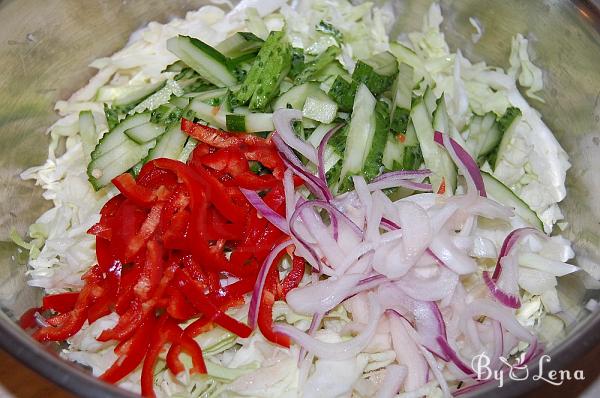
A bowl of raw vegetables like cucumber, carrot, beetroot, and cabbage provides:

  • Dietary fibre – supports gut health

  • High water content – improves hydration

  • Vitamins (A, C, K) – boost immunity

  • Antioxidants – protect against cellular damage

  • Minerals – support body functions

This combination helps nourish the body without adding excess calories.

Health Benefits of Raw Vegetables

 1. Improves Digestion Naturally

Raw vegetables are rich in fibre, which helps:

  • Promote smooth bowel movements

  • Support healthy gut bacteria

  • Reduce constipation and heaviness

 2. Reduces Bloating & Water Retention

Many times, bloating is mistaken for fat. Raw vegetables help:

  • Flush out excess water

  • Reduce inflammation

  • Improve abdominal comfort

 3. Supports Natural Detoxification

High water and fibre content help:

  • Eliminate toxins from the body

  • Cleanse the digestive system

  • Improve skin clarity

 4. Helps in Weight Management

Low-calorie and nutrient-dense foods help:

  • Control appetite

  • Prevent overeating

  • Support healthy weight balance

 5. Enhances Skin & Energy Levels

With regular intake, raw vegetables:

  • Improve skin glow

  • Increase natural energy

  • Support overall vitality

Uses: How to Include Raw Vegetables Daily

  • Eat a bowl of salad before meals

  • Combine cucumber, carrot, beetroot, and cabbage

  • Add lemon and a pinch of rock salt for taste

  • Include seasonal vegetables for maximum benefit

Ayurvedic Perspective

In Ayurveda, fresh raw foods are considered “Prana-rich” (life рдКрд░्рдЬा). They help:

  • Increase natural vitality

  • Cleanse the body and mind

  • Promote lightness and clarity

A clean digestive system supports a calm mind and balanced emotions, which are essential for spiritual growth.

 Pro Tips

  • Wash vegetables properly before consumption

  • Avoid excessive intake if digestion is weak

  • Best consumed during daytime or lunch

  • Chew thoroughly for better digestion

Consult Doctor for Detailed Advice

If you experience chronic bloating, digestive issues, or nutritional concerns, it is important to seek personalized guidance.

 Consult Ayurvedic experts at www.ayurvedainitiative.com for customized diet plans, detox therapies, and holistic treatments based on your body constitution (Prakriti).

Including a bowl of raw vegetables daily is a simple yet powerful habit that supports digestion, reduces bloating, and enhances overall health.

Nourish your body with natural foods—because true health begins with what you eat.

Do Daily Meditation: Transform Fear into Strength | Ayurvedic Wellness Guide.

Transform Fear into Strength Through Daily Meditation

Transform Fear into Strength Through Daily Meditation Image  We believe that true healing begins within.  Meeting your fears is not a battle—it is an opportunity for transformation. When we open our soul to anxieties and doubts, we begin a powerful journey of self-growth, awareness, and inner strength.  Understanding Fear from a Spiritual Perspective Fear is not your enemy. It is a signal—a guide pointing toward areas within that need healing and attention.  When you face your fears with awareness:  You discover hidden strength  You develop emotional resilience  You grow spiritually and mentally  The process may feel uncomfortable, but it leads to deep transformation.  The Power of Daily Meditation Meditation is the most effective tool to observe and transform fear. With regular practice, you can:  Calm anxious thoughts  Create space between reaction and response  Build inner stability and clarity  Connect with your true self (Atma)  Even 10–20 minutes of daily meditation can bring profound changes.  Health & Wellness Benefits 1. Reduces Anxiety & Stress Meditation helps regulate the nervous system, reducing fear and emotional overload.   2. Builds Inner Strength Facing your fears consciously develops courage and confidence.   3. Improves Emotional Balance You become more stable and less reactive to life’s challenges.   4. Enhances Energy & Focus A calm mind leads to improved productivity and better decision-making.   Ayurvedic Perspective In Ayurveda, fear and anxiety are often linked to an imbalance in Vata dosha. Meditation helps:  Calm the nervous system  Stabilize mental fluctuations  Promote grounding and inner peace  Balanced doshas lead to holistic health and clarity.  Transform Fear into Growth Instead of avoiding fear, try this approach:  Observe your fear without judgment  Accept the discomfort as part of growth  Use meditation to stay centered  Reflect and learn from the experience  This is how fear becomes a gateway to strength.   Simple Daily Meditation Practice Sit quietly in a comfortable position  Close your eyes and focus on your breath  Observe thoughts without reacting  Practice for 10–20 minutes daily  Consistency is more important than perfection.   Consult Expert for Guidance If you experience persistent anxiety, stress, or emotional imbalance, seek professional help.   Consult Ayurvedic experts at www.ayurvedainitiative.com for personalized guidance, therapies, and holistic healing plans tailored to your needs.  Facing fear is not a weakness—it is a path to true strength and transformation. Through daily meditation and awareness, you can turn challenges into opportunities for growth. Embrace your fears, grow through them, and move forward with strength—because true health begins within.

We believe that true healing begins within.

Meeting your fears is not a battle—it is an opportunity for transformation. When we open our soul to anxieties and doubts, we begin a powerful journey of self-growth, awareness, and inner strength.

Understanding Fear from a Spiritual Perspective

Fear is not your enemy. It is a signal—a guide pointing toward areas within that need healing and attention.

When you face your fears with awareness:

  • You discover hidden strength

  • You develop emotional resilience

  • You grow spiritually and mentally

The process may feel uncomfortable, but it leads to deep transformation.

The Power of Daily Meditation

Meditation is the most effective tool to observe and transform fear. With regular practice, you can:

  • Calm anxious thoughts

  • Create space between reaction and response

  • Build inner stability and clarity

  • Connect with your true self (Atma)

Even 10–20 minutes of daily meditation can bring profound changes.

Health & Wellness Benefits

1. Reduces Anxiety & Stress

Meditation helps regulate the nervous system, reducing fear and emotional overload.

 2. Builds Inner Strength

Facing your fears consciously develops courage and confidence.

 3. Improves Emotional Balance

You become more stable and less reactive to life’s challenges.

 4. Enhances Energy & Focus

A calm mind leads to improved productivity and better decision-making.

 Ayurvedic Perspective

In Ayurveda, fear and anxiety are often linked to an imbalance in Vata dosha. Meditation helps:

  • Calm the nervous system

  • Stabilize mental fluctuations

  • Promote grounding and inner peace

Balanced doshas lead to holistic health and clarity.

Transform Fear into Growth

Instead of avoiding fear, try this approach:

  • Observe your fear without judgment

  • Accept the discomfort as part of growth

  • Use meditation to stay centered

  • Reflect and learn from the experience

This is how fear becomes a gateway to strength.

 Simple Daily Meditation Practice

  • Sit quietly in a comfortable position

  • Close your eyes and focus on your breath

  • Observe thoughts without reacting

  • Practice for 10–20 minutes daily

Consistency is more important than perfection.

 Consult Expert for Guidance

If you experience persistent anxiety, stress, or emotional imbalance, seek professional help.

 Consult Ayurvedic experts at www.ayurvedainitiative.com for personalized guidance, therapies, and holistic healing plans tailored to your needs.

Facing fear is not a weakness—it is a path to true strength and transformation. Through daily meditation and awareness, you can turn challenges into opportunities for growth.

Embrace your fears, grow through them, and move forward with strength—because true health begins within.

Sunlight Benefits for Skin, Vitamin D & Bone Health | Ayurvedic Wellness Guide

Sunlight for Skin Health, Nutrition, Spiritual Balance & Vitality

Sunlight for Skin Health, Nutrition, Spiritual Balance & Vitality Image  Image  Image  Image  We recognize sunlight (Surya) as a powerful natural healer that supports skin health, bone strength, immunity, and spiritual well-being. When used mindfully, sunlight becomes a complete source of nourishment for both body and mind.   Nutritional Value of Sunlight Sunlight plays a key role in producing Vitamin D, an essential nutrient responsible for:  Enhancing calcium absorption  Strengthening bones and teeth  Supporting immune balance  Regulating mood and energy  It is one of the most natural and effective ways to maintain optimal Vitamin D levels.   Health Benefits of Sunlight  1. Supports Skin Health & Natural Healing Controlled exposure to sunlight can help:  Improve fungal skin conditions  Support management of Eczema and Psoriasis  Enhance skin clarity and natural glow  Promote circulation and detoxification  In Ayurvedic understanding, sunlight helps purify the blood, indirectly improving skin health.   2. Strengthens Bones & Physical Structure Sunlight enables the body to synthesize Vitamin D, which:  Improves calcium absorption  Prevents bone weakness  Supports joint and skeletal health  This is essential for maintaining long-term strength and mobility.   3. Boosts Immunity & Energy Levels Regular sunlight exposure helps:  Strengthen the immune system  Reduce fatigue and lethargy  Improve overall vitality   4. Enhances Mood & Mental Wellness Sunlight naturally supports:  Balanced hormones  Reduced stress levels  Improved mental clarity and positivity  Uses of Sunlight for Better Health Take early morning sunlight (before 10 AM) for 10–20 minutes  Practice yoga, walking, or meditation in sunlight  Expose arms and face for optimal Vitamin D synthesis  Maintain consistency for long-term benefits  Spiritual Significance of Sunlight In Ayurveda and Vedic tradition, the Sun (Surya) is considered the source of life energy (Prana). Practices like Surya Namaskar help:  Energize the body and mind  Enhance spiritual awareness  Balance internal energies  Promote inner clarity and discipline  Sunlight is not just physical nourishment—it is also a spiritual force that uplifts consciousness.  Ayurvedic Perspective Sunlight helps:  Balance Kapha and Vata doshas  Stimulate digestive fire (Agni)  Support detoxification and skin clarity  Morning exposure is ideal for gentle healing and rejuvenation.  Precautions Avoid excessive exposure to harsh midday sun  Stay hydrated  Use protective measures if exposed longer  Individuals with sensitive skin should limit duration  Consult Doctor for Detailed Advice If you are dealing with chronic skin conditions or Vitamin D deficiency, it is important to seek personalized Ayurvedic guidance.  Consult an expert at www.ayurvedainitiative.com for customized treatments, Panchakarma therapies, and holistic healing plans tailored to your unique constitution.  Sunlight is a complete natural healer, supporting skin health, strengthening bones, boosting immunity, and enhancing spiritual well-being. When used wisely, it becomes a powerful tool for achieving balanced health and inner harmony.  Embrace the light of the sun—because true health is your greatest wealth.

Sunlight for Skin Health, Nutrition, Spiritual Balance & Vitality Image  Image  Image  Image  We recognize sunlight (Surya) as a powerful natural healer that supports skin health, bone strength, immunity, and spiritual well-being. When used mindfully, sunlight becomes a complete source of nourishment for both body and mind.   Nutritional Value of Sunlight Sunlight plays a key role in producing Vitamin D, an essential nutrient responsible for:  Enhancing calcium absorption  Strengthening bones and teeth  Supporting immune balance  Regulating mood and energy  It is one of the most natural and effective ways to maintain optimal Vitamin D levels.   Health Benefits of Sunlight  1. Supports Skin Health & Natural Healing Controlled exposure to sunlight can help:  Improve fungal skin conditions  Support management of Eczema and Psoriasis  Enhance skin clarity and natural glow  Promote circulation and detoxification  In Ayurvedic understanding, sunlight helps purify the blood, indirectly improving skin health.   2. Strengthens Bones & Physical Structure Sunlight enables the body to synthesize Vitamin D, which:  Improves calcium absorption  Prevents bone weakness  Supports joint and skeletal health  This is essential for maintaining long-term strength and mobility.   3. Boosts Immunity & Energy Levels Regular sunlight exposure helps:  Strengthen the immune system  Reduce fatigue and lethargy  Improve overall vitality   4. Enhances Mood & Mental Wellness Sunlight naturally supports:  Balanced hormones  Reduced stress levels  Improved mental clarity and positivity  Uses of Sunlight for Better Health Take early morning sunlight (before 10 AM) for 10–20 minutes  Practice yoga, walking, or meditation in sunlight  Expose arms and face for optimal Vitamin D synthesis  Maintain consistency for long-term benefits  Spiritual Significance of Sunlight In Ayurveda and Vedic tradition, the Sun (Surya) is considered the source of life energy (Prana). Practices like Surya Namaskar help:  Energize the body and mind  Enhance spiritual awareness  Balance internal energies  Promote inner clarity and discipline  Sunlight is not just physical nourishment—it is also a spiritual force that uplifts consciousness.  Ayurvedic Perspective Sunlight helps:  Balance Kapha and Vata doshas  Stimulate digestive fire (Agni)  Support detoxification and skin clarity  Morning exposure is ideal for gentle healing and rejuvenation.  Precautions Avoid excessive exposure to harsh midday sun  Stay hydrated  Use protective measures if exposed longer  Individuals with sensitive skin should limit duration  Consult Doctor for Detailed Advice If you are dealing with chronic skin conditions or Vitamin D deficiency, it is important to seek personalized Ayurvedic guidance.  Consult an expert at www.ayurvedainitiative.com for customized treatments, Panchakarma therapies, and holistic healing plans tailored to your unique constitution.  Sunlight is a complete natural healer, supporting skin health, strengthening bones, boosting immunity, and enhancing spiritual well-being. When used wisely, it becomes a powerful tool for achieving balanced health and inner harmony.  Embrace the light of the sun—because true health is your greatest wealth.

Sunlight for Skin Health, Nutrition, Spiritual Balance & Vitality Image  Image  Image  Image  We recognize sunlight (Surya) as a powerful natural healer that supports skin health, bone strength, immunity, and spiritual well-being. When used mindfully, sunlight becomes a complete source of nourishment for both body and mind.   Nutritional Value of Sunlight Sunlight plays a key role in producing Vitamin D, an essential nutrient responsible for:  Enhancing calcium absorption  Strengthening bones and teeth  Supporting immune balance  Regulating mood and energy  It is one of the most natural and effective ways to maintain optimal Vitamin D levels.   Health Benefits of Sunlight  1. Supports Skin Health & Natural Healing Controlled exposure to sunlight can help:  Improve fungal skin conditions  Support management of Eczema and Psoriasis  Enhance skin clarity and natural glow  Promote circulation and detoxification  In Ayurvedic understanding, sunlight helps purify the blood, indirectly improving skin health.   2. Strengthens Bones & Physical Structure Sunlight enables the body to synthesize Vitamin D, which:  Improves calcium absorption  Prevents bone weakness  Supports joint and skeletal health  This is essential for maintaining long-term strength and mobility.   3. Boosts Immunity & Energy Levels Regular sunlight exposure helps:  Strengthen the immune system  Reduce fatigue and lethargy  Improve overall vitality   4. Enhances Mood & Mental Wellness Sunlight naturally supports:  Balanced hormones  Reduced stress levels  Improved mental clarity and positivity  Uses of Sunlight for Better Health Take early morning sunlight (before 10 AM) for 10–20 minutes  Practice yoga, walking, or meditation in sunlight  Expose arms and face for optimal Vitamin D synthesis  Maintain consistency for long-term benefits  Spiritual Significance of Sunlight In Ayurveda and Vedic tradition, the Sun (Surya) is considered the source of life energy (Prana). Practices like Surya Namaskar help:  Energize the body and mind  Enhance spiritual awareness  Balance internal energies  Promote inner clarity and discipline  Sunlight is not just physical nourishment—it is also a spiritual force that uplifts consciousness.  Ayurvedic Perspective Sunlight helps:  Balance Kapha and Vata doshas  Stimulate digestive fire (Agni)  Support detoxification and skin clarity  Morning exposure is ideal for gentle healing and rejuvenation.  Precautions Avoid excessive exposure to harsh midday sun  Stay hydrated  Use protective measures if exposed longer  Individuals with sensitive skin should limit duration  Consult Doctor for Detailed Advice If you are dealing with chronic skin conditions or Vitamin D deficiency, it is important to seek personalized Ayurvedic guidance.  Consult an expert at www.ayurvedainitiative.com for customized treatments, Panchakarma therapies, and holistic healing plans tailored to your unique constitution.  Sunlight is a complete natural healer, supporting skin health, strengthening bones, boosting immunity, and enhancing spiritual well-being. When used wisely, it becomes a powerful tool for achieving balanced health and inner harmony.  Embrace the light of the sun—because true health is your greatest wealth.

Sunlight for Skin Health, Nutrition, Spiritual Balance & Vitality Image  Image  Image  Image  We recognize sunlight (Surya) as a powerful natural healer that supports skin health, bone strength, immunity, and spiritual well-being. When used mindfully, sunlight becomes a complete source of nourishment for both body and mind.   Nutritional Value of Sunlight Sunlight plays a key role in producing Vitamin D, an essential nutrient responsible for:  Enhancing calcium absorption  Strengthening bones and teeth  Supporting immune balance  Regulating mood and energy  It is one of the most natural and effective ways to maintain optimal Vitamin D levels.   Health Benefits of Sunlight  1. Supports Skin Health & Natural Healing Controlled exposure to sunlight can help:  Improve fungal skin conditions  Support management of Eczema and Psoriasis  Enhance skin clarity and natural glow  Promote circulation and detoxification  In Ayurvedic understanding, sunlight helps purify the blood, indirectly improving skin health.   2. Strengthens Bones & Physical Structure Sunlight enables the body to synthesize Vitamin D, which:  Improves calcium absorption  Prevents bone weakness  Supports joint and skeletal health  This is essential for maintaining long-term strength and mobility.   3. Boosts Immunity & Energy Levels Regular sunlight exposure helps:  Strengthen the immune system  Reduce fatigue and lethargy  Improve overall vitality   4. Enhances Mood & Mental Wellness Sunlight naturally supports:  Balanced hormones  Reduced stress levels  Improved mental clarity and positivity  Uses of Sunlight for Better Health Take early morning sunlight (before 10 AM) for 10–20 minutes  Practice yoga, walking, or meditation in sunlight  Expose arms and face for optimal Vitamin D synthesis  Maintain consistency for long-term benefits  Spiritual Significance of Sunlight In Ayurveda and Vedic tradition, the Sun (Surya) is considered the source of life energy (Prana). Practices like Surya Namaskar help:  Energize the body and mind  Enhance spiritual awareness  Balance internal energies  Promote inner clarity and discipline  Sunlight is not just physical nourishment—it is also a spiritual force that uplifts consciousness.  Ayurvedic Perspective Sunlight helps:  Balance Kapha and Vata doshas  Stimulate digestive fire (Agni)  Support detoxification and skin clarity  Morning exposure is ideal for gentle healing and rejuvenation.  Precautions Avoid excessive exposure to harsh midday sun  Stay hydrated  Use protective measures if exposed longer  Individuals with sensitive skin should limit duration  Consult Doctor for Detailed Advice If you are dealing with chronic skin conditions or Vitamin D deficiency, it is important to seek personalized Ayurvedic guidance.  Consult an expert at www.ayurvedainitiative.com for customized treatments, Panchakarma therapies, and holistic healing plans tailored to your unique constitution.  Sunlight is a complete natural healer, supporting skin health, strengthening bones, boosting immunity, and enhancing spiritual well-being. When used wisely, it becomes a powerful tool for achieving balanced health and inner harmony.  Embrace the light of the sun—because true health is your greatest wealth.

We recognize sunlight (Surya) as a powerful natural healer that supports skin health, bone strength, immunity, and spiritual well-being. When used mindfully, sunlight becomes a complete source of nourishment for both body and mind.

 Nutritional Value of Sunlight

Sunlight plays a key role in producing Vitamin D, an essential nutrient responsible for:

  • Enhancing calcium absorption

  • Strengthening bones and teeth

  • Supporting immune balance

  • Regulating mood and energy

It is one of the most natural and effective ways to maintain optimal Vitamin D levels.

 Health Benefits of Sunlight

 1. Supports Skin Health & Natural Healing

Controlled exposure to sunlight can help:

  • Improve fungal skin conditions

  • Support management of Eczema and Psoriasis

  • Enhance skin clarity and natural glow

  • Promote circulation and detoxification

In Ayurvedic understanding, sunlight helps purify the blood, indirectly improving skin health.

 2. Strengthens Bones & Physical Structure

Sunlight enables the body to synthesize Vitamin D, which:

  • Improves calcium absorption

  • Prevents bone weakness

  • Supports joint and skeletal health

This is essential for maintaining long-term strength and mobility.

 3. Boosts Immunity & Energy Levels

Regular sunlight exposure helps:

  • Strengthen the immune system

  • Reduce fatigue and lethargy

  • Improve overall vitality

 4. Enhances Mood & Mental Wellness

Sunlight naturally supports:

  • Balanced hormones

  • Reduced stress levels

  • Improved mental clarity and positivity

Uses of Sunlight for Better Health

  • Take early morning sunlight (before 10 AM) for 10–20 minutes

  • Practice yoga, walking, or meditation in sunlight

  • Expose arms and face for optimal Vitamin D synthesis

  • Maintain consistency for long-term benefits

Spiritual Significance of Sunlight

In Ayurveda and Vedic tradition, the Sun (Surya) is considered the source of life energy (Prana). Practices like Surya Namaskar help:

  • Energize the body and mind

  • Enhance spiritual awareness

  • Balance internal energies

  • Promote inner clarity and discipline

Sunlight is not just physical nourishment—it is also a spiritual force that uplifts consciousness.

Ayurvedic Perspective

Sunlight helps:

  • Balance Kapha and Vata doshas

  • Stimulate digestive fire (Agni)

  • Support detoxification and skin clarity

Morning exposure is ideal for gentle healing and rejuvenation.

Precautions

  • Avoid excessive exposure to harsh midday sun

  • Stay hydrated

  • Use protective measures if exposed longer

  • Individuals with sensitive skin should limit duration

Consult Doctor for Detailed Advice

If you are dealing with chronic skin conditions or Vitamin D deficiency, it is important to seek personalized Ayurvedic guidance.

Consult an expert at www.ayurvedainitiative.com for customized treatments, Panchakarma therapies, and holistic healing plans tailored to your unique constitution.

Sunlight is a complete natural healer, supporting skin health, strengthening bones, boosting immunity, and enhancing spiritual well-being. When used wisely, it becomes a powerful tool for achieving balanced health and inner harmony.

Embrace the light of the sun—because true health is your greatest wealth.

Salvadora Persica (Miswak): Benefits, Uses, and Medicinal Properties.


Salvadora persica, commonly known as Miswak or the toothbrush tree, is a medicinal plant found along coastal regions like Kihim and Alibag in Maharashtra.

Description
Botanical name: Salvadora persica L.
Family: Salvadoraceae
Habitat: Grows in coastal, arid, and semi-arid environments
Parts used: Leaves, bark, fruits, and roots are used medicinally

Medicinal Properties
Oral health: Miswak twigs are used as natural toothbrushes. They help clean teeth and have antibacterial properties that prevent plaque and gingivitis.

Digestive aid: A decoction of the leaves helps improve digestion and relieves gastric issues.

Anti-inflammatory: The plant contains alkaloids and flavonoids that provide antioxidant and anti-inflammatory benefits.

Skin treatment: Bark paste is applied to skin ulcers or infections to support healing.

Dental caries prevention: Regular use helps reduce oral microbial load and strengthens the gums.

Uses
Miswak chewing stick: A fresh twig is chewed and used to clean teeth while naturally freshening breath.

Herbal decoction: Leaves can be boiled to prepare a herbal drink for digestive relief.

Disclaimer
This information is for educational purposes only. Consult a qualified healthcare professional or Ayurvedic expert before using any part of the plant for medicinal purposes. Ensure proper identification and quality of the plant material.

Ayurvedic Treatment for Fatty Liver: A Holistic Path to Liver Health and Metabolic Balance


Image   Image Fatty liver disease, increasingly common in today’s fast-paced lifestyle, is often silent yet progressive. It develops when excess fat accumulates in liver cells, impairing its vital functions such as detoxification, metabolism, and digestion. Whether linked to alcohol consumption or metabolic conditions like obesity and diabetes, fatty liver demands timely attention.  From an Ayurvedic perspective, fatty liver is not merely a structural disorder but a systemic imbalance involving Agni (digestive fire), Ama (toxins), and Doshas, particularly Kapha and Pitta. Ayurveda views the liver (Yakrit) as a crucial organ in Rakta (blood) and Pitta metabolism, making its care essential for overall vitality.  As a senior Ayurvedic physician, I emphasize that Ayurvedic Treatment for Fatty Liver focuses on root-cause correction, detoxification, and restoring metabolic intelligence—offering a sustainable and patient-centric healing approach.  Understanding the Condition (Modern View) Causes Excess calorie intake and unhealthy diet  Obesity and sedentary lifestyle  Insulin resistance and Type 2 Diabetes  Alcohol consumption  High cholesterol and triglycerides  Symptoms Often asymptomatic in early stages  Fatigue and weakness  Mild abdominal discomfort  Indigestion or bloating  Elevated liver enzymes  Risk Factors Central obesity  Poor dietary habits (processed, fried foods)  Hormonal imbalance  Stress and poor sleep  Genetic predisposition  Ayurvedic Perspective In Ayurveda, fatty liver can be correlated with Yakrit Vikara, primarily involving:  Dosha Imbalance:  Kapha → Fat accumulation  Pitta → Liver inflammation  Mandagni (Low Digestive Fire) → Improper metabolism  Ama Formation → Toxic buildup in liver channels  Dhatu Involvement:  Rasa (plasma)  Rakta (blood)  Meda (fat tissue)  Classical texts like Charaka Samhita highlight that impaired digestion and accumulation of Ama lead to metabolic disorders affecting organs like the liver.  Root Cause Analysis According to Ayurveda The root cause lies in:  Chronic Agni imbalance  Excessive intake of Guru (heavy), Snigdha (oily), and Madhura (sweet) foods  Sedentary lifestyle  Emotional stress affecting digestion  Improper daily routine (Dinacharya disruption)  This leads to Ama accumulation, blocking liver channels (Srotas), causing fat deposition and functional impairment.  Ayurvedic Treatment Principles 1. Shodhana (Detoxification) Virechana (Therapeutic Purgation) – Primary therapy for liver disorders  Removes excess Pitta and toxins  2. Shamana (Pacification) Herbal formulations to balance Doshas  Improve liver metabolism  3. Rasayana (Rejuvenation) Strengthens liver cells  Enhances regeneration and immunity  4. Diet Correction Light, digestible, Pitta-Kapha balancing foods  5. Lifestyle Modification Regular exercise  Stress management  Proper sleep  Important Ayurvedic Herbs / Therapies 1. Bhumyamalaki (Phyllanthus niruri) Potent liver protector  Reduces Pitta and detoxifies liver  Enhances bile secretion  2. Kalmegh (Andrographis paniculata) Tikta (bitter) herb  Improves liver enzymes  Clears Ama effectively  3. Kutki (Picrorhiza kurroa) Strong hepatoprotective herb  Enhances Agni  Reduces fat accumulation  4. Triphala Mild detoxifier  Regulates digestion and metabolism  Supports bowel health  5. Punarnava (Boerhavia diffusa) Reduces inflammation and swelling  Improves liver and kidney function  6. Panchakarma Therapy Especially Virechana & Basti  Deep detoxification and metabolic reset  ⚠️ Note: All therapies should be undertaken under qualified Ayurvedic supervision.  Diet & Lifestyle Recommendations Pathya (Recommended) Warm, freshly cooked meals  Green leafy vegetables  Bitter foods (karela, neem)  Whole grains (millets, barley)  Herbal teas  Apathya (To Avoid) Fried and oily foods  Processed and packaged foods  Excess sugar and dairy  Alcohol  Late-night eating  Yoga / Pranayama / Daily Routine Support Yoga Asanas:  Bhujangasana  Dhanurasana  Ardha Matsyendrasana  Pranayama:  Kapalbhati  Anulom Vilom  Daily Routine:  Early waking  Regular meal timings  Digital detox before sleep  Clinical Outcomes & Long-Term Benefits With consistent Ayurvedic Treatment for Fatty Liver:  Improved liver enzyme levels  Reduced fat accumulation  Better digestion and metabolism  Weight management  Enhanced energy levels  Prevention of complications like cirrhosis   Fatty liver is a reversible condition when addressed early with the right approach. Ayurveda offers a deeply personalized, root-cause-based healing system that not only improves liver health but restores overall metabolic harmony.  Rather than focusing only on symptom suppression, Ayurvedic Treatment for Fatty Liver emphasizes detoxification, rejuvenation, and sustainable lifestyle correction.  Always consult a qualified Ayurvedic Doctor before starting treatment.  FAQs on Ayurvedic Treatment for Fatty Liver 1. Can fatty liver be completely cured with Ayurveda? Ayurveda focuses on reversing early-stage fatty liver by correcting metabolism and detoxifying the liver. With proper treatment and lifestyle changes, significant improvement is possible. However, outcomes depend on severity and patient compliance.  2. How long does Ayurvedic treatment take? Treatment duration varies from 3 to 6 months or longer depending on the stage of fatty liver. Chronic cases may require extended care and follow-up.  3. Is Panchakarma necessary for fatty liver? Not always. Panchakarma is recommended in moderate to severe cases or when Ama accumulation is high. Mild cases can be managed with medicines and diet.  4. Which is the best herb for fatty liver? Herbs like Bhumyamalaki, Kutki, and Kalmegh are highly effective. Selection depends on individual constitution and Dosha imbalance.  5. Can Ayurveda reduce liver fat naturally? Yes, by improving Agni, reducing Ama, and balancing Doshas, Ayurveda helps in gradual reduction of liver fat.  6. Is fatty liver dangerous? If untreated, it can progress to inflammation, fibrosis, or cirrhosis. Early intervention is important.  7. Can diet alone cure fatty liver? Diet plays a major role but should be combined with herbal treatment and lifestyle changes for best results.  8. Is alcohol completely prohibited? Yes, especially in fatty liver conditions, alcohol should be strictly avoided.  9. Can I take Ayurvedic medicines with allopathy? In many cases yes, but always consult both doctors to avoid interactions.  10. Does weight loss help fatty liver? Yes, gradual and healthy weight loss significantly improves liver condition.  11. Are there side effects of Ayurvedic treatment? When taken under supervision, Ayurvedic medicines are generally safe and well-tolerated.  12. Can fatty liver recur? Yes, if lifestyle and diet are not maintained. Long-term discipline is essential.  13. Is exercise necessary? Yes, regular physical activity improves metabolism and liver function.  14. Can stress affect liver health? Yes, stress weakens digestion and contributes to metabolic imbalance.  15. When should I consult an Ayurvedic doctor? As soon as fatty liver is diagnosed or symptoms appear, early consultation ensures better outcomes.   Fatty liver is becoming a silent epidemic due to modern lifestyle habits, but Ayurveda offers a powerful and natural solution. This article explores Ayurvedic Treatment for Fatty Liver through detoxification, herbal medicine, Panchakarma therapy, and personalized diet plans. Learn how correcting Agni, removing Ama, and balancing Doshas can restore liver health and prevent long-term complications. Discover practical tips, effective herbs like Bhumyamalaki and Kutki, and lifestyle changes that support sustainable healing. A must-read guide for anyone seeking holistic liver care.  Ayurvedic Treatment for Fatty Liver: A Holistic Path to Liver Health and Metabolic Balance   Dr. Sagar Narkhede Ayurvedic Physician & Panchakarma Specialist is a dedicated and experienced Ayurvedic doctor known for his holistic approach to health and disease management. With a strong foundation in classical Ayurveda and modern clinical understanding, he focuses on treating the root cause of illness rather than just suppressing symptoms.  Dr. Narkhede specializes in managing chronic lifestyle disorders, digestive issues, joint and spine problems, stress-related conditions, hormonal imbalances, and skin diseases through authentic Ayurvedic therapies and personalized Panchakarma treatments.  Areas of Expertise Chronic lifestyle disorders (Diabetes, Hypertension, Obesity) Joint pain, Arthritis & Spine-related disorders Digestive disorders & metabolic imbalance Stress, anxiety & sleep disorders Panchakarma detox & rejuvenation therapies Preventive & holistic health care Treatment Philosophy Dr. Sagar Narkhede believes in individualized treatment plans based on Prakriti (body constitution), lifestyle, and disease stage. His goal is to restore balance between body, mind, and metabolism for long-term wellness and sustainable healing.  Visit Clinic Website


Image   Image Fatty liver disease, increasingly common in today’s fast-paced lifestyle, is often silent yet progressive. It develops when excess fat accumulates in liver cells, impairing its vital functions such as detoxification, metabolism, and digestion. Whether linked to alcohol consumption or metabolic conditions like obesity and diabetes, fatty liver demands timely attention.  From an Ayurvedic perspective, fatty liver is not merely a structural disorder but a systemic imbalance involving Agni (digestive fire), Ama (toxins), and Doshas, particularly Kapha and Pitta. Ayurveda views the liver (Yakrit) as a crucial organ in Rakta (blood) and Pitta metabolism, making its care essential for overall vitality.  As a senior Ayurvedic physician, I emphasize that Ayurvedic Treatment for Fatty Liver focuses on root-cause correction, detoxification, and restoring metabolic intelligence—offering a sustainable and patient-centric healing approach.  Understanding the Condition (Modern View) Causes Excess calorie intake and unhealthy diet  Obesity and sedentary lifestyle  Insulin resistance and Type 2 Diabetes  Alcohol consumption  High cholesterol and triglycerides  Symptoms Often asymptomatic in early stages  Fatigue and weakness  Mild abdominal discomfort  Indigestion or bloating  Elevated liver enzymes  Risk Factors Central obesity  Poor dietary habits (processed, fried foods)  Hormonal imbalance  Stress and poor sleep  Genetic predisposition  Ayurvedic Perspective In Ayurveda, fatty liver can be correlated with Yakrit Vikara, primarily involving:  Dosha Imbalance:  Kapha → Fat accumulation  Pitta → Liver inflammation  Mandagni (Low Digestive Fire) → Improper metabolism  Ama Formation → Toxic buildup in liver channels  Dhatu Involvement:  Rasa (plasma)  Rakta (blood)  Meda (fat tissue)  Classical texts like Charaka Samhita highlight that impaired digestion and accumulation of Ama lead to metabolic disorders affecting organs like the liver.  Root Cause Analysis According to Ayurveda The root cause lies in:  Chronic Agni imbalance  Excessive intake of Guru (heavy), Snigdha (oily), and Madhura (sweet) foods  Sedentary lifestyle  Emotional stress affecting digestion  Improper daily routine (Dinacharya disruption)  This leads to Ama accumulation, blocking liver channels (Srotas), causing fat deposition and functional impairment.  Ayurvedic Treatment Principles 1. Shodhana (Detoxification) Virechana (Therapeutic Purgation) – Primary therapy for liver disorders  Removes excess Pitta and toxins  2. Shamana (Pacification) Herbal formulations to balance Doshas  Improve liver metabolism  3. Rasayana (Rejuvenation) Strengthens liver cells  Enhances regeneration and immunity  4. Diet Correction Light, digestible, Pitta-Kapha balancing foods  5. Lifestyle Modification Regular exercise  Stress management  Proper sleep  Important Ayurvedic Herbs / Therapies 1. Bhumyamalaki (Phyllanthus niruri) Potent liver protector  Reduces Pitta and detoxifies liver  Enhances bile secretion  2. Kalmegh (Andrographis paniculata) Tikta (bitter) herb  Improves liver enzymes  Clears Ama effectively  3. Kutki (Picrorhiza kurroa) Strong hepatoprotective herb  Enhances Agni  Reduces fat accumulation  4. Triphala Mild detoxifier  Regulates digestion and metabolism  Supports bowel health  5. Punarnava (Boerhavia diffusa) Reduces inflammation and swelling  Improves liver and kidney function  6. Panchakarma Therapy Especially Virechana & Basti  Deep detoxification and metabolic reset  ⚠️ Note: All therapies should be undertaken under qualified Ayurvedic supervision.  Diet & Lifestyle Recommendations Pathya (Recommended) Warm, freshly cooked meals  Green leafy vegetables  Bitter foods (karela, neem)  Whole grains (millets, barley)  Herbal teas  Apathya (To Avoid) Fried and oily foods  Processed and packaged foods  Excess sugar and dairy  Alcohol  Late-night eating  Yoga / Pranayama / Daily Routine Support Yoga Asanas:  Bhujangasana  Dhanurasana  Ardha Matsyendrasana  Pranayama:  Kapalbhati  Anulom Vilom  Daily Routine:  Early waking  Regular meal timings  Digital detox before sleep  Clinical Outcomes & Long-Term Benefits With consistent Ayurvedic Treatment for Fatty Liver:  Improved liver enzyme levels  Reduced fat accumulation  Better digestion and metabolism  Weight management  Enhanced energy levels  Prevention of complications like cirrhosis   Fatty liver is a reversible condition when addressed early with the right approach. Ayurveda offers a deeply personalized, root-cause-based healing system that not only improves liver health but restores overall metabolic harmony.  Rather than focusing only on symptom suppression, Ayurvedic Treatment for Fatty Liver emphasizes detoxification, rejuvenation, and sustainable lifestyle correction.  Always consult a qualified Ayurvedic Doctor before starting treatment.  FAQs on Ayurvedic Treatment for Fatty Liver 1. Can fatty liver be completely cured with Ayurveda? Ayurveda focuses on reversing early-stage fatty liver by correcting metabolism and detoxifying the liver. With proper treatment and lifestyle changes, significant improvement is possible. However, outcomes depend on severity and patient compliance.  2. How long does Ayurvedic treatment take? Treatment duration varies from 3 to 6 months or longer depending on the stage of fatty liver. Chronic cases may require extended care and follow-up.  3. Is Panchakarma necessary for fatty liver? Not always. Panchakarma is recommended in moderate to severe cases or when Ama accumulation is high. Mild cases can be managed with medicines and diet.  4. Which is the best herb for fatty liver? Herbs like Bhumyamalaki, Kutki, and Kalmegh are highly effective. Selection depends on individual constitution and Dosha imbalance.  5. Can Ayurveda reduce liver fat naturally? Yes, by improving Agni, reducing Ama, and balancing Doshas, Ayurveda helps in gradual reduction of liver fat.  6. Is fatty liver dangerous? If untreated, it can progress to inflammation, fibrosis, or cirrhosis. Early intervention is important.  7. Can diet alone cure fatty liver? Diet plays a major role but should be combined with herbal treatment and lifestyle changes for best results.  8. Is alcohol completely prohibited? Yes, especially in fatty liver conditions, alcohol should be strictly avoided.  9. Can I take Ayurvedic medicines with allopathy? In many cases yes, but always consult both doctors to avoid interactions.  10. Does weight loss help fatty liver? Yes, gradual and healthy weight loss significantly improves liver condition.  11. Are there side effects of Ayurvedic treatment? When taken under supervision, Ayurvedic medicines are generally safe and well-tolerated.  12. Can fatty liver recur? Yes, if lifestyle and diet are not maintained. Long-term discipline is essential.  13. Is exercise necessary? Yes, regular physical activity improves metabolism and liver function.  14. Can stress affect liver health? Yes, stress weakens digestion and contributes to metabolic imbalance.  15. When should I consult an Ayurvedic doctor? As soon as fatty liver is diagnosed or symptoms appear, early consultation ensures better outcomes.   Fatty liver is becoming a silent epidemic due to modern lifestyle habits, but Ayurveda offers a powerful and natural solution. This article explores Ayurvedic Treatment for Fatty Liver through detoxification, herbal medicine, Panchakarma therapy, and personalized diet plans. Learn how correcting Agni, removing Ama, and balancing Doshas can restore liver health and prevent long-term complications. Discover practical tips, effective herbs like Bhumyamalaki and Kutki, and lifestyle changes that support sustainable healing. A must-read guide for anyone seeking holistic liver care.  Ayurvedic Treatment for Fatty Liver: A Holistic Path to Liver Health and Metabolic Balance   Dr. Sagar Narkhede Ayurvedic Physician & Panchakarma Specialist is a dedicated and experienced Ayurvedic doctor known for his holistic approach to health and disease management. With a strong foundation in classical Ayurveda and modern clinical understanding, he focuses on treating the root cause of illness rather than just suppressing symptoms.  Dr. Narkhede specializes in managing chronic lifestyle disorders, digestive issues, joint and spine problems, stress-related conditions, hormonal imbalances, and skin diseases through authentic Ayurvedic therapies and personalized Panchakarma treatments.  Areas of Expertise Chronic lifestyle disorders (Diabetes, Hypertension, Obesity) Joint pain, Arthritis & Spine-related disorders Digestive disorders & metabolic imbalance Stress, anxiety & sleep disorders Panchakarma detox & rejuvenation therapies Preventive & holistic health care Treatment Philosophy Dr. Sagar Narkhede believes in individualized treatment plans based on Prakriti (body constitution), lifestyle, and disease stage. His goal is to restore balance between body, mind, and metabolism for long-term wellness and sustainable healing.  Visit Clinic Website

Fatty liver disease, increasingly common in today’s fast-paced lifestyle, is often silent yet progressive. It develops when excess fat accumulates in liver cells, impairing its vital functions such as detoxification, metabolism, and digestion. Whether linked to alcohol consumption or metabolic conditions like obesity and diabetes, fatty liver demands timely attention.

From an Ayurvedic perspective, fatty liver is not merely a structural disorder but a systemic imbalance involving Agni (digestive fire), Ama (toxins), and Doshas, particularly Kapha and Pitta. Ayurveda views the liver (Yakrit) as a crucial organ in Rakta (blood) and Pitta metabolism, making its care essential for overall vitality.

As a senior Ayurvedic physician, I emphasize that Ayurvedic Treatment for Fatty Liver focuses on root-cause correction, detoxification, and restoring metabolic intelligence—offering a sustainable and patient-centric healing approach.

Understanding the Condition (Modern View)

Causes

  • Excess calorie intake and unhealthy diet

  • Obesity and sedentary lifestyle

  • Insulin resistance and Type 2 Diabetes

  • Alcohol consumption

  • High cholesterol and triglycerides

Symptoms

  • Often asymptomatic in early stages

  • Fatigue and weakness

  • Mild abdominal discomfort

  • Indigestion or bloating

  • Elevated liver enzymes

Risk Factors

  • Central obesity

  • Poor dietary habits (processed, fried foods)

  • Hormonal imbalance

  • Stress and poor sleep

  • Genetic predisposition

Ayurvedic Perspective

In Ayurveda, fatty liver can be correlated with Yakrit Vikara, primarily involving:

  • Dosha Imbalance:

    • Kapha → Fat accumulation

    • Pitta → Liver inflammation

  • Mandagni (Low Digestive Fire) → Improper metabolism

  • Ama Formation → Toxic buildup in liver channels

  • Dhatu Involvement:

    • Rasa (plasma)

    • Rakta (blood)

    • Meda (fat tissue)

Classical texts like Charaka Samhita highlight that impaired digestion and accumulation of Ama lead to metabolic disorders affecting organs like the liver.

Root Cause Analysis According to Ayurveda

The root cause lies in:

  • Chronic Agni imbalance

  • Excessive intake of Guru (heavy), Snigdha (oily), and Madhura (sweet) foods

  • Sedentary lifestyle

  • Emotional stress affecting digestion

  • Improper daily routine (Dinacharya disruption)

This leads to Ama accumulation, blocking liver channels (Srotas), causing fat deposition and functional impairment.

Ayurvedic Treatment Principles

1. Shodhana (Detoxification)

  • Virechana (Therapeutic Purgation) – Primary therapy for liver disorders

  • Removes excess Pitta and toxins

2. Shamana (Pacification)

  • Herbal formulations to balance Doshas

  • Improve liver metabolism

3. Rasayana (Rejuvenation)

  • Strengthens liver cells

  • Enhances regeneration and immunity

4. Diet Correction

  • Light, digestible, Pitta-Kapha balancing foods

5. Lifestyle Modification

  • Regular exercise

  • Stress management

  • Proper sleep

Important Ayurvedic Herbs / Therapies

1. Bhumyamalaki (Phyllanthus niruri)

  • Potent liver protector

  • Reduces Pitta and detoxifies liver

  • Enhances bile secretion

2. Kalmegh (Andrographis paniculata)

  • Tikta (bitter) herb

  • Improves liver enzymes

  • Clears Ama effectively

3. Kutki (Picrorhiza kurroa)

  • Strong hepatoprotective herb

  • Enhances Agni

  • Reduces fat accumulation

4. Triphala

  • Mild detoxifier

  • Regulates digestion and metabolism

  • Supports bowel health

5. Punarnava (Boerhavia diffusa)

  • Reduces inflammation and swelling

  • Improves liver and kidney function

6. Panchakarma Therapy

  • Especially Virechana & Basti

  • Deep detoxification and metabolic reset

⚠️ Note: All therapies should be undertaken under qualified Ayurvedic supervision.

Diet & Lifestyle Recommendations

Pathya (Recommended)

  • Warm, freshly cooked meals

  • Green leafy vegetables

  • Bitter foods (karela, neem)

  • Whole grains (millets, barley)

  • Herbal teas

Apathya (To Avoid)

  • Fried and oily foods

  • Processed and packaged foods

  • Excess sugar and dairy

  • Alcohol

  • Late-night eating

Yoga / Pranayama / Daily Routine Support

  • Yoga Asanas:

    • Bhujangasana

    • Dhanurasana

    • Ardha Matsyendrasana

  • Pranayama:

    • Kapalbhati

    • Anulom Vilom

  • Daily Routine:

    • Early waking

    • Regular meal timings

    • Digital detox before sleep

Clinical Outcomes & Long-Term Benefits

With consistent Ayurvedic Treatment for Fatty Liver:

  • Improved liver enzyme levels

  • Reduced fat accumulation

  • Better digestion and metabolism

  • Weight management

  • Enhanced energy levels

  • Prevention of complications like cirrhosis


Fatty liver is a reversible condition when addressed early with the right approach. Ayurveda offers a deeply personalized, root-cause-based healing system that not only improves liver health but restores overall metabolic harmony.

Rather than focusing only on symptom suppression, Ayurvedic Treatment for Fatty Liver emphasizes detoxification, rejuvenation, and sustainable lifestyle correction.

Always consult a qualified Ayurvedic Doctor before starting treatment.

FAQs on Ayurvedic Treatment for Fatty Liver

1. Can fatty liver be completely cured with Ayurveda?

Ayurveda focuses on reversing early-stage fatty liver by correcting metabolism and detoxifying the liver. With proper treatment and lifestyle changes, significant improvement is possible. However, outcomes depend on severity and patient compliance.

2. How long does Ayurvedic treatment take?

Treatment duration varies from 3 to 6 months or longer depending on the stage of fatty liver. Chronic cases may require extended care and follow-up.

3. Is Panchakarma necessary for fatty liver?

Not always. Panchakarma is recommended in moderate to severe cases or when Ama accumulation is high. Mild cases can be managed with medicines and diet.

4. Which is the best herb for fatty liver?

Herbs like Bhumyamalaki, Kutki, and Kalmegh are highly effective. Selection depends on individual constitution and Dosha imbalance.

5. Can Ayurveda reduce liver fat naturally?

Yes, by improving Agni, reducing Ama, and balancing Doshas, Ayurveda helps in gradual reduction of liver fat.

6. Is fatty liver dangerous?

If untreated, it can progress to inflammation, fibrosis, or cirrhosis. Early intervention is important.

7. Can diet alone cure fatty liver?

Diet plays a major role but should be combined with herbal treatment and lifestyle changes for best results.

8. Is alcohol completely prohibited?

Yes, especially in fatty liver conditions, alcohol should be strictly avoided.

9. Can I take Ayurvedic medicines with allopathy?

In many cases yes, but always consult both doctors to avoid interactions.

10. Does weight loss help fatty liver?

Yes, gradual and healthy weight loss significantly improves liver condition.

11. Are there side effects of Ayurvedic treatment?

When taken under supervision, Ayurvedic medicines are generally safe and well-tolerated.

12. Can fatty liver recur?

Yes, if lifestyle and diet are not maintained. Long-term discipline is essential.

13. Is exercise necessary?

Yes, regular physical activity improves metabolism and liver function.

14. Can stress affect liver health?

Yes, stress weakens digestion and contributes to metabolic imbalance.

15. When should I consult an Ayurvedic doctor?

As soon as fatty liver is diagnosed or symptoms appear, early consultation ensures better outcomes.


Fatty liver is becoming a silent epidemic due to modern lifestyle habits, but Ayurveda offers a powerful and natural solution. This article explores Ayurvedic Treatment for Fatty Liver through detoxification, herbal medicine, Panchakarma therapy, and personalized diet plans. Learn how correcting Agni, removing Ama, and balancing Doshas can restore liver health and prevent long-term complications. Discover practical tips, effective herbs like Bhumyamalaki and Kutki, and lifestyle changes that support sustainable healing. A must-read guide for anyone seeking holistic liver care.

Image   Image Fatty liver disease, increasingly common in today’s fast-paced lifestyle, is often silent yet progressive. It develops when excess fat accumulates in liver cells, impairing its vital functions such as detoxification, metabolism, and digestion. Whether linked to alcohol consumption or metabolic conditions like obesity and diabetes, fatty liver demands timely attention.  From an Ayurvedic perspective, fatty liver is not merely a structural disorder but a systemic imbalance involving Agni (digestive fire), Ama (toxins), and Doshas, particularly Kapha and Pitta. Ayurveda views the liver (Yakrit) as a crucial organ in Rakta (blood) and Pitta metabolism, making its care essential for overall vitality.  As a senior Ayurvedic physician, I emphasize that Ayurvedic Treatment for Fatty Liver focuses on root-cause correction, detoxification, and restoring metabolic intelligence—offering a sustainable and patient-centric healing approach.  Understanding the Condition (Modern View) Causes Excess calorie intake and unhealthy diet  Obesity and sedentary lifestyle  Insulin resistance and Type 2 Diabetes  Alcohol consumption  High cholesterol and triglycerides  Symptoms Often asymptomatic in early stages  Fatigue and weakness  Mild abdominal discomfort  Indigestion or bloating  Elevated liver enzymes  Risk Factors Central obesity  Poor dietary habits (processed, fried foods)  Hormonal imbalance  Stress and poor sleep  Genetic predisposition  Ayurvedic Perspective In Ayurveda, fatty liver can be correlated with Yakrit Vikara, primarily involving:  Dosha Imbalance:  Kapha → Fat accumulation  Pitta → Liver inflammation  Mandagni (Low Digestive Fire) → Improper metabolism  Ama Formation → Toxic buildup in liver channels  Dhatu Involvement:  Rasa (plasma)  Rakta (blood)  Meda (fat tissue)  Classical texts like Charaka Samhita highlight that impaired digestion and accumulation of Ama lead to metabolic disorders affecting organs like the liver.  Root Cause Analysis According to Ayurveda The root cause lies in:  Chronic Agni imbalance  Excessive intake of Guru (heavy), Snigdha (oily), and Madhura (sweet) foods  Sedentary lifestyle  Emotional stress affecting digestion  Improper daily routine (Dinacharya disruption)  This leads to Ama accumulation, blocking liver channels (Srotas), causing fat deposition and functional impairment.  Ayurvedic Treatment Principles 1. Shodhana (Detoxification) Virechana (Therapeutic Purgation) – Primary therapy for liver disorders  Removes excess Pitta and toxins  2. Shamana (Pacification) Herbal formulations to balance Doshas  Improve liver metabolism  3. Rasayana (Rejuvenation) Strengthens liver cells  Enhances regeneration and immunity  4. Diet Correction Light, digestible, Pitta-Kapha balancing foods  5. Lifestyle Modification Regular exercise  Stress management  Proper sleep  Important Ayurvedic Herbs / Therapies 1. Bhumyamalaki (Phyllanthus niruri) Potent liver protector  Reduces Pitta and detoxifies liver  Enhances bile secretion  2. Kalmegh (Andrographis paniculata) Tikta (bitter) herb  Improves liver enzymes  Clears Ama effectively  3. Kutki (Picrorhiza kurroa) Strong hepatoprotective herb  Enhances Agni  Reduces fat accumulation  4. Triphala Mild detoxifier  Regulates digestion and metabolism  Supports bowel health  5. Punarnava (Boerhavia diffusa) Reduces inflammation and swelling  Improves liver and kidney function  6. Panchakarma Therapy Especially Virechana & Basti  Deep detoxification and metabolic reset  ⚠️ Note: All therapies should be undertaken under qualified Ayurvedic supervision.  Diet & Lifestyle Recommendations Pathya (Recommended) Warm, freshly cooked meals  Green leafy vegetables  Bitter foods (karela, neem)  Whole grains (millets, barley)  Herbal teas  Apathya (To Avoid) Fried and oily foods  Processed and packaged foods  Excess sugar and dairy  Alcohol  Late-night eating  Yoga / Pranayama / Daily Routine Support Yoga Asanas:  Bhujangasana  Dhanurasana  Ardha Matsyendrasana  Pranayama:  Kapalbhati  Anulom Vilom  Daily Routine:  Early waking  Regular meal timings  Digital detox before sleep  Clinical Outcomes & Long-Term Benefits With consistent Ayurvedic Treatment for Fatty Liver:  Improved liver enzyme levels  Reduced fat accumulation  Better digestion and metabolism  Weight management  Enhanced energy levels  Prevention of complications like cirrhosis   Fatty liver is a reversible condition when addressed early with the right approach. Ayurveda offers a deeply personalized, root-cause-based healing system that not only improves liver health but restores overall metabolic harmony.  Rather than focusing only on symptom suppression, Ayurvedic Treatment for Fatty Liver emphasizes detoxification, rejuvenation, and sustainable lifestyle correction.  Always consult a qualified Ayurvedic Doctor before starting treatment.  FAQs on Ayurvedic Treatment for Fatty Liver 1. Can fatty liver be completely cured with Ayurveda? Ayurveda focuses on reversing early-stage fatty liver by correcting metabolism and detoxifying the liver. With proper treatment and lifestyle changes, significant improvement is possible. However, outcomes depend on severity and patient compliance.  2. How long does Ayurvedic treatment take? Treatment duration varies from 3 to 6 months or longer depending on the stage of fatty liver. Chronic cases may require extended care and follow-up.  3. Is Panchakarma necessary for fatty liver? Not always. Panchakarma is recommended in moderate to severe cases or when Ama accumulation is high. Mild cases can be managed with medicines and diet.  4. Which is the best herb for fatty liver? Herbs like Bhumyamalaki, Kutki, and Kalmegh are highly effective. Selection depends on individual constitution and Dosha imbalance.  5. Can Ayurveda reduce liver fat naturally? Yes, by improving Agni, reducing Ama, and balancing Doshas, Ayurveda helps in gradual reduction of liver fat.  6. Is fatty liver dangerous? If untreated, it can progress to inflammation, fibrosis, or cirrhosis. Early intervention is important.  7. Can diet alone cure fatty liver? Diet plays a major role but should be combined with herbal treatment and lifestyle changes for best results.  8. Is alcohol completely prohibited? Yes, especially in fatty liver conditions, alcohol should be strictly avoided.  9. Can I take Ayurvedic medicines with allopathy? In many cases yes, but always consult both doctors to avoid interactions.  10. Does weight loss help fatty liver? Yes, gradual and healthy weight loss significantly improves liver condition.  11. Are there side effects of Ayurvedic treatment? When taken under supervision, Ayurvedic medicines are generally safe and well-tolerated.  12. Can fatty liver recur? Yes, if lifestyle and diet are not maintained. Long-term discipline is essential.  13. Is exercise necessary? Yes, regular physical activity improves metabolism and liver function.  14. Can stress affect liver health? Yes, stress weakens digestion and contributes to metabolic imbalance.  15. When should I consult an Ayurvedic doctor? As soon as fatty liver is diagnosed or symptoms appear, early consultation ensures better outcomes.   Fatty liver is becoming a silent epidemic due to modern lifestyle habits, but Ayurveda offers a powerful and natural solution. This article explores Ayurvedic Treatment for Fatty Liver through detoxification, herbal medicine, Panchakarma therapy, and personalized diet plans. Learn how correcting Agni, removing Ama, and balancing Doshas can restore liver health and prevent long-term complications. Discover practical tips, effective herbs like Bhumyamalaki and Kutki, and lifestyle changes that support sustainable healing. A must-read guide for anyone seeking holistic liver care.  Ayurvedic Treatment for Fatty Liver: A Holistic Path to Liver Health and Metabolic Balance   Dr. Sagar Narkhede Ayurvedic Physician & Panchakarma Specialist is a dedicated and experienced Ayurvedic doctor known for his holistic approach to health and disease management. With a strong foundation in classical Ayurveda and modern clinical understanding, he focuses on treating the root cause of illness rather than just suppressing symptoms.  Dr. Narkhede specializes in managing chronic lifestyle disorders, digestive issues, joint and spine problems, stress-related conditions, hormonal imbalances, and skin diseases through authentic Ayurvedic therapies and personalized Panchakarma treatments.  Areas of Expertise Chronic lifestyle disorders (Diabetes, Hypertension, Obesity) Joint pain, Arthritis & Spine-related disorders Digestive disorders & metabolic imbalance Stress, anxiety & sleep disorders Panchakarma detox & rejuvenation therapies Preventive & holistic health care Treatment Philosophy Dr. Sagar Narkhede believes in individualized treatment plans based on Prakriti (body constitution), lifestyle, and disease stage. His goal is to restore balance between body, mind, and metabolism for long-term wellness and sustainable healing.  Visit Clinic Website


Dr. Sagar Narkhede

Ayurvedic Physician & Panchakarma Specialist

is a dedicated and experienced Ayurvedic doctor known for his holistic approach to health and disease management. With a strong foundation in classical Ayurveda and modern clinical understanding, he focuses on treating the root cause of illness rather than just suppressing symptoms.

Dr. Narkhede specializes in managing chronic lifestyle disorders, digestive issues, joint and spine problems, stress-related conditions, hormonal imbalances, and skin diseases through authentic Ayurvedic therapies and personalized Panchakarma treatments.

Areas of Expertise

  • Chronic lifestyle disorders (Diabetes, Hypertension, Obesity)
  • Joint pain, Arthritis & Spine-related disorders
  • Digestive disorders & metabolic imbalance
  • Stress, anxiety & sleep disorders
  • Panchakarma detox & rejuvenation therapies
  • Preventive & holistic health care

Treatment Philosophy

Dr. Sagar Narkhede believes in individualized treatment plans based on Prakriti (body constitution), lifestyle, and disease stage. His goal is to restore balance between body, mind, and metabolism for long-term wellness and sustainable healing.

SPREAD WELLNESS SPREAD AYURVEDA
Link copied! Ready to paste on Instagram.
ЁЯФе Trending in Ayurveda Today

Popular Posts

Ayurveda Library Index

Initializing...

    Mapping your wellness journey...

    Blog Archive

    ЁЯМ┐ AYURVEDA INTELLIGENCE

    Ayurveda Global Insights & Research

    Analyzing latest trends...

    Join the Initiative

    Get weekly Ayurvedic research in your inbox.

    Locate Ayurveda Initiative Near You


    Get Directions

    Total Pageviews