


Control High Blood Pressure Naturally with Panchakarma Therapy | Dr. Varma’s Ayurveda Vaidyasala in Dombivli
Panchakarma Therapy for High Blood Pressure: A Natural Ayurvedic Approach to Heart Health
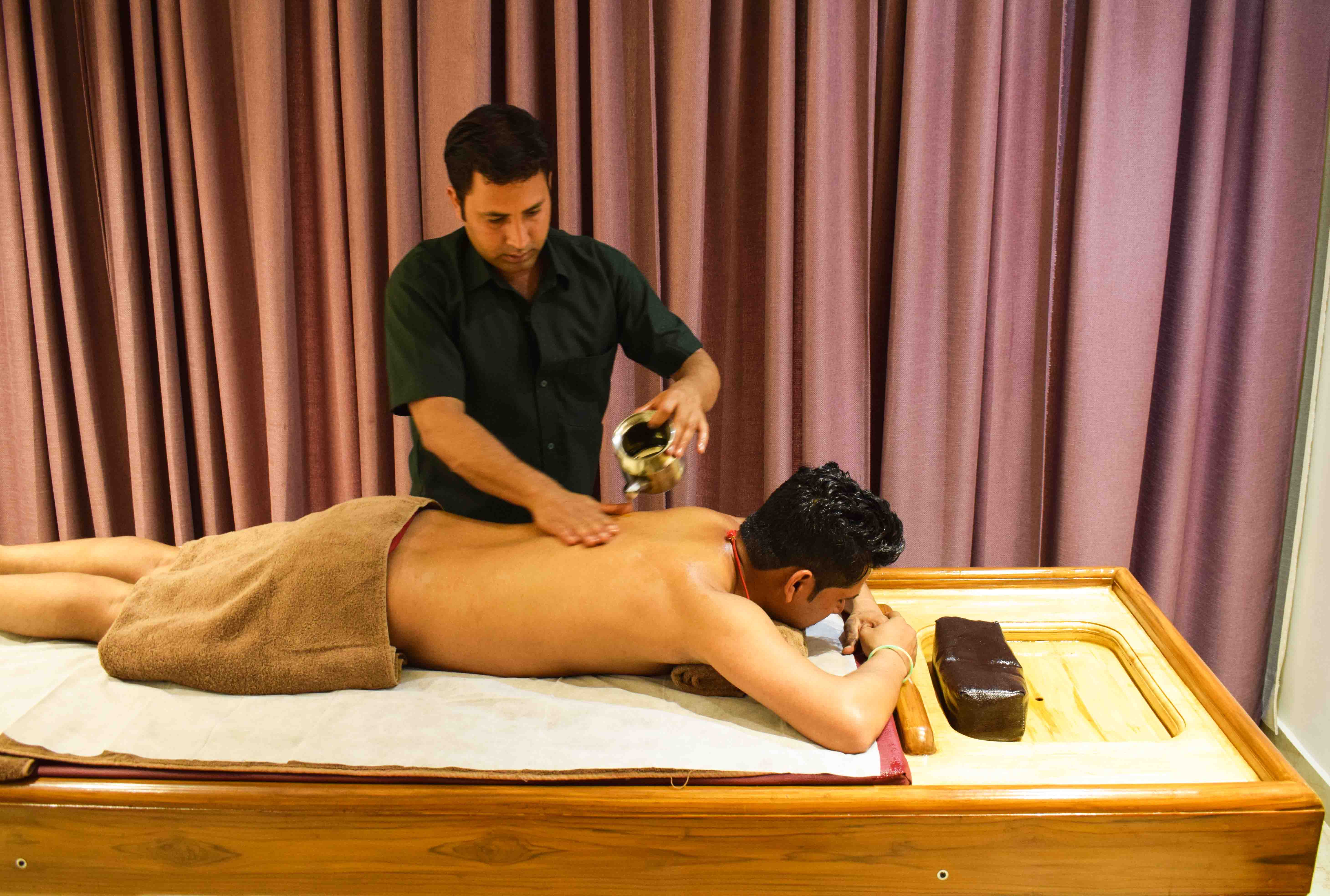


High blood pressure (Hypertension) is a silent yet serious condition affecting heart health and overall well-being. In today’s fast-paced lifestyle, stress, poor diet, and lack of physical activity contribute significantly to rising cases. While modern medicine focuses on controlling numbers, Ayurveda emphasizes balancing the root causes.
Panchakarma therapy for high blood pressure offers a holistic detoxification approach that helps regulate circulation, calm the nervous system, and restore doshic balance. At Dr. Varma’s Ayurveda Vaidyasala in Dombivli, personalized Panchakarma programs are designed to rejuvenate both body and mind naturally.
Understanding High Blood Pressure (Modern View)
High blood pressure occurs when the force of blood against artery walls remains consistently high.
Causes:
Chronic stress
High salt intake
Obesity
Sedentary lifestyle
Genetic factors
Symptoms:
Often asymptomatic
Headache
Dizziness
Fatigue
Risks:
Heart disease
Stroke
Kidney damage
Ayurvedic Perspective
In Ayurveda, hypertension is associated with imbalance of Vata and Pitta doshas, along with disturbed Rakta Dhatu (blood tissue).
Vata imbalance: Irregular circulation and nervous system stress
Pitta imbalance: Heat and pressure in blood
Ama accumulation: Blocks channels (Srotas)
Manas (Mind): Stress and anxiety aggravate the condition
Panchakarma Therapy for High Blood Pressure
Panchakarma helps eliminate toxins and restore internal balance.
Key Therapies:
Abhyanga (Oil Massage):
Relaxes nerves and improves circulationShirodhara:
Continuous oil flow over forehead reduces stress and stabilizes blood pressureBasti (Medicated Enema):
Balances Vata and supports systemic detoxVirechana (Purgation):
Eliminates excess Pitta and purifies blood
These therapies must be done under expert supervision for safe and effective results.
Diet & Lifestyle Recommendations
Pathya (Recommended)
Fresh fruits and vegetables
Low-salt diet
Warm, light meals
Garlic, Arjuna, and coriander
Regular hydration
Apathya (To Avoid)
Processed and salty foods
Excess caffeine
Alcohol and smoking
Late-night eating
Lifestyle Tips
Daily walking or yoga
Stress management through meditation
Proper sleep routine
FAQs
1. Can Panchakarma cure high blood pressure?
Panchakarma helps manage and reduce symptoms by addressing root causes. It supports long-term control but should be combined with medical guidance.
2. Is Panchakarma safe for hypertension patients?
Yes, when performed under qualified Ayurvedic supervision with proper assessment.
3. How long does treatment take?
Typically 2–4 weeks depending on individual condition and response.
4. Can I continue allopathic medicines?
Yes, but only under guidance of both doctors for integrated care.
5. Which therapy is most effective?
Shirodhara and Basti are commonly beneficial for stress-related hypertension.
Panchakarma therapy for high blood pressure provides a natural, safe, and holistic approach to managing hypertension. By detoxifying the body, calming the mind, and restoring dosha balance, Ayurveda offers sustainable heart health.
At Dr. Varma’s Ayurveda Vaidyasala, patients receive personalized care rooted in classical Ayurvedic wisdom and modern understanding.
Meet Ayurvedic Expert Today
Dr. Varma K. Sreeviraj
B.A.M.S., D.Y.M.S.
Dr. Darshana Varma
B.A.M.S Mumbai
📞 Mobile: 9820472331 / 9930644683
📱 Online Consultation: 9619695666
📧 Email: drksvarma1@gmail.com
Clinic Locations & Timings
Gandhi Nagar Clinic
📍 Plot No. 34, Varma Apts., Nr. Subhash Dairy & DNS Bank, Dombivli East – 421201
⏰ 1:00 p.m. to 2:00 p.m.
Dombivli East Clinic
📍 Above Varma Stores, Opp. Kailash Mandir & Railway Station – 421201
⏰ 10:00 a.m. to 1:00 p.m. & 5:00 p.m. to 9:00 p.m.
Dombivli West Clinic
📍 Shram Saphalya, Near Samaj Mandir, Gupte Cross 2nd Road – 421202
⏰ On Appointment
Facilities Available
Ayurvedic Consultation
Panchakarma Therapy
Treatment for joints, skin, hair, ENT, respiratory, digestive, urinary, menstrual, infertility, diabetes, and hypertension


No comments:
Post a Comment