
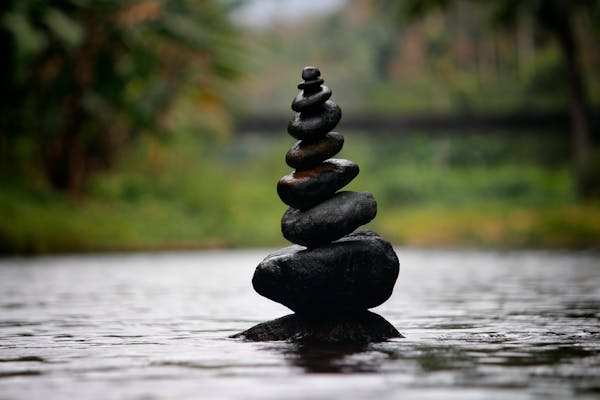
The Ancient Healing Power of Marma Therapy.

Marma Therapy is a sacred and powerful branch of Ayurveda, the ancient Indian system of holistic healing. Rooted in a 5,000-year-old tradition, it focuses on stimulating vital energy points called marma points located at the intersections of muscles, veins, ligaments, bones, and joints. The Sanskrit word "Marma" means "vulnerable point," and these 107 points throughout the body are gateways to restoring balance, vitality, and wellness in body, mind, and spirit.


 What is Marma Therapy?


Marma Therapy involves gentle, precise stimulation of these sensitive points through massage, touch, or pressure to release blocked energy (prana) and toxins. This revival of the body's natural energy flow enhances physical functions, mental clarity, and emotional balance. Originally developed within martial arts traditions for both healing and protection, Marma Therapy today offers profound benefits without harm, enabling self-healing, pain relief, and rejuvenation.


The Benefits of Marma Therapy.


1 Supports detoxification at the cellular level and improves circulation.

2 Enhances immune function, digestion, and organ vitality.

3 Alleviates chronic pain, muscle tension, and inflammation.

4 Balances the body's three doshas (Vata, Pitta, Kapha) for holistic wellness.

5 Induces deep relaxation, reduces stress, and calms the nervous system.

6 Raises energy and awareness, fostering creativity and mindfulness.

7 Harmonizes chakras and sensory-motor functions, elevating consciousness [5][6][11].


 Daily Meditation for Marma Healing.


Incorporating daily meditation complements Marma Therapy's healing power. A simple meditation focusing on breath and awareness of subtle energy centers can amplify energy flow and calm the mind. Here is a recommended daily practice:


1. Sit comfortably in a quiet place, spine straight.

2. Close your eyes and take deep, slow breaths.

3. Gently bring focus to your body’s marma points, especially at the heart of the hands, chest, and forehead.

4. Visualize energy unblocking and flowing freely through these centers.

5. Maintain this awareness for 10-15 minutes, embracing peace and vitality.


Regular meditation nourishes prana, calms mental fluctuations, and deepens the mind-body connection, enhancing the effects of Marma Therapy.


Harnessing Your Inner Healer.


Marma Therapy teaches us that true health and happiness reside within. By learning to gently activate these vital points, you unlock a healing energy source unique to you — a wellspring of creativity, resilience, and spiritual growth. It offers not just relief from pain but a profound transformation of consciousness, revealing your innate potential to live joyfully, vibrantly, and mindfully.


Marma Therapy is far more than a physical treatment; it is a sacred art of healing that integrates body, mind, and spirit. Through the gentle awakening of Marma points, it rejuvenates, detoxifies, and realigns the entire being. Combined with daily meditation, it empowers one to harness inner energy, restore balance, and cultivate lasting wellness and awareness. Embracing this ancient wisdom provides a pathway to vibrant health and a harmonious life.


To experience the transformative benefits of Marma Therapy, one should seek guidance from trained practitioners and embrace meditation as a daily practice to nourish the flow of prana within.


More about Marma Therapy and its health benefits :


1. Marma therapy is an ancient Ayurvedic healing technique focusing on energy points called marma.  

2. Marma points are vital junctions where muscles, veins, bones, ligaments, and joints meet.  

3. There are 107 marma points located throughout the human body.  

4. These points are considered gateways to the flow of prana or vital energy.  

5. Marma therapy uses gentle stimulation of these points to promote healing.  

6. It helps remove energy blocks and restore balance to the body's energy channels.  

7. Marma therapy supports pain relief in joints, muscles, and nerves.  

8. It improves circulation, promoting oxygen and nutrient flow in the body.  

9. The therapy boosts lymphatic drainage and detoxifies the body.  

10. Marma massage enhances flexibility and relieves muscle stiffness.  

11. It accelerates recovery from injuries by stimulating nerve rejuvenation.  

12. Marma therapy balances the three doshas—Vata, Pitta, and Kapha—in the body.  

13. It regulates body temperature by harmonizing metabolic processes.  

14. Marma stimulation quiets the nervous system, easing anxiety and stress.  

15. The therapy fosters emotional healing by releasing stored trauma.  

16. It improves mental clarity, focus, and cognitive function.  

17. Marma massage promotes deep relaxation and restful sleep.  

18. It activates the body's natural healing response and immunity.  

19. Marma points correspond with major organ systems, aiding their function.  

20. Therapy improves digestion, hormonal balance, and respiratory health.  

21. Marma therapy influences the lymphatic system, enhancing detoxification.  

22. It harmonizes the chakras, aligning energy centers for spiritual wellness.  

23. The practice restores vitality by increasing ojas, the essence of health in Ayurveda.  

24. It balances energetic pathways (nadis) vital for spiritual awakening.  

25. Marma therapy is non-invasive, relying on sensitive touch and subtle pressure.  

26. The technique calms the mind, reducing mental clutter and stress.  

27. Marma healing can relieve headaches by targeting specific head points.  

28. It reduces inflammation and supports faster healing of wounds.  

29. Therapy helps regulate blood pressure through its calming effects.  

30. It boosts emotional resilience and creates a sense of inner peace.  

31. Marma points correspond to sensory and motor organs improving control.  

32. Marma therapy is used in both self-care and professional treatment.  

33. It is foundational in Ayurvedic rejuvenation therapies.  

34. The therapy supports skin health by improving circulation and detox.  

35. Marma therapy enhances creativity and energy flow.  

36. It supports hormonal balance for reproductive health.  

37. The practice improves respiratory function and eases breathlessness.  

38. Marma massage can relieve back, neck, and joint pain effectively.  

39. It opens subtle energy channels aiding in Kundalini awakening.  

40. Marma points can be used to release accumulated stress and fatigue.  

41. Therapy is gentle enough for all ages, including elderly and children.  

42. It can complement other Ayurvedic treatments and therapies.  

43. Marma stimulation during pregnancy aids relaxation and reduces discomfort.  

44. Therapy enhances immune system response against illnesses.  

45. It reduces symptoms of chronic diseases by balancing energetic flow.  

46. Marma points relate to the endocrine system, influencing glands and hormones.  

47. Therapy can improve circulation to the brain, supporting memory.  

48. Marma therapy increases pranic energy, revitalizing body and mind.  

49. It is effective in managing neurological disorders through energy balance.  

50. The therapy promotes emotional balance by releasing grief and fear.  

51. Marma therapy can help alleviate symptoms of insomnia.  

52. It is used to treat digestive disorders by activating abdominal points.  

53. Therapy supports detox through enhanced liver and kidney function.  

54. Marma points on hands and feet can be stimulated for self-care.  

55. The therapy aligns body clock and circadian rhythms.  

56. It improves oxygenation at the cellular level.  

57. Marma therapy reduces muscle spasms and cramps.  

58. It promotes faster healing of bone fractures and soft tissue injuries.  

59. The technique reduces symptoms of arthritis and joint stiffness.  

60. Marma massage releases neuro-chemicals like serotonin for mood elevation.  

61. It balances the autonomic nervous system for heart rate regulation.  

62. Therapy can improve vision by stimulating eye-related marma points.  

63. It nurtures psychological well-being and reduces panic attacks.  

64. Marma therapy increases overall energy and reduces fatigue.  

65. It supports detoxification of heavy metals and toxins.  

66. Therapy enhances lymphatic system function, preventing edema.  

67. Marma points connect deeply with the body’s energetic consciousness.  

68. It fosters a deep body-mind connection, aiding mindfulness practice.  

69. Marma therapy enhances feelings of wellbeing and vitality.  

70. It reduces symptoms of seasonal allergies by enhancing immunity.  

71. Therapy regulates endocrine secretions for balanced appetite and metabolism.  

72. Marma therapy reduces muscle tension induced by emotional stress.  

73. It promotes healthy skin glow and reduces signs of aging.  

74. The therapy enhances motor coordination and physical balance.  

75. Marma points on the face stimulate rejuvenation and clarity.  

76. Therapy improves circulation in extremities, reducing numbness.  

77. It supports natural hormonal changes during menopause.  

78. Marma massage can lessen migraine severity and frequency.  

79. Therapy enhances focus and sensory perception.  

80. It supports regulation of blood sugar and insulin balance.  

81. Marma therapy reduces physical and mental burnout symptoms.  

82. It can improve reproductive system function for fertility support.  

83. Therapy balances emotional responses and provides mental support during trauma.  

84. Marma points are subtle but powerful centers impacting whole-body health.  

85. Therapy increases detox pathways in liver leading to cellular repair.  

86. It reduces anxiety through calming the nervous system and promoting relaxation.  

87. Marma therapy balances body fluids and supports hydration.  

88. It improves nerve function and sensory integration.  

89. Therapy promotes mindfulness and spiritual awakening.  

90. Marma massage stimulates acupressure points promoting healing.  

91. It helps regulate sleep cycles for better rest quality.  

92. Therapy supports adrenal health and reduces stress hormone levels.  

93. Marma points influence muscle tone and relieve stiffness.  

94. Therapy can be used as preventive care for long-term wellness.  

95. It enhances digestive fire (Agni) improving overall metabolism.  

96. Marma therapy improves mental clarity and reduces brain fog.  

97. It supports emotional release and spiritual cleansing.  

98. Therapy helps maintain healthy blood circulation and heart health.  

99. Marma massage encourages detoxification at cellular and tissue levels.  

100. Regular practice of Marma therapy integrates body, mind, and spirit for holistic health.


Consult Ayurvedic Doctor for more in details. 


The Power of Bija Mantra: The Seed Sound of Spiritual Energy.

Bija Mantra, translating literally as "seed sound" in Sanskrit, holds profound significance in spiritual traditions like Ayurveda, Yoga, and Tantra. It represents the root or primal vibration from which all mantras and cosmic sounds emerge. Each Bija Mantra is a single syllable sound charged with energetic power, functioning as a key to unlock the deep spiritual consciousness and inner vitality within an individual.


 Bija Mantra means: 

The essence of Bija Mantra lies in its vibratory frequency. Unlike longer mantras, Bija Mantras are compact, potent sounds considered the seed or core vibration of universal energy. As the foundational building blocks of sound meditation practices, these seed sounds correspond to specific energy centers in the body, especially the chakras, offering targeted activation and balance. For example, the widely known "Om" is the primordial Bija Mantra reflecting the sound of the cosmos itself.

 Insights into Bija Mantra Practice :

Daily meditation using Bija Mantras encourages a deeper state of mental focus and spiritual awakening. The mantras act as sonic tools to clear mental clutter, reduce chaotic thoughts, and harmonize body-mind energies. Regular chanting creates sound vibrations that resonate through the nervous system and energy pathways (nadis), releasing stress and emotional blockages.

Scientific research has begun to validate these ancient practices, revealing positive effects such as reduced cortisol levels, improved cognitive function, enhanced emotional stability, and increased parasympathetic nervous system activity promoting relaxation and healing. Practitioners report heightened clarity, improved mood, and an enduring sense of peace.

Benefits of Daily Bija Mantra Meditation :

1.Cultivates spiritual insight by opening intuition and higher consciousness  
2.Supports emotional healing by calming anxiety, fear, and depression  
3.Boosts mental resilience and sharpens focus for daily challenges  
4.Balances physical energies, enhancing vitality and holistic wellness  
5.Opens chakras promoting energetic flow and spiritual growth  
6. Encourages harmony with cosmic rhythms and universal laws  
7.Builds lasting inner peace as a foundation for mindful living  

 Why Commit to Daily Bija Mantra Meditation?

Embarking on daily meditation with Bija Mantras is an inspiring journey toward self-realization and healing. These seed sounds provide a potent anchor in the fast-paced, distraction-filled modern world. By dedicating a small time each day, one harmonizes with the cosmic vibration and nurtures an unshakable calmness and centeredness. The practice cultivates a powerful internal sanctuary, strengthening spiritual resolve and enhancing overall well-being.

Bija Mantras are ancient sonic treasures gifted to humanity by Vedic wisdom, encapsulating the cosmic sound vibration in their simplest, most powerful form. Integrating Bija Mantra chanting into daily meditation harnesses this energy to restore balance, clarity, and deep inner peace. The spiritual seeds sown through this practice blossom into profound transformation, empowering individuals to embrace life with wholeness and serenity.

In the journey of holistic health and spiritual development, Bija Mantras shine as luminous gateways to unlocking one's highest potential. With consistent practice, the seed sound nurtures and uplifts every aspect of life mind, body, and soul cultivating radiant wellness and lasting harmony.

 Bija Mantra along with their benefits, based on Ayurvedic and spiritual understanding:

1. Bija Mantra means "seed sound" in Sanskrit, representing the root energy of mantras.  
2. Each bija mantra is a single syllable sound that carries spiritual vibrations.  
3. Bija Mantras are the core sounds from which other complex mantras derive.  
4. Chanting bija mantras creates specific sound waves that activate energy centers (chakras).  
5. The bija "Om" is the most universal bija mantra symbolizing cosmic vibration.  
6. Chanting "Om" enhances spiritual awareness and mental clarity.  
7. "Lam" mantra resonates with the root chakra, creating stability and groundedness.  
8. "Vam" mantra activates the sacral chakra, promoting creativity and emotional balance.  
9. "Ram" mantra energizes the solar plexus chakra, boosting willpower and confidence.  
10. "Yam" mantra stimulates the heart chakra for love and compassion.  
11. "Ham" mantra cleanses the throat chakra for communication and self-expression.  
12. "Ksham" mantra opens the third eye chakra, enhancing intuition and insight.  
13. "Om" also relates to the crown chakra, connecting to universal consciousness.  
14. Regular chanting of bija mantras harmonizes body, mind, and spirit.  
15. Bija mantras help in calming racing thoughts and improving focus.  
16. These mantras work as sound therapy, balancing internal energies.  
17. Bija mantras invoke specific deity energies for spiritual growth.  
18. "Shreem" bija mantra is linked with abundance and prosperity by invoking goddess Lakshmi.  
19. "Hreem" bija mantra is used for divine protection and purification.  
20. Bija mantras can be combined to increase mantra power and effect.  
21. Chanting bija mantras aids in balancing the flow of prana (life energy).  
22. They activate dormant spiritual energies within the human body.  
23. Bija mantras assist in emotional healing and releasing stress.  
24. Repetition of bija mantras creates vibrational healing effects.  
25. Bija mantras connect practitioners with universal cosmic energy.  
26. They are integral in tantric and yogic spiritual disciplines.  
27. "Klim" bija mantra is associated with attraction and love energy.  
28. These mantras can be practiced during meditation for deeper concentration.  
29. The sound vibrations of bija mantras tune the nervous system for calmness.  
30. Bija mantras are useful for chakra balancing practices.  
31. They help in removing energy blockages in the body’s subtle system.  
32. Bija mantras kindle the inner fire (Agni) for spiritual awakening.  
33. They open the doors to higher states of consciousness and awareness.  
34. Bija mantras are effective tools for mantra meditation and sound healing.  
35. Chanting bija mantras releases positive neurotransmitters reducing anxiety.  
36. The vibrational nature of these mantras supports mental resilience.  
37. Bija mantras enhance emotional stability and joyful living.  
38. Each bija mantra is associated with a unique element or cosmic principle.  
39. "Lam" mantra corresponds to Earth element, grounding the body and mind.  
40. "Vam" mantra associates with Water, flowing emotional balance.  
41. "Ram" mantra corresponds to Fire, energizing and empowering the self.  
42. "Yam" mantra relates to Air, providing movement and balance.  
43. "Ham" mantra represents Ether or Space, supporting expression and clarity.  
44. Bija mantras stimulate the subtle channels (nadis) enhancing energy circulation.  
45. They support the purification of mind and body through sound vibrations.  
46. Bija mantras are reputed to awaken Kundalini energy safely.  
47. They inspire spiritual transformation and personal evolution.  
48. Bija mantras can help deepen the connection between practitioner and divine.  
49. Mantra chanting enhances oxygen intake and improves mindfulness.  
50. They provide a spiritual anchor to regulate emotions and thoughts.  
51. Practicing bija mantras reduces cortisol, contributing to stress relief.  
52. These sacred sounds encourage positive changes in subconscious patterns.  
53. Bija mantras connect ancient wisdom with modern meditation practices.  
54. The vibrations enhance overall wellness, promoting holistic health.  
55. Bija mantras foster a sense of inner peace and tranquility.  
56. When chanted collectively, bija mantras build a protective energetic shield.  
57. Certain bija mantras are used to clear negative energies from spaces.  
58. Bija mantras build mental stamina and patience over regular practice.  
59. They strengthen cognitive functions and memory through vibrational effects.  
60. Specific bija mantras are linked to healing particular physical ailments.  
61. These include chants for detoxification and immune system support.  
62. Bija mantras are ancient scriptures’ core sounds, preserved over millennia.  
63. They are foundational in Ayurveda’s energetic healing systems.  
64. Bija mantras create a bridge between earthly and spiritual dimensions.  
65. Consistent chanting improves sleep quality and reduces insomnia.  
66. They improve emotional intelligence and self-awareness.  
67. Bija mantras support mindfulness, presence, and purposeful action.  
68. They can be used as affirmations to manifest positive life changes.  
69. Bija mantras are chanted in rituals to invoke divine blessings.  
70. They are mnemonic devices connecting sound to spiritual states.  
71. Bija mantras soften the ego and cultivate humility.  
72. They promote forgiveness, gratitude, and loving-kindness.  
73. Bija mantras enhance receptivity to healing energies.  
74. They harmonize the subtle body and physical body vibration.  
75. Each bija mantra creates a unique vibrational signature.  
76. Chanting bija mantras with breath control deepens pranayama practice.  
77. They help counteract mental fragmentation and focus scattered attention.  
78. Bija mantras strengthen the practitioner's energetic boundaries.  
79. They help increase willpower and diminish negative habit loops.  
80. Bija mantras cultivate dynamic spiritual energy flow.  
81. Used in meditation, they help silence the monkey mind.  
82. These mantras also assist in awakening dormant spiritual potential.  
83. Bija mantras help overcome fear, anxiety, and depression.  
84. They support alignment with cosmic rhythms and universal laws.  
85. The vibrations influence subtle energy currents within the chakras.  
86. Bija mantras amplify intentions and spiritual prayers.  
87. They assist in emotional purification and psychological balance.  
88. They generate harmony between the physical and subtle nervous systems.  
89. Bija mantras express the essence of particular goddesses and gods.  
90. They aid in spiritual empowerment through vibrational resonance.  
91. The resonance of bija mantras produces healing sound waves.  
92. They foster a deep connection to nature and natural rhythms.  
93. Regular chanting fosters humility and spiritual patience.  
94. Bija mantras support aligning one’s energy to planetary influences.  
95. They assist in awakening love and compassion within the heart.  
96. Bija mantras improve communication skills by clearing the throat chakra.  
97. They balance right and left brain hemispheres through sound vibration.  
98. Bija mantras deepen meditative absorption or samadhi. 

Healthy Mind, Healthy Body — The Gateway to True Wealth.

Healthy Mind, Healthy Body: The True Wealth of Life

Health is Wealth.a timeless truth that underscores the essence of living a fulfilling life. The harmony between mental well-being and physical health creates the foundation for vitality, happiness, and success. When the mind is calm and clear, the body functions optimally; likewise, a healthy body supports mental clarity and emotional balance. This interdependence highlights why a "Healthy Mind, Healthy Body" approach is essential in today’s fast-paced world.

 The Mind-Body Connection: Why It Matters  

The mind and body are not separate entities but parts of an intricate system. Stress, anxiety, and negative emotions can manifest as physical ailments, while physical health challenges often affect mental well-being. Cultivating mental peace through daily meditation is a powerful way to break this cycle. Meditation aids in reducing stress hormones, enhances focus, and balances emotions, all of which translate into improved physical health such as better immunity, digestion, and sleep.

 Do Daily Meditation: Your Gateway to Holistic Wellness  

Integrating meditation into your daily routine creates a sanctuary of calm amidst the chaos. Whether five minutes or thirty, meditation refreshes the nervous system, cleanses mental clutter, and nurtures inner resilience. This practice is a cornerstone of holistic health, opening the door for the mind and body to harmonize naturally. Over time, regular meditation leads to sustainable health improvements, emotional strength, and joyful living.

 Consult an Ayurvedic Doctor: Personalized Wellness Guidance  

Ayurveda, the ancient Indian system of medicine, offers profound insights into balancing mind and body according to one’s unique constitution (dosha). Consulting an Ayurvedic doctor provides personalized guidance tailored to individual health needs, including diet, lifestyle practices, natural therapies, and meditation techniques. This holistic approach empowers individuals to achieve enduring balance, prevent diseases, and enhance overall vitality.

 The Path to Lifelong Health and Success  

Invest in your health daily by nurturing both your mind and body. Practice meditation regularly, embrace Ayurvedic wisdom, and seek expert advice to tailor your wellness journey. Remember, true wealth is not measured by material possessions, but by the richness of health and inner peace.

The intimate bond between mental clarity and physical health, inspiring to adopt meditation and Ayurvedic wisdom as pillars of lifelong wellness and prosperity. It’s an invitation to transform health into wealth through mindful, personalized practices.


1 A calm mind acts as fertile ground for good health When thoughts are peaceful and centered the body relaxes and functions optimally fostering healing from within
2 Deep breathing nourishes every cell calming anxious thoughts and relaxing tension in the body This simple act bridges mental clarity and physical ease
3 A healthy sleep routine gives both mind and body a chance to recharge Restful sleep improves emotional balance energy and overall wellness
4 Maintaining a positive attitude uplifts the spirit and strengthens the immune system Optimistic thoughts help the body heal faster and manage stress better
5 Physical movement even gentle stretching boosts circulation and uplifts mood It creates vitality and refreshes the mind for daily challenges
6 Practicing gratitude each day shifts perspective dissolves stress and invites healing energy The heart and mind grow lighter supporting better health
7 Embracing balanced nutrition fuels both the brain and body Wholesome foods contribute to clear thinking and sustained physical vitality
8 Meditation is a sanctuary for the mind It declutters thoughts and promotes deep relaxation resulting in improved emotional stability and physical health
9 Smiling even on difficult days releases beneficial hormones and eases physical tension A simple smile can nurture optimism and foster healing
10 Managing stress through mindful practices preserves mental peace and protects the body from illness Cultivating inner calm is essential for holistic wellness
11 Keeping hydrated sharpens focus energizes muscles and keeps mental fatigue at bay Every sip of water is a step towards healthier living
12 Organized clutter free spaces soothe the mind and support clear decision making Simplicity in surroundings brings harmony and inner calm
13 Sunlight is a natural energizer that balances mood and enhances immunity Time outdoors revitalizes both mind and body
14 Emotional balance is the foundation of true health Learning to process feelings builds resilience and steadies the bodys systems
15 Laughter is a healing force reducing stress and boosting mood It refreshes the mind and relaxes the body supporting holistic wellbeing
16 Warm herbal teas create moments of peace The calming notes relax nerves improve digestion and bridge the gap between mind and body
17 Yoga integrates mental focus with physical flexibility Each pose encourages both inner balance and outer strength
18 Being in nature restores mental clarity refreshes the spirit and soothes the body Natural beauty is a powerful antidote to stress
19 Kindness is mutual nourishment for wellness Giving and receiving compassion activates healing restoring both mental stability and physical ease
20 Balancing work and rest ensures lasting energy and joy A well paced routine empowers both mind and body to thrive
21 Mindful eating invites greater satisfaction and prevents digestive issues Focusing on each bite fosters appreciation and strengthens self care
22 Even light exercise refreshes thoughts relieves muscle tension and immediately boosts mood Movement revitalizes body and mind daily
23 Clear thinking opens the path to purposeful action Mental focus brings confidence and supports healthy decisions in moments big and small
24 Appreciating everyday blessings transforms anxiety into gratitude This mental shift brings peace and supports the immune system
25 Healthy posture lifts confidence and aligns the body for deeper breathing sustaining energy throughout the day
26 Soothing music is a gentle healer easing stress and creating emotional stability It unlocks joy and aids relaxation
27 Willpower is the invisible force that sustains health Developing inner strength supports better habits and combats illness
28 Glowing skin often reflects inner peace Cultivating calmness and happiness is reflected vividly in outer wellness
29 Fresh air energizes the mind revitalizes organs and elevates mood A few moments outdoors can restore mental clarity and physical vigor
30 Simplicity reduces the weight of stress and helps focus on what truly matters Lightening mental and physical loads paves the way for better health
31 Through meditation emotions become easier to manage Regular practice increases resilience supporting both inner and outer wellness
32 A joyful heart produces stability in hormones making recovery quicker and promoting long term health
33 Purposeful morning routines enhance motivation and bring order to mind and body increasing stability throughout the day
34 Forgiveness is powerful medicine it releases inner tension and frees energy for healing and growth
35 Self love is a cornerstone of holistic health Nurturing oneself through kind thoughts and positive rituals builds lifelong wellness
36 Open communication relieves stress and brings harmony to relationships supporting mental and physical wellness
37 Regular stretching keeps muscles and thoughts flexible Physical ease mirrors openness of mind encouraging holistic balance
38 Optimism is healing accelerating recovery and brightening every experience A positive outlook attracts wellness
39 Balanced lifestyles prevent disease Well chosen habits build strong bodies and resilient minds for lifelong health
40 Inner peace is reflected outward in healthy choices and habits sustaining wellbeing in all areas of life
41 Silence is a sanctuary for the nervous system Quiet moments boost intuition and foster deep emotional rest
42 Walking in nature brings clarity eases nerves and inspires creative thought Nature is both medicine and teacher
43 Well rested minds think clearly and solve problems effectively Deep rest is essential for wellness in everyday life
44 Daily routines provide stability during chaos Structure helps the mind stay focused and the body stay healthy
45 Journaling is a detox for the soul allowing reflection and freeing the mind from hidden stress
46 Happiness is the most effective medicine Activities that spark joy strengthen both body and mind against illness
47 Eating slowly aids digestion and teaches mindfulness This simple practice encourages deeper self awareness and healthful enjoyment
48 Mental relaxation through music and gentle activities creates healing states in both mind and body
49 Compassion practiced daily lowers stress and supports emotional healing It builds networks of care that protect wellness
50 Caring for digestion through healthy habits brings clarity and energy for the day
51 Positive visualization relaxes the nervous system and encourages healing on every level
52 Mental steadiness helps regulate heart rate and blood pressure supporting sustainable wellness
53 Creative hobbies nourish the brain and relieve tension sparking joy and restoring balance
54 Mornings in quiet reflection generate positive energy for a productive day
55 Organic foods limit toxin intake nourishing both mind and body with cleaner fuel
56 Generosity uplifts mood reduces stress and creates a deep sense of meaning benefiting all aspects of health
57 Taking restful breaks throughout the day refreshes energy prevents burnout and sustains productivity
58 The scent of flowers instantly calms the mind reduces stress and brings comfort
59 Quality family time stabilizes emotions and anchors health in connectedness
60 Breathwork soothes the heart and energizes the body supporting overall wellbeing
61 Releasing anger protects immunity and increases peace Letting go is an act of self compassion and healing
62 Regular spiritual practice supplies inner calm deep strength and holistic balance
63 Peaceful mornings set the tone for resilient and balanced days
64 Silent reflection cultivates strong decision making and rooted calm in lifes challenges
65 Mindfulness while eating prevents unhealthy habits and teaches respect for nourishment
66 Trust in lifes journey calms the mind and attracts strength from within
67 Prayers and affirmations fuel hope offering tools to overcome health difficulties
68 Mental harmony creates systemic health and outer balance
69 Accepting life as it is relieves inner struggle and fosters calm healthy living
70 Loving relationships lengthen life reduce stress and enhance mind body wellness
71 Reading encouraging words inspires optimism and strengthens mental resolve
72 Balanced meals keep moods steady supporting mental and physical endurance
73 Daily meditation sharpens memory and increases concentration for higher productivity
74 Affirmations refocus energy quiet the heart and calm the mind for healthy living
75 Choosing simple natural foods supports mental clarity and nutrient absorption
76 Self discipline in habits builds resilience strengthens immunity and protects health
77 Quiet restful evenings promote deep sleep and serene transitions into night
78 Joyful activities nourish hormones and create networks of positive energy for wellness
79 Laughter is a free prescription for health releasing endorphins and dissolving tension
80 Respect for the body models self appreciation and fosters lasting wellness
81 Mindful breathing instantly calms the mind and relaxes the body making every moment an opportunity for wellness
82 Supportive friendships help heal stress increase longevity and nurture happiness
83 Sunrise meditation renews mental clarity and inspires creative beginnings
84 Kind words spoken or written nurture emotional health and calm the nervous system
85 Periodic fasting recharges digestion and refreshes the mind but should be practiced wisely
86 Trusting natures wisdom teaches patience and supports deeper mind body healing
87 Living in harmony with oneself brings real success where deep joy is partnered with good health
88 Evening stillness cultivates deep sleep and peaceful closure to busy days
89 Patience is the healer of unrest teaching emotional balance for longer healthier living
90 Pausing mindfully during daily routines wards off exhaustion and restores balance
91 Faith in self and the future converts fear into hope building resilience and energizing healing
92 Moderate activity keeps the mind clear and dispels physical sluggishness even with minimal effort
93 A peaceful setting at home or work stabilizes mood and supports holistic wellness
94 Positive self talk encourages healthy choices and uplifts self image for lasting wellbeing
95 Seasonal fruits energize body and mind squelching fatigue and sharping concentration
96 Joyful living protects every aspect of health from brain to body to spirit
97 Minimalism in objects and commitments creates freedom for deeper happiness and health
98 Harmony in every area brings balance that sustains wellness through lifes storms
99 Creating healthy habits nurtures mind body and spirit sowing the seeds of lifelong wellness
100 The greatest medicine is a peaceful mind when thoughts are clear the body heals naturally.

Ayurveda Books : Ancient Wisdom for Holistic Health and Wellness.

Ayurveda books encompass a rich collection of ancient and modern texts focused on holistic health, natural healing, and balanced living. These books cover Ayurvedic principles such as the tridosha theory, herbal medicine, nutrition, detoxification, and mind-body wellness. They provide guidance on diagnosis, treatment, and lifestyle practices to maintain physical, mental, and spiritual harmony. Combining wisdom from classical scriptures like the Caraka and Sushruta Samhitas with contemporary research, Ayurveda literature serves as a vital resource for practitioners, students, and health enthusiasts seeking natural and integrative health solutions.

List of Book on Ayurveda. 


1. Ayurvedic Healing by David Frawley - A foundational guide introducing Ayurvedic principles of health, healing, and herbal medicine for holistic wellness. It emphasizes traditional lifestyle practices combined with herbal remedies.

2. The Yoga of Herbs by David Frawley and Vasant Lad - This book artfully combines Ayurveda and Yoga to explain the therapeutic use of medicinal plants in balancing body and mind.

3. Ayurveda: The Science of Self-Healing by Vasant Lad - A beginner-friendly introduction to Ayurveda focusing on self-care, doshas, and natural healing approaches to sustain health.

4. Ayurvedic Cooking for Self-Healing by Usha and Vasant Lad - A practical guide on preparing Ayurvedic meals tailored for health promotion and disease prevention.

5. Secrets of the Pulse by Vasant Lad - Detailed exploration into Ayurvedic pulse diagnosis to understand individual health constitution and detect imbalances.

6. The Textbook of Ayurveda, Volume One by Vasant Lad - Comprehensive coverage of Ayurvedic fundamentals, physiology, pathology, and treatment principles supporting a strong foundation in Ayurveda.

7. The Ayurvedic Cookbook by Amadea Morningstar - Blends ancient Ayurvedic culinary wisdom with modern nutrition to promote healthy eating as healing therapy.

8. The Book of Ayurveda: A Holistic Approach to Health and Longevity by Judith H. Morrison - An accessible resource introducing Ayurvedic diet, self-care, and rejuvenation for lasting wellness and longevity.

9. Ayurveda: Life, Health and Longevity by Robert E. Svoboda - A clear and inspiring guide that explains the philosophical and practical aspects of Ayurveda for everyday life.

10. The Hidden Secret of Ayurveda by Robert E. Svoboda - Reveals the deeper spiritual and philosophical underpinnings of Ayurveda beyond its healing practices.


11. The Caraka Samhita (Ayurveda-Dipika) - One of the foundational classical texts of Ayurveda, offering deep insights into diagnostics, therapies, and preventive medicine principles. It is essential for understanding ancient Ayurvedic philosophy and practice.

12. The Sushruta Samhita - An ancient Indian surgical text foundational to Ayurveda, detailing procedures, surgical techniques, and treatment of injuries. It underscores Ayurveda's comprehensive approach to health and surgery.

13. Ayurvedic Medicine: The Principles of Traditional Practice by Sebastian Pole - This book demystifies Ayurvedic healing concepts with modern interpretations and practical applications suited for contemporary readers.

14. Textbook of Ayurveda, Volume Two: A Complete Guide to Clinical Assessment by Vasant Lad - Focuses on clinical examination, diagnostics, and assessment techniques within Ayurvedic medicine for practitioners.

15. Ayurvedic Pharmacology by T. Patwardhan, K. Vaidya - Covers the use of herbal and mineral medicines in Ayurveda, highlighting pharmacological actions and therapeutic applications.

16. Healing Plants of Ayurveda by Dr. P.V. Sharma - A detailed guide on medicinal plants and herbs used in Ayurveda, accompanied by descriptions and therapeutic uses.

17. The Complete Book of Ayurvedic Home Remedies by Vasant Lad - A useful resource for home care that empowers readers to effectively use Ayurvedic herbs and remedies for common ailments.

18. Ayurveda and the Mind: The Healing of Consciousness by David Frawley - Explores the psychological and spiritual dimensions of Ayurveda, focusing on mental wellness and consciousness healing.

19. Ayurveda of the Heart by Dr. Robert Svoboda - Centers on cardiovascular health from an Ayurvedic perspective, integrating lifestyle and herbal therapy for a healthy heart.

20. Principles and Practice of Ayurvedic Medicine by K.R. Srikanthamurthy - A comprehensive academic reference on the fundamentals, diagnostics, and treatments of Ayurvedic medicine.


21. Ayurvedic Healing Cuisine: The Art and Science of Indian Food and Medicine by Harish Johari - This book explores the deep connection between Ayurveda and culinary arts, offering recipes and insights for balanced health through diet.

22. Ayurveda: A Comprehensive Guide to Traditional Indian Medicine for the West by Frank John Ninivaggi - Provides an accessible overview of Ayurvedic philosophy, anatomy, and clinical practice tailored for Western readers.

23. The Practice of Ayurveda by Ajaya Kashyap - A practical guide to Ayurvedic treatments, emphasizing daily routines, herbal remedies, and lifestyle changes for maintaining health.

24. Ayurvedic Massage by Susan Williams - Focuses on the traditional techniques and health benefits of Ayurvedic massage therapy for relaxation and healing.

25. Indian Materia Medica by K.R. Kirtikar and B.D. Basu - An extensive encyclopedia of Ayurvedic herbs and minerals, providing detailed descriptions and therapeutic uses.

26. Ayurveda and Panchakarma: The Science of Healing and Rejuvenation by Dr. Sunil V. Joshi - Explains cleansing and rejuvenation therapies vital for detoxification and health restoration in Ayurveda.

27. The Ayurvedic Pharmacopoeia of India - Official governmental compendium detailing standards for Ayurvedic medicines, formulations, and quality control.

28. The Roots of Ayurveda by Dominik Wujastyk - Examines classical Sanskrit texts and their historical contexts, providing critical translations and scholarly insights.

29. Ayurvedic Healing: A Comprehensive Guide by Loren D. Fishman and Ellen Salveson - Integrates theory and clinical application, focusing on healing body's balance using traditional Ayurvedic principles.

30. Ayurveda: The Divine Science of Life by Acharya Deepak - Holistic exploration of Ayurveda addressing spiritual, mental, and physical health dimensions.

31. Ayurveda and Yoga: The Science of Self-Healing and Self-Realization by Dr. David Frawley - Combines practice and philosophy of Ayurveda and yoga for comprehensive wellbeing.

32. Ayurvedic Remedies: A Practical Guide to Natural Healing by C. Eisenberg - A straightforward manual offering herbal and lifestyle remedies for everyday health concerns.

33. Ayurvedic Psychology: The Science of Self-Awareness by Dr. David Frawley - Delivers insights into the mind and emotions through an Ayurvedic lens toward mental health and self-awareness.

34. Ayurveda: The Science of Life and Longevity by Dr. R. H. Singh - Covers scientific basis and clinical practice of Ayurveda, aiming to bridge traditional knowledge with modern medicine.

35. Handbook of Ayurveda by Harish Johari - A compact yet detailed handbook covering Ayurvedic principles, doshas, and treatment modalities.

36. Ayurveda and Modern Medicine: An Integrative Approach by Dr. Pankaj N. Joshi - Discusses integrating Ayurveda with contemporary medical practices for more holistic treatment approaches.

37. Ayurvedic Secrets of Healing by Dr. Vasant Lad - Offers deep insights into traditional Ayurvedic healing methods focusing on body, mind, and spirit balance.

38. Ayurveda and Women’s Health by Dr. Abani Kanta Mishra - Focuses on Ayurvedic approaches to women’s health issues including reproductive and hormonal balance.

39. The Essence of Ayurveda: A Guide to Our Physical, Mental, and Emotional Health by Harold F. Searles - Explores the holistic nature of Ayurveda emphasizing physical and psychological health connections.

40. Ayurvedic Diet and Cooking by Sarah Kucera - Practical cookbook blending Ayurvedic principles with modern culinary practices focused on healing diets.


41. Ayurveda: The Medicine of the Future by Dr. Vasant Lad - Introduces Ayurveda's potential for future health care, emphasizing prevention and holistic treatment.

42. Ayurvedic Pulse Diagnosis by Vasant Lad - Focuses on the ancient diagnostic technique of pulse reading to understand health imbalances.

43. Ayurvedic Treatments by Usui Sensei - A comprehensive guide to Ayurvedic therapies, including herbal treatments, dietary recommendations, and detoxification.

44. Ayurveda for Women: A Guide to Vitality and Health by Maya Tiwari - Delves into Ayurveda’s unique insights on women’s health, including fertility, menstruation, and menopause.

45. The Ayurvedic Self-Care Handbook by Sarah Kucera - A practical manual to Ayurveda’s self-care routines including diet, exercise, and daily practices.

46. Ayurveda and Aromatherapy by Light Miller - Integrates Ayurveda with the science of aromatherapy, exploring essential oils' healing properties.

47. Ayurvedic Medicine for Encyclopedia of Alternative and Complementary Therapies by Dominik Wujastyk - A scholarly compilation covering various Ayurvedic treatments and theoretical underpinnings.

48. Ayurvedic Secrets for Health and Beauty by Andre Van Lysebeth - Offers traditional Ayurvedic beauty care and rejuvenation techniques for body and skin.

49. Ayurveda and Yoga for a Healthy Heart by Dr. Robert Svoboda - Combines Ayurveda and Yoga practices aimed at cardiovascular health and wellness.

50. Clinical Examination in Ayurveda by Vaidya Bhagwan Dash - Detailed guide to Ayurvedic methods of clinical examination and diagnosis.

51. Ayurvedic Massage Techniques by Light Miller - Provides step-by-step instructions on traditional massage practices that enhance well-being.

52. Ayurveda for Depression and Anxiety by Thomas Yarema - Explores Ayurvedic methods to balance mind and emotions in managing mood disorders.

53. Ayurveda: A Lifetime Introduction to Ayurvedic Philosophy and Practice by Christopher Hedley - Introduces Ayurveda’s core philosophies and practical applications for lifelong wellness.

54. The Principles of Ayurveda by Dr. M.S. Valiathan - Concise and scholarly overview of Ayurvedic medical principles and treatment strategies.

55. Ayurveda and the Mind by David Frawley - Explores the connections between Ayurveda and mental health, focusing on consciousness and healing.

56. Ayurvedic Beauty Care by Sebastian Pole - Guides readers on natural beauty routines based on Ayurvedic herbs and therapies.

57. Ayurveda for Beginners by Judith H. Morrison - An easy-to-understand guide aimed at those new to Ayurveda, providing foundational knowledge.

58. Ayurveda and Mindfulness by Dr. Anu Bhardwaj - Brings together Ayurveda and mindfulness to promote mental balance and emotional well-being.

59. The Complete Book of Ayurvedic Home Remedies by Dr. Vasant Lad - Offers detailed instructions for using Ayurvedic herbs and home treatments for common ailments.

60. Ayurvedic Cooking by Madhu - Combines traditional Ayurvedic cuisine principles with tasty recipes for health and balance.

61. Ayurvedic Medicine: The Principles and Practice of Indian Medicine by Dr. K. R. Srikanthamurthy - Comprehensive coverage of Ayurvedic medical sciences including pathology, pharmacology, and clinical practice with modern insights.

62. The Ayurvedic Pharmacopoeia of India: Volume 1 - An official government publication laying down the standards for Ayurvedic herbal drug formulations essential for practitioners and manufacturers.

63. Practical Ayurveda by S.C. Vaidya - A practical guide covering Ayurvedic treatment methods, dietetics, and lifestyle therapies for common diseases.

64. Essentials of Ayurvedic Medicine by Anil Kumar - Focuses on basic principles, diagnostic methods, and therapeutics in Ayurveda with clinical relevance.

65. Ayurvedic Therapeutics: Herbal Medicine by P.V. Sharma - Detailed descriptions of Ayurvedic herbs and their medicinal uses with case studies and formulations.

66. The Principles and Practice of Indian Medicine by K. R. Kang - A scholarly text on classical Ayurvedic theories integrated with modern medical perspectives.

67. Ayurvedic Massage and Bodywork by Harish Johari - Explores the art, techniques, and benefits of Ayurvedic massage therapies enhancing physical and energetic balance.

68. Ayurveda and Panchakarma: Detoxification and Rejuvenation by Dr. Sunil V. Joshi - Thorough exploration of Panchakarma treatments designed to cleanse and restore the body’s natural balance.

69. Ayurvedic Cooking for All Seasons by Amadea Morningstar - Recipes and dietary advice tailored to the changing Ayurvedic seasons for maintaining optimal health.

70. The Ayurveda Bible by Anne McIntyre - A comprehensive guide to Ayurveda principles, treatment methods, and dietary recommendations for health and well-being.

71. Encyclopedia of Ayurveda by Dr. Vasant Lad - An authoritative reference covering a vast array of Ayurvedic concepts, treatments, herbs, and clinical practices.

72. Ayurvedic Healing: A Scientific Approach by P.N. Joshi - Bridges traditional Ayurvedic wisdom with modern scientific understanding and research.

73. Dance of Shiva: Ayurvedic Wisdom for the Self by David Frawley - A poetic exploration that links Ayurvedic teachings with deeper spiritual and metaphysical insights.

74. The Ayurvedic Way: A Practical Guide to Holistic Health by Margaret Connell - A user-friendly guide to Ayurveda emphasizing lifestyle, diet, and herbal remedies for health.

75. Ayurveda for the Soul by Dr. David Frawley - Focuses on Ayurveda’s spiritual aspects, guiding readers towards inner harmony and higher consciousness benefits.

76. Ayurvedic Plant Remedies by C.P. Khare - Scientific and practical guide to Ayurvedic botanicals used in healing with phytochemical profiles.

77. Ayurveda and Traditional Chinese Medicine: A Comparative Study by R.H Singh - Examines similarities and complementary features between Ayurveda and TCM for integrative healthcare.

78. Ayurvedic Therapies: For Healing and Rejuvenation by Marc Halpern - Covers classical Ayurvedic treatment protocols and therapies with modern clinical cases.

79. The Breath of Life: Ayurveda, Yoga, and the Art of Longevity by Vasant Lad - Integrates breathwork and Ayurvedic practices aimed at extending health span and vitality.

80. Ayurvedic Transformation: A Holistic Approach to Health by Dr. Maya Tiwari - Offers comprehensive strategies for healing the body and mind through Ayurvedic nutrition and lifestyle.


81. Ayurveda and Panchakarma Therapy by Dr. Rajesh Kotecha - Detailed exploration of Panchakarma, the Ayurvedic detox and rejuvenation process, with clinical applications and protocols.

82. The Ayurvedic Pharmacopoeia of India: Volume 2 - Continuation of herbal drug standards and formulations, essential for quality control in Ayurveda.

83. Practical Guide to Ayurvedic Herbs by Ajay Kumar Singh - A concise manual highlighting key Ayurvedic herbs, their identification, and medicinal uses.

84. Ayurvedic Medicine: A Handbook for Physicians by Sunil V. Joshi - Combines classical principles with modern clinical insights to guide Ayurvedic practitioners.

85. Ayurveda and Health Management by R. H. Singh - Covers Ayurvedic approaches for managing chronic diseases and lifestyle disorders effectively.

86. Ayurvedic Shamanism: Ancient Healing through Rituals and Herbalism by Dominik Wujastyk - Explores traditional healing rituals combined with herbal medicine in Ayurveda.

87. The Mind-Body Connection in Ayurveda by Maya Tiwari - Investigates the interrelation of mental and physical health from an Ayurvedic perspective.

88. Ayurveda for Children by Dr. Shandilya - Provides Ayurvedic care guidelines for infants and children focusing on nutrition, health, and disease prevention.

89. Medicinal Plants in Ayurveda by P.V. Sharma - Comprehensive reference on the botanical aspects, identification, and therapeutic properties of Ayurvedic plants.

90. Ayurvedic Formulations and Therapeutics by K.R. Srikanthamurthy - Detailed coverage of classical Ayurvedic formulations and their preparation methods.

91. Ayurveda and Life: Holistic Healing and Nutrition by Robert E. Svoboda - Insightful guide linking nutrition and lifestyle with Ayurvedic healing sciences.

92. The Science of Ayurveda by Dr. S. Tripathi - Introductory text detailing the scientific principles underlying Ayurveda's ancient knowledge.

93. Ayurvedic Surgery by Prof. Sushruta - Classical surgical techniques and methodologies described in ancient Indian medical texts.

94. Ayurveda for Radiant Health by Dr. Vasant Lad - A practical approach to Ayurvedic lifestyle and therapies designed to promote radiance and vitality.

95. Maharishi Ayurveda: The Path to Health by Dr. David Frawley - Detailing Maharishi’s contribution to Ayurveda with a focus on meditation and consciousness.

96. Ayurvedic Dietetics by Dr. K. Singh - Covers diet and nutrition based on Ayurvedic principles for maintaining balance and preventing disease.

97. The Healing Power of Ayurveda by Dr. Harshad A. Oak - Explores Ayurveda’s therapeutic potential for various health conditions with modern adaptations.

98. Ayurveda and Mental Health by Subhash Ranade - Addresses psychological disorders through Ayurvedic herbs, diet, and lifestyle practices.

99. Ayurveda Today: A Comprehensive Guide to Ancient Healing by Sarah Kucera - Covers contemporary applications of Ayurveda including herbal treatments and wellness practices.

100. Ayurvedic Remedies for Common Ailments by Vasant Lad - Practical remedies for everyday health problems based on Ayurvedic knowledge.

101. Ayurvedic Botanical Charts by Dr. Yashodhan - Visual guide to Ayurvedic plants, their parts, and uses in medicine.

102. History of Indian Medicine by Dr. P.V. Sharma - Chronicles the evolution of Ayurveda and its contribution to Indian medical heritage.

103. Ayurvedic Herbal Formulations by Dr. M.L. Sharma - Compilation of effective herbal formulas with preparation and application guidelines.

104. Indian Ayurveda: Tradition and Modernity by Dr. R.H. Singh - Discusses the integration of Ayurveda in the modern healthcare system.

105. Ayurvedic Healing Massage by Anna Sharma - Stepwise instructions and benefits of traditional Ayurvedic massage techniques.

106. Ayurveda and Modern Science by Dr. S.N. Bhattacharya - Bridges Ayurveda with modern scientific insights addressing research and development.

107. Guide to Ayurvedic Medicines by K. Chopra - Detailed information on medicinal herbs and formulations used in Ayurveda.

108. Ayurveda for Holistic Health by Dr. Prakash Patil - Emphasizes holistic health approaches including body, mind, and spirit balance.

109. Ayurvedic Principles for Health by Ramdev Baba - A popular guide focusing on simple Ayurvedic principles for everyday wellness.

110. The Art of Ayurveda by Dr. Vasant Lad - A comprehensive synthesis of Ayurvedic philosophy, treatments, and lifestyle for a balanced life.

Successful Ayurvedic Treatment of Dry Eczema: Dr. Aruna Chavardol’s Experience.

“At Vedant Ayurshailee Clinic in Thane West, I have witnessed remarkable recoveries in patients suffering from dry eczema through dedicated Ayurvedic treatment protocols. Dry eczema is not just a skin condition but reflects a deeper imbalance of doshas, primarily involving aggravated Pitta and Kapha along with dryness caused by Vata disturbance.


Before Six Months 

With a customized combination of Panchakarma detoxification therapies, herbal medicines, and lifestyle modifications, each patient’s unique constitution and condition are addressed carefully. The treatment focuses on balancing the internal doshas, eliminating toxins, and calming skin inflammation with natural remedies such as neem, turmeric, manjistha, and khadira.

After Six Months 
I have observed that sustained treatment over a period of around six months, combined with dietary guidance and stress management including meditation, yields very effective and long-lasting results. Patients’ skin regains its softness, strength, and natural glow as the body’s internal harmony is restored.

Ayurveda’s holistic approach goes beyond symptomatic relief to remove root causes of eczema, rebuilding the immune system and enhancing overall health. This method requires patience and commitment but offers profound healing without side effects.

Seeing my patients recover fully and resume a healthy, comfortable life motivates me to continue offering these natural therapies. Ayurveda’s timeless wisdom combined with modern understanding enables comprehensive care tailored to each individual.

I encourage those suffering from dry eczema and similar skin conditions to explore authentic Ayurvedic treatment for sustainable well-being.”  


Dr. Aruna Chavardol (Patil),  
B.A.M.S., C.G.O.  
Consulting Ayurvedic Practitioner  
Vedant Ayurshailee Clinic,  
Vartak Nagar, Thane West  
Contact: 9819667841  

Ayurvedic Tailams: Healing Oils for Holistic Wellness.

The Essence of Ayurveda in Medicinal Oils  Ayurvedic Tailams (medicinal oils) are central to Ayurvedic healing and wellbeing. These oils are used both externally and internally to promote health, alleviate ailments, and rejuvenate the body. They are carefully prepared by infusing base oils like sesame or coconut oil with potent herbal extracts. Unique processing methods enhance their therapeutic potency.

The Essence of Ayurveda in Medicinal Oils


Ayurvedic Tailams (medicinal oils) are central to Ayurvedic healing and wellbeing. These oils are used both externally and internally to promote health, alleviate ailments, and rejuvenate the body. They are carefully prepared by infusing base oils like sesame or coconut oil with potent herbal extracts. Unique processing methods enhance their therapeutic potency.


External Uses of Ayurvedic Tailams


1. Pain Relief and Muscle Relaxation  
Tailams such as Dhanwantharam and Sahacharadi are applied through massage to relieve joint pain, muscle stiffness, and neurological issues. This enhances circulation, reduces inflammation, and nourishes tissues.

2. Skin Health and Rejuvenation  
Oils like Kumkumadi and Nalpamaradi Tailam help treat skin conditions, improve complexion, combat aging signs, soothe irritations, heal wounds, and hydrate the skin.

3. Neurological Support  
Balaswagandhadi and Ksheerbala Tailam calm the nervous system, improve nerve function, and assist in paralysis and neuropathy.

4. Respiratory Care  
Formulations such as Anu Tailam are used nasally to clear sinuses, relieve congestion, and enhance breathing.

5. Stress Reduction and Mental Clarity  
Jatamansi and Brahmi Tailam promote calmness, better sleep, and improved focus when massaged on the head.

Internal Uses of Ayurvedic Tailams


1. Nourishment and Rejuvenation  
Tailams like Mahamasha and Medicated Ghrita are administered internally in controlled doses to nourish tissues, strengthen immunity, and detoxify.

2. Neurological Disorders  
Some Tailams are given internally to aid neuroprotection, improve muscle strength, and coordination in neurological conditions.

3. Digestive and Respiratory Health  
Internal use supports digestion, reduces respiratory inflammation, and balances doshas throughout the body.

4. Purification Therapies  
Tailams are integral to Panchakarma therapies, cleansing and detoxifying tissues and enhancing metabolic balance.

Special Preparation Techniques


Ayurvedic oils undergo traditional processing like cooking with herbal decoctions (Snehapaka), fermentation, and purification. Some, like Dhanwantharam Thailam 101, are prepared through multiple cycles for enhanced strength.

The Power of Tailams in Ayurvedic Healing


Ayurvedic Tailams are nature’s healing essence delivered through well-balanced therapeutic oils. Externally and internally, they relieve pain, support holistic health, and nurture mind-body balance. Their timeless formulations aid in pain relief, vitality improvement, skin health, neurological wellbeing, and respiratory support.


Ayurvedic Tailams — Nature’s Elixirs for Healing, Harmony, and Holistic Health.


List of Some Ayurvedic Tailams and Their Uses.


1. Kumkumadi Tailam – Skin glow, blemishes, anti-aging  
2. Nalpamaradi Tailam – Skin infections, dermatitis, eczema  
3. Karpooradi Tailam – Joint pain, muscle cramps, respiratory congestion  
4. Dhanwantharam Tailam – Muscle pain, tissue nourishment, neurological disorders  
5. Mahanarayana Tailam – Neuromuscular disorders, arthritis, joint strengthening  
6. Ksheerabala Tailam – Anti-inflammatory, nerve pain, arthritis  
7. Sahacharadi Tailam – Sciatica, back pain, varicose veins  
8. Pinda Tailam – Moisturizes cracked skin, relieves dryness  
9. Anu Tailam – Nasal disorders, sinusitis, migraine relief  
10. Balaswagandhadi Tailam – Tissue building, rejuvenation  
11. Gugguluthikthakam Tailam – Skin ulcers, joint pain, detoxification  
12. Brahmi Tailam – Mental health, brain nourishment  
13. Mahamasha Tailam – Numbness, muscle weakness  
14. Narayana Tailam – Vata disorders, joint pain  
15. Ashwagandha Tailam – Stress relief, rejuvenation  
16. Shatavari Tailam – Female health, hormonal balance  
17. Tila Tailam (Sesame Oil) – Base oil for many formulations and general nourishment  
18. Eladi Tailam – Headaches, sinus pain  
19. Jatamansi Tailam – Mental calm, sleep disorders  
20. Mustadi Tailam – Wound healing, pain relief  
21. Guduchi Tailam – Immunity booster, detox  
22. Rasanjana Tailam – Eye ailments  
23. Triphala Tailam – Skin diseases, detoxification  
24. Bhringraj Tailam – Hair health, scalp nourishment  
25. Mahanimba Tailam – Anti-bacterial, skin diseases  
26. Mahalakshmi Tailam – Female reproductive health  
27. Kottamchukkadi Tailam – Muscle fatigue, joint inflammation  
28. Karpa Tailam – Anti-inflammatory, joint pain  
29. Kamaladi Tailam – Skin care, moisture retention  
30. Vidhara Tailam – Hair loss, scalp disorders  
31. Agastya Tailam – Respiratory health  
32. Karpura Tailam – Cold, cough, muscle pain  
33. Madhukadi Tailam – Respiratory and digestive disorders  
34. Amruta Tailam – Immunomodulator  
35. Rajacnetra Tailam – Eye disorders, cataract prevention  
36. Mutraladi Tailam – Urinary disorders  
37. Chandanadi Tailam – Cooling effect, skin rejuvenation  
38. Patha Tailam – Skin diseases, bone fractures  
39. Goghrita Tailam – Wound healing, anti-inflammatory  
40. Mahashankh Tailam – Digestive improvement  
41. Lakshadi Tailam – Anti-bacterial, skin conditions  
42. Bharangi Tailam – Respiratory congestion  
43. Sankhpuspi Tailam – Mental sharpness  
44. Manjistha Tailam – Blood purifier, skin detox  
45. Chitrakadi Tailam – Anti-inflammatory, muscle pain  
46. Rasanjana Tailam – Eye care  
47. Vasachoorna Tailam – Anti-inflammatory  
48. Dhanvantara Tailam – Muscle and joint pain  
49. Lakshana Tailam – Skin nourishment  
50. Shatavari Tailam – Female reproductive health  
51. Kapardika Tailam – Hair growth  
52. Talishadi Tailam – Skin care  
53. Jatyadi Tailam – Wound healing  
54. Vasa Tailam – Respiratory ailments  
55. Triphala Tailam – Detoxification  
56. Shatavari Tailam – Hormonal balance  
57. Mahanarayana Tailam – Neuromuscular health  
58. Dhanwantharam Tailam – Anti-inflammatory  
59. Kumkumadi Tailam – Facial care  
60. Anu Tailam – Nasal congestion  
61. Mahalakshmi Tailam – Skin diseases  
62. Vidhara Tailam – Scalp health  
63. Godanti Tailam – Fever and inflammation  
64. Saraswata Tailam – Mental clarity  
65. Shankhapushpi Tailam – Brain tonic  
66. Mustadi Tailam – Local pain relief  
67. Vishagadha Tailam – Poison removal  
68. Sarshapadi Tailam – Muscle relaxing  
69. Jatyadi Tailam – Burns and wounds  
70. Panchatikta Tailam – Blood purification  
71. Rasnadi Tailam – Anti-inflammatory  
72. Vajraka Tailam – Muscle pain  
73. Ashwagandha Tailam – Rejuvenation  
74. Vidanga Tailam – Anti-parasitic  
75. Chandana Tailam – Cooling skin  
76. Manjal Tailam – Anti-inflammatory  
77. Bharadvaja Tailam – Strength and agility  
78. Eranda Tailam – Laxative and skin care  
79. Yashtimadhu Tailam – Cough and throat ailments  
80. Amalaki Tailam – Anti-aging  
81. Guduchi Tailam – Immunity  
82. Musta Tailam – Digestive health  
83. Lodhra Tailam – Skin health  
84. Patola Tailam – Skin clarity  
85. Palasha Tailam – Anti-inflammatory  
86. Jataka Tailam – Wound care  
87. Ashoka Tailam – Female health  
88. Haridra Tailam – Anti-inflammatory  
89. Karpooradi Tailam – Muscle and joint pain  
90. Bala Tailam – Strength and vitality  
91. Datura Tailam – Pain relief  
92. Guggulu Tailam – Joint health  
93. Neem Tailam – Anti-microbial  
94. Hingu Tailam – Digestive aid  
95. Sugandha Tailam – Mental clarity  
96. Yashtimadhu Tailam – Throat ailments  
97. Patanjali Tailam – Holistic care  
98. Haritaki Tailam – Detoxifying  
99. Bibhitaki Tailam – Respiratory health  
100. Triphala Tailam – Digestive and detox  
101. Ksheerbala Tailam – Neurological disorders  
102. Madhughrita Tailam – Skin and tissue repair  
103. Lavangadi Tailam – Respiratory troubles  
104. Kantakari Tailam – Nasal ailments  
105. Maricha Tailam – Digestive health  
106. Vacha Tailam – Mental health  
107. Laksha Tailam – Skin nourishment  
108. Til Tailam – General tonic  
109. Sougandhika Tailam – Stress relief  
110. Bhallataka Tailam – Immune booster  
111. Agni Tailam – Digestive stimulant  
112. Jambira Tailam – Skin healing  
113. Patalapagada Tailam – Skin infections  
114. Madhuka Tailam – Throat and respiratory tonic  
115. Devadaru Tailam – Skin infections  
116. Kushta Tailam – Leprosy treatment  
117. Surabhi Tailam – Body nourishment  
118. Til Tailam – Body warming  
119. Vijaya Tailam – Skin disorders  
120. Vyaghriharitaki Tailam – Respiratory and skin care.  
121. 
.....and many more varieties each with unique herbal blends and health benefits.

These Tailams are used externally or internally in Ayurveda to address various ailments including skin diseases, joint and muscle pain, neurological conditions, respiratory issues, detoxification, and overall rejuvenation. Their formulations are based on a combination of herbal extracts, base oils such as sesame or coconut oil, and special processing methods.

Ayurvedic Tailams provide natural, effective solutions for treating a variety of health conditions and maintaining overall wellness through herbal wisdom combined with traditional expertise.

Consult Ayurvedic Doctor for more in details. 

Global Recognition of Ayurveda.

Ayurveda, the ancient Indian system of natural healing, has gradually gained recognition and practice across the globe, evolving beyond its Indian roots into an internationally respected holistic healthcare tradition. This widespread acceptance can be attributed to Ayurveda’s comprehensive approach towards health, focusing not only on curing diseases but also on preventive care, lifestyle balance, and natural therapies.

Global Recognition of Ayurveda

Many countries have officially recognized Ayurveda as a legitimate system of medicine. This recognition often comes through government health ministries, legislative acts, or inclusion as part of national healthcare frameworks. Countries such as India, Nepal, Sri Lanka, Bangladesh, and the United Arab Emirates (UAE) have institutionalized Ayurveda, with dedicated regulatory bodies, educational systems, and licensed practitioners. In addition, countries in Africa like South Africa, Tanzania, and Mauritius have embraced Ayurveda through formal collaborations and health agreements.

Practice and Legal Framework.

In numerous countries, Ayurveda is practiced both formally and informally. Formal recognition means Ayurveda is integrated into the healthcare system with regulatory standards for practitioners, facilities, and products. For instance, Switzerland and Romania have recognized Ayurveda in their national regulations, allowing for certified clinics and Ayurvedic professional training. In others, such as Germany and the UK, Ayurveda is often practiced as an alternative or complementary therapy, with growing academic research centers and education programs.

The legal framework varies, from being a fully regulated medical system to a complementary wellness practice. Many countries have signed Memorandums of Understanding (MoUs) with India to collaborate on Ayurveda education, research, and healthcare delivery. Such agreements help standardize practice, facilitate cross-border education, and promote safe use of Ayurvedic medicines.

 Academic Collaborations and Research.

The expansion of Ayurveda globally has been supported by several academic and research collaborations. Universities and research institutes in countries like the USA, Germany, Japan, and Australia have established Ayurveda departments or centers focusing on clinical trials, pharmacology of Ayurvedic herbs, and integration with modern medicine. These partnerships enhance the scientific understanding of Ayurveda, validate its benefits, and foster innovations in holistic health solutions.

Export of Ayurvedic Products and Services.

The global demand for natural and holistic therapies has led to a booming export market for Ayurvedic products such as herbal supplements, cosmetics, medicinal oils, and dietary products. Countries worldwide import these products, increasing their availability and acceptance. Wellness tourism, including Ayurvedic spa treatments, Panchakarma detox therapies, and yoga retreats, further promotes Ayurveda’s presence worldwide.

 Informal Practice and Awareness.

In many regions, Ayurveda is practiced informally as a complementary health approach. People adopt Ayurvedic lifestyle practices such as dietary habits, herbal remedies, meditation, and yoga to enhance well-being. This often occurs in countries without formal regulatory frameworks for Ayurveda but where there is cultural openness to traditional medicine.

Holistic Healing and Future Prospects.

The rising global recognition of Ayurveda reflects a growing preference for healthcare systems that emphasize root cause treatment, personalized care, and natural healing, aligning with sustainable and preventive healthcare trends. As chronic diseases, lifestyle disorders, and stress-related conditions increase worldwide, Ayurveda offers a time-tested alternative that complements modern medicine.

With continued global collaborations, research validation, education, and standardized regulations, Ayurveda is poised to become an integral part of global healthcare, promoting holistic well-being and enriching medical pluralism.


Global Recognition of Ayurveda In following Countries. 
1. India  
2. Nepal  
3. Sri Lanka  
4. Bangladesh  
5. Pakistan  
6. United Arab Emirates (UAE)  
7. Malaysia  
8. Switzerland  
9. South Africa  
10. Cuba  
11. Tanzania  
12. Romania  
13. Hungary  
14. Latvia  
15. Serbia  
16. Slovenia  
17. Colombia  
18. Mauritius  
19. Oman  
20. Saudi Arabia  
21. Bahrain  
22. Trinidad & Tobago  
23. Mongolia  
24. Turkmenistan  
25. Myanmar  
26. Germany (Joint Declaration)  
27. Iran  
28. Sao Tome & Principe  
29. Equatorial Guinea  
30. Bolivia  
31. Gambia  
32. Republic of Guinea  
33. China  
34. St. Vincent & The Grenadines  
35. Suriname  
36. Brazil  
37. Zimbabwe  
38. United Kingdom (integrated into national health policy)  
39. Ghana  
40. Chile  
41. Canada (Ontario)  
42. United States (growing popularity but limited formal scope)  
43. Australia  
44. Qatar  
45. Russia  
46. Turkey  
47. France  
48. Italy  
49. Spain  
50. Netherlands  
51. Belgium  
52. Austria  
53. Poland  
54. Czech Republic  
55. Portugal  
56. Greece  
57. Sweden  
58. Norway  
59. Finland  
60. Denmark  
61. Japan  
62. South Korea  
63. Indonesia  
64. Philippines  
65. Thailand  
66. Vietnam  
67. Cambodia  
68. Laos  
69. Myanmar  
70. New Zealand  
71. Mexico  
72. Argentina  
73. Peru  
74. Chile  
75. Ecuador  
76. Venezuela  
77. Panama  
78. Costa Rica  
79. Jamaica  
80. Bahamas  
81. Barbados  
82. Dominican Republic  
83. Haiti  
84. Lebanon  
85. Jordan  
86. Kuwait  
87. Yemen  
88. Libya  
89. Egypt  
90. Morocco  
91. Tunisia  
92. Algeria  
93. Ethiopia  
94. Kenya  
95. Uganda  
96. Zambia  
97. Malawi  
98. Botswana  
99. Namibia  
100. Mozambique  

नदीसारखी पुढे वाहणारी जीवनधारा.

नदी कधी थांबत नाही,  

पाषाण, खडक, वळणं पार करत  

ती सतत पुढेच वाहत राहते.  

ती शिकवते

"जीवन म्हणजे प्रवाह,  

स्थिर राहिलो तर साचून कुजशील,  

पण वाहत राहिलास तर नव्यासाठी खुलं राहशील."  


प्रत्येक थेंब घेऊन ती चालते,  

डोंगरावरून पठारावर, खेड्यांमधून गावांपर्यंत

जिथे जाते तिथे जीवनाची तहान भागवते.  

हीच तर खरी आरोग्याची देणगी

वाहणाऱ्या पाण्यासारखं शरीरही शुद्ध होतं,  

मन स्वच्छ होतं, आत्मा निर्मळ होतो.  


ध्यानसुद्धा हाच गूढ संदेश देतं.

श्वासावर लक्ष ठेव,  

विचार वाहू दे पाण्याच्या प्रवाहासारखे,  

त्यांना थांबवू नकोस,  

फक्त पाहत राहा, मुक्त होत राहा.  

हळूहळू मन हलकं होतं,  

आणि जीवन प्रवाही सुखाने भरतं.  


नदी आपल्याला शिकवते

आडथळ्यांवर आपटूनही ती मार्ग शोधते,  

तसंच आपणही अडचणींवर न अडकता पुढे सरकायचं.  

कारण प्रवाह म्हणजेच प्रगती,  

आणि थांबणं म्हणजे पराभव.  


म्हणून रोज काही क्षण ध्यानकरा,  

नदीसारखे मन पुढे जात आहे अशी अनुभूती घ्या.

शरीर शुद्ध होईल, विचार पारदर्शक होतील,  

आणि जीवन अखंड नवचैतन्याने उजळेल. 

Popular Posts

Blog Archive

Total Pageviews