
Ayurvedic Treatment for Psoriasis: Root-Cause Healing Approach
Psoriasis is not merely a skin disorder—it is a chronic inflammatory autoimmune condition that deeply impacts physical comfort, emotional well-being, and overall quality of life. As an Ayurvedic doctor, I often remind patients that true healing begins when we address the root cause, not just the visible symptoms.
In this comprehensive guide, we explore how Ayurveda offers a natural, holistic, and sustainable solution for psoriasis, focusing on dosha balance, detoxification, immune regulation, and long-term skin rejuvenation.
Understanding Psoriasis: Modern Medical Perspective


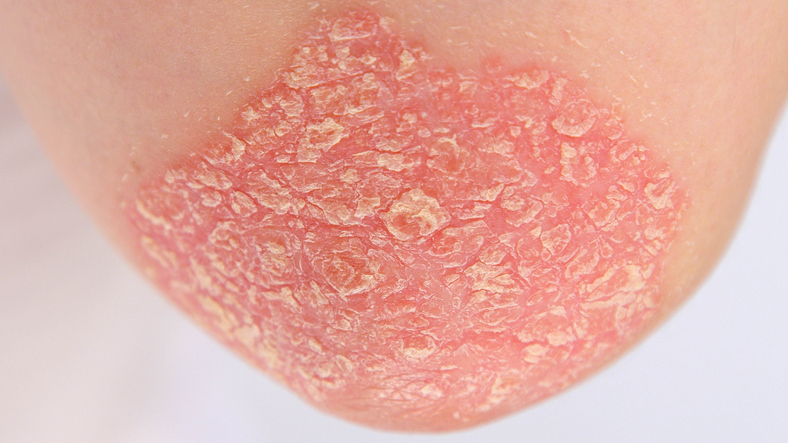
Psoriasis is a chronic autoimmune inflammatory disease characterized by:
Red, raised patches (plaques)
Silvery-white scales
Itching and burning sensation
Thickened or cracked skin
Nail changes in some cases
Types of Psoriasis
Plaque Psoriasis (most common)
Guttate Psoriasis
Inverse Psoriasis
Pustular Psoriasis
Erythrodermic Psoriasis
Modern Causes & Triggers
Immune system dysfunction
Genetic predisposition
Stress
Infections
Cold weather
Certain medications
Metabolic disorders
Modern medicine focuses on topical steroids, immunosuppressants, biologics, and phototherapy, which often suppress symptoms but may not address the underlying systemic imbalance.
This is where Ayurveda offers a transformative perspective.
Ayurvedic Perspective on Psoriasis
In Ayurveda, psoriasis closely resembles conditions described as:
Ekakushtha
Kitibha Kushtha
Mandala Kushtha
Psoriasis is classified under Kushtha Roga (chronic skin disorders).
1 Dosha Involvement
Psoriasis is primarily caused by imbalance of:
Vata Dosha – dryness, scaling
Pitta Dosha – redness, inflammation
Kapha Dosha – thickened plaques
Most cases involve Vata-Pitta or Kapha-Pitta imbalance.
2 Role of Agni (Digestive Fire)
Weak or irregular Agni leads to incomplete digestion, resulting in toxin formation.
3 Ama (Toxins) Accumulation
Undigested metabolic waste (Ama) accumulates in:
Rasa (plasma)
Rakta (blood)
Twak (skin tissue)
This triggers chronic inflammation and autoimmune responses.
4 Dhatu & Srotas Involvement
Rakta Dhatu Dushti (impure blood)
Mamsa Dhatu involvement
Rasa & Rakta Srotas obstruction
Therefore, psoriasis is not just a skin disease—it is a systemic metabolic and immune disorder.
Ayurvedic Treatment Principles for Psoriasis
Ayurveda focuses on:
1 Correcting Agni
2 Eliminating Ama
3 Purifying Rakta (blood detox)
4 Balancing Doshas
5 Strengthening immunity
6 Preventing recurrence
6+ Powerful Ayurvedic Herbs & Therapies for Psoriasis
1. Neem (Azadirachta indica)


Powerful blood purifier
Anti-inflammatory
Antimicrobial
Reduces itching & scaling
Used internally and externally.
2. Manjistha (Rubia cordifolia)


Best herb for Rakta Shodhana
Improves lymphatic drainage
Reduces skin discoloration
3. Khadira (Acacia catechu)

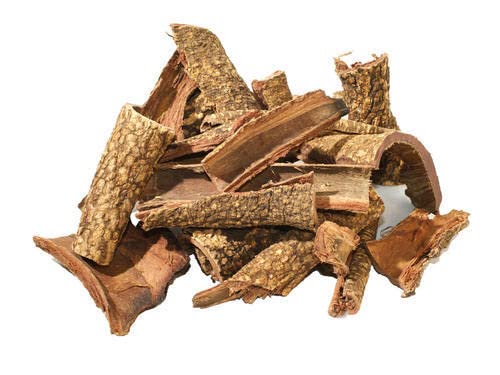

Classical herb for Kushtha
Detoxifies blood
Reduces plaque formation
4. Turmeric (Haridra)


Potent anti-inflammatory
Immunomodulatory
Supports liver detox
5. Panchatikta Ghrita
Medicated ghee prepared with bitter herbs.
Pacifies Pitta & Kapha
Nourishes skin tissues
Promotes internal detox
6. Arogyavardhini Vati
Corrects liver metabolism
Improves Agni
Reduces Ama
7. External Therapies
1 Takradhara
2 Lepana (Herbal Paste Application)
3 Abhyanga with medicated oils
4 Sun exposure (controlled)
Panchakarma for Psoriasis
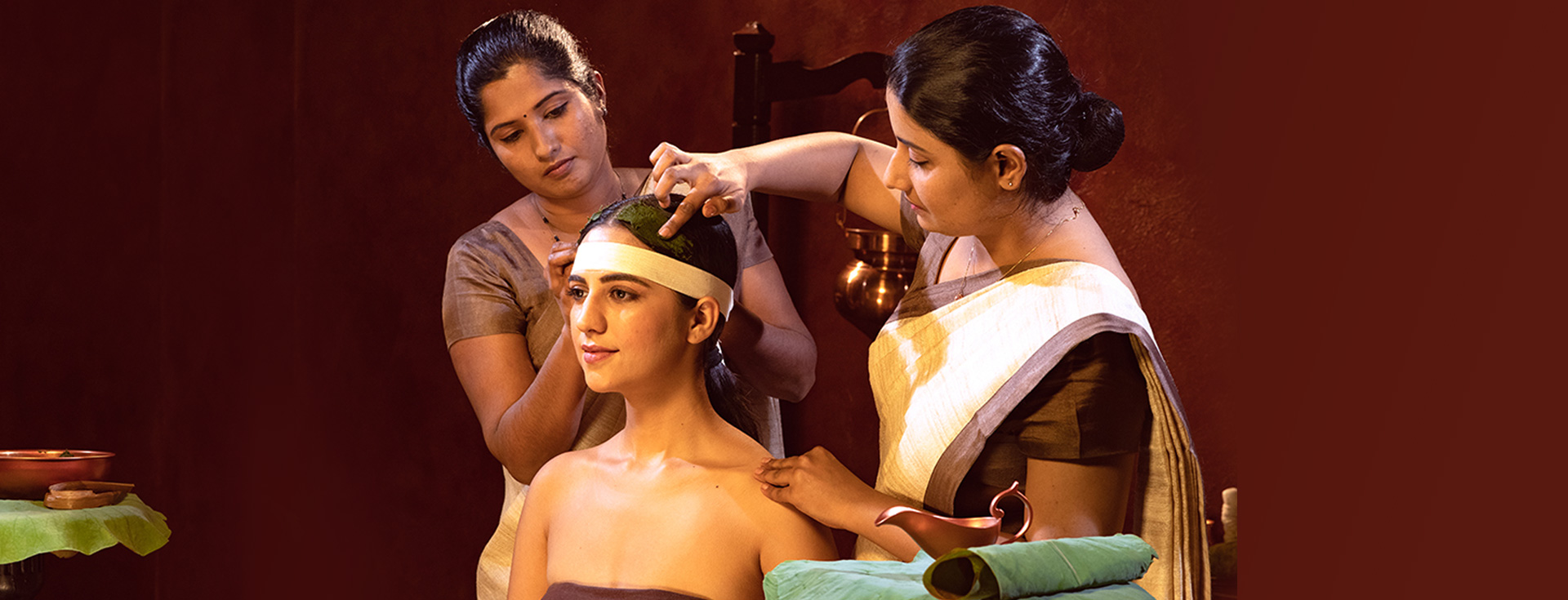
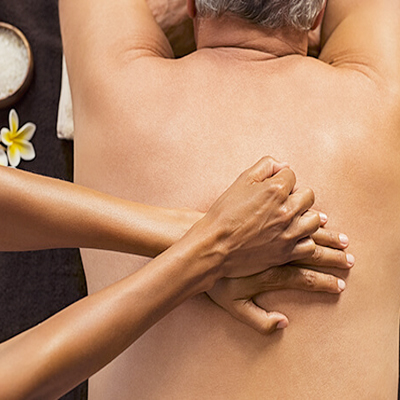


Detoxification is crucial in chronic psoriasis.
Recommended Procedures:
Virechana (Therapeutic Purgation) – Best for Pitta disorders
Raktamokshana (Bloodletting in indicated cases)
Basti (Medicated Enema) – For Vata imbalance
Abhyanga & Swedana
Panchakarma helps prevent relapse and supports long-term remission.
Ayurvedic Diet for Psoriasis
Diet correction is mandatory.
Foods to Include:
Warm, freshly cooked meals
Bitter vegetables (karela, methi)
Turmeric milk
Neem preparations
Moong dal
Pomegranate
Old rice & barley
Foods to Avoid:
1 Curd
2 Fish + milk combination
3 Fermented foods
4 Excess sour & salty foods
5 Junk food
6 Red meat
7 Refined sugar
Viruddha Ahara (incompatible food combinations) must be strictly avoided.
Lifestyle Modifications
Maintain regular sleep cycle
Reduce stress through meditation
Practice Pranayama
Gentle yoga (avoid overheating)
Avoid excessive sun exposure
Stay hydrated
Maintain bowel regularity
Stress management is crucial, as stress is a major trigger.
Can Ayurveda Cure Psoriasis Permanently?
Ayurveda does not promise “instant cure.” However:
It addresses root cause
Reduces severity & frequency of flare-ups
Improves immune balance
Promotes long remission
With proper treatment and disciplined lifestyle, many patients achieve long-term control without dependency on steroids.
Frequently Asked Questions (FAQs)
1. Is psoriasis completely curable in Ayurveda?
It can be effectively managed and brought into long remission with proper detox and lifestyle correction.
2. How long does Ayurvedic treatment take?
Typically 3–6 months depending on severity and chronicity.
3. Is Panchakarma necessary?
In moderate to severe cases, yes, for best results.
4. Can I stop steroids immediately?
No. Gradual tapering under medical supervision is recommended.
5. Is psoriasis contagious?
No, it is not infectious.
6. Does stress worsen psoriasis?
Yes. Stress aggravates Vata and Pitta.
7. Is psoriasis genetic?
There may be genetic predisposition, but lifestyle plays a major role.
8. Can diet alone cure psoriasis?
Diet is essential but not sufficient alone.
9. Is sun exposure helpful?
Controlled exposure may help, but excess aggravates Pitta.
10. Can children take Ayurvedic treatment?
Yes, under supervision of a qualified Ayurvedic physician.
11. Are Ayurvedic medicines safe long-term?
Yes, when prescribed properly.
12. Does psoriasis affect joints?
Yes, some patients develop psoriatic arthritis.
13. Can fasting help?
Mild, supervised fasting improves Agni.
14. Is milk allowed?
Yes, but avoid combining with fish or sour fruits.
15. Will psoriasis return after stopping treatment?
If lifestyle discipline is not maintained, recurrence is possible.
Psoriasis is not merely a skin condition—it is a reflection of internal imbalance. Ayurveda offers a comprehensive, root-cause-based healing system that:
Detoxifies the body
Balances doshas
Purifies blood
Strengthens immunity
Promotes long-term remission
With expert guidance, disciplined diet, Panchakarma, and herbal support, psoriasis can be managed naturally and safely.
True healing begins within.
Ayurvedic Treatment for Psoriasis focuses on root-cause healing through dosha balance, Panchakarma detox, herbal remedies, and diet correction. Discover natural long-term psoriasis management.
Disclaimer
This article is for educational purposes only. Psoriasis treatment should be undertaken under the supervision of a qualified Ayurvedic doctor. Individual constitution (Prakriti), disease stage, and medical history must be assessed before starting any medication or Panchakarma therapy.

Dr. Sagar Narkhede
Ayurvedic Physician & Panchakarma Specialist
is a dedicated and experienced Ayurvedic doctor known for his holistic approach to health and disease management. With a strong foundation in classical Ayurveda and modern clinical understanding, he focuses on treating the root cause of illness rather than just suppressing symptoms.
Dr. Narkhede specializes in managing chronic lifestyle disorders, digestive issues, joint and spine problems, stress-related conditions, hormonal imbalances, and skin diseases through authentic Ayurvedic therapies and personalized Panchakarma treatments.
Areas of Expertise
- Chronic lifestyle disorders (Diabetes, Hypertension, Obesity)
- Joint pain, Arthritis & Spine-related disorders
- Digestive disorders & metabolic imbalance
- Stress, anxiety & sleep disorders
- Panchakarma detox & rejuvenation therapies
- Preventive & holistic health care
Treatment Philosophy
Dr. Sagar Narkhede believes in individualized treatment plans based on Prakriti (body constitution), lifestyle, and disease stage. His goal is to restore balance between body, mind, and metabolism for long-term wellness and sustainable healing.