


Best Ayurvedic Panchakarma Therapy for Knee Pain Relief | Panchakarma Therapy
Journey from Knee Pain to Healing Through Panchakarma Therapy


Knee pain slowly changed the life of Rajesh Kulkarni, a 52 year old business owner from Pune.
For years he worked hard to build his business, often ignoring his health, sleep, food habits, and emotional stress. Gradually climbing stairs became painful. Sitting for long meetings became difficult. Morning stiffness reduced his confidence and peace of mind.
Despite trying temporary solutions, the pain kept returning.
One evening, after struggling to walk during a family function, Rajesh realized his body was asking for healing, not suppression. That moment led him toward the ancient wisdom of Ayurveda and the transformative power of Panchakarma Therapy.
Rajesh was known as a disciplined businessman. People admired his dedication and success. But inside, he silently suffered from chronic knee pain, fatigue, stress, and disturbed sleep.
His lifestyle had become imbalanced.
Late night work
Irregular meals
Excessive sitting
Mental stress
Lack of exercise
According to Ayurveda, such habits disturb Vata Dosha, leading to dryness, stiffness, joint degeneration, and pain.
An Ayurvedic doctor explained that the body stores toxins known as Ama due to improper digestion and unhealthy lifestyle patterns. These toxins accumulate in the joints and create inflammation and discomfort.
Rajesh began a carefully guided Panchakarma Therapy program.
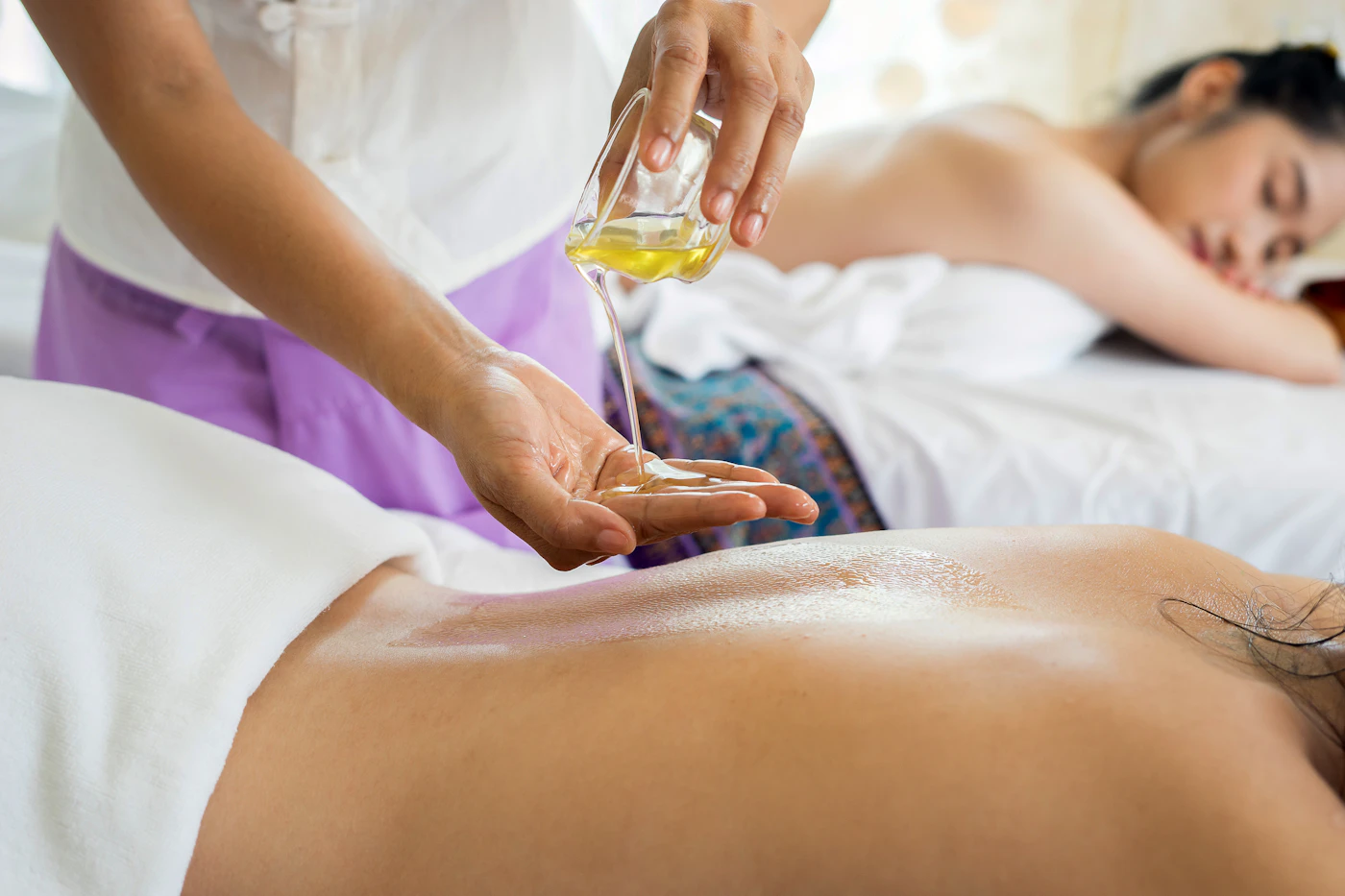
The treatment started with Abhyanga, a warm medicated oil massage that calmed his nervous system and nourished his joints. As the warm herbal oils touched his knees, he felt relaxation after many years.
Next came Swedana therapy, a therapeutic herbal steam process that reduced stiffness and improved circulation.
The most transformative therapy was Basti Karma, considered one of the most important Panchakarma treatments for Vata imbalance. Herbal medicated oils and decoctions were used under expert guidance to detoxify and rejuvenate the body.
During the therapy, Rajesh also learned an important Ayurvedic principle.
True healing begins when body mind and lifestyle move in harmony
He started eating fresh warm foods.
He practiced daily breathing exercises.
He slept on time.
He reduced anger and mental stress.
Weeks later, Rajesh noticed something beautiful.
The pain was reducing.
His movements became smoother.
His mind became calmer.
His smile returned.
One morning, while walking in a garden with his wife, Rajesh realized that Panchakarma had not only healed his knees but also healed his relationship with life itself.
He understood that Ayurveda is not just medicine.
It is a way of living with balance awareness and self respect.
Panchakarma Therapy
Abhyanga Therapy
Warm herbal oil massage that nourishes muscles and joints
Benefits
Improves blood circulation
Reduces joint stiffness
Calms the nervous system
Supports healthy sleep
Lubricates dry joints
Janu Basti
A specialized therapy where warm medicated oil is retained around the knee joint
Benefits
Strengthens knee joints
Reduces pain and inflammation
Improves mobility
Helps cartilage nourishment
Swedana Therapy
Herbal steam therapy
Benefits
Reduces stiffness
Opens body channels
Supports detoxification
Relaxes muscles
Basti Therapy
Medicated enema therapy considered highly beneficial for Vata disorders
Benefits
Balances Vata Dosha
Reduces chronic pain
Improves flexibility
Supports overall rejuvenation
Ayurvedic Herbs
Ashwagandha
Benefits
Supports joint strength
Reduces stress
Improves energy and vitality
Shallaki
Benefits
Supports healthy joints
Helps reduce inflammation
Improves mobility
Guggulu
Benefits
Supports detoxification
Helps maintain healthy joints
Supports metabolism
Turmeric
Benefits
Natural anti inflammatory support
Supports immunity
Promotes healing
Ayurvedic Medicine
Yogaraj Guggulu
Traditionally used for Vata related joint disorders and stiffness
Mahayograj Guggulu
Supports joint mobility and muscular comfort
Dashmool Kwath
Traditionally used for inflammation and Vata imbalance
Ayurvedic Tailam
Mahanarayan Tailam
Benefits
Supports joint lubrication
Reduces stiffness
Relaxes muscles
Dhanwantharam Tailam
Benefits
Supports nervous system balance
Improves flexibility
Traditionally used in Panchakarma therapies
Diet
Warm Fresh Foods
Benefits
Easy digestion
Reduces toxin accumulation
Balances Vata Dosha
Moong Dal Khichdi
Benefits
Light and nourishing
Supports digestion and detoxification
Cow Ghee in Moderation
Benefits
Lubricates body tissues
Supports joint health
Herbal Tea with Ginger and Turmeric
Benefits
Supports digestion
Helps reduce inflammation
Daily 30 Minutes Exercise Routine at Home
Morning Walking for 10 Minutes
Improves circulation and joint flexibility
Gentle Knee Stretching for 5 Minutes
Supports mobility and muscle relaxation
Chair Squats for 5 Minutes
Strengthens thigh and knee muscles
Slow Stair Practice for 5 Minutes
Improves balance and endurance
Relaxation Breathing for 5 Minutes
Reduces stress and muscle tension
Daily Pranayam
Anulom Vilom
Benefits
Balances mind and body
Supports oxygen flow
Reduces stress
Bhramari Pranayam
Benefits
Calms the nervous system
Supports emotional relaxation
Deep Belly Breathing
Benefits
Improves lung capacity
Supports mental peace
Yoga
Vrikshasana
Benefits
Improves balance
Strengthens legs
Tadasana
Benefits
Improves posture
Supports body alignment
Bhujangasana
Benefits
Strengthens spine
Improves flexibility
Daily Meditation
Morning Silent Meditation for 15 Minutes
Benefits
Reduces emotional stress
Improves mental clarity
Supports hormonal balance
Enhances emotional healing
Rajesh noticed that meditation reduced his frustration and improved his patience with family and work responsibilities.
About Ayurveda
Ayurveda is one of the world’s oldest holistic healing systems. It focuses on balancing body mind and spirit through diet lifestyle herbal therapies yoga meditation and Panchakarma purification methods.
Ayurveda believes prevention is more powerful than cure and encourages natural living for long term wellness.
Ayurvedic Tips
Drink warm water throughout the day
Avoid excessive cold and processed foods
Sleep before 10 PM
Practice mindfulness during meals
Apply warm medicated oil on knees regularly
Avoid excessive stress and anger
Ayurvedic Lifestyle
Wake up early in the morning
Follow regular meal timings
Avoid overeating
Spend time in nature
Practice gratitude daily
Maintain emotional balance
Use natural seasonal foods
Take adequate rest
FAQ
What is Panchakarma Therapy
Panchakarma is a traditional Ayurvedic detoxification and rejuvenation therapy designed to remove toxins and restore body balance.
Is Panchakarma useful for knee pain
Under proper Ayurvedic supervision Panchakarma therapies may support joint flexibility comfort and overall wellness.
How long does Panchakarma take
The duration varies according to individual condition body constitution and treatment plan.
Can diet influence joint pain
Yes Ayurveda believes improper digestion and unhealthy food habits can increase toxin accumulation and inflammation.
Is yoga important during Panchakarma
Gentle yoga and breathing exercises may support flexibility circulation and emotional calmness.
Rajesh Kulkarni journey teaches an important lesson.
Health is not merely absence of pain.
Health is harmony between body mind emotions and daily living.
Through Panchakarma Therapy, Ayurveda, yoga meditation and disciplined lifestyle changes, Rajesh rediscovered movement peace confidence and gratitude.
His healing became a reminder that the human body has incredible capacity to recover when supported with natural wisdom and mindful living.
Consult Ayurvedic Doctor
Always consult a qualified Ayurvedic doctor before starting Panchakarma Therapy herbal medicines yoga practices or lifestyle changes.
Personalized Ayurvedic guidance based on body constitution and health condition is essential for safe and effective healing.
For more Ayurveda wellness guidance visit
Ayurveda Initiative Official Website
The names, locations, and images used in this article are for educational and awareness purposes only. Any resemblance to real persons, living or deceased, is purely coincidental unless specifically mentioned.
This article is written only for educational purposes and to spread awareness about Ayurveda as a holistic healing tradition. The information shared here is based on traditional Ayurvedic principles and general wellness guidance.
Results may vary from person to person depending on individual body constitution, health condition, lifestyle, and other factors.
Always consult a qualified Ayurvedic doctor or healthcare professional before starting any Panchakarma Therapy, Ayurvedic medicine, herbal remedy, diet plan, yoga practice, or lifestyle change.
Heal Naturally Live Mindfully and Rediscover Life Through Ayurveda


