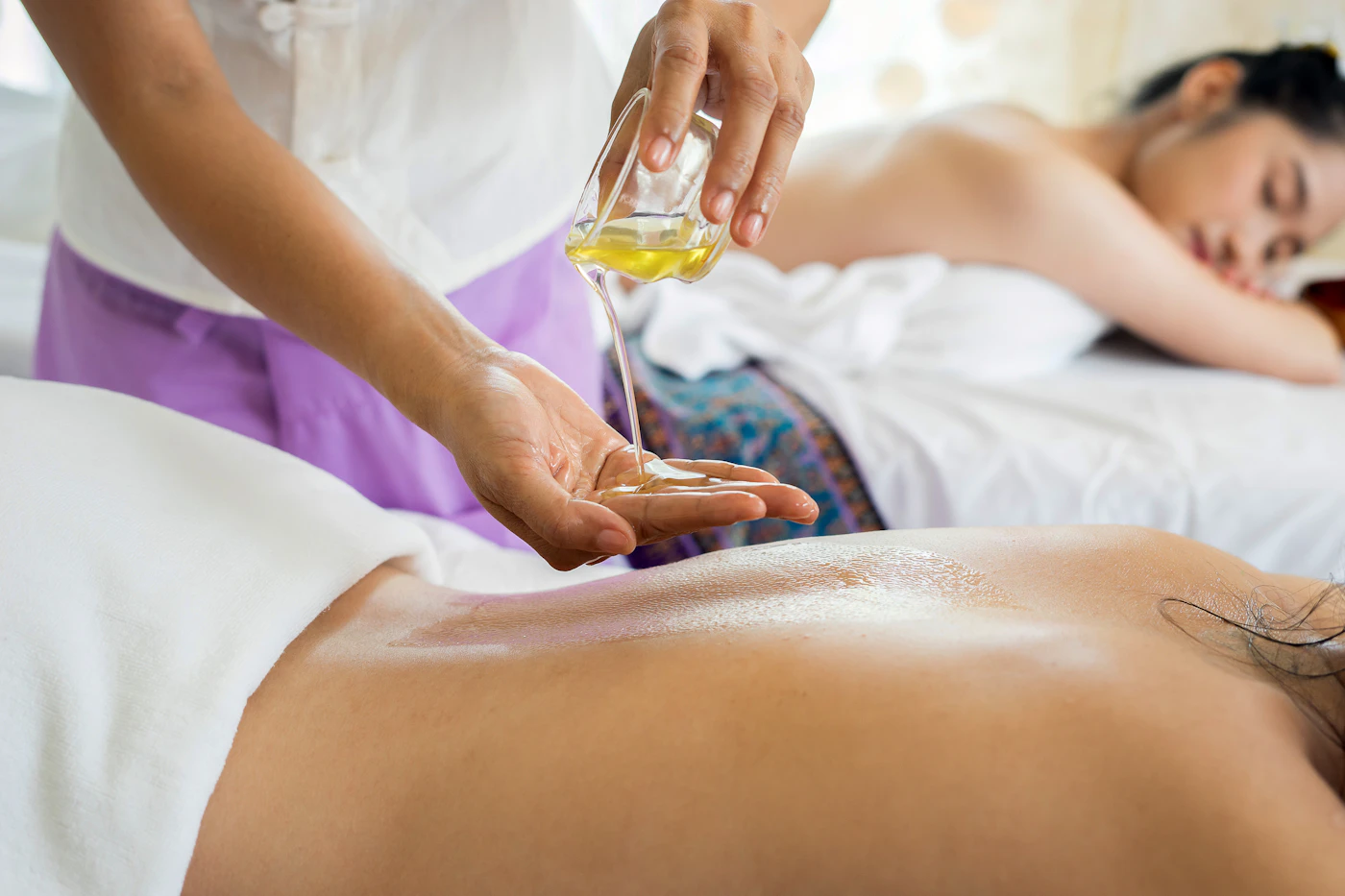
Expansion of Wellness Tourism: Ayurvedic Retreats and Therapies.

In recent years, wellness tourism has witnessed significant growth as people worldwide seek holistic approaches to health and well-being. Among the many traditional systems gaining prominence, Ayurveda stands out as a profound, time-tested Indian healing practice that offers personalized therapies, detoxification, and rejuvenation. The expansion of Ayurvedic retreats and therapies is redefining wellness travel by providing immersive experiences where natural treatments, dietary guidance, yoga, and meditation converge in serene environments.


Ayurvedic retreats offer tailored treatment plans based on individual constitution (dosha) and health needs, promoting balance and harmony of the body, mind, and spirit. Popular locations such as Kerala, Uttarakhand, and Goa attract travelers seeking authentic experiences supported by qualified Ayurvedic doctors and practitioners. These retreats blend ancient Ayurvedic wisdom with modern comforts and sometimes incorporate digital health tools for continuous care.

This surge in wellness tourism reflects a global shift toward preventive health, sustainable living, and holistic healing. Beyond physical restoration, Ayurveda fosters mental clarity, emotional resilience, and spiritual growth, making it an ideal option for those looking to reconnect with themselves and nature at a deeper level.

For those considering embarking on this transformative wellness journey, consulting an Ayurvedic doctor is essential to receive personalized assessment, guidance, and safe treatment plans. The expertise of Ayurvedic practitioners ensures that therapies align perfectly with individual health conditions and goals, maximizing the benefits of the retreat experience.

Discover the timeless power of Ayurveda through carefully designed retreats and therapies that nurture your natural vitality and elevate overall well-being.

Consult an Ayurvedic Doctor for more detailed, tailored advice on wellness tourism and retreat options.

Expansion of Wellness Tourism Including Ayurvedic Retreats and Therapies know more 

1 What is wellness tourism?  
Wellness tourism involves travel focused on health and wellbeing through activities like yoga, meditation, and Ayurvedic treatments. Consult an Ayurvedic doctor for personalized guidance.  

2 What are Ayurvedic retreats?  
Ayurvedic retreats offer immersive healing experiences featuring traditional Ayurvedic therapies, diet, and lifestyle guidance.  

3 Where are popular Ayurvedic retreat locations?  
Kerala, India is renowned, along with Uttarakhand, Sri Lanka, and some parts of Europe and the Middle East.  

4 What treatments are offered at Ayurvedic retreats?  
Common therapies include Panchakarma detox, Abhyanga massage, Shirodhara, and herbal steam baths.  

5 How long do Ayurvedic retreats usually last?  
Programs range from a few days to several weeks for comprehensive detoxification and rejuvenation.  

6 Who can benefit from Ayurvedic wellness tourism?  
Anyone seeking holistic health improvement, stress relief, chronic disease management, or preventive care.  

7 Is Ayurveda safe for all age groups?  
Yes, but treatments are customized after consultation with an Ayurvedic practitioner.  

8 How do I choose the right Ayurvedic retreat?  
Consider authenticity, qualified practitioners, treatment options, facility standards, and location.  

9 What is included in a typical Ayurvedic retreat package?  
Accommodation, consultations, daily therapies, diet plans, yoga, meditation, and wellness activities.  

10 Can Ayurvedic retreats accommodate diet restrictions?  
Yes, personalized diets including vegetarian, vegan, gluten-free, or other preferences are common.  

11 Is prior medical consultation required before attending a retreat?  
Yes, an Ayurvedic doctor assesses your health status to design a suitable program.  

12 What is Panchakarma therapy?  
A detoxification process involving therapies that cleanse toxins from the body and restore balance.  

13 Are Ayurvedic treatments evidence-based?  
Many treatments have traditional roots; research is ongoing to validate efficacy scientifically.  

14 How do Ayurvedic treatments help with stress?  
They balance Doshas, improve sleep, and promote mental calm through therapies and lifestyle changes.  

15 What should I pack for an Ayurvedic retreat?  
Comfortable clothes, personal toiletries, medications if any, and an open mind for healing.  

16 Are Ayurvedic retreats suitable for international travelers?  
Yes, many resorts cater to foreigners with visa assistance and multilingual staff.  

17 Can Ayurveda help with chronic illnesses?  
Ayurveda offers complementary therapies for arthritis, digestive issues, diabetes, and more.  

18 How important is lifestyle modification in Ayurveda?  
It is fundamental, including diet, sleep, exercise, and mental wellbeing practices.  

19 Can pregnant women attend Ayurvedic retreats?  
Certain mild treatments may be recommended; consult your Ayurvedic doctor.  

20 Is it necessary to follow Ayurvedic diet after retreat?  
Yes, continuing dietary guidelines enhances sustained wellness benefits.  

21 How do Ayurvedic retreats ensure hygiene?  
Top retreats maintain strict cleanliness, use natural products, and follow health protocols.  

22 What is the cost range of Ayurvedic retreats?  
Costs vary from budget-friendly to luxury; packages depend on duration and services.  

23 Are wellness retreats tax-deductible or insured?  
Some countries allow deductions or insurance coverage; check local regulations.  

24 Are Ayurvedic products safe to use?  
Authentic products are safe; verify certifications and buy from reputable sources.  

25 Can I combine Ayurveda with modern medicine?  
Yes, under professional guidance to avoid interactions and optimize care.  

26 How do retreats handle emergencies?  
Most have arrangements with nearby hospitals and emergency protocols.  

27 What is the best time of year to visit Ayurvedic retreats?  
Depends on climate and treatment goals; consult your retreat and Ayurvedic doctor.  

28 Can Ayurveda help with weight management?  
Yes, through diet, herbal remedies, and detox therapies.  

29 Do retreats offer yoga and meditation?  
Yes, most integrate these practices to promote holistic healing.  

30 Are Ayurvedic treatments painful?  
Generally gentle and relaxing; some detox therapies might involve mild discomfort.  

31 How can I verify the credentials of Ayurvedic doctors?  
Check certifications from recognized Ayurvedic boards or councils.  

32 What languages are spoken at popular retreats?  
English and local languages; many retreats offer translators for international guests.  

33 How do Ayurvedic retreats differ from spas?  
They are therapeutic and holistic rather than purely relaxation-focused.  

34 Can children receive Ayurvedic care at retreats?  
Some specialized retreats offer pediatric Ayurveda under expert supervision.  

35 What role does meditation play in Ayurveda?  
It balances mind, reduces stress, and complements physical therapies.  

36 Can I book Ayurvedic retreats online?  
Yes, many provide detailed packages and booking options on their websites.  

37 Does Ayurveda help with skin conditions?  
Yes, through herbal treatments and detox therapies.  

38 Are Ayurvedic therapies personalized?  
Yes, treatments are tailored based on individual constitution (Prakriti).  

39 How soon can I expect results from Ayurvedic treatments?  
Results vary; some experience immediate relief, others need longer-term care.  

40 What accommodations are usually available?  
Options range from basic rooms to luxury villas with all amenities.  

41 Do retreats offer follow-up care?  
Many provide teleconsultations and herbal product delivery post-retreat.  

42 Can Ayurveda boost immunity?  
Yes, through detox, balanced nutrition, and rejuvenation therapies.  

43 Are Ayurvedic retreats eco-friendly?  
Leading retreats follow sustainable and natural resource practices.  

44 How do I prepare for an Ayurvedic retreat?  
Avoid alcohol, late meals; inform about allergies and medical history.  

45 What are Doshas?  
Vata, Pitta, Kapha—fundamental energies governing body and mind balance.  

46 Is it necessary to fast during Panchakarma?  
Some fasting or light diet is typically recommended; consult your doctor.  

47 What are common herbs used in Ayurveda?  
Ashwagandha, Turmeric, Neem, Tulsi, Triphala, among others.  

48 How is Ayurvedic massage different?  
Uses medicated oils and specific strokes to balance Doshas and detoxify.  

49 Can Ayurveda help with sleep disorders?  
Yes, through calming treatments and lifestyle advice.  

50 Are there retreats focusing on mental health?  
Yes, with therapies targeting anxiety, depression, and emotional balance.  

51 Can I travel to India for Ayurveda without a visa?  
Most travelers require a tourist or medical visa. Check current regulations.  

52 What is the AYUSH visa?  
A special Indian visa category to facilitate Ayurveda and wellness tourism.  

53 How is herbal medicine administered?  
As powders, tablets, oils, decoctions, or pastes via oral or external use.  

54 Can Ayurveda help with detox after lifestyle diseases?  
Yes, detox therapies target toxins accumulation from unhealthy habits.  

55 Do retreats offer cultural experiences?  
Many include local cuisine, music, and excursions to enrich wellness journey.  

56 Can Ayurveda help with post-COVID recovery?  
Ayurveda offers therapies to rebuild immunity and respiratory health.  

57 Is it safe to rely solely on Ayurveda?  
Ayurveda complements but should often be integrated with modern medicine.  

58 How do I know if a retreat is authentic Ayurveda?  
Check practitioner qualifications and therapy adherence to classical protocols.  

59 Will Ayurvedic treatments affect my current medications?  
Always consult your Ayurvedic doctor and disclose all medications.  

60 Are group retreats available?  
Yes, for families, friends, or wellness groups.  

61 What is the role of nutrition in Ayurveda?  
Customized diet is crucial for balancing Doshas and healing.  

62 Can Ayurveda help with addiction recovery?  
Yes, through holistic care addressing mind-body balance.  

63 Do retreats provide transportation?  
Many offer pickup from airports or stations as part of packages.  

64 Can men and women receive different treatments?  
Yes, therapies and diets are adjusted based on gender and constitution.  

65 Can Ayurveda improve digestion?  
It focuses on Agni (digestive fire) for optimal nutrition and health.  

66 What is an Ayurvedic consultation like?  
Includes pulse, tongue, face diagnosis, detailed history, and personalized plan.  

67 Is smoking allowed during Ayurveda retreats?  
Usually discouraged to maximize treatment benefits.  

68 Can Ayurveda help with hormonal imbalances?  
Yes, through herbal and lifestyle therapies.  

69 Are sauna or steam therapies part of Ayurveda?  
Yes, Sudation or steam therapy helps detoxification.  

70 How do I maintain benefits after retreat?  
Follow doctor’s advice on diet, routine, exercise, and products.  

71 What is the average daily schedule at a retreat?  
Includes therapies, meals, yoga, meditation, and rest periods.  

72 Can Ayurveda help with arthritis?  
Yes, anti-inflammatory herbs and massages can alleviate symptoms.  

73 Do retreats offer water therapies?  
Some include hydrotherapy as part of holistic treatment.  

74 Can Ayurveda support weight gain or loss?  
Customized plans help achieve balanced body weight.  

75 How is mind-body connection emphasized?  
Ayurveda treats physical and mental health as deeply interconnected.  

76 Can Ayurveda help with allergies?  
Yes, through detox, herbal support, and lifestyle adjustments.  

77 Are Ayurvedic products tested for safety?  
Reputable brands perform quality control and testing.  

78 Can Ayurveda assist in skin rejuvenation?  
Yes, treatments nourish skin and improve texture naturally.  

79 How do I book a consultation with an Ayurvedic doctor?  
Many retreats have on-site doctors; online options are also available.  

80 Are Ayurvedic treatments painful?  
Typically not, designed to be soothing and healing.  

81 Can Ayurveda help athletes?  
Yes, for recovery, strength, and injury prevention.  

82 Can Ayurveda support mental clarity?  
Yes, meditation, herbs, and diet enhance cognitive function.  

83 Can Ayurvedic treatments be combined with physiotherapy?  
Often complementary, but coordinate care between therapists.  

84 How do I learn more and get started?  
Consult an Ayurvedic doctor or reputable wellness retreat for tailored advice.  

For detailed and personalized care, always consult a qualified Ayurvedic doctor.

LIVING AYURVEDA : Ayurveda’s Rising Influence as a Lifestyle Choice Among Millennials and Gen Z.

AYRVEDA Ancient Wisdom for Modern Wellness. 


Ayurveda’s Growing Popularity Among Millennials and Gen Z.


In recent years, Ayurveda has emerged as a preferred lifestyle choice for millions of millennials and Gen Z individuals in India and across the globe. These younger generations are drawn to Ayurveda's holistic approach that nurtures the mind, body, and spirit in harmony with nature. Unlike conventional quick fixes, Ayurveda offers personalized wellness solutions rooted in ancient wisdom and adapted for modern challenges such as stress, mental health, and lifestyle diseases. The emphasis on natural healing, sustainable living, and prevention resonates deeply in a world increasingly seeking balance and authenticity. From herbal supplements and mindful eating to yoga and meditation, millennials and Gen Z are embracing Ayurveda to lead healthier, more conscious lives. Digital apps and wellness platforms have further amplified Ayurveda’s reach and accessibility among tech-savvy youth. This growing trend reflects a powerful shift towards embracing traditional knowledge to thrive in today’s fast-paced world.  


Consult an Ayurvedic Doctor for personalized guidance to unlock your unique path to wellness.


Ayurveda's Growing Popularity Among Millennials and Gen Z to know more About Ayurveda and Modern Wellness. 


1. What is Ayurveda?  

Ayurveda is an ancient Indian system of medicine focusing on holistic health through balance of body, mind, and spirit.  


2. Why is Ayurveda popular among millennials and Gen Z?  

It offers natural, personalized solutions aligned with wellness, sustainability, and mental health priorities of younger generations.  


3. How does Ayurveda support mental well-being?  

Ayurveda uses herbs, meditation, and lifestyle to reduce stress, anxiety, and improve emotional balance.  


4. Can Ayurveda help with modern lifestyle diseases?  

Yes, it provides preventive and therapeutic approaches for diabetes, obesity, and heart diseases.  


5. What is Dosha?  

Dosha refers to the three energies (Vata, Pitta, Kapha) that govern physiological and psychological functions.  


6. How do millennials find Ayurveda relevant today?  

Its holistic, natural approach resonates with eco-conscious and health-aware younger people.  


7. What role does Ayurvedic diet play?  

It emphasizes fresh, seasonal, and balanced foods tailored to individual Dosha types for optimal health.  


8. Is Ayurveda scientifically proven?  

Many Ayurvedic practices are increasingly being validated through modern scientific research.  


9. Can Ayurveda be integrated with modern medicine?  

Yes, Ayurveda complements conventional treatments to enhance healing and well-being.  


10. How does Ayurveda promote sustainable living?  

It encourages use of natural resources and mindful consumption, reducing environmental impact.  


11. What are common Ayurvedic daily routines (Dinacharya)?  

Practices include oil pulling, tongue scraping, herbal teas, and mindful eating.  


12. Does Ayurveda support skin health?  

Yes, it offers natural skincare with herbs and oils for glowing skin.  


13. Can Ayurveda help improve sleep quality?  

Herbal remedies and lifestyle adjustments can promote restful sleep.  


14. What herbs are popular among youth in Ayurveda?  

Ashwagandha, Turmeric, Triphala, and Brahmi are commonly used.  


15. How does Ayurveda address digestive health?  

Through herbal formulas, dietary guidance, and detox methods like Panchakarma.  


16. Is Ayurveda safe for daily use?  

When practiced properly and under expert guidance, it is safe and effective.  


17. Can Ayurveda help with anxiety and depression?  

Yes, through herbal adaptogens, meditation, and lifestyle changes.  


18. What is Panchakarma?  

It is a detoxification therapy aimed at cleansing and renewing the body.  


19. How do millennials practice Ayurveda daily?  

Through mindful eating, yoga, meditation, and herbal supplements.  


20. What role does yoga play in Ayurveda?  

Yoga complements Ayurveda by aligning body and mind for balanced health.  


21. Can Ayurveda improve energy levels?  

Yes, personalized diet and herbal tonics can enhance vitality.  


22. Does Ayurveda address hormonal health?  

It supports hormonal balance naturally through diet, herbs, and lifestyle.  


23. Can Ayurveda help with skin allergies?  

Yes, it identifies root causes and treats them holistically.  


24. Is Ayurveda good for weight management?  

Its balanced approach helps maintain healthy weight sustainably.  


25. How can Gen Z utilize Ayurveda for focus and concentration?  

Through herbs like Brahmi and meditation techniques to enhance brain function.  


26. Can Ayurveda enhance immunity?  

Yes, with herbs like Tulsi and formulations that strengthen the body's defense.  


27. Are there Ayurvedic beauty rituals?  

Yes, traditional beauty care involves herbal oils, pastes, and cleansing routines.  


28. Is Ayurveda vegan-friendly?  

Most Ayurvedic practices emphasize plant-based foods and herbs.  


29. How do Ayurveda and sustainability connect?  

Ayurveda promotes natural living, mindful resource use, and eco-conscious habits.  


30. Can Ayurveda reduce environmental toxins in the body?  

Panchakarma and herbal detox can help eliminate accumulated toxins.  


31. How does Ayurveda approach women's health?  

It focuses on menstrual balance, fertility, and hormonal harmony.  


32. Can millennials combine Ayurveda with fitness?  

Yes, Ayurveda complements physical activity with nutrition and recovery methods.  


33. What is the role of meditation in Ayurveda?  

Meditation calms the mind and balances Doshas for holistic wellness.  


34. Does Ayurveda have digital resources for millennials?  

Many apps and online courses help youth learn and apply Ayurveda easily.  


35. What are common misconceptions about Ayurveda?  

Some think it is outdated or slow, but it is a dynamic, evolving science.  


36. Is Ayurveda effective for chronic conditions?  

It offers supportive care and symptom management alongside modern treatments.  


37. How do millennials adapt Ayurveda in urban lifestyles?  

By simplifying routines and using modern Ayurvedic products and therapies.  


38. Which Ayurvedic herbs boost brain health?  

Brahmi, Shankhpushpi, and Gotu Kola are known for cognitive benefits.  


39. How does Ayurveda view diet diversity?  

It encourages diverse, seasonal, and fresh foods tailored to Dosha.  


40. Can Ayurveda help with gastrointestinal issues?  

Yes, herbal treatments regulate digestion, reduce inflammation, and improve gut health.  


41. Is Ayurveda suitable for all ages?  

Yes, with appropriate customization and expert advice.  


42. What is the importance of hydration in Ayurveda?  

Proper hydration balances Doshas and supports detoxification.  


43. Can Ayurveda improve athletic performance?  

Yes, nutritional therapies and rejuvenating herbs enhance endurance and recovery.  


44. How does Ayurveda approach mental clarity?  

Through detoxification, balanced diet, and nervous system-supporting herbs.  


45. What role do Ayurvedic oils play?  

Oils nourish tissues, calm the mind, and support skin and hair health.  


46. How do Ayurvedic teas support health?  

They balance Doshas and target specific ailments with natural herbs.  


47. Can Ayurveda help with digital-age stress?  

Yes, through calming techniques and adaptogenic herbs.  


48. What are Ayurvedic superfoods popular with youth?  

Amalaki, Moringa, and Turmeric are widely used.  


49. How does Ayurveda promote longevity?  

By balancing mind-body energies and preventing lifestyle diseases.  


50. Is Ayurveda eco-friendly?  

Yes, it uses renewable herbs and promotes sustainability.  


51. Can Ayurveda help with allergies?  

Yes, by strengthening immunity and reducing sensitivities naturally.  


52. How does Ayurveda approach detox?  

Through diet, lifestyle, and therapies like Panchakarma.  


53. What is the role of Ayurveda in beauty?  

Natural skincare and haircare emphasizing holistic health.  


54. Can Ayurveda prevent lifestyle diseases?  

It emphasizes prevention through diet and stress management.  


55. How do millennials access Ayurvedic education?  

Online platforms, workshops, apps, and community groups are popular.  


56. Can Ayurveda improve digestion?  

Yes, with herbal formulations, diet, and lifestyle adjustments.  


57. What Ayurvedic habits improve sleep quality?  

Oil massages, warm milk with herbs, and meditation are common.  


58. Is Ayurveda helpful for managing anxiety?  

Yes, with calming herbs and stress-relief techniques.  


59. What is Ayurveda’s approach to immunity?  

Strengthening internal balance and vitality naturally.  


60. How does Ayurveda treat seasonal ailments?  

Through seasonal routines (Ritucharya) and dietary tweaks.  


61. Can Ayurveda support hormonal health in men?  

Yes, by balancing Doshas and improving vitality.  


62. What foods increase Pitta dosha?  

Spicy, oily, and sour foods should be moderated.  


63. How can Ayurveda support women's hormonal cycles?  

Through herbs, diet, and lifestyle tuned to menstrual phases.  


64. Can Ayurveda help with skin aging?  

Yes, antioxidants and rejuvenating herbs slow aging signs.  


65. What is the Ayurvedic view on gluten?  

It varies by Dosha; some tolerate better than others.  


66. Is Ayurveda effective for hair loss?  

Herbal oils and therapies strengthen roots and stimulate growth.  


67. How do herbal supplements support mental health?  

By reducing inflammation and balancing neurotransmitters.  


68. Can Ayurveda improve metabolism?  

Yes, by balancing Agni (digestive fire) through diet and herbs.  


69. Does Ayurveda support cardiovascular health?  

Yes, it offers natural therapies for heart and circulation.  


70. How does Ayurveda regulate blood sugar?  

Through balanced nutrition and herbal support.  


71. Can Ayurveda aid in addiction recovery?  

Yes, by supporting detox and mental clarity.  


72. Is Ayurvedic skincare suitable for oily skin?  

Yes, tailored herbs and oils help balance skin types.  


73. What role do spices play in Ayurveda?  

They enhance digestion, immunity, and reduce inflammation.  


74. How does Ayurveda treat fatigue?  

With rejuvenating herbs, rest, and nutrition.  


75. Can Ayurveda help with autoimmune conditions?  

It aims to balance immunity and reduce inflammation.  


76. Is Ayurveda child-friendly?  

Yes, with gentle herbs and age-appropriate therapies.  


77. How can Ayurveda improve focus?  

Through brain tonics, meditation, and balanced lifestyle.  


78. What is the role of meditation in Ayurveda?  

It calms the mind and balances doshas for wellness.  


79. How does Ayurveda address anxiety?  

Through calming routines, herbs, and mental therapies.  


80. Can Ayurveda improve digestion?  

Yes, it enhances Agni and gut flora balance.  


81. Is Ayurveda suitable for vegetarians?  

Yes, it naturally supports plant-based lifestyles.  


82. How can Ayurveda reduce inflammation?  

With anti-inflammatory herbs and diet adjustments.  


83. What is the Ayurvedic approach to stress?  

Balancing mind and body through lifestyle and herbs.  


84. Can Ayurveda support healthy aging?  

Yes, through rejuvenation therapies and nutrition.  


85. How does Ayurveda balance Vata?  

By grounding, warming foods, and calming routines.  


86. Can Ayurveda improve lung health?  

Yes, through detox and herbal interventions.  


87. What Ayurvedic practices improve heart health?  

Cardio-supportive herbs and lifestyle balance.  


88. Is Ayurveda good for skin allergies?  

Yes, by addressing root causes and calming skin.  


89. Can Ayurveda support eye health?  

Yes, with herbs like Triphala and internal cleansing.  


90. Does Ayurveda prevent chronic disease?  

It focuses on prevention through balance and lifestyle.  


91. How is Ayurveda personalized?  

By assessing Dosha and unique individual traits.  


92. Can Ayurveda support pregnancy health?  

Yes, with gentle, nourishing therapies and diet.  


93. What role does Ayurveda play in detox?  

It uses diet and Panchakarma to cleanse body and mind.  


94. Should I consult an Ayurvedic doctor before starting?  

Yes, personalized guidance ensures safe and effective use.  


Consult an Ayurvedic doctor for more detailed advice tailored to individual needs.


AYURVEDIC Consultation: Your Guide to Holistic Healing.

Ayurveda, the ancient holistic healing system originating from India, offers a profound and personalized approach to health and wellness. At the heart of Ayurveda is the Ayurvedic consultation a detailed, individualized assessment that identifies your unique body constitution, imbalances, and health needs. This consultation serves as the foundation for tailored therapies, dietary guidelines, lifestyle recommendations, and herbal treatments designed to restore harmony and well-being.

Unlike conventional medical appointments that often focus solely on symptoms, an Ayurvedic consultation seeks to understand the whole person body, mind, and spirit. Through this comprehensive evaluation, Ayurvedic practitioners use time-honored techniques, such as pulse diagnosis and personalized questionnaires, to uncover the root causes of health concerns rather than just addressing the effects.

Whether you are seeking solutions for chronic health conditions, preventive care, or overall improvement in vitality, an Ayurvedic consultation provides insights and guidance aimed at long-term balance. It encourages natural healing by aligning your daily life with your inherent constitution and the rhythms of nature.

This guide will explore the essentials of Ayurvedic consultation, answer common questions, and highlight the benefits of choosing this ancient yet ever-relevant path toward holistic health. Embrace the journey to well-being with expert Ayurvedic guidance.

More about Ayurvedic consultation with short answers, emphasizing consultation with an Ayurvedic doctor for detailed advice:

1. What is Ayurvedic consultation?  
Ayurvedic consultation is a health assessment by a qualified Ayurvedic doctor to diagnose and treat imbalances using traditional Ayurvedic principles.

2. Why should I consult an Ayurvedic doctor?  
An Ayurvedic doctor provides personalized diagnosis, treatment, and lifestyle guidance based on your unique constitution and health needs.

3. How does an Ayurvedic consultation work?  
The doctor evaluates your body type, symptoms, and lifestyle through questioning, physical examination, and sometimes pulse diagnosis to create a treatment plan.

4. What can I expect during my first Ayurvedic consultation?  
You will discuss your health history, diet, daily routine, and symptoms, followed by Ayurvedic examination and recommendations.

5. Can Ayurveda help with chronic diseases?  
Yes, Ayurveda supports managing chronic conditions through natural therapies, diet, and lifestyle adjustments tailored individually.

6. How often should I have an Ayurvedic consultation?  
Frequency varies per individual; some benefit from monthly checks, others seasonally or as needed for specific health issues.

7. Does Ayurvedic consultation include herbal treatments?  
Yes, herbal formulations are often prescribed but always personalized and supervised by the doctor.

8. Is Ayurvedic consultation safe for pregnant women?  
Yes, but only under the guidance of a qualified Ayurvedic practitioner who can tailor safe treatments for pregnancy.

9. Can children have Ayurvedic consultations?  
Yes, Ayurveda offers gentle, natural treatments suitable for children with proper consultation.

10. How is Ayurvedic diagnosis different from allopathic diagnosis?  
Ayurveda diagnoses based on body constitution, energy imbalances, and causative factors rather than only symptoms or lab tests.

11. What is Prakriti assessment in Ayurvedic consultation?  
Prakriti assessment identifies your unique body constitution (dosha balance) that guides personalized healthcare.

12. Can Ayurveda treat mental health issues?  
Yes, Ayurveda addresses mental wellness with herbs, therapies, diet, and mindfulness practices according to individual needs.

13. Are Ayurvedic therapies painful?  
Most Ayurvedic treatments are gentle and aim to restore balance without pain or harsh interventions.

14. What is pulse diagnosis in Ayurveda?  
Pulse diagnosis is a skilled technique used to detect dosha imbalances, organ health, and energy flow by feeling the radial pulse.

15. How long does an Ayurvedic consultation last?  
Initial consultations may last 45 to 90 minutes; follow-ups are typically shorter around 30 minutes.

16. Can Ayurveda be combined with conventional medicine?  
Yes, many use Ayurveda alongside allopathic treatments under professional guidance for holistic care.

17. Can I consult an Ayurvedic doctor online?  
Yes, many Ayurvedic practitioners offer virtual consultations accommodating wider access.

18. Does Ayurvedic consultation include dietary advice?  
Yes, diet is a central part of Ayurveda; personalized nutrition plans are given to support health goals.

19. How soon can I see results after Ayurvedic treatment?  
Results vary; some experience improvement within days while others need weeks or months depending on the condition.

20. Is Ayurvedic consultation covered by health insurance?  
Coverage depends on the insurance provider and country policies; verification is recommended beforehand.

21. What qualifications should an Ayurvedic doctor have?  
Look for certified degrees in Ayurveda from recognized institutions and experience in clinical practice.

22. Are Ayurvedic medicines free from side effects?  
Properly prescribed Ayurvedic medicines are generally safe but should always be taken under supervision.

23. Can Ayurveda help with skin problems?  
Yes, Ayurveda treats skin issues by addressing internal imbalances and using herbs and external therapies.

24. How do Ayurvedic doctors personalize treatments?  
They consider your dosha, health status, environment, and preferences for a tailor-made regimen.

25. Is it necessary to detox before Ayurveda treatment?  
Detoxification is recommended in certain cases but not always mandatory; your doctor decides.

26. Can Ayurveda help with weight management?  
Yes, through balancing metabolism, diet adjustments, and lifestyle changes personalized for you.

27. What is Panchakarma in Ayurvedic consultation?  
Panchakarma is a detoxification and rejuvenation procedure often recommended after evaluation.

28. How do I prepare for an Ayurvedic consultation?  
Bring your medical history, list of medications, and be ready to discuss lifestyle and diet habits.

29. Are there age limits for Ayurvedic treatments?  
Ayurveda treats people of all ages, from infants to elderly, with age-appropriate approaches.

30. Can Ayurveda boost immunity?  
Yes, Ayurveda promotes immunity through herbs, nutrition, and routine tailored to your body type.

31. What role does mind-body balance play in Ayurveda?  
Mind-body harmony is essential for health; Ayurveda treats mental and physical aspects together.

32. How are Ayurvedic consultations different internationally?  
Core principles are consistent but practices may adapt to cultural and regional factors.

33. Can Ayurveda help with digestive problems?  
Yes, digestive health is a primary focus; treatments aim to balance digestion and elimination.

34. Can Ayurveda assist in managing diabetes?  
Ayurveda offers supportive treatments and lifestyle advice to help manage blood sugar levels naturally.

35. How does Ayurveda view pain relief?  
Ayurveda uses herbs, oils, and therapies to reduce inflammation and restore balance to relieve pain.

36. What is the significance of sleep in Ayurvedic consultation?  
Sleep quality affects health deeply; recommendations are made to improve restorative rest.

37. Can Ayurveda improve energy and vitality?  
Yes, customized plans help boost vitality by balancing doshas and improving digestion.

38. Does Ayurvedic consultation include yoga advice?  
Often, yes; yoga and breathing techniques may be recommended as part of holistic care.

39. Can Ayurveda help with respiratory issues?  
Yes, specific herbs and therapies support lung health and respiratory balance.

40. Is Ayurvedic consultation useful for women’s health?  
Absolutely, Ayurveda offers specialized care for menstrual health, fertility, pregnancy, and menopause.

41. Can Ayurveda support mental clarity and focus?  
Yes, through dietary, lifestyle, and herbal approaches that nourish the nervous system.

42. What should I avoid before an Ayurvedic consultation?  
Avoid heavy meals or stimulants just before your appointment for accurate assessment.

43. How does Ayurveda treat allergies?  
Ayurveda uses detoxification, herbs, and dietary changes to reduce allergic reactions and strengthen immunity.

44. What kind of follow-up is needed after Ayurvedic consultation?  
Periodic follow-ups help assess progress and adjust treatments as needed.

45. Can Ayurveda help with stress management?  
Yes, it offers natural stress relief methods including meditation, herbs, and lifestyle changes.

46. How important is lifestyle counseling in Ayurveda?  
Lifestyle guidance is crucial for maintaining treatment benefits and preventing disease.

47. Are Ayurvedic medicines natural?  
Yes, primarily made from herbs, minerals, and natural substances traditionally used for healing.

48. Can Ayurveda treat hormonal imbalances?  
Yes, Ayurveda addresses root causes and supports hormonal balance holistically.

49. How does Ayurveda approach detoxification?  
Detox focuses on eliminating toxins through diet, therapies, and herbal support specific to your dosha.

50. What is the role of meditation in Ayurvedic consultation?  
Meditation is recommended to enhance mental wellness and support overall healing.

51. Can Ayurveda help improve digestion?  
Yes, treatments promote digestive fire and correct food absorption issues.

52. Are Ayurvedic consultations useful for skin rejuvenation?  
Yes, they focus on internal balance and natural therapies to improve skin health and appearance.

53. Can Ayurveda assist in managing arthritis?  
Yes, through herbal therapies, dietary changes, and physical treatments to reduce inflammation and pain.

54. Will Ayurvedic doctors prescribe medications?  
Yes, they offer herbal and mineral formulations tailored to your condition.

55. Can Ayurvedic consultation help with sleep disorders?  
Yes, personalized advice and herbal treatments can improve sleep quality.

56. Does Ayurveda focus on prevention?  
Yes, prevention and maintaining balance are core principles of Ayurveda.

57. Is Ayurvedic consultation helpful in detoxing after conventional treatments?  
Yes, it supports cleansing and rejuvenation post conventional therapies under professional care.

58. Can Ayurveda aid in improving circulation?  
Yes, through specific herbs, therapies, and lifestyle adjustments to enhance blood flow.

59. Are dietary changes always required in Ayurveda?  
Most treatments involve diet changes to restore dosha balance and health.

60. How does Ayurveda view immunity?  
Immunity is linked to digestive strength and dosha balance, promoted through diet and herbs.

61. Can Ayurveda help with hair health?  
Yes, treating hair problems by addressing internal imbalances and using herbal oils.

62. Is Ayurvedic consultation punctual or flexible?  
Appointments may vary by clinic but typically allow enough time for detailed consultation.

63. How do I find a trustworthy Ayurvedic doctor?  
Look for licensed practitioners with credentials and good reviews or referrals.

64. Can Ayurveda treat insomnia?  
Yes, with calming herbs, sleep hygiene, and lifestyle recommendations.

65. What tests are done in Ayurvedic consultation?  
Mostly non-invasive exams like pulse reading, tongue examination, and physical observation.

66. Can Ayurveda improve lung function?  
Yes, targeted therapies and herbal support aim to strengthen respiratory health.

67. What is the connection between Ayurveda and diet?  
Diet is fundamental to Ayurveda, customized to balance individual doshas and health conditions.

68. How important is hydration in Ayurveda?  
Proper hydration supports digestion, toxin elimination, and overall balance.

69. Can Ayurveda help with gastrointestinal disorders?  
Yes, including indigestion, bloating, constipation, and acidity through dietary and herbal therapy.

70. Do Ayurvedic doctors recommend exercise?  
Yes, tailored exercise and yoga are usually part of holistic treatment plans.

71. How does Ayurveda approach detox diets?  
Detox diets cleanse digestion while maintaining dosha balance through specific foods.

72. Can Ayurveda support fertility?  
Yes, with lifestyle, diet, and herbal therapies to enhance reproductive health.

73. Is Ayurvedic consultation confidential?  
Yes, patient confidentiality is maintained as in all health practices.

74. Can Ayurveda help reduce cholesterol?  
Yes, through diet, herbs, and lifestyle changes focused on cardiovascular health.

75. Do Ayurvedic medicines interact with allopathic drugs?  
Potential interactions exist; always inform both your Ayurvedic and conventional doctors about all treatments.

76. Can Ayurveda help with anxiety?  
Yes, natural herbs, therapies, and meditation are used to calm the mind and reduce anxiety.

77. Are Ayurvedic consultations expensive?  
Costs vary by practitioner and region; many offer affordable options.

78. Can Ayurveda manage autoimmune diseases?  
Ayurveda supports immune balance and symptom relief but should be used alongside conventional care.

79. Can I take Ayurvedic consultation for preventive care?  
Yes, Ayurveda is highly effective in promoting health and preventing disease before symptoms appear.

80. Does Ayurveda treat respiratory allergies?  
Yes, with detoxification, strengthening herbs, and dietary adjustments.

81. Can Ayurveda help with digestive parasites?  
Yes, specific herbs and cleansing protocols target parasites naturally.

82. Is it safe to take Ayurvedic medicines long-term?  
When prescribed and monitored by a qualified doctor, long-term use is generally safe.

83. How do I schedule an Ayurvedic consultation?  
Contact the clinic or practitioner directly by phone or online to book an appointment.

84. Can Ayurveda improve kidney health?  
Yes, dietary, herbal, and lifestyle recommendations support kidney function.

85. Does Ayurvedic consultation include physical therapy?  
Some clinics offer therapies like massage, steam, and other healing modalities.

86. Can Ayurveda treat hormonal acne?  
Yes, by balancing hormones through diet, herbs, and lifestyle changes.

87. Are there any side effects of Ayurvedic treatments?  
Side effects are rare but possible if treatments are unsupervised or improper.

88. How important is the environment in Ayurveda?  
Environmental factors affect dosha balance and are considered during assessment.

89. Can Ayurveda help with menstrual cramps?  
Yes, through herbal treatments, diet, and lifestyle advice to ease symptoms.

90. What kind of diet does Ayurveda recommend?  
A balanced diet suited to your dosha aiming to support digestion and health.

91. Can Ayurveda treat high blood pressure?  
Yes, through stress reduction, diet, and herbal therapies aimed at balance.

92. Can Ayurvedic consultation help with detoxing from alcohol?  
Yes, Ayurveda offers supportive detox programs tailored to individual needs.

93. Can Ayurveda support healthy aging?  
Yes, rejuvenation therapies and lifestyle guidance nurture vitality in aging.

94. Is Ayurvedic consultation available in cities worldwide?  
Ayurveda clinics and practitioners are increasingly available globally, including urban centers.

95. Can Ayurveda treat thyroid disorders?  
Yes, with careful diagnosis and customized herbal and dietary plans.

96. Can I take Ayurvedic consultation for digestive enzyme support?  
Yes, Ayurveda offers herbal remedies to enhance digestion and enzyme function.

97. Are Ayurvedic practices scientifically validated?  
Many Ayurvedic principles and herbs have scientific support; ongoing research continues.

98. Can Ayurveda help with liver health?  
Yes, with detoxification and herbs that support liver function.

99. Does Ayurvedic consultation involve meditation practices?  
Often meditation is part of holistic treatment for mental and physical wellbeing.

100. How can I prepare for my Ayurvedic follow-up visit?  
Note any changes, symptoms, and questions to discuss, and follow your doctor's instructions.

This list is designed to offer brief answers while encouraging consulting an Ayurvedic doctor for comprehensive, personalized care.

AYURVEDA UPDATES: 11 October 2025.

The dynamic global landscape of Ayurveda continues to evolve with exciting developments this October, as practitioners, researchers, and policymakers worldwide unite to advance this ancient science’s integration into modern health frameworks. From virtual global summits to national educational programs and cutting-edge research, Ayurvedic tradition and innovation converge to inspire holistic wellness on a broad scale.

Global & International Highlights.

The 2025 Global Ayurveda Online Summit launches today, October 11, running for two impactful days. This summit—titled “Ayurveda and Integrative Medicine: Healing Wisdom for Whole-Person Health”—is a major virtual gathering uniting experts across continents. Delegates include leading Ayurveda researchers, wellness advocates, practitioners, and policymakers who engage in vibrant dialogues. They explore Ayurveda’s dynamic interface with integrative medicine, sharing the latest innovations, research findings, and approaches that nurture physical, emotional, and spiritual wellbeing.

This virtual event exemplifies how Ayurveda is gaining global momentum as a viable complement to Western medicine, emphasizing personalized care and sustainability. Prominent speakers will discuss Ayurveda’s role in managing chronic diseases, enhancing mental health, and promoting longevity through whole-person care. The summit fosters valuable cross-cultural knowledge exchanges, helping pave the way for wider acceptance and utilization of Ayurveda beyond its traditional heartlands.

In another vital development, the World Health Organization (WHO) and the Government of India have formalized plans for the second Global Summit on Traditional Medicine, to be hosted in New Delhi. This collaboration underscores ongoing efforts to strengthen traditional medicine globally, advancing evidence-based research, policy alignment, and international partnerships. The summit will also focus on expanding access, education, and capacity building to enhance traditional health practices within modern healthcare systems, reflecting Ayurveda’s expanding global footprint.

India & National Spotlight.

India continues to be the epicenter of Ayurvedic medical education and research. The All India Institute of Ayurveda (AIIA) in New Delhi is hosting a Continuing Medical Education (CME) Program from October 6 to 11, dedicated to Panchakarma and foundational Ayurveda principles. Supported by the Ministry of AYUSH and Rashtriya Ayurveda Vidyapeeth, this initiative aims to enrich the clinical expertise and theoretical knowledge of Ayurvedic practitioners and scholars nationwide. This program highlights India’s commitment to fostering skilled Ayurveda professionals who can deliver high-quality patient care that integrates classical theory with practical advancements.

Meanwhile, technological integration in traditional medicine is under spotlight at SASTRA Deemed University in Thanjavur, Tamil Nadu. From October 10, a three-day national conference convenes experts in medical technology, digital health, diagnostics, and data science to discuss their contributions to Ayurveda, Siddha, Naturopathy, and allied disciplines. This conference underscores the critical role of emerging technologies in enhancing diagnosis, treatment efficacy, and accessibility—bridging ancient wisdom with modern innovation.

In the realm of Ayurveda product development and accessibility, reports indicate encouraging trends toward reducing consumer costs through innovative product design and scalable supply chains. These advancements are making Ayurvedic wellness offerings more affordable and widely available. By blending traditional Ayurvedic principles with contemporary technology-driven efficiencies, industry players are breaking economic barriers to wellness access, benefiting a larger demographic.

Research & Thought-Leadership.

Research continues to propel Ayurveda’s evidence base forward with the release of the Prakriti200 dataset, a pioneering bilingual tool providing standardized assessments of individual Ayurvedic body types using 24 carefully crafted questionnaire items. This dataset supports interdisciplinary work spanning computational biology, phenotype characterization, and AI-assisted health analyses based on Ayurvedic principles. It promises to deepen understanding of personalized medicine through Ayurveda’s unique lens of Dosha-based constitutions, facilitating more precise and predictive healthcare models.

Complementing research efforts, women healers in rural India are emerging as vital connectors between Ayurvedic traditional knowledge and local healthcare needs. These trained women employ classical Ayurvedic remedies, preventive strategies, and community health education to address primary health challenges in underserved populations. This grassroots movement enhances health equity and resilience among vulnerable communities, showcasing Ayurveda’s social and cultural relevance beyond urban centers.

Quote of the Day

“Health is not a product of chance, but the result of wisdom, balance, and action.” — AYURVEDA Initiative for Global Health

This October, Ayurveda’s rich heritage is invigorated by global collaboration, cutting-edge research, education, and innovation. The unfolding events—the Global Ayurveda Online Summit, WHO-India partnership, national CME programs, and academic conferences—collectively reinforce the vital role Ayurveda plays in holistic health worldwide. Innovations improving access and affordability promise to democratize wellness rooted in centuries-old healing traditions.

AYURVEDA Initiative for Global Health remains committed to keeping you informed about these transformative developments. Engaging with Ayurveda today means embracing a future where timeless wisdom and modern science coalesce to create personalized pathways to health and well-being. Stay connected for further updates, resources, and expert insights from the forefront of global Ayurveda.

For personalized guidance and integrative care, consulting qualified Ayurvedic practitioners is recommended. Together, we can nurture health as a balanced, informed, and empowered journey.

Prakriti in Ayurveda: Understanding Your Unique Body Type for Personalized Healing.

Ayurveda, the ancient holistic healing system from India, emphasizes the importance of understanding your unique body constitution, or Prakriti, to achieve optimal health and wellness. Prakriti represents the natural balance of the three Doshas. Vata, Pitta, and Kapha. that shape your physical, mental, and emotional traits. Knowing your Prakriti helps tailor lifestyle, dietary choices, and treatments specifically suited to your individual constitution for more effective healing and prevention of diseases.


Consulting an Ayurvedic doctor is essential for accurate identification of your Prakriti and any imbalances (Vikriti) that may have developed due to various factors such as diet, stress, or environment. Ayurvedic practitioners use detailed assessments. including pulse diagnosis, physical examinations, and lifestyle analysis to develop a personalized treatment plan that addresses root causes rather than just symptoms. This personalized approach provides safe, natural remedies comprising herbal medicines, dietary guidance, detoxification techniques, and mental wellness practices like meditation.


By embracing Prakriti-based treatment, you not only restore balance and vitality but also promote long-term well-being tailored to your unique body type. To fully benefit from Ayurveda’s timeless wisdom, a consultation with a qualified Ayurvedic doctor is highly recommended, ensuring that your path to health is holistic, individualized, and deeply effective.  


AYURVEDA Initiative for Global Health recommends regular Ayurvedic consultations for personalized guidance and sustained wellness.


More understanding about 


Prakriti : Ayurveda Body Types, Importance In Treatment And Remedies.


1. What is Prakriti in Ayurveda?  

Prakriti refers to an individual's natural constitution or body type determined by the unique combination of Doshas at birth.


2. How many Prakriti types are there?  

There are three primary Prakriti types: Vata, Pitta, and Kapha, and combinations called dual or tri-doshic types.


3. Why is understanding Prakriti important?  

It helps tailor diet, lifestyle, and treatments to maintain health and prevent disease based on individual constitution.


4. How is Prakriti determined?  

Through evaluation of physical traits, mental characteristics, and physiological functions by an Ayurvedic doctor.


5. Can Prakriti change over time?  

Prakriti is fixed at birth, but current state (Vikriti) can change due to diet, lifestyle, or illness.


6. What is Vikriti in Ayurveda?  

Vikriti is the current imbalance or deviation from one’s original Prakriti.


7. How does Prakriti affect treatment?  

Treatment plans are customized according to Prakriti to restore and maintain balance effectively.


8. What are traits of Vata Prakriti?  

Light frame, dry skin, quick thinking, variable appetite, tendency to anxiety.


9. What are traits of Pitta Prakriti?  

Medium build, warm body, strong digestion, sharp intellect, prone to anger.


10. What are traits of Kapha Prakriti?  

Heavy set, smooth and oily skin, calm demeanor, steady appetite.


11. Can Prakriti influence disease risk?  

Yes, each Prakriti type has predisposition to specific health issues and strengths.


12. How can one balance their Vata Prakriti?  

Warm, oily foods, regular routine, calming activities, avoiding cold and wind.


13. How to balance Pitta Prakriti?  

Cooling foods, avoiding spicy and oily meals, moderate exercise, stress management.


14. How to balance Kapha Prakriti?  

Light, dry foods, vigorous exercise, stimulating activities.


15. What role does Prakriti play in digestion?  

It determines digestive strength and food tolerance patterns.


16. Can Prakriti guide weight management?  

Yes, diets and activities suited to Prakriti support healthy weight.


17. How to identify your Prakriti?  

Consult an Ayurvedic practitioner for detailed assessment and pulse diagnosis.


18. Is Prakriti related to personality?  

Yes, it influences temperament, behavior, and emotional tendencies.


19. How does season affect Prakriti balance?  

Seasonal changes can aggravate certain Doshas affecting the Prakriti.


20. What remedies suit Vata Prakriti?  

Nourishing oils, warm herbal teas, gentle yoga, and meditation.


21. What remedies suit Pitta Prakriti?  

Cooling herbs, soothing oils, mindful breathing, and relaxation.


22. What remedies suit Kapha Prakriti?  

Stimulating herbs, vigorous exercise, dry massage techniques.


23. Can Prakriti affect skin type?  

Yes, Prakriti influences skin texture, moisture, and sensitivity.


24. How does Prakriti influence sleep?  

Vata types may have light sleep, Pitta moderate, Kapha deep and long sleep.


25. Can children have mixed Prakriti?  

Yes, many have dual or tri-dosha constitutions.


26. How does Prakriti affect energy levels?  

Each type has characteristic energy patterns and endurance.


27. What is dual-doshic Prakriti?  

A combination of two dominant Doshas, causing mixed traits.


28. What is tri-doshic Prakriti?  

Balanced presence of all three Doshas in equal measure.


29. How is Prakriti used in herbal treatment?  

Herbs are selected to balance the dominant Dosha in one’s Prakriti.


30. Can Prakriti help in preventing lifestyle diseases?  

Yes, knowing Prakriti guides choices that reduce disease risk.


31. How can diet be customized by Prakriti?  

Foods are recommended that pacify the dominant Dosha and support balance.


32. Does Prakriti affect hair type and health?  

Yes, oiliness, texture, and hair loss tendencies vary by Prakriti.


33. How does Prakriti affect metabolism?  

Pitta has strong metabolism, Kapha slow, and Vata variable.


34. Can Prakriti help in mental health management?  

Yes, therapies suit emotional needs and stress patterns of each type.


35. Is exercise prescription based on Prakriti?  

Yes, activities are tailored to balance the individual's Dosha constitution.


36. How can Prakriti guide detoxification?  

Detox treatments are designed considering Prakriti to ensure safety and efficacy.


37. How does Prakriti influence hormonal balance?  

It affects endocrine system tendencies and responses.


38. Can Prakriti indicate susceptibility to allergies?  

Certain types may be more prone to allergic reactions.


39. Is Prakriti considered in pregnancy care?  

Yes, ensuring balance of the mother's Prakriti is important for health.


40. How does environment affect Prakriti?  

Climate and pollution can aggravate or pacify Doshas depending on Prakriti.


41. Can Prakriti affect response to medications?  

Yes, it influences metabolism and tolerance of treatments.


42. What is the role of meditation in balancing Prakriti?  

Meditation calms the mind and harmonizes Dosha imbalances.


43. Can Prakriti be self-assessed?  

Basic self-assessment is possible, but professional diagnosis is recommended.


44. How often should Prakriti be reviewed?  

Original Prakriti remains same; however, Vikriti assessment is done as needed.


45. How is Prakriti useful in Ayurveda skin treatments?  

Treatments are selected to suit skin characteristics linked to Prakriti.


46. Can Prakriti influence aging process?  

Yes, it affects vitality, skin texture, and aging signs.


47. Does Prakriti affect taste preferences?  

Yes, different Doshas prefer different taste profiles.


48. How does Prakriti relate to digestion strength?  

Strong in Pitta, variable in Vata, slow in Kapha types.


49. Can Prakriti guide mental and emotional therapies?  

Yes, treatments target emotional imbalances specific to Prakriti.


50. What is the importance of oil application in Prakriti care?  

Oils nourish tissues and pacify aggravated Doshas.


51. How does Prakriti influence immunity?  

Some types have naturally stronger immunity than others.


52. Can Prakriti impact appetite and eating habits?  

Yes, each type has characteristic hunger patterns.


53. How does stress affect different Prakriti types?  

Vata increases anxiety, Pitta anger, Kapha depression.


54. What role does sleep routine have in balancing Prakriti?  

Proper sleep protects Dosha balance and overall health.


55. Can Prakriti guide choice of herbal supplements?  

Yes, herbs are chosen to target the dominant Dosha.


56. Are Panchakarma therapies customized based on Prakriti?  

Yes, each therapy aligns with individual constitution.


57. How does Prakriti impact respiratory health?  

Vata types may have dry coughs, Kapha types congestive issues.


58. Can Prakriti help in managing skin disorders?  

Yes, treatments are personalized to correct Dosha imbalances.


59. Does Prakriti affect physical endurance?  

Yes, Kapha has high endurance, Vata low, Pitta moderate.


60. Is Prakriti considered in managing diabetes?  

Yes, diet and lifestyle are adjusted according to constitution.


61. How does Prakriti affect mental clarity?  

Pitta types are sharp and focused, Vata creative but restless, Kapha calm but sometimes slow.


62. What role does Panchakarma play in Prakriti balancing?  

It cleanses accumulated toxins and restores Dosha equilibrium.


63. Can Prakriti affect susceptibility to infections?  

Yes, some body types may be more vulnerable.


64. How to strengthen weak Doshas related to Prakriti?  

Through diet, lifestyle, herbs, and therapies that support balance.


65. How do doshic imbalances disrupt Prakriti?  

They cause symptoms differing from an individual’s natural constitution.


66. Can Prakriti be influenced by diet alone?  

Diet helps maintain balance but cannot change inherent Prakriti.


67. What is the Ayurvedic approach to emotional health by Prakriti?  

Therapies focus on soothing the dominant Dosha’s emotional traits.


68. How does climate change affect Prakriti expression?  

Cold climates may increase Vata symptoms, hot climates Pitta, damp climates Kapha.


69. How important is hydration for different Prakriti?  

Vata needs more hydration due to dryness; Kapha less.


70. What type of massage is best for Vata types?  

Warm oil massage with gentle strokes.


71. What massage suits Pitta types?  

Cooling oil massage avoiding overheating.


72. What massage is recommended for Kapha types?  

Stimulating, dry massage techniques.


73. Can Prakriti affect dental health?  

Yes, tendencies for dry mouth, acidity, or congestion vary by type.


74. How does Prakriti affect vision health?  

Some types are more prone to eye strain or dryness.


75. Does Prakriti influence hair fall?  

Yes, hormonal and Dosha balance impact hair strength.


76. How does Prakriti relate to respiratory allergies?  

Kapha types are more susceptible due to mucus accumulation.


77. Can Prakriti guide detox program design?  

Customized detox suits the individual’s Dosha makeup.


78. How does Prakriti influence emotional resilience?  

Pitta types may get angry, Vata anxious, Kapha calm and steady.


79. How are sleep disorders addressed by Prakriti?  

Via diet, herbs, and calming routines tailored to Dosha.


80. Can Prakriti influence tendency to constipation?  

Vata types commonly face dryness leading to constipation.


81. Are breathing exercises different for Prakriti types?  

Yes, pranayama is tailored to balance dominating Doshas.


82. How can Prakriti help manage arthritis?  

Targeting Dosha imbalances reduces inflammation and pain.


83. What role does Prakriti play in allergies?  

Identifying sensitive Doshas helps manage triggers.


84. Can emotional eating be managed with Prakriti knowledge?  

Yes, understanding Dosha cravings aids behavior control.


85. How important is routine for Vata balance?  

Very important to provide stability and security.


86. Can stress trigger Prakriti imbalances?  

Yes, it worsens Dosha disturbances and symptoms.


87. What is the role of herbal teas in Prakriti care?  

They soothe and balance specific Doshas.


88. Can Prakriti determine best sleep position?  

Recommendations vary to support Dosha comfort.


89. Are Prakriti and Ayurvedic constitution the same?  

Yes, both describe the unique Dosha makeup at birth.


90. How is Prakriti used in Ayurvedic diagnosis?  

It guides understanding of health tendencies and treatment needs.


91. Can Prakriti help in choosing daily activities?  

Yes, activities suited to Dosha support well-being.


92. How does Prakriti influence water intake recommendations?  

Different Doshas require varying hydration levels.


93. What role can meditation play in Prakriti balance?  

Meditation calms doshas and improves mental clarity.


94. Can Prakriti indicate sensitivity to weather?  

Yes, some types are more vulnerable to heat, cold, or humidity.


95. How does Prakriti impact skin conditions like eczema?  

Imbalances in Doshas can make certain skin prone to irritation.


96. Can Prakriti help in managing asthma?  

Yes, treatments are adapted to the dominant Dosha.


97. What role does Prakriti play in menopause care?  

Balancing Doshas eases symptoms during menopause.


98. Can Prakriti guide use of natural supplements?  

Yes, supplements are chosen to pacify aggravated Doshas.


99. Is it important to consult an Ayurvedic doctor about Prakriti?  

Yes, professional guidance ensures accurate assessment and safe treatment.


100. Where can I learn more about my Prakriti?  

Through Ayurvedic consultations, books, and educational courses by experts.


For personalized advice and treatment, consulting an Ayurvedic doctor is recommended.


Ayurveda • Wellness • Panchakarma

Latest From Ayurveda Initiative

Discover the newest Ayurveda knowledge, Panchakarma therapies, herbal wisdom, wellness guidance, and healing stories from Ayurveda Initiative.

Abhyanga Therapy

Shirodhara Therapy

Nasya Therapy

Luxury Ayurveda Wellness

Panchakarma & Holistic Healing

Experience authentic Ayurvedic wellness, rejuvenation therapies and luxury healing inspired by ancient Indian traditions.

🌿

Panchakarma Detox

Traditional Ayurvedic detoxification therapies for complete mind-body balance.

Explore Therapy
🪷

Herbal Wellness

Discover classical Ayurvedic herbs, medicines and Rasayana rejuvenation.

View Medicines

Luxury Healing

Premium Ayurvedic care with personalized wellness consultation and holistic therapies.

Book Consultation
Panchakarma Booking

Book Ayurvedic Therapy

Schedule Panchakarma consultation, detox therapy and wellness sessions.

WhatsApp Booking
🌿

Panchakarma Consultation

Personalized Ayurvedic consultation, Dosha analysis and detoxification guidance.

📅

Calendar Integration

Add your appointment to Google Calendar after booking confirmation.

💬

Instant WhatsApp Support

Connect directly with the clinic team for quick appointment assistance.

Link copied to clipboard!
Trending in Ayurveda Today
Ayurveda • Panchakarma • Healing

Panchakarma Therapy Articles

Explore authentic Panchakarma therapy articles, Ayurvedic detox wisdom, holistic healing techniques, rejuvenation therapies, wellness guidance, and traditional Ayurvedic knowledge from Ayurveda Initiative.

Ayurvedic Herbs A to Z — Natural Healing Directory

Explore Ayurvedic herbs, medicinal plants, holistic healing remedies, and natural wellness knowledge from Ayurveda Initiative.
Ayurveda • Knowledge • Wellness

Ayurveda Article Library

Explore Ayurveda wisdom, Panchakarma therapies, herbal remedies, holistic wellness guidance, traditional healing knowledge, and authentic Ayurveda Initiative articles in one searchable library.
Initializing Ayurveda library...
Ayurveda • Herbs • Wellness • Panchakarma

Ayurveda Initiative Complete Directory

Explore the complete Ayurveda Initiative wellness ecosystem — Panchakarma therapies, Ayurvedic herbs, natural healing, detox therapies, holistic wellness, medicinal plants, traditional remedies, and authentic Ayurveda wisdom.
Initializing Ayurveda wellness directory...
Loading wellness map...
Live Intelligence Feed

Ayurveda Intelligence Hub

Jamna Pharmaceutical · April 2026

JAMNA

— Condition Finder — Tip of the Day — Brand Card
2
Condition → Medicine Finder
Intelligent Medicine Finder

Find Medicine
by Condition

Tap a health condition to see matching Ayurvedic medicines

Tap a condition to explore medicines

JAMNA Pharmaceuticals · ISO 9001-2015 · GMP Certified · Since 1982

3
Ayurvedic Tip of the Day
Daily Wisdom · W.E.F. April 2026

Ayurvedic Tip
of the Day

Ancient wisdom for modern living — Jamna Pharmaceuticals

🌿 HerbCategory
Loading tip…
JAMNA Pharmaceuticals · Bhopal, MP 1 / 20
For informational use only. Consult a qualified Ayurvedic practitioner before use.
Tip copied to clipboard!
4
Brand Trust & Contact Card
JAMNA Pharmaceuticals
Healing Rooted in Tradition · Bhopal, Madhya Pradesh
✦ Since 1982 ISO 9001-2015 GMP Certified AYUSH Approved
0+
Years of
Excellence
0+
Ayurvedic
Medicines
0+
Product
Categories
0%
Shastrokt
Compliant
🏭 About Us

Jamna Pharmaceuticals has been a trusted name in Ayurvedic medicine manufacturing since 1982. Operating from Bhopal, MP, we produce 300+ classical and patent formulations — combining Shastrokt wisdom with modern GMP standards and ISO 9001-2015 certification.

Our Product Range
🏺 Asav · Arishta ⚗️ Bhasma · Pishti 🌿 Churna 🫙 Kwath · Kadha 🍯 Awaleh · Pak 🔮 Guggulu ✨ Rasayog · Ras 💧 Taila · Oil 💊 Vati · Gutika 🟢 Capsules ⬜ Tablets 🍶 Syrups
📞 Get in Touch
📞
0755-4271431
Mon–Sat, 10am–6pm
🌐
www.jamnaherbal.com
Product catalogue & information
🌿
www.ayurvedainitiative.com
Ayurveda Initiative platform
JAMNA Pharmaceuticals

ISO 9001-2015 & GMP Certified · Since 1982 · Bhopal, MP

W.E.F. April 2026. For informational use only. Consult a qualified Ayurvedic practitioner before use. Powered by Ayurveda Initiative.